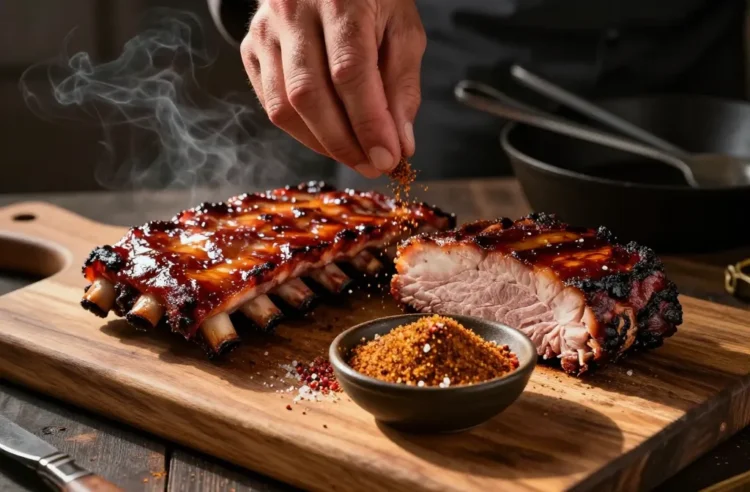
I’ve cooked ribs and pork shoulder on tiny apartment balconies and in backyard smokers, and dry rubs always did the heavy lifting. When you don’t have fancy gear, a smart rub turns grocery-store pork into barky, juicy, crowd-pleasing barbecue. In this guide, you’ll get eight proven dry rubs, when to use each, and exactly how much to apply. You’ll also learn simple make-ahead tips and substitutions you can find at any supermarket or hardware store.
1. Classic BBQ Brown Sugar Rub: Sweet Bark and Gentle Heat
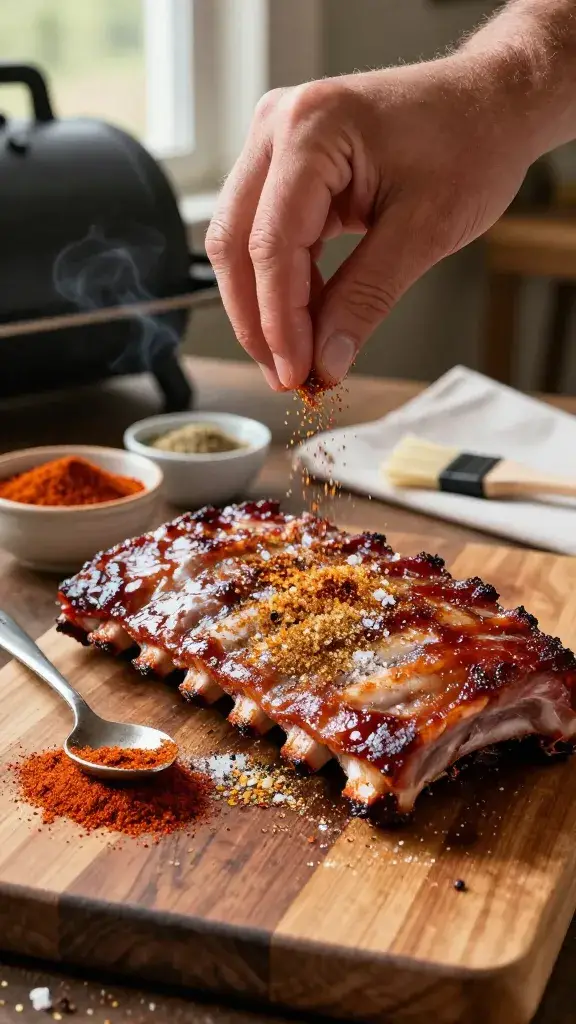
When you want that iconic mahogany crust and balanced sweetness, this is the workhorse. It builds a glossy bark on ribs and keeps pulled pork tasting rich without drowning it in sauce.
What’s In It (For 2 Racks of Baby Backs or 1 Pork Shoulder)
- 1/2 cup light brown sugar, packed
- 2 tbsp kosher salt
- 2 tbsp paprika (sweet)
- 1 tbsp black pepper, medium grind
- 1 tbsp garlic powder
- 1 tbsp onion powder
- 1 tsp cayenne (adjust to heat)
- 1 tsp mustard powder
How To Use It
- Pat pork dry. For ribs, remove the membrane on the bone side by gripping with a paper towel and pulling.
- Apply 2–3 tbsp rub per rack of ribs or 1/2 cup for a shoulder (6–8 lb), coating all sides evenly.
- Rest 20–30 minutes at room temp until the surface looks slightly wet as sugar dissolves.
Action today: Mix this rub in a jar and label it “Classic.” Use it as your baseline for all pork cuts this weekend.
2. Texas-Style Savory Rub: Pepper-Forward, No Sugar
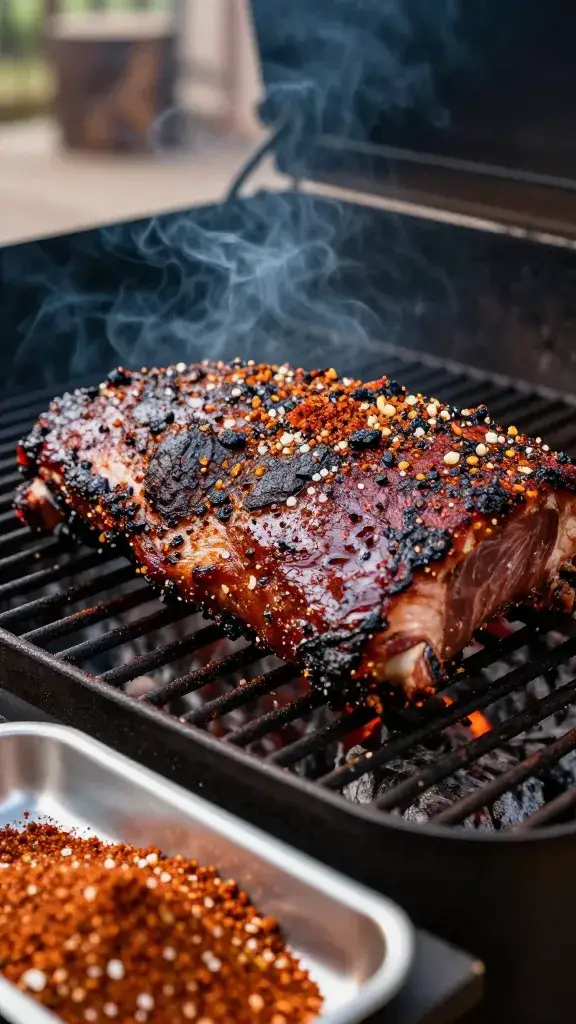
If you prefer a savory bark with a peppery bite, skip the sugar. This rub shines on pork shoulder where long cooks build deep crust without burning.
What’s In It
- 2 tbsp kosher salt
- 2 tbsp coarse black pepper
- 1 tbsp smoked paprika
- 1 tbsp garlic powder
- 2 tsp onion powder
- 1 tsp ground cumin
- 1 tsp chili powder (New Mexico or ancho)
How To Use It
- Apply 3/4–1 tsp rub per pound of meat for steady seasoning throughout.
- Great for high-heat grilling of chops and for long smokes; no sugar means less risk of bitter char.
Takeaway: For hotter grills or longer cooks where sugar can scorch, reach for this savory set-it-and-forget-it rub.
3. Memphis Dry Rib Rub: Tangy Spice That Doesn’t Need Sauce
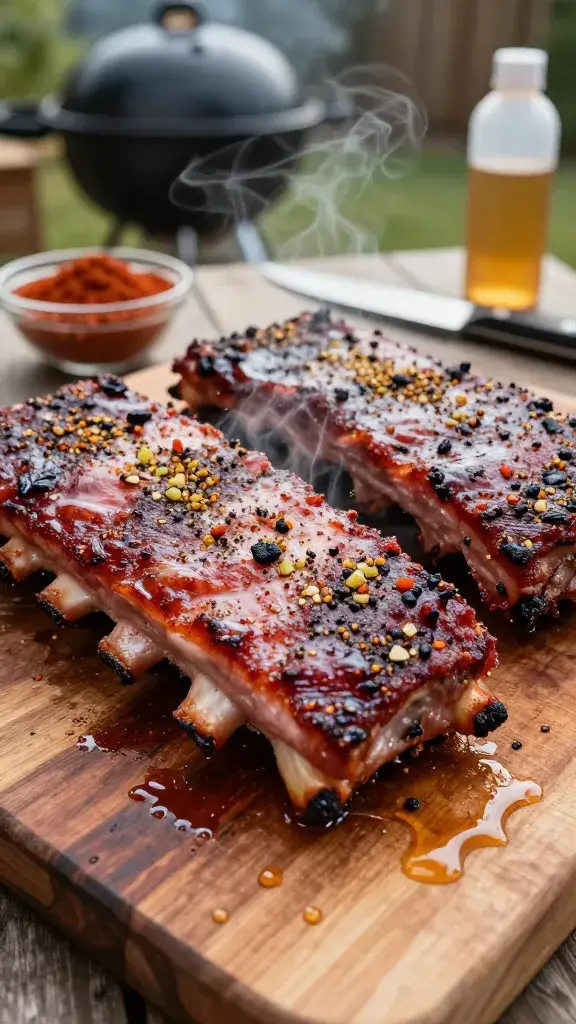
Memphis ribs deliver spice and tang without a heavy glaze. This rub pairs paprika and mild heat with a finish of vinegar right before serving to wake up the bark.
What’s In It
- 1/4 cup paprika
- 2 tbsp light brown sugar
- 1 tbsp kosher salt
- 1 tbsp black pepper
- 1 tbsp garlic powder
- 2 tsp onion powder
- 1 tsp celery seed, lightly crushed
- 1 tsp cayenne
How To Use It
- Coat ribs generously, 1–2 tbsp per side, and rest 20 minutes.
- After cooking, splash or spray with apple cider vinegar (1–2 tbsp per rack) and dust lightly with an extra teaspoon of rub for that classic “dry” finish.
Action today: Keep a small spray bottle of apple cider vinegar by the grill; finish ribs with two light sprays and a pinch of rub.
4. Carolina Mustard Rub: Sharp, Savory, and Built for Pulled Pork
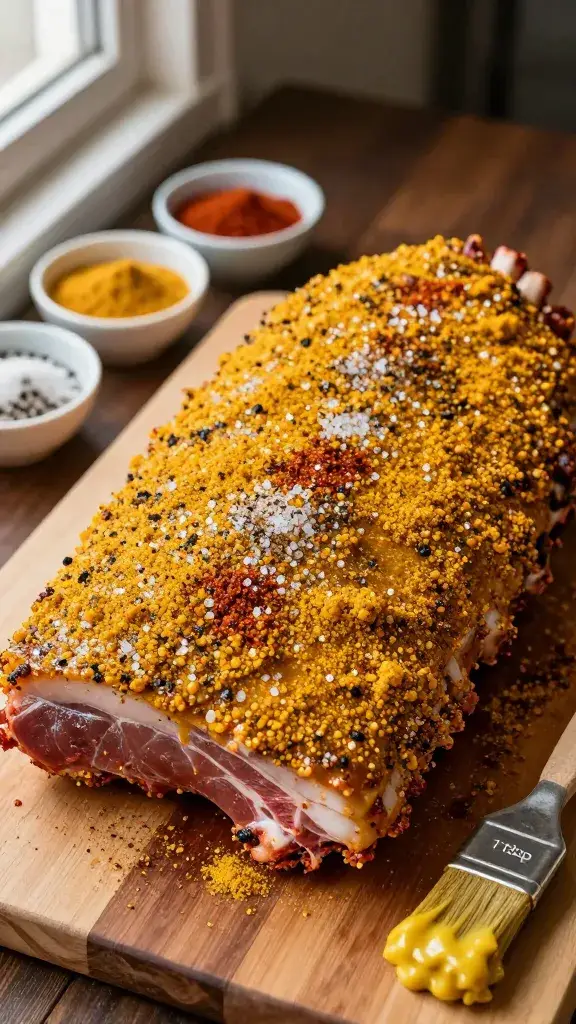
When you want pulled pork that pops in a sandwich without drowning in sauce, mustard-forward spices slice through richness. This rub layers fragrant mustard powder and turmeric with balanced heat.
What’s In It
- 2 tbsp kosher salt
- 1 tbsp black pepper
- 1 tbsp mustard powder
- 2 tsp turmeric
- 1 tbsp smoked paprika
- 1 tsp cayenne
- 1 tbsp brown sugar (optional for ribs)
How To Use It
- For shoulder, use 1 tbsp rub per pound. For ribs, use about 1 tbsp per side.
- If you like a stronger mustard bite, rub meat with a thin smear of yellow mustard as a binder first; it won’t taste “mustardy” after cooking, but it helps adhesion.
Takeaway: For sandwiches and slaws, season shoulders with a mustard-led rub to keep bites bright, not heavy.
5. Coffee-Chile Rub: Bold Bark and Subtle Bitterness
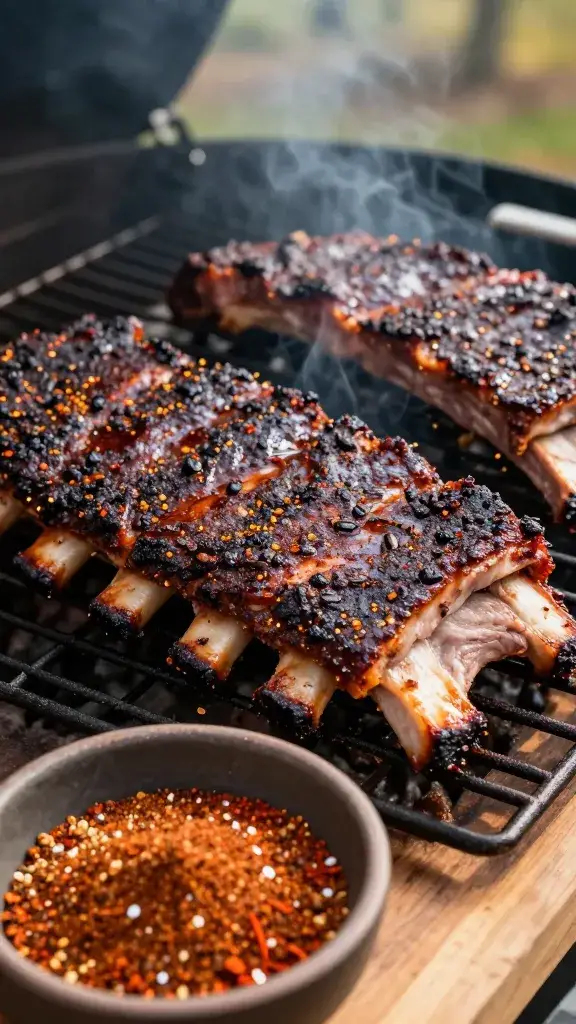
Ground coffee adds a roasty backbone and extra crunch to the bark, especially on meaty spare ribs and thick shoulders. The bitterness balances fat and sweetness without tasting like breakfast.
What’s In It
- 2 tbsp finely ground coffee (drip grind, not instant)
- 1 tbsp kosher salt
- 1 tbsp brown sugar
- 1 tbsp ancho chili powder
- 1 tsp smoked paprika
- 1 tsp black pepper
- 1/2 tsp cinnamon (optional, very light)
How To Use It
- Use 1–2 tsp per side for baby backs; 2–3 tsp per side for spare ribs; 1 tbsp per pound for shoulder.
- Cook indirect to prevent sugar and coffee from scorching; keep surface from getting too dark by moving meat away from hot spots.
Action today: Mix a tablespoon of your regular rub with a teaspoon of ground coffee and test on one rack end to dial in your preferred intensity.
6. Herb-Garlic Mediterranean Rub: Fresh, Bright, Weeknight-Friendly
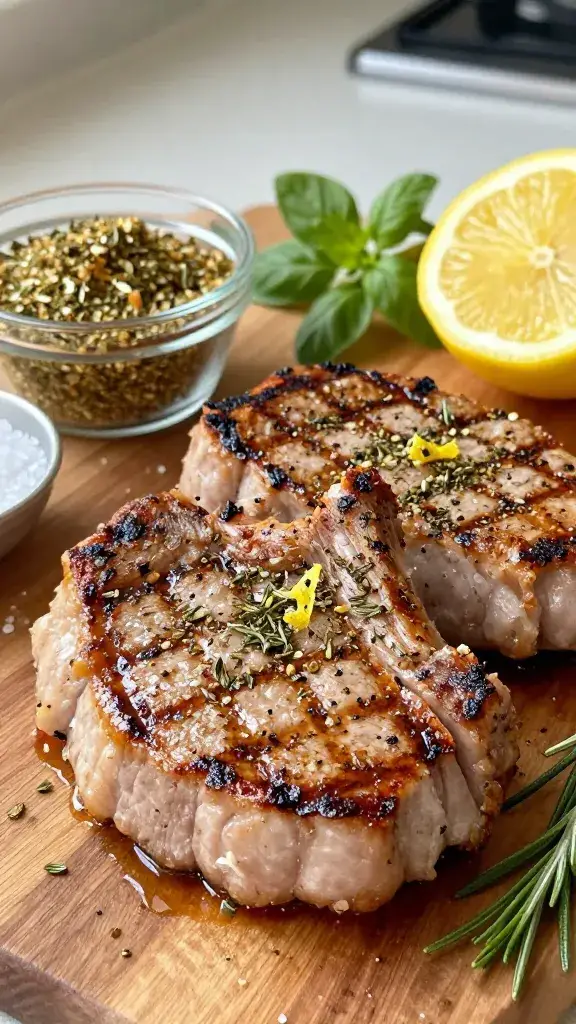
When you’re grilling pork chops or a small shoulder roast in the oven, herbs add lift without heavy sweetness. Dried herbs from any supermarket carry plenty of flavor when balanced with lemon and garlic.
What’s In It
- 2 tsp kosher salt
- 2 tsp dried oregano
- 2 tsp dried thyme
- 1 tsp dried rosemary, crushed
- 1 tsp garlic powder
- 1 tsp black pepper
- Zest of 1 lemon, finely grated (mix in just before using)
How To Use It
- Apply 1 tsp per side on chops or 1 tbsp per pound on roasts. Rest 15 minutes.
- After cooking, finish with a squeeze of fresh lemon and a drizzle of olive oil to bloom the herbs.
Takeaway: For lighter meals or indoor roasting, use an herb-forward rub and finish with lemon to keep pork vibrant.
7. Maple-Smoke Campfire Rub: Balanced Sweet, Smoky, and Pantry-Ready
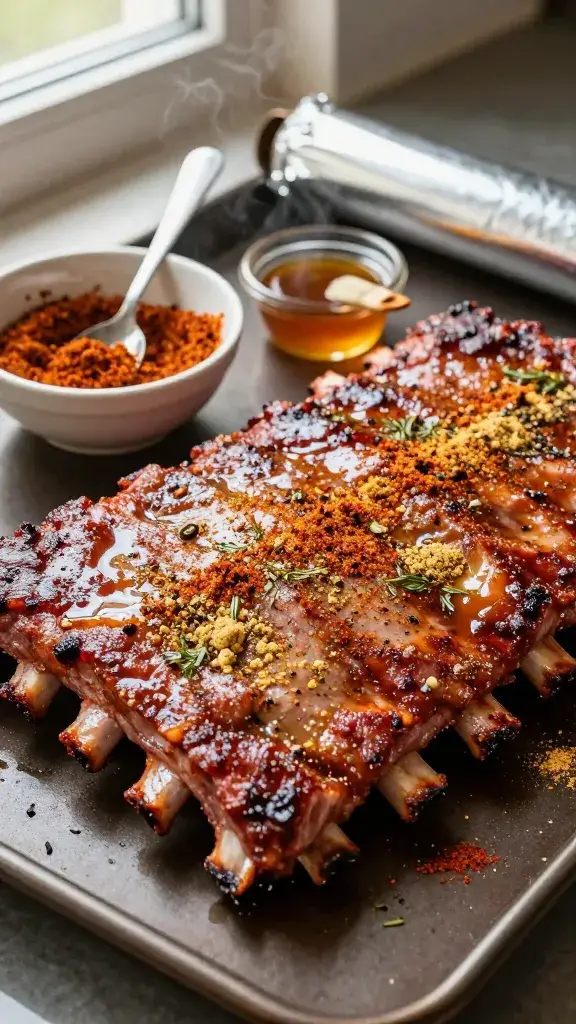
When you don’t have a smoker, this rub fakes it with smoked paprika and a hint of maple. It’s excellent for oven ribs and slow-cooker shoulders that still need that barbecue vibe.
What’s In It
- 2 tbsp light brown sugar
- 1 tbsp kosher salt
- 1 tbsp smoked paprika
- 1 tsp ground coriander
- 1 tsp black pepper
- 1 tsp mustard powder
- 1 tsp ground ginger
- 1 tsp maple sugar or 1 tsp maple syrup whisked into 1 tsp oil and rubbed on as a binder
How To Use It
- For oven ribs, rub generously, wrap in foil with a splash (2 tbsp) of apple juice, and cook low (275°F) before finishing uncovered to set the bark.
- For slow-cooker shoulder, rub heavily, sear in a skillet to build crust, then finish in the cooker; spoon juices over at the end.
Action today: No smoker? Add a teaspoon of liquid smoke to your foil packet or slow cooker broth for a gentle boost — don’t overdo it.
8. Chile-Lime Street-Style Rub: Zesty Heat for Tacos and Bowls
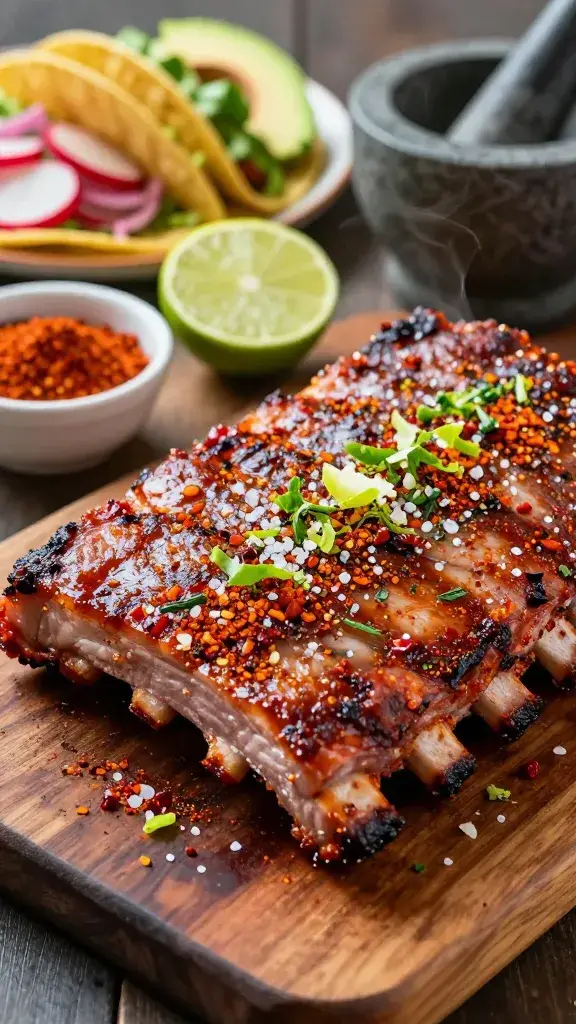
For tacos, bowls, and lettuce wraps, you want citrus zip and layered chile flavor rather than heavy sweetness. This rub keeps meat lively and pairs with fresh toppings.
What’s In It
- 1 tbsp kosher salt
- 2 tsp chili powder (blend of ancho/guajillo works)
- 1 tsp chipotle powder or smoked paprika for smoky heat
- 1 tsp cumin
- 1 tsp garlic powder
- 1 tsp coriander
- Zest of 2 limes (mix in right before use)
How To Use It
- For ribs or shoulder, apply 1 tbsp per pound. For chops or country-style ribs, 1 tsp per side.
- Finish cooked meat with fresh lime juice and chopped cilantro to lock in the theme.
Takeaway: Planning tacos? Use this rub and squeeze a full lime over the pork right off the heat for a clean, bright finish.
Frequently Asked Questions
How much rub should I put on ribs or pork shoulder?
For ribs, plan 2–3 tablespoons per rack, split across both sides. For pork shoulder, use about 1 tablespoon per pound. Coat evenly so no shiny patches remain, then let it sit 20–30 minutes until the surface looks slightly wet. That tells you the salt and sugar have started to draw in.
Do I need a binder like mustard or oil before applying a dry rub?
You don’t need one, but a thin smear helps the rub stick, especially on trimmed ribs or very dry roasts. Use 1 teaspoon yellow mustard or neutral oil per rack of ribs and 1 tablespoon per shoulder. It won’t change the flavor after cooking; it just helps with even coverage and bark formation.
How long should I let the rub sit before cooking?
At room temperature, 20–30 minutes is enough for most cooks. For deeper penetration on shoulders, rub and refrigerate uncovered for 4–12 hours on a rack set over a tray to dry the surface slightly. Bring meat out 30–45 minutes before cooking so it isn’t refrigerator-cold when it hits the heat.
What if my rub burns on the grill?
That means heat is too direct or the rub has a lot of sugar over high flames. Move to indirect heat, lower the grill to medium, and avoid flare-ups by placing a drip pan under the meat. For hot-and-fast cooks, use a no-sugar rub (like the Texas-style) and add sweetness later with a light glaze during the last 10 minutes.
Can I make these rubs ahead and how long do they last?
Yes. Mix dry ingredients and store in a small jar or zip-top bag for up to six months in a cool, dark cupboard. Skip adding citrus zest or anything wet until the day you cook. Label jars with the blend name and date so you actually use them.
What’s the best way to get a good bark without a smoker?
Use a dry rub with paprika or coffee for color, cook low and slow in the oven on a rack at 275°F, and finish uncovered for the last 30–45 minutes. A foil-wrapped phase with a splash of apple juice tenderizes; removing the foil at the end lets the bark firm up. If you want light smoke notes, use smoked paprika or a teaspoon of liquid smoke in the wrap liquid.
Conclusion
Pick one rub today and cook a small batch of ribs or a half shoulder to learn how it tastes in your kitchen. Once you lock in your favorite profile, mix a big jar and label it so great pork becomes an easy weeknight habit, not a once-a-summer project.