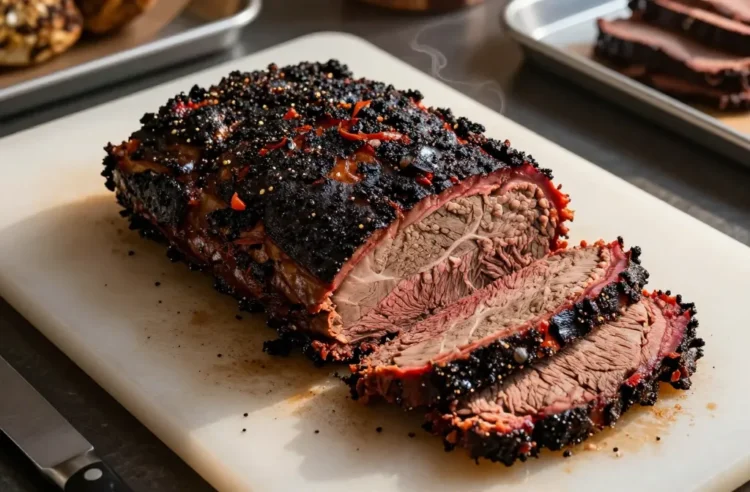
- Best for: Backyard parties when the brisket bark is great but the ring is missing
- Make ahead: Yes — slice up to 1 day ahead and reheat gently
- Serves: 30 people with a 16–18 lb packer (pre-trim)
- Key tip: Create contrast: thinly slice, add moisture, and stack with pink sides facing out
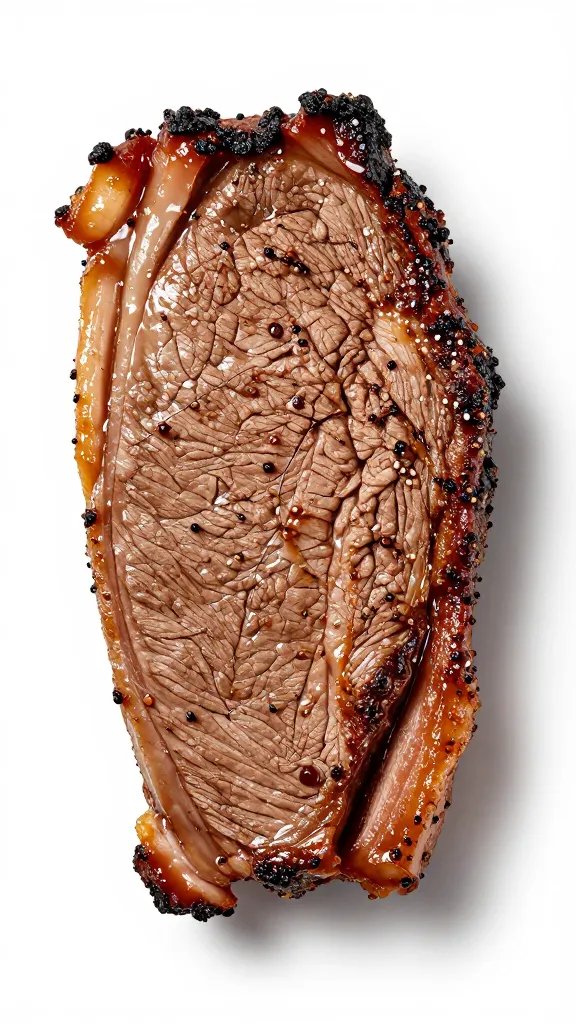
So your BBQ Brisket That Has No Smoke Ring for 30 People is ready, the bark is beautiful, the jiggle is right — and the slices are… gray. No smoke ring. Don’t panic. The ring is cosmetic; flavor lives in the bark, fat render, and seasoning. Here’s how to fix presentation, moisture, and serving strategy fast — plus how to nail the ring next time.
First: Understand Why the Smoke Ring Matters (and Why It Doesn’t)
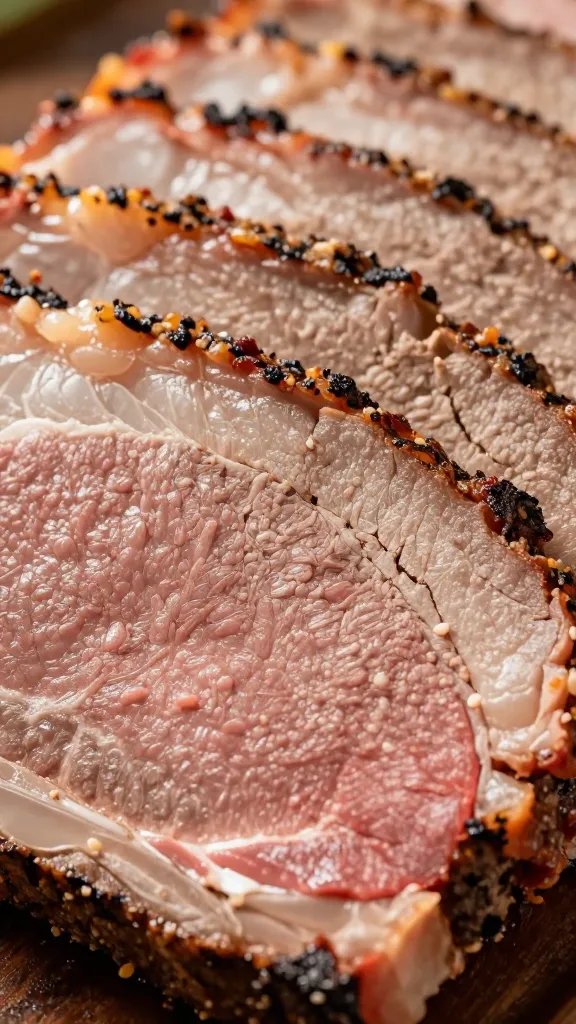
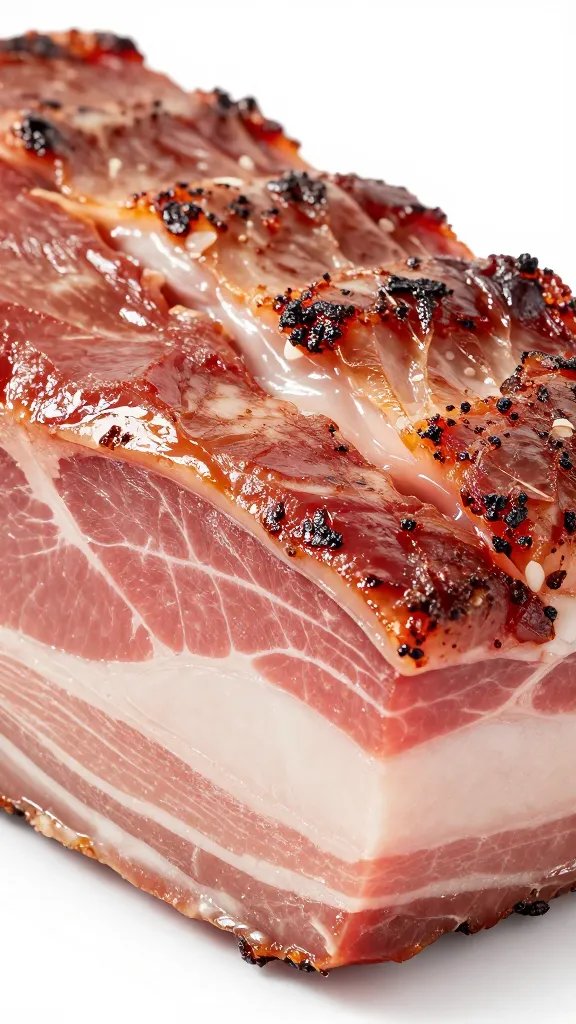
The smoke ring is a chemical reaction between nitric oxide in smoke and myoglobin in the meat. It forms early, below 140°F internal. It looks great, but it doesn’t equal smoky flavor.
No ring can happen with overly dry surfaces, high pit temps early, little airflow, or if you used a pellet grill with clean-burning smoke. Focus now on taste and presentation — you can still wow a crowd.
Immediate Fixes to Improve Appearance and Juiciness
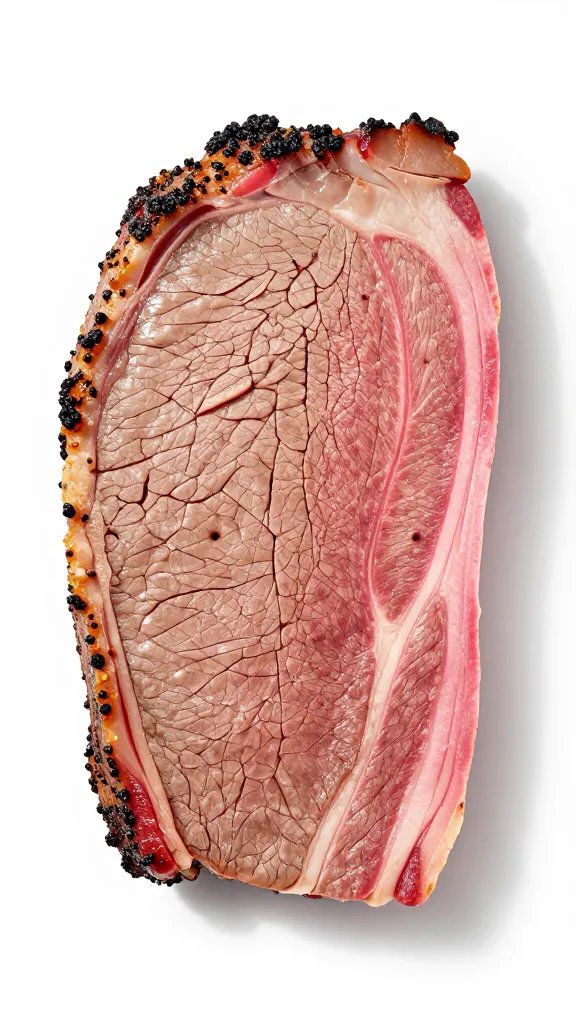
Slice for Visual Impact
- Slice thin (1/4 inch) across the grain. Thinner slices show a lighter edge, mimicking a subtle ring.
- Turn slices so the cut faces outward on the platter. Stack in a shingled fan to show contrast.
- Separate the flat and point. Serve point cubes (burnt-end style) for rich, glossy bites that distract from the ring issue.
Add Moisture and Shine
- Brush with warm au jus (beef stock + drippings) before serving. It deepens color and adds gloss.
- Spritz slices lightly with a 50/50 mix of beef stock and apple cider vinegar to brighten the meat’s edges.
- Hold sliced brisket in a 160–170°F covered pan with jus to keep it supple for service.
Use Garnish and Sides Smartly
- Red onions, pickled onions, or radishes add pink and red tones on the platter — a subtle visual cue.
- Offer this chimichurri recipe or a bright vinegar slaw to bring color and acidity.
Portioning for 30: Get the Math Right
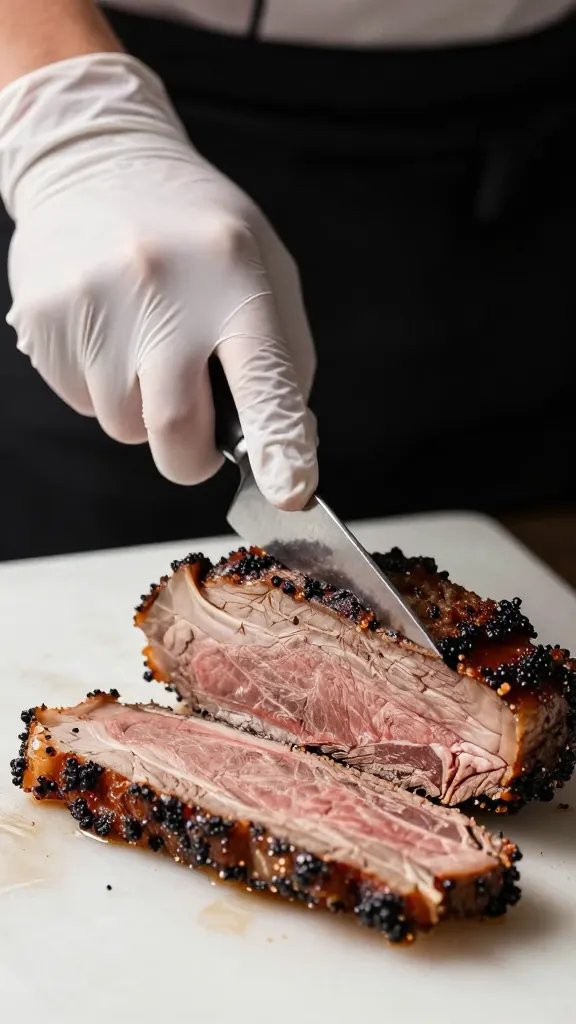
Most hiccups for crowds aren’t about the ring — they’re about running out. Plan correctly and slice to stretch.
- Yield: 16–18 lb packer brisket typically yields 9–11 lb cooked, trimmed, and sliced.
- Serving size: 1/3 lb per adult for a buffet with sides; 1/2 lb for heavy meat eaters.
- For 30 people: Two packers of 14–16 lb each, or one 17–18 lb plus a 10–12 lb second brisket/point.
- Slice thinner for buffets and pre-shingle on platters to control portions.
Flavor Boosters That Distract from the Missing Ring
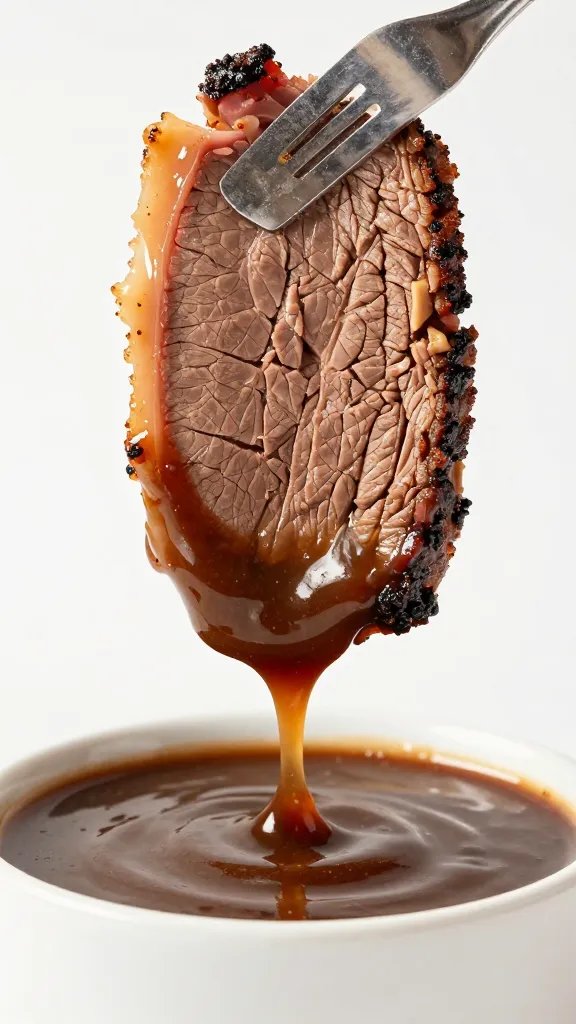
You can’t paint on a ring, but you can turn up flavor and contrast so no one notices.
- Finish glaze: Warm 1 cup beef jus + 2 tbsp maple + 1 tbsp Worcestershire + 1 tsp black pepper. Brush lightly over slices.
- Salt touch-up: If bark seasoning faded during the hold, dust slices with a pinch of finishing salt and fresh cracked pepper.
- Acid and herbs: A small drizzle of chimichurri, salsa verde, or pickled jalapeños cuts richness and energizes the plate.
- Smoke-forward sauce on the side: Offer a light, tangy mop sauce or a thin Texas-style sauce; don’t drown the meat.
Service Strategy for a Crowd
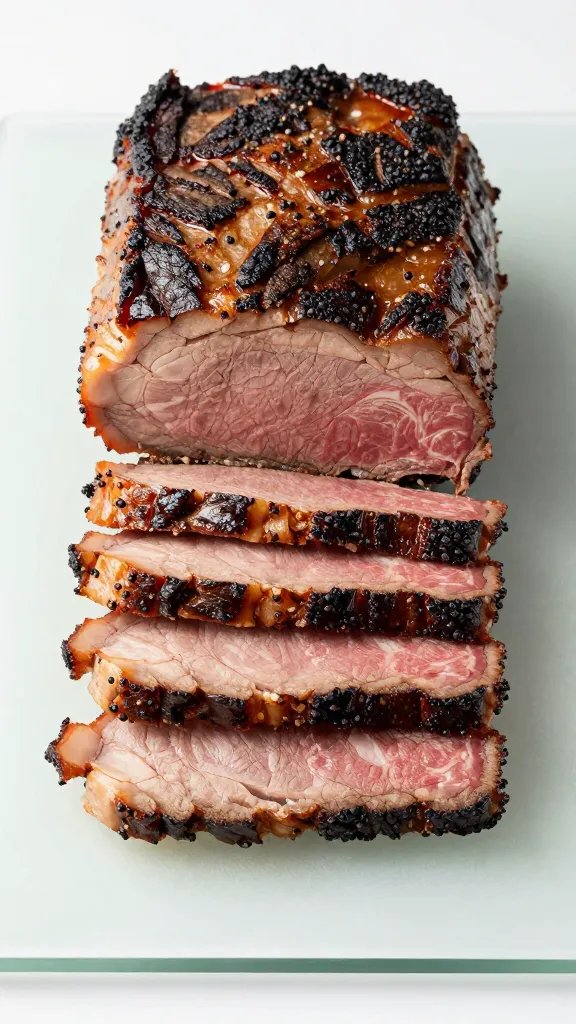
Build a Brisket Carving Station
- Hold temp: Keep sliced brisket in a covered pan at 160–170°F with a ladle of jus.
- Carve to order: Slice the flat thin; cube the point. Present the cut edges front-facing.
- Rotate platters: Refill small platters frequently so everything looks fresh and glossy.
Smart Pairings
- Pickles, onions, white bread — classic Texas trim that balances fat.
- Vinegary slaw and potato salad — keeps plates colorful and guests full.
- Offer a second meat like smoked chicken thighs to diversify protein and reduce pressure on the brisket.
How to Get a Smoke Ring Next Time
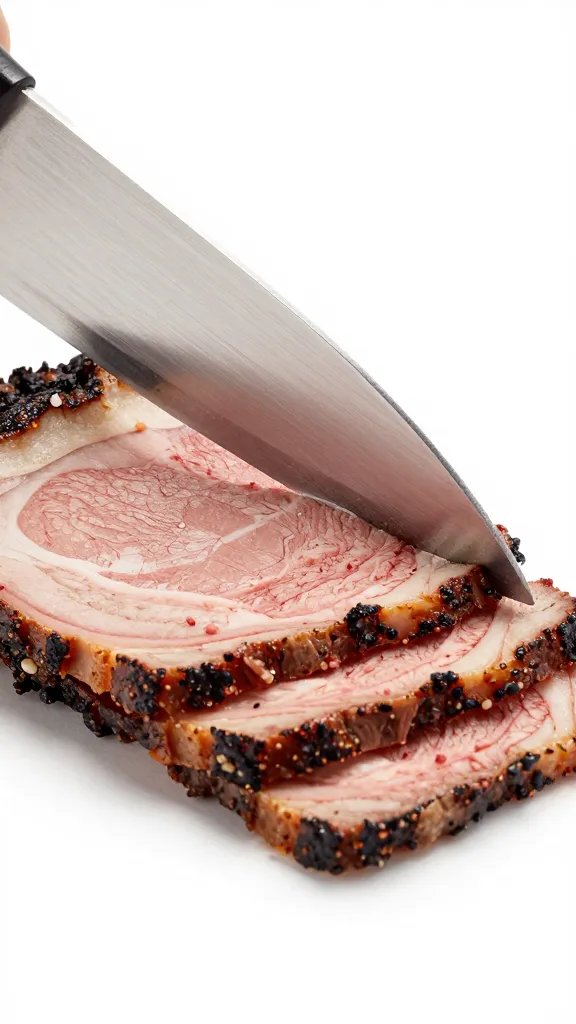
Set Up the Pit for Early Smoke Exposure
- Start cooler: Run 200–225°F for the first 2–3 hours to let the ring form before 140°F internal.
- Use a water pan: Moist air slows surface drying, helping nitric oxide bind to myoglobin.
- Fuel choice: Wood splits or charcoal with wood chunks produce more NO/NO2 than pellets alone.
- Don’t rush the wrap: Wait until color is set and you’ve had at least 2–3 hours of good smoke before wrapping.
Prep the Meat to Encourage the Reaction
- Keep the surface damp at the start. Lightly spritz when it goes on; avoid oil-heavy slathers early.
- Salt timing: Season 30–60 minutes before the cook to draw a bit of moisture to the surface.
- Cold meat on the pit: Going on straight from the fridge can extend ring-forming time in the safe zone.
Airflow and Clean Smoke
- Blue, wispy smoke is ideal. Thick white smoke won’t improve the ring and can turn bitter.
- Vent open enough to maintain positive flow; stagnant pits reduce NO delivery.
Make-Ahead and Reheat Without Drying Out
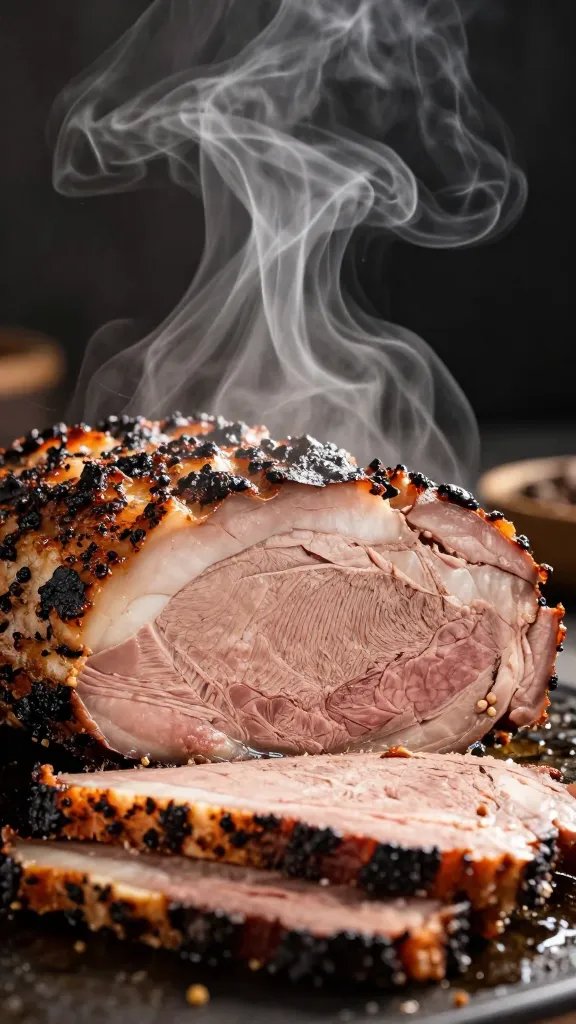
Feeding 30? Make-ahead can save the day if you do it right.
- Cook, rest, then chill whole (un-sliced) if serving next day. Wrap tight with the juices.
- Reheat low and slow at 250°F until 140–150°F internal, then slice and hold in jus.
- For sliced make-ahead: Shingle slices in a pan, add warm jus to 1/4-inch depth, cover, and reheat gently.
From My Kitchen: What Actually Works
I’ve served brisket to 30+ more than a dozen times, and the fastest save for a missing ring is thin slicing and a warm jus glaze. When I keep slices in a covered pan at 165°F with 1/4 inch of jus, they stay tender for two hours without turning mushy. I’ve also tested oil-based finishing glazes — they mute bark crunch; a light stock-based glaze keeps texture intact. For seasoning, I scale rubs fully but finish with only half the usual salt on sliced platters; carryover salt from the hold can creep up fast.
Frequently Asked Questions
Does a smoke ring change the flavor of brisket?
No. The smoke ring is a color reaction, not a flavor component. Flavor comes from the wood smoke compounds on the surface, rendered fat, and seasoning, so a brisket without a ring can still taste excellent.
How do I fix BBQ brisket that has no smoke ring right before serving?
Slice thin across the grain, arrange slices with the cut edge facing out, and brush with warm au jus for shine. Add bright sides like pickled onions or chimichurri to boost color and contrast on the platter.
What caused my BBQ Brisket That Has No Smoke Ring for 30 People?
Likely early pit temps that were too high, a dry surface at the start, or very clean-burning fuel like pellets. Without enough nitric oxide exposure before the meat passes 140°F internal, the ring won’t form.
Can I make brisket ahead for a crowd and keep it juicy?
Yes. Chill whole after the rest, then reheat at 250°F to 140–150°F internal. Slice after reheating and hold in a covered pan with jus at 160–170°F for service.
What’s the best way to serve brisket for 30 people?
Pre-slice thin, shingle on smaller platters, and refresh often with a warm jus brush. Offer simple sides (pickles, onions, slaw) and one additional protein to balance portions and reduce pressure on the brisket.
The Bottom Line
No smoke ring? You can still deliver juicy, flavorful brisket that looks great on the platter. Slice thin, add moisture and shine, and build contrast with sides — then tweak your early-cook setup next time to encourage the ring.
Planning to try this? Save this post so you can find it when you need it — and tag us when you make it.