- Best for: Backyard cookouts, tailgates, and potlucks where sauce is king
- Make ahead: Yes — up to 3 days; reheat gently
- Serves: 50 people (about 2.5–3 quarts of sauce)
- Key tip: Simmer with acid and fat, then strain — starchy taste disappears
How to Fix BBQ Sauce That Has a Floury Taste for 50 People isn’t glamorous, but it’s a real party-saver. That powdery, pasty note usually comes from undercooked starch or a roux that never fully hydrated. The fix is chemistry, not magic: heat to gelatinize starch, add acid to brighten, and incorporate fat for mouthfeel. You’ll learn exactly how to salvage a big batch fast — with precise steps and scaling for 50 guests.
Why BBQ Sauce Gets That Floury Taste
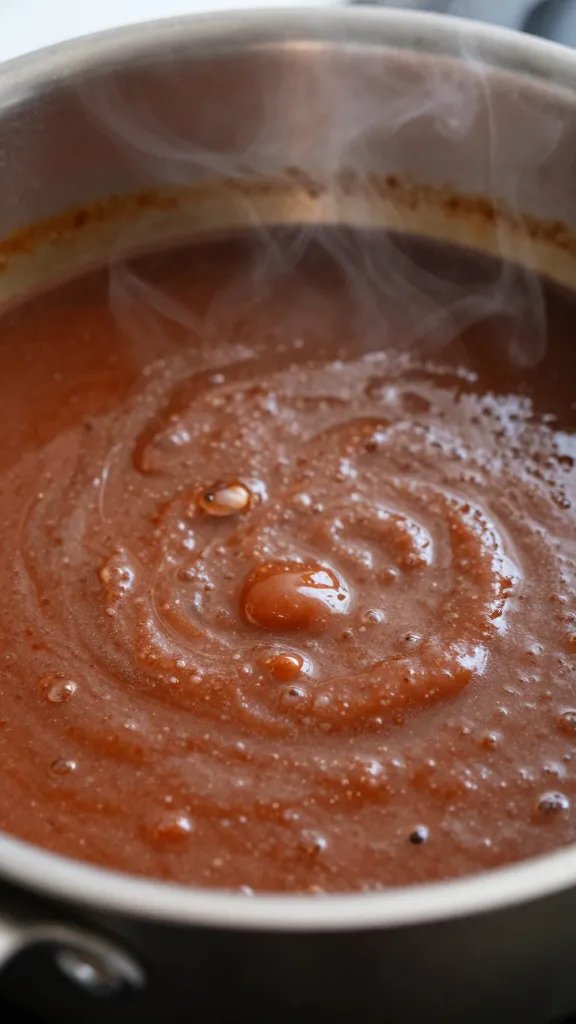
Undercooked starch is the usual culprit — flour or cornstarch added as a thickener and not heated long enough. Starch needs proper time and temperature to gelatinize.
Too much thickener magnifies chalky texture. Even a tablespoon or two too many in a large pot reads as pasty.
Roux issues: A pale roux (butter + flour) added to tomato or vinegar bases can taste raw if not cooked past the floury phase.
Immediate Fix: The Fastest Way to De-Flour a Big Batch
Step-by-step Rescue (for ~3 quarts, serving 50)
- Add liquid: Stir in 1–2 cups low-sodium stock or water to loosen. Thin now; you’ll thicken by reduction later.
- Simmer, don’t boil: Bring to a gentle simmer for 8–12 minutes, stirring often. This cooks out raw starch flavor.
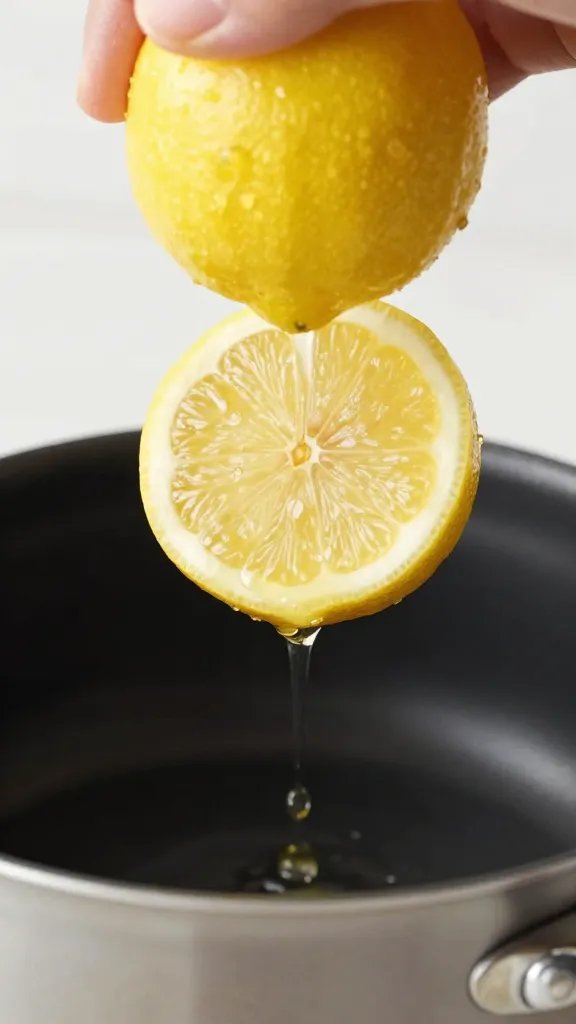
- Add acid: Stir in 2–4 tablespoons apple cider vinegar or lemon juice. Taste after each tablespoon. Acid cuts the chalky impression.
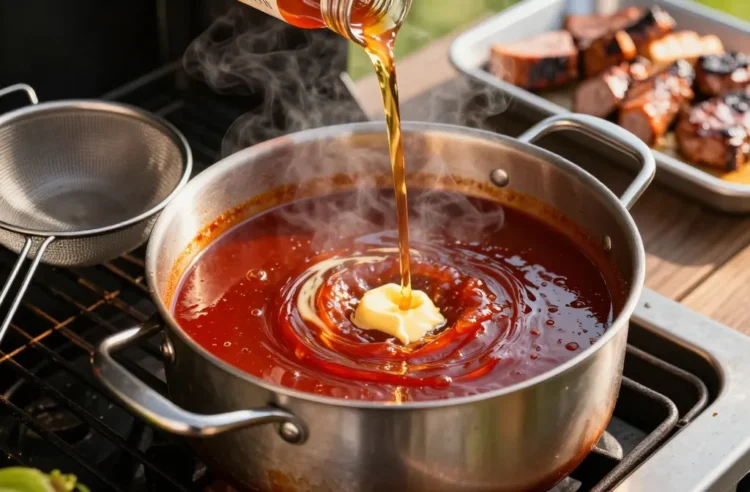
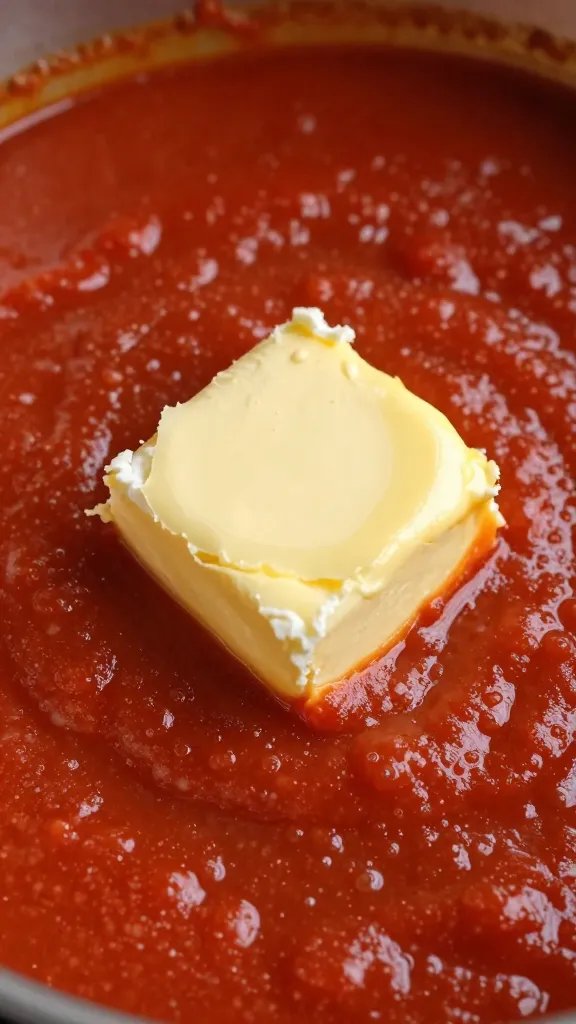
- Add fat: Whisk in 2–3 tablespoons butter or 3 tablespoons neutral oil. Fat smooths the mouthfeel.
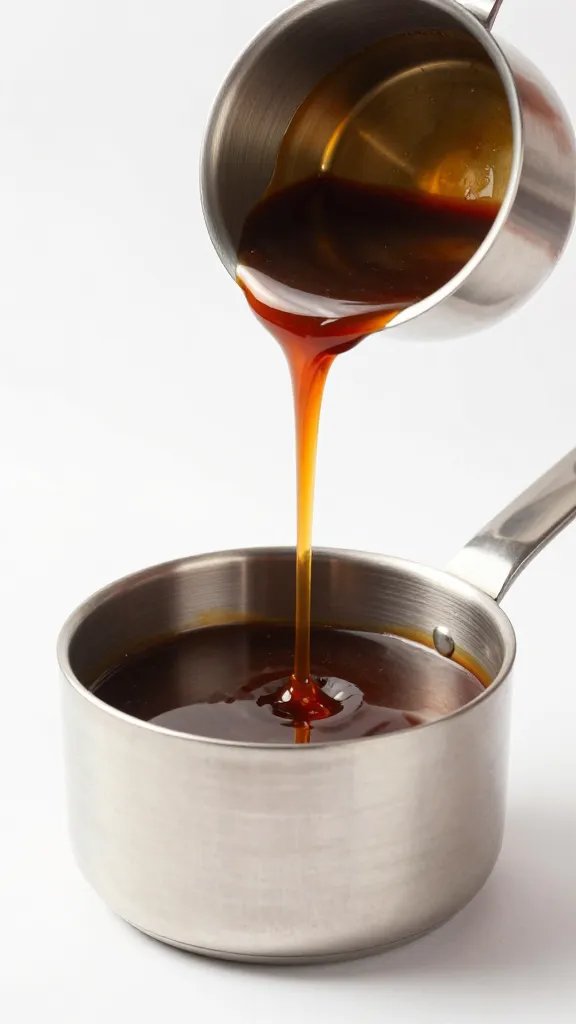
- Sweet-balance: If the acid made it sharp, add 1–2 tablespoons brown sugar or honey to round it out.
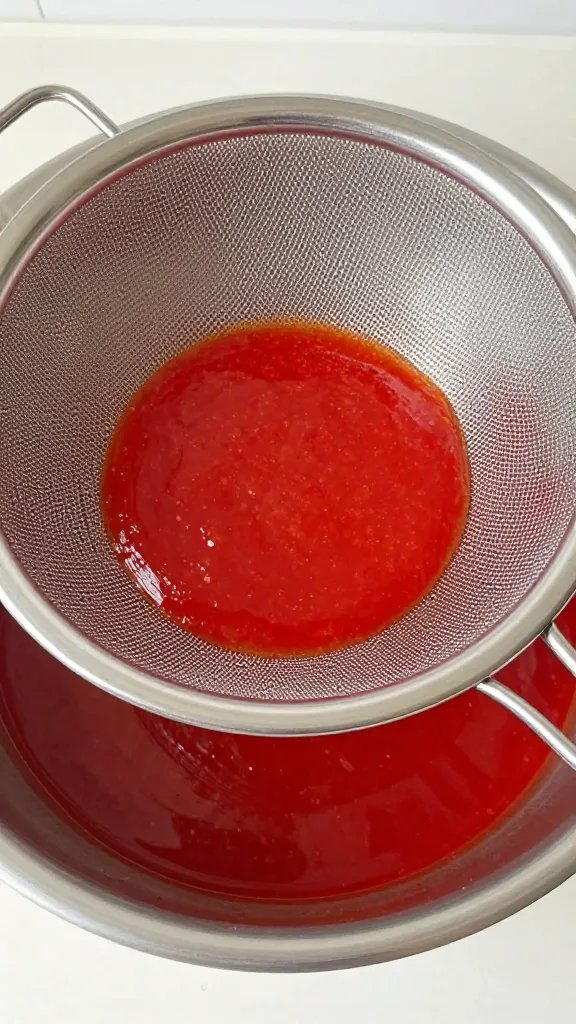
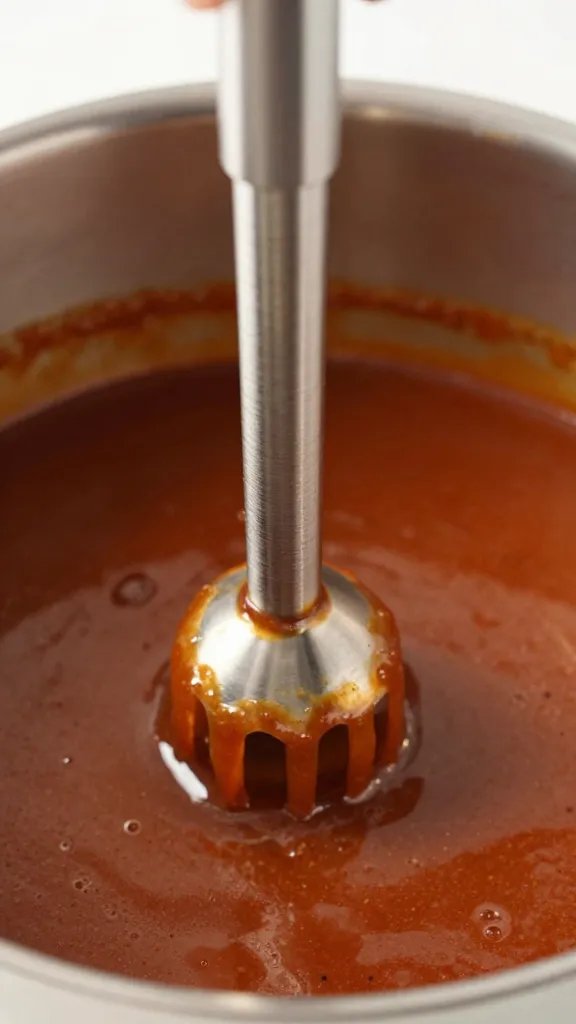
- Blend and strain: Use an immersion blender for 30–45 seconds, then push sauce through a fine-mesh sieve. This removes any floury granules.
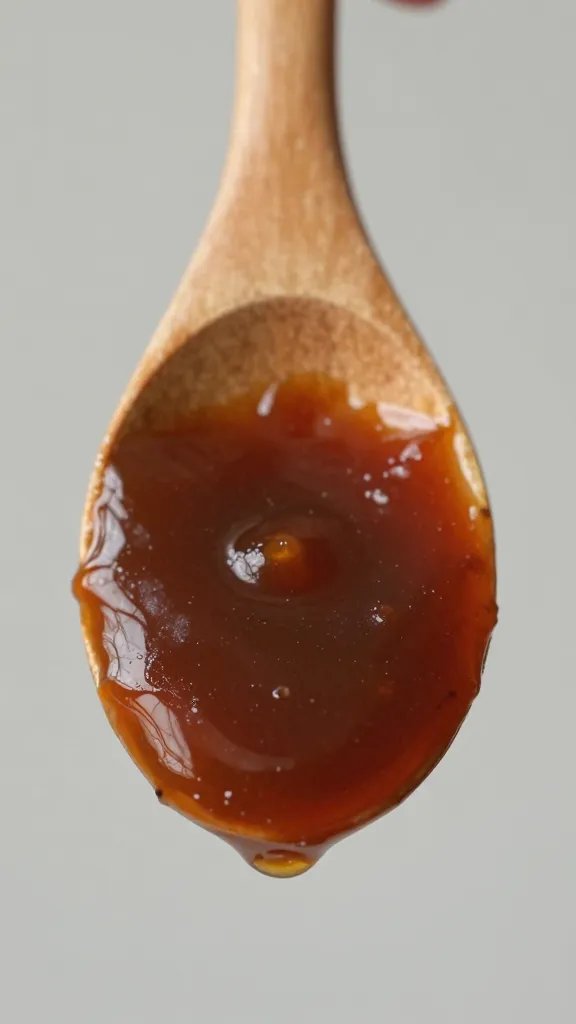
- Reduce to desired thickness: Return to the pot and simmer, uncovered, until it coats a spoon. Season with salt and pepper last.
When You Used Flour or Cornstarch: Tailored Fixes
If You Used Flour
- Cook longer: Flour needs a longer simmer (10–15 minutes) to lose the raw taste.
- Fat helps: A knob of butter improves gloss and reduces flouriness.
- Strain: Flour clumps don’t fully blend; sieving is key.
If You Used Cornstarch
- Activate gently: Cornstarch sets around 180–190°F. Simmer 2–4 minutes — too long and it can thin again.
- Acid impacts it: Add acid at the end; prolonged heat plus acid weakens cornstarch gels.
- Consider a slurry refresh: If it’s thin after the fix, make a new slurry (1 tablespoon cornstarch + 2 tablespoons cold water) and whisk in off heat; return to a brief simmer.
Flavor Rebalancing for 50 People

After fixing texture, lock in flavor. For a 3-quart batch, tweak in small increments and taste after each step.
- Acid: 1 tablespoon at a time (up to 4). Apple cider vinegar is classic; lemon juice is brighter.
- Sweet: 1 tablespoon brown sugar, honey, or molasses at a time.
- Umami: 1–2 teaspoons Worcestershire or soy sauce for depth.
- Heat: 1–2 teaspoons hot sauce or 1/4 teaspoon cayenne for a gentle kick.
- Smoke: 1/2–1 teaspoon liquid smoke if the grill won’t do the job — tiny amounts only.
Preventing the Problem Next Time
- Thicken by reduction first: Simmer uncovered to concentrate before reaching for starch.
- Make a proper roux: Cook flour in fat 3–4 minutes until it smells nutty before adding liquids.
- Use better thickeners: Tomato paste, date paste, or a touch of xanthan gum (1/8 teaspoon per quart) avoid floury notes.
- Add starch correctly: Always make a cold slurry. Whisk into simmering sauce in a thin stream.
- Hold the salt early: Reduction concentrates salt; season to taste at the end.
Scaling and Serving for a Crowd
For 50 people, plan about 1.5–2 ounces of sauce per person if it’s a side drizzle, 3 ounces if it’s a slather. That’s about 2.5–3.5 quarts total.
- Batch in two pots: Splitting the sauce halves risk and speeds correction if one goes floury.
- Keep warm, not boiling: Hold at 160–170°F in a slow cooker or chafing dish to protect texture.
- Offer two profiles: A tangy vinegar-forward and a sweeter molasses-forward option keep everyone happy. Pair with something fresh like this chimichurri recipe for a green, herby contrast.
From My Kitchen: What Actually Works

The single best fix I’ve tested is a 10-minute gentle simmer with 2 tablespoons cider vinegar and 2 tablespoons butter per 3 quarts, followed by a blender hit and a fine strain. I’ve tried skipping the straining step and the flour note lingers — the sieve makes the difference. When scaling for 50, I reduce sweeteners slightly at first; after reduction, I add sweetness back in small spoonfuls. One more tip: if the sauce thickens too much on the hot line, I whisk in warm water 2 tablespoons at a time — not more fat — to keep flavor balanced.
Smart Add-Ins That Mask Residual Flouriness

- Roasted aromatics: Stir in a quick blender puree of roasted onion and garlic for body and complexity.
- Mustard: 1–2 tablespoons Dijon per quart adds tang and emulsifies fat and water.
- Coffee or strong tea: 2–3 tablespoons brewed coffee deepens darker sauces without extra sugar.
- Spice bloom: Briefly toast chili powder, paprika, or cumin in a teaspoon of oil, then whisk in. Bloomed spices taste smoother.
- Fresh finish: A handful of minced parsley at service perks up heavy sauces. For a smoky-herb alternative, check out these grilled vegetable sides to balance the plate.
Frequently Asked Questions
How do I fix BBQ sauce that tastes like flour without starting over?
Loosen with stock or water, simmer 8–12 minutes, add 2–4 tablespoons acid and 2–3 tablespoons fat per 3 quarts, then blend and strain. Reduce back to your preferred thickness and adjust seasoning.
Can I make this repaired BBQ sauce ahead for 50 people?
Yes. Cool quickly, store 2–3 days in the fridge, and reheat gently to serving temperature. Whisk as it warms; add a splash of water if it thickened in the fridge.
What’s the best thickener to avoid a floury taste in BBQ sauce?
Use reduction and tomato paste first. If you need more body, a tiny pinch of xanthan gum (about 1/8 teaspoon per quart) whisked in off heat gives gloss without starchiness.
How much BBQ sauce do I need for 50 people?
Plan 1.5–2 ounces per person for drizzling or up to 3 ounces if you’re saucing heavily. That’s roughly 2.5–3.5 quarts total, depending on the menu.
Can I freeze repaired BBQ sauce?
Usually yes. Cool completely, portion, and freeze up to 3 months. Sauces thickened with flour can separate slightly after thawing — whisk while reheating and add a splash of water to smooth it out.
Why does my sauce get floury again after reheating?
High heat can shock starch-thickened sauces, making texture feel pasty. Reheat gently, covered, and stir often. If needed, whisk in a tablespoon or two of water and a teaspoon of vinegar to refresh.
The Bottom Line
Floury-tasting BBQ sauce isn’t a disaster — it’s a cue to simmer, brighten with acid, add a little fat, then blend and strain. With these steps, you’ll rescue a big-batch sauce and serve it confidently to 50 happy guests.
Planning to try this? Save this post so you can find it when you need it — and tag us when you make it.