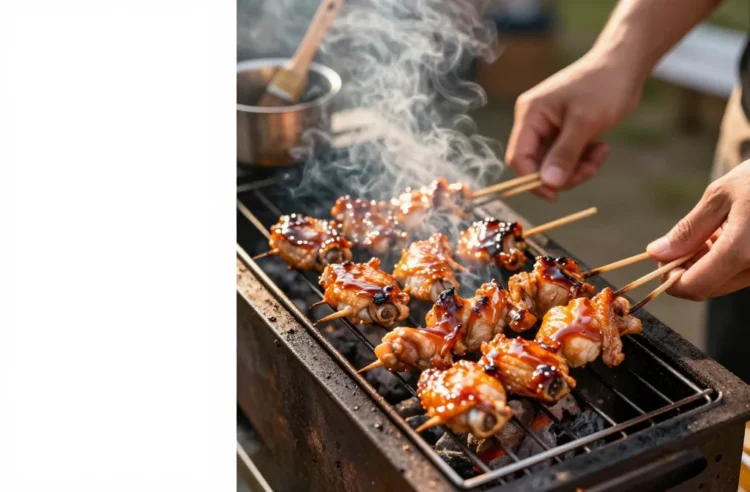
- Best for: Backyard parties, casual weddings, tailgates, festivals
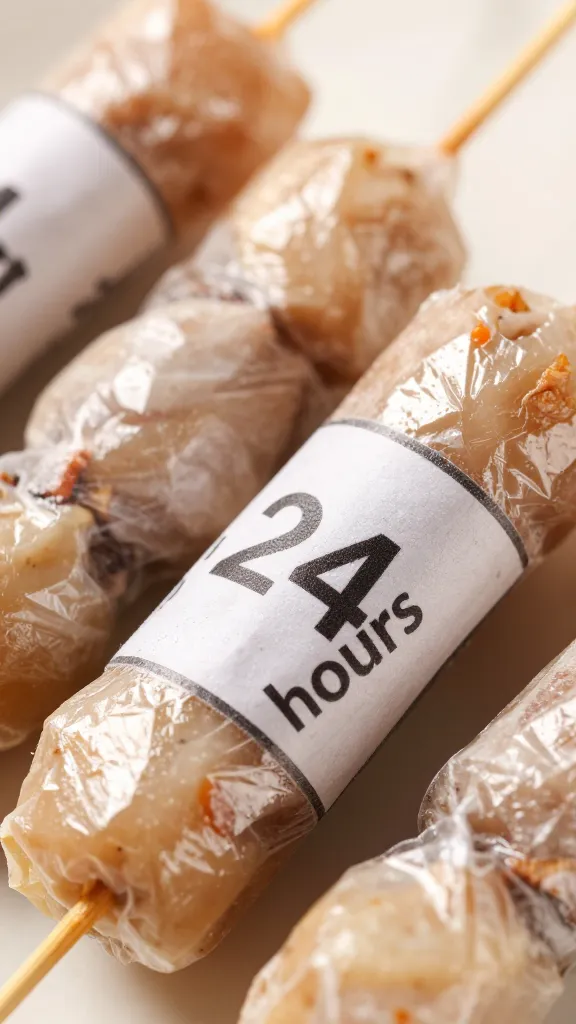
- Make ahead: Yes — sauce 5 days, skewers 24 hours (chilled)
- Serves: 50 people (about 6–8 skewers each)
- Key tip: Keep sauce and grill zones separate to avoid cross-contamination
Japanese Yakitori for 50 People — Sauce Ratios and Skewers sounds ambitious, but it’s highly doable with smart prep. You’ll batch one glossy tare sauce, pre-skewer a variety of cuts, then grill fast to order. The result is salty-sweet, smoky chicken with charred edges and a lacquered finish. In this guide you’ll get exact sauce ratios, skewer counts, shopping lists, timing, and setup for a smooth service.
Yakitori Overview: Cuts, Sauce, and Crowd Strategy
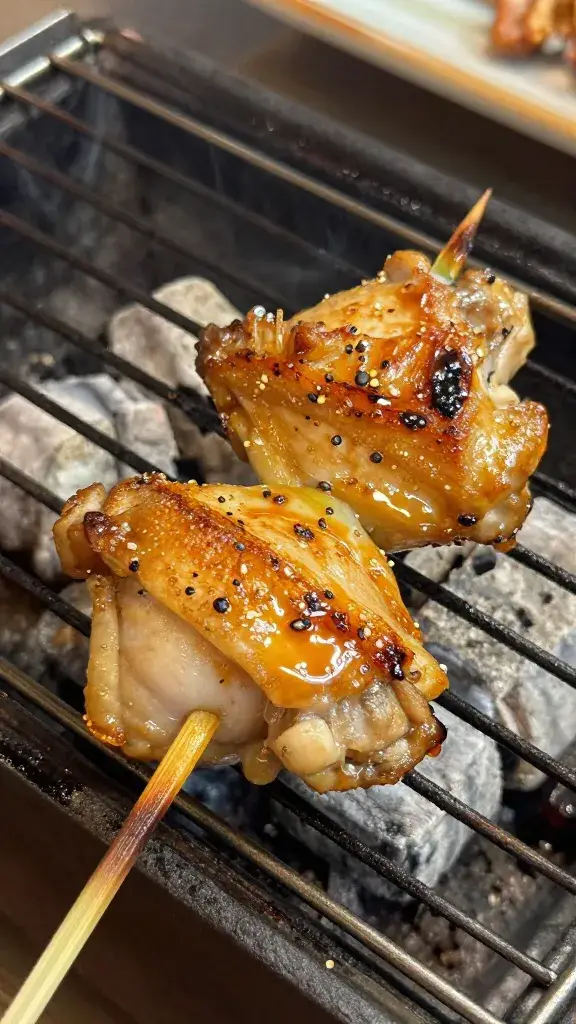
Yakitori is all about bite-size chicken skewers grilled over high heat and brushed with tare — a soy-mirin-sake glaze. You’ll balance a few cuts for texture and speed: thigh for juiciness, breast for milder palates, and wings or skin for crispy fans.
For 50 people, plan a mix so everyone gets favorites. Skewers cook in 5–8 minutes, so a two-zone grill and a sauce-dipping station keep things moving.
Exact Tare Sauce Ratio for a Crowd
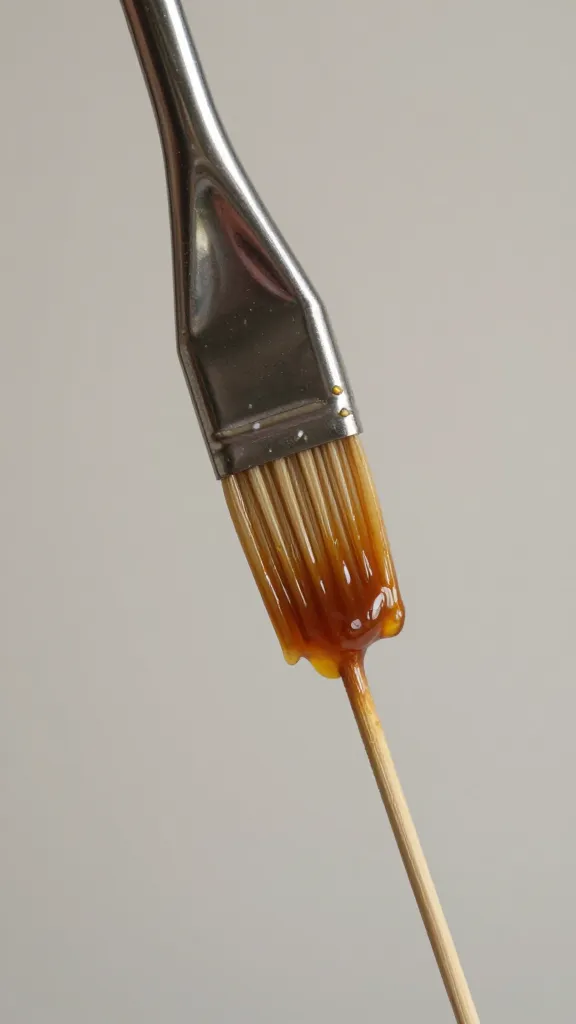
Here’s a scalable base tare that clings and caramelizes without burning. This makes about 3.25 quarts — right for 300–400 skewers.
- Soy sauce: 8 cups
- Mirin: 6 cups
- Sake: 4 cups
- Brown sugar: 3 cups (packed)
- Garlic: 12 cloves, lightly crushed
- Ginger: 1 cup sliced coins
- Scallions: 2 bunches, cut in thirds
- Optional depth: 1 cup chicken drippings or wings simmered in
Method
- Combine all ingredients in a stockpot. Bring to a lively simmer.
- Simmer 18–22 minutes until slightly syrupy; it will thicken more as it cools.
- Strain out aromatics. Cool. Store chilled up to 5 days.
- Service split: Divide sauce into three containers: raw-brushing, cooked-finishing, and backup. Never re-use the raw brush pot.
Ratio note: For smaller or larger groups, use soy:mirin:sake at 2:1.5:1 by volume, plus sugar at about 1/4–1/3 of the soy volume.
How Many Skewers? Portions and Shopping List
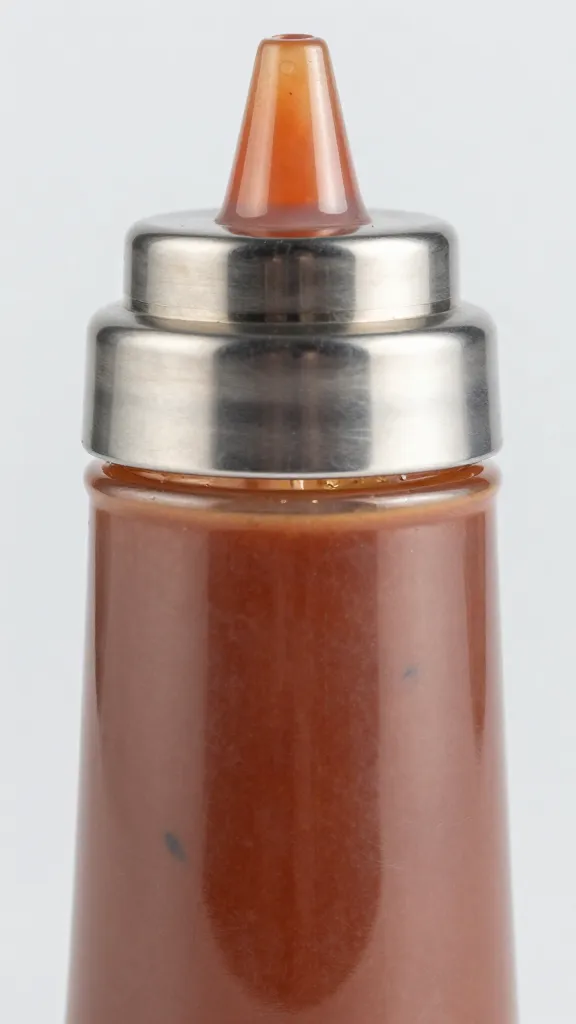
For a crowd, people average 6–8 two-ounce skewers. If it’s the main food, plan higher; if it’s part of a spread, plan lower.
- Target: 350–400 skewers total for 50 people
- Mix suggestion:
- Thigh (momo): 40%
- Breast (sasami): 20%
- Meatballs (tsukune): 15%
- Wings/flats or drums: 10%
- Skin (kawa) or scallion-chicken (negima): 15%
Shopping Guide (approx.)
- Chicken thighs, boneless/skin-on: 30–35 lb
- Chicken breasts: 15–18 lb
- Wings: 12–15 lb
- Skin (if available): 6–8 lb or save from thighs
- Ground chicken (for tsukune): 10–12 lb
- Scallions: 40–50 stalks
- Bamboo skewers (8–10 in): 450–500 (allows for breakage)
- Neutral oil, salt, pepper, shichimi togarashi, sesame seeds: to taste
Prep Workflow: Two Days to Stress-Free
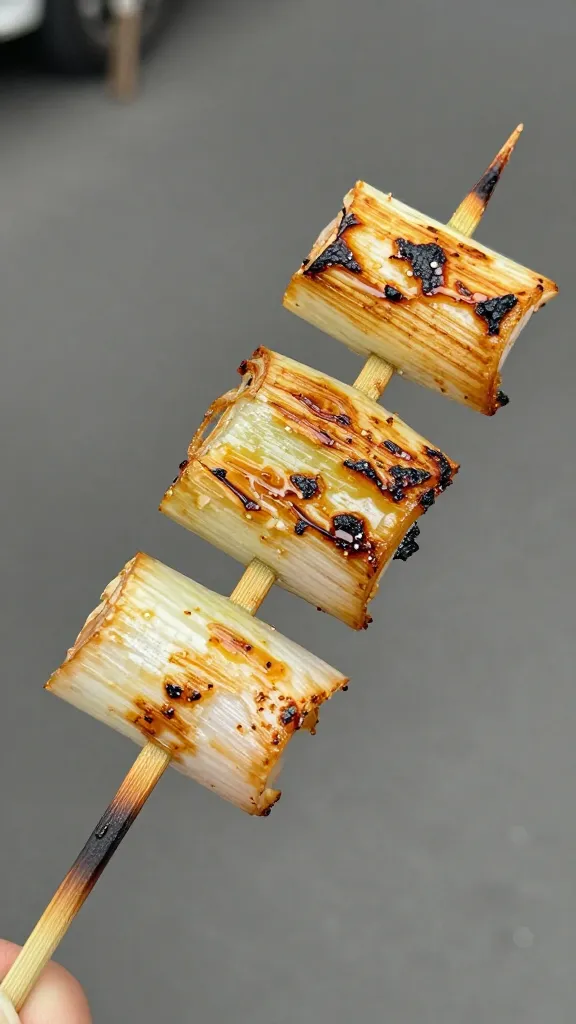
48–24 Hours Before
- Make tare and chill.
- Butcher: 1-inch pieces for thighs and breasts; save or strip skin for kawa; separate wings.
- Mix tsukune: ground chicken, 2 eggs per 2 lb, 1/2 cup panko per 2 lb, 2 tbsp grated ginger, 2 tbsp soy, 1 tbsp sake, 1 tsp salt. Chill to firm.
- Soak bamboo skewers in water 30–60 minutes, then dry and store in zip bags (pre-soaked is optional day-of, but pre-soaking helps prevent burning).
24–12 Hours Before
- Skewer everything and tray up. Lightly salt and oil.
- Cover tightly and refrigerate. Keep raw and cooked trays completely separate.
- Portion sauce into labeled squeeze bottles or small pans (Raw Brush / Finish).
Day Of
- Set up two-zone grill: hot direct side, cooler indirect side.
- Warm finishing sauce to a gentle simmer then hold warm.
- Stage skewers near the grill in the order you’ll serve (thigh, negima, breast, wings, tsukune, skin).
Grilling Technique and Doneness
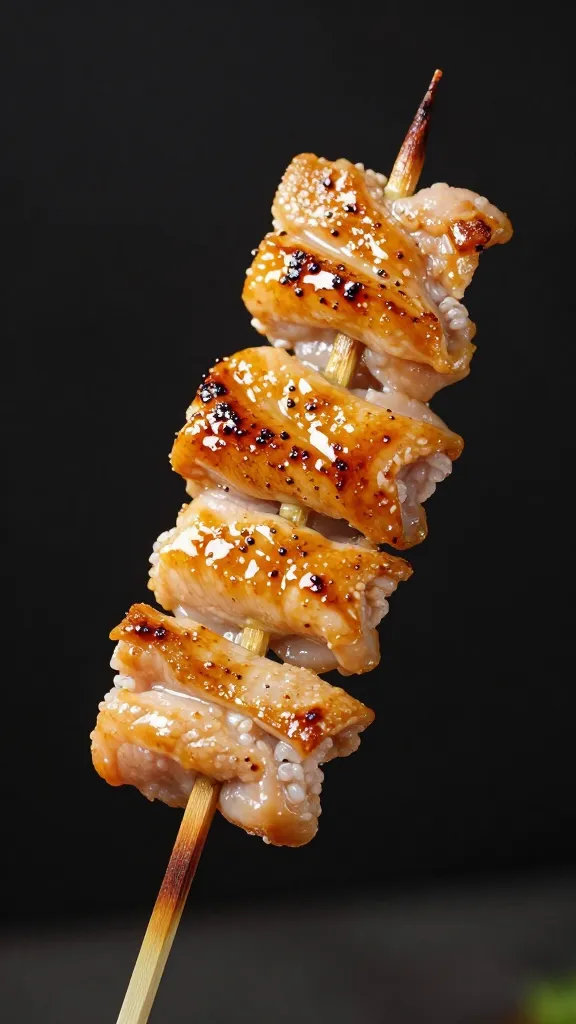
Heat: Medium-high. You want color in 60–90 seconds per side without scorching. Keep a cool zone for flare-ups.
Brush timing: Brush with raw sauce after first flip, then again 1–2 times. Move to the cool zone if sugars begin to char too fast. Final lacquer with the clean finishing sauce off heat.
By Cut
- Thigh/negima: 6–8 minutes total. Juicy and forgiving.
- Breast: 5–6 minutes. Pull at 160°F carryover to 165°F.
- Wings: 12–16 minutes, mostly indirect; crisp at the end.
- Tsukune: 8–10 minutes. Oil the grates well; baste often.
- Skin: Start indirect to render, finish hot to crisp, 8–10 minutes.
Food safety: Use separate tongs for raw and cooked. Keep raw-brush sauce away from the grill finish area. Discard any sauce that touched raw chicken.
Flavor Variations and Crowd Pleasers
- Salt + Citrus (Shio): Skip tare and season with salt, pepper, lemon squeeze at the end. Great for breast.
- Sweet Heat: Add 1–2 tbsp gochujang or 2 tsp chili flakes per quart of tare.
- Herb finish: Brush with tare, then top with thinly sliced scallions and toasted sesame.
- No-soy option: Season shio-style and serve with yuzu kosho on the side.
Serving multiple sauces? Offer a bright green counterpoint like this chimichurri recipe for non-traditional guests. For veggie sides that hold well, pair with these roasted vegetables.
Serving Setup That Keeps Lines Moving
- Stations: Grill, finishing, and service. One runner ferries cooked trays to the service table.
- Garnish bins: Lemon wedges, scallions, sesame, shichimi.
- Holding: Sheet pans with wire racks in a warm oven (200°F) for brief holds. Don’t stack hot skewers — steam kills crisp skin.
- Labeling: Clear signs: Thigh, Negima, Breast, Wings, Tsukune, Skin, Shio. Allergens noted.
From My Kitchen: What Actually Works
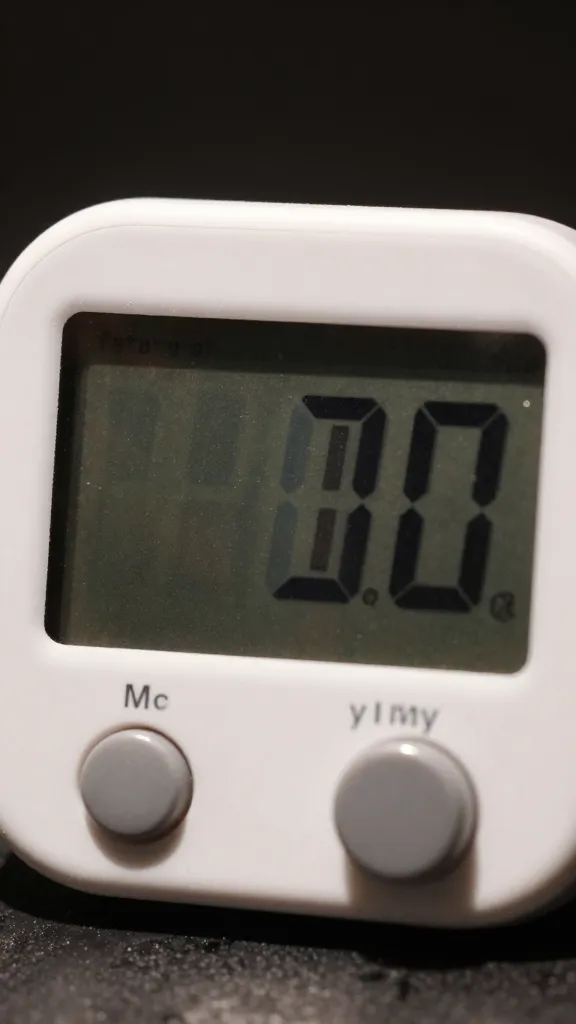
The tare needs a true 18–22 minute simmer to reduce; at 10–12 minutes it tastes fine but won’t cling. I test by dragging a chilled spoon through a small saucer of sauce — if a slow “V” forms and closes after 2–3 seconds, it’s ready. For salting, I scale every ingredient linearly but season the meat at only about 75% of my normal rate because the glaze adds salinity as it layers. Tsukune wants oiled grates and a flip every 60–90 seconds; longer intervals tear the surface. Finally, pre-slicing scallions on a sharp bias and soaking them in ice water for 10 minutes gives a crisp curl that stays perky on a hot platter.
Frequently Asked Questions
How much chicken do I need for Japanese Yakitori for 50 People?
Plan 60–70 pounds total across cuts if yakitori is the main dish, yielding about 350–400 skewers. If it’s part of a larger buffet, 45–55 pounds can work, but run the thigh and negima higher — they’re the first to disappear.
Can I make the yakitori sauce ahead of time?
Yes. Make tare up to 5 days ahead and keep it chilled. Rewarm gently before service and split into raw-brushing and finishing containers to keep things safe.
What’s the best way to serve yakitori for a crowd?
Run a three-station setup: grill, finishing, and service. Hold finished skewers on racks in a warm oven for short periods, and garnish just before plating so they stay glossy and crisp.
How long does yakitori keep in the fridge?
Cooked skewers keep 3–4 days refrigerated. Reheat covered at 300°F until hot, then brush with a little warmed tare to refresh the glaze.
Can I freeze yakitori or the sauce?
Freeze raw, skewered chicken up to 2 months, well wrapped. Tare freezes well for 3 months; thaw in the fridge and bring to a simmer before using.
Do I have to soak bamboo skewers?
It helps reduce scorching, especially over high heat. A 30–60 minute soak is enough; still watch for flare-ups and keep a cool zone ready.
The Bottom Line
With a sturdy tare ratio, a balanced skewer lineup, and a simple station flow, you can serve Japanese yakitori to 50 people without breaking a sweat. Prep ahead, glaze late, and keep the grill hot and the sauce safe.
Planning to try this? Save this post so you can find it when you need it — and tag us when you make it.