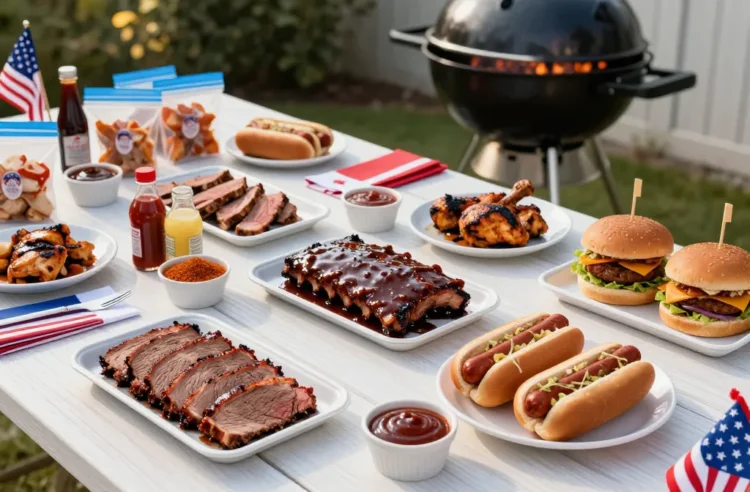
- Best for: Backyard Independence Day parties with mixed meats
- Make ahead: Yes — rub 1 week, sauces 5 days, marinades 2 days
- Serves: Approximately 100 people (buffet-style portions)
- Key tip: Plan for 1/3 cup total condiments per guest across options
If you’re planning a 4th of July BBQ for 100 People — Sauce, Rub, and Marinade Quantities are the math you want dialed in. The grill is the easy part; running out of sauce is what sends folks to the store mid-party. Let’s lock in realistic amounts, smart make-ahead timing, and pantry-friendly formulas.
By the end, you’ll have exact shopping lists, scalable recipes, and serving strategies for brisket, ribs, chicken, and burgers/hot dogs — without drowning in leftovers.
How Much Sauce, Rub, and Marinade Do You Actually Need?
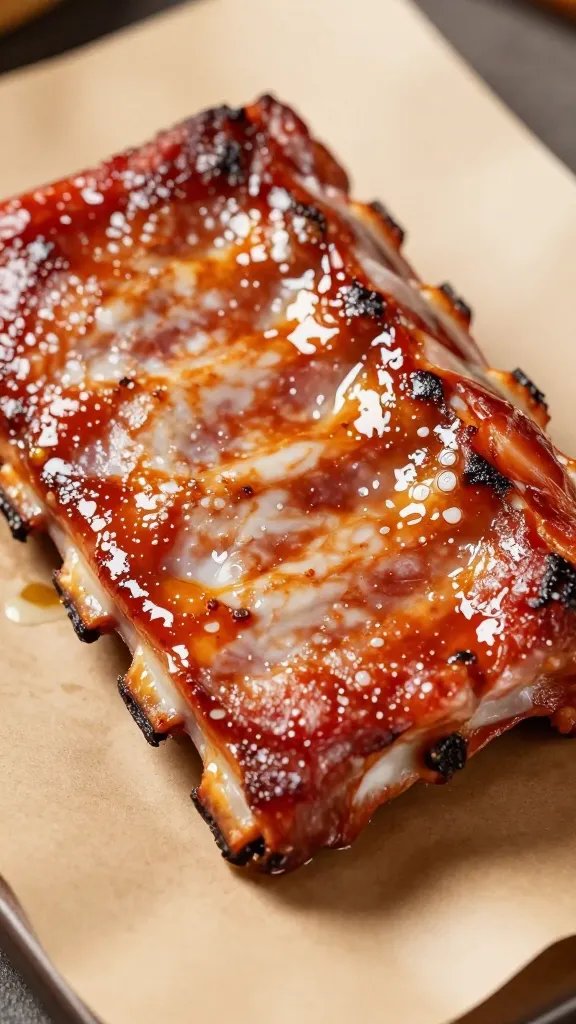
Think in per-person averages, then scale. People sample multiple meats, so aim for variety without tripling the total.
- Total condiment target: 1/3 cup per guest across all sauces. For 100 guests: about 2 gallons total sauce, split among styles.
- Dry rub: 1 tablespoon per pound of meat for pork and brisket, 2 teaspoons per pound for chicken. For ribs, count 1–1.5 tablespoons per rack.
- Marinade: 1/2 cup per pound of chicken or pork shoulder when using a bag method; 1 cup per pound for bulky vessels.
Not sure how much meat you’re cooking? Use this quick baseline for a mixed-meat buffet:
- Brisket or pulled pork: 30 lb cooked yield (about 45 lb raw)
- Ribs: 20 racks (1/2 rack per person in a mix)
- Chicken (thighs/drums/breasts): 40 lb raw
- Burgers/dogs: 60 burgers + 60 dogs (for grazers and kids)
BBQ Sauce Quantities and Styles for 100
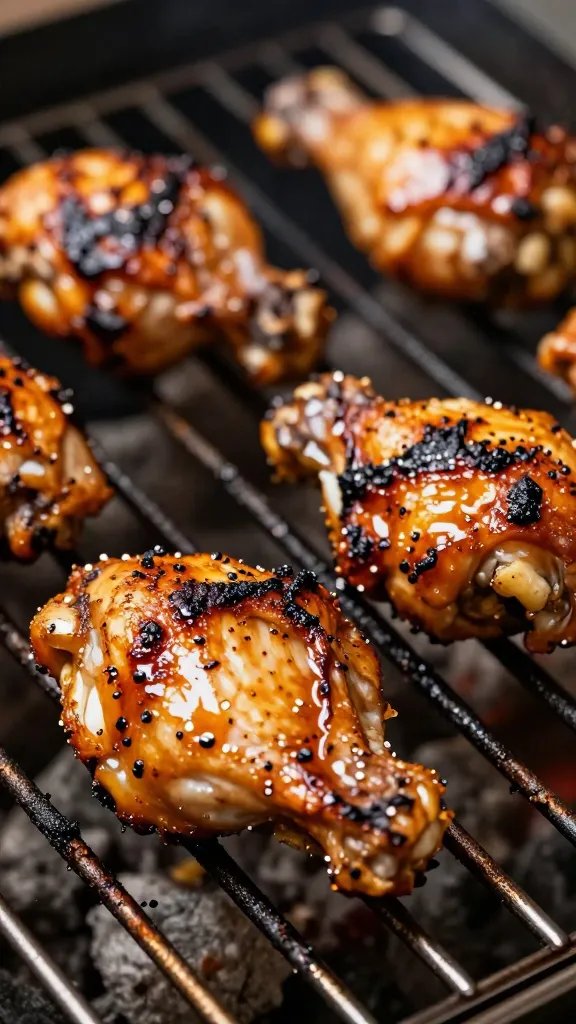
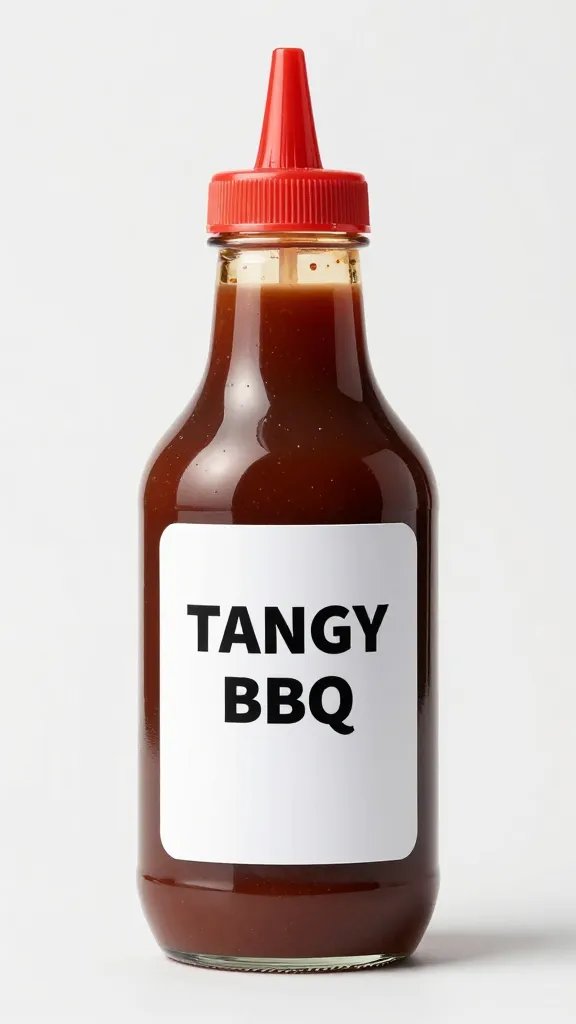
Offer two or three sauces: classic tomato-molasses, tangy vinegar, and a mustard or white sauce for chicken. Keep them in labeled squeeze bottles.
How much to make
- Total sauce: 2 gallons (256 oz)
- Split suggestion:
- Classic sweet-smoky: 1 gallon (128 oz)
- Carolina vinegar: 3 quarts (96 oz)
- Mustard or Alabama white: 1 quart (32 oz)
Scalable base recipes
- Classic BBQ Sauce (per quart): 3 cups ketchup, 1/2 cup molasses, 1/2 cup brown sugar, 1/2 cup apple cider vinegar, 2 tbsp Worcestershire, 2 tsp smoked paprika, 1 tsp garlic powder, 1 tsp onion powder, 1/2 tsp black pepper, 1/2 tsp salt, pinch cayenne. Simmer 10 minutes. Multiply by 4 for 1 gallon.
- Carolina Vinegar (per quart): 3 cups apple cider vinegar, 1/2 cup water, 2 tbsp brown sugar, 2 tsp red pepper flakes, 2 tsp black pepper, 1 tsp salt, 1 tsp hot sauce. No simmer needed; rest 24 hours. Multiply by 3 for 3 quarts.
- Mustard Sauce (per quart): 2 cups yellow mustard, 1 cup honey, 1/2 cup apple cider vinegar, 2 tbsp brown sugar, 1 tbsp Worcestershire, 1 tsp smoked paprika, 1/2 tsp garlic powder, 1/2 tsp black pepper. Whisk; rest 12 hours.
Make-ahead: Sauces hold 5–7 days refrigerated; vinegar-based can go 2 weeks. Portion into 16–24 oz bottles for table service.
Rubs for Brisket, Ribs, and Chicken
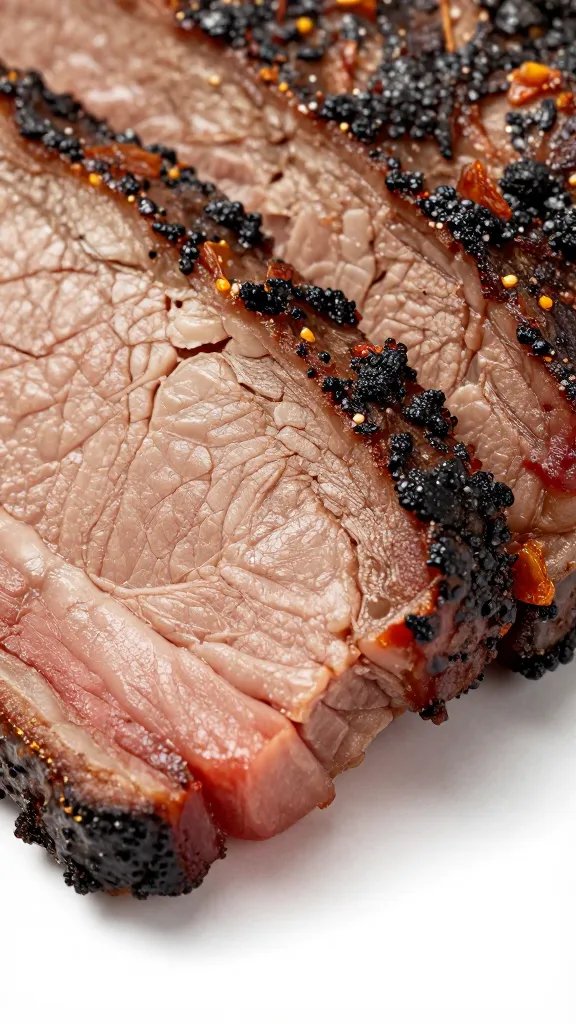
Simple profiles scale better and avoid salt overload. Salt varies by brand granularity, so measure by weight when possible.
How much rub to mix
- Brisket and pulled pork (45–50 lb raw): About 3 cups rub (24 tbsp) total.
- Pork ribs (20 racks): 2.5–3 cups rub, depending on rack size and preference.
- Chicken (40 lb): 1.5–2 cups rub (lighter application).
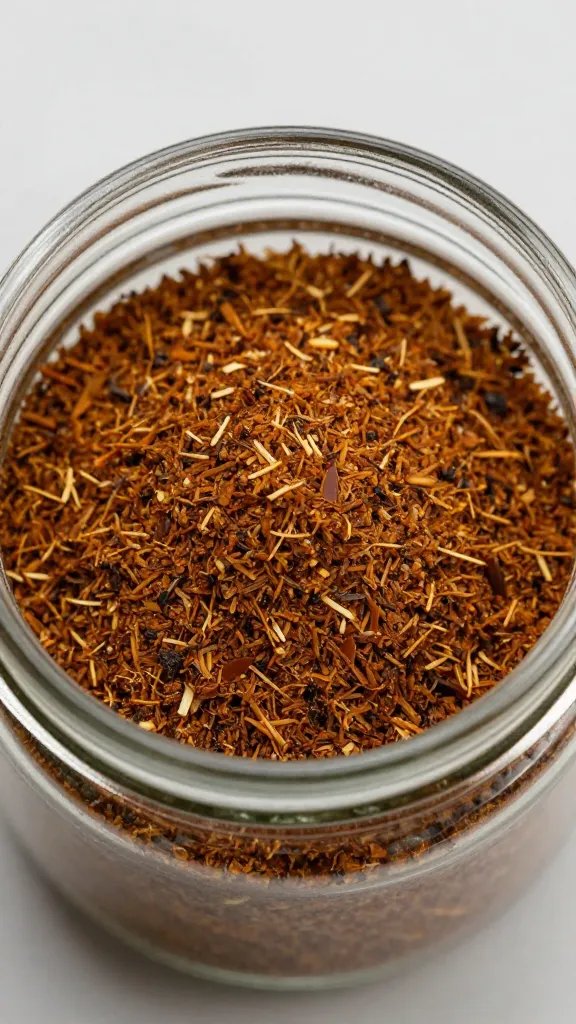
All-purpose BBQ Rub (bulk batch, ~6 cups)
- 1.5 cups kosher salt (Morton; if using Diamond Crystal, use 2.25 cups)
- 1.5 cups brown sugar
- 1.25 cups paprika (half smoked for depth)
- 1/2 cup black pepper
- 1/4 cup garlic powder
- 1/4 cup onion powder
- 2 tbsp mustard powder
- 1–2 tbsp cayenne (to taste)
This covers brisket, ribs, and chicken with some left. Usage: 1 tbsp per lb for pork/brisket; 2 tsp per lb for chicken. Store airtight up to 1 month.
Marinades That Work for a Crowd
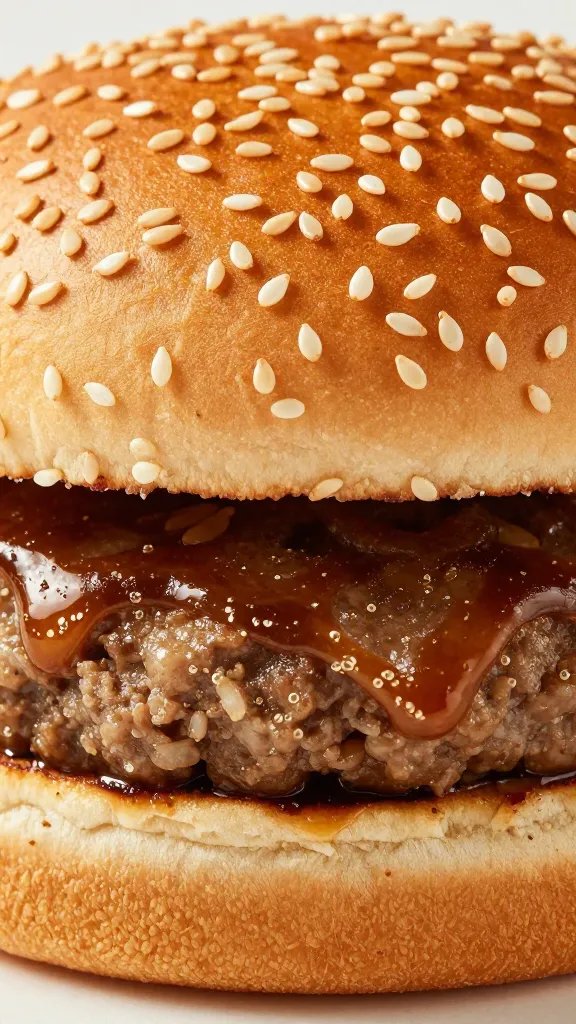
Marinades shine on chicken and pork shoulder tips/chunks. Keep the acid modest to avoid mushy texture in long soaks.
How much marinade
- Chicken (40 lb): 20 cups marinade (1/2 cup per lb) when bagging.
- Pork shoulder tips or country ribs (20 lb optional): 10 cups marinade.
All-purpose Citrus-Garlic Marinade (makes 10 cups)
- 5 cups neutral oil
- 3 cups orange juice
- 1 cup lime juice
- 1 cup soy sauce
- 1/2 cup honey
- 1/4 cup minced garlic
- 2 tbsp kosher salt
- 1 tbsp black pepper
Timing: Chicken thighs/drums 8–12 hours, breasts 4–8 hours, pork 8–12 hours. Bag in 2–3 gallon zipper bags, 4–5 lb meat per bag.
Sample Menu Math: Putting It All Together
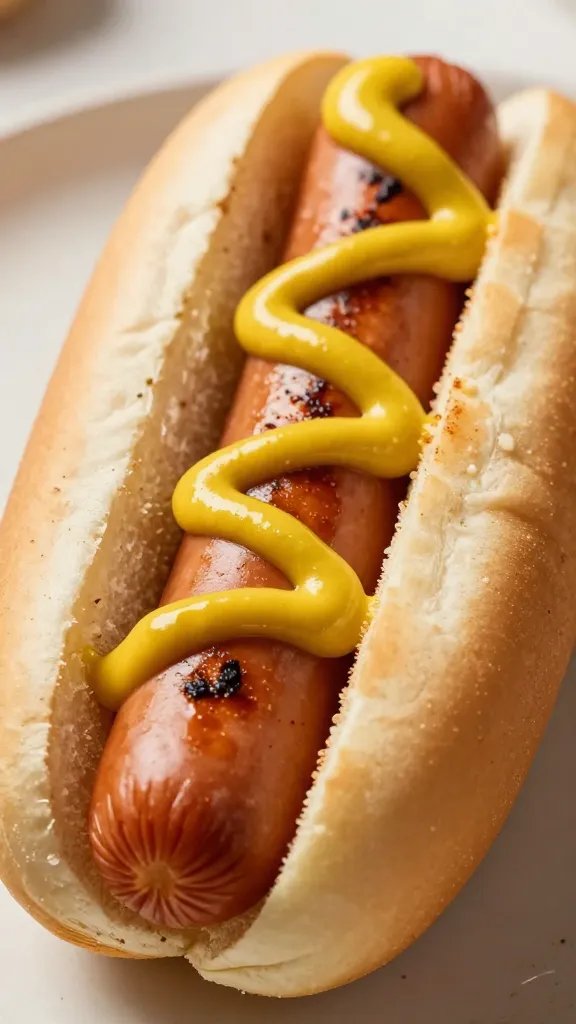
Use this as a plug-and-play plan for about 100 guests with a mixed buffet.
- Proteins:
- Brisket: 2 whole packers, 14–16 lb each (raw)
- Ribs: 20 racks St. Louis cut
- Chicken: 40 lb mixed thighs/drums
- Burgers/Dogs: 60 each, with basic condiments
- Rubs: 5–6 cups total all-purpose rub
- Marinade: 20 cups for chicken
- Sauces: 2 gallons split across 3 styles
Service plan: Keep sauces at each protein station. Brisket/ribs pair best with classic and vinegar; chicken with mustard/white plus classic. Reserve 10–15% of sauce in the fridge as a backup.
Make-Ahead Timeline and Day-Of Flow
72–120 hours out (3–5 days)
- Make all sauces; refrigerate.
- Mix rub; store airtight.
24–36 hours out
- Trim brisket and apply a light salt layer (or full rub if you prefer overnight).
- Marinate chicken; keep chilled.
- Label squeeze bottles and pans.
Morning of
- Cook brisket low-and-slow if not done overnight; hold at 150–160°F in a cooler with towels.
- Rub ribs; smoke/roast, then glaze if desired in the last 20 minutes.
- Grill chicken in batches; hold hot at 140°F+ or finish to temp just before serving.
Service
- Set sauce bottles in shallow pans with ice for food safety if outdoors and hot.
- Refresh bottles every 45–60 minutes; keep spares cold.
Smart Buffet Setup and Safety
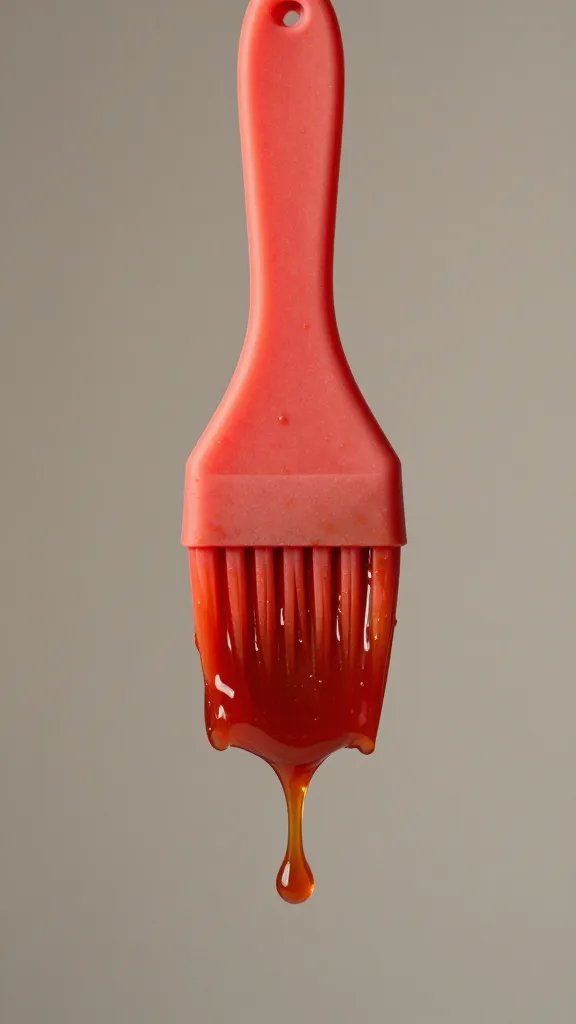
- Label everything: “Classic,” “Vinegar,” “Mustard.” Note heat level.
- Food safety: Keep cold sauces under 41°F and hot foods above 140°F. Discard sauces that sat out all day in the sun.
- Allergens: Mustard and soy are common; offer one soy-free sauce.
- Traffic flow: Proteins first, then sauces, then buns/sides — prevents bottle jams.
Want a bright herb option for steaks or grilled veggies? Add this chimichurri recipe as a fresh, no-cook sauce guests love.
From My Kitchen: What Actually Works
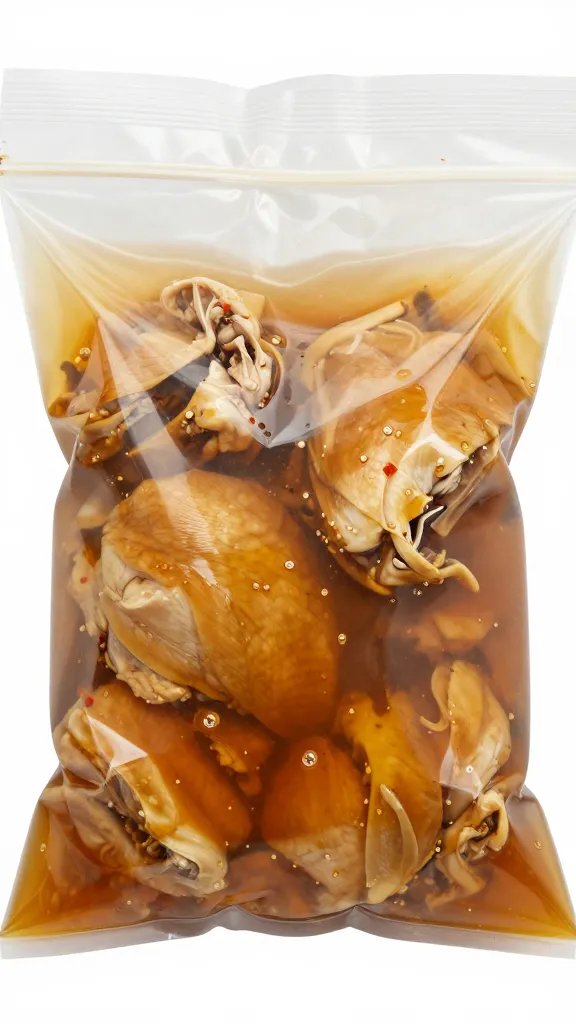
The biggest quantity miss I see is over-salting when scaling rubs. I scale all spices linearly but cut salt to 75% of the multiplier, then finish with a light sprinkle after slicing if needed. For sauces, a full 8–10 minute simmer on the classic style prevents a runny texture in squeeze bottles. I also portion sauce into multiple small bottles and rotate them from a chilled backup bin; they stay cleaner and safer than one big sticky jug. Finally, when marinating chicken, I cap acid at about 10–12% of the total liquid by volume — more starts to make the surface mealy on long soaks.
Troubleshooting and Flavor Tweaks
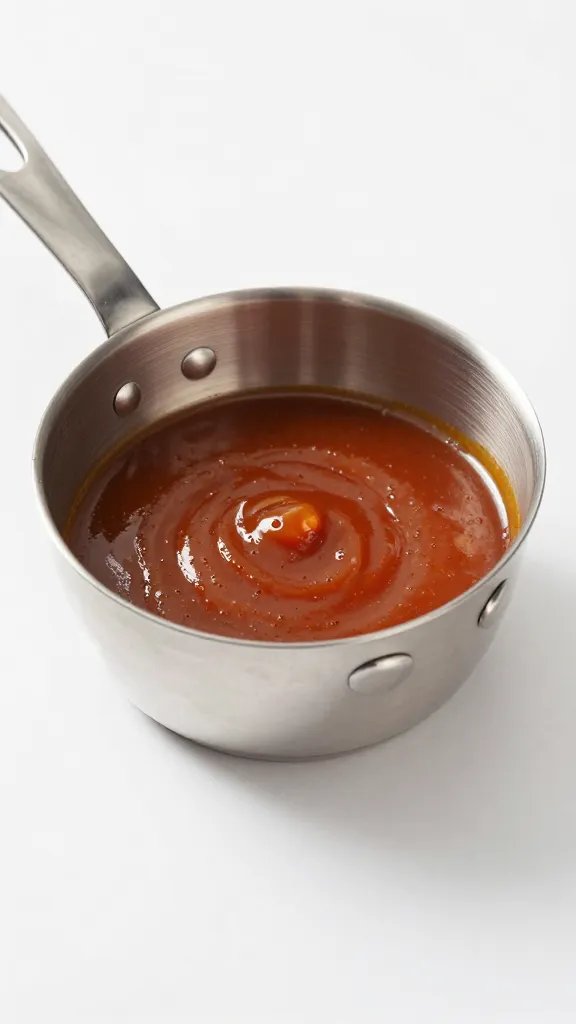
- Sauce too sweet? Add 2–3 tbsp cider vinegar per quart and a pinch of salt.
- Sauce too thin? Simmer uncovered 5–8 minutes or whisk in 1 tsp tomato paste per cup.
- Rubs caking in humidity? Add 1 tsp cornstarch per cup and store with a desiccant pack.
- Chicken skin rubbery? Pat dry after marinating and finish over higher heat to render.
If you’re leaning heavier on steak or veggies, pair the spread with these grilled side dishes to balance richness and keep the buffet colorful.
Frequently Asked Questions
How much sauce do I need for a 4th of July BBQ for 100 People?
Plan on about 1/3 cup per person across all sauces, which is roughly 2 gallons total. Split it among two or three styles so guests can sample without over-pouring one type.
Can I make sauces and rubs ahead for a crowd?
Yes. Sauces hold 5–7 days refrigerated (vinegar styles last even longer), and rubs keep a month airtight. Fill squeeze bottles the day before and keep extra chilled.
What’s the best marinade timing for chicken when serving 100?
Marinate thighs and drums 8–12 hours and breasts 4–8 hours. Use about 1/2 cup marinade per pound in zipper bags to ensure full coverage without waste.
How do I scale rubs and avoid making the meat too salty?
Scale spices linearly but reduce salt to roughly 75% of the multiplier. Season the sliced meat to taste at service if it needs a final pinch.
What sauces pair best with brisket, ribs, and chicken?
Brisket loves a classic sweet-smoky or a sharp vinegar sauce. Ribs work with classic or mustard. Chicken shines with mustard or Alabama white, plus a mild classic for kids.
Can I freeze leftover BBQ sauce?
Most tomato-based and mustard sauces freeze well for up to 3 months. Thaw overnight in the fridge and whisk; add a splash of vinegar if flavors feel muted.
The Bottom Line
For a smooth 4th, anchor your plan to realistic per-person math: 2 gallons of sauce, 5–6 cups of rub, and about 20 cups of chicken marinade. Make it ahead, label everything, and keep backups chilled so service stays easy.
Planning to try this? Save this post so you can find it when you need it — and tag us when you make it.