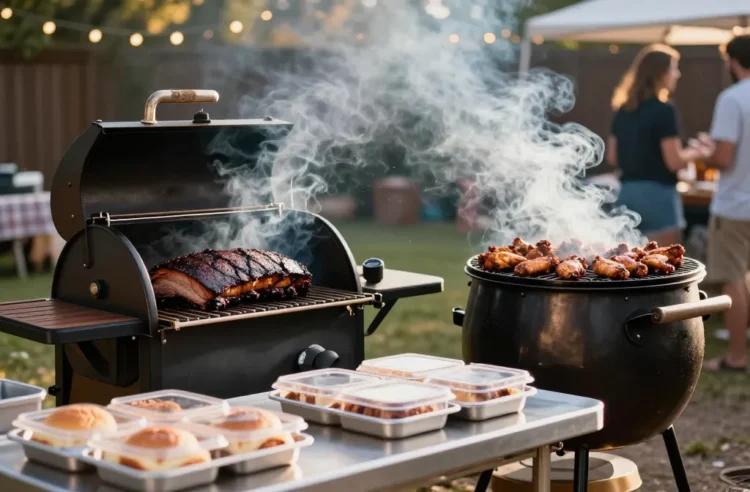
- Best for: Backyard parties, graduations, tailgates, and neighborhood cookouts
- Make ahead: Yes — smoke big meats 1–2 days ahead, reheat day-of
- Serves: 50 people with balanced proteins and sides
- Key tip: Assign each smoker a job: hot-and-fast vs. low-and-slow
Running one smoker is fun. Running two is how you feed a crowd without sweating the clock. The secret to how to use two smokers for a party of 50 — syncing your cooks — is planning what goes where and when. In this guide, you’ll get timelines, menu math, fuel planning, and reheating strategy so service feels smooth, not stressful.
Start With the Menu Math
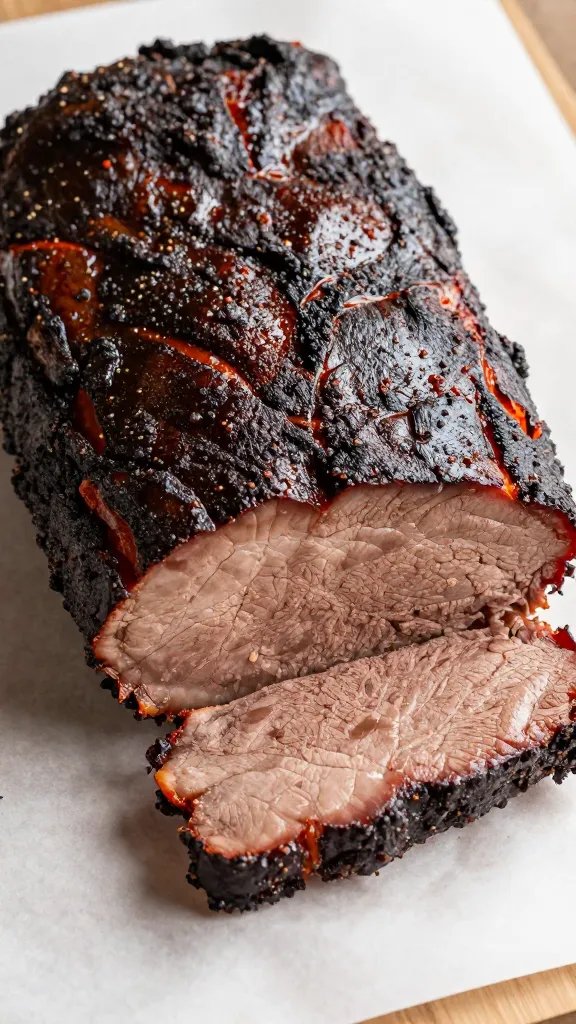
Before you light anything, pick proteins that complement each smoker’s strengths. One runs low-and-slow for big cuts; the other handles hot-and-fast or finishing.
- Protein plan (50 guests): 18–20 lb cooked pulled pork or brisket (yields ~60 sandwiches), plus 60–80 chicken wings or 12–15 lb chicken thighs/drums for variety.
- Sandwich math: 4–5 oz meat per bun. For mixed plates without buns, plan 8 oz meat per person total.
- Sides: Two starches and one bright salad keep lines moving:
- Mac and cheese (8–9 lb dry pasta yields ~50 servings)
- BBQ beans (2 full hotel pans)
- Slaw (6–7 lb shredded cabbage)
- Sauces: Sweet, spicy, and vinegar. Add a fresh herb sauce like this chimichurri recipe for grilled chicken or steak.
Assign Each Smoker a Role
Think of your smokers as two stations with different jobs. That prevents bottlenecks and keeps temps steady.
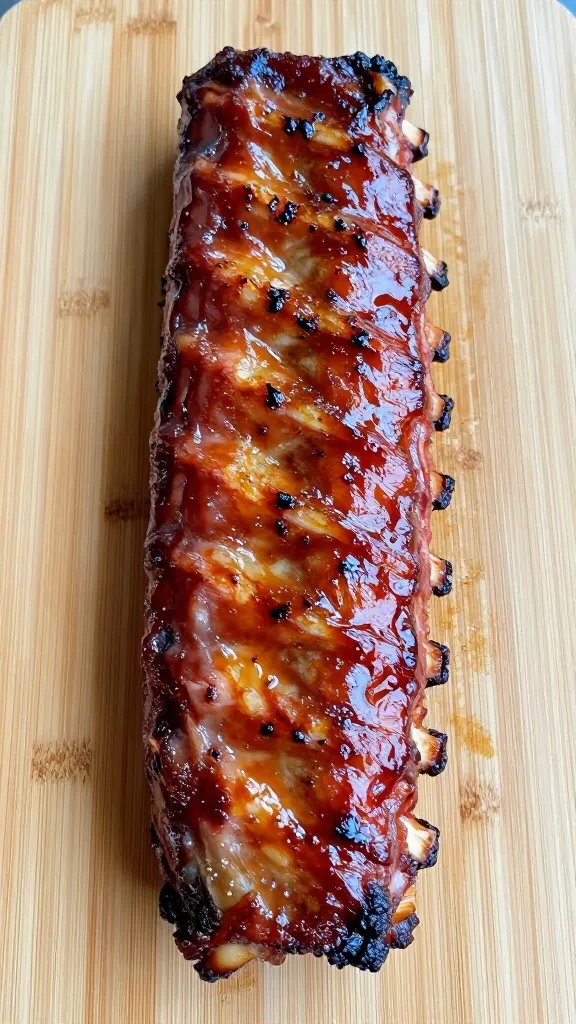
- Smoker A: Low-and-slow engine. Runs 225–250°F for pork shoulders, brisket, or ribs. Load it the night before or early morning.
- Smoker B: Hot-and-fast and finishing. Runs 300–350°F for chicken, sausages, wings, and glazing ribs. Also acts as your “reheat” zone.
- Fuel planning: Expect 1.5–2 lb charcoal per hour per smoker, or a split log every 45–60 minutes for offsets. Keep a pre-lit chimney cycling to avoid temp dips.
Timing: A Simple Two-Smoker Schedule
Here’s a sample timeline for a 5 p.m. serve time. Adjust +/- 1–2 hours for your cut size and pit behavior.
Day Before
- Trim and salt big cuts (pork shoulder or brisket). Rest overnight, uncovered for a pellicle or covered if you prefer.
- Make sauces and sides that reheat well (beans, mac sauce). Chill safely.
- Stage wood, charcoal, water pans, and drip trays.
Cook Day Morning
- 6–7 a.m. — Light Smoker A to 235°F. Load pork shoulders or brisket.
- 9–11 a.m. — Wrap big cuts when bark looks right (post-stall, ~165–175°F internal). Add broth/tallow if desired.
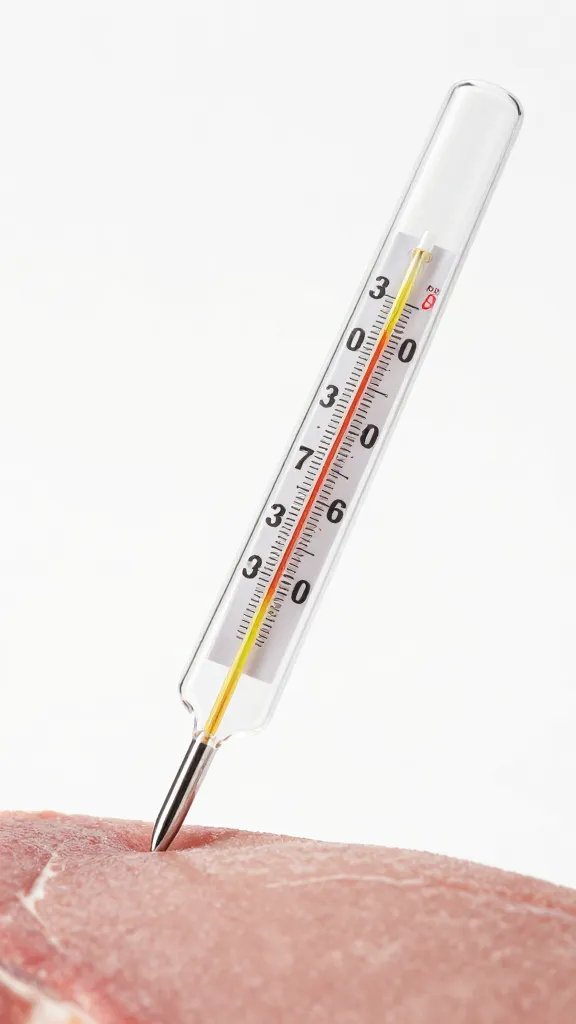
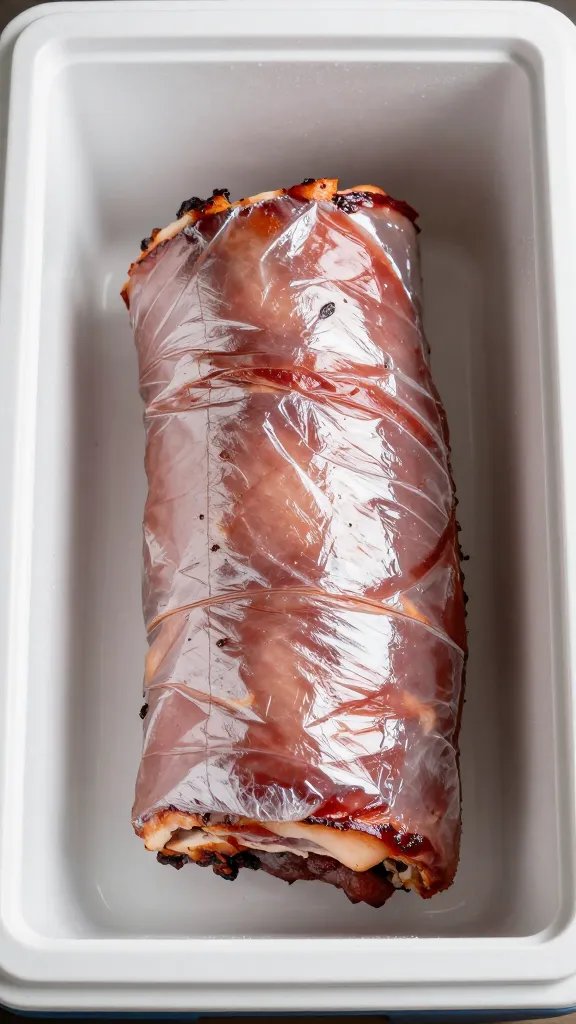
- 11 a.m.–1 p.m. — Finish big cuts to probe-tender (pork ~203°F; brisket feels like softened butter). Hold wrapped in a 150–165°F oven or an insulated cooler with towels.
Afternoon: Smoker B Takes Over
- 2 p.m. — Light Smoker B to 325°F. Start chicken pieces; aim for 175–185°F in thighs/drums for tenderness.
- 3:30 p.m. — Glaze or crisp chicken skin. If doing ribs on Smoker B, this is your sauce-and-set window.
- 4 p.m. — Reheat beans/mac in covered pans on Smoker B or in the oven. Vent briefly to prevent sog.
- 4:30 p.m. — Pull and pan the big meats. Add a light finishing sauce to retain moisture.
- 5 p.m. — Service opens. Keep Smoker B hot as your warm-hold and finishing station.
Load Management and Rack Strategy
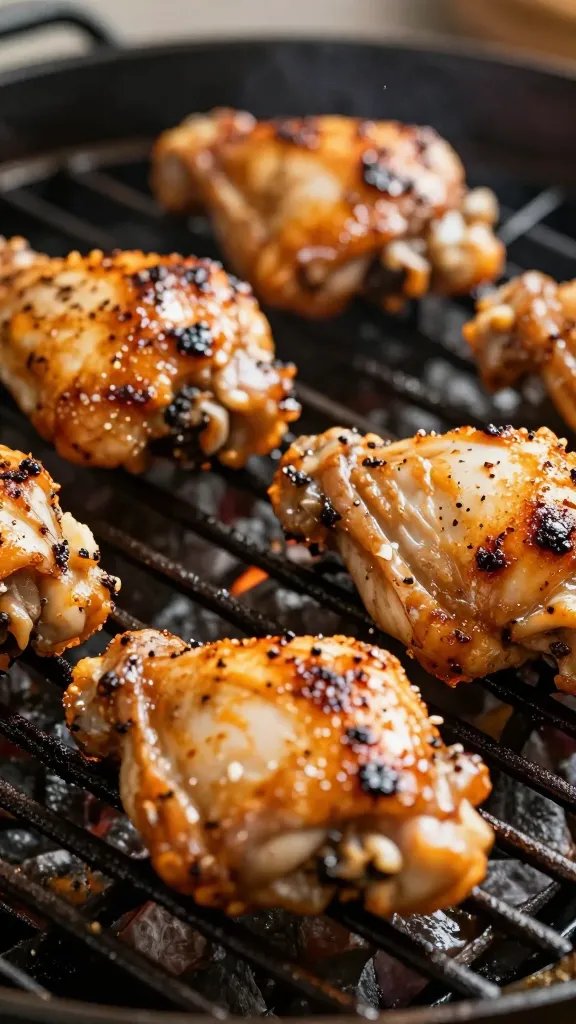
Two smokers don’t double your surface area if you block airflow. Stack smart and drip-proof.
- Top racks: Meats that need clean convection and color (chicken, ribs).
- Bottom racks: Wrapped big cuts or pans catching drips. Always use foil pans under pork shoulders.
- Spacing: Leave at least 1 inch around each piece. Crowding = steaming, not smoking.
- Rotate smart: Quarter-turn ribs or chickens every 30–45 minutes on hot spots, not the entire grate.
Temperature Control: Keep One Rock-Solid
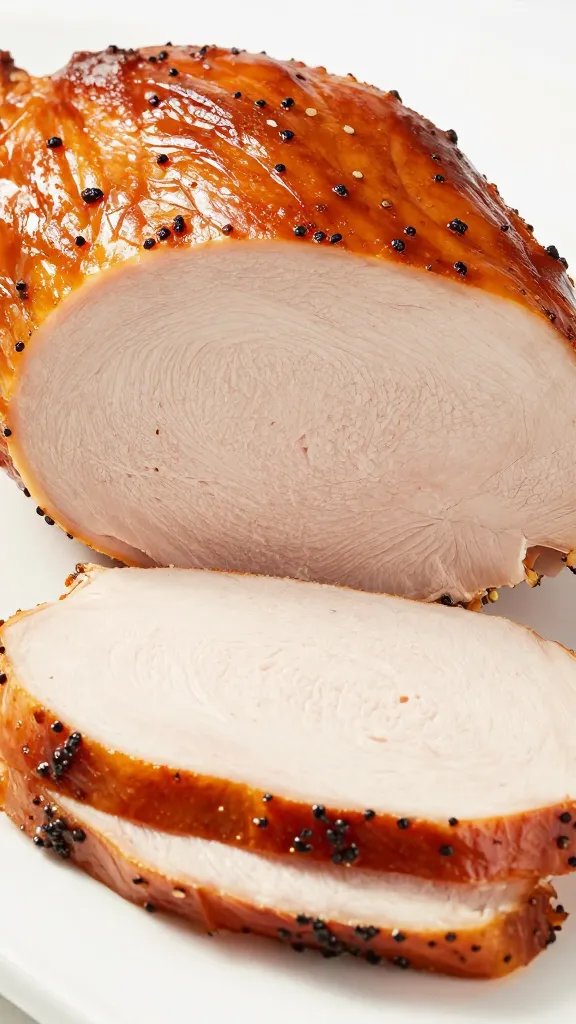
Let Smoker A be your metronome. Smoker B can swing a bit because it handles finishing and reheats.
- Probe placement: One ambient probe at grate level near the meat, one internal probe in the thickest cut.
- Vent discipline: Adjust exhaust last. Control temps with intake first to avoid stale smoke.
- Water pans: Use on Smoker A for humidity and stable temps. Skip on Smoker B if you want crisp chicken skin.
- Wind plan: Shield intakes with a welding blanket or position smokers parallel to wind direction.
Hold and Reheat Like a Pro
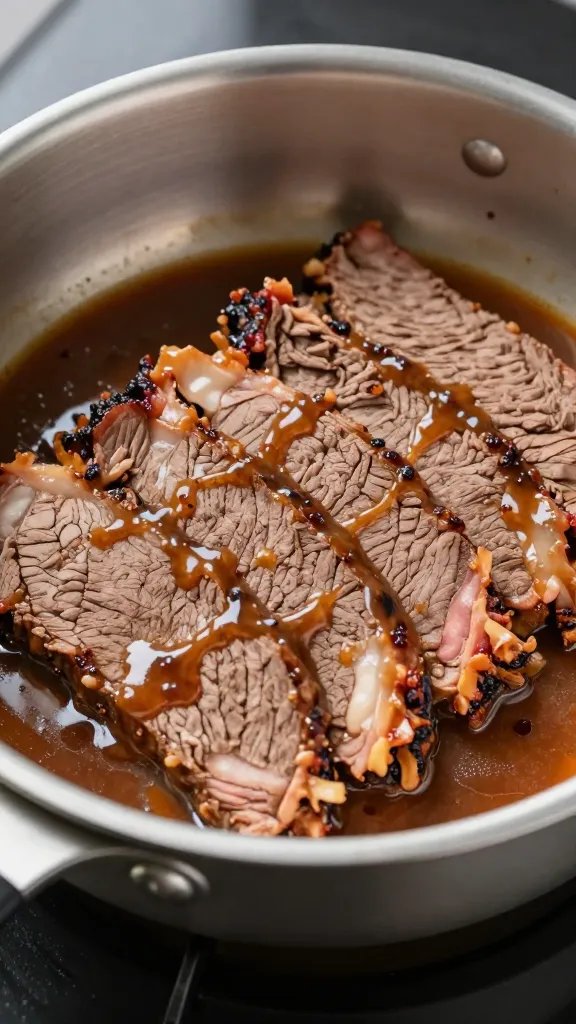
This is where many cooks lose moisture. Plan your holding temps and liquids.
- Holding big cuts: Rest wrapped in butcher paper or foil, then hold at 150–165°F up to 4 hours. Add 1/2 cup warm broth per pan if needed.
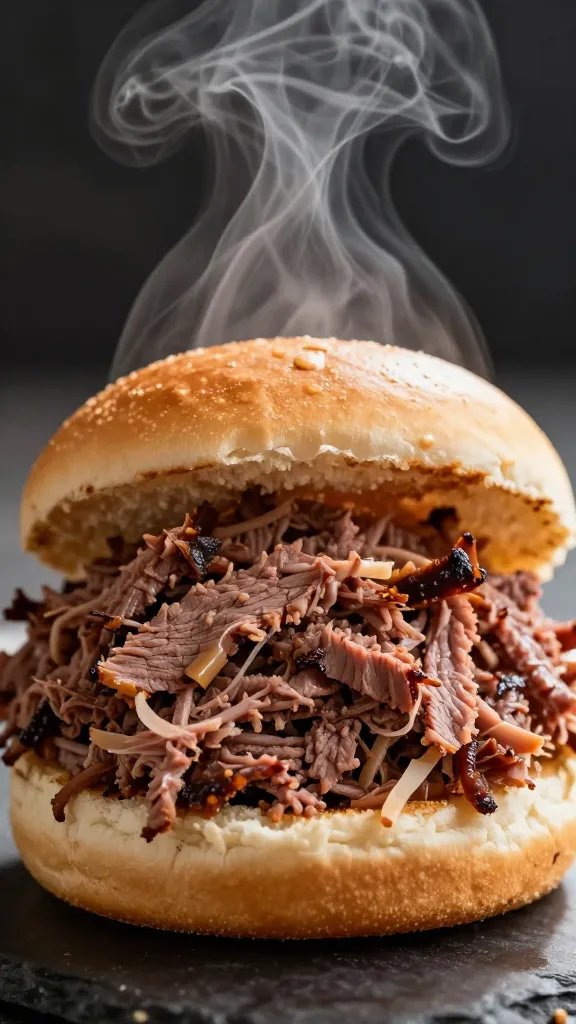
- Pulled pork: Pull just before service. If early, pull 50% and keep the rest whole to retain juices.
- Brisket slicing: Slice only what you need for the next 15–20 minutes. Keep slices in a covered pan with warm jus.
- Reheating: Covered pans at 275–300°F until 165°F internal. Splash with apple juice or stock, not water.
Serving Setup to Avoid a Traffic Jam
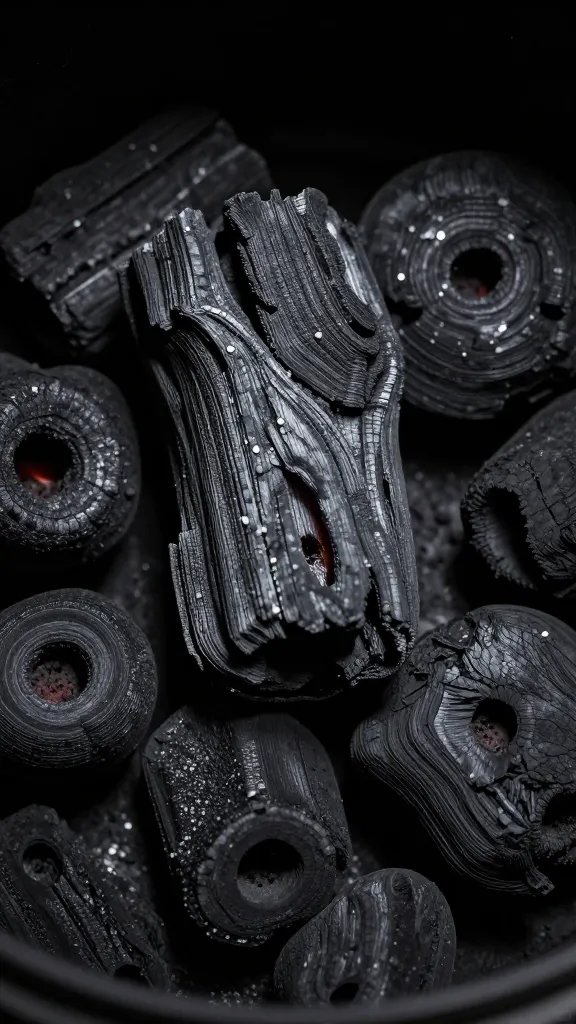
Make your guests self-sufficient. You’ll cook better when you’re not carving and answering sauce questions at the same time.
- Two lines: Proteins in both lines, sauces at the end, buns on the side.
- Label clearly: Sweet, spicy, vinegar, and “no sugar added” if applicable.
- Hot holding: Chafers or insulated cambros at 140°F+. Stir pans every 10–15 minutes.
- Slice station: A small cutting board behind the line for brisket refresh, not a front-of-house bottleneck.
From My Kitchen: What Actually Works

The most reliable way I’ve synced two smokers is assigning pork shoulder to the steadier pit and letting the livelier one handle chicken and glazing. Pork’s stall always takes longer than you think, so I wrap at color, not at a number, and plan a long hold. When I reheat pulled pork for service, I mix in 10% by weight of the defatted pan juices — more than that and it eats greasy. For chicken, I dry-brine overnight and cook at 325–350°F; if skin blisters early, I drop to 300°F for 10 minutes, then finish hot to crisp without burning the rub.
Common Pitfalls and Easy Fixes
- Both smokers at low temp? Pre-light a second chimney and add smaller, clean-burning fuel. Crack intakes before you need the heat.
- Dry slices? Hold sliced brisket in warm jus. For pork, keep some unpulled to blend in fresh moisture.
- Rub burning on chicken? Too much sugar at high heat. Switch to a low-sugar rub for hot-and-fast or glaze late.
- Long lines? Pre-slice a small brisket portion and pan it. Put tongs in every pan so two people can serve at once.
Flavor Playbook: Wood, Rubs, and Sauces
Keep flavors complementary so plates make sense no matter what guests grab.
- Woods: Oak or hickory for big cuts; cherry or apple for chicken. Blend gently — strong woods on Smoker A, fruit woods on Smoker B.
- Rubs: Salt-forward on brisket and pork; add paprika and herbs for chicken. Save sugar for glazing.
- Sauces: Offer a vinegar mop and a thicker Kansas City–style. If you’re adding steak or grilled veg, point guests to this green herb sauce for brightness.
Frequently Asked Questions
How much meat do I need when using two smokers for a party of 50?
Plan 8 oz total cooked meat per person if serving plates, or 4–5 oz per sandwich. For 50, that’s roughly 25 lb cooked meat, which is about 38–40 lb raw pork shoulder or 30–35 lb raw brisket depending on trim and yield.
Can I make the big meats ahead when using two smokers for a party of 50?
Yes. Smoke shoulders or brisket 1–2 days ahead, chill in their juices, and reheat covered to 165°F internal. Hold hot and slice or pull right before service to keep moisture.
What’s the best way to split tasks between two smokers?
Dedicate one smoker to low-and-slow for large cuts at 225–250°F, and the other to hot-and-fast at 300–350°F for chicken, sausages, and glazing. This prevents temp conflicts and keeps service flexible.
How do I keep food hot and safe during the party?
Use chafers or insulated carriers to hold at 140°F or higher. Keep pans covered, stir every 10–15 minutes, and refresh with warm stock or reserved juices as needed. Work in small batches of sliced meats.
What if my timing slips and the meat isn’t done?
Wrap and increase pit temp to 300°F to push through the stall. Move finished items to a 150–165°F oven or cooler hold, then prioritize cooking chicken on the hotter smoker while the big cuts finish.
Which sides work best for big barbecue crowds?
Pick starches that hold: mac and cheese, beans, and roasted potatoes. Add a crunchy slaw and pickles for balance. Make most sides ahead and reheat covered to simplify the cook day.
The Bottom Line
Two smokers let you separate low-and-slow from hot-and-fast, which is the key to feeding 50 without chaos. Plan the menu, assign roles, and use holds and reheats to smooth out timing — your pits will feel like a well-run kitchen.
Planning to try this? Save this post so you can find it when you need it — and tag us when you make it.