- Best for: Weeknight grilling and easy weekend cookouts
- Make ahead: Yes — 2–3 days for marinades, 1 week for chimichurri
- Serves: Flexible — each recipe scales to feed 2–12
- Key tip: Match sauce intensity to cut: bold sauces for fatty cuts, brighter sauces for lean
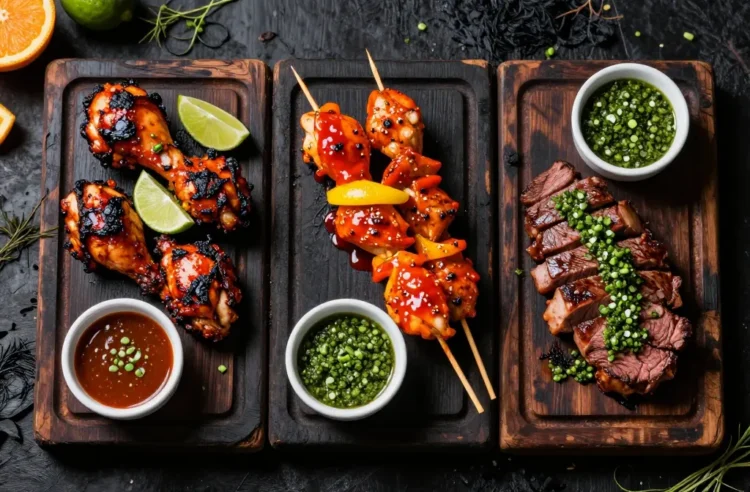
Jerk vs Peri-Peri vs Chimichurri — which one belongs on your steak, chicken, or pork tonight? Each brings a distinct heat, acid, and herb profile that pairs differently with various meats. We’ll break down flavor, heat, and best cuts, plus how to marinate and serve for max payoff. By the end, you’ll know exactly which global sauce to choose for each meat and occasion.
Meet the Sauces: What They Actually Taste Like
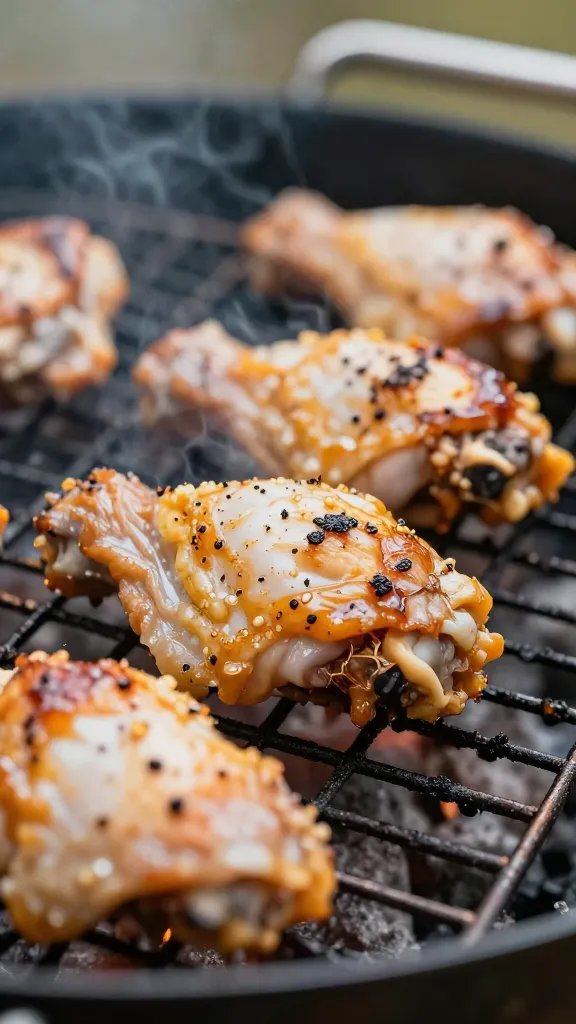
Jerk is Jamaican, smoky and allspice-forward, with thyme, scallions, ginger, and Scotch bonnet heat. It’s a marinade and a basting sauce, often finished over charcoal or pimento wood.
Peri-Peri (a.k.a. piri-piri) is Southern African/Portuguese, built on African bird’s eye chiles, lemon, garlic, and vinegar. It’s tangy, bright, and spicy, with a clean citrus snap.
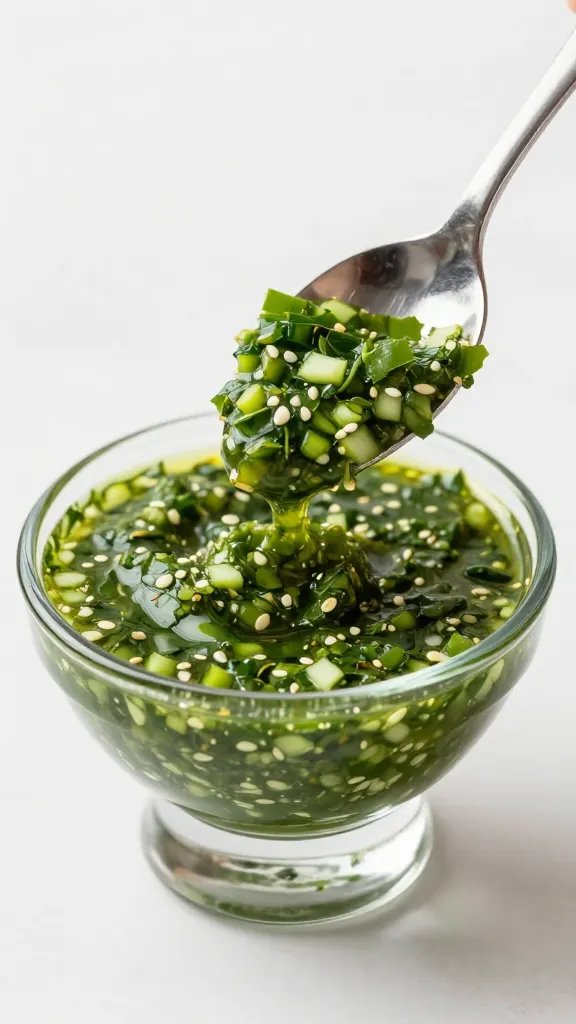
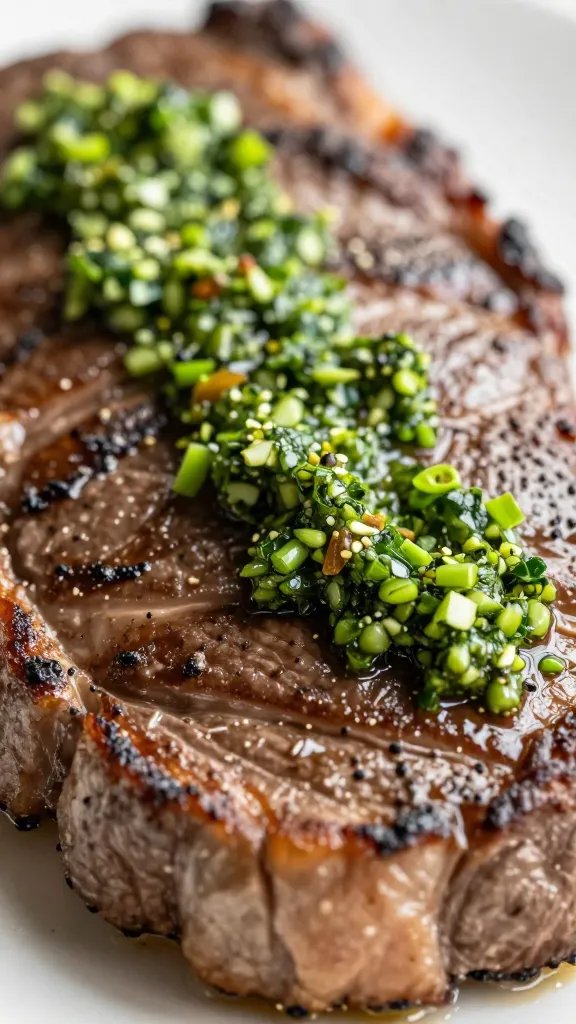
Chimichurri is Argentinian-Uruguayan: fresh parsley, oregano, garlic, red wine vinegar, and olive oil. No cooking. It’s not a marinade by default — it’s a green table sauce for grilled meats.
Best Meat Pairings — Quick Wins
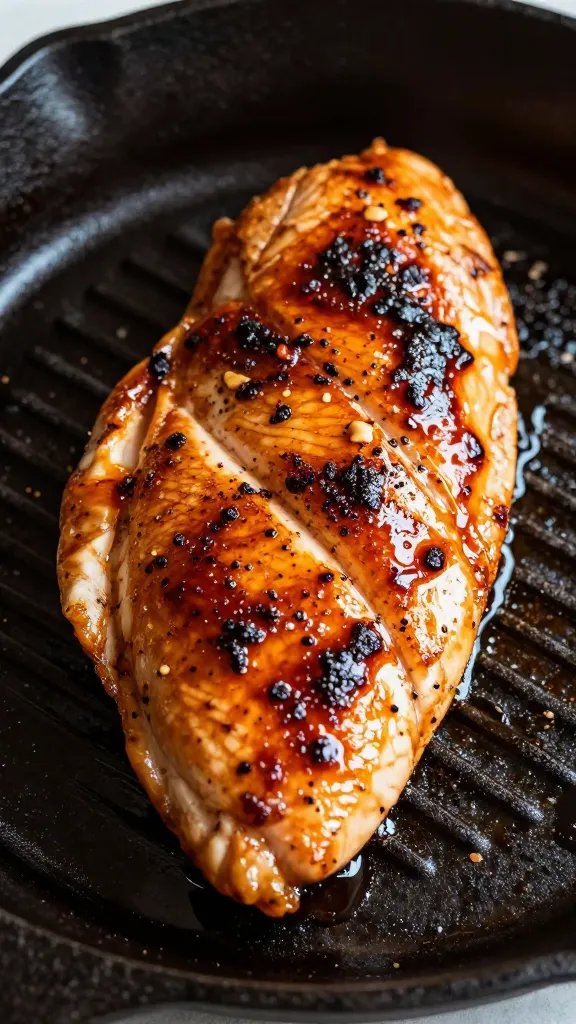
- Jerk: bone-in chicken thighs and drumsticks; pork shoulder or country ribs; meaty fish like salmon; firm tofu.
- Peri-Peri: spatchcock chicken; boneless skin-on thighs; shrimp; pork tenderloin; grilled cauliflower steaks.
- Chimichurri: flank, skirt, ribeye, or picanha; lamb chops; grilled mushrooms; roasted potatoes.
Why these work: Bold, spicy marinades love fatty cuts that won’t dry out. Fresh, acidic sauces shine on beef and lamb where you want to taste the meat first and the sauce second.
How to Use Jerk, Peri-Peri, and Chimichurri Properly
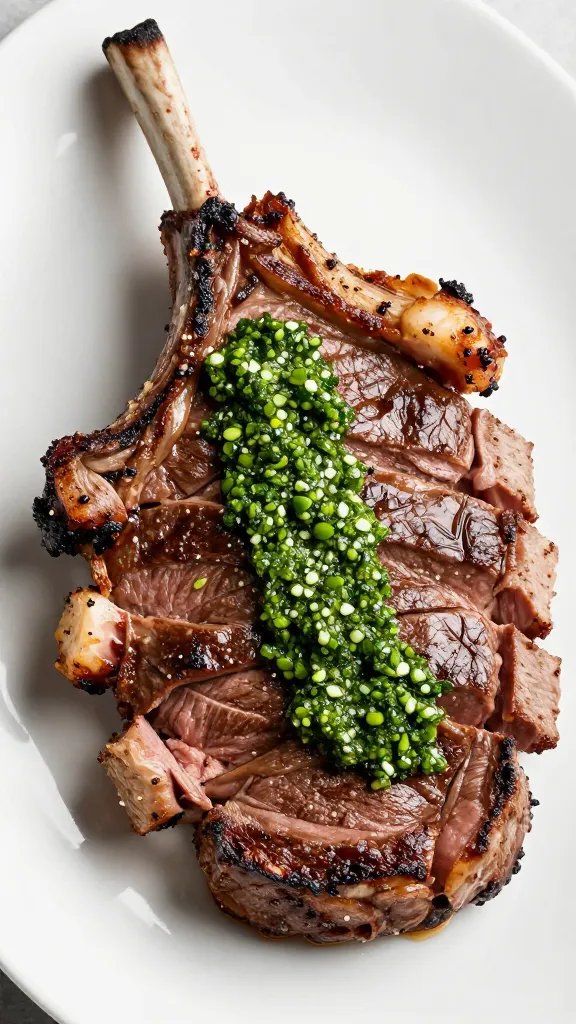
Jerk: Marinade + Baste + Char
- Marinade time: 8–24 hours for chicken; 6–12 hours for pork; 30–60 minutes for fish.
- Cooking: Medium heat with smoke. Aim for dark edges (not burnt), internal temp 175°F for chicken thighs.
- Pro move: Reserve some marinade before touching raw meat, reduce on low 5 minutes, and brush in the last 5 minutes of grilling.
Peri-Peri: Marinade or Mop, Then Glaze
- Marinade time: 2–8 hours for chicken; 30 minutes for shrimp; 1–3 hours for pork tenderloin.
- Cooking: Medium-high for skin crisp and char. Finish with a thinner glaze for sheen and punch.
- Pro move: Whisk in extra lemon juice after cooking to wake up flavors without overcooking the meat.
Chimichurri: Resting Sauce, Not a Marinade
- Timing: Make it at least 30 minutes ahead; ideal at 4–24 hours in the fridge. Bring to room temp before serving.
- Usage: Spoon over sliced steak after a 5–10 minute rest so the juices mix with the sauce.
- Pro move: Add 1–2 tablespoons of steak resting juices to the chimichurri bowl for depth.
Heat Levels and How to Tame Them
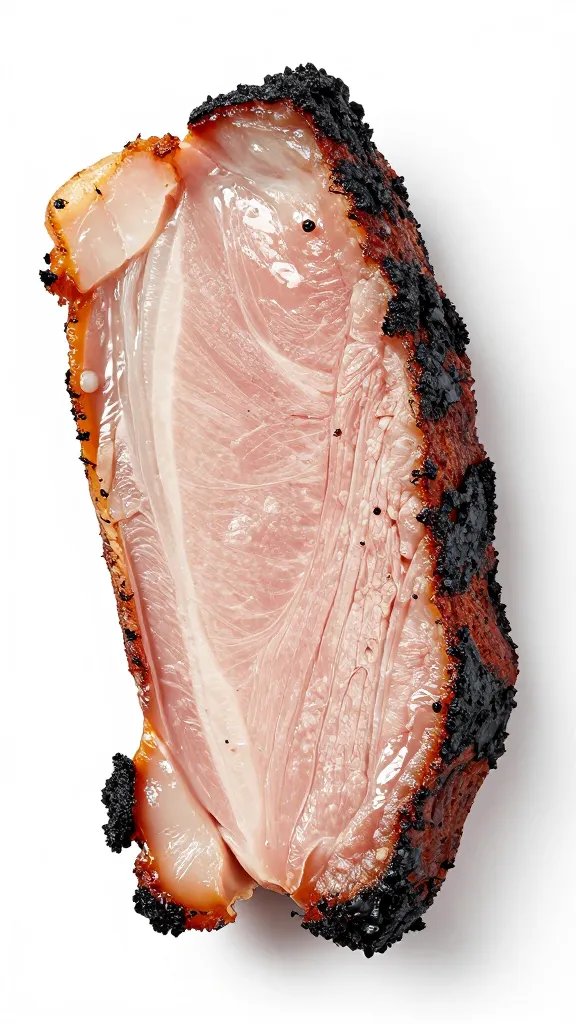
- Jerk: Scotch bonnets pack heat. Tame it by removing seeds and ribs, using jalapeño or habanero-lite varieties, or adding more scallion and thyme.
- Peri-Peri: Bird’s eye chiles are sharp. Balance with extra lemon and a touch more oil; swap in fresno or serrano to dial down.
- Chimichurri: Usually mild-to-medium. Adjust with more red pepper flakes for heat, or more olive oil for smoothness.
Dairy buffer: Serve jerk or peri-peri with a cooling side like coconut rice, yogurt-cucumber salad, or grilled pineapple to even out the burn.
Marinating and Timing: What the Clock Really Does
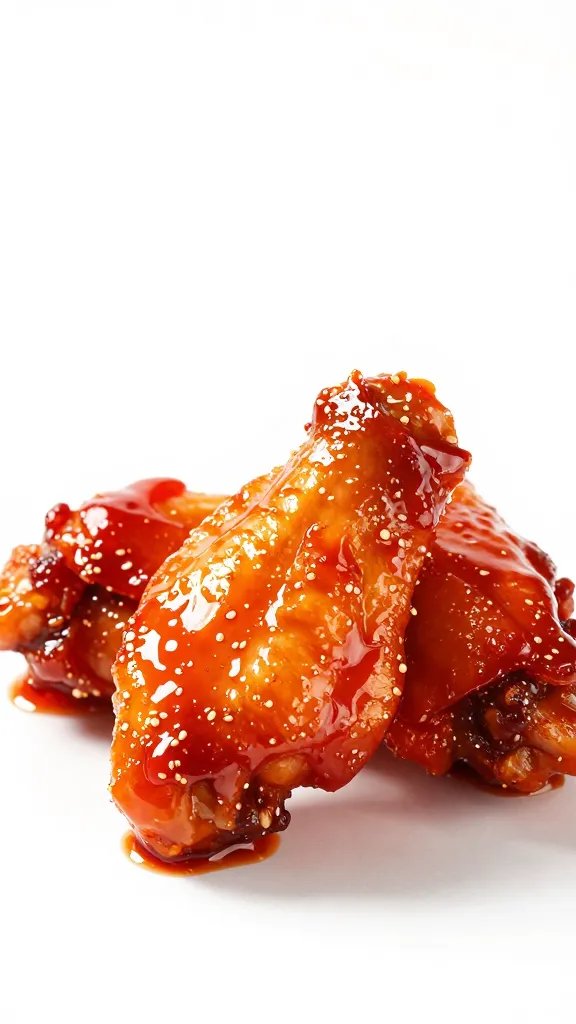
- Salt matters: Salty marinades season deeper. If your marinade is light on salt, dry-brine meat with 0.75–1% salt by weight first, then marinate.
- Acid window: Peri-peri is acidic. Keep chicken under 8 hours to avoid mushy texture; shrimp under 30 minutes.
- Herb oxidation: Chimichurri darkens over days. It still tastes great, but for bright green color, make it the day you serve.
Jerk vs Peri-Peri vs Chimichurri: Best Cuts By Meat
Chicken
- Jerk: Thighs, drums, or whole spatchcocked birds for smoky-sweet heat.
- Peri-Peri: Spatchcock chicken for even cooking and crispy edges; hit with extra lemon after.
- Chimichurri: Grilled chicken breasts benefit from a light marinade (olive oil, garlic, salt) and chimichurri as a finishing sauce.
Beef
- Jerk: Flank or short ribs if you want big flavor; don’t over-marinate — 4–6 hours max.
- Peri-Peri: Works on tri-tip or bavette for a spicy crust, but keep marinade short (2–4 hours).
- Chimichurri: The classic for flank, skirt, ribeye, and picanha. Slice against the grain; spoon generously.
Pork
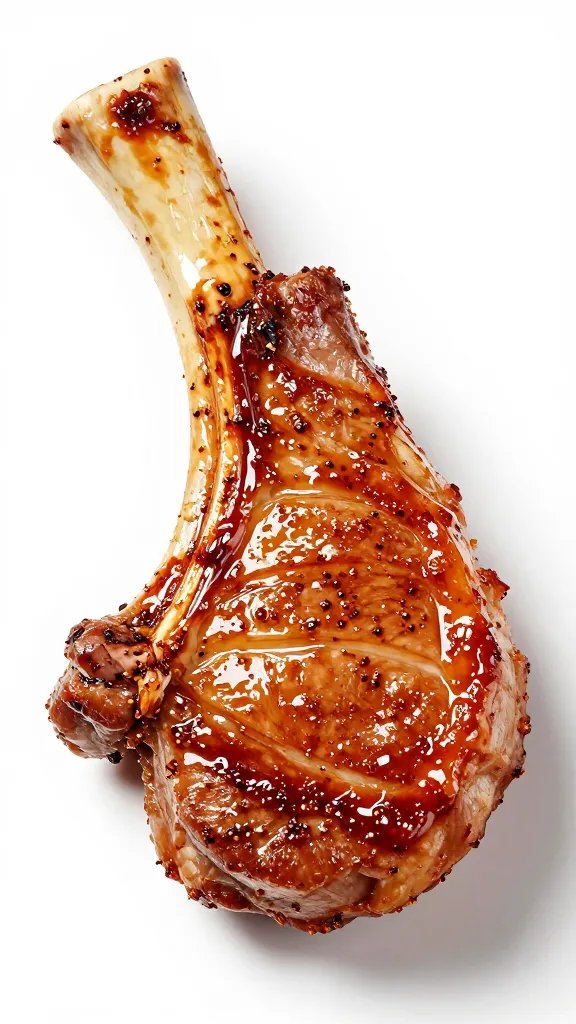
- Jerk: Pork shoulder, country ribs, or thick chops hold up to long marinades and smoke.
- Peri-Peri: Tenderloin or boneless chops for a bright, fast cook.
- Chimichurri: Great on grilled pork chops or porchetta slices as a fresh counterpoint to fat.
Seafood and Veg
- Jerk: Salmon, swordfish, or shrimp — marinate briefly, grill hot, finish with lime.
- Peri-Peri: Shrimp skewers, octopus, or cauliflower steaks; quick marinade, then baste.
- Chimichurri: Drizzle on grilled portobellos, asparagus, or halloumi; also excellent on roasted potatoes.
Flavor Builders and Easy Upgrades
- For Jerk: Add ground allspice and fresh thyme generously; a splash of soy sauce deepens savoriness; finish with fresh lime.
- For Peri-Peri: Balance with smoked paprika, lemon zest, and a touch of honey if your chiles are very sharp.
- For Chimichurri: Use flat-leaf parsley, fresh oregano if you have it, and a 60:40 oil-to-vinegar ratio; finish with flaky salt.
Want a proven herb-and-vinegar blueprint? Try this chimichurri recipe and adjust garlic and heat to your cut.
From My Kitchen: What Actually Works
I batch-test jerk by splitting one chicken: half marinates 24 hours, half 6 hours. The 24-hour batch is noticeably deeper and stays juicier after resting. With peri-peri, I get the crispiest spatchcock skin by patting dry, salting first, then marinating only 4 hours — longer pushes too much surface moisture. For chimichurri, mincing herbs by hand tastes fresher than food-processor versions; pulsing bruises them and adds bitterness after day two. Scaling for crowds, I increase acid more than oil (about 10% extra vinegar) so the sauce doesn’t taste flat against big platters of meat.
Serving Ideas and Sidekicks
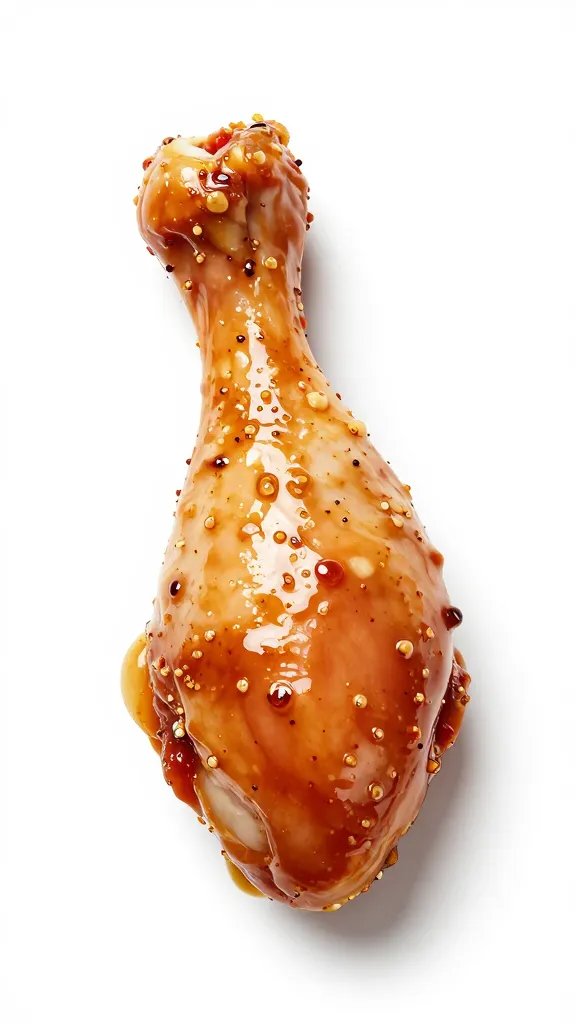
- Jerk platter: Chicken thighs, grilled pineapple, coconut-lime rice, and quick pickled red onion.
- Peri-Peri spread: Spatchcock chicken, lemon wedges, charred corn salad, and crispy potatoes.
- Chimichurri board: Sliced skirt steak, grilled peppers, crusty bread, and a second herb sauce like salsa verde for contrast.
Frequently Asked Questions
How long does jerk marinade keep in the fridge?
Stored in a sealed jar, jerk marinade lasts 5–7 days. If it contains fresh fruit like pineapple, use within 3–4 days. Freeze in portions for up to 3 months to keep flavors bright.
Can I make peri-peri ahead of time?
Yes. Peri-peri sauce improves after 12–24 hours as flavors meld. Keep it chilled up to a week; whisk before using. For marinating, aim for 2–8 hours for chicken, 30 minutes for shrimp.
What’s the best way to serve chimichurri for a crowd?
Make a double batch a day ahead and keep it in a wide bowl with a spoon. Serve at room temperature next to sliced steak on a board. Refresh with a splash of vinegar and olive oil right before guests dig in.
Can I freeze jerk, peri-peri, or chimichurri?
Jerk and peri-peri both freeze well up to 3 months. Chimichurri technically freezes, but herbs darken and the texture suffers; it’s better made fresh or kept chilled up to a week.
Which meats are best for jerk vs peri-peri vs chimichurri?
Jerk loves fatty cuts like chicken thighs and pork shoulder. Peri-peri shines on spatchcock chicken, shrimp, and pork tenderloin. Chimichurri is the classic finish for steak and lamb, and it’s great on grilled vegetables.
Is chimichurri a marinade or only a finishing sauce?
Traditionally it’s a finishing sauce. You can marinate briefly in a portion (30–60 minutes for beef), but it works best spooned over rested grilled meats so the freshness stays intact.
The Bottom Line
Use jerk when you want smoke, spice, and depth on richer cuts; pick peri-peri for bright, citrusy heat and crispy-skinned chicken; finish big-flavor beef and lamb with chimichurri’s fresh herb snap. Match intensity to the cut, and let acid and fat balance each bite.
Planning to try this? Save this post so you can find it when you need it — and tag us when you make it.