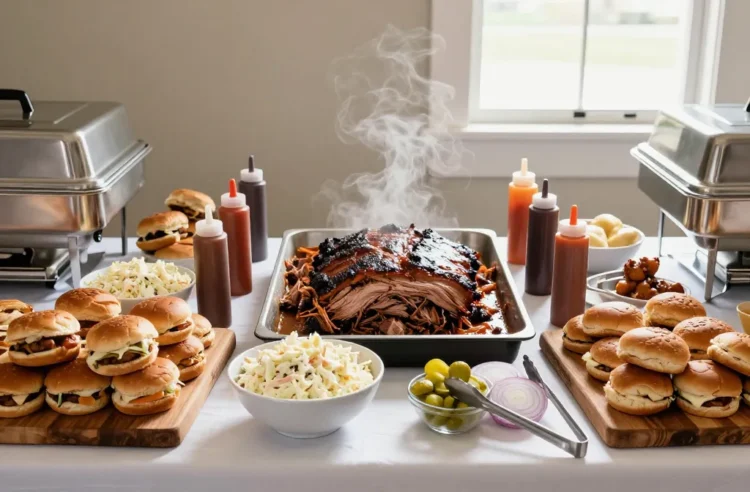
- Best for: Weddings, graduation parties, backyard BBQs, tailgates
- Make ahead: Yes — cook 1–3 days ahead; reheat day-of
- Serves: 100 people (about 5–6 oz pork per person)
- Key tip: Hold pork hot at 150–165°F in covered pans with a splash of reserved juices
Hosting a crowd is easier when guests serve themselves — and nothing beats the simplicity and flavor of a DIY pulled pork station for 100 people. With a little planning, you can cook ahead, keep everything hot and safe, and roll out toppings that make everyone happy. This guide covers quantities, equipment, timing, food safety, and a step‑by‑step setup. By the end, you’ll have a proven, stress‑free blueprint for your event.
Plan the Quantities: Pork, Buns, and Sides
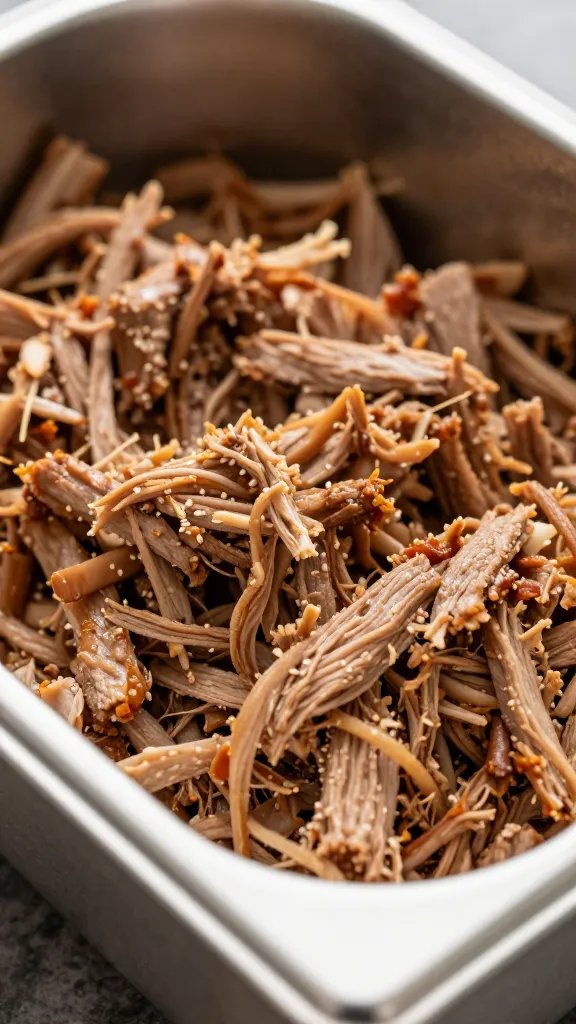
For 100 people, plan on 31–35 pounds of cooked pulled pork. Pork loses moisture and fat during cooking; start with 60–70 pounds raw pork shoulder (Boston butt).
- Pork: 60 lb (light eaters/kids) to 70 lb (big eaters) raw bone-in butts
- Buns: 110–120 slider buns or 100 standard buns (some skip bread)
- Sauces: 3–4 styles; 1.5–2 gallons total across bottles
- Toppings: Coleslaw (2.5–3 gallons), pickles (1.5 gallons), sliced onions (6–8 lb), jalapeños (1–2 lb), chopped cilantro (optional, 2 cups)
- Sides (choose 2–3): Beans (4 #10 cans), mac and cheese (3 full pans), corn salad (2 full pans), green salad (2 large bowls)
Rule of thumb: A standard hotel pan (2.5″ deep) comfortably holds 8–10 lb of pulled pork. You’ll need 4 full pans hot and ready, plus one backup if you’re serving hearty eaters.
Cook Ahead Without Stress

Pork shoulder loves a make-ahead schedule. It actually tastes better after a rest because the juices redistribute and the smoke/spice mellow.
Cooking Methods
- Smoker: 225–250°F until probe-tender, typically 195–203°F internal
- Oven: 275°F, covered after bark sets, to 200°F internal
- Slow cooker (batch method): 8–10 hours on low; finish under broiler for bark
Make-Ahead Timeline
- 2–3 days before: Cook pork to 200°F internal. Rest 45–60 minutes. Shred while warm. Moisten with defatted pan juices or pork stock. Chill fast in shallow pans.
- Night before: Transfer to hotel pans. Add a small ladle of juices to each pan. Cover tightly.
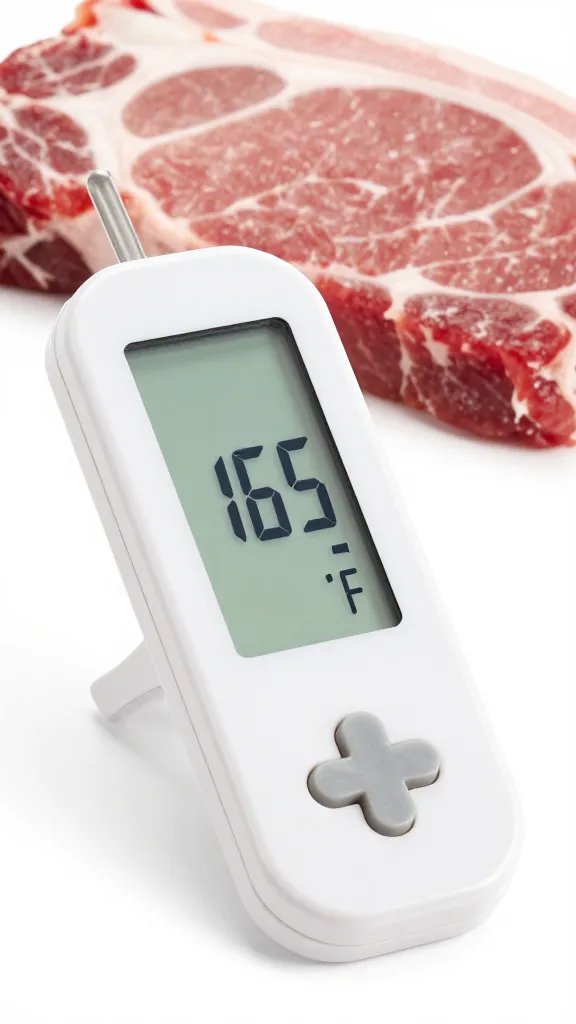
- Day of: Reheat covered at 300°F until 165°F, then hold at 150–165°F on warmers. Stir and re-moisten as needed.
Food safety: Cool from hot to 70°F in 2 hours, and to 41°F within 4 hours total. Reheat to 165°F within 2 hours. Hold above 135°F during service.
Set Up the DIY Pulled Pork Station
Make the line flow one way, with plates first and trash/replenish access behind the table. Keep hot with chafers or electric warmers; keep cold toppings on ice.
Recommended Layout (Left to Right)
- Plates + napkins + forks
- Buns/tortillas (split, lightly warmed if possible)
- Pulled pork in 2–3 chafing dishes to speed the line
- Sauces (sweet, tangy vinegar, mustard, spicy)
- Toppings (slaw, pickles, onions, jalapeños)
- Sides (beans, mac, salad)
- Condiments (salt, pepper, hot sauce)
Label everything. Guests move faster when they can see “Spicy,” “No Sugar,” or “Gluten-Free Bun.”
Sauces and Seasoning That Work for a Crowd

Offer balance: sweet, tangy, mustardy, and a heat option. Keep sauces in squeeze bottles or ladles and refill from back-up containers.
- Kansas City Sweet: Tomato-molasses base for classic sandwiches
- Carolina Vinegar: Thin, tangy, cuts richness — great with slaw
- South Carolina Mustard: Mustard-forward, slightly sweet and sharp
- Spicy Option: Same bases with added chipotle, cayenne, or hot honey
Want a vibrant, herby option alongside BBQ? Try this chimichurri recipe for a fresh, bright counterpoint to rich pork.
Equipment Checklist and Holding Tips
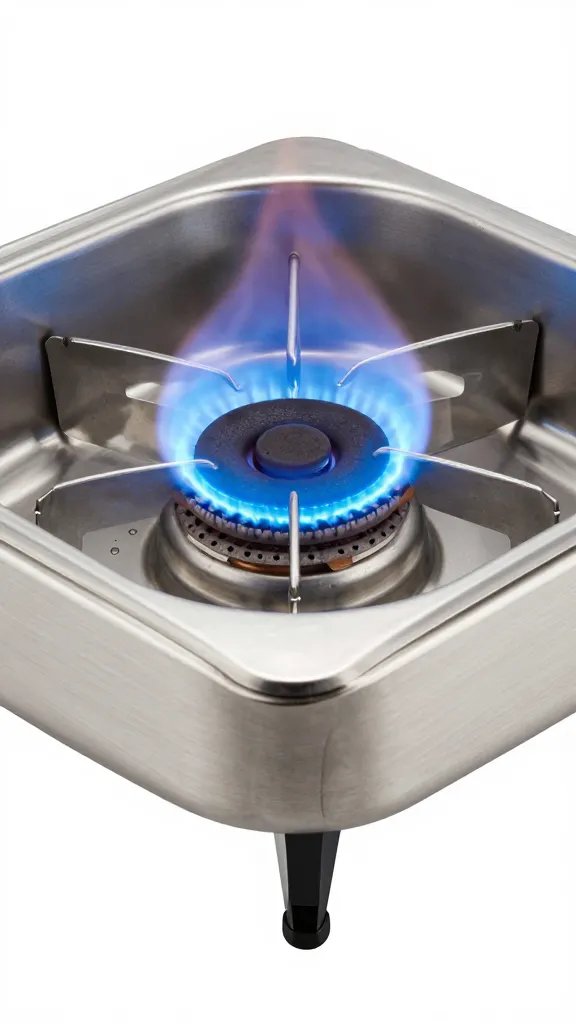
Gather what you need well before event day. You can rent chafers and cambros if you don’t own them.
- Chafers or electric warmers: 4–5 units for pork and sides
- Fuel or power: Sterno cans (2 per chafer for 2–3 hours) or extension cords
- Hotel pans: Full-size, 2.5″ deep (5–6 for pork and backup); lids or foil
- Thermometers: 1 instant-read, 1 probe for monitoring hold temps
- Insulated carriers: Cambros/coolers for transport and holding
- Tongs and ladles: Multiple sets to reduce bottlenecks
- Ice baths: For slaw and pickles (half pans nested in larger pans with ice)
Pro tip: Mix a small batch of “mojo” — warm pork juices + a splash of apple cider vinegar — and fold into pans every 45–60 minutes to keep meat juicy.
Timing the Day-Of Flow

Back-time from when you want the line to open. For a 6:00 pm service, here’s a simple run-of-show:
- 2:00 pm: Pork in the oven to reheat to 165°F (covered, 300°F)
- 3:30 pm: Set tables, chafers, signage, sauce bottles
- 4:00 pm: Transfer hot pork to chafers; start fuel
- 4:15 pm: Prep cold toppings; set over ice
- 5:15 pm: Final temp checks; stir and moisten pork
- 6:00 pm: Open the line; keep one backup pan hot
- Service: Refresh buns and toppings every 20–30 minutes
Staffing: One runner to swap pans and a “line captain” to tidy and answer questions keeps everything smooth.
Budget and Shopping List Snapshot

Costs vary by region, but here’s a ballpark for 100 people.
- Pork shoulder: 60–70 lb at $1.79–$2.49/lb = $110–$175
- Buns: $35–$70 depending on size/brand
- Sauces + toppings: $40–$80
- Sides: $80–$150
- Fuel/consumables: $25–$50
Approximate total: $290–$525, or roughly $3–$5 per person for the main spread. Add rentals or specialty items as needed.
From My Kitchen: What Actually Works
The single best way I’ve found to keep pork moist is not extra sauce — it’s adding back defatted cooking juices. I chill the juices, scrape the fat, and warm the gelatin-rich liquid to fold into the pans. I’ve tested water, stock, and apple juice; they work in a pinch, but the pan juices keep the meat glossy and flavorful longer. Also, I hold one pan at a slightly higher temp (165°F) and another at 150°F; rotating servings between them prevents the dreaded dried-out last scoop.
Serving tacos too? Balance the menu with bright flavors. Pair your pork with these pickled red onions for quick acidity that guests love on sliders and nachos alike.
Frequently Asked Questions
How much meat do I need for a DIY pulled pork station for 100 people?
Plan for 31–35 pounds of cooked pork, which means starting with 60–70 pounds of raw pork shoulder. That yields about 5–6 ounces cooked meat per person, enough for a hearty sandwich or a couple of sliders.
Can I make a DIY pulled pork station ahead of time?
Yes. Cook and shred 1–3 days ahead, chill quickly, and reheat covered to 165°F on the day. Hold at 150–165°F during service and stir in reserved juices to keep it moist.
What’s the best way to serve pulled pork for a crowd?
Use chafing dishes or electric warmers for the pork and sides, and keep cold toppings over ice. Set the line as plates → buns → pork → sauces → toppings → sides to prevent traffic jams.
How long does pulled pork keep in the fridge?
Properly cooled and stored, pulled pork keeps 3–4 days in the refrigerator. Reheat to 165°F before serving and discard anything that’s been in the danger zone (40–135°F) for more than 4 hours.
Can I freeze leftover pulled pork from the station?
Absolutely. Portion into freezer bags with a little defatted juice, press flat, and freeze for up to 3 months. Thaw overnight in the fridge and reheat gently with a splash of added liquid.
What sauces should I offer at a pulled pork station?
Provide variety: a sweet tomato-based sauce, a Carolina vinegar sauce, a mustard sauce, and a spicy option. Label clearly so guests can pick their heat and sweetness level.
The Bottom Line
A DIY pulled pork station scales beautifully, stays budget-friendly, and makes guests happy. Cook ahead, hold safely with moisture, and build a simple line with bold sauces and crunchy toppings — you’ll cruise through service.
Planning to try this? Save this post so you can find it when you need it — and tag us when you make it.