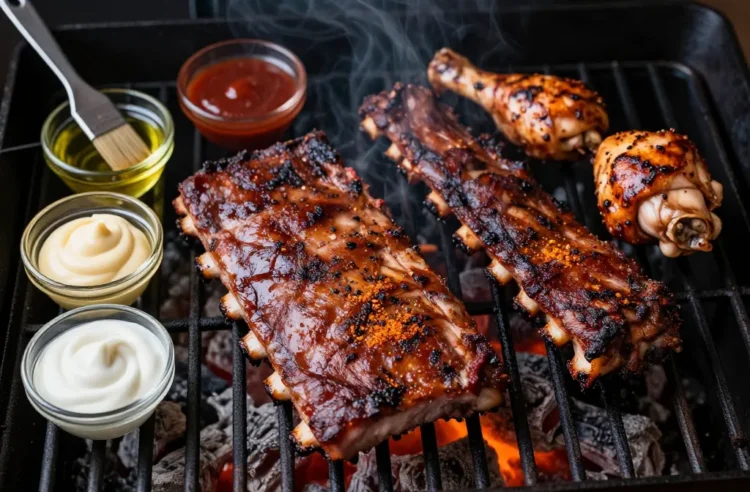
- Best for: Backyard grilling and weeknight smokers when you’re out of mustard
- Make ahead: Yes — prep binders and rub up to 24 hours ahead
- Serves: Works for 2 chicken halves up to a full brisket
- Key tip: Use a thin, even binder layer — too much blocks smoke and turns pasty
Running low on mustard or just not a fan? You can absolutely learn how to make a BBQ rub stick without mustard and still get killer bark. The secret is choosing the right binder and applying it the right way. We’ll cover oils, sauces, and even pantry staples that work better than you think. By the end, you’ll know exactly what to use, how much, and when for ribs, chicken, pork, and brisket.
Why Use a Binder at All?
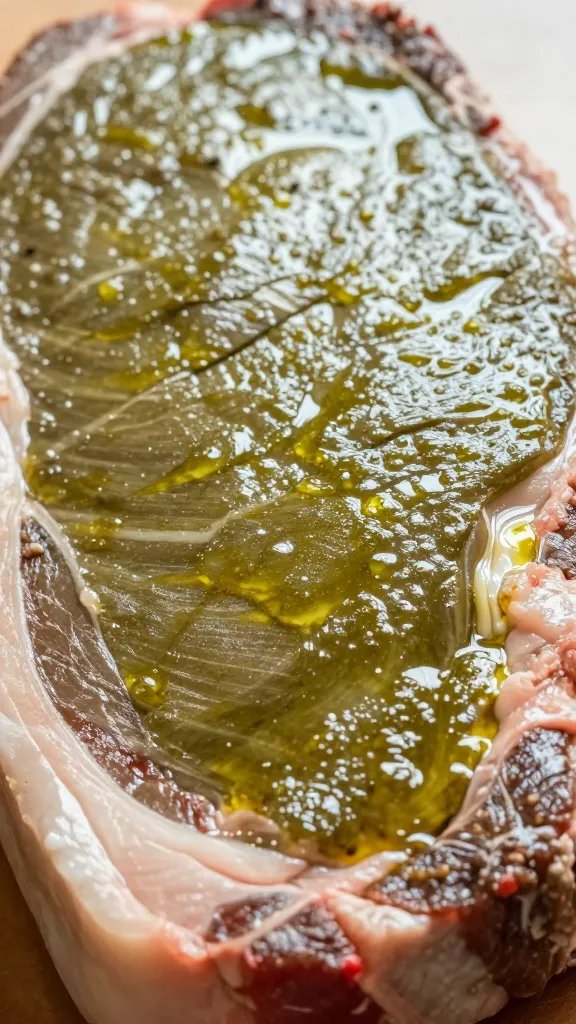
BBQ rubs cling on their own to slightly damp meat, but a binder gives insurance. It helps the spices adhere during handling and early cook stages before proteins set. You also get a more even coating, which means more consistent bark.
A good binder is neutral in flavor, thin, and heat-stable. You want it to vanish in the cook, not shout over your rub. Start with less than you think you need.
Best No-Mustard Binders (Ranked)
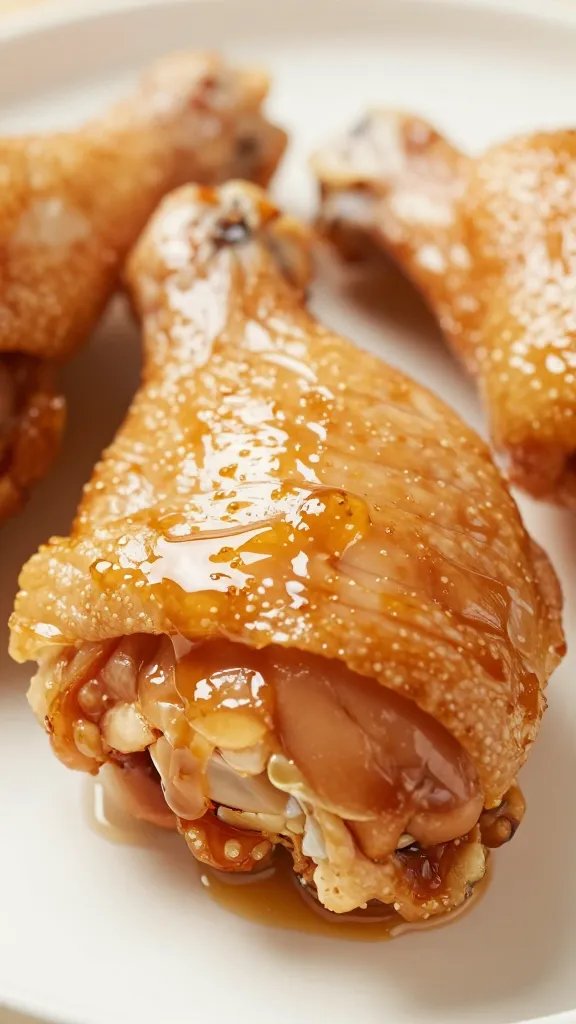
- Neutral oil (canola, avocado, light olive): Ultra-thin, heat-tolerant, doesn’t change flavor. Great for high-heat grilling and long smokes.
- Worcestershire sauce: Salty-savory boost, helps Maillard browning. Ideal for beef and pork.
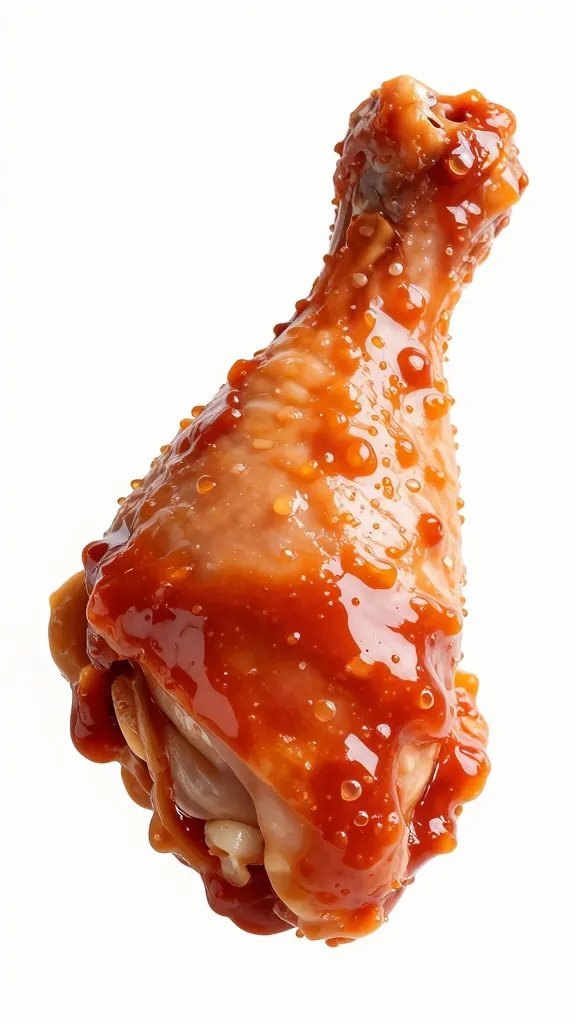
- Hot sauce (thin vinegar-based): Adds a gentle tang; heat largely cooks off. Excellent on chicken and ribs.
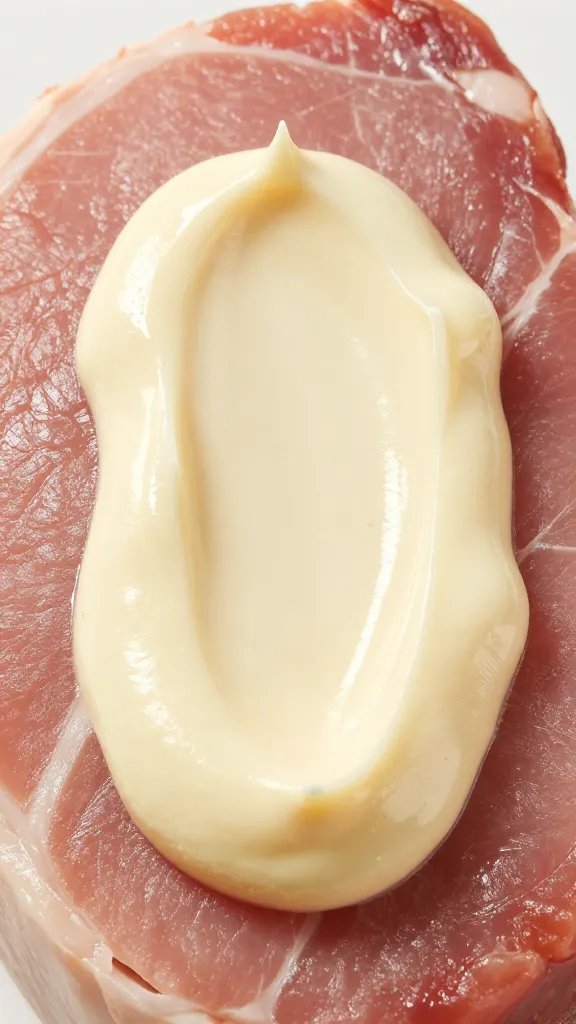
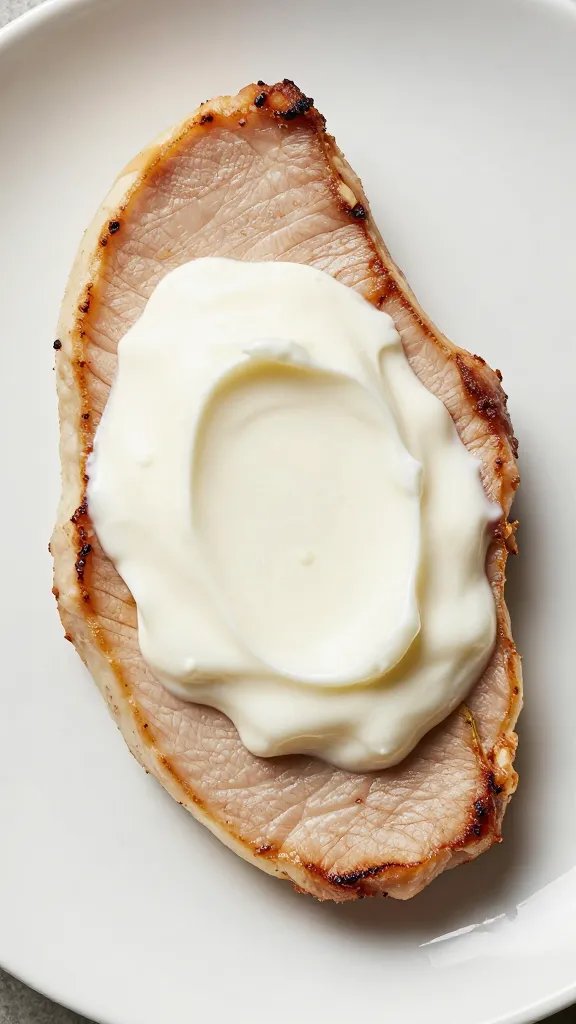
- Mayonnaise: Emulsified oil that disappears; promotes browning. Fantastic on chicken skin and grilled pork chops.
- Beef tallow or bacon fat (melted): Rich flavor, superb bark on brisket. Use sparingly; it’s potent.
- Apple cider vinegar or pickle juice: Super light, brightens pork. Mist on, don’t pour.
- Maple syrup or honey (thinned 1:1 with water): Slight sweetness and tack; better for shorter cooks to prevent burning.
How to Apply: Technique Matters
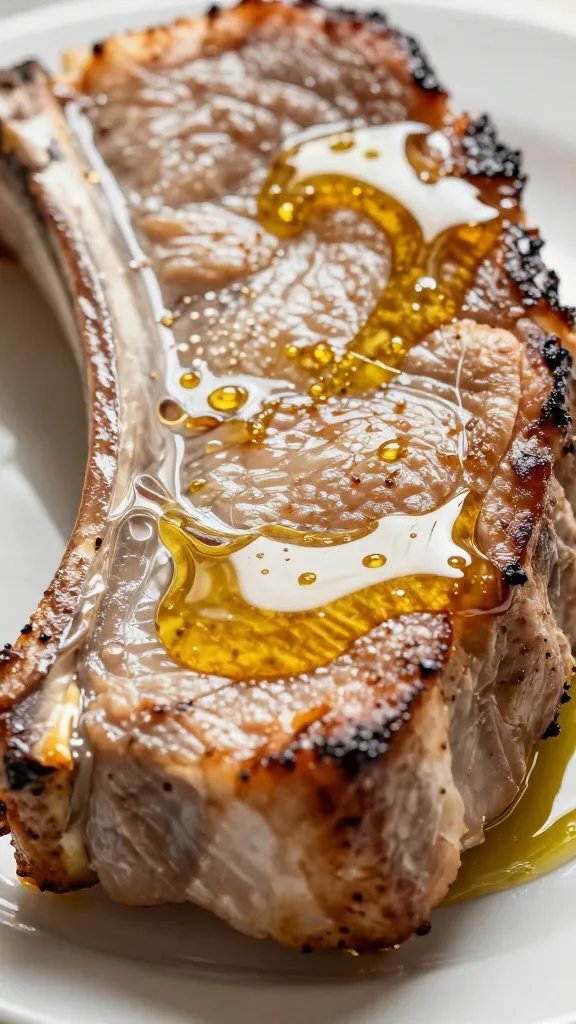
General Method
- Pat meat dry with paper towels to remove surface moisture.
- Add a thin, even film of binder — think 1 teaspoon per pound for liquid binders, 1/2 teaspoon per pound for oils/fats.
- Sprinkle rub from 8–12 inches above for even coverage. Don’t rub it in — let it sit and hydrate.
- Rest 10–20 minutes until the rub looks damp and set, then cook.
Proportion Guide
- Chicken pieces: 1/2 tsp oil per pound; lighter rub layer.
- Pork ribs: 1 tsp Worcestershire or hot sauce per rack.
- Pork shoulder: 1–2 tbsp oil or mayo for a whole 7–8 lb butt.
- Brisket: 1–2 tbsp oil or tallow for a full packer; keep it whisper-thin.
Choosing the Right Binder for Each Cut
Chicken
Use mayonnaise or neutral oil for even browning without overpowering the seasoning. Keep the layer super thin to avoid rubbery skin. A light mist of vinegar under the oil can tighten the skin and boost crispness.
Pork Ribs and Shoulder
Worcestershire or hot sauce adds savoriness and helps the rub bloom. For ribs, avoid sugary binders on long cooks to prevent dark, bitter edges. For shoulder, oil works great if you want a clean rub profile.
Beef Brisket
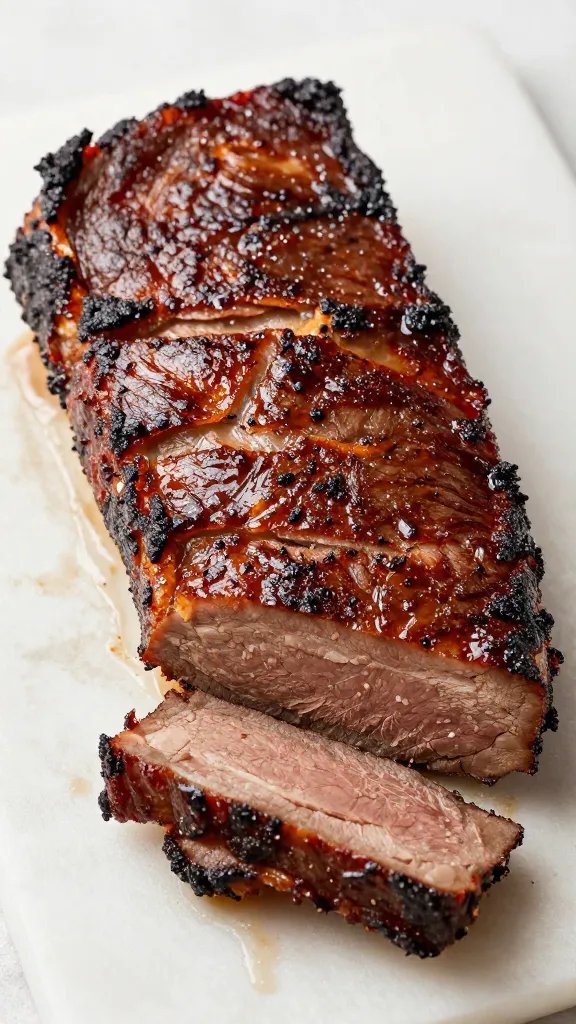
Neutral oil or melted tallow are top picks. They don’t fight the classic salt-pepper-garlic profile and build a sturdy bark. Go easy—too much fat can cause slippage early on.
Flavor Effects: What Changes Without Mustard?
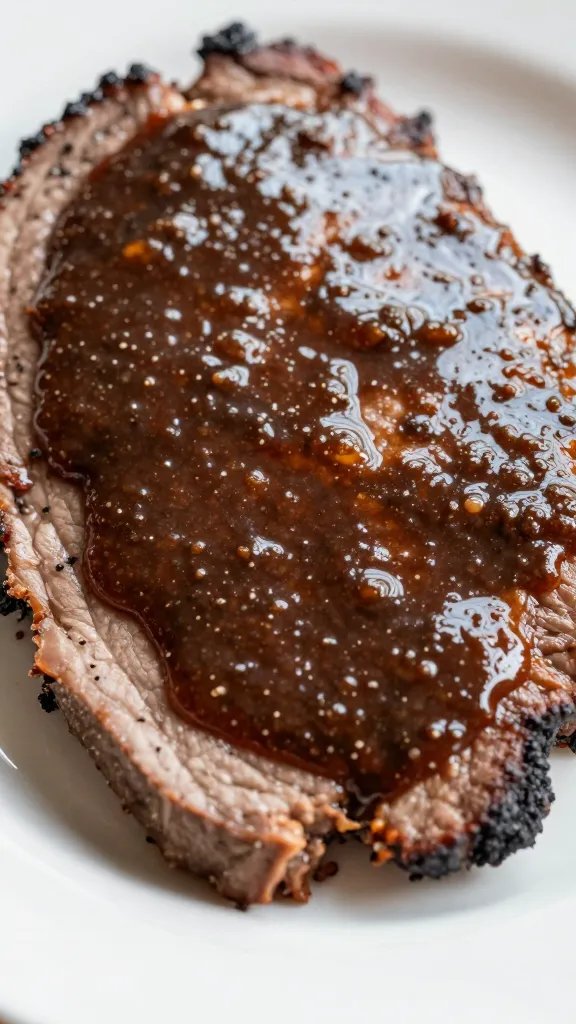
Skipping mustard means you lose a touch of vinegar tang and slight heat, but you gain neutrality. That lets the rub shine. If you want some tang without mustard, use Worcestershire, thin hot sauce, or a light vinegar mist before the binder.
Sugar-based binders like honey amplify caramelization. Keep temps in check and position meat away from direct flame to prevent scorching.
Timing: When to Rub and When to Cook
- Immediate cook: Apply binder and rub, rest 10–20 minutes, then onto heat.
- Short dry brine (2–4 hours): Salt the meat first without binder. Before cooking, add binder and full rub. This boosts juiciness without muddying the crust.
- Overnight: For large cuts, you can rub 12–24 hours ahead, but keep the binder minimal to avoid paste-like surfaces. Wrap loosely and refrigerate, then uncover 30 minutes before cooking.
Troubleshooting Sticky Rubs and Bark

- Rub falls off during handling: You used too much binder or too little rest time. Apply thinner next time and give it 15 minutes to hydrate.
- Patchy bark: Uneven binder or clumpy rub. Sift your rub and sprinkle from higher up for even coverage.
- Rub turns sludgy: Binder layer was thick or meat was wet. Pat dry well and halve the binder amount.
- Burnt edges: Sugary binders at high heat. Switch to oil or Worcestershire for hot-and-fast cooks.
Optional Add-Ons That Help Rubs Stick
- Light spritz during cook: Apple cider vinegar or water every 45–60 minutes after the first 90 minutes helps set bark without washing it off.
- Coarser grind: A rub with some coarse salt and cracked pepper mechanically grips better.
- Room-temp start: Let meat sit out 20–30 minutes after rubbing so the surface isn’t cold and slick.
From My Kitchen: What Actually Works
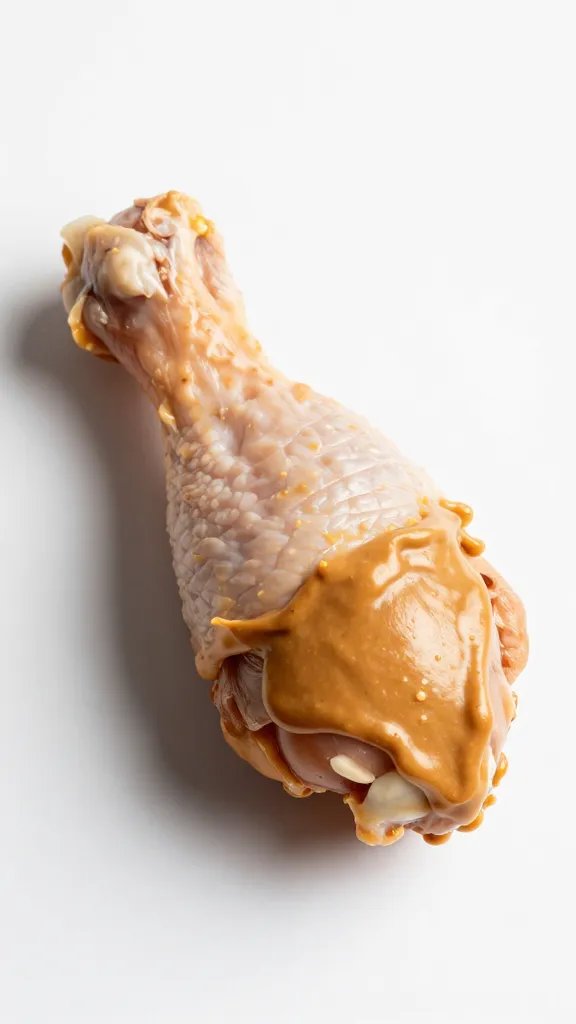
I’ve A/B tested binders on split racks of ribs and found Worcestershire consistently holds rub better than oil for the first hour, giving a more even bark. On chicken thighs, a pea-sized smear of mayo per piece yields crisp, evenly browned skin at 375°F without any mayo flavor. For brisket, I’ve switched from yellow mustard to 1 tablespoon avocado oil per 12–14 lb packer; the bark is just as firm and the pepper stands out more. One note: when I tried honey at 275°F on ribs, the edges darkened too quickly — it’s best under 250°F or for shorter cooks.
Frequently Used Pairings and Next Steps
If you want a bright sauce to pair with rich, barky meats, try this chimichurri recipe — it cuts through fat beautifully. For grilled chicken nights, balance your smoky rub with a fresh side like this watermelon salad to keep the plate light.
Frequently Asked Questions
What can I use to make a BBQ rub stick without mustard?
Top options include neutral oil, Worcestershire, thin hot sauce, mayonnaise, melted tallow, vinegar, or pickle juice. Choose based on the cut and heat level — oil for high heat, Worcestershire for pork and beef, mayo for chicken.
Does oil make the rub fall off during smoking?
Not if you use a very thin layer and let it rest 10–20 minutes. Too much oil can make the surface slick; stick to about 1 teaspoon per pound and sprinkle the rub evenly from a height.
Is mayonnaise a good substitute for mustard as a binder?
Yes. Mayo is an emulsified fat that promotes browning and disappears during cooking. Use a small amount, especially on chicken, to avoid greasy skin.
Will honey or maple syrup burn on ribs?
They can at higher temps or long cooks. If you use sweet binders, keep temps at or below 250°F, use a thinner layer, or save them for glazing in the last 20–30 minutes.
Can I dry brine and still use a non-mustard binder?
Absolutely. Salt first and rest 2–12 hours, then pat dry, add a thin binder, and apply the rub before cooking. This keeps texture crisp and seasoning balanced.
The Bottom Line
You don’t need mustard to make your rub stick — a thin coat of oil, Worcestershire, or mayo does the job without stealing the show. Keep the layer light, give it a short rest, and you’ll get even seasoning and serious bark every time.
Planning to try this? Save this post so you can find it when you need it — and tag us when you make it.