- Best for: Catering, tailgates, BBQ fundraisers, backyard parties
- Make ahead: Yes — mix rub up to 3 months ahead
- Serves: About 160–220 people, depending on meat and sides
- Key tip: Start at 1/2 ounce rub per pound; adjust by cut and salt level
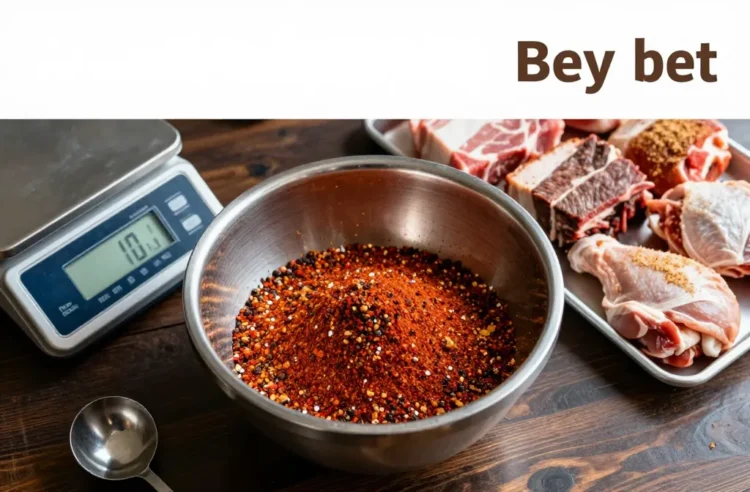
If you’re pricing, planning, or prepping, you’ve probably Googled “How Much Dry Rub for 100 Lbs of Meat — Bulk Mixing Ratios.” The short answer: aim for 3–5 pounds of rub total, then tweak by cut and saltiness. I’ll walk you through reliable ratios for pork, beef, and chicken, plus a scalable base blend you can customize. By the end, you’ll know exactly how much to mix, how to apply it, and how to avoid the most common mistakes.
The Core Ratio: How Much Rub Per Pound

The reliable starting point is 0.5 oz rub per pound of meat. For 100 pounds, that’s 50 ounces, or about 3.1 pounds of rub. This covers most pork shoulders and chicken parts.
For bolder bark or larger, denser cuts (like brisket), go 0.6–0.8 oz per pound. That puts 100 pounds at 3.75–5 pounds of rub. Want a lighter hand for delicate cuts? Drop to 0.35–0.4 oz per pound (2.2–2.5 pounds per 100 pounds).
- Light coat: 0.35–0.4 oz/lb (2.2–2.5 lb per 100 lb)
- Standard coat: 0.5 oz/lb (3.1 lb per 100 lb)
- Heavy/bark-forward: 0.6–0.8 oz/lb (3.75–5 lb per 100 lb)
Adjust by Cut: Pork, Beef, and Chicken
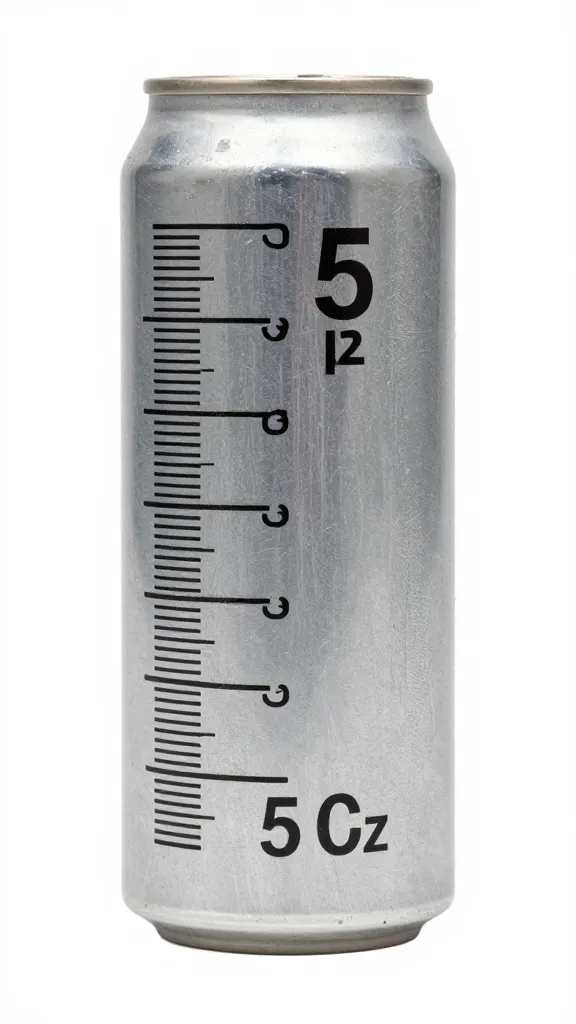
Pork Shoulder, Butt, and Ribs
These love a sweet-savory rub with sugar and paprika. Use 0.5–0.6 oz/lb. For 100 pounds of mixed pork (butts and ribs), plan 3.5–4 pounds total.
- Butts/Shoulders: 0.5–0.6 oz/lb (more if you want caramelized bark)
- Spare/Baby Back Ribs: 0.4–0.5 oz/lb (surface area is high, but thinner meat)
Beef Brisket and Chuck
Beef takes salt and pepper well. Go 0.6–0.8 oz/lb with a lower-sugar rub. For 100 pounds, plan 4–5 pounds of rub. Use larger-grind pepper for better texture.
Chicken (Whole, Parts, or Wings)
Chicken skins can over-salt fast. Stick to 0.4–0.5 oz/lb. If dry-brining separately, reduce rub to 0.3–0.35 oz/lb. For 100 pounds of chicken, plan 2.5–3.1 pounds of rub.
Salt Strategy: Don’t Let It Sneak Up on You
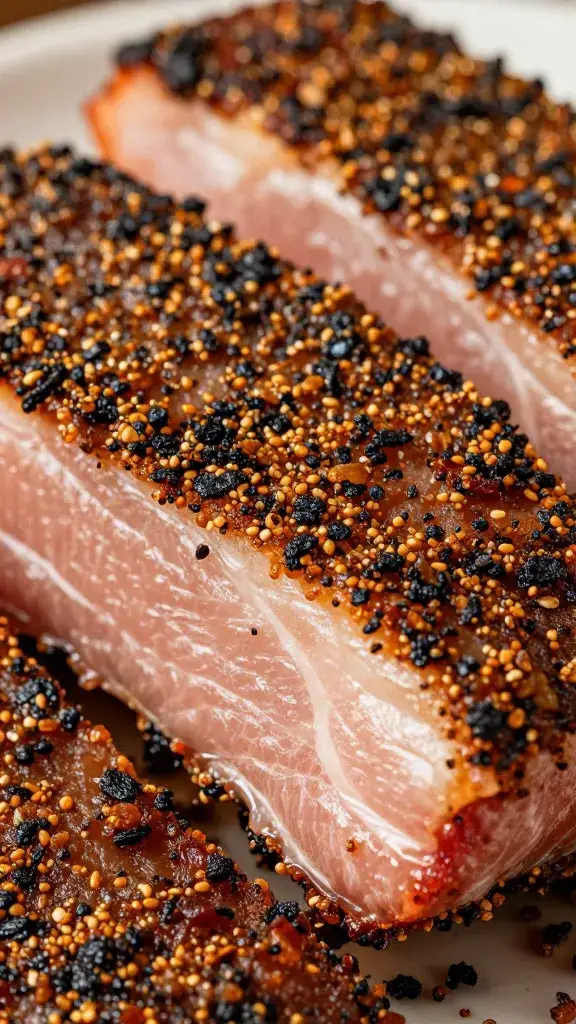
Rubs with more than 25% salt get aggressive at scale. If you’re cooking 100 pounds, consider salting separately: 0.5–0.7% salt by meat weight, then use a lower-salt rub for flavor.
- Separate salting: 0.5–0.7% kosher salt by meat weight; rest 4–24 hours
- Rub salt level: Keep salt under 20% if applying heavily
- Pre-salted meat: Cut rub in half on application, then taste test
Bulk Mixing Ratios: A Scalable Base Rub
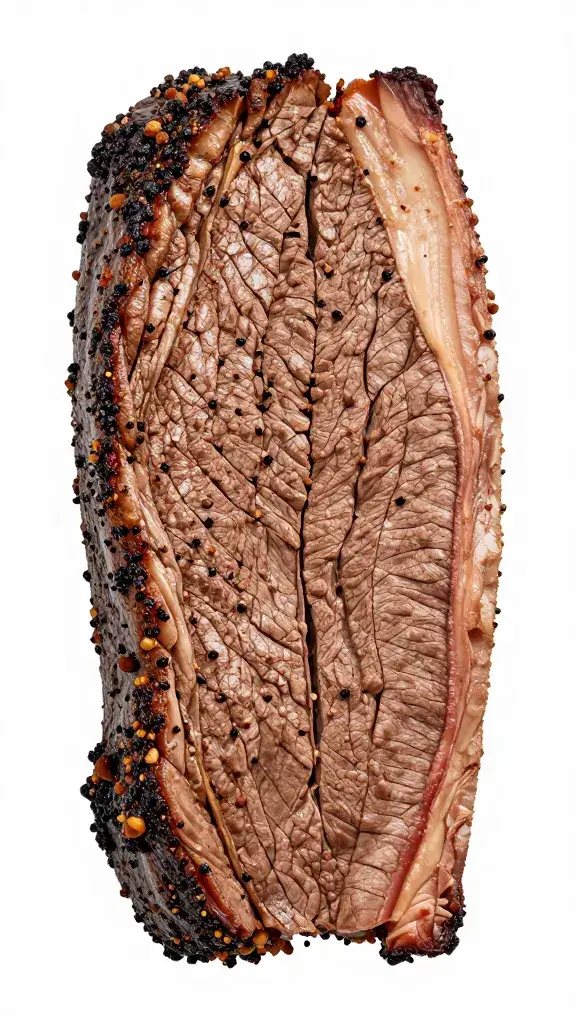
Use this as a base and tweak to style. It’s balanced, not too sweet, and safe for large batches.
- Kosher salt: 1 cup (reduce to 3/4 cup if dry-brining)
- Brown sugar: 1 cup (omit or halve for beef)
- Paprika (sweet or half smoked): 1 cup
- Black pepper, medium grind: 1/2 cup
- Garlic powder: 1/3 cup
- Onion powder: 1/4 cup
- Chili powder or ancho: 1/3 cup
- Mustard powder: 2 tbsp
- Cayenne: 1–2 tsp (to taste)
This yields about 5 to 5.5 cups (roughly 2.2–2.5 pounds depending on grain size). For 100 pounds of meat at 0.5 oz/lb, you need about 3.1 pounds rub — make 1.5x this recipe. For a heavy coat on brisket (0.7–0.8 oz/lb), make 2x–2.25x.
Flavor Variations
- Beef-forward: Drop sugar to 2 tbsp, add 2 tbsp ground coriander and 1 tbsp instant espresso
- Memphis-style: Keep sugar, add 2 tbsp celery seed and 1 tbsp white pepper
- Herby chicken: Add 1/4 cup dried thyme/oregano, halve cayenne
Application: Getting Even Coverage at Scale
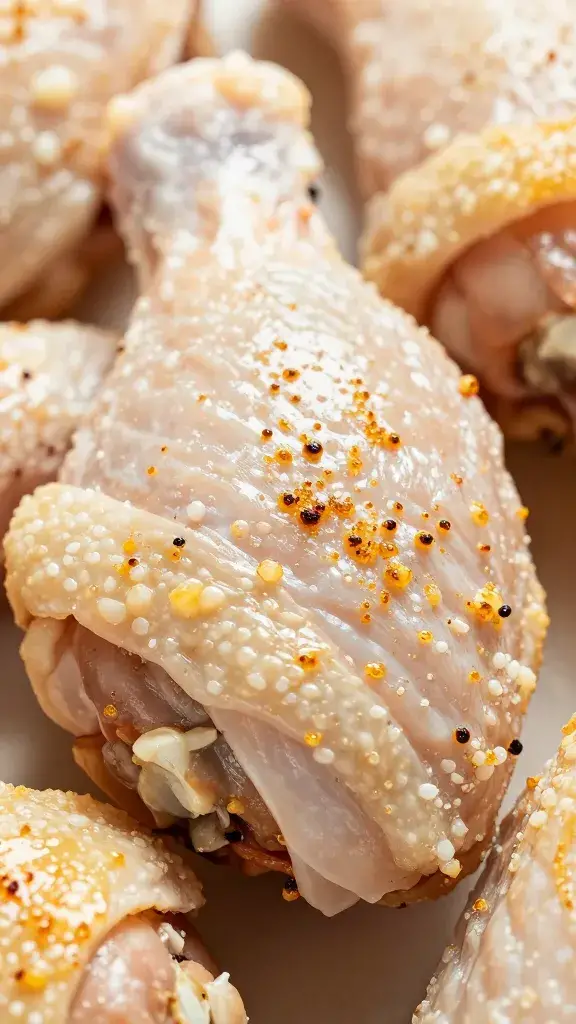
- Pat meat dry. Moisture clumps rub and creates salty spots.
- Light oil mist (optional). A thin film helps adhesion without caking.
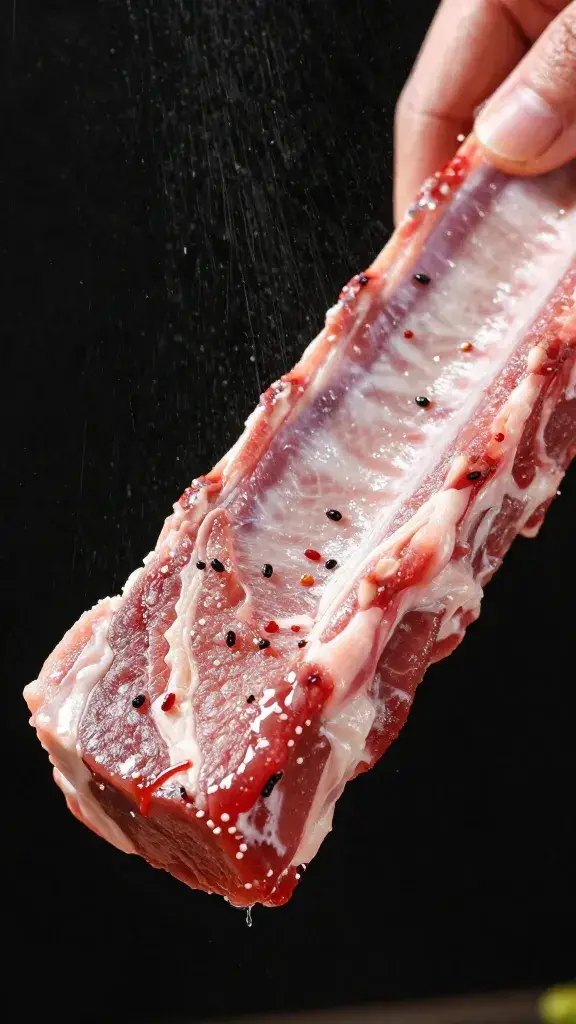
- Season high. Sprinkle from 12–18 inches for even distribution.
- Rest time. Let coated meat sit 20–30 minutes before cooking; for big cuts, 2–12 hours in the fridge builds bark and flavor.
- Don’t stack after rubbing. Airflow prevents rub from turning to paste.
Planning for a Crowd: Yields, Timing, and Storage
- Yield estimates: Cooked pulled pork yields ~50–60%; brisket ~55–65%; chicken ~60–70% depending on cut.
- Make-ahead: Mix rub up to 3 months ahead; store airtight, dark, and cool. Sugar-heavy rubs clump sooner — add a few grains of uncooked rice to the jar.
- Scaling tip: Multiply spices by your meat multiplier, but scale salt at 75–85% of the multiplier if you’re also dry-brining.
Want a bright, herby topper for sliced beef? Pair with this chimichurri recipe for service. Serving pulled pork sandwiches? Balance richness with a crunchy vinegar slaw.
From My Kitchen: What Actually Works
When I cook for big groups, I measure rub by weight and bag it per cut: 6–8 ounces labeled “per brisket,” 3–4 ounces “per pork butt,” and 2 ounces “per rack of ribs.” It stops over-seasoning when the pace gets chaotic. I also mix two versions of the same rub — one with full salt, one no-salt — so I can adjust on the fly for brined meats or thin cuts. The other trick: for brisket, I apply 60% of the rub, wait 20 minutes until it hydrates, then add the remaining 40% for a better bark without oversalting.
Frequently Asked Questions
How much dry rub for 100 lbs of meat should I actually buy?
Plan 3–5 pounds depending on cut and intensity. Pork and chicken land near 3–3.5 pounds; brisket and thick beef cuts land near 4–5 pounds. If your rub is very salty, buy on the lower end and supplement with a low-salt blend.
Can I make dry rub ahead for a large cook?
Yes. Mixed rub keeps 3–6 months in an airtight container in a cool, dark pantry. Spices fade with light and heat, so label the date and store away from the stove. If it clumps, pulse once in a food processor before use.
What’s the best ratio of salt in a bulk dry rub?
Keep salt at 15–20% of the rub by weight if you’ll apply generously. If you dry-brine meat separately, drop the rub’s salt to 10–12%. For pre-brined or injected meats, use a no-salt version of your rub and season salt independently.
Should I rub meat the night before or right before cooking?
For large cuts (brisket, pork shoulder), rub at least 2–12 hours ahead for deeper flavor and better bark. For ribs and chicken, 30–120 minutes is enough unless you reduced the rub’s salt. Overnight on chicken can tighten the skin if salt is high.
How do I prevent rub from burning, especially on ribs?
Avoid high sugar at very hot temps. Keep smokers around 225–275°F and finish with sauce at the end if you want sweetness. For hot-and-fast cooks, reduce sugar and use paprika, chili, and pepper for color instead.
What’s the best way to apply rub evenly to 100 pounds of meat?
Use disposable hotel pans, sprinkle from height, and wear nitrile gloves. Season all sides, rest briefly, then transfer to racks so air can circulate. Pre-measure rub into labeled bags for each cut to avoid overuse.
The Bottom Line
For 100 pounds of meat, you’ll need 3–5 pounds of dry rub. Start at 0.5 oz per pound, adjust for cut and salt level, and portion your batches so you stay consistent under pressure.
Planning to try this? Save this post so you can find it when you need it — and tag us when you make it.