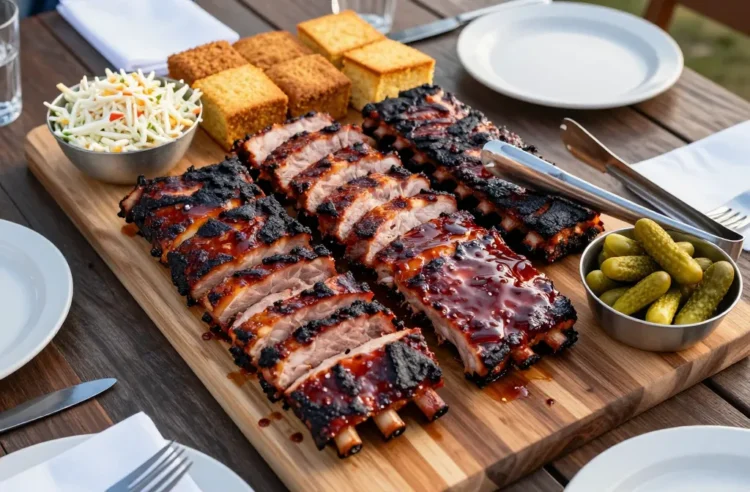
- Best for: Backyard parties, tailgates, graduation spreads
- Make ahead: Yes — cook 1–2 days ahead, reheat sauced
- Serves: 45 people (bone-in pork ribs)
- Key tip: Plan 5–6 ounces cooked rib meat per adult and convert to raw weight using a 35–40% cook loss
Feeding a crowd with ribs is equal parts math and meat. You searched for how much BBQ ribs for 45 people, so let’s pin down real numbers that actually work on a grill or in an oven. We’ll size baby backs vs. spares, build in sides, and show make-ahead and reheating that keep bark intact. By the end, you’ll have exact quantities, shopping lists, and timing to serve tender ribs without running out.
The Short Answer: Exact Rib Quantities for 45
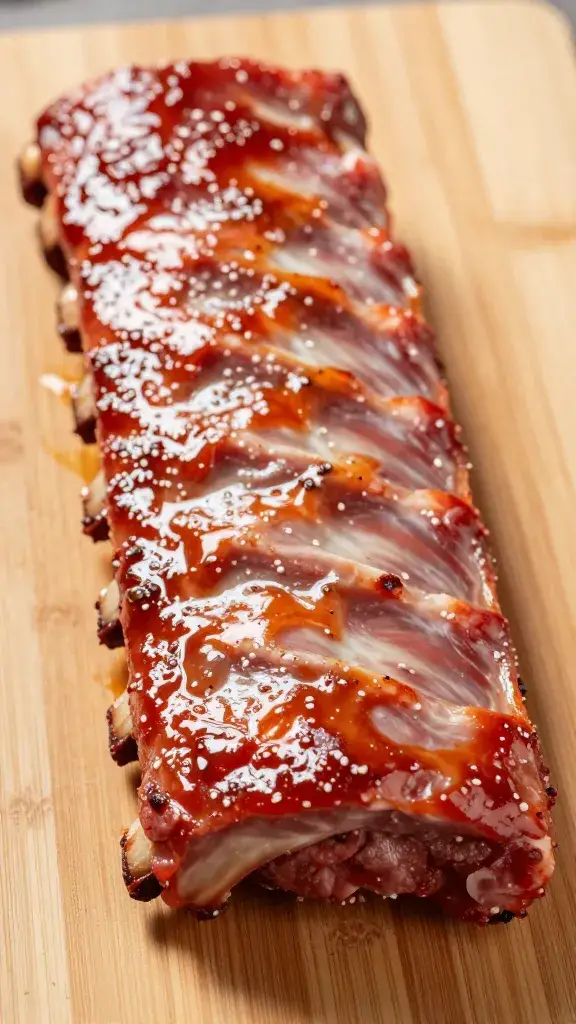
Target cooked meat: 5–6 oz per adult when ribs are the star with 3–4 sides.
Cook loss: Plan 35–40% weight loss from raw to cooked (fat render + moisture).
- Baby back ribs: 1 rack = 1.5–2 lb raw, ~9–13 bones, yields ~10–12 oz cooked meat. Plan 1 rack per 2 people when ribs are the main. For 45 people: 22–24 racks (35–40 lb raw).
- St. Louis–cut spare ribs: 1 rack = 2.5–3.5 lb raw, ~10–13 bones, yields ~16–20 oz cooked meat. Plan 1 rack per 3 people. For 45 people: 15–16 racks (40–50 lb raw).
- If ribs share the spotlight with brisket, pulled pork, or chicken: cut rib portions to 3–4 oz cooked per person. That’s about 15–18 baby back racks or 10–12 St. Louis racks.
Choosing Baby Backs vs. St. Louis Ribs
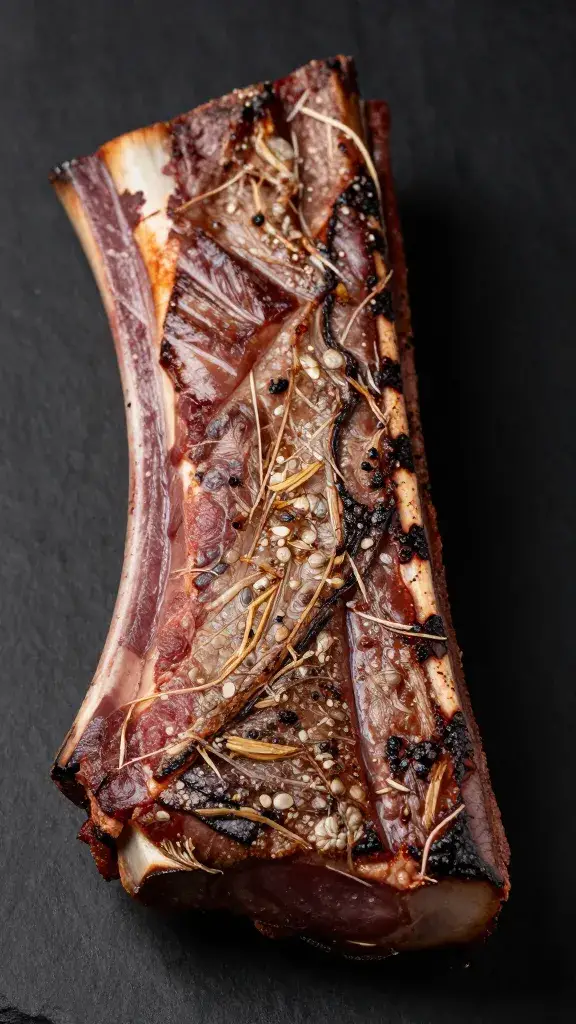
Baby backs cook faster and feel leaner. Great for mixed-age crowds and quicker turnarounds.
St. Louis spares bring more fat and bigger bones. They’re richer, hold up to saucing, and reheat beautifully.
- Time check: Baby backs 4.5–5.5 hours low-and-slow; St. Louis 5–6.5 hours.
- Budget: Spares usually cost less per pound and feed more per rack.
- Make-ahead: St. Louis racks tolerate chill/reheat with less drying.
Portion Math You Can Trust
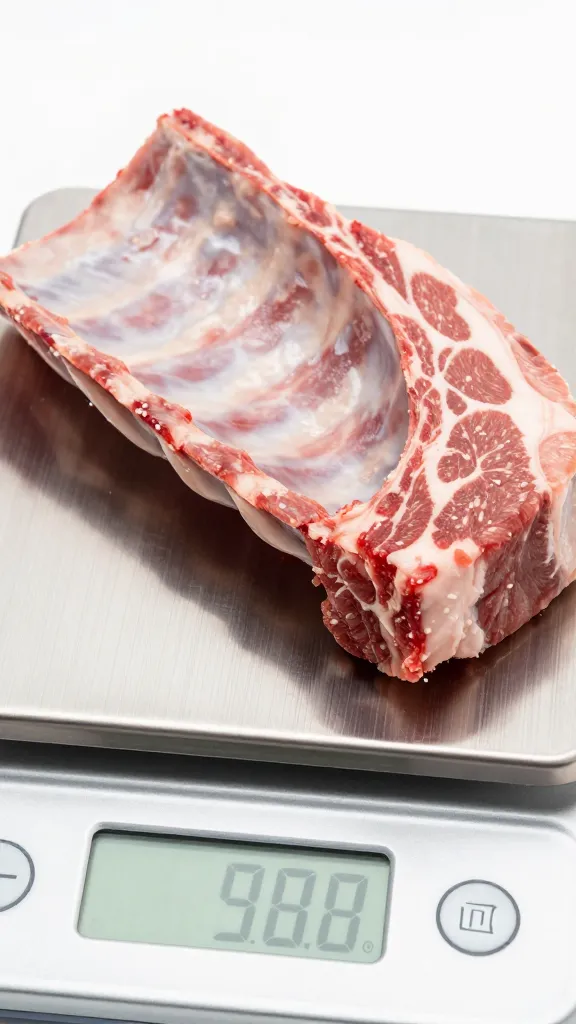
Headcount and appetite
- Standard mixed crowd (45 adults): 5–6 oz cooked meat each.
- Heavy eaters/athletes: 7–8 oz cooked meat each.
- Kids (6–12): 2–3 bones each. Convert bones to racks: ~3–4 kids per baby back rack.
Convert cooked ounces to raw racks
- Pick a target: say 6 oz cooked x 45 = 270 oz cooked (16.9 lb).
- Apply loss: 16.9 lb ÷ 0.62 (38% loss) = 27.3 lb raw edible rib sections.
- Translate to racks:
- Baby backs (avg 1.8 lb): 27.3 ÷ 1.8 ≈ 15 racks for meat alone. Add bone/edge waste and seconds: bump to 22–24 racks.
- St. Louis (avg 3 lb): 27.3 ÷ 3 ≈ 9–10 racks for meat alone. Real-world service with seconds: 15–16 racks.
Why the bump? People want bones, not weighed meat, and seconds happen. Racks taper and end bones can be skimpy.
Menu Context: Sides and Add-Ons Change the Numbers
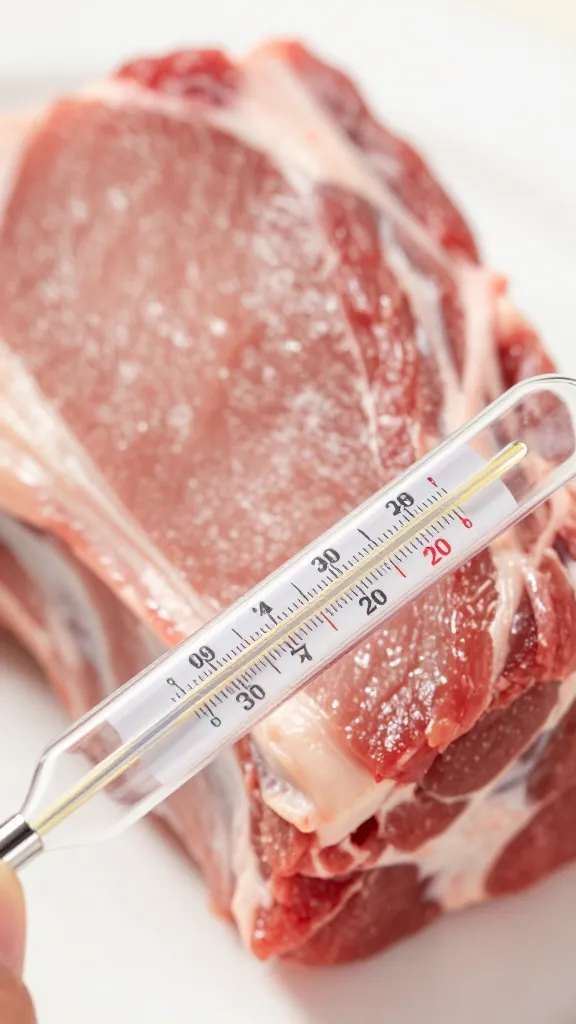
More sides mean fewer ribs vanish. Minimal sides? Ribs fly.
- Four hearty sides (mac, beans, slaw, cornbread): use the lower range — 22 baby back racks or 15 St. Louis racks.
- Two light sides (salad, chips): push higher — 24 baby back racks or 16 St. Louis racks.
- Mixed proteins (add pulled pork or chicken): drop ribs by ~25–35% — 15–18 baby back racks or 10–12 St. Louis racks.
Serving sauces? Balance a sweet glaze with something bright. If you like a fresh finish, pair with this chimichurri recipe — it cuts the richness and wakes up day-two ribs.
Make-Ahead, Reheating, and Serving Timing
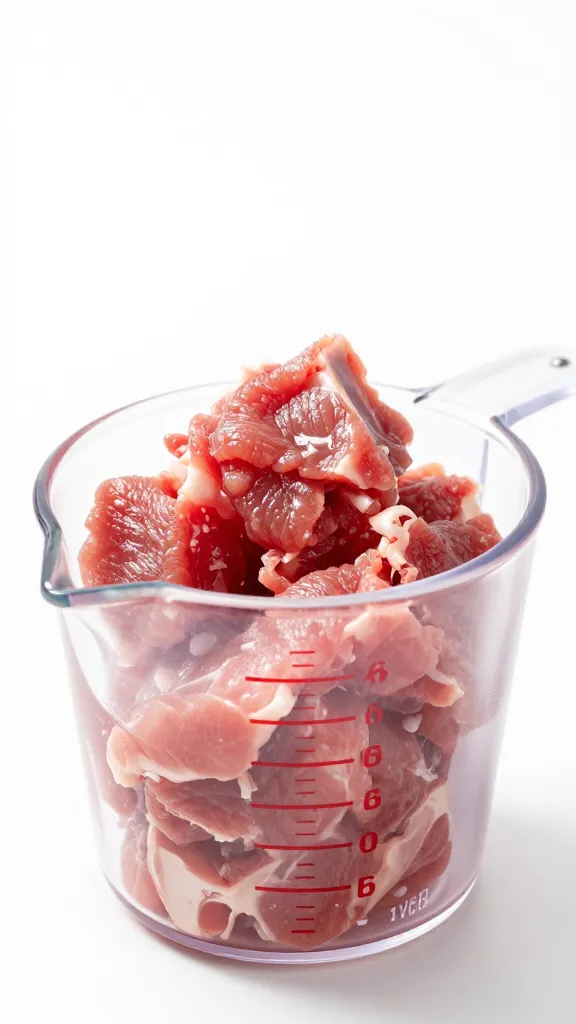
Cook ahead
- 1–2 days ahead: Smoke to tender but not mushy. Chill whole racks wrapped unsauced.
- Day of: Bring to room temp 45 minutes, then warm at 275°F, covered, 25–40 minutes until 145–155°F internal. Sauce and set glaze 5–10 minutes uncovered.
Reheating tips
- Moisture insurance: Add 1–2 tablespoons apple juice or light stock per rack under the foil.
- Don’t over-sauce early: Sauce after reheating to keep bark from steaming off.
- Holding: Wrap, then hold in a 150–160°F oven or an insulated cooler up to 2 hours.
Serving flow
- Cut racks into 2–3 bone sections for faster lines.
- Set out a dry rub rack and a sticky-glaze rack to please both camps.
- Offer a bright side like vinegar slaw and a starchy side like beans or mac to round plates and control rib demand.
Shopping List for 45 People
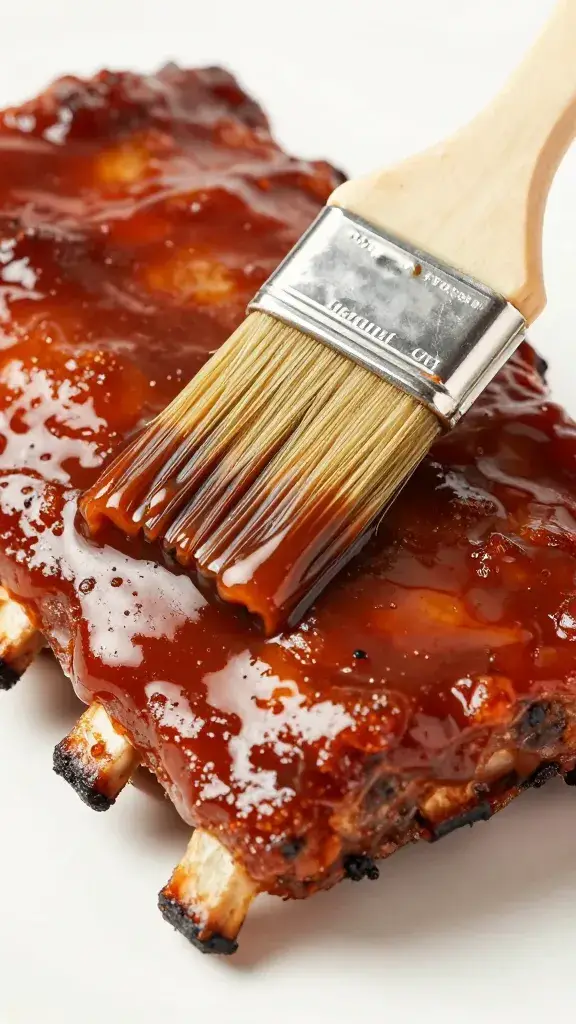
- Option A — Baby backs: 22–24 racks (35–40 lb total raw). Expect 2–3 full grocery cases.
- Option B — St. Louis: 15–16 racks (40–50 lb total raw).
- Rub: 1 cup per 4 racks — plan 6 cups total.
- Sauce: 1 cup per 2 racks if glazing lightly — plan 8–10 cups.
- Fuel: Charcoal: 1.5–2 lb per hour per kettle; Wood pellets: 1–1.5 lb/hour.
If you’re stretching budget, add pulled pork — it feeds a crowd and freezes well. Here’s a guide that pairs nicely with ribs: smoked pulled pork with make-ahead tips.
Cooking at Scale Without Losing Quality
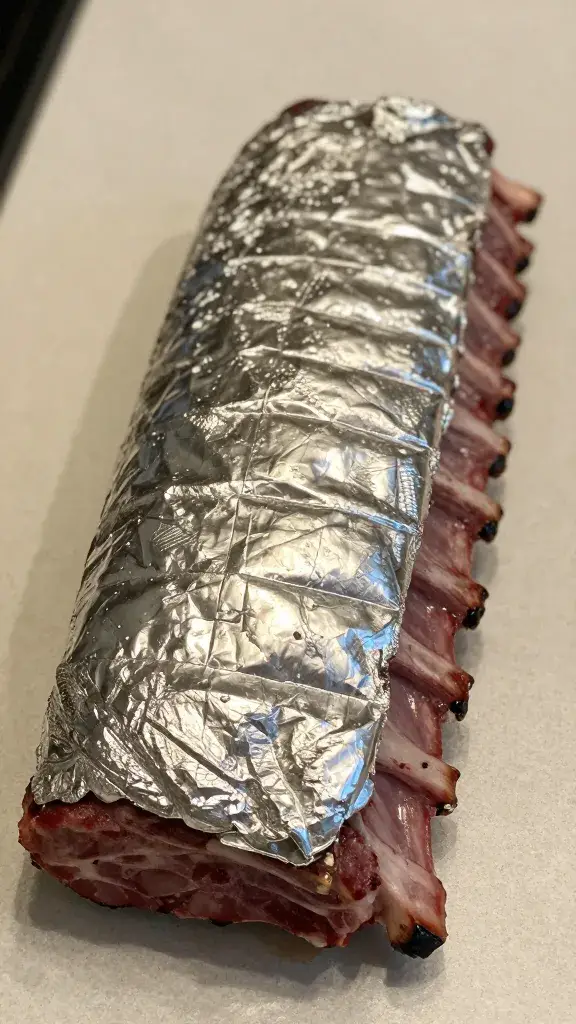
Oven + Grill Hybrid
- Oven-bake to tender at 275°F wrapped, then finish on the grill 10–15 minutes to set bark and sauce.
- Use sheet pans with racks to prevent soggy bottoms.
Smoker management
- Stagger start times by 45–60 minutes per tier so you’re not slicing 16 racks at once.
- Spritz every 45–60 minutes after the bark sets to avoid dried edges.
- Wrap when color is set and bones show 1/4–1/2 inch, usually around 165–175°F internal.
Doneness checks
- Bend test: Lift center with tongs; the surface should crack, not tear.
- Toothpick test: Slides in between bones with light resistance.
- Temps are guidance (195–203°F between bones), but feel wins.
From My Kitchen: What Actually Works

The single biggest win for crowds has been pulling ribs slightly earlier on day one (a shade shy of fall-off-the-bone), chilling, then reheating sauced to finish tenderness right before serving. My loss rates average 38%, so I shop using 40% to be safe. I also slice only 2 racks at a time and keep the rest wrapped in a warm cooler — open air tanks the juiciness fast. For saucing, I brush a thin layer, close the lid 5 minutes, then brush a second thin coat for shine without gumminess.
Frequently Asked Questions
How much BBQ ribs for 45 people if I serve other meats too?
Plan 3–4 oz cooked rib meat per person when ribs share the plate. That’s about 15–18 baby back racks or 10–12 St. Louis racks, depending on your crowd’s appetite and side dishes.
How many racks of ribs do I need for 45 people?
As a main, budget 22–24 baby back racks or 15–16 St. Louis racks. With additional proteins, reduce by about one-third.
Can I make ribs ahead of time for a party?
Yes. Cook 1–2 days ahead to tender, chill wrapped, then reheat covered at 275°F until warm, saucing at the end. This approach keeps bark intact and service smooth.
What sides pair best to stretch ribs for a crowd?
Serve a hearty starch (mac and cheese, baked beans) and a crisp, acidic side (vinegar slaw, pickles). They balance richness and let you hold portions to 5–6 oz cooked per person.
How do I keep ribs warm without drying out?
Wrap in foil with a tablespoon or two of apple juice, then hold in a 150–160°F oven or an insulated cooler up to 2 hours. Slice just before serving to minimize moisture loss.
The Bottom Line
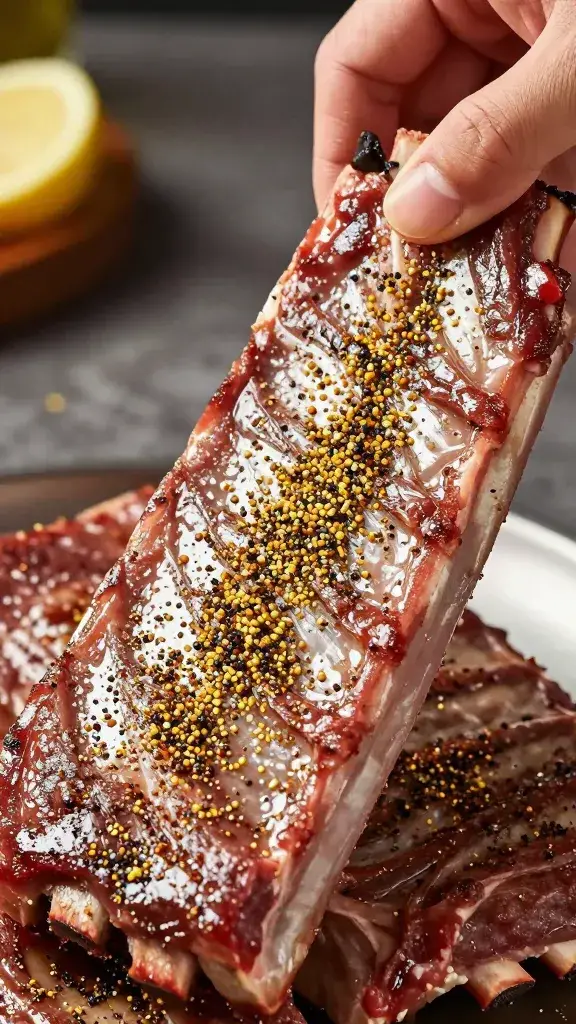
For 45 people, you’ll be set with 22–24 baby back racks or 15–16 St. Louis racks when ribs are the main event. Cook a day ahead if you like, reheat gently, and slice in small sections to keep the line moving and the ribs juicy.
Planning to try this? Save this post so you can find it when you need it — and tag us when you make it.