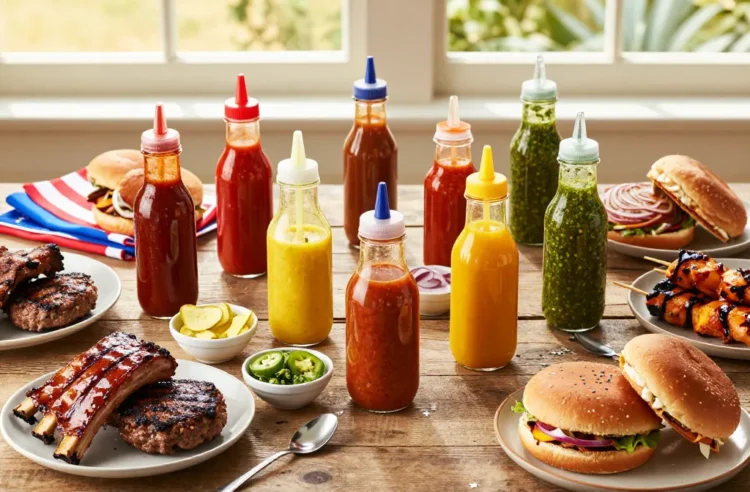
- Best for: Backyard cookouts where guests want to customize every bite
- Make ahead: Yes — prep sauces 3–5 days in advance; freeze extras up to 3 months
- Serves: 12–24 people with 6–8 sauces (about 1½–2 cups per 4 guests)
- Key tip: Label sauces by heat level and protein pairing to speed the line
Hosting a 4th of July BBQ Sauce Bar is the easiest way to make burgers, ribs, and grilled veggies taste restaurant-level without extra grill work. The 4th of July BBQ Sauce Bar puts flavor choices front and center while you focus on flipping. We’ll cover setup, exact quantities, make-ahead tips, and smart pairings. By the end, you’ll have a complete plan and menu that scales for a crowd.
Why a Sauce Bar Works for the 4th
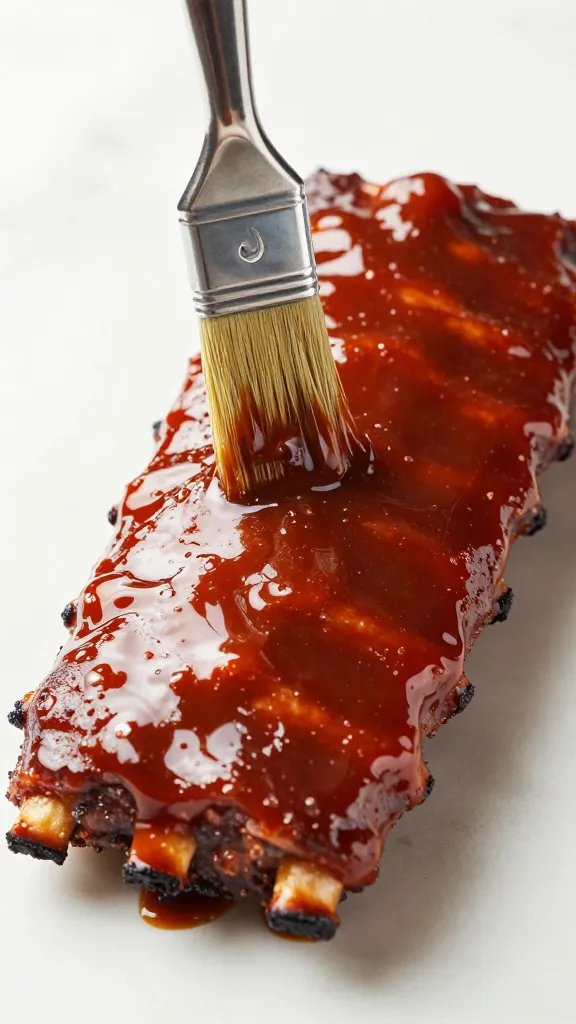
Grills get crowded; sauces add variety without juggling five proteins. A sauce bar turns basic burgers, dogs, and chicken into mix-and-match plates people remember.
It also solves for different diets and spice tolerances. With clear labels and a few smart garnishes, everyone builds their perfect plate.
Planning the Lineup: Core, Sweet, Tangy, Heat, and Fresh
Build around five flavor lanes so each guest finds a favorite and a second option. Offer small-batch store-bought standbys plus 1–2 homemade signatures.
- Classic & Mild: Kansas City style (sweet-smoky), Memphis (balanced tomato-vinegar)
- Tangy & Carolina: Mustard-based Carolina gold; Eastern Carolina vinegar-pepper
- Sweet & Sticky: Honey-bourbon or maple-chipotle
- Spicy: Habanero-mango, gochujang BBQ, or hot honey
- Fresh & Herby (non-BBQ): Chimichurri, Alabama white sauce, cilantro-lime crema
- Wild Card: Peach BBQ for summer, or coffee-molasses for brisket
Want a bright, herb-first option that cuts through rich meats? Try this chimichurri recipe — it’s fast, fresh, and grill-friendly.
How Much Sauce to Make (And Containers That Work)
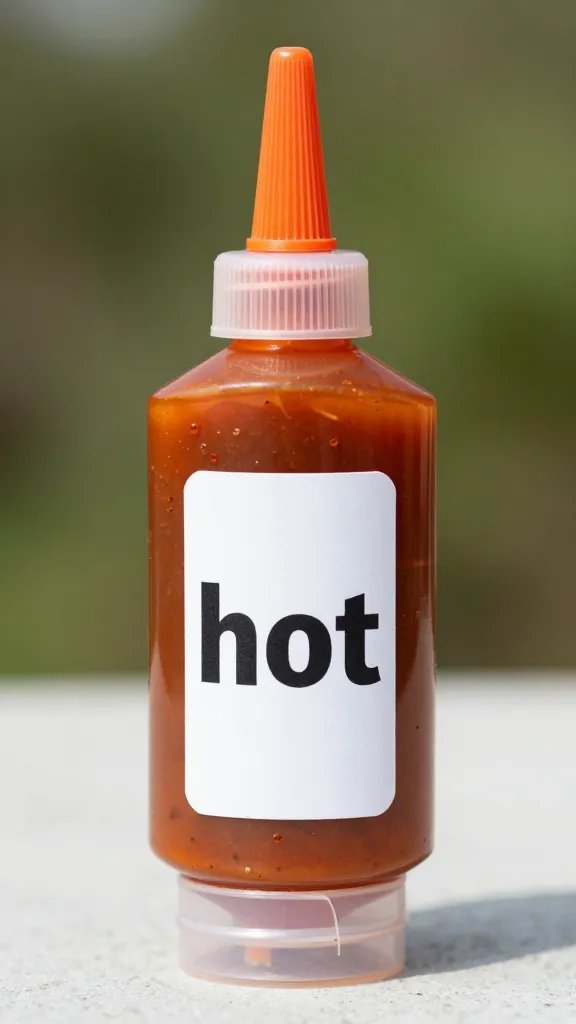
Plan 1/3–1/2 cup sauce per guest if offering 6–8 varieties. For 16 people, that’s 6–8 cups total across the selection.
- Dispensers: Squeeze bottles for thick sauces; wide-mouth jars for chunky or creamy sauces
- Portion cups: 2–3 oz cups near the bar prevent cross-dipping
- Heat levels: Color-code dots on labels (green = mild, yellow = medium, red = hot)
- Allergens: Note dairy, soy, gluten, and nuts clearly on each label
Set It Up: Flow, Temperature, and Labeling
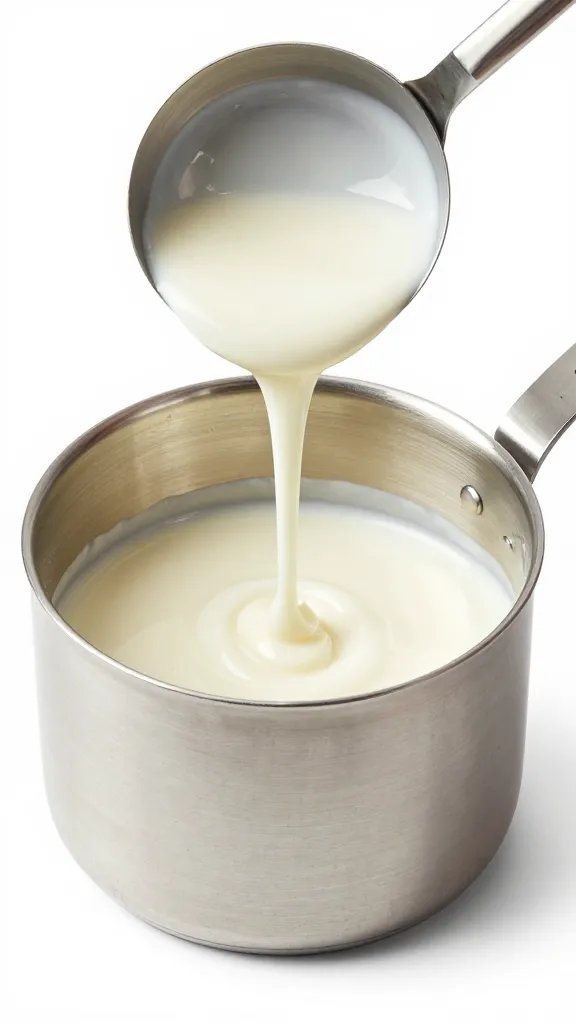
Table Flow
- Start with plates and small tasting spoons. A quick taste avoids plate regret.
- Sauces next, ordered mild to hot. Then buns, proteins, sides, and toppings.
- Finish with napkins, wet wipes, and trash. Keep the line moving.
Temperature & Safety
- Cold sauces (white sauce, crema, ranch-style) on a sheet pan over ice packs
- Warm sauces in small slow cookers on “warm,” or pour into insulated squeeze bottles
- Swap small refills. Replenish from backup containers stored cold; less waste, safer serving
Labeling That Helps
- Name + heat icon + best-with: “Carolina Gold (mild) — best with pulled pork, grilled corn”
- Diet tags: GF, DF, V, K
- Ingredient spotlights: “Contains honey,” “Soy-free,” “Dairy-free”
Protein Pairings and Toppings That Make It Sing
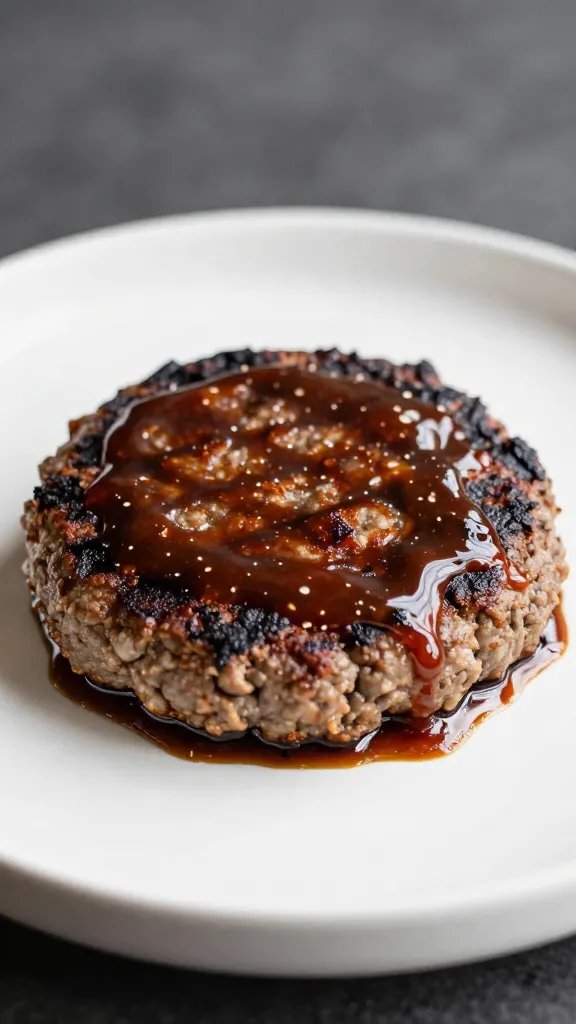
Give each sauce a “best with” to guide guests. These combos never miss.
- Kansas City Sweet-Smoky: Brisket, ribs, burgers; add dill pickles and sharp cheddar
- Memphis Balanced: Pulled pork, rotisserie-style chicken; add coleslaw and sliced onions
- Carolina Gold (mustard): Pork shoulder, sausage; add bread-and-butter pickles
- Eastern Carolina Vinegar: Chopped pork, smoked turkey; add red slaw and hot sauce
- Honey-Bourbon: Chicken thighs, grilled pineapple; add crispy onions
- Gochujang BBQ: Short ribs, wings; add sesame seeds and scallions
- Alabama White: Smoked chicken, turkey; add celery sticks and cracked pepper
- Chimichurri: Skirt steak, portobellos; add lime wedges
Round it out with a few strategic sides that travel well. If you need a cool, no-mayo option, try this grilled vegetable platter to soak up extra sauce.
Make-Ahead Schedule and Easy Homemade Bases
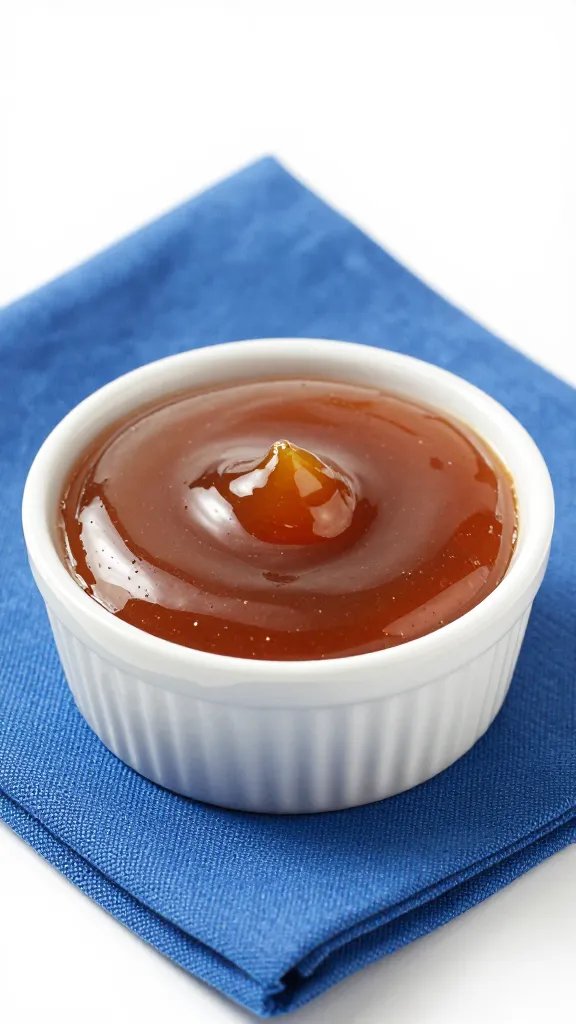
Timeline
- 5 days out: Cook tomato-based sauces; cool and refrigerate
- 3 days out: Whisk mustard and vinegar sauces; refrigerate
- 1 day out: Make fresh sauces (chimichurri, white sauce); chop garnishes
- Day of: Warm thick sauces; set out cold sauces on ice; label everything
Two Base Recipes to Customize
BBQ Base (Tomato): 2 cups ketchup, 1/2 cup apple cider vinegar, 1/3 cup brown sugar, 2 tbsp molasses, 1 tbsp Worcestershire, 1 tsp smoked paprika, 1/2 tsp garlic powder, 1/2 tsp onion powder, 1/4 tsp black pepper. Simmer 10 minutes until glossy.
Variations: add 1–2 tbsp bourbon; or 2–3 tbsp gochujang; or 1–2 tsp chipotle in adobo minced.
Carolina Gold Base (Mustard): 1 cup yellow mustard, 1/3 cup honey, 1/4 cup apple cider vinegar, 1 tbsp ketchup, 1 tsp Worcestershire, 1/2 tsp black pepper, pinch cayenne. Whisk until smooth; rest 30 minutes.
Tasting Station: Keep It Fun, Not Messy
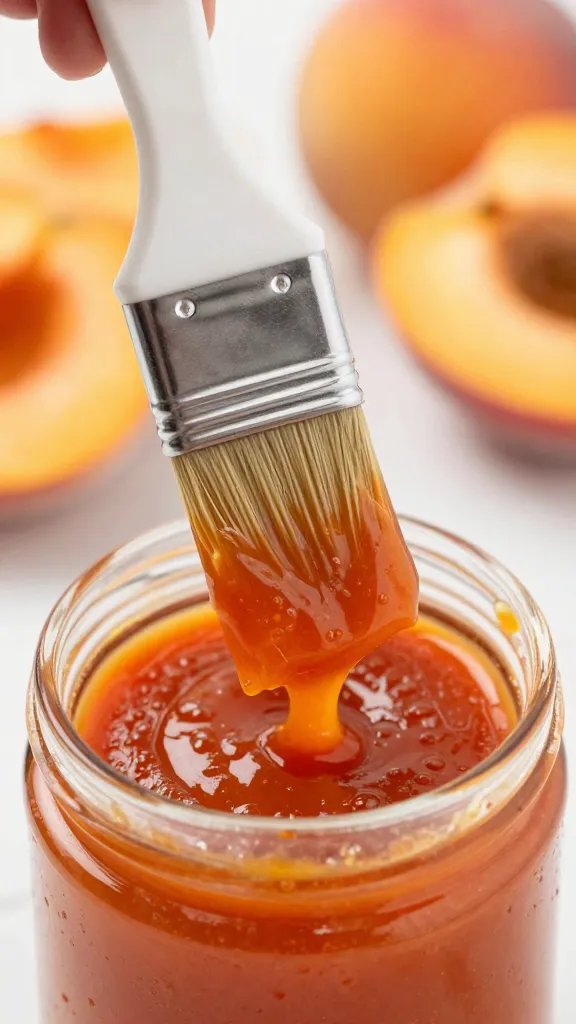
- Use disposable tasting spoons and a small “toss” cup at each sauce
- Offer neutral dippers: Pretzel thins, plain kettle chips, or grilled bread cubes
- Keep wipes and paper towels on both ends of the table
From My Kitchen: What Actually Works
The biggest mistake I see is serving sauces straight from the fridge; cold dulls sweetness and smoke. Warm tomato-based sauces to about 140°F — the flavors bloom and cling better. For crowds of 20+, I portion sauces into two sets and rotate them every 45 minutes so nothing sits out too long. When scaling recipes, I multiply everything evenly except salt and acid — I start at 75% and adjust after warming. Finally, a 2-ounce portion cup per guest near the bar cuts plate-saucing chaos in half.
Troubleshooting and Last-Minute Fixes
- Sauce too thin? Simmer 5–8 minutes uncovered; whisk 1 tsp cornstarch into 2 tsp water and add if needed.
- Too sweet? Stir in 1–2 tbsp apple cider vinegar and a pinch of salt.
- Too salty? Add 1–2 tbsp brown sugar and 2–3 tbsp unsalted tomato sauce; simmer.
- Too spicy? Fold in honey and ketchup in equal parts, then a splash of cream for creamy styles.
Frequently Asked Questions
How much should I make for a 4th of July BBQ Sauce Bar?
Plan 1/3–1/2 cup sauce per guest when offering 6–8 varieties. For 20 people, aim for 8–10 cups total across the selection, with backups chilled to refill.
Can I make a 4th of July BBQ Sauce Bar ahead of time?
Yes. Tomato-based and mustard/vinegar sauces hold 3–5 days refrigerated; freeze tomato-based sauces up to 3 months. Make fresh herb sauces the day before for best color.
What’s the best way to serve sauces warm and safe?
Keep thick sauces in small slow cookers on “warm” or insulated squeeze bottles. Rotate smaller containers every 45–60 minutes and store backups cold.
What sauces should I include for different heat levels?
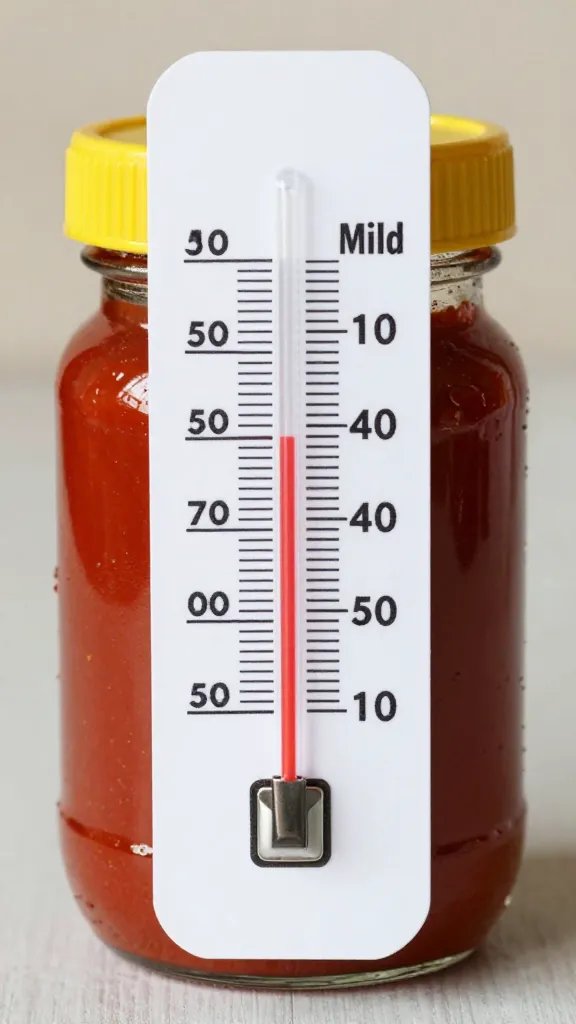
Offer a mild classic BBQ, a tangy mustard or vinegar, a sweet sticky option, a spicy pick like gochujang or habanero-mango, and a fresh herb sauce. Label with heat icons so guests can choose quickly.
How long do sauces from a BBQ sauce bar keep in the fridge?
Tomato-based and mustard/vinegar sauces keep 5–7 days refrigerated. Dairy-based or mayo-based sauces (like Alabama white) are best within 3–4 days.
Can I freeze leftover BBQ sauces?
Freeze tomato-based sauces for up to 3 months in airtight containers, leaving headspace. Thaw overnight in the fridge and rewarm gently; avoid freezing mayo-based sauces.
The Bottom Line
A 4th of July BBQ Sauce Bar turns simple grilled food into a customized feast with minimal extra work. Plan five flavor lanes, label clearly, and control temps — the rest is pure fun.
Planning to try this? Save this post so you can find it when you need it — and tag us when you make it.