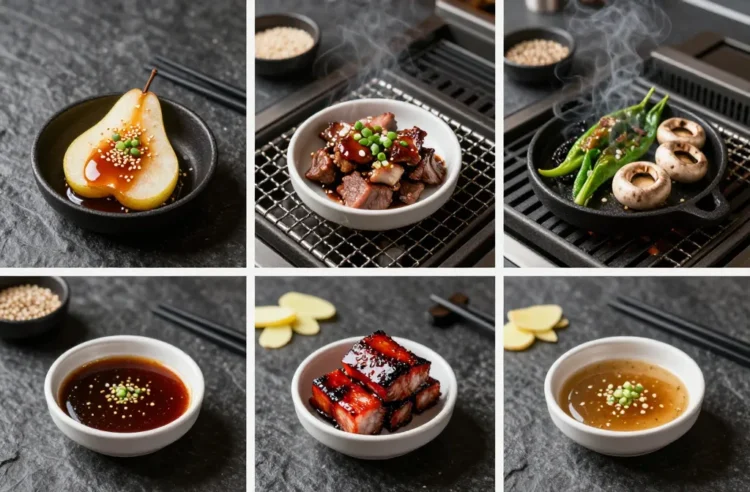
- Best for: Grilled meats, skewers, and quick weeknight stir-fries
- Make ahead: Yes — 5 to 7 days in the fridge; up to 3 months frozen
- Serves: Yields about 1 to 1½ cups per batch
- Key tip: Match sweetness to char — the higher the grill heat, the less sugar you need to prevent burning
Korean vs Japanese vs Chinese BBQ Sauce — What Is the Difference is a question that comes up every grilling season. They all bring sweet-salty-umami energy, but they’re not interchangeable. Each tradition leans on its own base flavors, textures, and best pairings.
Below, you’ll get a clear, cook-friendly breakdown of ingredients, taste, and uses — plus simple swaps and quick formulas you can actually make tonight.
The Big Picture: What Sets Them Apart
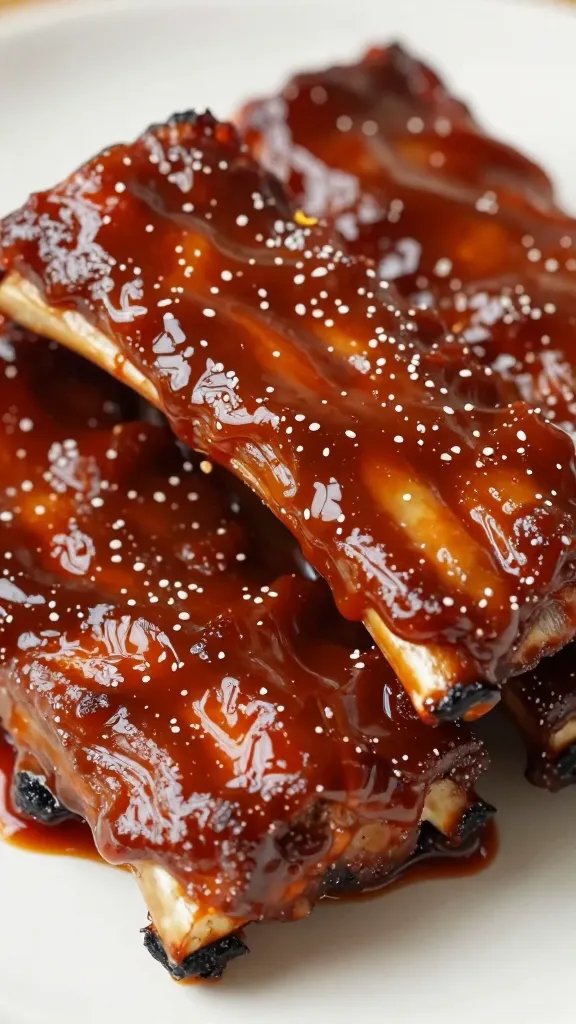
All three sauces sit on the sweet-savory spectrum, but the building blocks differ. Korean BBQ sauce (bulgogi/galbi style) is fruit-forward and sesame-rich. Japanese BBQ sauce (tare/yakiniku) is clean, soy-mirin based with a glossy finish. Chinese BBQ sauce splits into two common lanes: char siu glaze (sticky, aromatic, often red) and cantonese-style brushing sauces (lighter soy-aromatic).
Think of them like cousins: related, but with distinct accents and favorite foods.
Korean BBQ Sauce: Fruit, Sesame, and Umami Depth
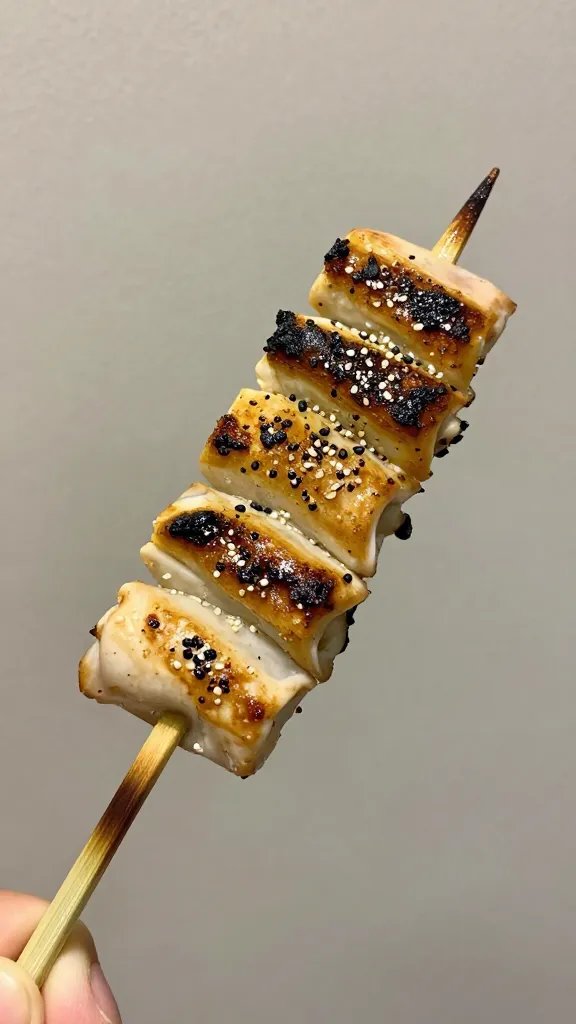
Flavor Profile
Sweet, garlicky, and round with a soft fruit backbone. Heat is optional, usually from gochujang or gochugaru. Sesame adds nuttiness.
Core Ingredients
- Soy sauce for salinity
- Fruit purée (Asian pear, apple, or kiwi) to tenderize and sweeten
- Brown sugar or honey for caramelization
- Garlic and ginger for warmth
- Gochujang/gochugaru for gentle heat and body
- Sesame oil and toasted sesame seeds for finish
Best Uses
- Bulgogi (thin-sliced beef) and galbi (short ribs) as a marinade
- Glaze for chicken thighs or mushrooms near the end of grilling
- Dip for grilled veggies and lettuce-wrap platters
Texture & Technique
Usually a marinade first, glaze second. High sugar and fruit mean it burns if applied too early over high heat. Brush on in the last 2–3 minutes.
Japanese BBQ Sauce (Tare/Yakiniku): Clean, Glossy, Balanced
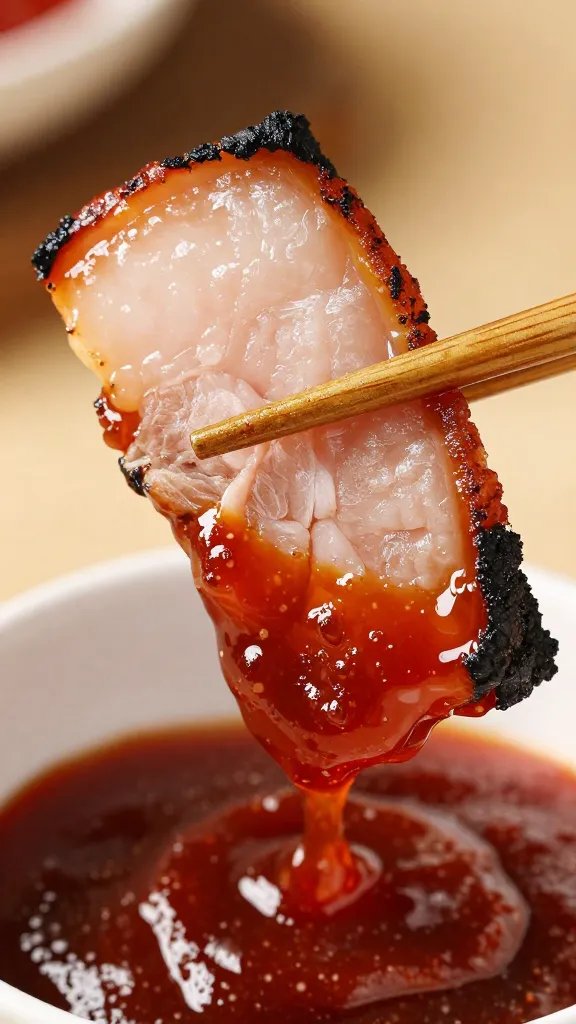
Flavor Profile
Savory-sweet with clarity — less fruity than Korean, less spiced than Chinese char siu. It’s all about soy, mirin, and a gentle shine.
Core Ingredients
- Soy sauce, mirin, and sake for a sweet-savory base
- Brown or white sugar to thicken and glaze
- Garlic and ginger — often subtle
- Optional dashi for umami depth
Best Uses
- Yakitori (chicken skewers), brushed on repeatedly while grilling
- Yakiniku dipping sauce for thin-cut beef, pork, or tofu
- Finishing glaze on salmon or eggplant
Texture & Technique
Simmered to reduce until it lightly coats a spoon. Because it’s glossy rather than chunky, it’s ideal for repeated basting cycles.
Chinese BBQ Sauce: Aromatic and Often Stickier
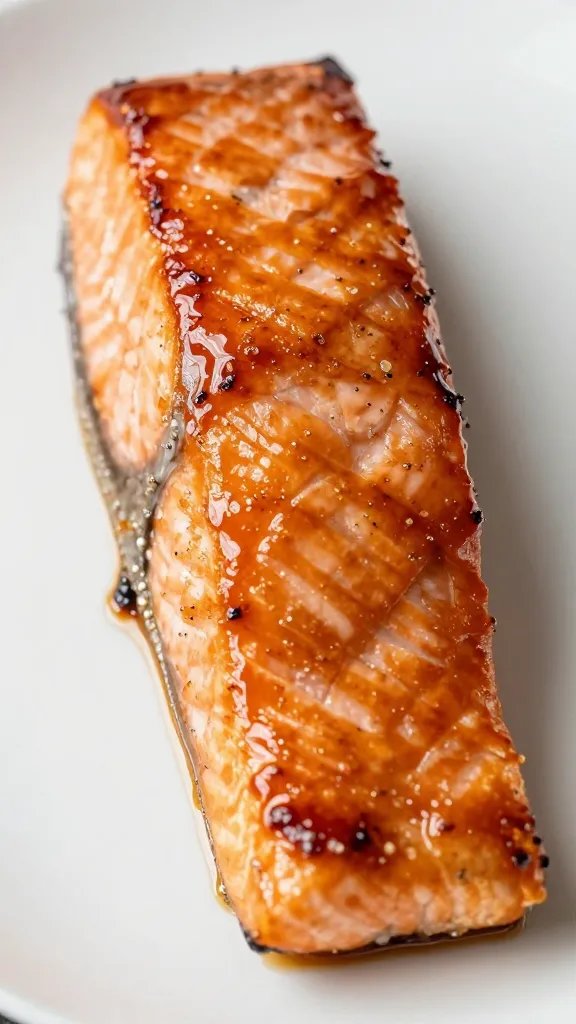
Two Common Styles
- Char Siu Glaze: Sweet, sticky, and aromatic; sometimes colored with red fermented bean curd or food coloring.
- Soy-Aromatic Brushing Sauce: Lighter, garlicky-soy with five-spice notes, used for roasted meats.
Char Siu Core Ingredients
- Hoison sauce or maltose/honey for body and sheen
- Soy sauce for salt
- Five-spice and white pepper for aroma
- Shaoxing wine for depth
- Fermented bean curd (optional) for color and umami
Best Uses
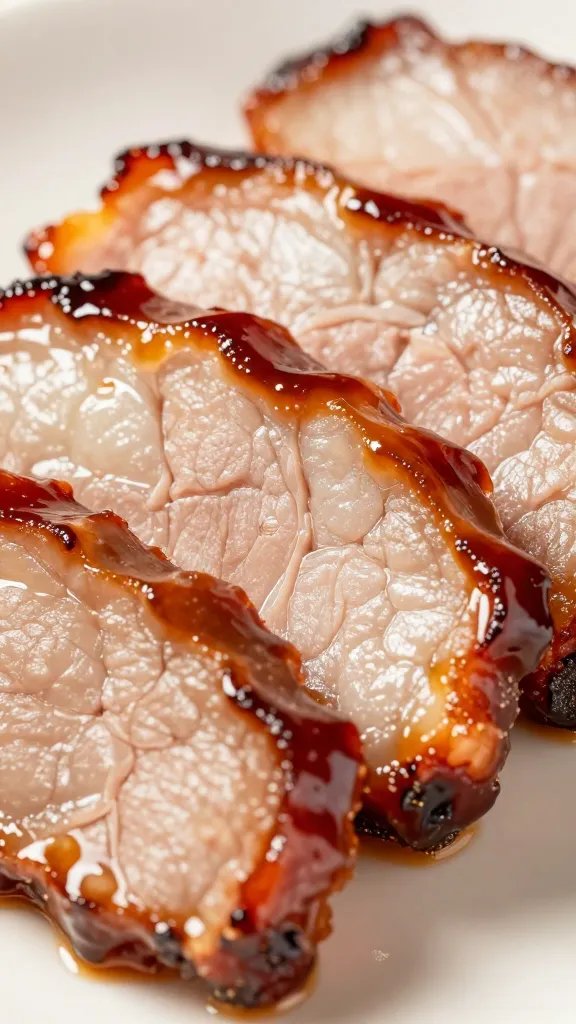
- Pork shoulder, belly, or tenderloin roasted to lacquer
- Grilled wings or tofu skewers with a sticky finish
- Brush on roasted duck segments or veggie kebabs
Texture & Technique
Thicker and lacquer-prone. Start as a marinade, then baste in layers during roasting/grilling for that signature candy shell.
Side-by-Side: Sweetness, Heat, and Umami
- Sweetness: Chinese char siu (highest), Korean (medium-high via fruit), Japanese tare (medium, cleaner).
- Heat: Korean can bring heat via gochujang; Japanese is usually mild; Chinese char siu is typically not spicy but aromatic.
- Umami: Japanese (dashi/sake), Korean (gochujang + soy), Chinese (hoisin/ferments/soy).
- Oil/Sesame: Korean leans sesame; Japanese uses minimal oil; Chinese varies, often glossy from sugars/maltose.
Quick “House” Formulas You Can Memorize
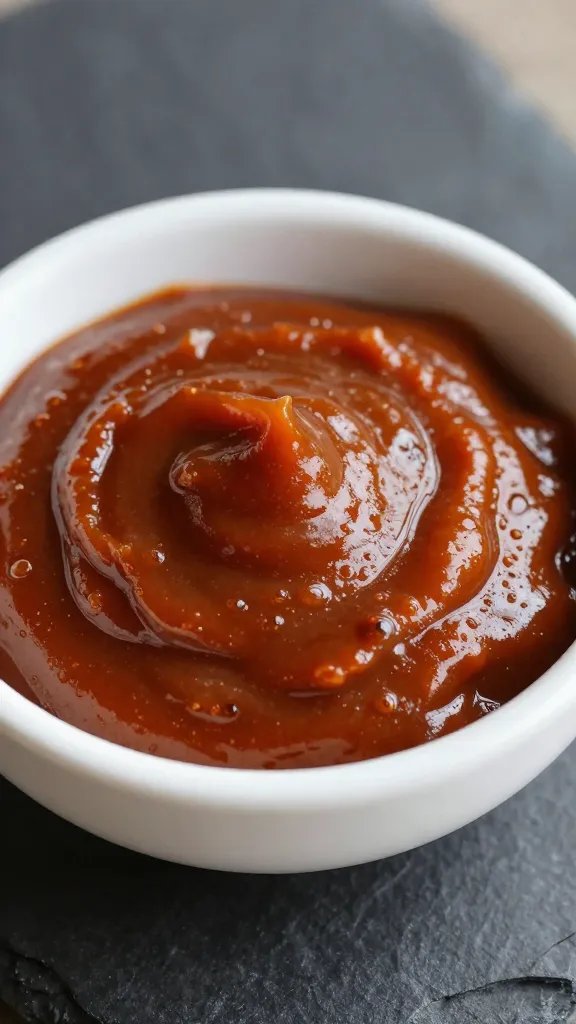
Korean-Style (for 1 lb meat)
- 3 tbsp soy sauce
- 2 tbsp grated Asian pear or apple
- 1½ tbsp brown sugar
- 1 tbsp gochujang
- 1 tsp sesame oil
- 1 tsp minced garlic, ½ tsp grated ginger
Marinate 30–60 minutes. Grill; brush extra sauce on in last 2 minutes.
Japanese Tare (about 1 cup)
- ½ cup soy sauce
- ¼ cup mirin + 2 tbsp sake
- 2–3 tbsp sugar
- 1 small garlic clove and a coin of ginger
- Simmer 8–10 minutes until glossy; strain.
- Use to baste yakitori or as a dip.
Chinese Char Siu (about 1 cup)
- 3 tbsp hoisin
- 3 tbsp honey or maltose
- 3 tbsp soy sauce
- 1 tbsp Shaoxing wine
- ½ tsp five-spice, pinch white pepper
- 1 tsp red fermented bean curd (optional)
- Marinate pork 4–12 hours.
- Roast or grill, basting 2–3 times for lacquer.
Smart Swaps and Grocery-Store Fixes
- No Asian pear? Use grated apple or canned pear (drained) for Korean sauce.
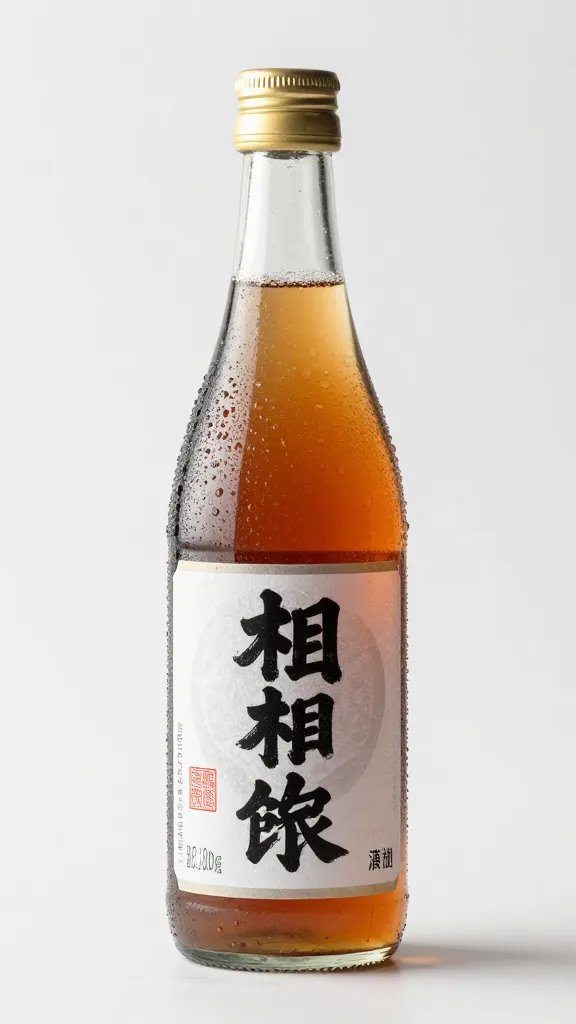
- No mirin? Mix 2 tbsp dry sherry with 1 tsp sugar per 2 tbsp needed for Japanese tare.
- No Shaoxing wine? Dry sherry or unsalted chicken stock with a splash of soy works in a pinch.
- Hoisin too sweet? Balance with 1 tsp rice vinegar or ½ tsp dark soy.
Want a bright, herby contrast for grilled meats? Pair any of these with this chimichurri recipe for a fresh counterpoint.
When to Use Which Sauce
- Korean: Thin-sliced beef, short ribs, chicken thighs, mushrooms. Great for lettuce wraps and rice bowls.
- Japanese: Skewers that get basted repeatedly — chicken, scallions, salmon, tofu — where a clean glaze shines.
- Chinese: Pork shoulder/belly, wings, meaty mushrooms — anything that benefits from sticky-sweet lacquer.
If you’re planning a mixed grill, do one sticky option (char siu wings), one clean-glaze option (tare-glossed yakitori), and one fruit-forward marinade (Korean bulgogi). For sides, bold salads like this sesame noodle bowl keep plates balanced.
From My Kitchen: What Actually Works
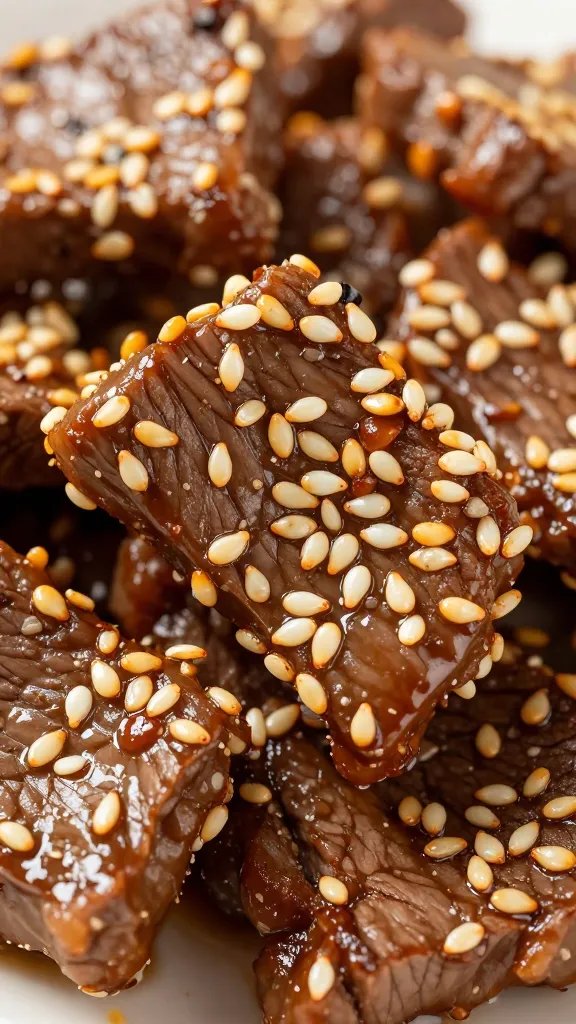
The biggest mistake with Korean-style sauces is adding sugar on top of fruit purée. It tastes great raw but scorches fast; I cut added sugar by a third if I’m grilling over high heat. For Japanese tare, an 8–10 minute simmer is non-negotiable — at 5 minutes it won’t cling to skewers. With char siu, basting timing matters: I do three passes at 10-minute intervals near the end; more frequent brushing softens the lacquer instead of layering it. Finally, I salt marinades lightly and finish with flaky salt at the table — the perception of seasoning jumps without oversalting the meat.
Frequently Asked Questions
What’s the main difference between Korean vs Japanese vs Chinese BBQ sauce?
Korean sauces are fruit-forward with sesame and optional gochujang heat. Japanese tare is soy-mirin based, clean, and glossy. Chinese BBQ sauces, especially char siu, are sweeter and more aromatic, often using hoisin, five-spice, and Shaoxing wine.
Can I use Korean BBQ sauce as a marinade and a glaze?
Yes, but mind the sugar. Marinate first, then brush a fresh portion of sauce on in the last 2–3 minutes of grilling to prevent burning and keep food safe.
How long do these BBQ sauces keep in the fridge?
All three keep 5–7 days refrigerated in a sealed container. If they’ve been used as a marinade, boil the leftover sauce for 2 minutes before using as a glaze or dip.
Can I freeze Korean vs Japanese vs Chinese BBQ Sauce?
Yes. Freeze in small jars or ice-cube trays for up to 3 months. Thaw overnight in the fridge and whisk; for tare, rewarm gently to restore gloss.
What proteins work best with each style?
Korean: thin-sliced beef, short ribs, chicken thighs, mushrooms. Japanese: chicken skewers, salmon, tofu, and vegetables. Chinese: pork shoulder/belly, wings, and meaty mushrooms that take a lacquer well.
Do I need special soy sauces for authenticity?
Regular soy works, but small tweaks help. For Japanese tare, a lighter soy keeps flavors clear. For Chinese sauces, a splash of dark soy adds color and depth. Korean sauces are flexible with standard soy plus sesame oil.
The Bottom Line
Korean brings fruit and sesame warmth, Japanese delivers a clean glossy glaze, and Chinese leans sticky-aromatic. Pick based on your protein and heat level — and time your basting to avoid burn and boost shine.
Planning to try this? Save this post so you can find it when you need it — and tag us when you make it.