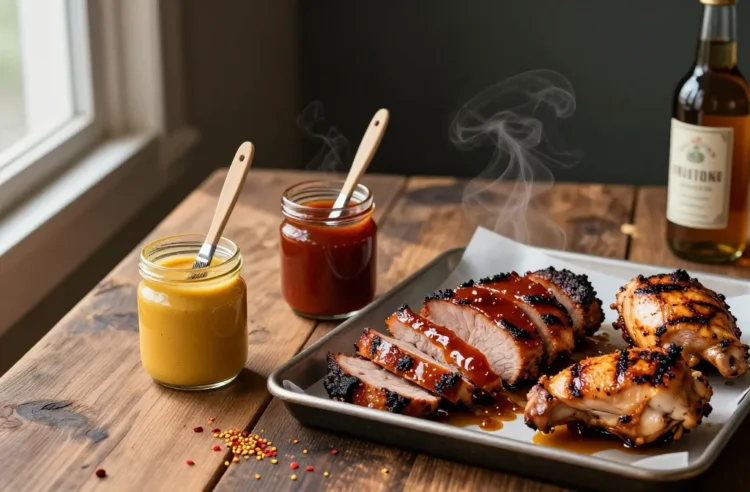
- Best for: Pulled pork, smoked chicken, and weeknight grilling
- Make ahead: Yes — up to 2 weeks in the fridge
- Serves: Yields about 2 cups (enough for 12–16 sandwiches)
- Key tip: Simmer 8–10 minutes to meld flavors and thicken slightly
No-Tomato BBQ Sauce for People Who Prefer Vinegar or Mustard Base is a smart move when you want tang and spice without the sweetness of ketchup. This style cuts through rich meats, keeps things bright, and works on everything from pulled pork to grilled veggies. It’s also pantry-friendly and quick. In this guide, you’ll get two core recipes (vinegar and mustard), ways to tweak the heat and sweetness, plus make-ahead and freezing tips.
Why Go No-Tomato?
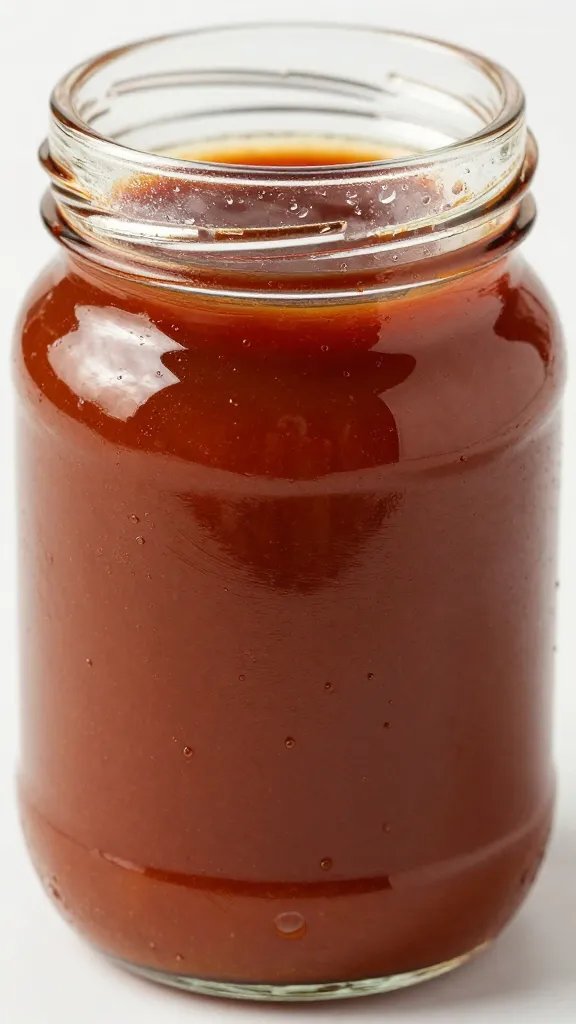
Tomato-based sauces can skew sweet and heavy. A vinegar or mustard base brings acidity, which balances rich cuts and adds snap to grilled foods. It also plays nicer with smoke, letting the meat stay the star.
Another perk? Faster cooking and fewer pantry dependencies. No ketchup means no long reduction. You control sweetness with honey, brown sugar, or none at all.
The Core Styles: Vinegar and Mustard
Carolina-Style Vinegar Base
- 1 cup apple cider vinegar
- 1/2 cup white vinegar (or more cider for rounder acidity)
- 2 tablespoons brown sugar (adjust to taste)
- 2 teaspoons kosher salt
- 1 teaspoon black pepper
- 1 teaspoon red pepper flakes (more for heat)
- 1 teaspoon smoked paprika
- Optional: 1 tablespoon Worcestershire for savory depth
Flavor profile: Bracing, peppery, slightly sweet, and ultra-tangy. Designed to cut through fatty pork and chicken skin.
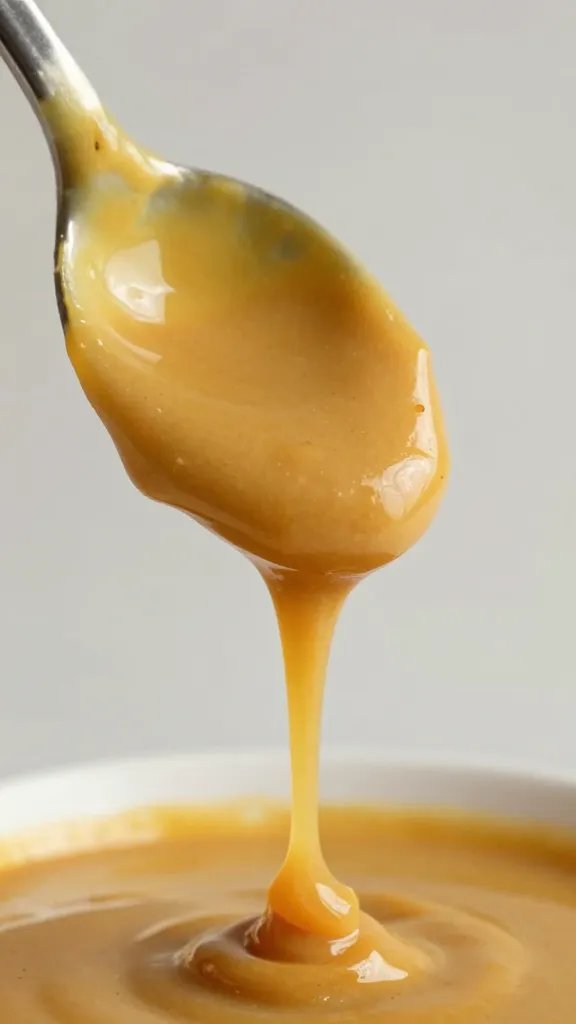
South Carolina-Style Mustard Base
- 3/4 cup yellow mustard (classic works best)
- 1/4 cup Dijon (adds sharpness)
- 1/2 cup apple cider vinegar
- 3 tablespoons honey or brown sugar
- 1 tablespoon Worcestershire
- 1 teaspoon smoked paprika
- 1/2 teaspoon garlic powder
- 1/2 teaspoon black pepper
- Pinch of cayenne (optional)
Flavor profile: Tangy, lightly sweet, with mustard heat and smoke. Great on chicken, pork, and grilled sausages.
How to Make It (Both Versions)
- Add all ingredients to a small saucepan. Whisk to combine.
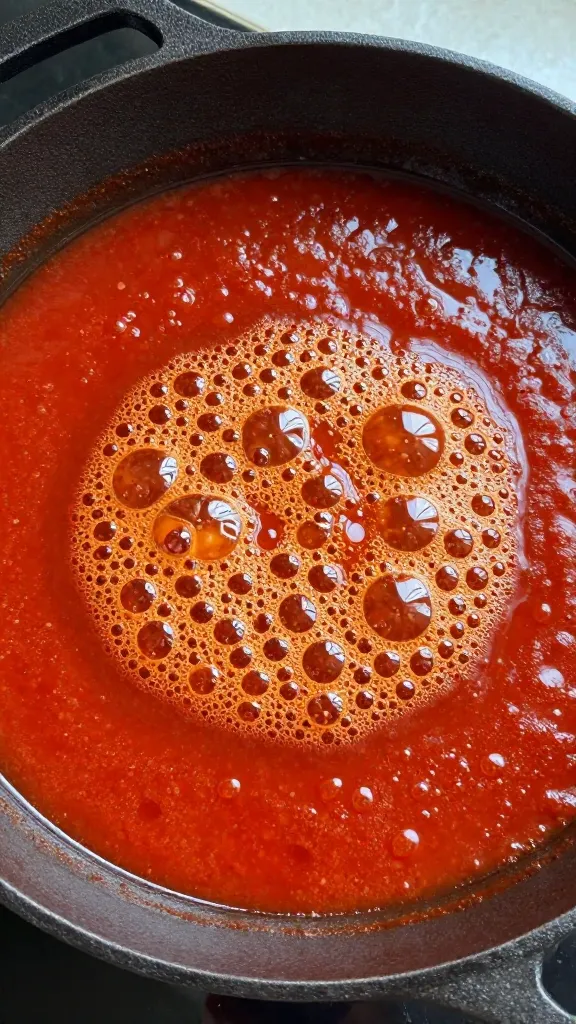
- Bring to a gentle simmer over medium heat. Reduce to low and simmer 8–10 minutes, whisking occasionally.
- Taste and adjust: more vinegar for tang, more honey/sugar for balance, more pepper or flakes for heat.
- Cool 10 minutes. The mustard version thickens slightly as it cools; the vinegar version stays pourable.
- Store in a clean jar. Refrigerate.
Why the simmer matters: It dissolves sugar, blooms spices, and tames the rough edges of vinegar and mustard.
Dial It In: Variations and Add-Ins
- Heat options: Extra red pepper flakes, cayenne, or a dash of hot sauce. Start with 1/4 teaspoon increments.
- Sweetness: Honey (silky), brown sugar (molasses notes), or maple syrup (earthy). Add 1 teaspoon at a time.
- Smoky depth: Smoked paprika, a splash of liquid smoke (1/4 teaspoon), or chipotle powder.
- Citrus lift: Finish with 1–2 teaspoons lemon juice to freshen just before serving.
- Umami boost: Worcestershire, a few drops of fish sauce, or a teaspoon of soy sauce — go light.
- Herbal route: Stir in minced fresh thyme or parsley off-heat for a green, fresh finish.
Serving Ideas That Make Sense
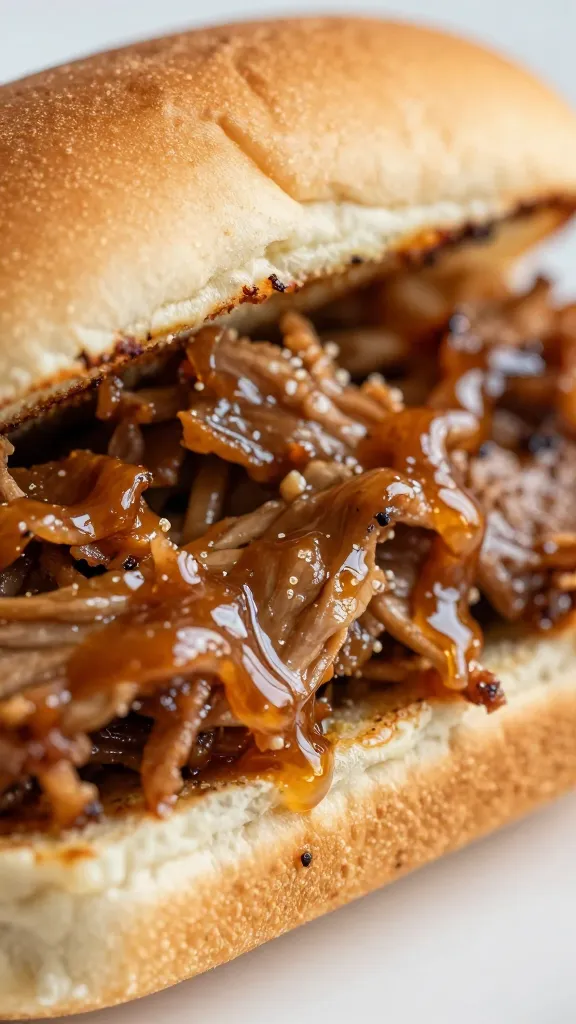
- Pulled pork: Toss with the vinegar base right before serving; keep extra on the side.
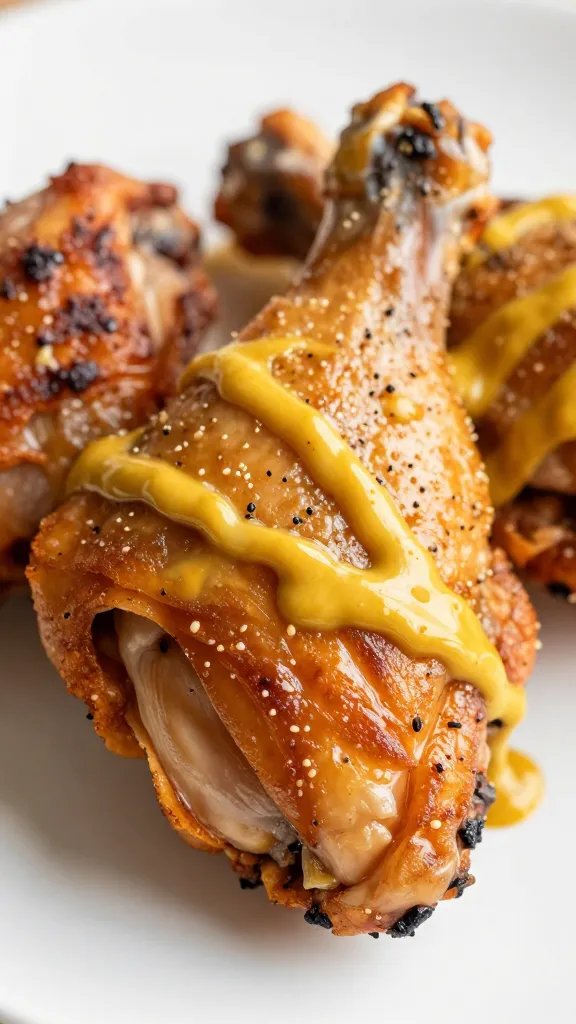
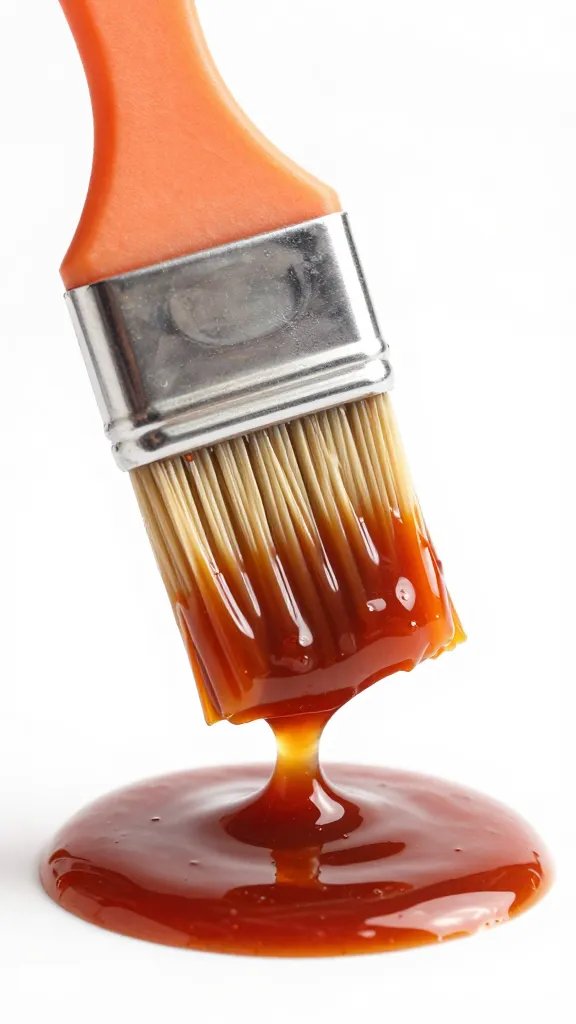
- Smoked chicken: Brush the mustard sauce on in the last 10 minutes to glaze without burning.
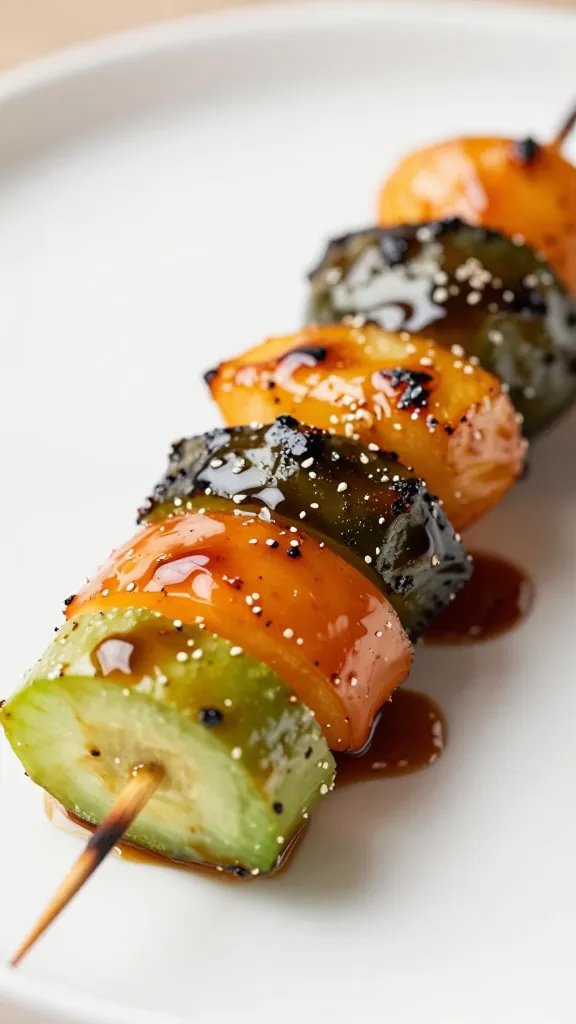
- Grilled veggies: Drizzle the vinegar sauce over charred zucchini, peppers, and onions.
- Sausages and brats: Mustard base doubles as a bold dipping sauce.
- Leftover magic: Splash the vinegar sauce into coleslaw or potato salad for a bright, BBQ-friendly side.
Looking for a fresh, herb-forward pairing? Spoon some of this chimichurri recipe over grilled steak alongside the vinegar sauce — the contrast sings.
No-Tomato BBQ Sauce Basics: Storage, Make-Ahead, Freezing
Fridge: Both versions keep 10–14 days in a sealed jar. The vinegar base may separate; shake well.
Freezer: Yes. Portion into small containers or ice cube trays and freeze up to 3 months. Thaw in the fridge, then whisk.
Make-ahead strategy: Mix 2–3 days before serving. Flavors soften and integrate, especially in the mustard version.
Pairing With Rubs and Sides

Keep rubs simple to let the sauce shine. Think salt, pepper, paprika, and a pinch of sugar. Heavy brown sugar rubs can clash with a tart sauce.
Round out the plate with crisp sides. If you want a bright green counterpoint to rich meat and zippy sauce, try this grilled vegetable salad with lemon dressing.
From My Kitchen: What Actually Works
The vinegar version tastes harsh right off the stove; it needs at least 30 minutes to cool and relax before judging sweetness. I’ve tested simmer times and found 8 minutes is the sweet spot — at 5 minutes, the spices don’t bloom; beyond 12, the vinegar thins out too much water and the balance skews sharp. For crowds, I scale everything equally except salt: I reduce the salt by about one-third and season to taste after it cools. Finally, if I’m glazing chicken with the mustard sauce, I brush lightly in the last 10 minutes and again off-heat — heavier early coats can scorch.
Frequently Asked Questions
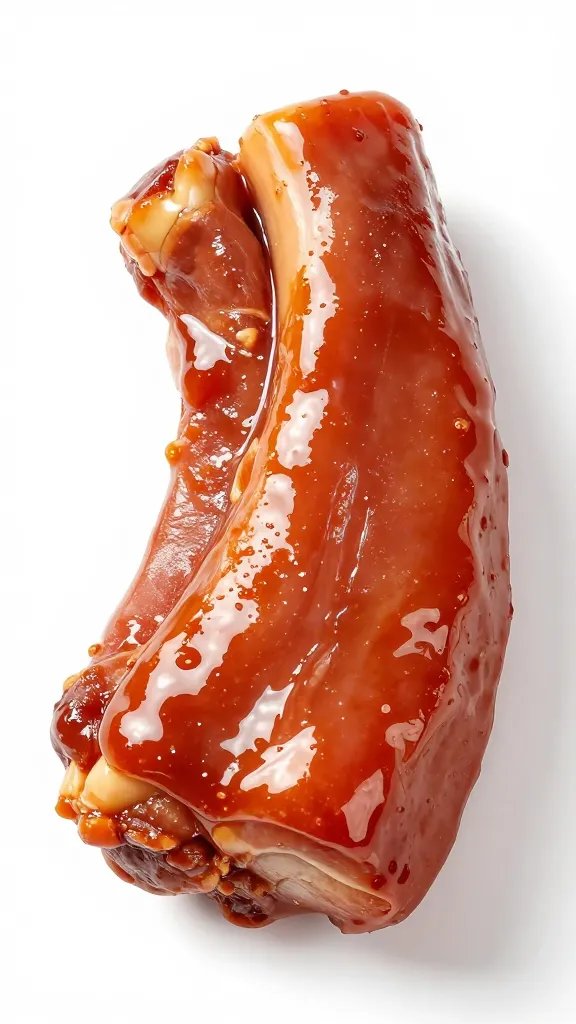
How long does no-tomato BBQ sauce keep in the fridge?
Both vinegar and mustard versions keep 10–14 days refrigerated in a sealed jar. The vinegar base may separate; just shake before using. If it smells off or looks cloudy beyond normal spices, discard.
Can I make No-Tomato BBQ Sauce for People Who Prefer Vinegar or Mustard Base ahead of time?
Yes. Make it 2–3 days in advance for best flavor. The spices mellow and the acidity integrates, especially in the mustard version.
What’s the best way to serve no-tomato BBQ sauce for a crowd?
Offer both styles in squeeze bottles with labels. Lightly sauce the meat, then set out extras so guests control tang and heat. Keep a mild and a spicy version to please everyone.
Can I freeze no-tomato BBQ sauce?
Absolutely. Freeze in small containers or ice cube trays for up to 3 months. Thaw overnight in the fridge and whisk; add a splash of vinegar if the flavor dulled.
How do I thicken a mustard-based sauce without ketchup?
Simmer the sauce uncovered for 8–10 minutes to reduce slightly. For a touch more body, whisk in 1–2 teaspoons of honey or a small knob of butter off-heat for sheen and richness.
What meats pair best with a vinegar-based BBQ sauce?
Pulled pork, chopped pork, smoked chicken, and anything fatty or rich. The bright acidity cuts through and keeps bites balanced.
The Bottom Line
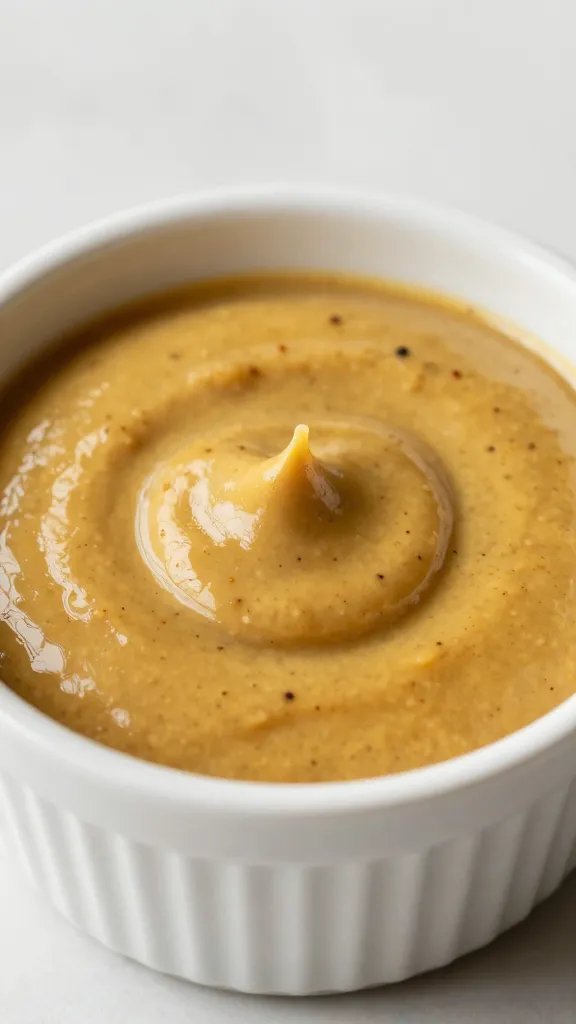
No-tomato BBQ sauce brings tang, clarity, and balance to smoky meats — without the sweetness of ketchup. Keep a vinegar version for cutting richness and a mustard version for zesty glaze and dip. Simmer briefly, rest, and adjust to taste.
Planning to try this? Save this post so you can find it when you need it — and tag us when you make it.