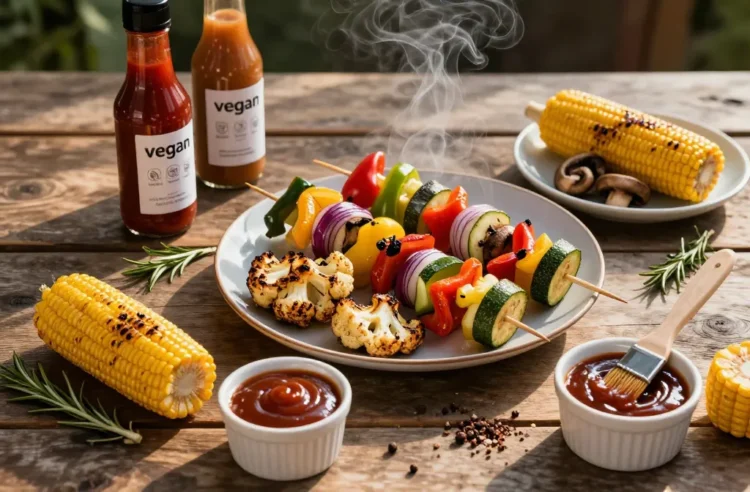
I learned to love BBQ on a tiny apartment balcony with a tabletop grill, a cast-iron pan, and a lot of vegetables. The meat-eater sauces I grew up with tasted flat or cloying on cauliflower steaks and skewered mushrooms. Once I started reading labels and cooking smarter pairings, vegetables came off the heat glossy, smoky, and bold — no “missing something” feeling. In this guide, you’ll learn exactly which store-bought sauces are vegetarian-friendly, how to use them on produce, and seven simple ways to get that classic BBQ punch without relying on meat juices.
1. Hidden Animal Ingredients: Why “Vegetarian-Friendly” Labels Matter
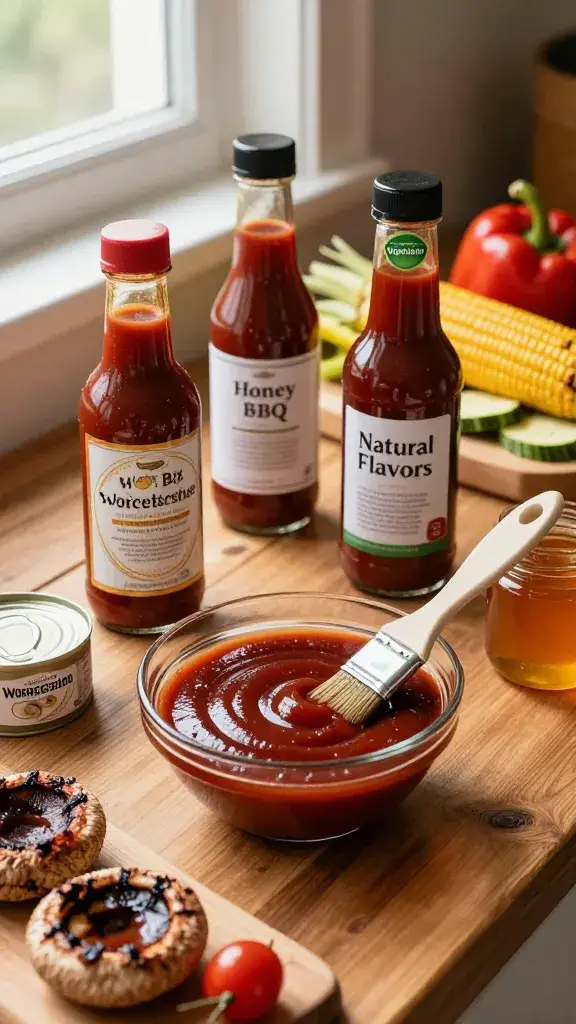
Plenty of BBQ sauces look plant-based but hide animal-derived ingredients that undercut a vegetarian plate. Worcestershire sauce often contains anchovies, and some “honey” styles rely on beef stock or natural flavors sourced from animals. That ruins your meal plan and can cause you to discard a half-used bottle after the first read of the fine print.
Signs To Watch For On The Label
- Anchovies or “traditional Worcestershire” in the ingredients
- Natural flavors without a vegan/vegetarian note from the brand
- Gelatin or stock/broth listings
- Honey if you avoid it for stricter plant-based eating
What To Use Instead
- Look for bottles clearly marked Vegan or Vegetarian
- Choose tamari, soy sauce, or coconut aminos-based blends rather than Worcestershire
- Prefer brands that list smoked paprika, natural hickory smoke, or molasses for depth
Action today: Check your current bottle — if it lists anchovies or unverified “natural flavors,” swap it for a clearly labeled vegetarian option before your next grill night.
2. Sugar Bombs On Veg: Sauce Burnout And How To Stop It
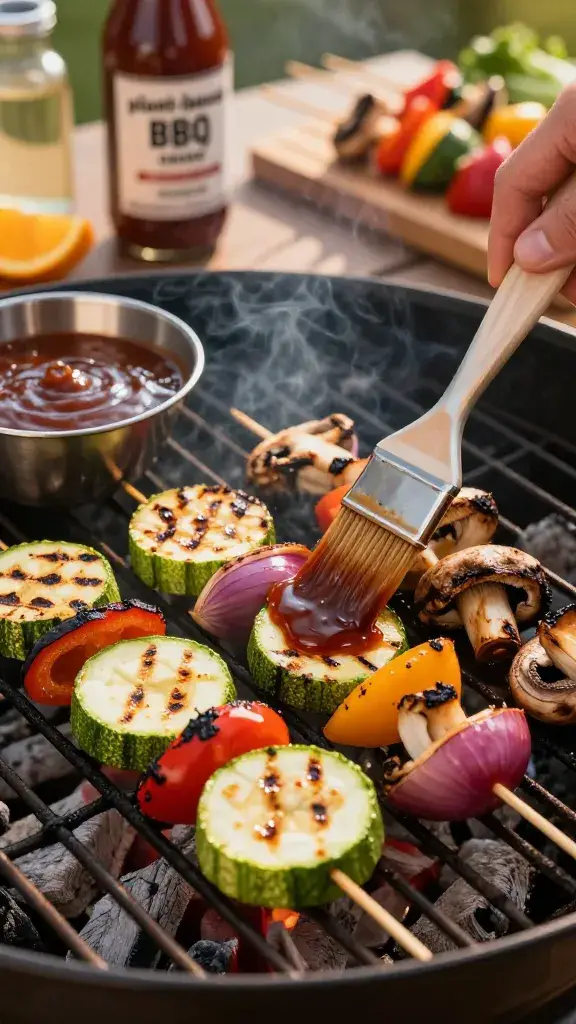
Vegetables carry natural sugars that caramelize fast. Add a high-sugar sauce too early, and you scorch the exterior before the veg turns tender. You end up with bitter, blackened edges and a raw center, which makes any good sauce taste harsh.
How To Fix It
- Cook first, glaze last: Grill or roast veg until almost tender, then brush on sauce for the final 2-4 minutes.
- Thin the sauce: Stir in 1-2 teaspoons of water, apple cider vinegar, or orange juice per 1/4 cup to reduce stickiness.
- Use indirect heat: Move veg to the cooler side of the grill or lower the stovetop to medium-low before saucing.
Best Veg For Saucing Late
- Cauliflower “steaks” and thick florets
- Portobello caps and button mushrooms on skewers
- Zucchini planks and bell pepper strips
- Tofu and tempeh after a quick sear
Takeaway: Hold the BBQ sauce until the last few minutes; you’ll get glossy, caramelized veg instead of a burnt sugar crust.
3. Thin, Watery Coats: Getting Sauce To Stick To Smooth Vegetables
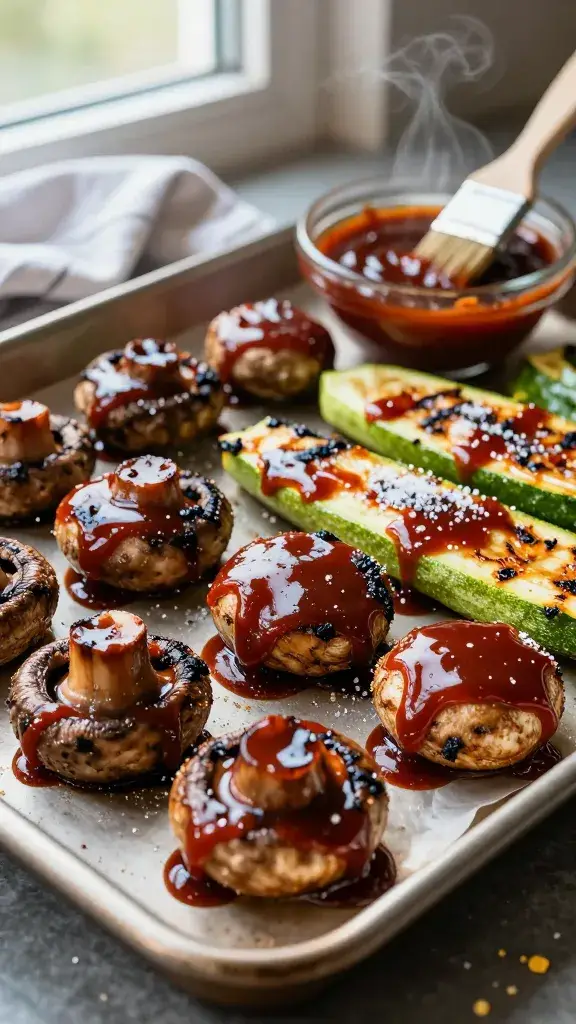
Smooth-surfaced vegetables shed sauce like rain on glass. If your glaze slides off mushrooms or zucchini, you lose flavor and end up with a puddle on the tray. The solution is to create a tacky base that grabs sauce and helps it lacquer in a minute or two.
Build A Grippy Base
- Dry the veg: Pat with a clean kitchen towel after washing.
- Light oil film: Toss with 1 teaspoon oil per sheet pan to help adhesion.
- Season first: Salt and a pinch of cornstarch (1/2 teaspoon per pound) create a micro-crust.
Two-Step Glaze For Maximum Stick
- Cook the veg to almost done over medium heat.
- Brush on a thinned sauce layer, cook 60 seconds, then brush a second, thicker layer for shine.
Action today: Dust sliced zucchini or mushrooms with a tiny pinch of cornstarch before cooking, then double-glaze to lock in a sticky finish.
4. One-Note Sweetness: Balancing Tang, Smoke, Heat, And Umami For Vegetables
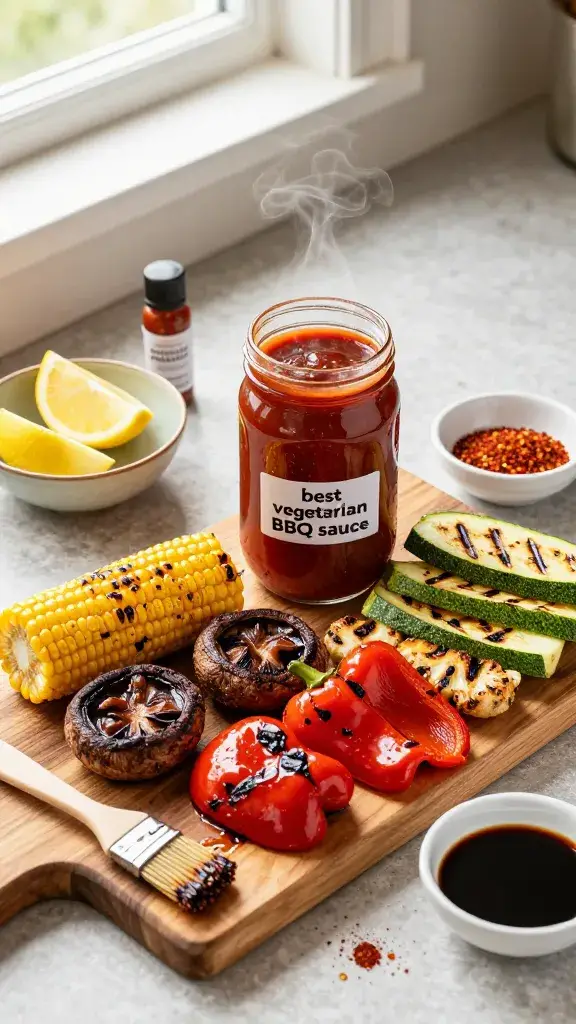
Many classic sauces taste great on meat because drippings add fat and umami. On vegetables, the same sauce can read flat and syrupy. You need balance — acid to brighten, smoke for depth, heat for contrast, and umami to replace meatiness.
Simple Pantry Tweaks
- Acid: Stir in 1 teaspoon apple cider vinegar or lemon juice per 1/4 cup sauce.
- Smoke: Add 1/8 teaspoon smoked paprika or a drop of liquid smoke.
- Heat: Mix in 1/4 teaspoon chili flakes or a few dashes of hot sauce.
- Umami: Use 1/2 teaspoon soy sauce or tamari to round the flavor.
Pairing Guide For Common Veg
- Cauliflower: Tangy-vinegar or mustard BBQ with extra smoked paprika.
- Mushrooms: Molasses-forward sauce plus soy/tamari for deeper umami.
- Sweet potato: Spicy-apple cider blend to cut the sweetness.
- Tofu/tempeh: Tomato-molasses base with a splash of rice vinegar and chili.
Takeaway: Before saucing, taste a spoonful and add one small tweak — acid, smoke, heat, or umami — to match the vegetable on your menu.
5. The 7 Best Vegetarian BBQ Sauce Options Beyond Meat — And How To Use Them
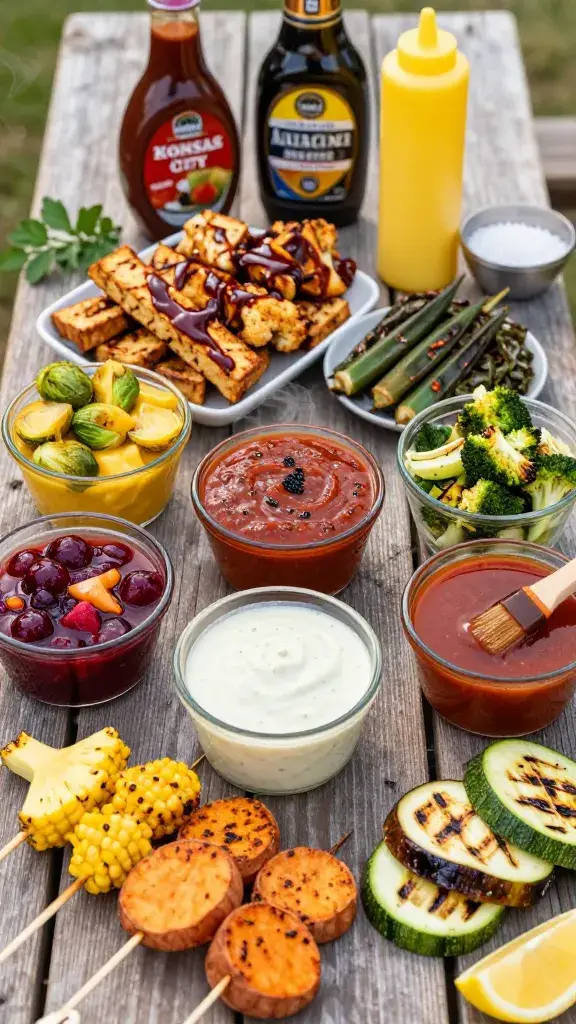
I keep these seven styles on rotation because they shine on vegetables without needing meat drippings. Each one uses ingredients you can find in a standard supermarket or garden-centre-adjacent grocery aisle. Pick based on the vegetable’s texture and natural sweetness.
1) Kansas City-Style (Thick, Sweet-Smoky)
- Why it works: Clings well and gives a glossy finish on roasted cauliflower and tofu.
- What to buy: Vegetarian-labeled KC-style with tomato, molasses, and hickory smoke; no anchovies.
- How to use: Brush on in the last 3 minutes; finish under the broiler for 30 seconds for lacquer.
2) Carolina Mustard (Tangy-Golden)
- Why it works: Cuts through dense, earthy veg like mushrooms and tempeh.
- What to buy: Yellow mustard-based sauce with apple cider vinegar; confirm vegetarian on label.
- How to use: Marinate tempeh 20 minutes, pat dry, sear, then glaze lightly at the end.
3) Carolina Vinegar (Thin, Peppery)
- Why it works: Balances sweet vegetables like bell peppers and sweet potatoes.
- What to buy: Cider vinegar, chili flake, black pepper; no fish-based Worcestershire.
- How to use: Toss roasted sweet potato wedges with 1-2 tablespoons right after cooking.
4) Texas-Style (Tomato-Chili, Less Sweet)
- Why it works: Savory heat complements zucchini, eggplant, and charred onions.
- What to buy: Tomato-chili base with minimal sugar; verify vegetarian.
- How to use: Simmer 5 minutes with a splash of coffee to deepen before brushing on grilled veg.
5) Korean-Inspired Gochujang BBQ
- Why it works: Fermented chili brings umami that replaces meatiness on tofu and mushrooms.
- What to buy: Gochujang-based sauce labeled vegan/vegetarian; check for fish-free gochujang.
- How to use: Thin 1:1 with water for a first coat; reduce on heat, then add a final slick.
6) Maple-Chipotle
- Why it works: Smoky-sweet pairs with Brussels sprouts and winter squash.
- What to buy: Chipotle in adobo–based sauce sweetened with maple; check label for vegetarian.
- How to use: Roast sprouts until crisp, then toss with 2 tablespoons warm sauce to coat.
7) Tamarind-Brown Sugar (Tart-Sweet)
- Why it works: Tamarind’s tang brightens starchy veg like corn and potatoes.
- What to buy: Tamarind paste–noted BBQ sauce; confirm vegetarian-friendly.
- How to use: Brush grilled corn in the last minute; finish with lime and chopped cilantro.
Quick Store-Bought Checklist
- Vegetarian/Vegan clearly stated
- No anchovies or fish-based Worcestershire
- Under 8g sugar per 2 tablespoons if you prefer less burn risk
- Smoked paprika or natural smoke for depth
Action today: Pick one tangy (Carolina-style) and one savory (Texas or gochujang) to cover both sweet and earthy vegetables this week.
Frequently Asked Questions
Can I use regular Worcestershire in vegetarian BBQ sauce?
No. Traditional Worcestershire contains anchovies. Use a vegetarian Worcestershire or swap in soy sauce or tamari for umami. Start with 1/2 teaspoon per 1/4 cup sauce and adjust to taste.
What’s the best way to get smoky flavor without a grill?
Use a cast-iron pan on medium-high until you see light char, then turn heat down and glaze. Add 1/8 teaspoon smoked paprika or a drop of liquid smoke to your sauce. Finish under the oven broiler for 30-60 seconds for a kiss of caramelization.
How do I keep tofu from tasting bland under BBQ sauce?
Press firm tofu for 15-20 minutes between towels, then season with salt and a little soy sauce before searing. Get color on both sides first, then glaze in the last 2 minutes. Thick slices (about 1.5 cm) hold together and absorb sauce better.
When should I apply BBQ sauce to vegetables?
Reserve it for the final 2-4 minutes of cooking. Vegetables caramelize quickly, and early saucing burns the sugars. If you want deeper flavor, marinate first with a thinned version, pat dry, cook, then finish with a thicker glaze.
How do I prevent sauce from sliding off mushrooms and zucchini?
Dry them well, toss with a teaspoon of oil, and season with salt and a pinch of cornstarch. Sear to nearly done, brush on a thin layer, let it set for 60 seconds, then apply a second coat. You’ll get a glossy, clinging finish without puddles.
What’s a fast, homemade vegetarian BBQ sauce from pantry staples?
Whisk 1/2 cup ketchup, 1 tablespoon apple cider vinegar, 1 tablespoon soy or tamari, 1 tablespoon maple syrup, 1/2 teaspoon smoked paprika, and a pinch of chili flakes. Simmer 3 minutes to meld, then thin with a tablespoon of water if needed. Taste and add a squeeze of lemon for brightness.
Conclusion
You don’t need meat drippings to get bold, backyard BBQ flavor — you need the right sauce and smart timing. Stock one tangy and one savory vegetarian sauce, glaze at the end, and tweak for balance with acid, smoke, heat, or umami. Your vegetables will come off the heat sticky, smoky, and fully satisfying.