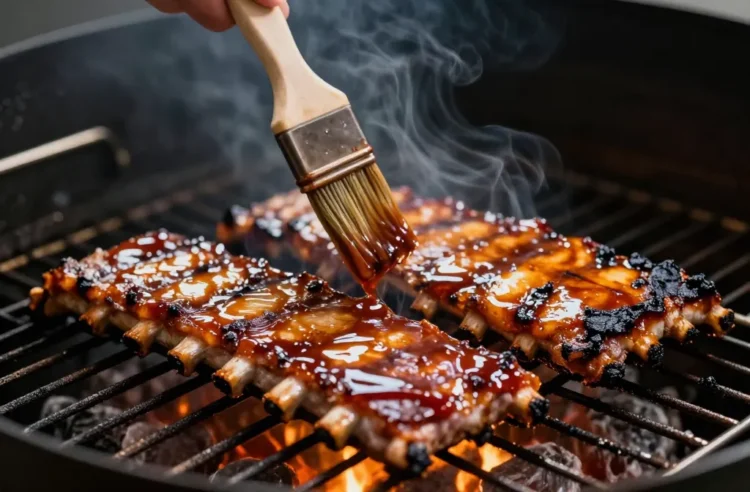
- Best for: Backyard grilling when you want glossy, sticky ribs or chicken
- Make ahead: Yes — 7 to 10 days in the fridge, 3 months frozen
- Serves: About 12–16 tablespoons per cup of sauce (enough for 2 racks or 8 thighs)
- Key tip: Brush sweet sauces on in the last 5–10 minutes of cooking to prevent burning
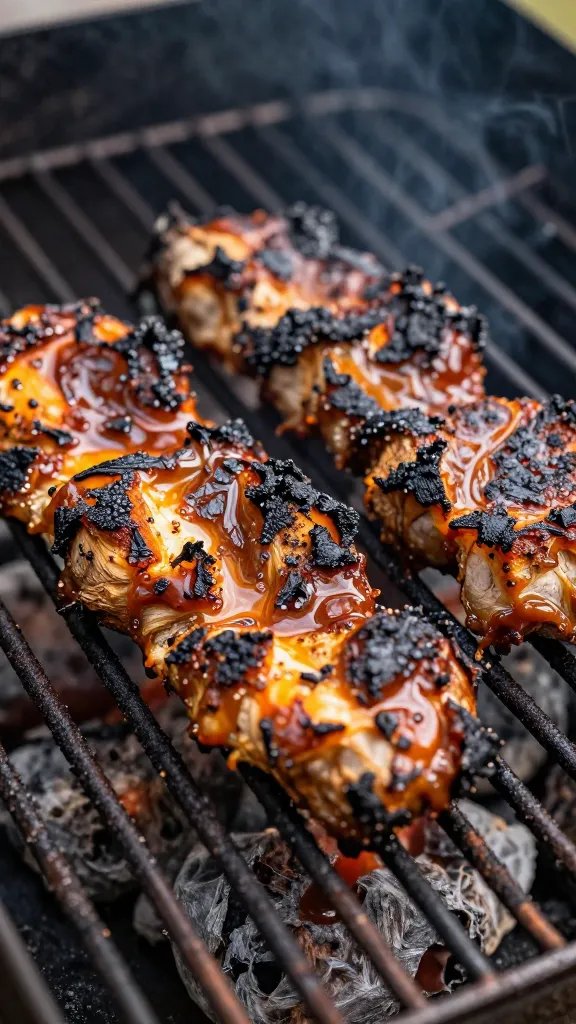
BBQ Sauce Sugar Content makes or breaks your cookout. Too much sugar scorches, turns bitter, and fuses to the grill. Too little and you miss that lacquered, finger-licking finish. In this guide, you’ll learn why sugar burns, how to balance it, and exactly when to sauce so you get shiny bark instead of char.
Why Sugar Burns on the Grill
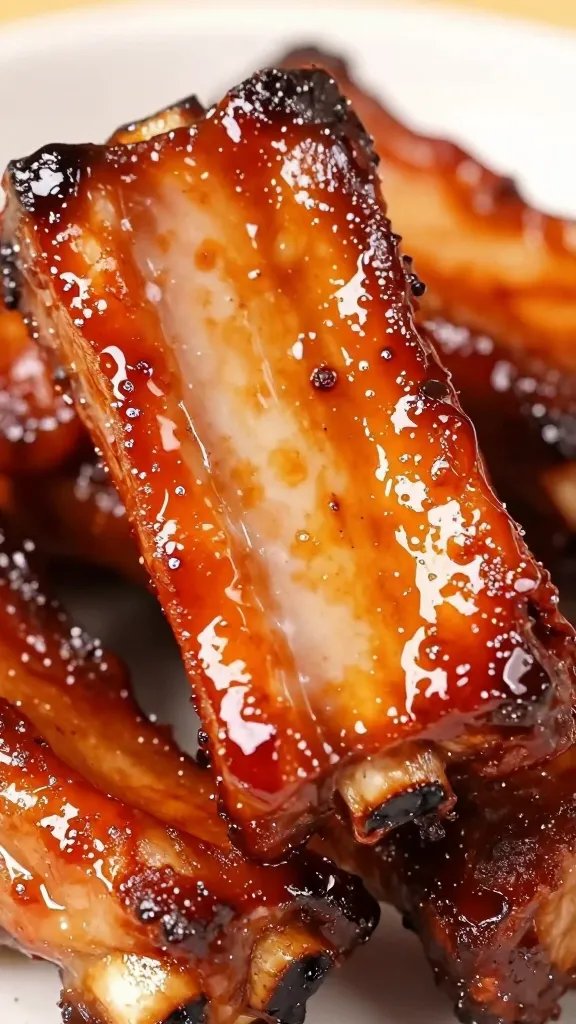
Sugars start to caramelize around 320°F and can burn above 350–375°F. Grills and broilers easily exceed 500°F, so any sauce with significant sugar goes from sweet to bitter fast.
That’s different from the Maillard reaction, which browns proteins and happens across a broader range. High-sugar sauces hit their limit long before your meat is done, which is why timing matters more than recipe heroics.
Decoding BBQ Sauce Sugar Content
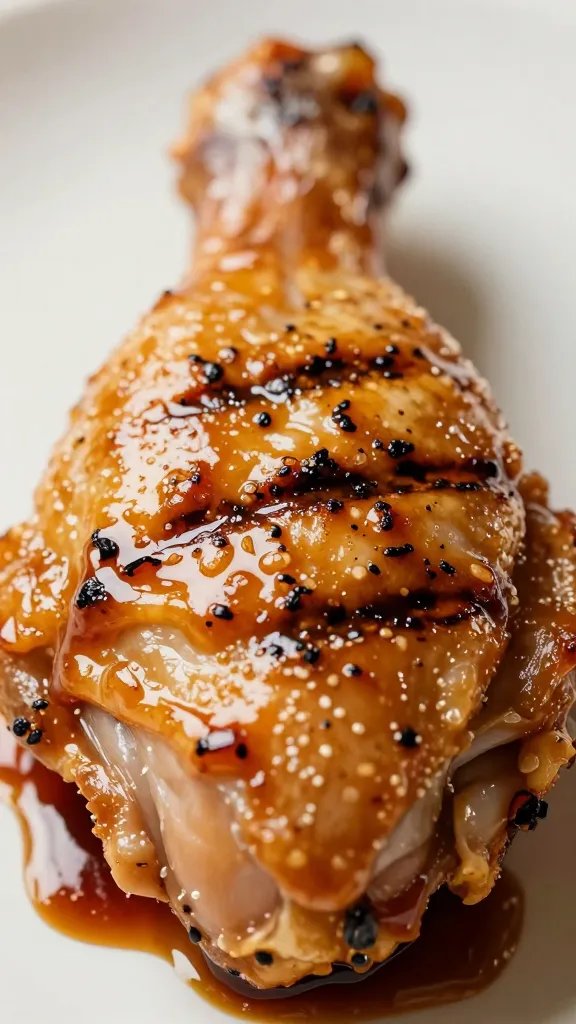
Store-bought sauces commonly have 6–12 grams of sugar per tablespoon. That adds up fast when you’re basting generously. Read the label: total sugars per serving is your north star.
For homemade, add up sources like brown sugar, molasses, honey, ketchup, and even apple juice. Aim for 3–6 grams sugar per tablespoon if you plan to cook the sauce on heat for more than a few minutes.
Timing Your Sauce: The 3-Phase Rule
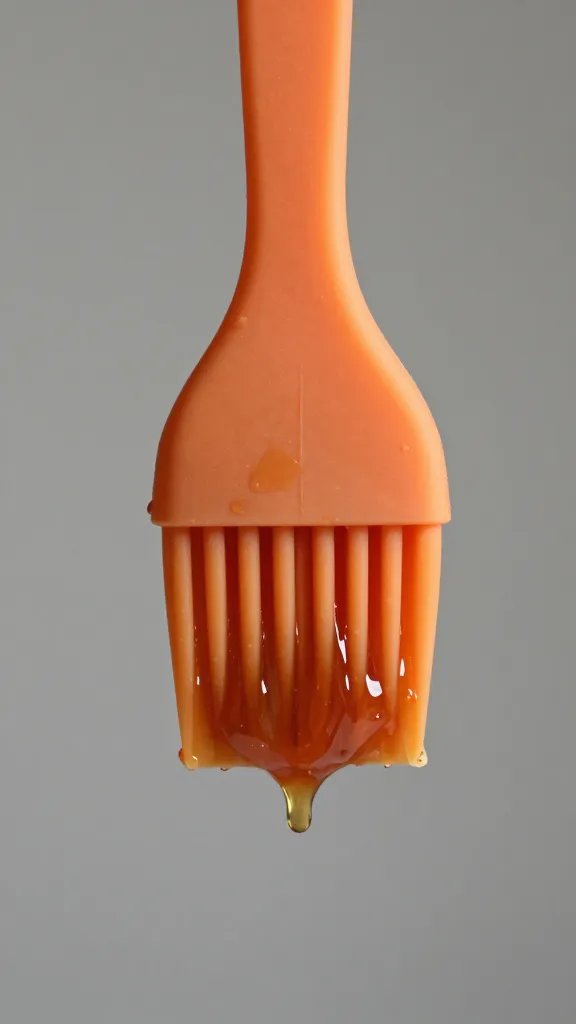
Phase 1: Dry or Savory Start
Season with a rub that’s mostly salt, pepper, paprika, garlic, and herbs. Keep sugar low here if you’re grilling hot. This builds flavor without risking scorch.
Phase 2: Cook to Doneness
Bring meat to 10–15°F below your target internal temperature. Maintain moderate, even heat. If you’re searing, do it before saucing.
Phase 3: Sauce at the End
Brush on sweet sauce in the final 5–10 minutes over indirect heat. Flip and brush again once or twice. Finish over gentle heat to set the glaze, not to cook the meat.
How to Prevent Burning Without Ditching Sweetness
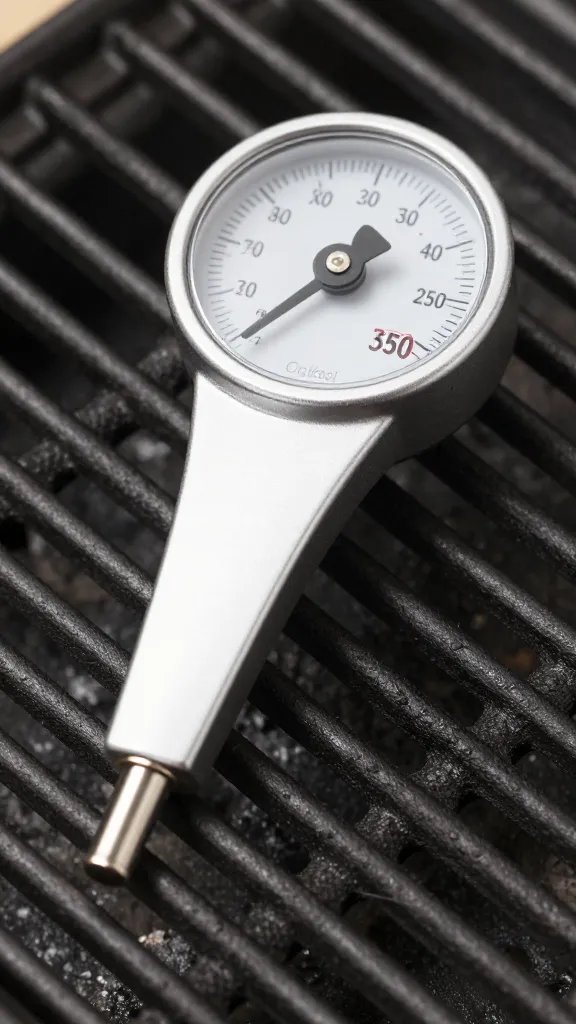
- Use indirect heat: Move sauced meat away from direct flames. Lids down, vents adjusted.
- Thin the sauce: Add stock, vinegar, or water to reduce sugar concentration. A thinner coat sets more evenly.
- Split the sauce: Keep a lower-sugar “cooking” version and a sweeter “finishing” version for off-heat glazing.
- Mind your oils: Greasy grates flare up and scorch sugar. Keep grates clean, lightly oiled.
- Watch the color: Pull when the glaze is deep mahogany, not black. Bitter notes appear fast.
Tweak the Sweet: Smart Substitutions and Ratios
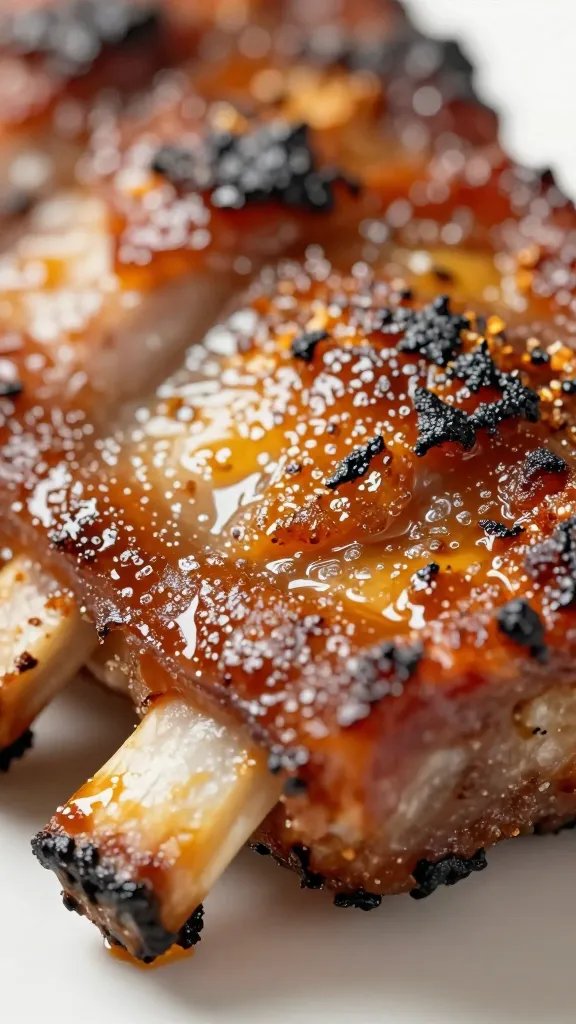
- Brown sugar to molasses ratio: Replace half the brown sugar with molasses for deeper flavor at the same sweetness. Molasses tolerates heat slightly better.
- Honey vs. maple: Honey browns quickly; maple is a touch gentler. For high heat, go 50/50 maple and apple cider vinegar to cut burn risk.
- Fruit purees: Unsweetened apple sauce, peach puree, or crushed pineapple add body and perceived sweetness with less added sugar.
- Acid balance: Add 1–2 teaspoons vinegar or lemon juice per cup of sauce. Acid brightens and reduces the need for extra sugar.
- Umami boosters: A teaspoon of fish sauce, soy sauce, or Worcestershire enhances depth so you can trim sugar by 25% without losing satisfaction.
Heat-Proof “Cooking” BBQ Sauce (Base Formula)
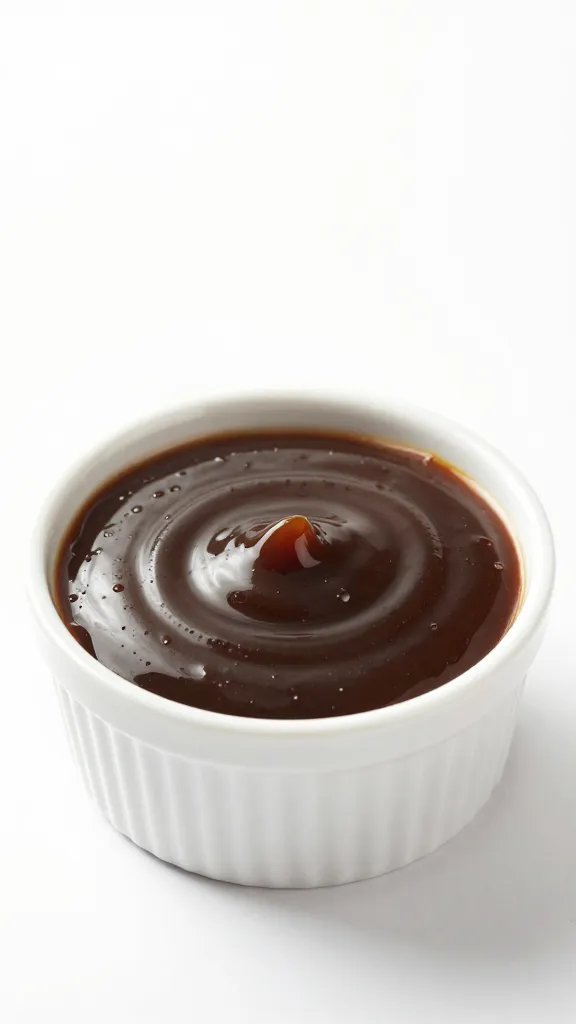
Use this when you want to baste earlier or cook longer without burning. It’s lower in sugar and designed for the grill.
- 1 cup tomato sauce (no sugar added)
- 2 tablespoons tomato paste
- 2 tablespoons apple cider vinegar
- 1 tablespoon maple syrup (or 2 teaspoons brown sugar)
- 1 tablespoon Worcestershire
- 1 teaspoon smoked paprika
- 1 teaspoon mustard powder
- 1/2 teaspoon garlic powder, 1/2 teaspoon onion powder
- 1/4–1/2 teaspoon black pepper, salt to taste
- 2–4 tablespoons water or stock to thin
- Simmer 8–10 minutes to meld and thicken slightly.
- Use during the last 15–20 minutes of cooking, with the final sweet glaze brushed on in the last 5–10 minutes.
BBQ Sauce Sugar Content: Styles Compared
- Kansas City–style: Thick, sweet, ketchup-based. High sugar; finish-only.
- Memphis: Tangy, a bit thinner. Medium sugar; short cook-friendly.
- Carolina red: Vinegar-forward, minimal sugar. Very grill-friendly.
- South Carolina mustard: Mustard + vinegar; lower sugar, great for longer glazing.
- Alabama white: Mayo-based, no added sugar; apply off-heat to warm meat.
Serving and Pairing Tips
- Ribs: Cook dry, wrap if you do, then glaze sweet in last 10 minutes.
- Chicken thighs: Sear first, move indirect, sauce late. Skin loves a quick, hot set.
- Pulled pork: Toss with a vinegar-forward sauce; serve sweeter sauce on the side.
- Brisket: Save sweet sauce for the table. Let the bark shine.
Want a fresh, no-sugar topper for grilled steak or chicken? Try this chimichurri recipe for bright, herby contrast. If you’re planning a sauce-centric cook, pair it with these make-ahead side dishes so you can focus on the grill.
From My Kitchen: What Actually Works
I keep two sauces on hand: a thin, low-sugar baste and a sweeter finisher. The baste goes on when meat hits about 75% of its target temp, and I only apply one light coat. I switch to the finisher at 10 minutes from done, brushing twice and letting each coat set for 3–4 minutes over indirect heat.
The other non-negotiable: I warm sauce to 140–160°F before brushing. Cold sauce cools the surface, won’t set, and tempts you to keep cooking until it burns. Finally, I wipe the grates before the last glaze — residual fat will flare and scorch sugar in under a minute.
Frequently Asked Questions
Why does my BBQ sauce burn so fast on the grill?
Most sauces have 6–12 grams of sugar per tablespoon, and sugar burns above about 350°F. Grills run much hotter, so brush sauce on during the last 5–10 minutes over indirect heat and keep layers thin to prevent scorching.
How can I reduce BBQ Sauce Sugar Content without losing flavor?
Cut added sugar by 25–50% and boost acid (vinegar, lemon) and umami (Worcestershire, soy, or fish sauce). Use fruit purees for body and perceived sweetness, then finish with a light glaze of a sweeter sauce off-heat.
What’s the best temperature to set a sweet BBQ glaze?
Use indirect heat around 300–325°F. This is warm enough to tack up the glaze and caramelize lightly without burning. Close the lid to create gentle convection.
Can I make BBQ sauce ahead and freeze it?
Yes. Most sauces hold 7–10 days in the fridge and freeze well for up to 3 months. Leave out delicate fresh herbs until reheating, and thaw overnight in the fridge.
Is honey or brown sugar better for grilling?
Both can burn, but honey browns faster. For high heat, use a smaller amount of honey cut with vinegar or swap in maple for a slightly gentler finish, then apply late in the cook.
How much sauce should I use per pound of meat?
Plan 2–3 tablespoons per pound for glazing and serving, with an extra tablespoon if you like it saucy at the table. Thin coats set better than one thick layer.
The Bottom Line
Sweet sauce shines when you control timing, temperature, and thickness. Keep the cook savory, glaze late over indirect heat, and balance sugar with acid and umami — you’ll get caramelized, not charred.
Planning to try this? Save this post so you can find it when you need it — and tag us when you make it.