
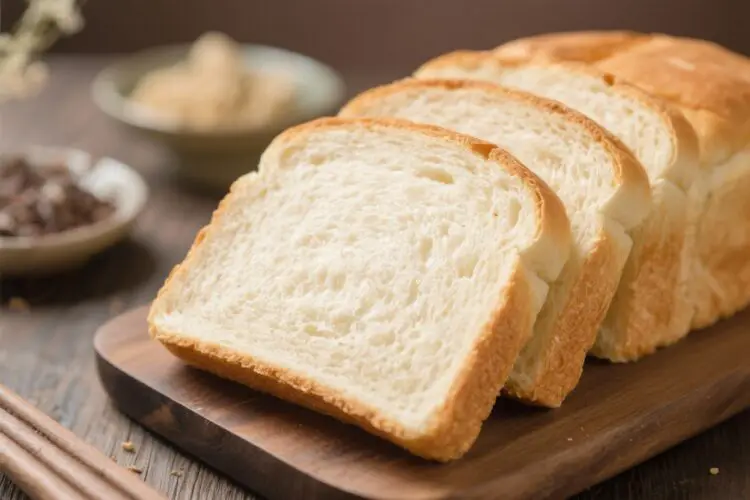
Nothing beats the smell of fresh bread filling your kitchen. This classic white bread is soft, light, and easy to slice, with a tender crumb and a golden crust. It’s the kind of loaf that’s perfect for toast, grilled cheese, or a stack of peanut butter and jelly sandwiches.
You don’t need fancy equipment—just a bowl, your hands, and a little patience. If you’re new to baking bread, this is a kind and forgiving place to start.
What Makes This Special
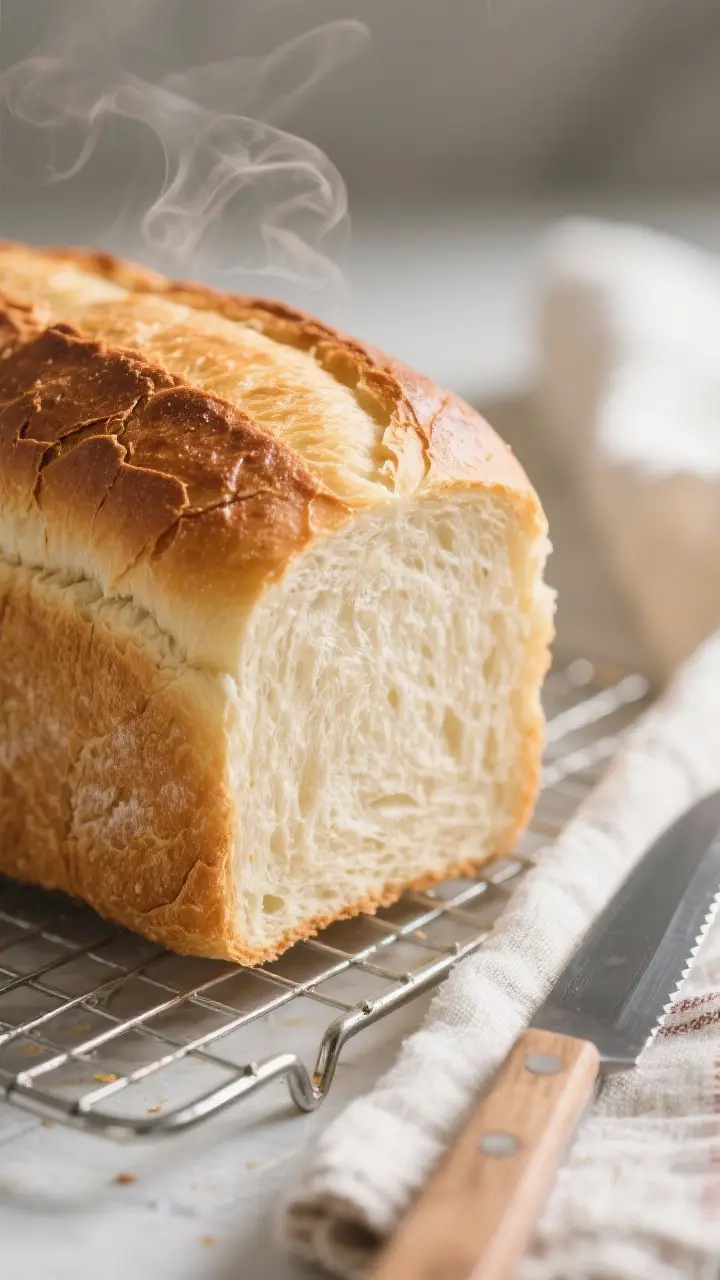
This recipe is built for reliability. It uses everyday pantry ingredients and gives you a loaf with a soft interior and just enough structure to hold spreads and fillings.
The dough is easy to work with, and the rise times are straightforward. You also get clear cues—like how the dough should feel and look—so you’re not guessing.
It’s also adaptable. You can swap in a bit of whole-wheat flour, add a spoonful of sugar for a slightly sweeter loaf, or brush the top with melted butter for a bakery-style finish.
Best of all, it stays soft for days when stored properly.
Shopping List
- All-purpose flour (3 1/2 to 4 cups)
- Warm water (1 1/4 cups, around 105–115°F)
- Milk (1/2 cup, room temperature; can use whole, 2%, or plant-based)
- Active dry yeast (2 1/4 teaspoons, one standard packet) or instant yeast
- Granulated sugar (2 tablespoons; honey also works)
- Unsalted butter (3 tablespoons, softened; plus more for greasing and optional brushing)
- Salt (1 1/2 teaspoons)
- Neutral oil or extra butter for the bowl and pan
- Egg (optional, for an egg wash to make a shiny crust)
Step-by-Step Instructions
- Proof the yeast. In a large bowl, mix warm water and sugar. Sprinkle the yeast on top. Let it sit for 5–10 minutes until foamy.
If using instant yeast, you can skip the proof and mix it directly with the flour—but still warm the liquids.
- Add liquids and fat. Stir in the milk and softened butter until the butter breaks up. Add the salt. The mixture should be slightly warm, not hot.
- Bring the dough together. Add 3 1/2 cups of flour to start.
Stir with a wooden spoon or dough hook until a shaggy dough forms. If it’s very sticky, add more flour 1–2 tablespoons at a time.
- Knead until smooth. Turn the dough onto a lightly floured surface. Knead for 8–10 minutes by hand (or 6–8 minutes in a mixer on low).
The dough should be soft, springy, and slightly tacky but not sticking badly. A windowpane test—a thin stretch without tearing—means you’re close.
- First rise. Place the dough in a lightly oiled bowl, turning it once to coat. Cover with a clean towel or plastic wrap.
Let it rise in a warm spot until doubled, about 60–90 minutes. A fingertip poke should leave a slow, gentle indentation.
- Shape the loaf. Gently punch down the dough to release gas. Turn it out and press into a rectangle roughly 8×12 inches.
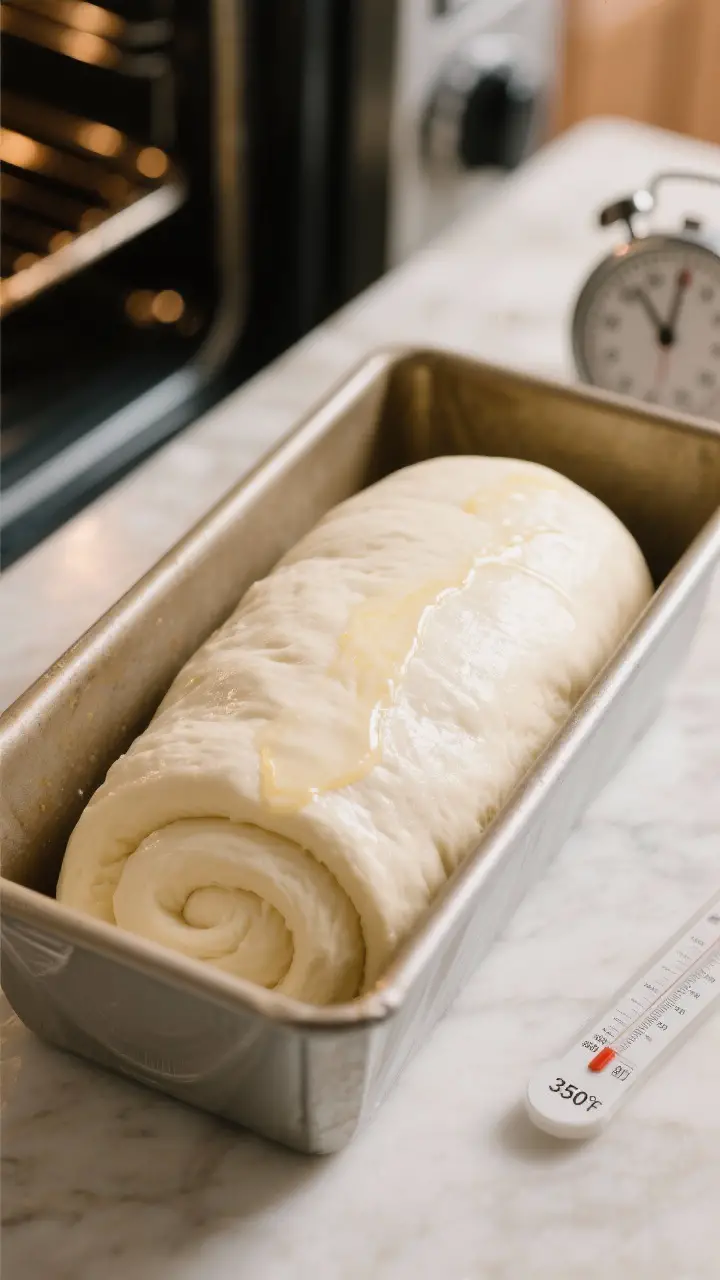
Roll it up tightly from the short end, pinch the seam, and tuck the ends under. Place seam-side down into a greased 9×5-inch loaf pan.
- Second rise. Cover and let rise until the dough crowns about 1 inch over the rim of the pan, 35–60 minutes depending on room temperature. Preheat the oven to 350°F (175°C) during this rise.
- Optional glaze. For a glossy top, whisk one egg with a tablespoon of water and lightly brush the top.
For a soft, buttery crust, skip the egg and brush with melted butter after baking.
- Bake. Bake for 28–35 minutes, until the top is golden brown and the loaf sounds hollow when tapped. An instant-read thermometer should read about 190–195°F in the center.
- Cool properly. Remove the loaf from the pan and place it on a wire rack. Brush with melted butter if you like.
Let it cool for at least 1 hour before slicing to prevent squashing and gummy texture.
Storage Instructions
- Room temperature: Store in a bread box or wrapped in a clean towel inside a plastic bag for 3–4 days. Avoid refrigerating; it dries bread out.
- Freezer: Slice the loaf, wrap tightly in plastic, then place in a freezer bag. Freeze for up to 3 months.
Toast slices straight from frozen, or thaw at room temperature.
- Reviving: If the crust softens or the loaf feels stale, warm slices in a 300°F oven for 5–7 minutes or toast lightly.
Why This is Good for You
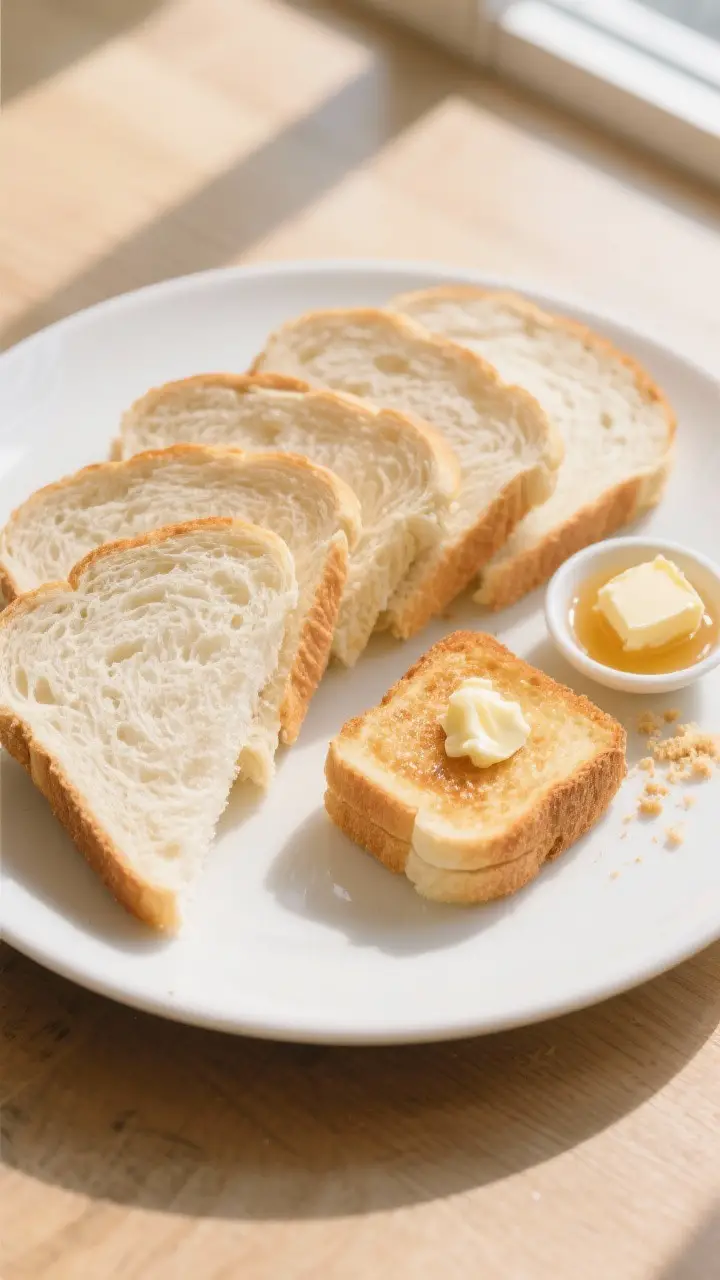
Homemade white bread gives you control over ingredients. You can skip preservatives and additives and keep the recipe simple. It’s also more satisfying to eat, which can help with mindful portions.
Fresh bread offers steady energy from carbohydrates, and when paired with protein and fiber—like eggs, turkey, or veggies—it becomes a balanced meal.
You can also swap in part whole-wheat flour for a fiber boost without losing the soft texture.
What Not to Do
- Don’t use water that’s too hot. Anything above 120°F can kill yeast. Aim for warm, not hot.
- Don’t add too much flour. A slightly tacky dough bakes lighter. Overflouring leads to dense bread.
- Don’t rush the rise. If the dough hasn’t doubled, wait.
Underproofed dough won’t have the right structure.
- Don’t slice while hot. It’s tempting, but hot bread compresses and turns gummy. Let it cool to set the crumb.
- Don’t store in the fridge. Cold temperatures speed staling. Room temp or freezer is best.
Alternatives
- Whole-wheat blend: Replace 1 cup of all-purpose flour with whole-wheat.
Add 1 extra tablespoon of water if needed to keep the dough soft.
- Milk-only version: Swap the water for milk for a richer, softer crumb and a browner crust.
- Honey bread: Replace sugar with honey and add 1 extra tablespoon of flour to balance the liquid.
- Vegan: Use plant milk, olive oil or vegan butter, and skip the egg wash.
- Dinner rolls: Shape into 12 balls, place in a greased 9×13 pan, rise until puffy, and bake at 375°F for 16–20 minutes.
FAQ
Can I use bread flour instead of all-purpose?
Yes. Bread flour has more protein, which gives more chew and structure. You may need a touch more liquid, so add a teaspoon at a time if the dough feels stiff.
How do I know when the dough is kneaded enough?
The dough should feel smooth and elastic and spring back when poked.
If you can stretch a small piece thin enough to see light through it without tearing, you’re there.
What if my dough isn’t rising?
Check your yeast freshness and liquid temperature. Give it more time if your kitchen is cool. You can also place the bowl in a slightly warm oven (turned off) with a cup of hot water nearby to create a gentle, warm environment.
Can I make this by hand without a mixer?
Absolutely.
A wooden spoon and some elbow grease work fine. Hand kneading gives you great feel for the dough and helps avoid adding too much flour.
How do I get a softer crust?
Brush the loaf with melted butter right after baking and store it wrapped once it’s fully cool. Using milk in the dough also helps soften the crust.
Why did my loaf sink in the middle?
It may have been overproofed or underbaked.
Next time, bake until the center hits 190–195°F and avoid letting the second rise go far beyond 1 inch above the pan.
Can I double the recipe?
Yes, but use two loaf pans rather than one large one to keep baking even. Rise times may be slightly longer due to the extra dough mass.
What’s the best way to slice it cleanly?
Let it cool completely and use a long serrated bread knife with a gentle sawing motion. For super-thin slices, chill the loaf for 30 minutes first, then slice.
Final Thoughts
Homemade white bread is simple, comforting, and far more flavorful than store-bought.
With a few ingredients and a little patience, you’ll get a soft, dependable loaf that fits your everyday meals. Once you’ve made it once or twice, you’ll hardly need a recipe. Keep it warm, keep it simple, and enjoy every slice.
Printable Recipe Card
Want just the essential recipe details without scrolling through the article? Get our printable recipe card with just the ingredients and instructions.