- Best for: Backyard cooks who want glossy, bite-through chicken
- Make ahead: Yes — sauce keeps 1 week; prep rub 1 month
- Serves: 4–6 with one batch; scales easily for a crowd
- Key tip: Brush thin layers the last 30–40 minutes to set without burning
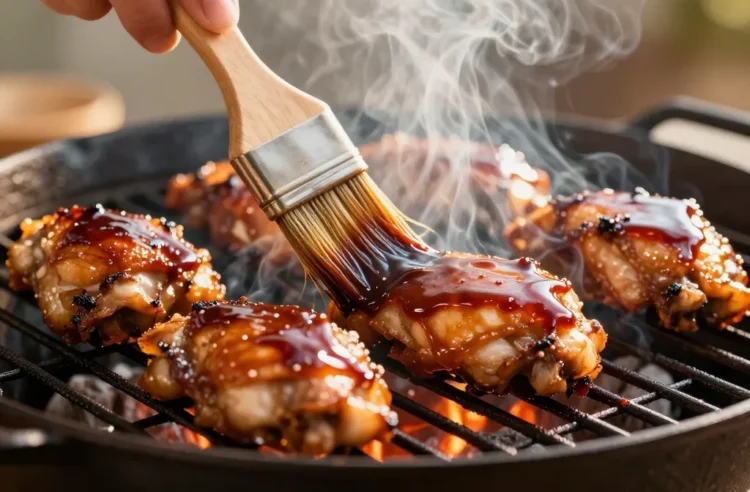
BBQ Sauce for Smoked Chicken — applied in layers during the cook — solves two problems: bland skin and burnt sugar. Instead of one gloopy dunk at the end, you’ll stack ultra-thin coats that set, shine, and stay put. The result is balanced smoke, tang, and sweetness with clean bite-through skin. In this guide, you’ll get the exact timing, temperatures, and a dependable sauce formula to nail it every time.
Why Layering Sauce Beats a Single Glaze
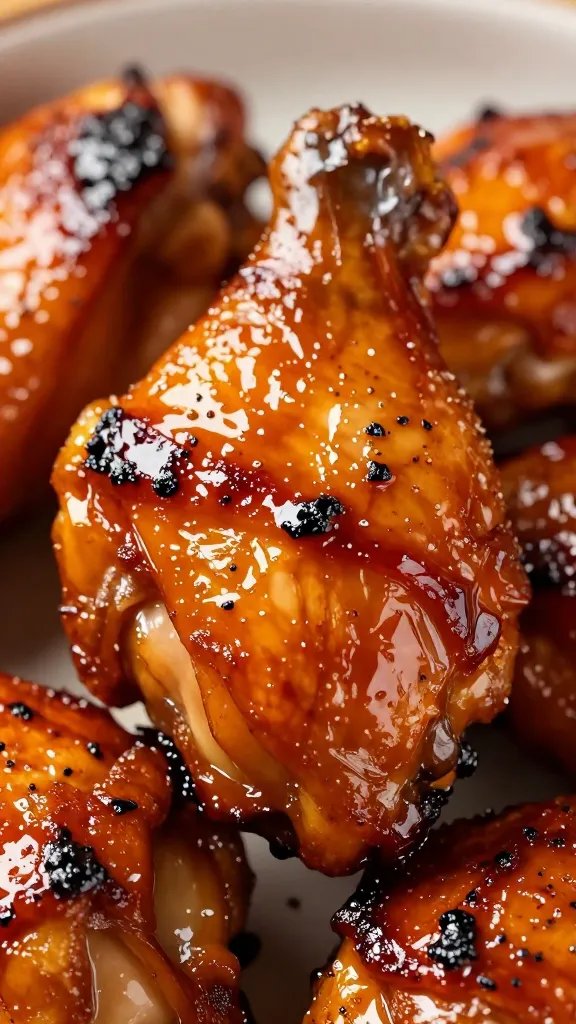
Thick, last-minute sauce often scorches or slides off, especially on slick chicken skin. Thin coats laid over heat create micro-sets: each pass bonds, concentrates flavor, and builds shine.
The pay-off? Even coverage, better caramelization, and no bitter char. You also keep the smoke character intact instead of burying it under a syrupy finish.
Build a Sauce That Can Handle Smoke and Heat
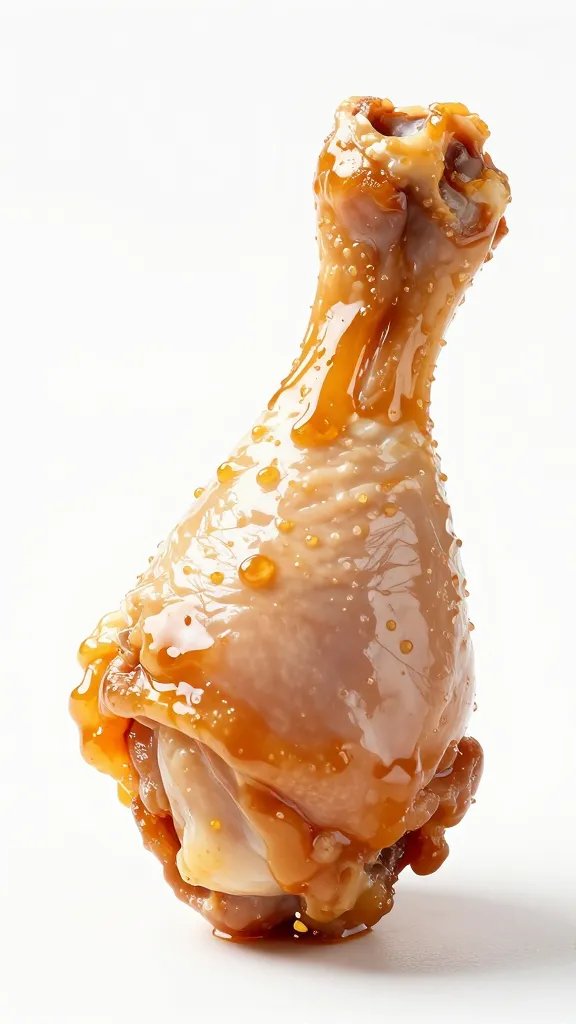
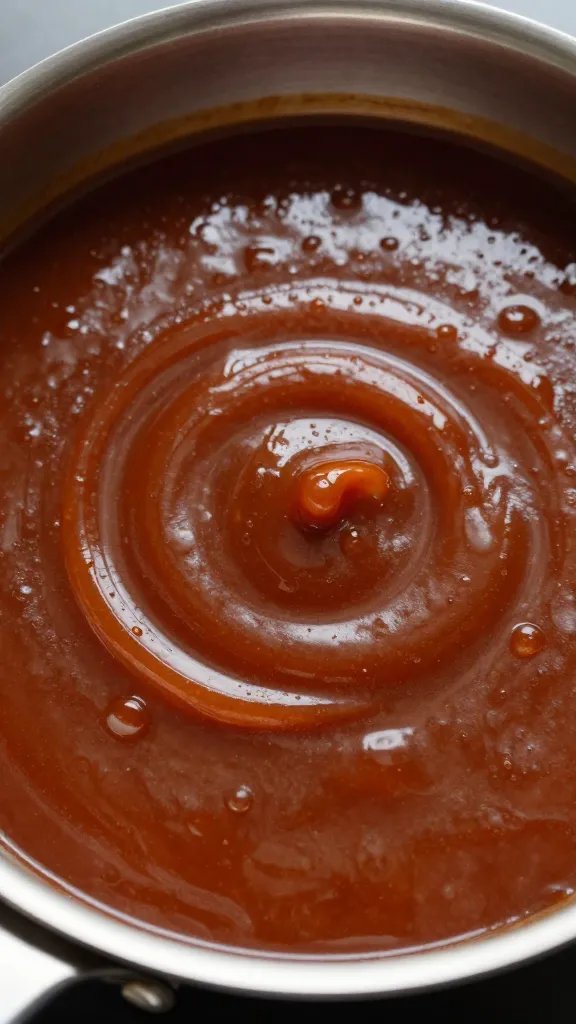
Layering works best with a balanced, moderately thick sauce. You want it to cling in thin films and set fast without burning.
- Base: 1 cup ketchup or tomato passata
- Tang: 1/3 cup apple cider vinegar
- Sweet: 1/4 cup brown sugar or honey (honey browns faster)
- Savory: 1 tbsp Worcestershire
- Heat: 1–2 tsp hot sauce or 1/2 tsp cayenne
- Spices: 1 tsp each garlic powder, onion powder; 1/2 tsp black pepper
- Optional: 1 tsp mustard, a pinch of smoked paprika
Simmer 8–10 minutes until it coats the back of a spoon. It should drizzle, not plop. Too thick? Whisk in warm water by the tablespoon. Too thin? Simmer 2–3 minutes more.
Timing: When to Start Saucing Smoked Chicken
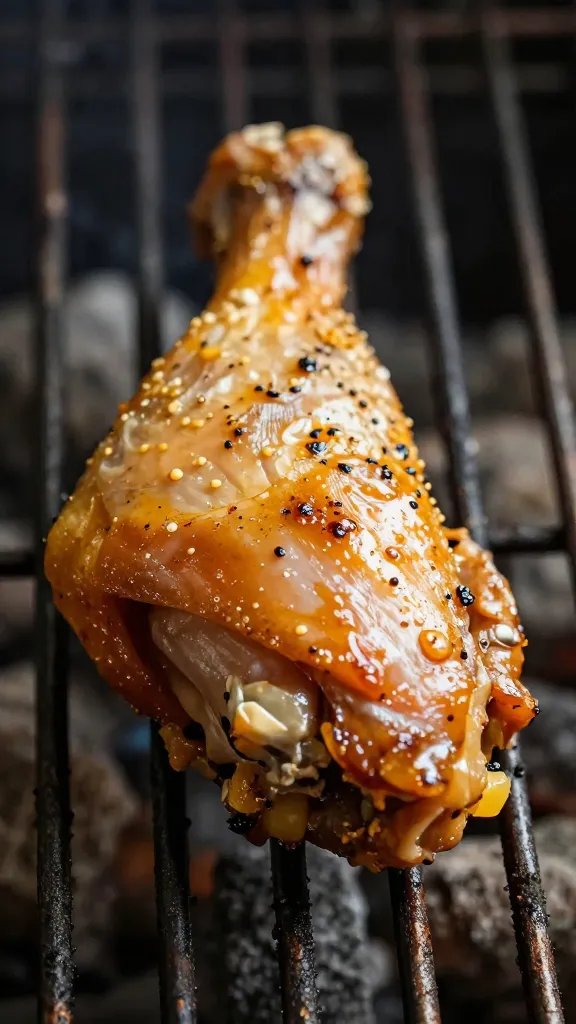
Don’t sauce early. Fat renders first; saucing too soon blocks evaporation and can rubberize skin. Let the smoker do its thing.
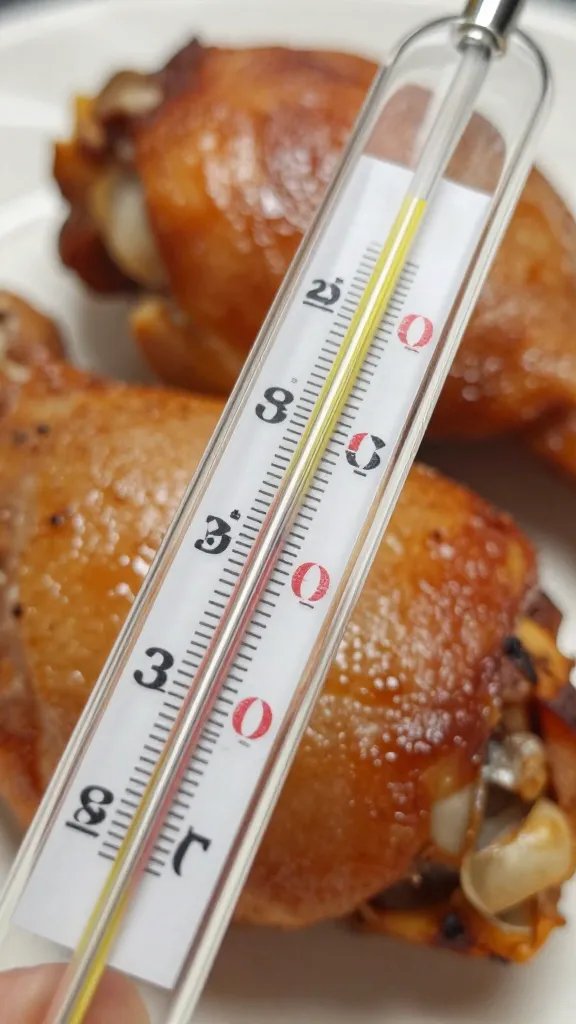
- Temperature targets: Start layering when white meat hits 140–145°F or dark meat hits 150–155°F.
- Time estimate: On a 275°F smoker, that’s typically 60–75 minutes into the cook for bone-in pieces.
- Final set: Keep layering until the meat reaches 160°F (breasts) or 175°F (thighs), then rest to carryover.
How to Apply BBQ Sauce in Layers
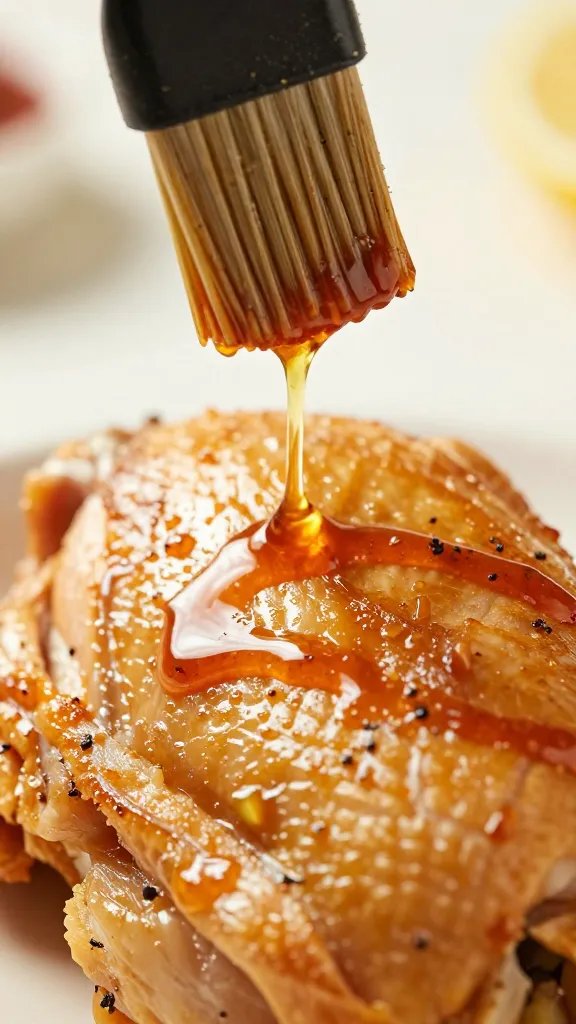
Tools and setup
- Brush: Soft silicone or natural bristle; avoid stiff pastry brushes that scrape rub off.
- Pan: Warm the sauce so it spreads thin and sets faster.
- Heat: Run the smoker at 265–285°F for a good set without scorching.
Step-by-step layering
- Pat chicken dry after the first hour; blot pooled fat with a paper towel for better adhesion.
- Brush a whisper-thin coat — think barely shiny. If you can see drips, it’s too much.
- Close the lid and cook 8–10 minutes to set. You should see a satin sheen, not wet streaks.
- Repeat 2–4 times, flipping once midway for even coverage.
- For the last pass, switch to a thinned sauce (1–2 tbsp water added) to prevent burning as you approach finish temps.
Dial the Flavor: Regional Twists That Layer Beautifully
- Kansas City-style (sweet and sticky): Extra brown sugar and molasses; use thinner coats and shorter set times to avoid scorching.
- Carolina red (tangy): Boost cider vinegar to 1/2 cup; cut sugar to 2 tbsp. Great for richer dark meat.
- Alabama white (mayo-based): Layer once at the end off-heat, then toss — mayo breaks if simmered. Serve extra on the side.
- Memphis-inspired: Add dry rub to sauce (1–2 tsp) for spice-forward layers.
- Smoky chipotle: Whisk in 1–2 tsp adobo from chipotles; watch heat level as it concentrates with layering.
Keys to Clean, Bite-Through Skin
- Dry the skin well before it hits the smoker; air-dry uncovered in the fridge 2–12 hours for best texture.
- Moderate sugar until the last two layers; too much early equals bitter edges.
- Mind the fat render: Thighs and drumsticks take sauce better than breasts thanks to higher fat.
- Finish heat bump: A brief 2–3 minute kiss at 325–350°F sets gloss. Watch closely.
Serving, Holding, and Scaling for a Crowd
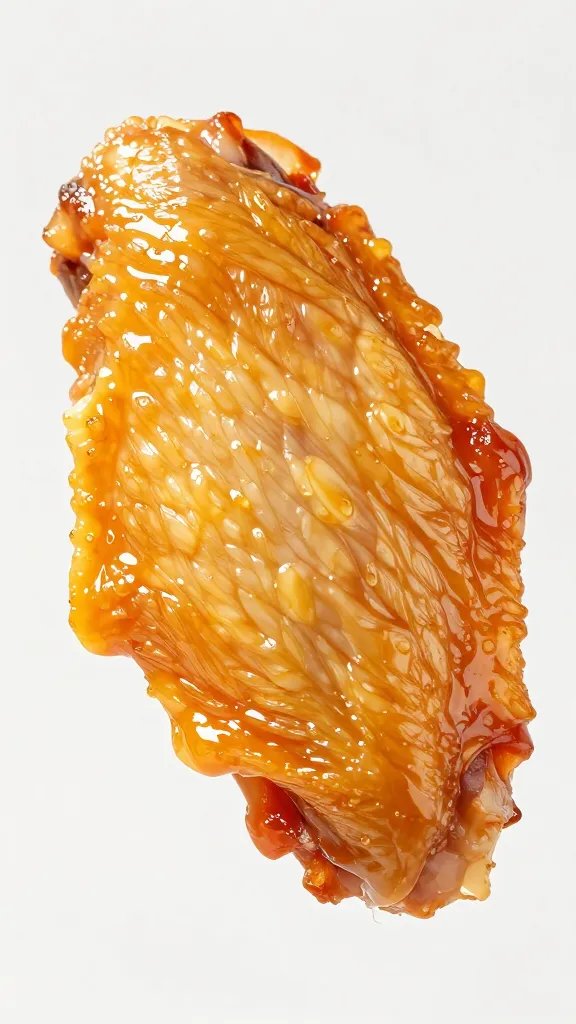
For parties, keep sauced chicken in a 150–160°F oven, loosely tented. Don’t cover tightly or the glaze will steam and dull.
Need alternative sauces for mixed palates? Try this chimichurri recipe for a fresh, bright counterpoint — serve it cold alongside the warm, sauced chicken. For anyone skipping sugar, offer a dry-rub-only option and a tangy, no-sugar sauce like a vinegar-pepper mop, or pair with this no-mayo slaw to cut richness.
From My Kitchen: What Actually Works
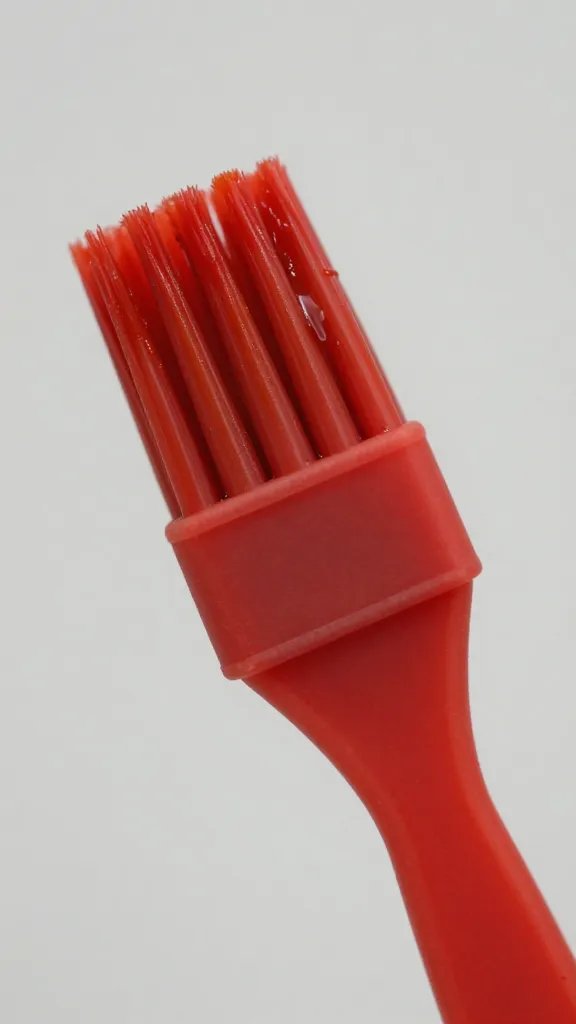
The biggest swing factor is coat thickness: if I can see brush lines, I know it’s right; if it drips, it scorches later. I’ve tested starting sauce at 130°F internal — the skin softened and never recovered. Waiting until 145°F gave me the best set and shine. My last layer is always thinned by about 10% with warm water so it won’t blister during the final push. When scaling for 20–30 pieces, I simmer the sauce 2 minutes less and thin to the same texture right before brushing; it thickens as it sits on the warm pit.
Frequently Asked Questions
When should I start brushing BBQ Sauce for Smoked Chicken?
Begin layering when breasts hit 140–145°F or thighs are at 150–155°F. Earlier than that, fat hasn’t rendered and the sauce can slide or turn the skin rubbery. Plan on 30–40 minutes of layering before you finish.
How many layers of sauce are ideal?
Three to four thin coats work best. Each coat needs 8–10 minutes to set. If your sauce is very sweet, stop at three to prevent scorching.
Can I make the sauce ahead, and how long does it keep?
Yes. Store cooled sauce airtight in the fridge for up to 1 week, or freeze up to 3 months. Rewarm gently and whisk to restore texture before brushing.
What’s the best smoker temperature for layered saucing?
Run 265–285°F during saucing. This range sets the glaze quickly without burning sugars. If you bump to 325°F to finish, watch constantly and shorten set times.
Will this method work on grilled chicken, not just smoked?
Yes. Cook over indirect heat until you’re within 10–15°F of your target, then layer as above. Move to direct heat for 30–60 seconds at the end to polish the gloss, turning as needed.
How do I prevent the sauce from tasting too sweet?
Reduce sugar by a third and boost vinegar or mustard. You can also add 1–2 teaspoons of Worcestershire for savory depth. Layer fewer coats and keep the final set shorter.
The Bottom Line
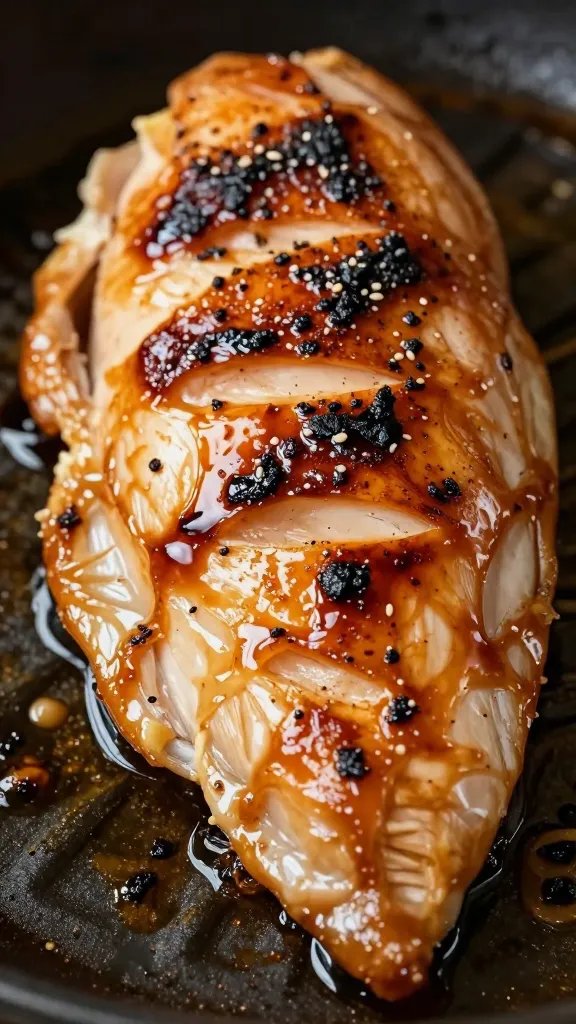
Thin, timed layers turn BBQ Sauce for Smoked Chicken into a glossy, balanced finish that complements the smoke instead of smothering it. Keep coats light, start late, and let heat do the setting — you’ll get clean bite-through skin and big flavor without burn.
Planning to try this? Save this post so you can find it when you need it — and tag us when you make it.