- Best for: Weeknight rotisserie upgrades, backyard cookouts, tailgates
- Make ahead: Yes — up to 7 days in the fridge
- Serves: Coats 1–2 whole rotisserie chickens
- Key tip: Warm the sauce before basting so it clings instead of sliding off
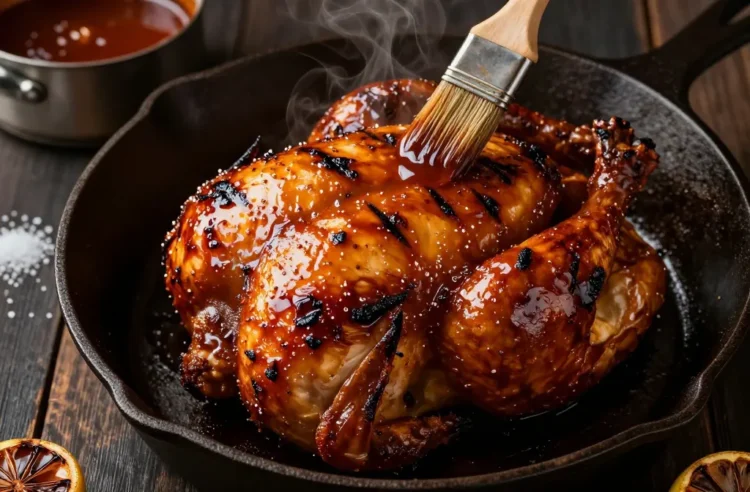
BBQ Basting Sauce for Whole Rotisserie Chicken is the fastest path from store-bought bird to sticky, glossy, backyard-level delicious. You’ll build a balanced sauce that caramelizes under high heat without burning. We’ll cover ingredients, timing, and how to baste so the skin turns lacquered and the meat stays juicy. By the end, you’ll have a make-ahead, repeatable method plus flavor variations and pro tips.
What Makes a Great BBQ Basting Sauce
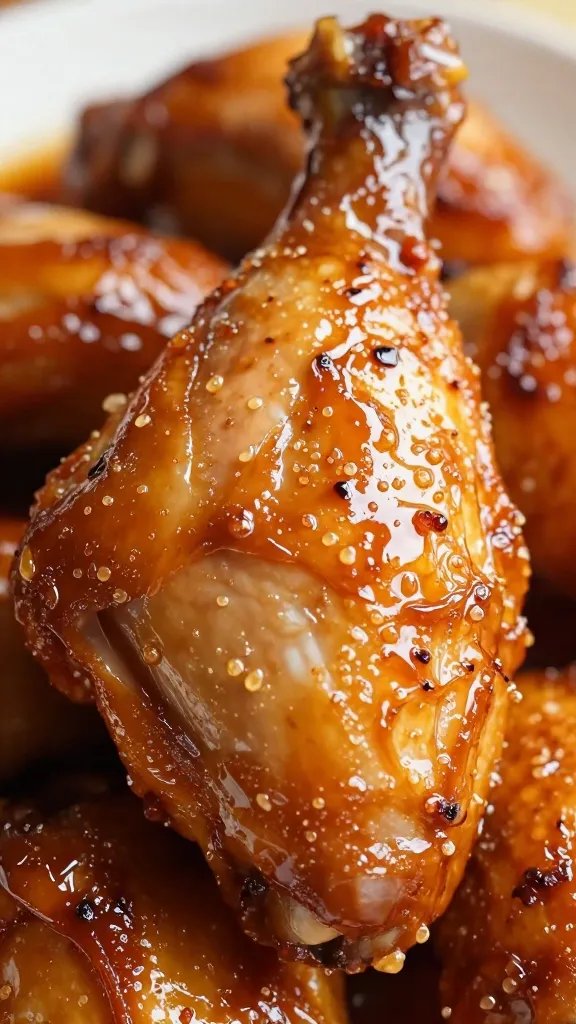
A great basting sauce needs three things: sweetness for caramelization, acidity to balance richness, and salt + umami for depth. Thickness matters too. You want a sauce that clings to hot skin without sliding off or scorching.
We’ll use a short simmer to reduce the sauce so it grips. Then we’ll apply it in thin, layered coats during the final minutes under heat. That’s how you get glossy bark instead of a wet smear.
Core Ingredients (and Why They Work)
- Base: 1/2 cup ketchup or tomato passata — body and umami
- Sweet: 3 tbsp brown sugar or honey — caramelization and shine
- Tang: 2 tbsp apple cider vinegar — cuts fat and brightens
- Salty/Umami: 1 tbsp soy sauce or Worcestershire — savory backbone
- Heat (optional): 1–2 tsp hot sauce or chili flakes — adjustable kick
- Spices: 1 tsp smoked paprika, 1/2 tsp garlic powder, 1/2 tsp onion powder — barbecue profile
- Binder/Glaze: 1 tbsp Dijon or yellow mustard — emulsifies and helps cling
- Finisher: 1 tbsp butter (off heat) — velvety gloss
Prefer natural sugar? Use honey or maple and reduce heat slightly to prevent scorching.
Step-by-Step: Basting a Whole Rotisserie Chicken
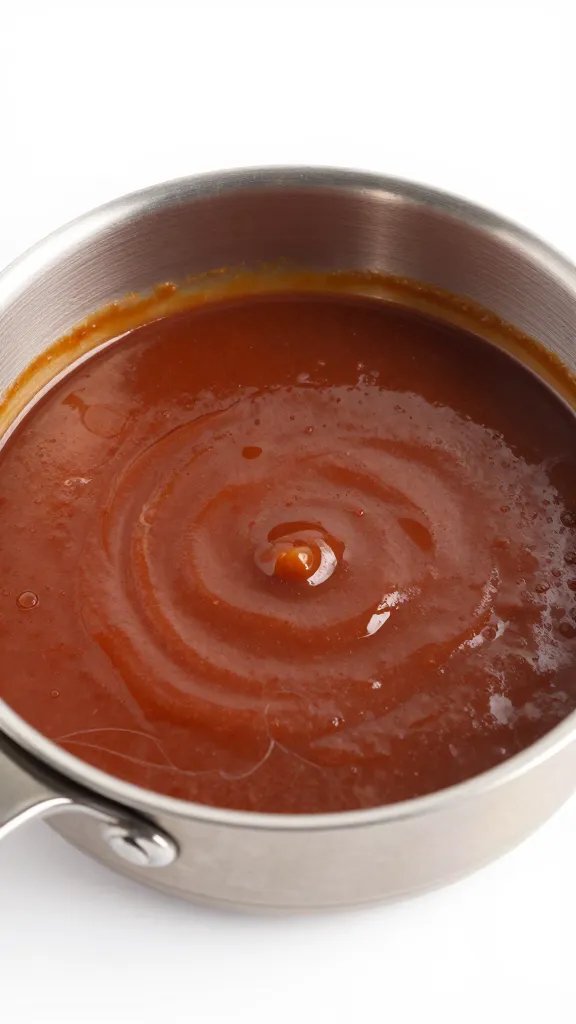
- Make the sauce: Combine everything except butter in a small saucepan. Simmer over medium-low for 8–10 minutes until slightly thickened. Remove from heat and whisk in butter.
- Prep the bird: Pat the rotisserie chicken dry. If it’s fridge-cold, let it sit 15–20 minutes so the skin isn’t clammy.
- Heat source: Preheat grill to medium (375–400°F) with a cool zone, or oven to 425°F with a rack set over a sheet pan. Warm the sauce gently if made ahead.
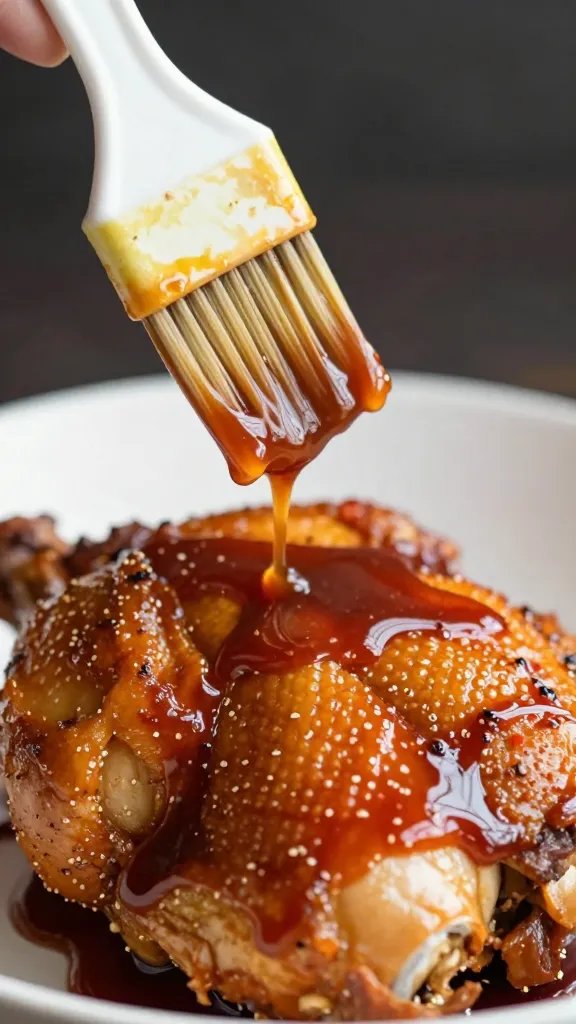
- First coat: Brush a thin layer of warm sauce all over. Place chicken on grill (cool side) or oven rack. Heat 5 minutes.
- Layer up: Apply 2–3 more thin coats every 5–7 minutes. Rotate the bird so the glaze sets evenly. Aim for internal temp 165°F in the breast.
- Finish hot: Move briefly over direct heat or broil 1–2 minutes to set the final glaze. Watch closely — sugar burns fast.
- Rest and serve: Rest 5–10 minutes. Brush a final whisper of sauce before carving.
Timing and Heat: Avoiding Burnt Sugar
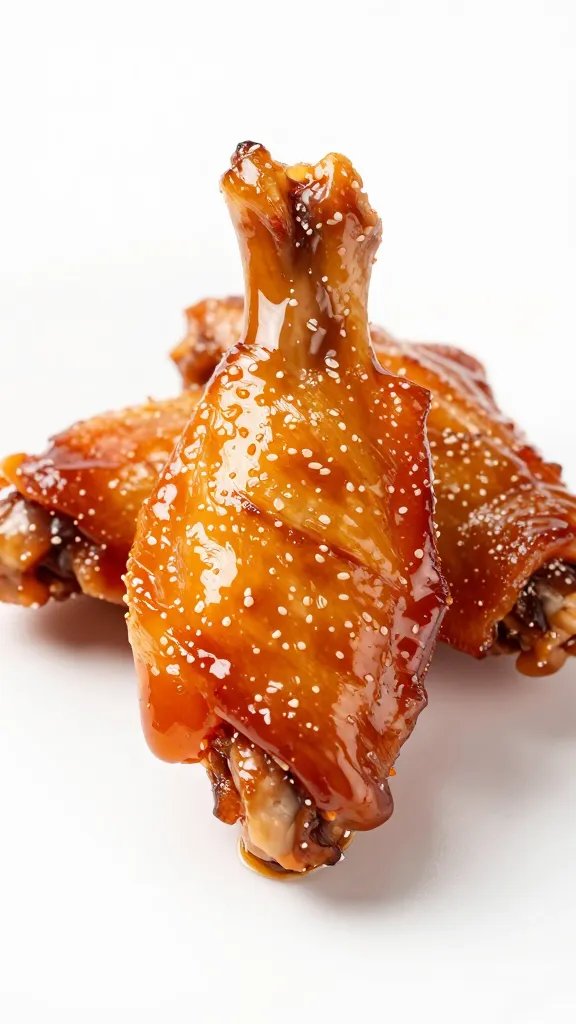
Sweet sauces scorch if they spend too long over high heat. Keep most of your cooking at medium to medium-high with indirect heat. Shift to high only to finish the glaze.
If your grill runs hot, thin the sauce with 1–2 tbsp water and shorten the final blast under direct heat. Seeing black edges? Pull back, lower the lid, and let carryover heat set the glaze.
Flavor Variations You’ll Actually Use
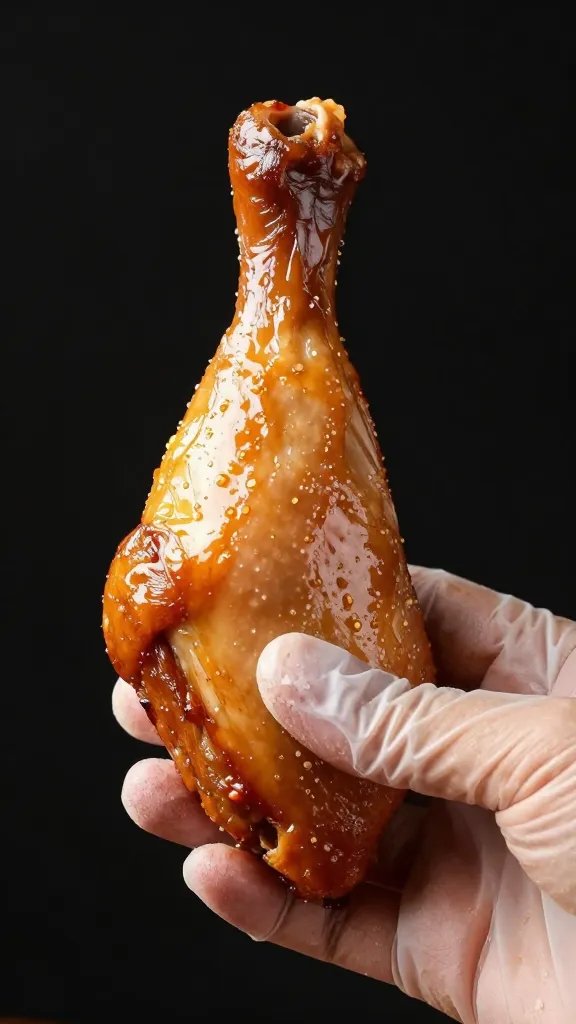
- Smoky Bourbon: Swap 2 tbsp vinegar for bourbon; add 1 tsp molasses. Simmer 2 extra minutes to cook off alcohol.
- Carolina-Tangy: Use 1/4 cup yellow mustard, 1/4 cup ketchup; increase vinegar to 3 tbsp; reduce sugar by 1 tbsp.
- Spicy Gochujang: Add 1 tbsp gochujang; use rice vinegar instead of cider vinegar; finish with sesame seeds.
- Tropical Pineapple: Replace half the ketchup with thick pineapple juice reduction; add 1 tsp grated ginger.
- Maple Chipotle: Use maple syrup for sweetener; add 1–2 tsp chipotle in adobo, minced.
BBQ Basting Sauce for Whole Rotisserie Chicken: Make-Ahead and Storage
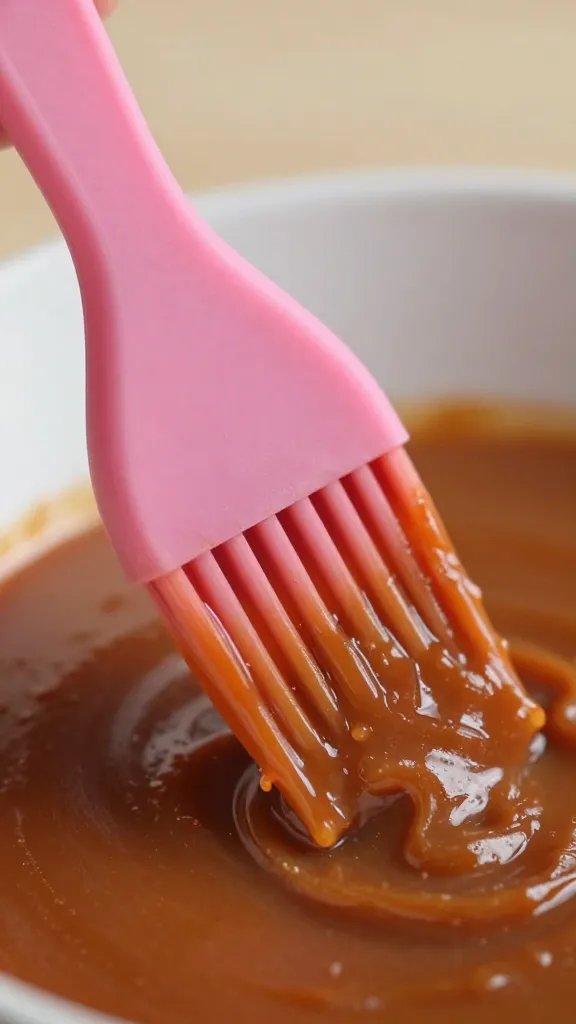
You can make this sauce up to 7 days ahead and store it covered in the fridge. It thickens as it cools; rewarm gently with a splash of water if needed.
For longer storage, freeze up to 3 months in small jars or cubes. Thaw overnight in the fridge, then simmer 2–3 minutes to restore texture.
Serving Ideas and Pairings
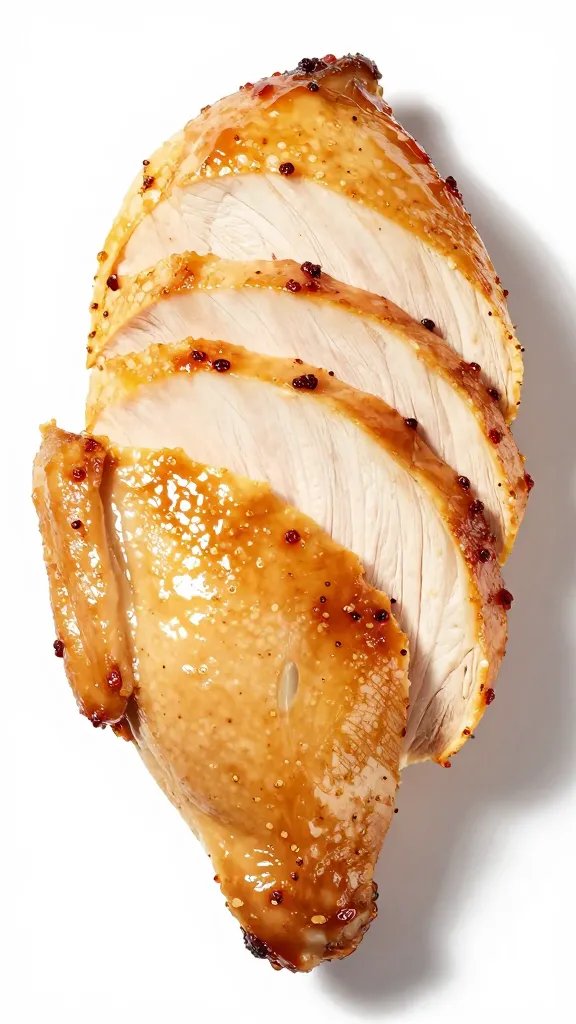
Once the chicken is glazed and rested, carve and drizzle with any warmed leftover sauce. Balance the sweet-savory glaze with bright sides and fresh herbs.
- Crisp slaw with vinegar dressing
- Grilled corn or charred green beans
- Warm potato salad with mustard vinaigrette
- Herb salad with lemon
Want a fresh, herby counterpoint? Try this chimichurri recipe spooned over sliced chicken for a hot-cold contrast that pops.
From My Kitchen: What Actually Works
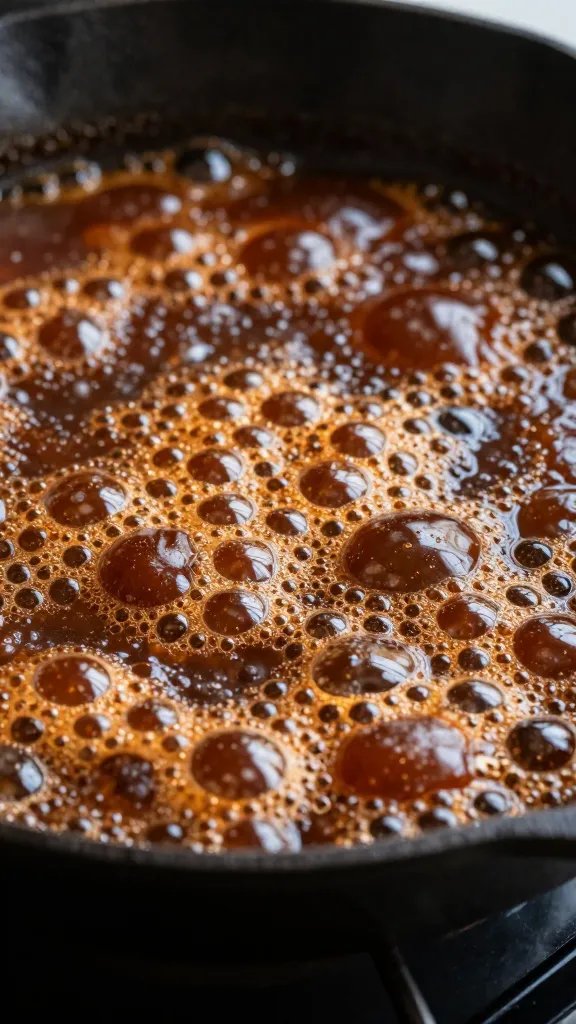
The biggest improvement came when I warmed the sauce to 150–160°F before brushing — it clings faster and sets cleaner. I’ve also tested thick vs. thin layers; thin coats every 5–7 minutes build better shine and don’t run. If your chicken skin is damp, the first coat slides off; patting dry and a quick 5-minute warm-up on the grill solves it.
I measure reduction by volume: a good simmer should drop the sauce by about 20–25% in 8–10 minutes for ideal viscosity. Finally, if scaling for two birds, I double everything except salt/soy — I go 1.5x on those to keep it balanced after reduction.
Technique Upgrades for a Glossy Finish
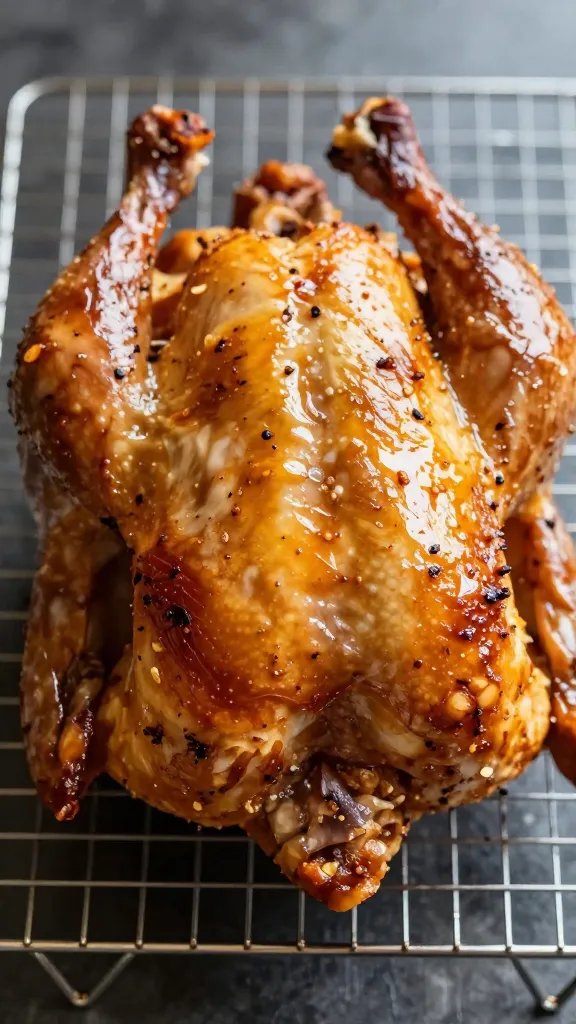
Use a Rack and Airflow
Setting the chicken on a rack lets heat circulate so the glaze sets evenly. It also prevents stewing in juices that thin the sauce.
Brush Choice Matters
Use a silicone brush for easy cleanup or a soft natural bristle for smoother, thinner coats. Either way, avoid overloading the brush.
Final Glaze and Rest
A short, hot finish sets the sugars. After resting, a light last brush adds freshness without making the skin soggy.
More Ways to Use the Sauce
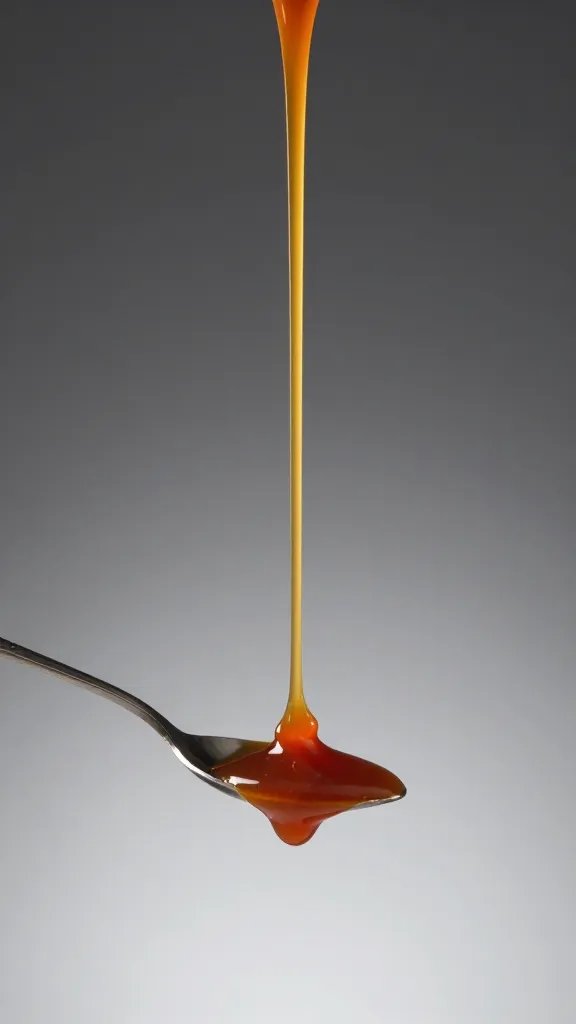
- Glaze grilled drumsticks or thighs in the last 5–7 minutes
- Brush onto skewered vegetables (mushrooms, onions, zucchini)
- Stir 2 tbsp into mayo for a smoky sandwich spread
- Toss with shredded rotisserie chicken for quick BBQ sliders
If you’re grilling alongside steaks, pair with a bright sauce like this red chimichurri variation to cover both smoky and tangy bases.
Frequently Asked Questions
How long does BBQ basting sauce for whole rotisserie chicken keep in the fridge?
Up to 7 days in a sealed container. Rewarm gently before using so it spreads and sets properly. If it’s too thick, add 1–2 teaspoons of water while warming.
Can I make BBQ basting sauce for whole rotisserie chicken ahead of time?
Yes. Make it up to a week ahead or freeze for 3 months. Reheat on low until smooth and glossy, then baste in thin layers.
What’s the best way to prevent the sauce from burning?
Apply during the final 15–20 minutes over medium or indirect heat. Use thin coats and finish with a brief high-heat blast only at the end. Watch closely — sugars turn from perfect to burnt quickly.
Do I need to remove the rotisserie strings before basting?
Yes, snip and remove them so the sauce reaches all the skin. This prevents pale lines and uneven caramelization.
Can I use this sauce on cold rotisserie chicken?
You can, but for a glossy set you’ll want heat. Warm the chicken in a 375°F oven for 10 minutes, then start basting in layers so the glaze adheres.
What internal temperature should I target after glazing?
165°F in the thickest part of the breast. Since the chicken is already cooked, you’re mostly reheating and setting the glaze — avoid overcooking by monitoring temp.
The Bottom Line
A balanced, make-ahead BBQ basting sauce turns a basic rotisserie chicken into a crowd-pleasing centerpiece. Keep coats thin, heat moderate, and finish hot for that sticky, smoky shine.
Planning to try this? Save this post so you can find it when you need it — and tag us when you make it.