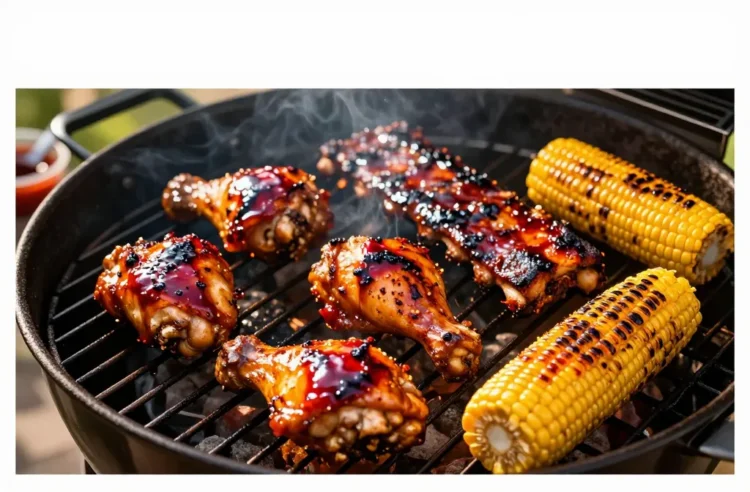
I learned the hard way that a good grill session can fall flat without the right glaze. Dry chicken and bland ribs used to haunt my backyard cookouts until I started building glazes that stick, shine, and taste bold. In this guide, I’ll show you seven proven glazes that balance sweet, heat, and tang using ingredients from any supermarket. You’ll know when to brush, how to avoid burning, and exactly how to get that glossy, lacquered finish people remember.
1. Brown Sugar Bourbon Lacquer: Caramelized Shine Without Burnt Bits
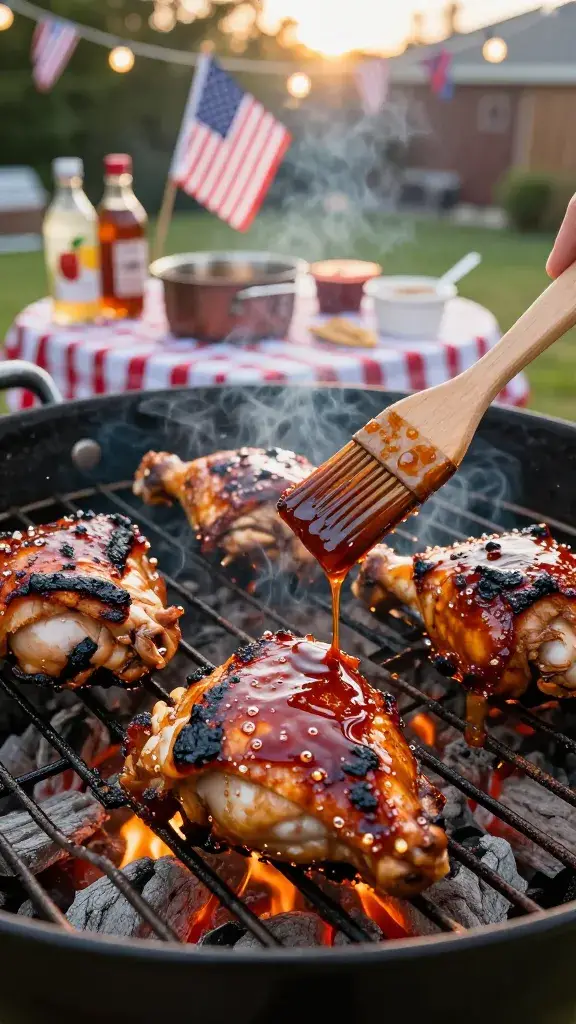
Glazes loaded with sugar turn bitter if you put them on too early. I’ve watched beautiful chicken skin blacken in minutes because the sugar hit direct heat at the wrong time. The fix is timing and a little moisture to keep the sugars dissolved until the last few minutes.
Base Formula
- 1/2 cup ketchup
- 1/3 cup brown sugar, packed
- 1/4 cup bourbon (or apple juice for non-alcoholic)
- 2 tablespoons apple cider vinegar
- 1 tablespoon Worcestershire sauce
- 1 teaspoon Dijon mustard
- 1/2 teaspoon black pepper, 1/4 teaspoon salt
Simmer in a small pot over low heat for 5–6 minutes until glossy. It should coat the back of a spoon but still drip slowly.
How to Use It
- Protein pairings: chicken thighs, bone-in pork chops, grilled portobello caps
- Brush on during the final 5–7 minutes over medium heat, flipping every 1–2 minutes to layer 2–3 coats
- Keep one clean brush and a small bowl of fresh glaze for a final off-heat coat
Action today: Pre-make this glaze in the morning and store it in a jar. Rewarm gently before brushing so it spreads in a thin, even film.
2. Honey-Lime Chili Sticky Glaze: Sweet Heat With Zest That Pops
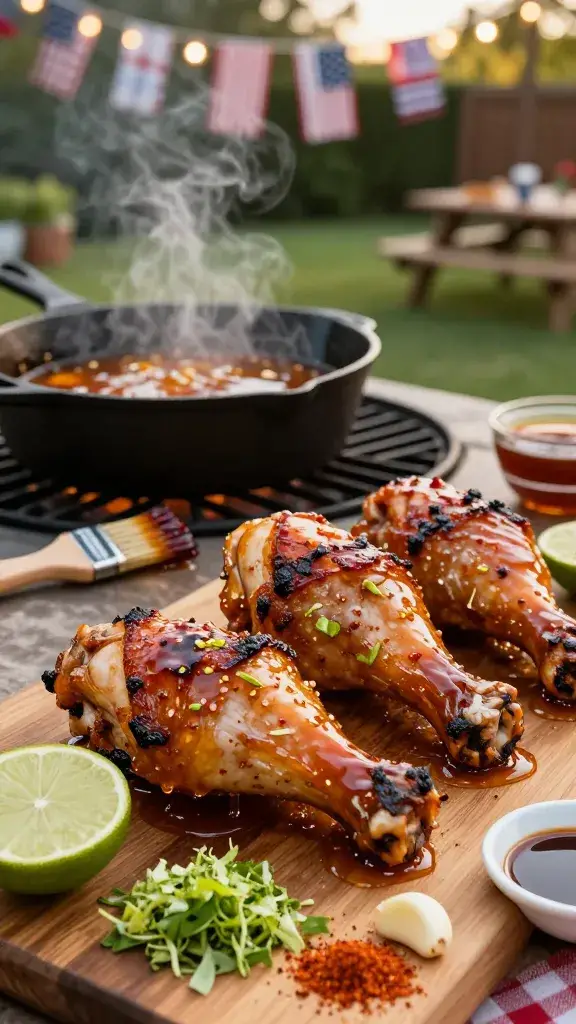
Grilled food can taste heavy if you only lean on brown sugar and smoke. A bright citrus glaze cuts through richness and wakes up the palate. The trick is balancing fresh lime with honey’s stickiness and a controlled kick of chili.
Base Formula
- 1/3 cup honey
- Zest of 1 lime + 2 tablespoons lime juice
- 1 tablespoon soy sauce
- 1 teaspoon chili powder
- 1/2 teaspoon crushed red pepper flakes (reduce to 1/4 teaspoon for mild)
- 1 small garlic clove, grated
Warm on low heat for 2–3 minutes to dissolve honey. Do not boil — you want it fluid, not thick yet.
How to Use It
- Protein pairings: shrimp skewers, salmon fillets, chicken drumettes
- Brush on during the final 3–4 minutes; honey burns faster than brown sugar, so keep heat medium and move pieces if they flare
- Finish with a light squeeze of fresh lime when you pull the food off the grill
Takeaway: Keep the lime zest out of high flames — brush the glaze on, then add a fresh zest sprinkle at the end for a clean citrus pop.
3. Classic Kansas City Mop: Thick, Tangy-Sweet With Gentle Smoke
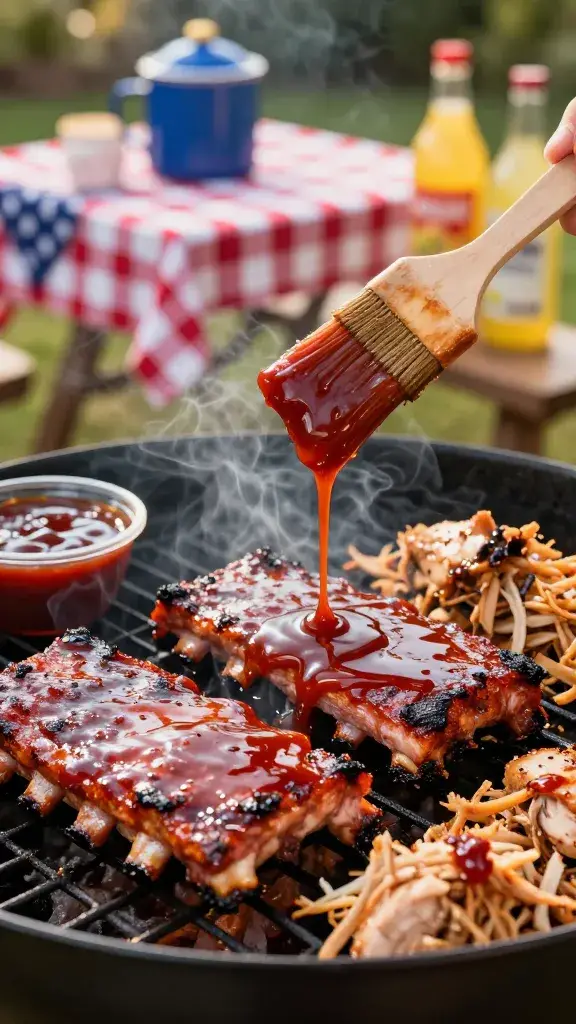
Guests expect that classic American barbecue gloss on ribs and pulled chicken. Thick, tomato-forward glazes can taste flat if the vinegar is missing or the spices are dull. I balance ketchup with apple cider vinegar and a touch of liquid smoke for a backyard-friendly profile.
Base Formula
- 3/4 cup ketchup
- 1/4 cup molasses
- 1/4 cup apple cider vinegar
- 2 tablespoons brown sugar
- 1 tablespoon yellow mustard
- 1 teaspoon smoked paprika
- 1/2 teaspoon onion powder, 1/2 teaspoon garlic powder
- 1/4 teaspoon liquid smoke (optional but effective)
- Salt to taste
Simmer 8–10 minutes until thick. Adjust vinegar 1 teaspoon at a time until tang cuts through sweetness.
How to Use It
- Protein pairings: pork ribs, chicken quarters, meatloaf on the grill
- For ribs: glaze in the final 15–20 minutes at 275–300°F, reapplying every 5 minutes for a deep lacquer
- For chicken: glaze during the last 8 minutes, turning often
Action today: Make a double batch and use half as a sauce at the table — keep the basting portion separate to avoid cross-contamination.
4. Gochujang Maple Fire: Korean-Inspired Heat With Balanced Sweetness
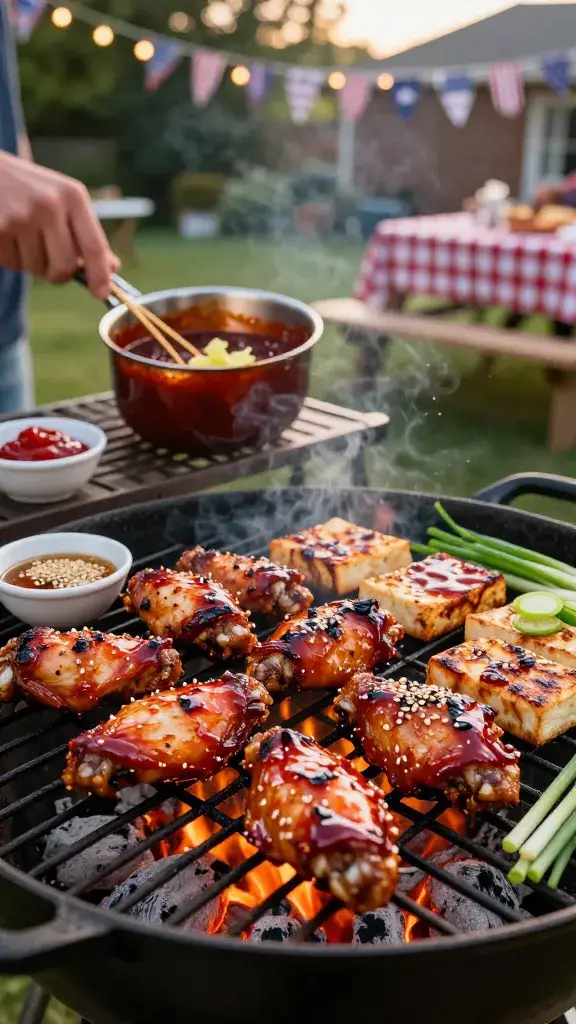
Heat without body tastes harsh. Gochujang delivers chili, umami, and gentle sweetness all in one, and maple syrup helps it cling with a glossy finish. This glaze turns grilled wings and tofu into the plate that disappears first.
Base Formula
- 2 tablespoons gochujang (Korean chili paste)
- 3 tablespoons maple syrup
- 1 tablespoon soy sauce
- 1 tablespoon rice vinegar
- 1 teaspoon sesame oil
- 1 teaspoon grated ginger
Whisk over low heat 2–3 minutes until smooth. Taste: if it’s too spicy, add 1 teaspoon additional maple; if too sweet, another 1/2 teaspoon vinegar.
How to Use It
- Protein pairings: chicken wings, pork belly bites, extra-firm tofu slabs
- Wings: toss grilled wings in a bowl with 1/3 cup of warm glaze, then put back on the grill for 1–2 minutes to set
- Tofu: pat dry, oil lightly, grill to mark, then brush for the last 2–3 minutes
Takeaway: Reserve 2 tablespoons of glaze to brush right after you pull food from the grill — that final coat stays shiny and aromatic.
5. Pineapple-Ginger Rum Glaze: Tropical Caramel That Loves Char
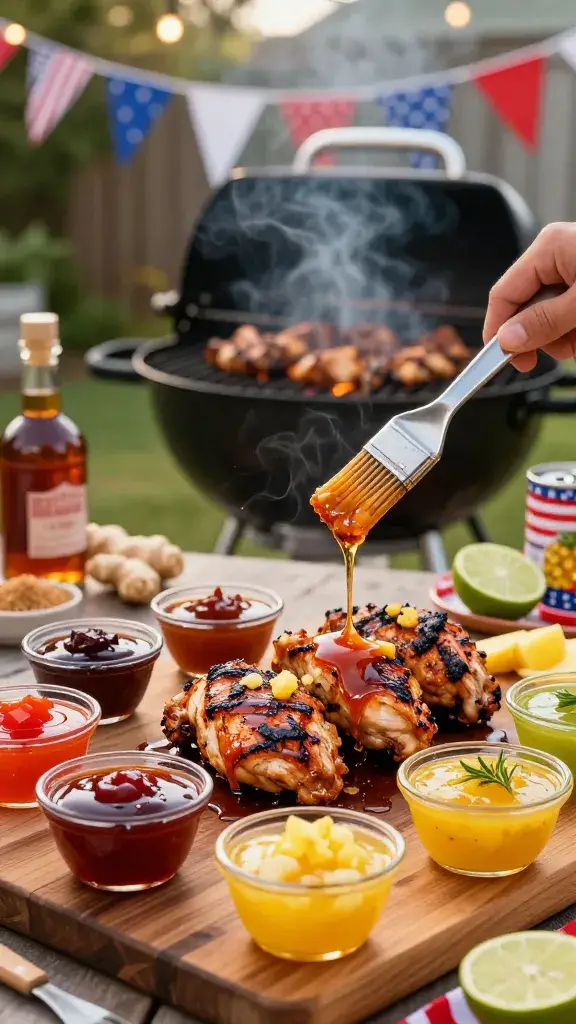
Fruit-forward glazes can taste thin if you don’t reduce them enough. I reduce crushed pineapple with brown sugar so it thickens into a clingy sauce that caramelizes without running. The ginger adds warmth and keeps it from tasting like dessert.
Base Formula
- 1 cup crushed pineapple with juice
- 1/4 cup brown sugar
- 2 tablespoons dark rum (or pineapple juice)
- 1 tablespoon grated fresh ginger
- 1 tablespoon lime juice
- Pinch of salt
Simmer 10–12 minutes, stirring, until reduced by about one-third and syrupy. If chunky, mash lightly with a spoon; you want small bits that cling.
How to Use It
- Protein pairings: grilled ham steaks, shrimp, thick-cut cauliflower “steaks”
- Sear your protein first, then glaze for the last 3 minutes, turning every 45–60 seconds
- For shrimp, glaze off heat in a bowl, then return to grill 30 seconds to set
Action today: If your glaze slides off, simmer 2 more minutes — thickness is the difference between watery and lacquered.
6. Coffee-Chipotle Molasses: Smoky-Bitter-Sweet Depth That Loves Beef
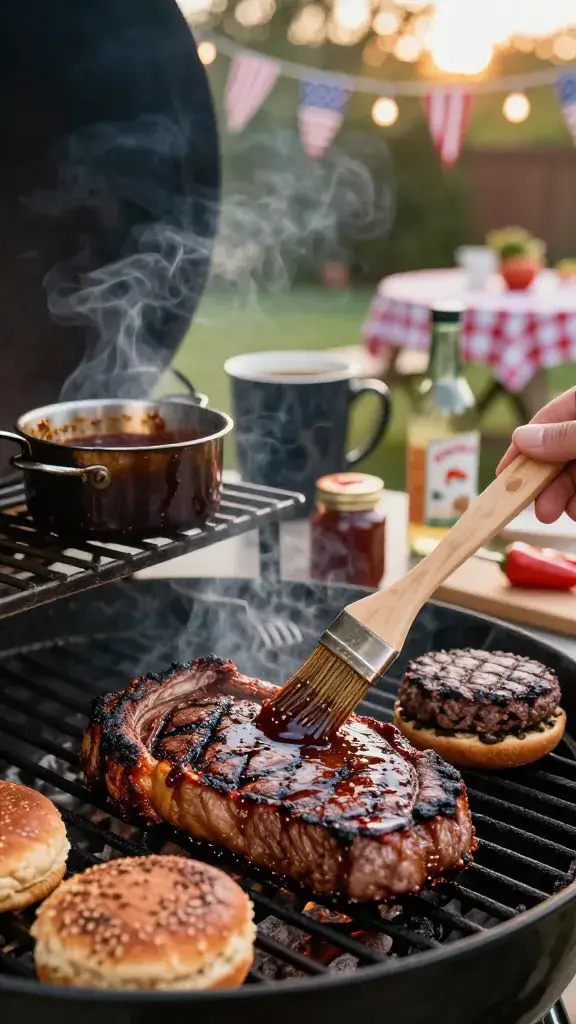
Beef can handle bigger flavors, and this glaze brings smoky heat with gentle bitterness that makes steaks and burgers taste richer. The danger is letting coffee turn acrid or chipotle overwhelm. I keep the coffee brewed but not concentrated, and I balance with molasses and cider vinegar.
Base Formula
- 1/2 cup brewed coffee (room temp, medium strength)
- 2 tablespoons molasses
- 1 tablespoon tomato paste
- 1 tablespoon apple cider vinegar
- 1 teaspoon chipotle in adobo, minced (plus 1 teaspoon sauce)
- 1 teaspoon brown sugar
- Pinch of salt
Simmer 6–8 minutes until slightly reduced. Taste for salt and heat; add another 1/2 teaspoon brown sugar if it leans bitter.
How to Use It
- Protein pairings: skirt steak, grilled burgers, portobello mushrooms
- Brush on during the last 2–3 minutes only — too early and coffee notes can scorch
- For burgers: brush top side after the final flip, then again right after you pull them
Takeaway: Keep this glaze thin and glossy; if it gets syrupy, whisk in 1 tablespoon water to prevent scorching on high heat.
7. Garlic-Soy Sesame Shine: Fast Umami Glaze for Weeknight Grilling
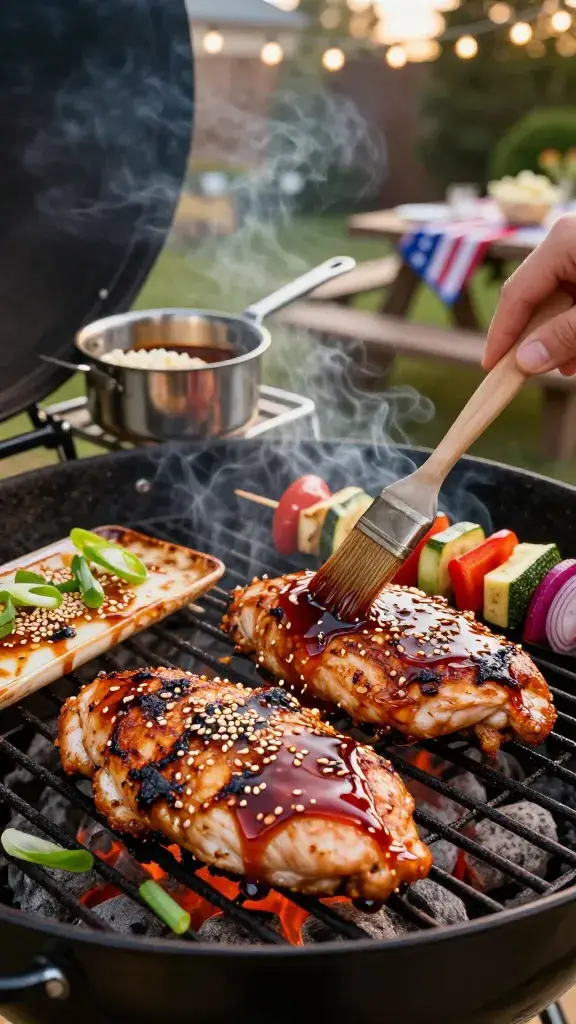
Sometimes you need a glaze you can make while the grill preheats. This one is salty-sweet and sticky in five minutes, and it saves dry chicken breasts or quick veggie skewers. The sesame oil adds aroma that makes it taste like you marinated overnight.
Base Formula
- 1/4 cup soy sauce
- 2 tablespoons brown sugar or honey
- 1 tablespoon rice vinegar or apple cider vinegar
- 1 tablespoon sesame oil
- 2 garlic cloves, grated
- 1/2 teaspoon cornstarch whisked into 1 tablespoon water (slurry)
Simmer soy, sugar, vinegar, oil, and garlic for 2 minutes. Whisk in slurry, cook 30–60 seconds until it turns glossy and slightly thick.
How to Use It
- Protein pairings: chicken breast, turkey tenderloins, zucchini and bell pepper skewers
- Brush on during the final 3–4 minutes; flip every minute to layer thin coats
- Sprinkle toasted sesame seeds and sliced scallions after grilling for texture and color
Action today: Mix a double batch and keep it in the fridge up to one week; reheat gently and thin with a teaspoon of water if needed.
Frequently Asked Questions
When should I start glazing to avoid burning?
Apply glazes during the last 3–10 minutes of cooking, depending on sugar content. High-sugar glazes like honey or brown sugar go on in the final 3–5 minutes over medium heat. Thicker, tomato-based mops can start around 10 minutes from done at lower heat. Watch for a glossy sheen and light bubbling — that’s your cue it’s setting, not scorching.
How do I get a thick, shiny glaze that actually sticks?
Start with a warm glaze and warm meat — cold sauces slide off. Simmer your glaze until it coats the back of a spoon, then brush on thin layers, flipping every 60–90 seconds. Two to three coats build shine without dripping. Finish with one last brush after you pull the food to lock in gloss.
What if my glaze is too spicy or too sweet?
To tame heat, add 1–2 teaspoons of a sweetener (honey, brown sugar, or maple) and a splash of vinegar to keep balance. To reduce sweetness, stir in 1 teaspoon vinegar at a time and a pinch of salt. Taste warm, not cold — flavors show more accurately. Adjust before you start brushing to avoid uneven results.
Can I glaze on a charcoal grill without flare-ups?
Yes — build a two-zone fire: hot coals on one side, no coals on the other. Sear over the hot side first, then move to the cool side to glaze and set the sauce. Keep the lid cracked and a spray bottle of water nearby for small flare-ups. If you see heavy flames, shift food to the cool zone immediately and continue glazing there.
Is it safe to use leftover glaze that touched raw meat?
No — once a brush or bowl has contacted raw meat, treat that glaze as contaminated. If you want to serve glaze at the table, split your batch at the start into two bowls and keep one strictly for serving. If you forgot, you can boil the used glaze at a steady simmer for 3 minutes to make it safe, but the flavor can dull. It’s better to keep a clean portion separate.
How do I know the meat is done if I’m glazing a lot?
Use a simple instant-read thermometer from the hardware or grocery store. Check at the thickest part: 165°F for chicken, 145°F for pork (rest to 150°F), 125–135°F for medium-rare beef steaks depending on preference. Insert the thermometer from the side to avoid hitting bone. Glaze after the temp is within 5–10 degrees of your target so the finish sets while it coasts to done.
Conclusion
With these seven glazes, you’ll turn basic grilled proteins into glossy, craveable plates that taste like you spent all day prepping. Pick one, pre-simmer it now, and plan your final 5–10 minutes on the grill around layering thin coats. Next step: choose your protein and set up a two-zone fire — shine and flavor are just a few brushes away.
You might also love Breakfast Taco Bar – A Fun, Flavor-Packed Way to Start th….
You might also love Snickers Cheesecake Brownies – Fudgy, Creamy, and Loaded ….
You might also love Pumpkin Honey Muffins – Cozy, Lightly Sweet, and Perfect ….