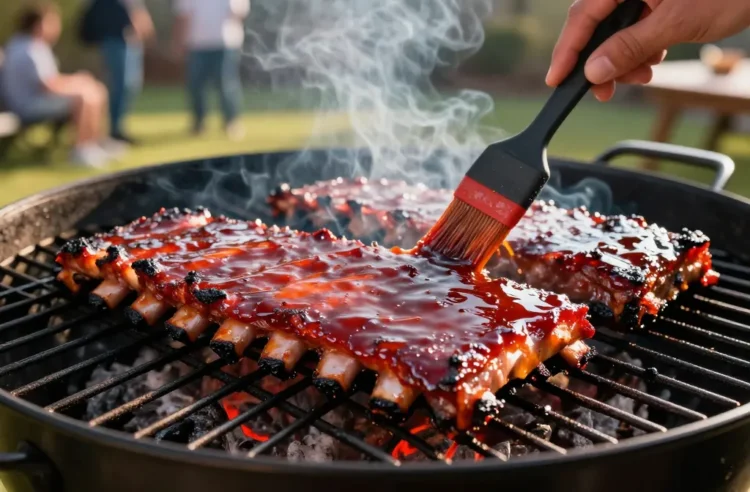
- Best for: Weekend rib cooks, tailgates, and backyard parties
- Make ahead: Yes — up to 7 days in the fridge, 3 months frozen
- Serves: Enough sauce for 2 racks of spare ribs (about 2 cups)
- Key tip: Brush sauce in thin layers during the last 20 minutes to set a glossy glaze without burning
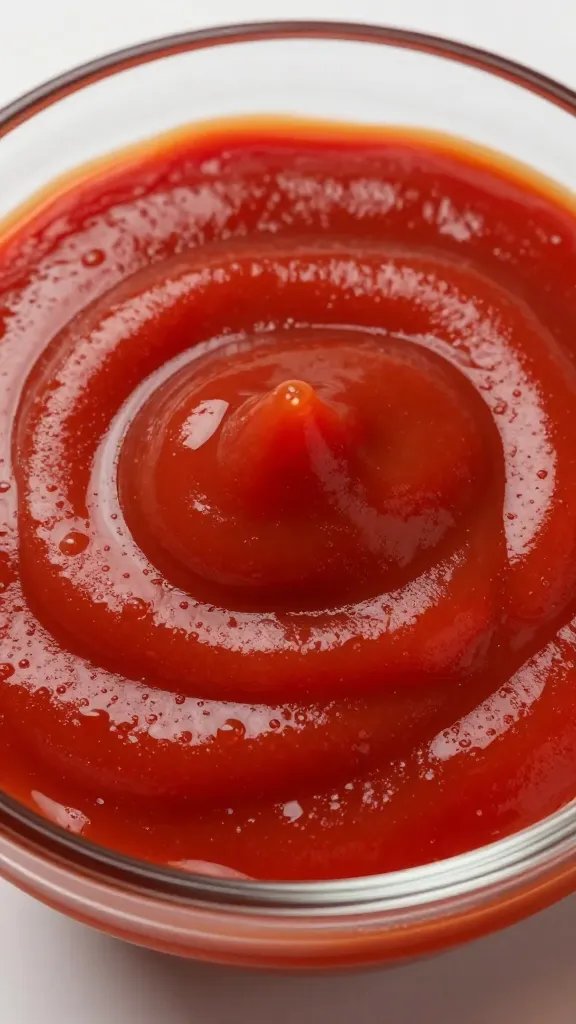
St. Louis BBQ Sauce for Spare Ribs — Sweeter Than Kansas City — leans into molasses and brown sugar, but keeps a tangy backbone. It’s built for rib bark: sticky, shiny, and just thick enough to cling. Expect familiar ketchup vibes, a touch of smoke, and a pop of apple cider vinegar to balance the sweetness. You’ll get a clear recipe, timing cues, and pro tips for perfect, lacquered spare ribs.
Why St. Louis Sauce Is Its Own Thing
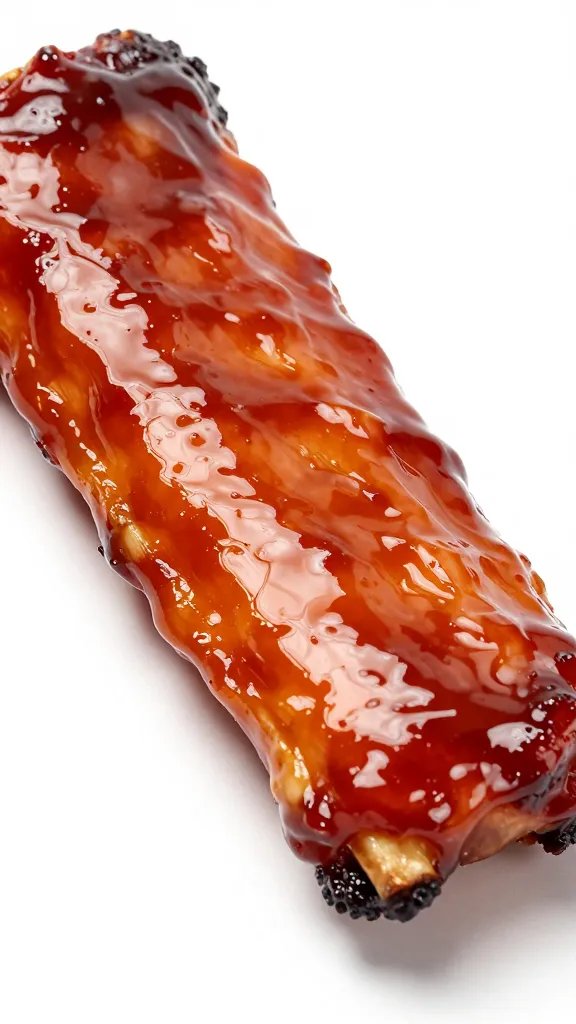
St. Louis-style sits between Kansas City and Memphis. It’s tomato-forward like KC, but a notch lighter on molasses and heavier on vinegar for zip. It’s sweeter than KC when tailored to spare ribs because ribs can handle (and need) that sugar for a proper glaze.
Think of it as balanced sweet-tang with gentle heat. It’s designed to caramelize in layers without turning bitter or pasty.
Core Flavor Profile: Sweet, Tangy, Glossy
- Sweet: Brown sugar and molasses for depth and shine
- Tang: Apple cider vinegar and a splash of yellow mustard
- Umami: Worcestershire and tomato paste to round the edges
- Heat: Black pepper and a pinch of cayenne — background, not dominant
- Smoke: Smoked paprika for consistency, even if your pit’s mellow
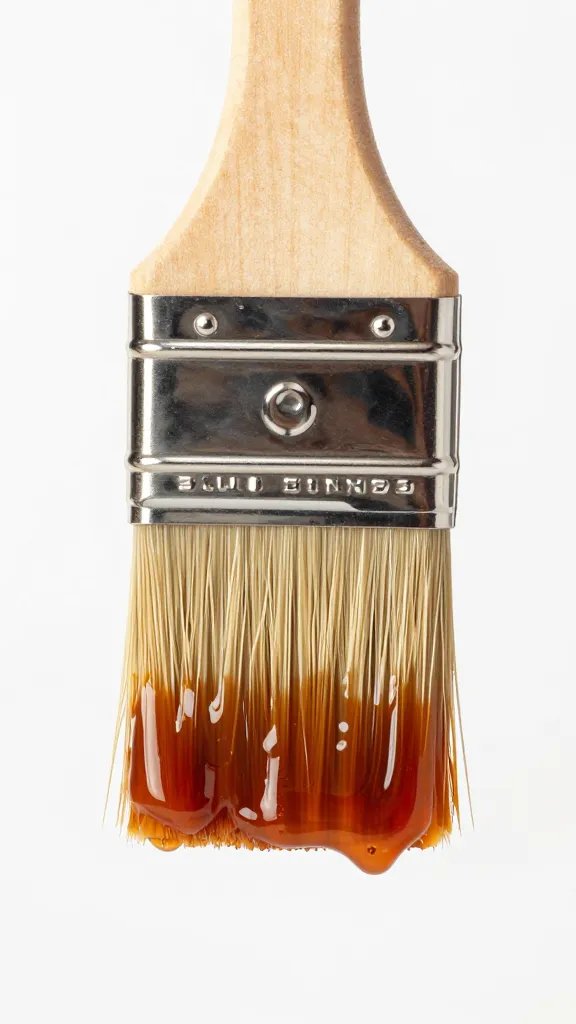
Texture matters. You want a sauce that ribbons off a spoon and clings to rib bark. Too thin, it runs. Too thick, it scorches.
St. Louis BBQ Sauce Recipe (Made for Spare Ribs)
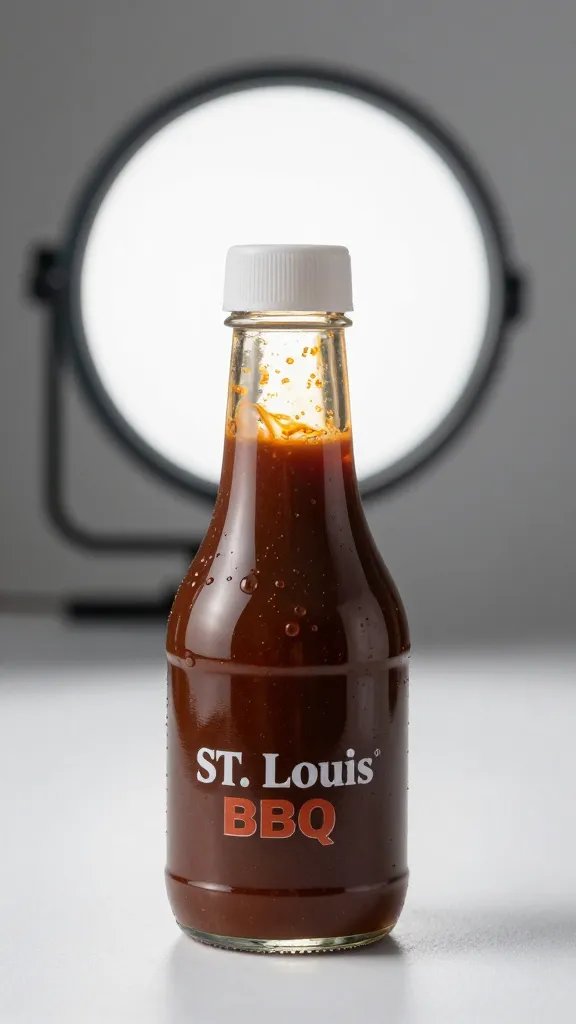
Ingredients (about 2 cups)
- 1 cup ketchup
- 1/3 cup apple cider vinegar
- 1/3 cup dark brown sugar, packed
- 2 tablespoons molasses
- 2 tablespoons yellow mustard
- 2 tablespoons Worcestershire sauce
- 2 tablespoons tomato paste
- 1 teaspoon smoked paprika
- 1 teaspoon onion powder
- 3/4 teaspoon garlic powder
- 3/4 teaspoon kosher salt
- 1/2 teaspoon black pepper
- 1/4 teaspoon cayenne pepper (optional, to taste)
- 1/3 cup water (plus 2–3 tablespoons more if needed)
Instructions
- Whisk everything in a saucepan over medium heat. Add the water last to control thickness.
- Bring to a gentle simmer, then reduce heat to medium-low. Simmer 8–10 minutes, whisking occasionally, until glossy and slightly thickened.
- Taste. If it’s too bold, add 1–2 tablespoons water. If you want more tang, add 1–2 teaspoons vinegar. Keep it pourable.
- Cool 10 minutes. It will thicken further as it rests.
Make-ahead tip: Store in a jar; chill overnight for best flavor meld.
How to Use It on Spare Ribs
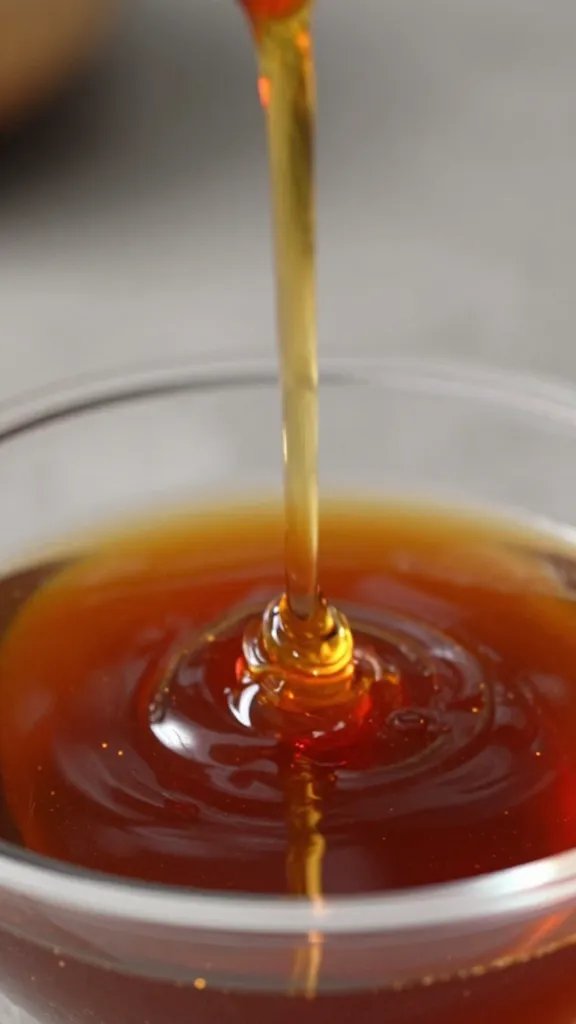
Timing the Glaze
- Cook ribs dry (rub only) until they’re tender and the bark is set. For 275°F, that’s often around the 3–3.5 hour mark for spare ribs, depending on thickness and your method.
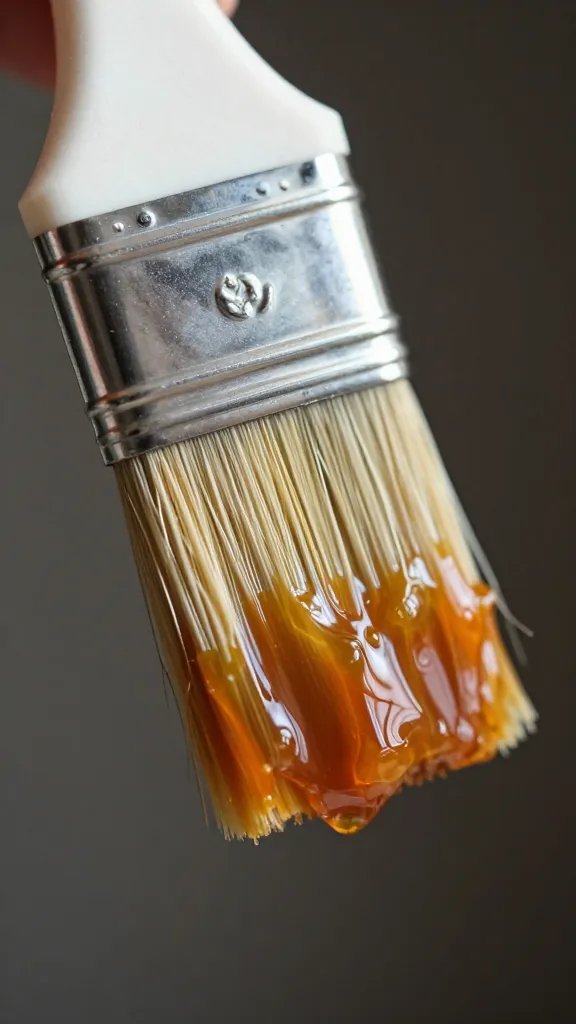
- Glaze in stages during the final 20–30 minutes: brush a thin layer every 7–10 minutes to set.
- Finish with a rest of at least 10 minutes, lightly tented, to lock in the shine.
Don’t Burn the Sugar
- Keep pit or oven at 250–300°F once you start saucing.
- Use thin coats. Thick globs bubble and scorch.
- If you like a sticky finish, give a final brush and let it set for just 3–5 minutes.
Dial It In: Variations That Still Read “St. Louis”
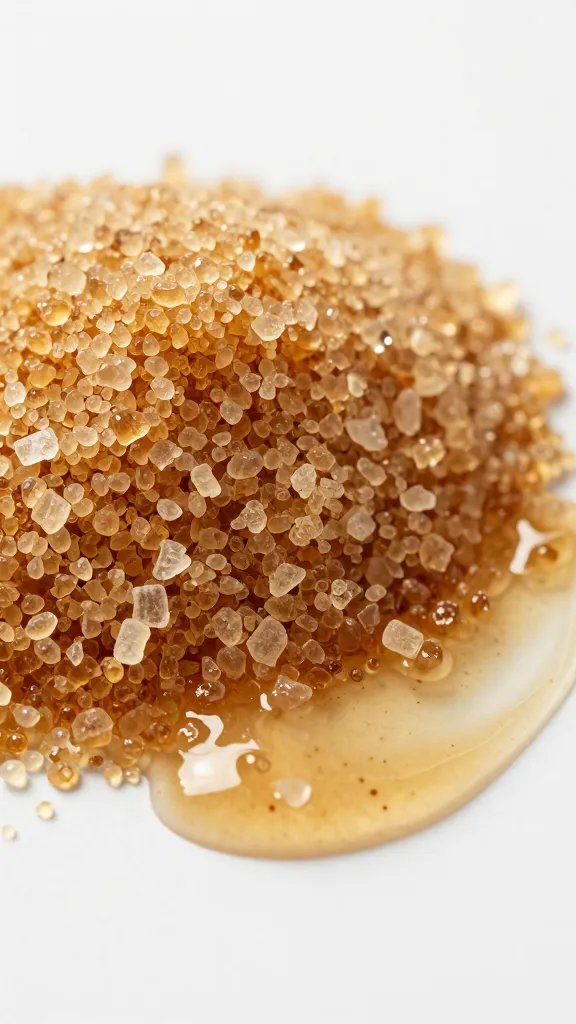
- Extra Sweet: Add 1 tablespoon honey at the end for sheen.
- More Tang: Swap 1 tablespoon cider vinegar for white vinegar for a sharper pop.
- Heat Lover: Stir in 1 teaspoon hot sauce or 1/4 teaspoon chipotle powder.
- Smokier: Add 1/4 teaspoon liquid smoke — use sparingly; it’s potent.
- Low-Sugar: Use a no-sugar ketchup and a brown sugar substitute; simmer gently and extend by 2 minutes to tighten.
Pairings and Serving Ideas
Serve ribs with acid-forward sides to balance the sweet glaze. Think vinegar slaw, quick-pickled onions, or charred green beans with lemon. Cornbread or grilled corn play well with the molasses notes.
Want a counterpoint sauce on the table? Offer something bright like this chimichurri recipe for folks who prefer herby heat with bites of rib meat.
From My Kitchen: What Actually Works
The sauce needs a full 8-minute simmer to set the body; at 5 minutes it looks right but slides off ribs. I brush in three light coats at 8-minute intervals at 275°F — that timing consistently sets a lacquer without burned edges. When scaling up, I increase every ingredient equally except salt by 75%; the sauce concentrates as it holds. If you plan to hold sauced ribs, stop one coat early and finish the last brush right before serving — the shine looks fresh and the bark stays defined.
Smart Storage and Make-Ahead
- Fridge: 7 days in a sealed jar.
- Freezer: Up to 3 months. Thaw overnight and whisk; add a splash of water if too thick.
- Reheat: Low heat until just warm and glossy — avoid boiling after the first cook.
Batch cooking ribs for a party? Make the sauce two days ahead and prep a non-sweet green sauce as a foil, like the fresh herb chimichurri variation that brightens rich meats.
Frequently Asked Questions
How long does St. Louis BBQ Sauce for Spare Ribs keep in the fridge?
It keeps well for about 7 days in a sealed container. The flavors actually improve on day two. If it thickens in the fridge, whisk in 1–2 teaspoons of water while reheating gently.
Can I make St. Louis BBQ Sauce for Spare Ribs ahead of time?
Yes. Make it up to a week in advance or freeze for 3 months. Rewarm on low heat and adjust thickness with a splash of water or vinegar to taste.
What’s the best way to sauce spare ribs without burning?
Apply thin coats during the last 20–30 minutes at 250–300°F. Let each layer set before adding the next. Avoid heavy, sugary swipes early in the cook; they’ll scorch before the ribs are tender.
Is St. Louis rib sauce sweeter than Kansas City sauce?
For ribs, this version leans sweeter but uses more vinegar for balance. That combo gives a glossy finish that reads sweet first, tangy second — ideal for spare ribs’ rich bark.
Can I use this sauce on other meats?
Absolutely. It’s great on chicken thighs, pulled pork, and even grilled sausages. For chicken, lower the heat slightly when saucing to prevent sugar burn and keep the skin crisp.
What if my sauce tastes too sweet?
Whisk in 1–2 teaspoons apple cider vinegar and a pinch of salt. If it’s also too thick, add 1–2 tablespoons water and simmer 1 minute to re-balance.
The Bottom Line
This St. Louis-style sauce brings a rib-ready balance: molasses-kissed sweetness, clean tang, and a gloss that sets without burning. Make it ahead, glaze in layers, and serve with something bright on the side — your spare ribs will carry the table.
Planning to try this? Save this post so you can find it when you need it — and tag us when you make it.
You might also love Best Salad Containers 2026: Stop Throwing Away Wilted Gre….
You might also love Gingerbread Oreo Cookie Balls – A Festive No-Bake Treat.
You might also love Lemon Mug Cake – Bright, Fast, and Comforting.
You might also love Cannoli Dip – A Creamy, Crowd-Pleasing Dessert.
Pingback: Make-Ahead Spinach & Feta Puff Pastry Pinwheels Recipe: Storage, Transport + Serving Tips (No Soggy Snacks) - Whaley Cooks
Pingback: Brownie Bites Peanut Butter Frosting – Small Treats With Big Flavor - Whaley Cooks
Pingback: Red Velvet Cupcakes – Soft, Velvety, and Perfectly Tangy - Whaley Cooks