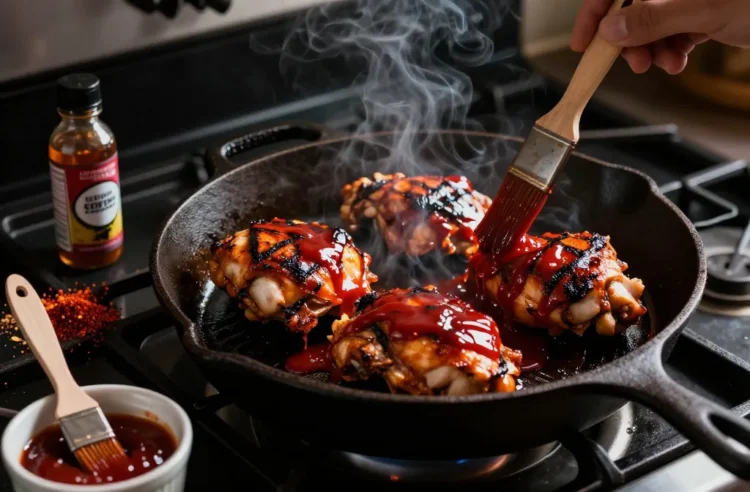
- Best for: Backyard grilling when you want deep smoke flavor fast
- Make ahead: Yes — up to 1 week in the fridge, 3 months frozen
- Serves: About 2 cups of sauce — enough for 12–16 servings
- Key tip: Layer two smoke sources (liquid smoke + smoked spices) and simmer 10 minutes
Want big smoke flavor without a smoker? You can absolutely do it with pantry ingredients and a stovetop. Here’s how to make BBQ sauce smokier without a smoker using layered aromatics, the right acids, and a quick simmer that wakes everything up. You’ll get specific ingredients, tested ratios, and simple methods to dial in mild, medium, or bold smoke — plus storage tips and smart swaps.
Start With a Balanced Base
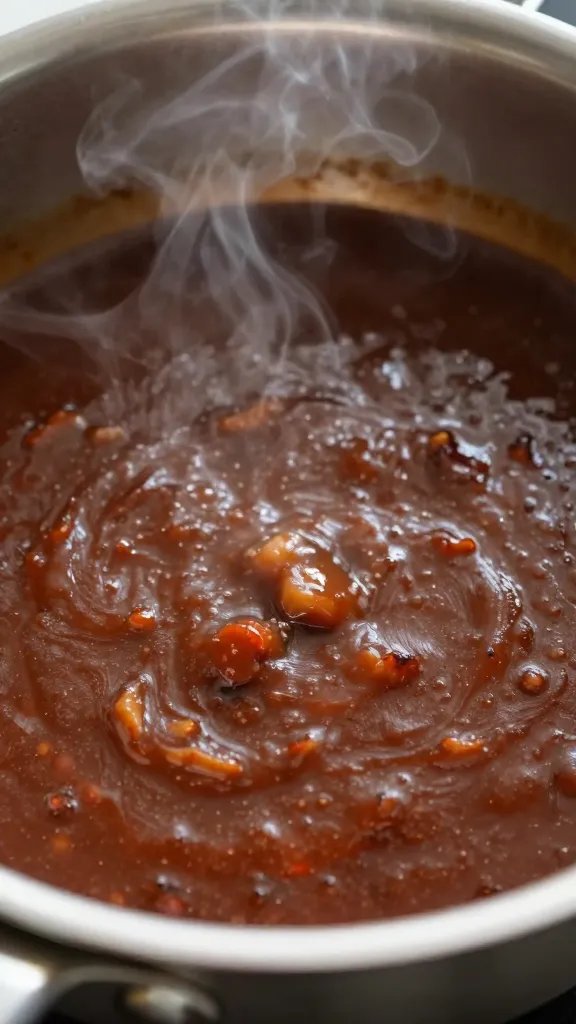
Great smoke rides on a solid foundation. Build a classic base so the smoke tastes intentional, not harsh. Aim for a sweet-tangy-salty backbone first, then add smoke.
- Tomato: 1 cup ketchup or 3/4 cup tomato sauce + 1 tbsp tomato paste
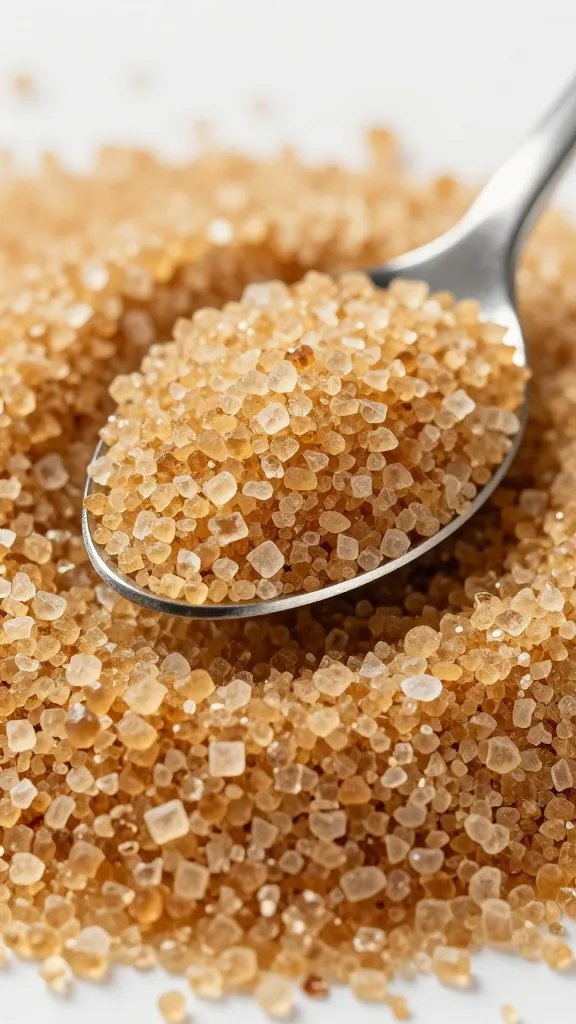
- Sweet: 1/4 cup brown sugar or 3 tbsp maple syrup
- Acid: 1/4 cup apple cider vinegar (or 2 tbsp each cider vinegar + white vinegar)
- Salt/Savory: 1–1.5 tsp kosher salt + 1 tbsp Worcestershire
- Heat (optional): 1/2–1 tsp cayenne or hot sauce
Why balance first? Smoke is an accent. If the base is flat, more smoke tastes medicinal. With a rounded base, even a small amount of smoke reads as rich and “barbecue.”
Layer Your Smoke: Two Is Better Than One
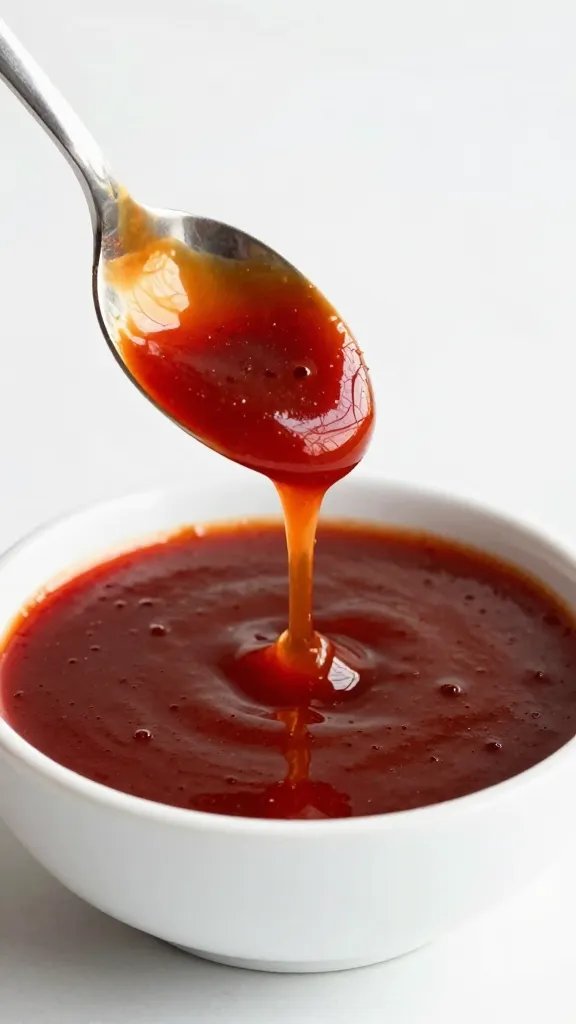
Use at least two smoke sources for depth. Think of it like stereo sound — fuller and more natural.
1) Liquid Smoke (Use the Right Amount)
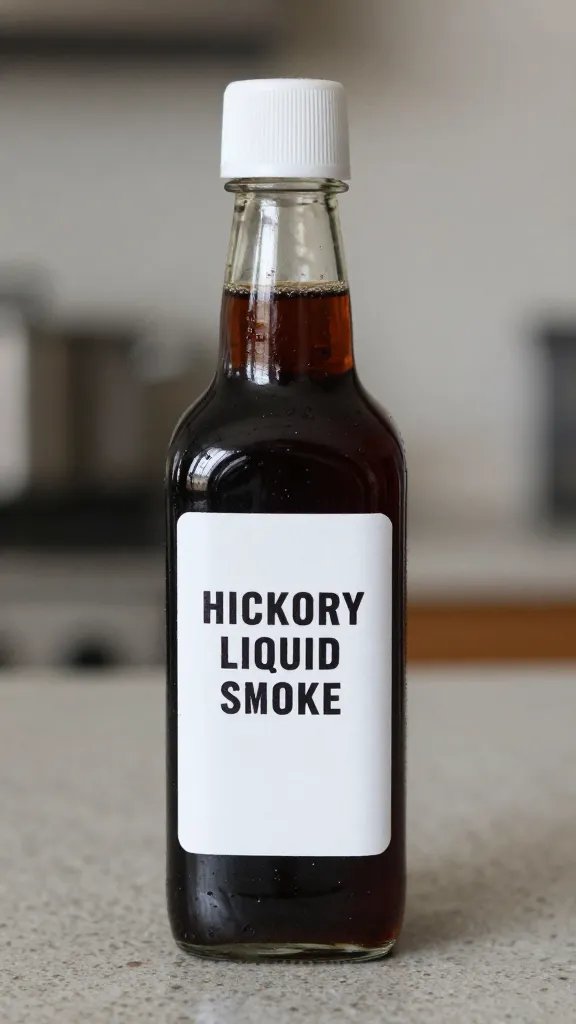
- Hickory or mesquite liquid smoke: Start with 1/2 tsp per cup of sauce for mild, 1 tsp for medium, 1.5 tsp for bold.
- Add early: Stir into the base before simmering so it integrates instead of sitting on top.
Tip: Different brands vary in intensity. Add half, taste after simmering, then adjust.
2) Smoked Pantry Ingredients
- Smoked paprika: 1–2 tsp adds round, gentle smoke and color.
- Chipotle in adobo: 1 minced pepper + 1 tsp adobo sauce for smoky heat.
- Smoked salt: Swap 1/2 of your salt for smoked salt for a clean, dry smoke note.
- Blackstrap molasses: 1–2 tsp for a dark, subtly smoky bitterness that deepens flavor.
Choose two to start: liquid smoke + smoked paprika is reliable and balanced.
“Faux Smoke” Techniques That Actually Work
No grill? No problem. These quick moves add real depth without gear.
- Toast your spices: Warm paprika, cumin, and pepper in 1 tsp oil over medium heat for 30–45 seconds until fragrant. Blooming unlocks smoky notes.
- Onion-garlic base: Sauté 1/2 minced onion and 2 minced garlic cloves in 1 tbsp oil until lightly browned. The fond mimics charred flavor.
- Pan deglaze: Splash 2 tbsp apple cider vinegar or bourbon to lift browned bits into the sauce.
- Char the tomato paste: If using paste, cook it in the pan for 60–90 seconds until brick red. It adds roasty complexity.
Simmer Time: The Ten-Minute Rule
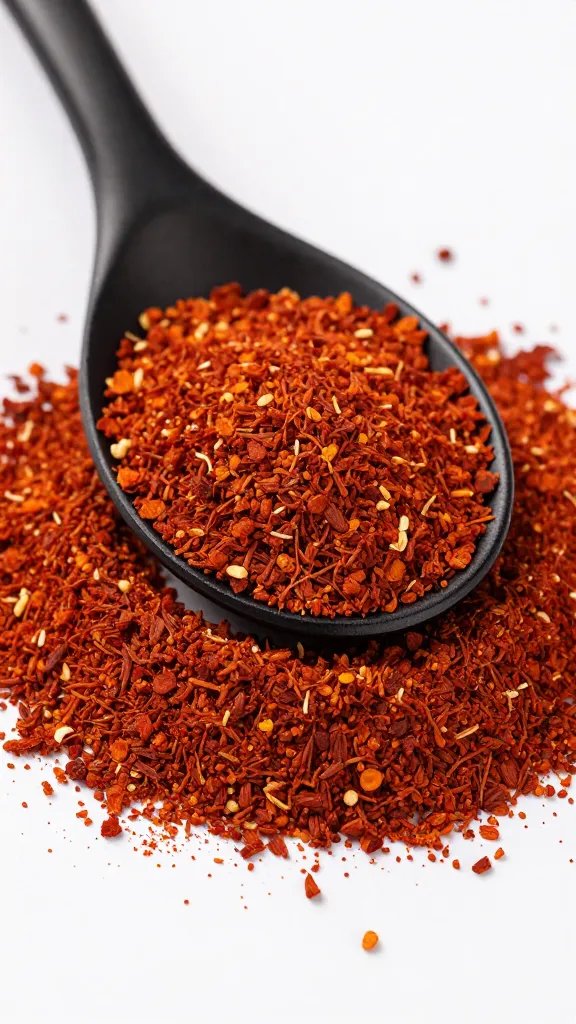
Heat marries flavors and rounds off sharp edges. Give your sauce a brief simmer to smooth the smoke.
- Combine base + smoke layers in a saucepan.
- Bring to a gentle bubble over medium heat.
- Simmer 8–10 minutes, stirring occasionally, until slightly thickened.
- Taste. If you want more smoke, add 1/4 tsp liquid smoke at a time and simmer 1 minute between additions.
Don’t boil hard. Aggressive heat can make smoke taste acrid and sugars burn.
Dial In Your Style: Regional Profiles Without a Smoker
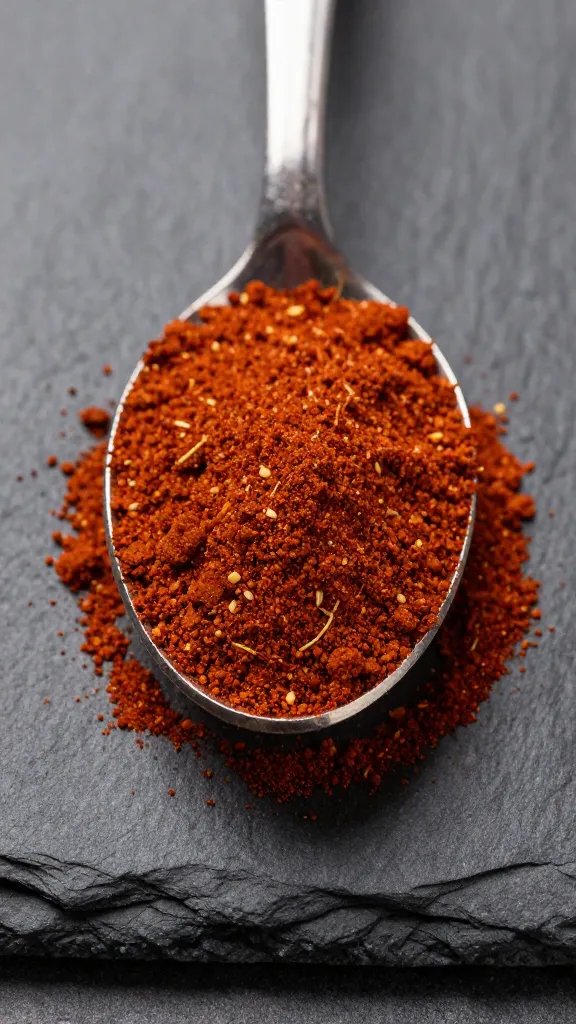
Customize smoke to match the vibe you love.
- Kansas City–Style (thick, sweet): Extra ketchup, brown sugar, smoked paprika, 1 tsp hickory liquid smoke. Optional: a touch of molasses.
- Texas–Style (bold, peppery): Tomato sauce + tomato paste, black pepper, cumin, chipotle in adobo, 1–1.5 tsp mesquite liquid smoke.
- Memphis–Style (tangy, balanced): Equal ketchup and cider vinegar, brown sugar, Worcestershire, smoked paprika, 1/2–1 tsp hickory smoke.
- Carolina Red (vinegar-forward): More cider vinegar, less tomato, pinch of smoked salt, dash of liquid smoke, cayenne.
Serving pulled pork tonight? Pair a Carolina profile with a hint of molasses for body.
How to Make BBQ Sauce Smokier Without a Smoker: Step-by-Step
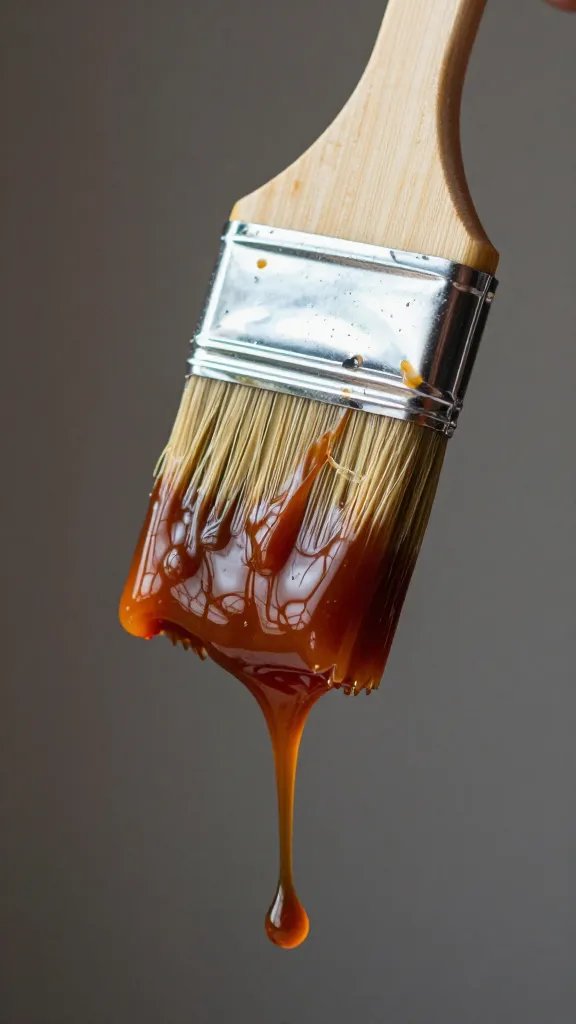
- Sauté aromatics: 1 tbsp oil, 1/2 minced onion, 2 minced garlic cloves until lightly browned.
- Bloom spices: 1–2 tsp smoked paprika, 1/2 tsp cumin, 1/2 tsp black pepper, 30 seconds.
- Deglaze: 2 tbsp cider vinegar or 1 tbsp bourbon + 1 tbsp water.
- Build base: 1 cup ketchup, 1/4 cup brown sugar, 1/4 cup cider vinegar, 1 tbsp Worcestershire, 1 tsp kosher salt.
- Add smoke: 1/2–1 tsp liquid smoke to start + optional 1 minced chipotle.
- Simmer: 8–10 minutes until glossy and slightly thick.
- Adjust: More vinegar for tang, more sugar for balance, 1/4 tsp liquid smoke at a time for bolder flavor.
Finish with acid (1 tsp cider vinegar or lemon juice) off heat to brighten and keep smoke from feeling heavy.
Smart Add-Ins That Amplify “Grill” Vibes
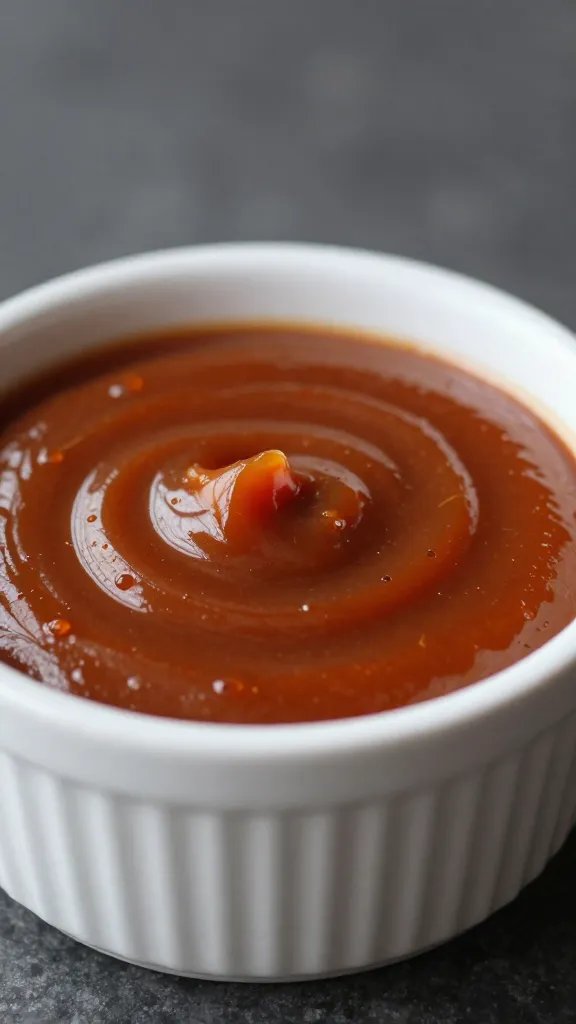
- Mustard: 1–2 tsp Dijon or yellow for tang and backbone.
- Bourbon or coffee: 1–2 tbsp bourbon (simmer off alcohol) or 2 tbsp strong coffee for roasty depth.
- Butter: 1 tbsp at the end for shine and roundness, especially for chicken.
- Umami: 1 tsp soy sauce or fish sauce for savoriness that makes smoke pop.
Keep add-ins modest so smoke stays the headline, not the footnote.
From My Kitchen: What Actually Works
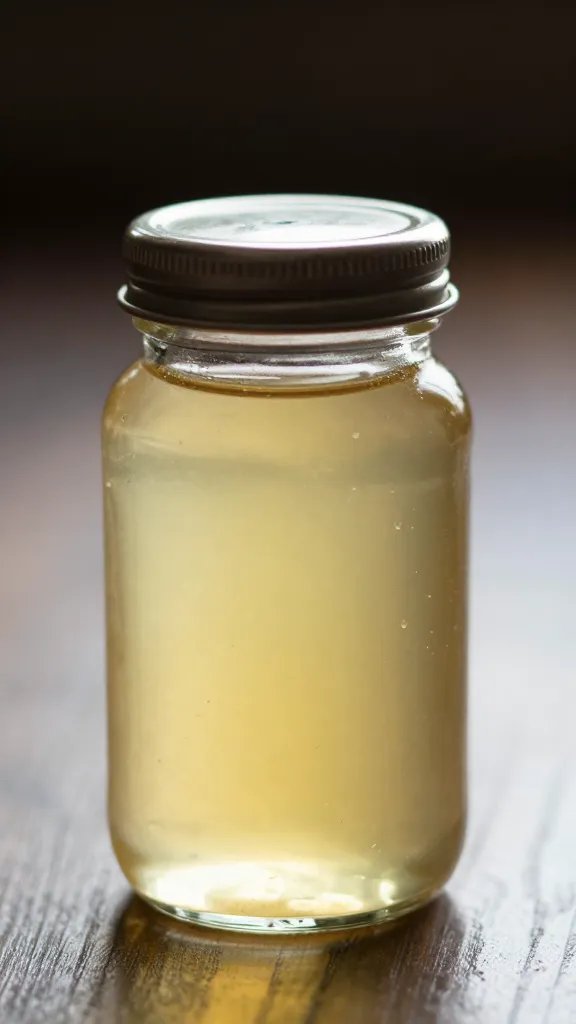
The biggest difference-maker for me is simmer time. Eight to ten minutes transforms sharp liquid smoke into a rounded note — at five minutes it still tastes pointy. I also measure liquid smoke with a 1/4-teaspoon spoon so I can creep up on the flavor; once you overshoot, it’s hard to pull back. For make-ahead, I scale everything normally except salt — I cut salt by about 25% because the sauce concentrates a bit as it sits and reheats.
Serving, Storing, and Make-Ahead Tips
- Rest before serving: Let the sauce cool 15 minutes. Flavors settle and smoke integrates.
- Brush late: If grilling, baste meat in the last 5–10 minutes to prevent sugar scorching.
- Fridge: Airtight for up to 1 week. Smoke softens and melds by day 2.
- Freeze: Up to 3 months. Thaw overnight; whisk and warm gently.
- For a crowd: Double or triple; add smoke to taste at the end — larger batches need surprisingly little extra.
If you’re planning a mixed grill, pair this with bright sides like this chimichurri recipe to cut through richness. For poultry nights, a quick-cook marinade like these grilled chicken thighs takes smoke beautifully with a final glaze.
Frequently Asked Questions
How much liquid smoke should I use for a 2-cup batch?
Start with 1 tsp for medium smoke. After a 10-minute simmer, taste and add up to 1/2 tsp more in 1/4-tsp increments, simmering 1 minute after each addition. Different brands vary in strength.
Can I make BBQ sauce smokier without a smoker using paprika alone?
Smoked paprika helps, but it’s best paired with a small amount of liquid smoke. The combo delivers both depth and the signature “grill” note. Try 1.5 tsp smoked paprika plus 3/4–1 tsp liquid smoke.
How long does smoky BBQ sauce keep in the fridge?
Up to 1 week in an airtight container. The flavor improves after 24 hours as the smoke integrates. Stir before using as separation can occur.
Can I freeze homemade smoky BBQ sauce?
Yes. Freeze for up to 3 months in portioned containers. Thaw in the fridge and rewarm gently, then brighten with a splash of vinegar or lemon if needed.
What’s the best way to serve this sauce for a crowd?
Keep it warm in a small slow cooker on the “warm” setting with a ladle. Offer a mild batch and a bolder batch labeled “spicy/smoky” so guests can choose. Brush meats near the end of cooking and pass extra at the table.
How do I fix a sauce that’s too smoky?
Balance with acidity and sweetness: add 1–2 tsp cider vinegar and 1–2 tsp brown sugar, then simmer 2 minutes. You can also dilute with more tomato base or stir in 1–2 tbsp unsalted butter to soften edges.
The Bottom Line
You don’t need a smoker to get convincing barbecue flavor. Build a balanced base, layer two smoke sources, and give it a patient 10-minute simmer — that’s the formula for a rich, smoky sauce anytime.
Planning to try this? Save this post so you can find it when you need it — and tag us when you make it.