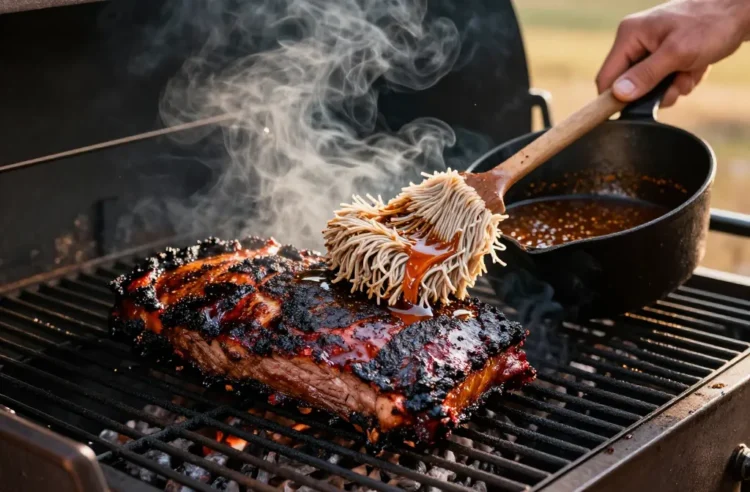
- Best for: Long cooks on the smoker, especially brisket and pork shoulder
- Make ahead: Yes — up to 7 days refrigerated
- Serves: About 2 cups; enough to mop a 12–14 lb brisket or 8–10 lb shoulder
- Key tip: Keep the mop warm and thin; cold, thick sauce tightens bark
Texas Mop Sauce for Brisket and Pork Shoulder is all about keeping meat juicy during long smokes without turning the bark soggy. Think tangy, peppery, and light — more like seasoned vinegar than barbecue glaze. It adds brightness while helping smoke cling. In this guide, you’ll get a classic mop recipe, exact ratios, when to use it, and how to adapt it for different pits and cuts.
What Makes a Texas Mop Different
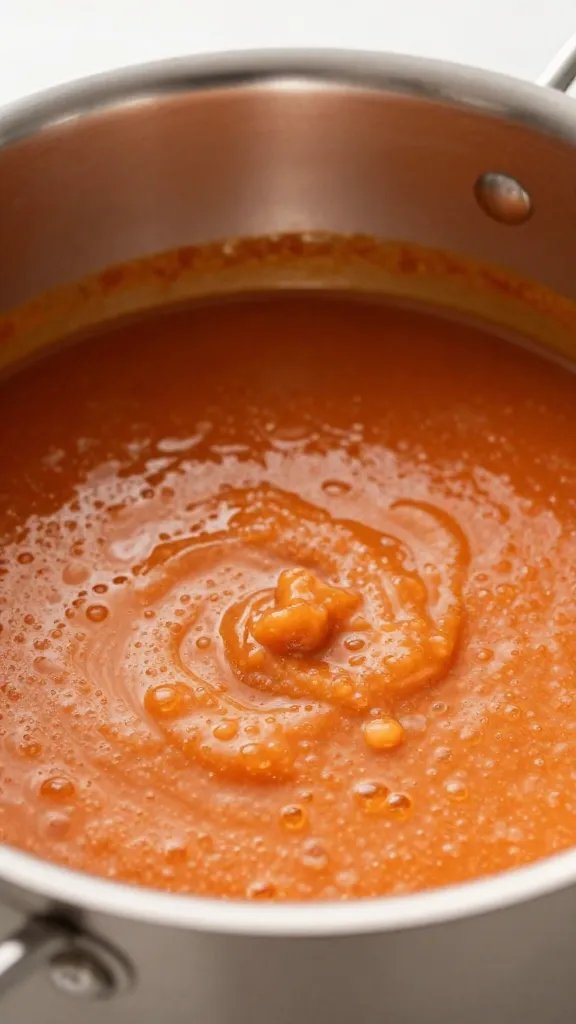
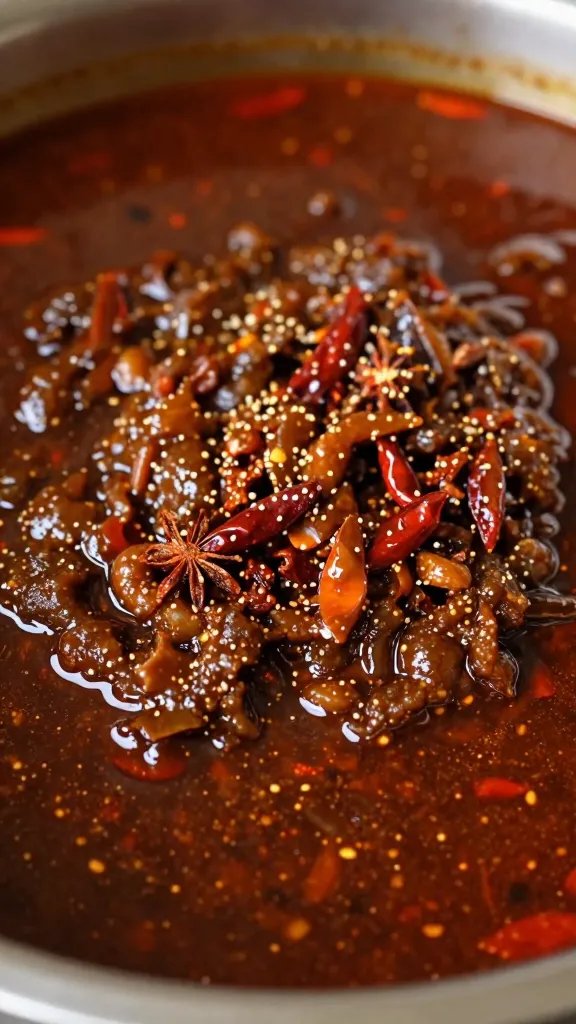
A true Texas mop is thin, tangy, and not sugary. It’s designed to hydrate bark and build layers of flavor, not to lacquer like a finishing sauce. You’ll taste vinegar, black pepper, and beef-friendly savory notes.
It shines on long cooks over 250–275°F, where evaporation dries the surface. Think brisket flats and pork shoulders that need help staying supple without losing texture.
Core Recipe: Texas Mop Sauce (2 Cups)
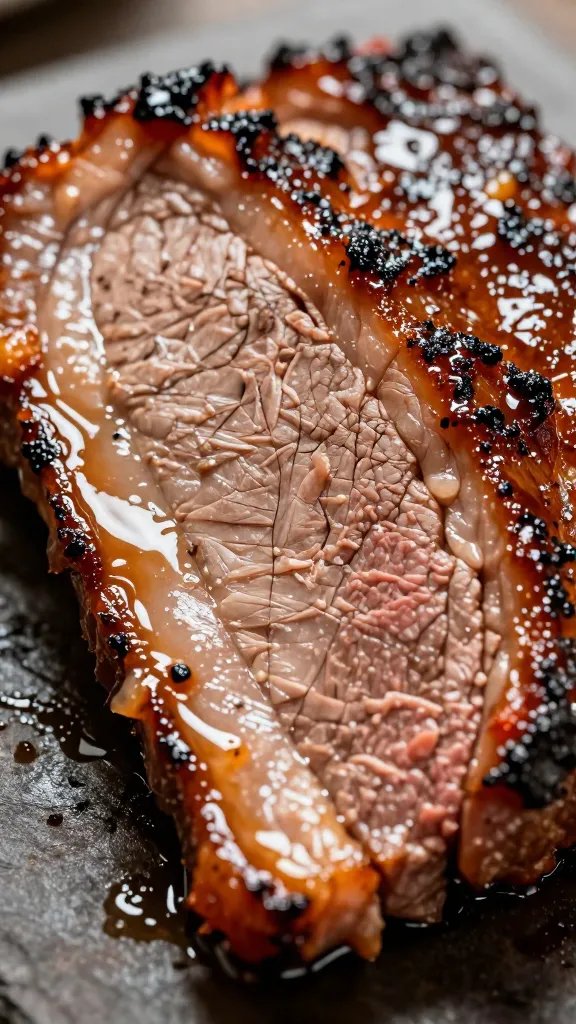
- 1 cup apple cider vinegar
- 1/2 cup beef broth (or water for pork shoulder)
- 1/4 cup Worcestershire sauce
- 2 tablespoons neutral oil (canola or avocado)
- 1 tablespoon yellow mustard
- 2 teaspoons kosher salt
- 2 teaspoons coarse black pepper
- 1 teaspoon onion powder
- 1 teaspoon garlic powder
- 1/2 teaspoon crushed red pepper (optional heat)
- 1 teaspoon brown sugar (optional; helps round the vinegar)
Method
- Whisk everything in a small saucepan. Bring just to a simmer.
- Simmer 6–8 minutes to marry flavors. The goal is hot and cohesive, not thick.
- Hold warm in an insulated container or on low heat. Stir before each use.
Scaling: Double for a packer brisket plus pork shoulder. Keep the ratio, but start with half the salt when scaling above 4 cups; add to taste later.
When and How to Mop
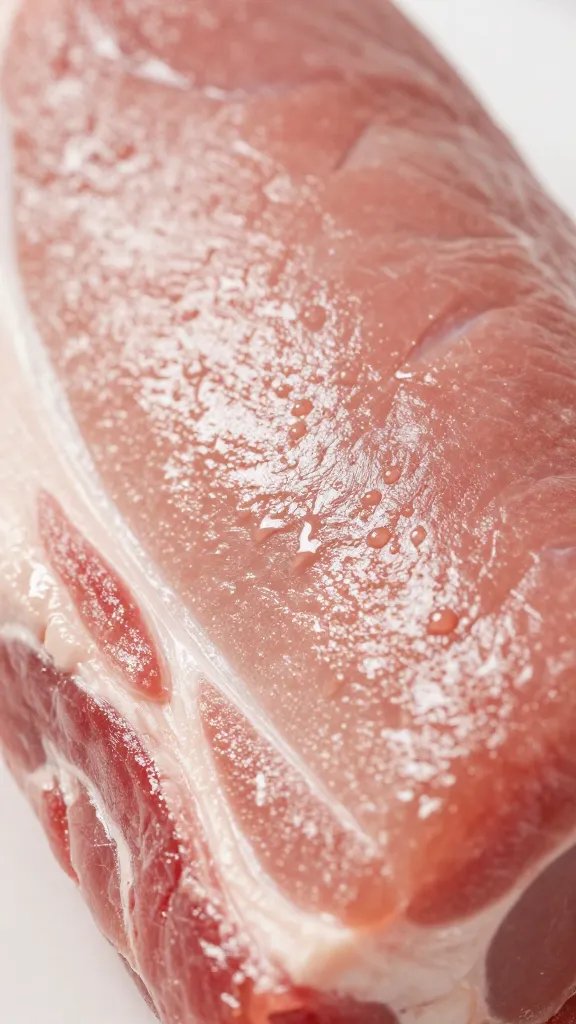
Mop during the stretch when bark is set but the meat still has hours to go. You’re maintaining surface moisture so smoke sticks and collagen keeps relaxing.
Timing Guide
- Brisket (250–275°F): First mop around hour 3–4 when bark looks dry but not soft. Then every 45–60 minutes until wrap or until probe-tender if you don’t wrap.
- Pork shoulder: Start around hour 2–3. Mop every 45 minutes until you wrap or hit your desired bark color.
Technique
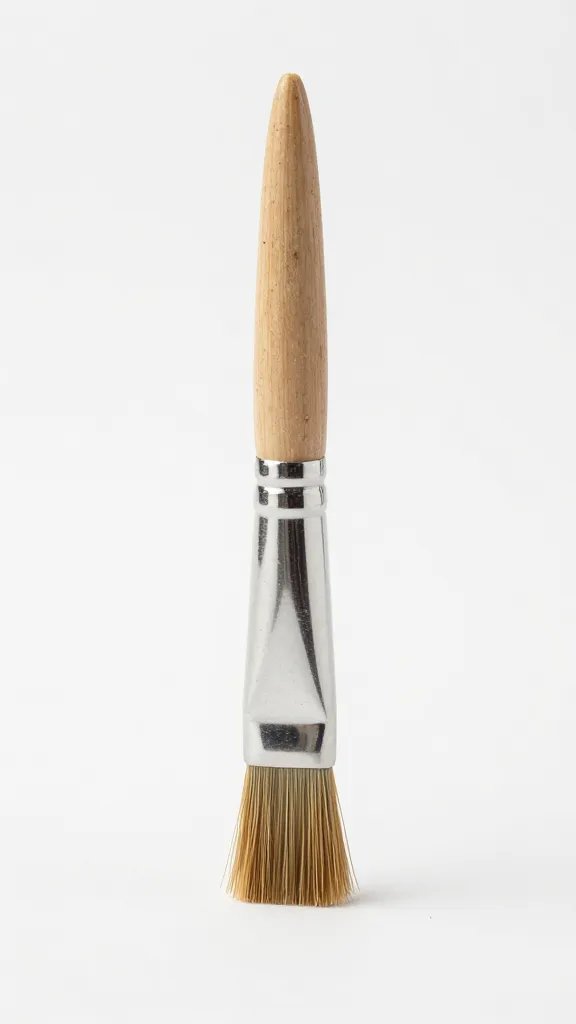
- Use a clean cotton mop head or silicone brush. Light, quick passes — don’t drench.
- Keep the sauce warm. Cold mop tightens fat and can seize bark.
- Open the pit briefly. Long lid-open times dump heat and add minutes to your cook.
Flavor Tweaks for Brisket vs. Pork Shoulder

Same backbone, small tweaks for the cut.
For Brisket
- Swap half the vinegar for strong coffee for deeper, roasty notes.
- Add 1 teaspoon soy sauce for umami if you’re not using a salty rub.
- Skip sugar to preserve a crackly bark.
For Pork Shoulder
- Use apple juice for up to half the liquid if you like a subtle sweetness.
- Add 1 teaspoon paprika for color; smoked paprika if you want gentle warmth.
- Finish shredded pork with a splash of the mop to brighten.
Texas Mop Sauce vs. Spritz: Which and Why
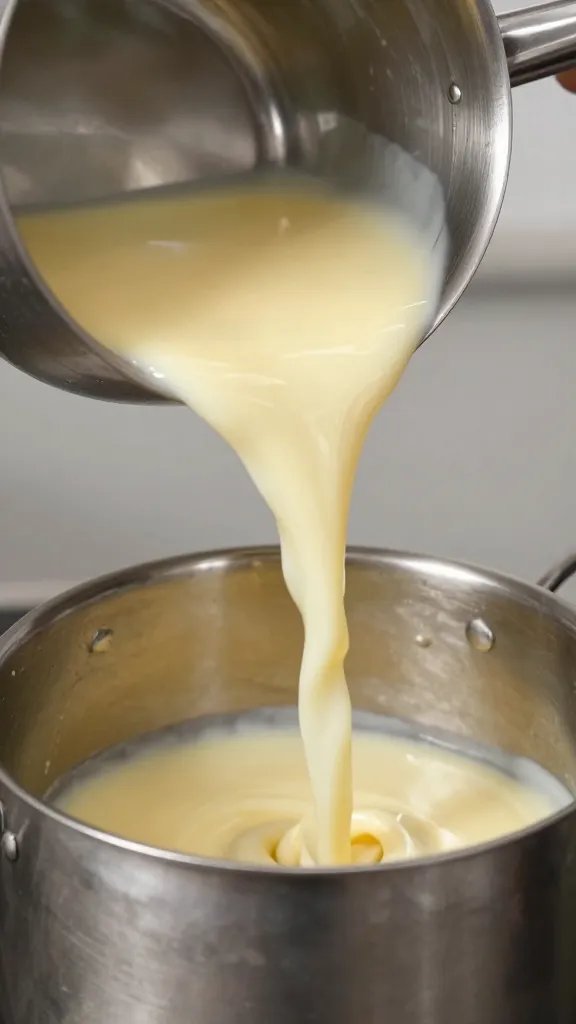
A spritz (vinegar or apple juice in a spray bottle) adds moisture without flavor density. A mop adds seasoning and fat, helping bark stay supple. Which to pick?
- Choose spritz if your rub is already salty and you want minimal interference.
- Choose mop if your bark tastes flat, your pit runs dry, or you want peppery tang.
- Hybrid: Spritz for the first hours, then switch to mop once bark forms.
Working With Different Pits
Pit behavior changes your hydration needs. Adjust to your cooker, not the other way around.
- Kettle grills: Run a water pan. Mop less often (every 60–75 minutes) to avoid heat loss.
- Offset smokers: These breathe more. Mop on the hour, and mind the firebox so you don’t overcool the cook chamber.
- Pellet grills: Lower humidity and lighter smoke. Mop every 60 minutes and consider the coffee/soy tweak for brisket to boost savoriness.
- Kamado cookers: They’re humid. Mop sparingly — maybe twice total — or your bark can soften.
From My Kitchen: What Actually Works
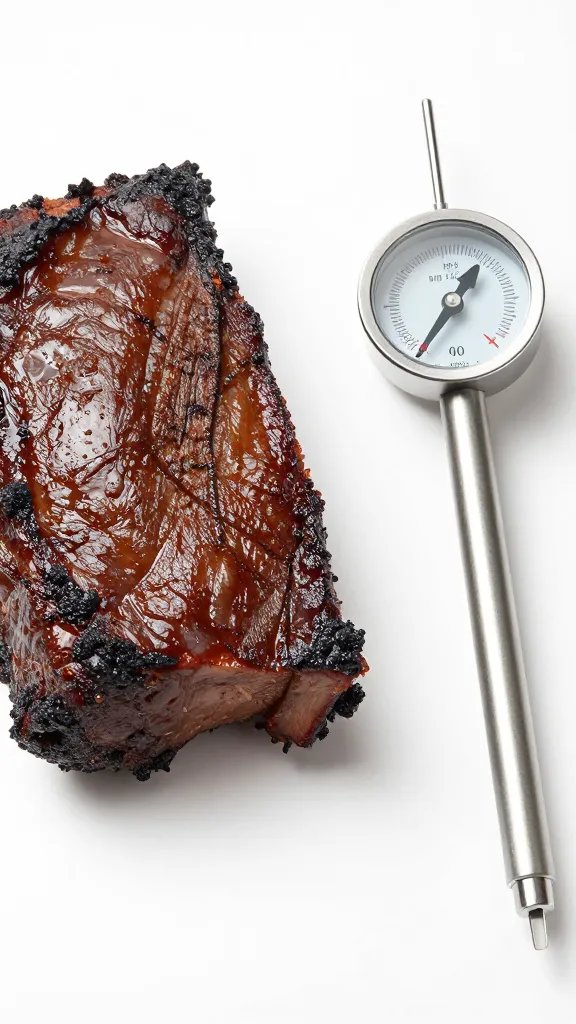
The mop only does its job if it’s truly thin. I keep it at the consistency of warm tea; if it coats a spoon, I add a splash of broth. The biggest improvement I’ve seen is simmering a full 8 minutes — shorter cooks taste raw and don’t meld. I’ve also tested cold vs. warm mop: warm keeps the bark from tightening and shaves 15–20 minutes off recovery time after opening the pit. Finally, when scaling up, I reduce salt by about one-third and adjust after the wrap; it concentrates over long cooks.
Serving Ideas and Smart Pairings
Use leftover mop as a finishing splash for chopped brisket or pulled pork. A tablespoon per pound brightens without overpowering. Want a green, herby counterpoint for tacos or sandwiches? Try this chimichurri recipe — its acidity plays well with rich smoked meat.
For a sweet-heat option on the table, pair with a honey jalapeño glaze and let guests mix bites. Keep the mop separate; it’s a baste, not a glaze.
Frequently Asked Questions
How long does Texas Mop Sauce for Brisket and Pork Shoulder keep?
Up to 7 days in the fridge in a sealed jar. Reheat gently until warm before using. If it separates, whisk or shake to recombine.
Can I make Texas Mop Sauce ahead of time?
Yes. Make it up to a week ahead. The flavors actually round out after 24 hours; just bring it to a simmer before your cook to wake it up.
Should I mop before or after I wrap brisket?
Mop only before wrapping. Once wrapped, the steam environment maintains moisture and extra liquid can wash out bark texture. If you’re not wrapping, keep mopping lightly until probe-tender.
What’s the best way to apply mop sauce without ruining bark?
Use quick, light passes with a warm mop. Aim for a sheen, not a drip. Open the lid for 20–30 seconds max to preserve pit temperature.
Can I freeze leftover mop sauce?
Yes, up to 2 months. Freeze in small portions (ice cube tray works), thaw in the fridge, and simmer 3–4 minutes before using.
What if my mop made the bark soft?
You used too much or it was too cool. Let the meat run unwrapped for 20–30 minutes to reset the crust, and warm the mop on the next pass. Skip the sugar next time.
The Bottom Line
A proper Texas mop is thin, tangy, and built to hydrate—not gloss—your brisket and pork shoulder. Keep it warm, apply lightly, and let it support bark instead of stealing the show. Once you dial in your pit’s rhythm, you’ll taste the difference in every slice and shred.
Planning to try this? Save this post so you can find it when you need it — and tag us when you make it.