
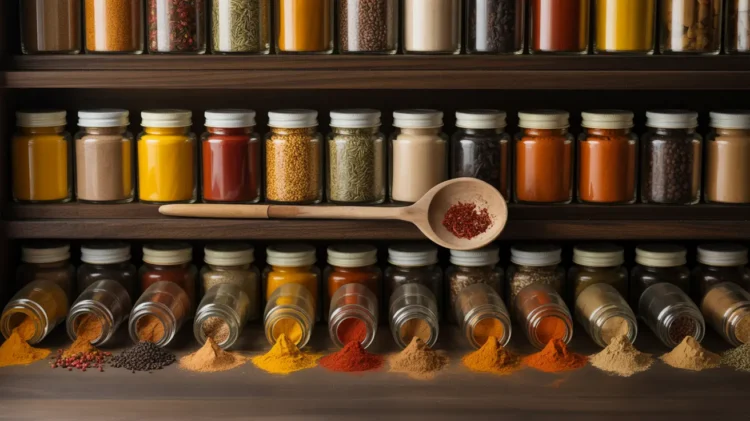
98% of consumers now report regular utilization of spices and seasonings in their home cooking. This universal shift shows that our kitchens have become bridges to the rest of the world, connecting our dinner tables to global traditions.
Key Takeaways
| Topic | Key Insight |
|---|---|
| Essential Staples | Start with the top 20 spices and herbs to cover 90% of global recipes. |
| Homemade Blends | Toasting and grinding fresh garam masala creates deeper flavor profiles than store-bought jars. |
| Storage Strategy | Store spices in cool, dark places to maintain potency for up to six months. |
| How to start? | Focus on regional palettes like Indian, Mediterranean, or Asian to avoid overwhelming your cabinet. |
| Are spices healthy? | Many spices offer antioxidant and anti-inflammatory benefits in addition to incredible taste. |
The Foundation: Why Every Kitchen Needs a Global Pantry
Food is a love language that we use to nurture our families and friends every single day. Building a versatile spice pantry allows us to travel the world from our own stovetops without the need for a plane ticket.
We believe that cooking should be an adventure tailored for the modern-day hustler. Having the right seasonings on hand ensures that even on the busiest of days, a delectable homemade meal is never out of reach.
Each jar in our cabinet is a chapter in an ever-evolving global gastronomic story. Whether we are craving the warmth of an Indian curry or the brightness of a Mediterranean salad, our spices make it possible.
The Essential Starter Kit for International Flavors
We often find that people feel intimidated by the sheer variety of spices available in 2026. However, you do not need a culinary degree to master the basics of building a flavor blueprint.
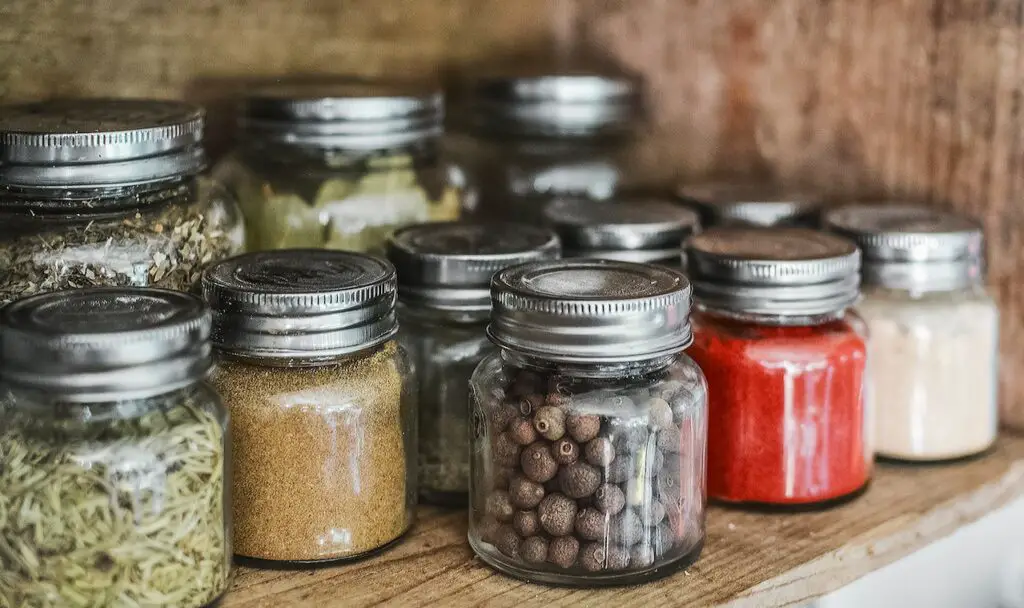
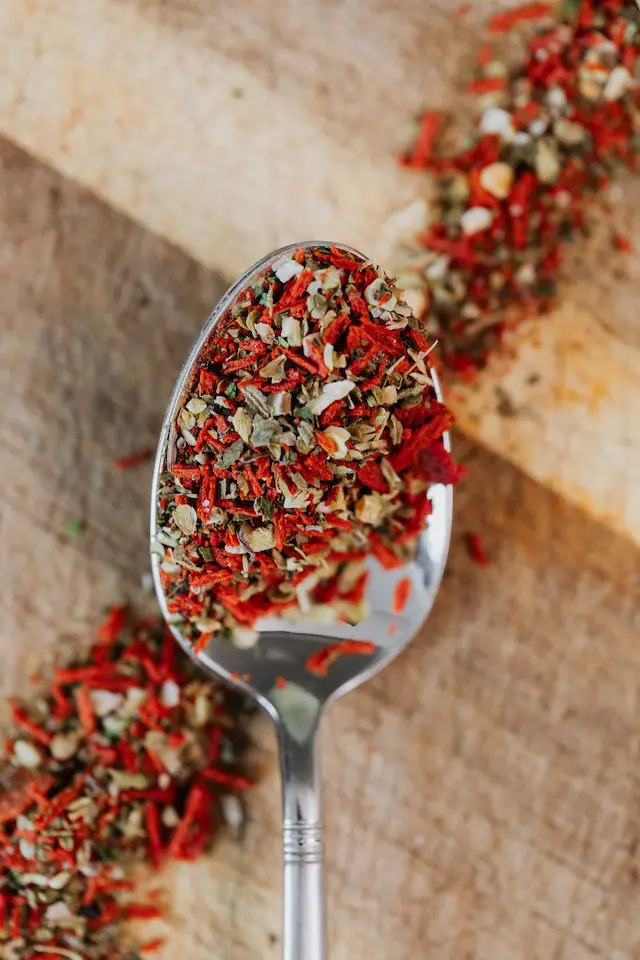
Focusing on the must-have spices for every kitchen is the smartest way to begin. These foundations include classics like cumin, coriander, smoked paprika, and turmeric which appear across dozens of cultures.
These staples are the workhorses of the kitchen, providing the “why” behind the “how” of flavor development. By mastering these, we can transition from following recipes to creating our own culinary magic.
Mastering the Heart of India: Garam Masala and Beyond
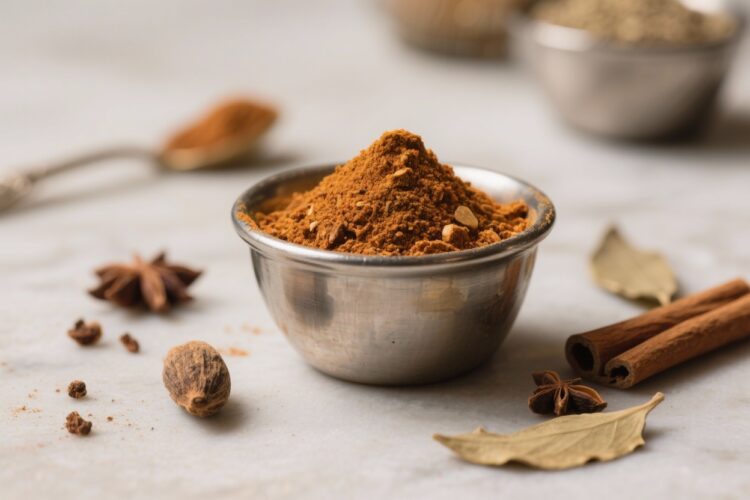
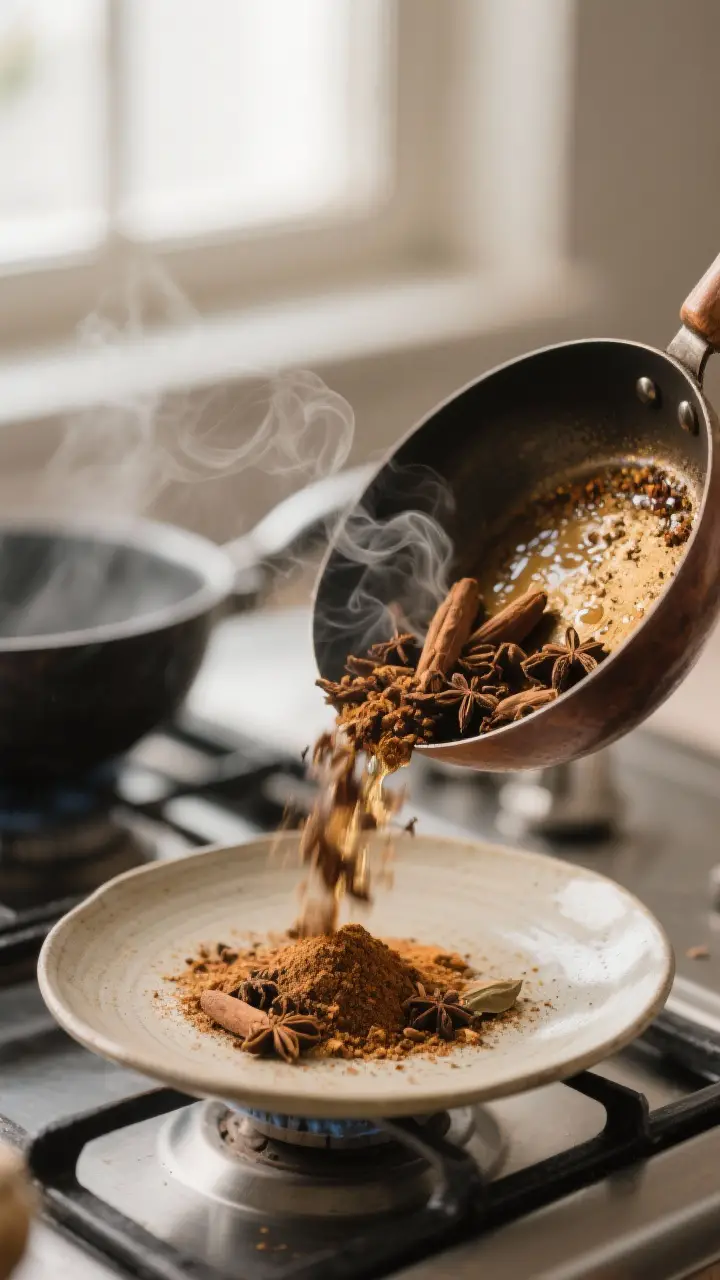
Indian cuisine relies heavily on the art of the blend to create complex, layered profiles. A fresh, homemade garam masala is a revelation compared to the dusty versions found on supermarket shelves.
The process of toasting and grinding whole seeds creates a fragrance that practically cooks itself. We use this warm, aromatic mix in everything from traditional curries to simple roasted vegetables.
Freshness is the secret ingredient that makes a dish taste “all-day amazing” in just minutes. When we control the blend, we can adjust the heat and sweetness to perfectly suit our family’s preferences.
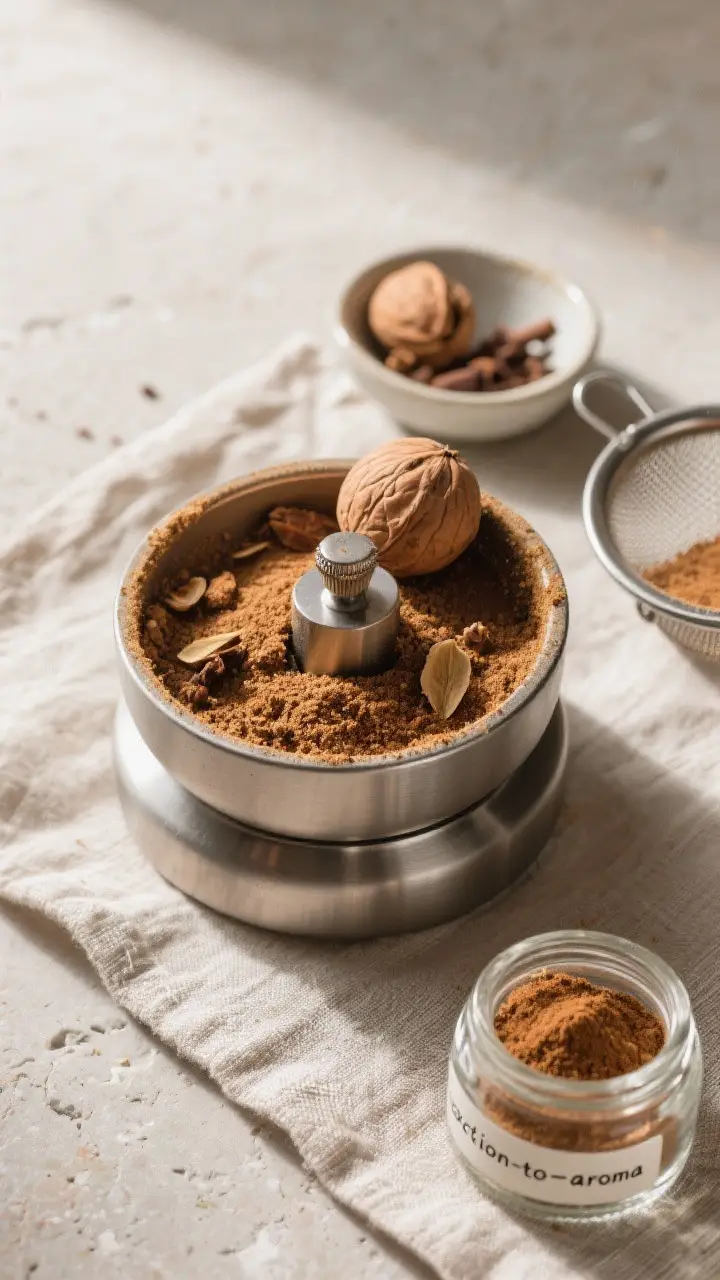
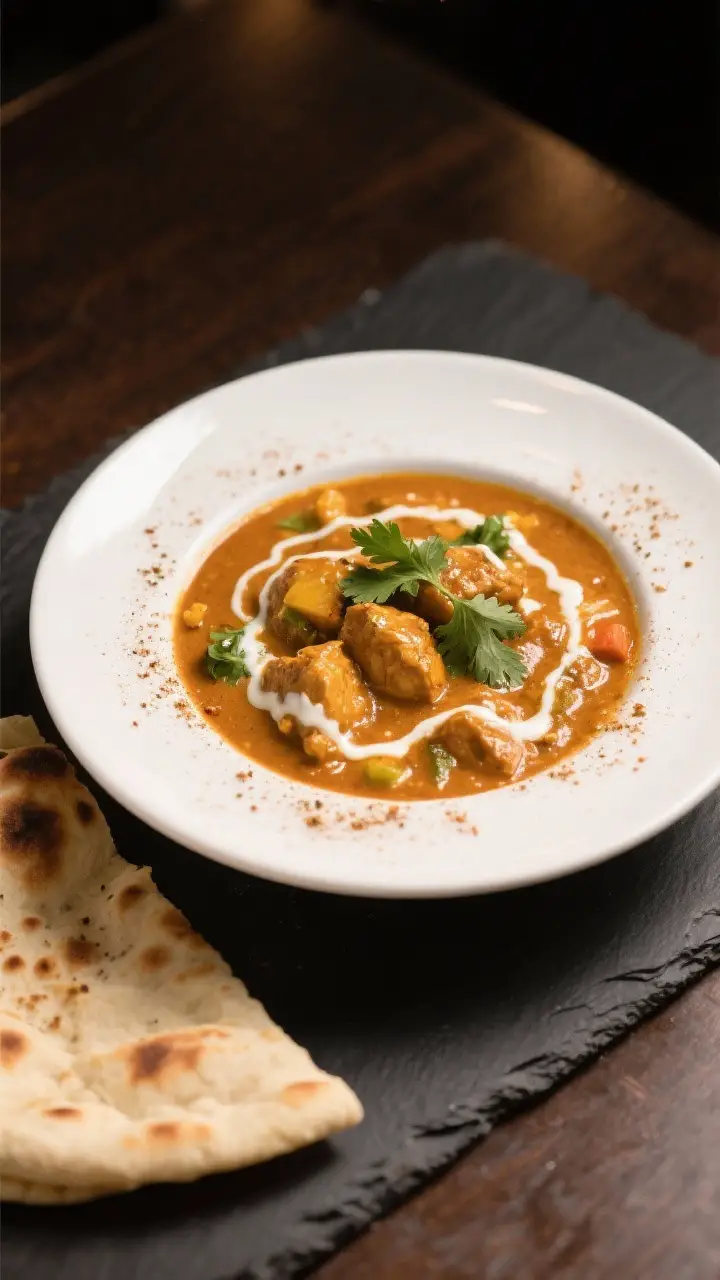

Five global spices to kickstart a versatile pantry. This infographic highlights key staples from around the world to diversify your cooking.
Fragrant Rice Mastery with Biryani Masala
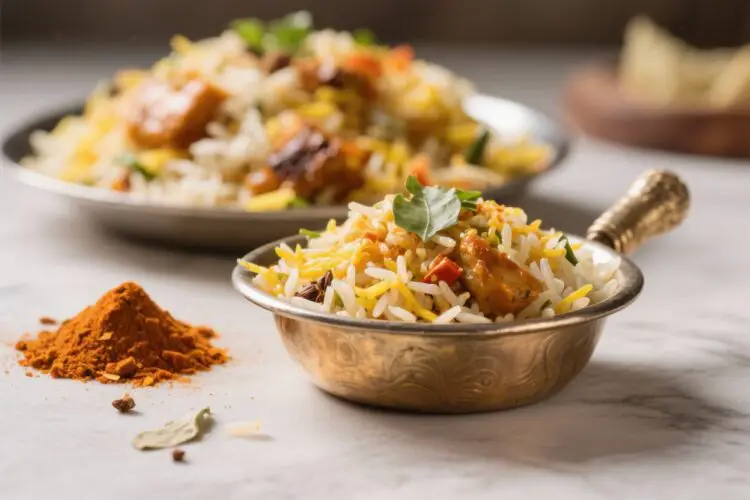
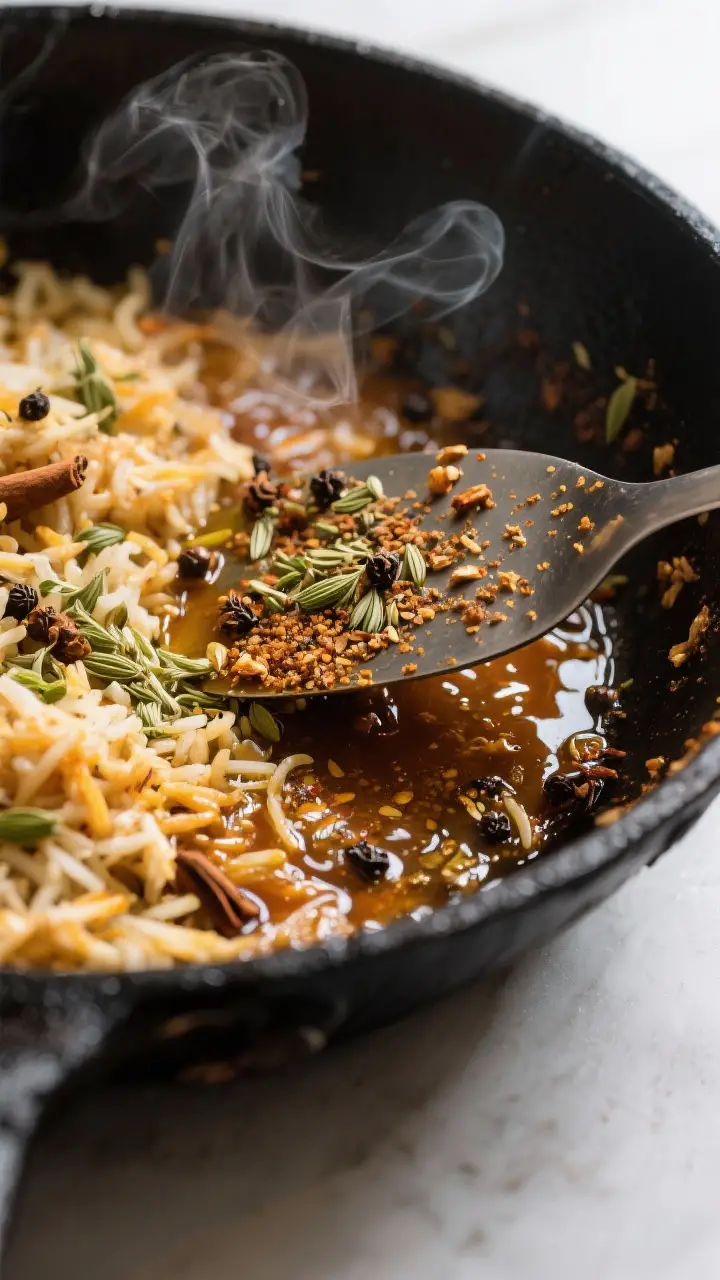
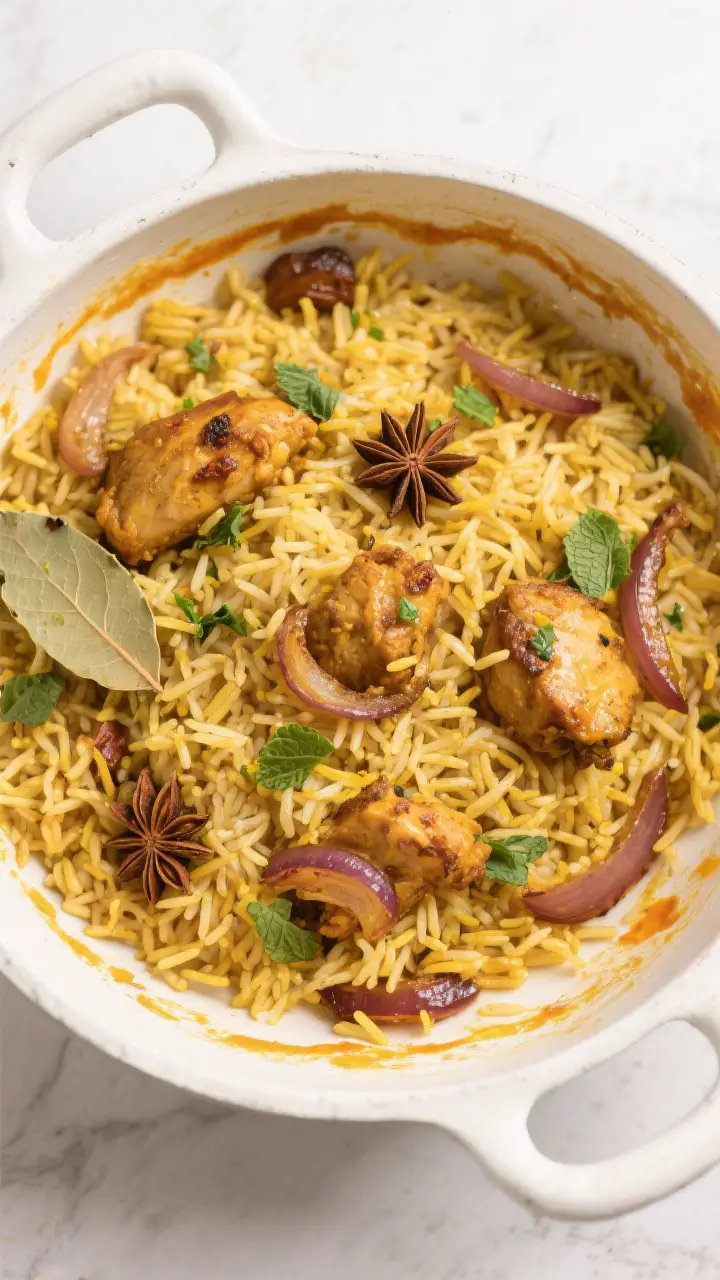
Rice is a humble ingredient, but with the right biryani masala, it becomes the star of the show. This specific blend combines earthy spices with delicate floral notes for a truly balanced experience.
A successful biryani requires layering these aromatics with ginger and garlic to reach that sweet spot between comfort and freshness. We find that fresh grinding these spices makes the difference between a good meal and an unforgettable one.
Creating these blends at home isn’t about being a gourmet chef; it is about practical, high-quality flavor. Even simple weeknight rice dishes are transformed when you have these fragrant tools in your pantry.
The Versatility of Sweet and Savory Spice Glazes
Sometimes the most unexpected combinations yield the most nostalgic warmth in our cooking. Our hot-cross bun spice glaze is a perfect example of how dessert spices can cross over into savory territory.
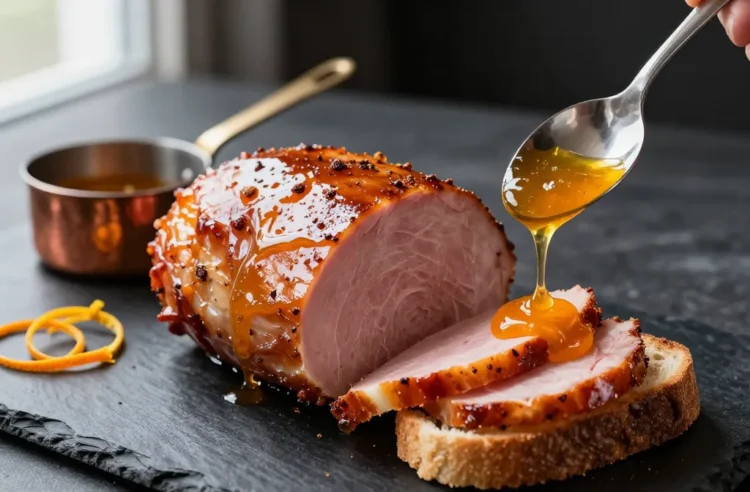
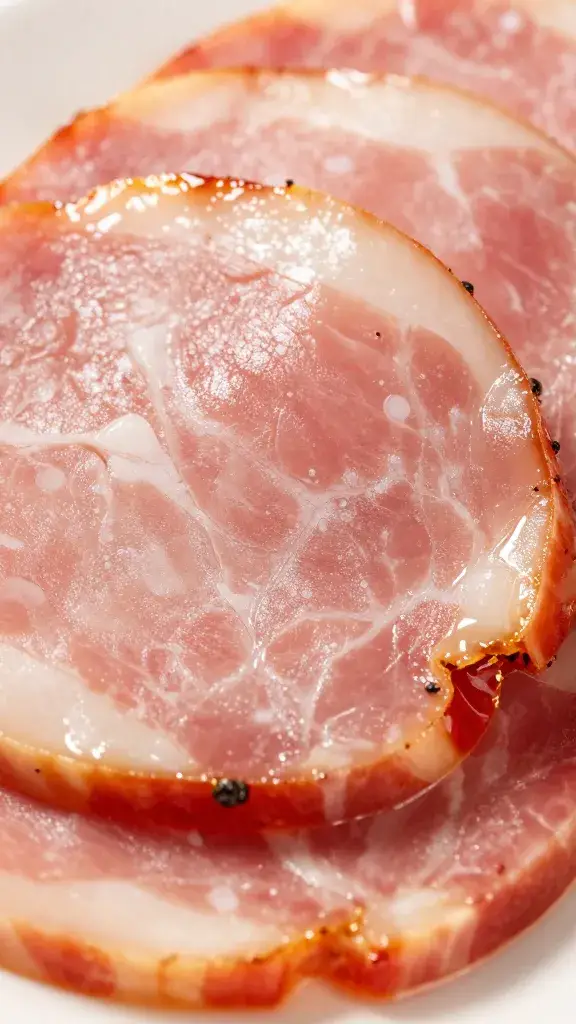
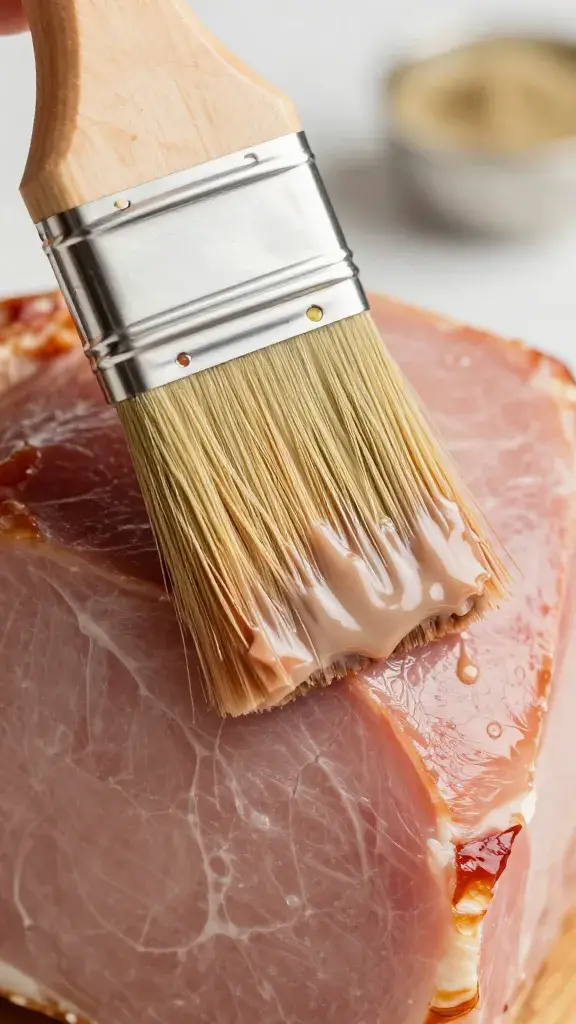
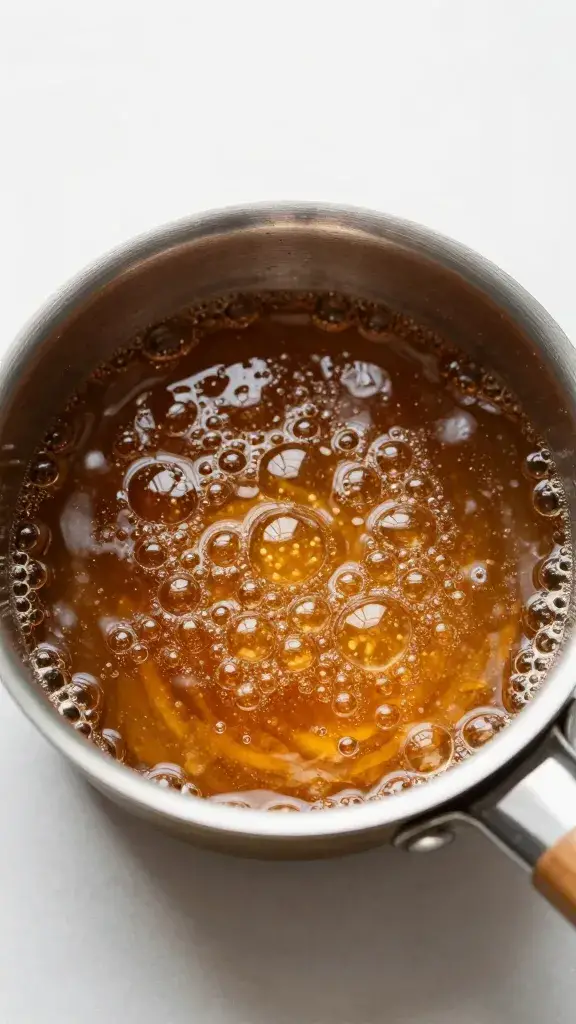
By blending orange marmalade with brown sugar and warm spices, we create a glossy finish that is just as good on a holiday ham as it is on morning pancakes. This ten-minute trick is a testament to the power of a versatile pantry.
We love these small tweaks that lead to big wins in the kitchen. Experimenting with citrus swaps or spice adjustments allows us to tailor the glaze to whatever we have on hand.
Mediterranean Flavors: Bright Herbs and Sun-Drenched Spices
The Mediterranean pantry focuses on herbs that dance to the tune of local ingredients. We rely on dried oregano, thyme, and rosemary to bring a sense of the sunny coast to our daily meals.
Using these spices to roast vegetables or season grilled proteins is a fast way to achieve a healthy, vibrant flavor. We often find that “warm” doesn’t have to mean “heavy” when you use the right herbal balance.
Whether we are making a simple eggplant dish or a complex stew, these herbs provide a reliable backbone. They are the ultimate tools for those of us juggling busy lives while still wanting a high-vibe meal.
Asian Spice Staples: Building Depth Beyond Soy Sauce
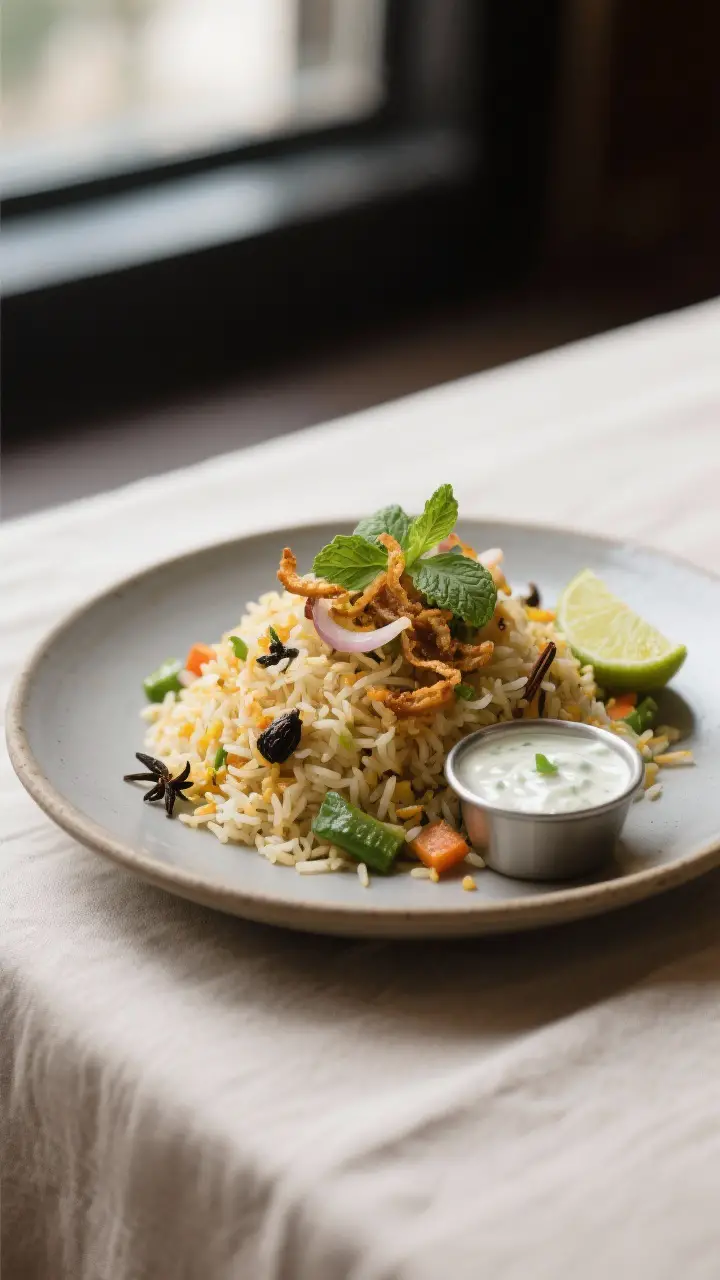
Expanding your pantry into East and Southeast Asian flavors requires a few specialized items like star anise, Sichuan peppercorns, and Chinese five-spice. These ingredients offer a “cultural remix” that keeps our cooking exciting in 2026.
We love how these spices can turn a simple stir-fry or soup into something that feels truly special. They challenge our culinary assumptions and provide expert-yet-simple ways to improve our home cooking.
Building this section of your pantry ensures that you can recreate your favorite takeout flavors with more control over health and quality. It is about bringing those global curiosity vibes right into your own kitchen.
How to Choose and Store Spices for Maximum Longevity
Understanding the “why” behind the “how” of spice storage is critical for maintaining a versatile pantry. Spices are light and heat sensitive, meaning they should live in a cool, dark place rather than right next to the stove.
We recommend buying whole spices when possible and grinding them as needed to ensure the oils remain fresh and potent. This practice ensures that each pinch of seasoning delivers the maximum amount of flavor bliss to your dish.
Labeling your jars with the date of purchase is a practical way to keep track of freshness. In 2026, we are all looking for ways to reduce waste and get the most value out of our grocery budget.

Catering for a Crowd: Scaling Your Spice Usage
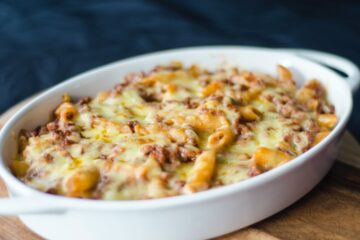
When we are feeding a large group, spices become even more important for maintaining flavor consistency across huge portions. Knowing how much macaroni and cheese to feed 30 people is only half the battle.
The other half is ensuring that the seasoning is balanced so that every bite is as good as the first. This is especially true when serving pasta to 50 people, where a well-spiced sauce makes all the difference.
We believe that even when cooking at scale, the food should feel personal and home-cooked. Using your international pantry allows you to add unique touches that make large events feel intimate and special.
The Art of the Global Meatball: A Spice Journey
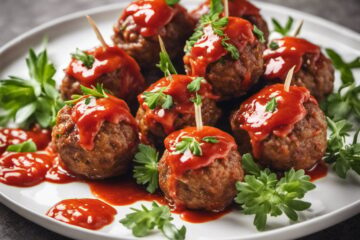
Meatballs are a universal comfort food, appearing in almost every culture with a unique spice twist. Our guide to ultimate meatballs explores how a simple change in seasoning can take you from Italy to Sweden or the Middle East.
We love how spices can personify a dish, giving it a distinct identity and history. Using spices like allspice or cumin in your meat mixture provides that “sweet spot” of deep, savory satisfaction.
It doesn’t take hours in the kitchen to produce something legendary if you have the right spices on hand. These recipes are the perfect testament to the budding passion of any home cook looking to explore global flavors.

Conclusion
Building a versatile international spice pantry is about more than just filling a cabinet; it is about expanding your culinary horizons. By investing in a few foundational spices and mastering homemade blends like garam masala, you can create world-class meals in your own kitchen.
We hope this guide encourages you to embrace your global curiosity and start experimenting with new flavors today. Remember that every great recipe is just a chapter in your personal gastronomic story, and we are here to help you write it.