

Thai Sweet Chili Sauce is an interesting dip or condiment to make. One can start from a really basic sauce beloved of children and gradually add complexity to match a more discerning palate. Ideally, the recipe should lend itself to all occasions and should store well in a fridge, though we rarely seem to have any left over!
This particular recipe makes for a great gift when invited out to a barbecue or simply as a Christmas stocking filler as it is always tasty, popular and well received and stores well in an air-tight jar.
WHAT TO EXPECT FROM A SWEET CHILI SAUCE?
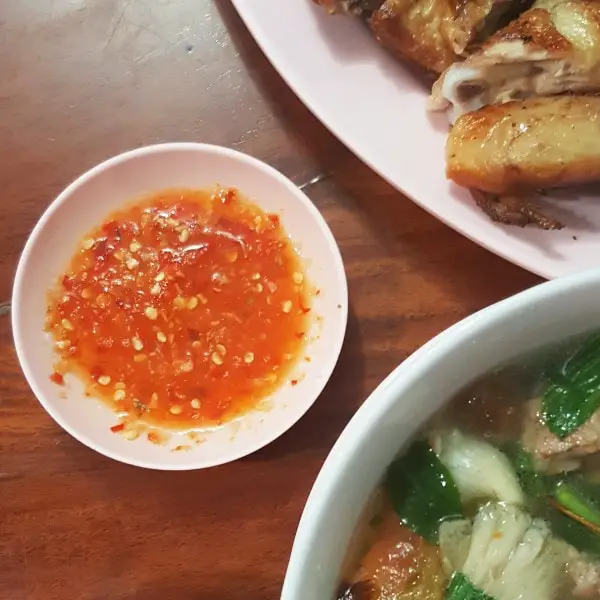
Sweetness, sourness, subtle undertone of chili, ginger and a garlic kick. Ideally the sauce is smooth enough to store in a squeeze-bottle yet has visible chunks or garlic and chili suspended in a pale-orange sauce. This delightful sauce pairs perfectly with a variety of dishes, particularly in the popular thai peanut noodles recipe, where its complex flavors can truly shine. Drizzled over warm noodles, it creates a balance that tantalizes the taste buds and elevates the entire meal. The richness of the peanuts, combined with the zesty notes of the sauce, make every bite a memorable experience. Additionally, when combined with a panang curry paste recipe, this sauce takes on an even richer dimension, enhancing the overall depth of flavor in the dish. The harmonious blend of spices and creamy texture creates a sumptuous experience, perfect for those who enjoy a little heat. Whether used as a marinade, dipping sauce, or drizzled atop steamed vegetables, its versatility ensures that every meal becomes an unforgettable culinary delight. For those looking to elevate their culinary skills, combining this sauce with a massaman curry recipe details offers a unique opportunity to explore new flavors. The sauce’s zest intertwines beautifully with the warm, rich spices of massaman curry, resulting in a comforting yet exciting dish. Each element complements the other, creating a heartwarming meal that transports you straight to the vibrant streets of Thailand.
The basic recipe is simple enough that it is no longer worth-it to buy factory-made sauce while complex enough that new flavours can be brought into the sauce. Experimenting with different ingredients can elevate the dish to new heights, whether it’s by adding roasted nuts for texture or fresh herbs for brightness. The gaeng panang recipe variations allow home cooks to personalize the sauce to their taste, incorporating local ingredients or adjusting spice levels for a unique twist. This versatility not only enhances the dining experience but also grants a deeper connection to the flavors of Thai cuisine. In addition to creating a custom sauce, pairing it with dishes like a quick thai basil chicken recipe can further highlight the vibrant flavors of Thai cuisine. The aromatic basil complements the richness of the sauce, creating a well-balanced meal that is both satisfying and appealing. This combination not only fosters a deeper appreciation for the ingredients but also invites creativity in the kitchen. For those looking to expand their Thai culinary repertoire, trying a thai coconut curry shrimp recipe can be an excellent next step. The creamy coconut milk combined with spices creates a delightful harmony of flavors that pairs beautifully with the previously mentioned sauce. This dish not only showcases the versatility of Thai ingredients but also offers an opportunity to explore new textures and tastes, perfect for any home cook eager to impress.
IS THIS RECIPE GLUTEN FREE OR VEGAN?
There is only 1 source of gluten in this recipe, which is the soy sauce – yes, soy is not gluten-free, I was surprised by that. You could leave the soy sauce out – reducing salt or sodium, but then you lose some of the taste. Instead, i suggest exchanging the soy sauce for tamari sauce, which is a Japanese sauce made as a by-product of miso paste and does not normally contain gluten – always read the label! Tamari will be less salty which is great for dipping sauces and is generally more balanced and flavourful than soy sauce.
Similarly, you could leave out the fish sauce, which will result in a less complex sauce but substituting both the fish sauce and the soy sauce with tamari sauce will add a different depth. I do not recommend adding both the soy and tamari sauce due to the salt content of the two.
CAN I MAKE LARGE QUANTITY AND PLACE THE SAUCE IN A JAR?
Making larger batches is always a great option – the larger quantities are much more forgiving when it comes to poor quantity measurements and it is often easier to adjust larger volumes. However, the use of cornstarch in this sauce complicates matters as badly incorporated cornstarch will create clumps in the end product. To avoid this, either make the sauce using a gelatin pack (or Clearjel if vegan as it is a modified cornstarch, avoid the instant version and add in 1 extra teaspoon), or simply do not add the cornstarch initially and mix it it when ready to use the sauce. When preparing a thai coconut curry soup recipe, ensuring that the ingredients are well-blended is crucial for achieving a smooth and flavorful base. If you choose to incorporate cornstarch, consider dissolving it in a small amount of cold liquid before adding it to the sauce to prevent any lumps from forming. This technique can enhance the texture of your soup and make for a more enjoyable dining experience.
Just make sure that you sterilize your containers and seal them properly! At home, we always have a squeeze bottle (recycled ketchup bottle) in the fridge, ready to go.
I DO NOT HAVE ALL THE INGREDIENTS, NOW WHAT?
Most pantries will have sugar, chili and vinegar, which is the bare minimum to make this sauce and if that is all you have, follow this recipe. Twisting the recipe into a “Thai” version adds extra layers of complexity and depth. The more ingredients you add, the better the end product. Incorporating elements like garlic, ginger, or even lime juice can elevate your sauce to new heights. For those seeking a delightful blend of sweetness and spice, following a comprehensive thai sweet chili sauce recipe can provide the perfect guide. Experimenting with different ratios of these ingredients allows you to customize the sauce to suit your taste preferences. For an even richer flavor profile, consider blending in some peanut butter or tahini, which can bring a creamy texture to your sauce. If you’re looking to create a versatile dip or dressing, a tasty thai peanut sauce recipe can be a fantastic addition to your culinary repertoire. The fusion of spices and nutty flavors will undoubtedly impress your friends and family at your next gathering. Additionally, for those who enjoy experimenting with bold flavors, incorporating a massaman curry paste recipe can add an intriguing twist to your sauces and dishes. The rich, aromatic spices found in massaman curry paste complement the sweetness of Thai sauces beautifully, creating a unique fusion that is sure to tantalize the taste buds. Don’t hesitate to explore different combinations and be adventurous in your culinary creations!

Thai sweet chili sauce / Nam Chim Kai
1
Portion10
minutes15
minutes180
kcal25
minutesThai Sweet Chili Sauce is a traditional condiment in Asian cuisine, especially Thai and Vietnamese. It is sweet, spicy and vinegary thick sauce with pieces of chili and minced garlic floating in it. This version is more complex than the commercial versions with fish sauce and ginger added in to create depth and interest.
Ingredients
1 cup vinegar, rice wine vinegar if you can source it.
1 cup water
1 cup sugar (add more if you like it sweeter)
8 garlic cloves very finely chopped or 3 tbs garlic powder
2 tsp cayenne pepper (gives the heat – add more or reduce to taste)
2 tbs soy or tamari sauce
1 inch grated ginger
2 tbs red pepper flakes (gives the visual impact)
5 tbs fish sauce
2 tablespoons cooking sherry or rice wine
1 – 2 tbs cornstarch or 7g gelatin
Directions
- Place all the ingredients except for the cornstarch and water in a saucepan and bring to the boil while stirring.
- Reduce the heat and simmer for 10 minutes or until it has reduces by half. You will smell the vinegar as it boils off.
- Mix the cornstarch and the water, add to the pot and stir vigorously to prevent lumps from forming. Cook for about 2 minutes.
- If using gelatin and not cornstarch, do step 3 with the gelatin.
- Allow to cool down. Do not panic if the sauce does not seem thick enough. It will thicken.
- Once cooled, taste and adjust the flavours if you so desire.