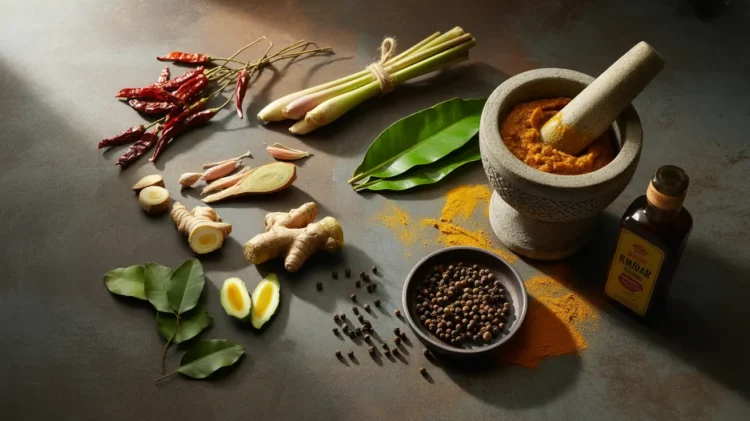
Did you know that 80% of Indonesian meals include sambal as an essential condiment, requiring a precise balance of aromatics to achieve that signature heat? As we dive into 2026, professional home cooking has moved beyond basic pantry staples to embrace the complex, layered flavors of the Indonesian archipelago.
Key Takeaways
| Topic | Professional Insight for 2026 |
|---|---|
| Essential Foundations | Mastering the “bumbu” paste is the first step toward authentic flavor. |
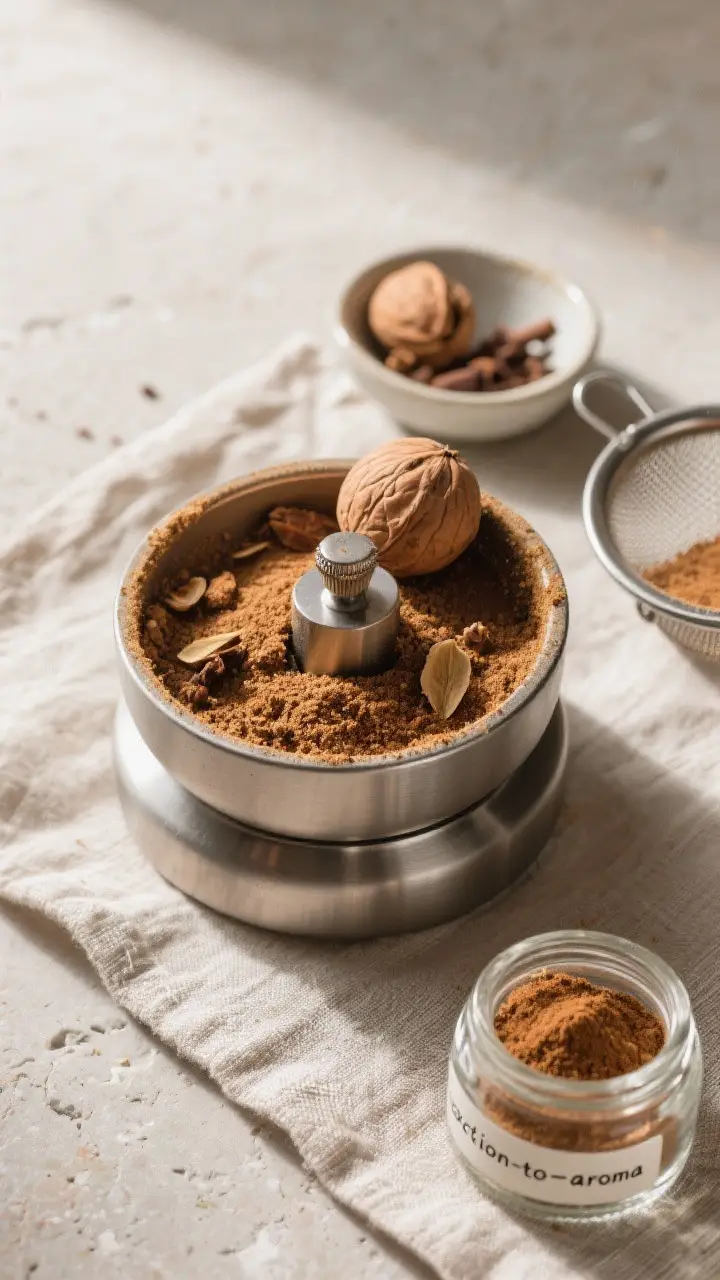
| The Nutmeg Legacy | Always grate whole Indonesian nutmeg fresh to preserve its volatile oils. |
| Aromatic Mastery | Galangal and kaffir lime provide the citrusy backbone of professional dishes. |
| Heat Control | Use specialized spice blends to balance punchy chilies with sweetness. |
| Expert Resources | Learn more about our culinary philosophy and passion at About Whaley Cooks. |
Common Search Question: What makes Indonesian spices different from other Asian spices?
Answer: Indonesian cuisine focuses on “wet” spice pastes (bumbu) and unique aromatics like galangal, salam leaf, and kemiri (candlenut) for a creamier, more grounded flavor profile.
Understanding the Bumbu: The Core of Indonesian Culinary Arts
In our kitchen, we view spices as passports to global cuisines, and nothing transports us quite like a properly prepared Indonesian bumbu. This foundational spice paste is what separates the mere mortals from the professional home cooks in 2026.
While many reach for pre-made jars, we find that the most authentic results come from balancing fresh aromatics with dry roasted seeds. You can explore our full range of regional inspirations in our Indonesian recipe collection to see how these bases function.
The secret lies in the frying process, where we cook the paste until the oil separates, ensuring the raw edge of the spices disappears. This technique creates a depth of flavor that defines professional-grade Rendang or Soto.
Nutmeg and Mace: The Historic Jewels of the Banda Islands
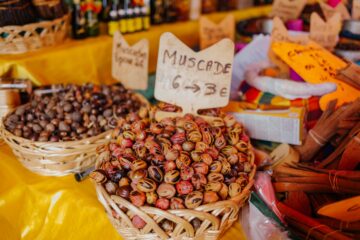
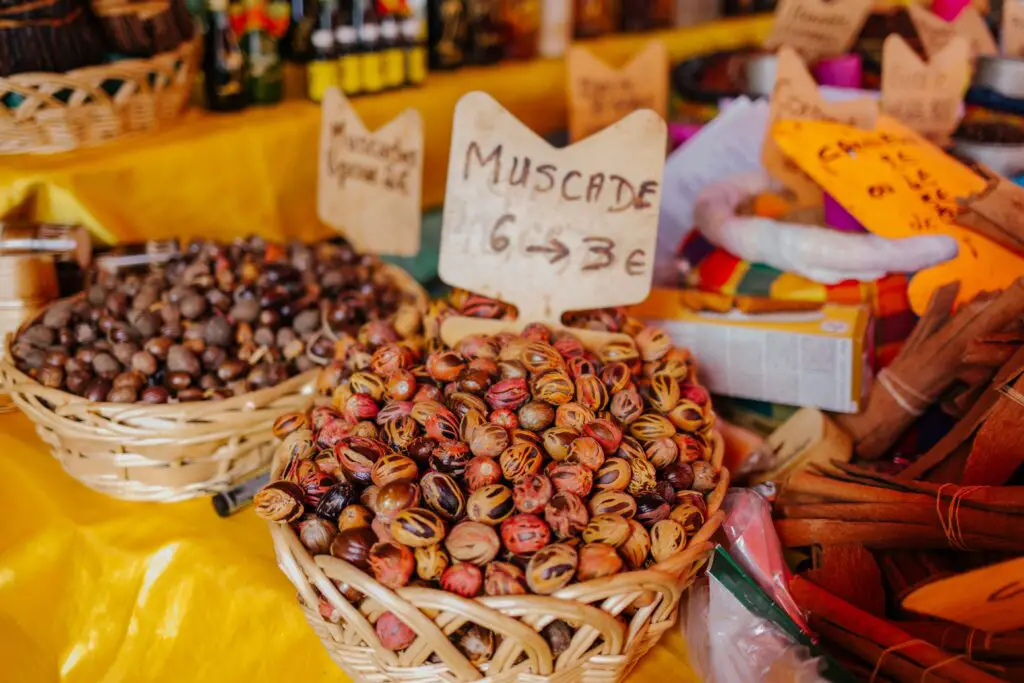
We often forget that nutmeg was once worth more than gold, and Indonesia remains the premier source for this “jewel” of the spice world. For a professional finish, we recommend using both the seed and its lacy outer covering, known as mace.
If you want to understand the lineage of these flavors, read our deep dive into nutmeg’s golden history and how it shaped global trade. It provides a sweet, woody undertone that is critical for creamy soups and savory stews alike.
Mace offers a more delicate, floral version of the nutmeg flavor, making it a favorite for our professional cheese sauces and pork dishes. You can learn the specific nuances between the two in our guide on cooking with mace.

Mastering Professional Heat: The Role of Authentic Sambal
Professional home cooking in 2026 is all about the “hustle” of creating big flavors in shorter timeframes without sacrificing quality. We believe a well-stocked pantry must include the components for a fresh sambal terasi or sambal matah.
Chilies are only one part of the equation, as true Indonesian heat requires the fermented depth of shrimp paste and the brightness of lime juice. We often use a mortar and pestle to release the oils, which provides a much better texture than a modern food processor.
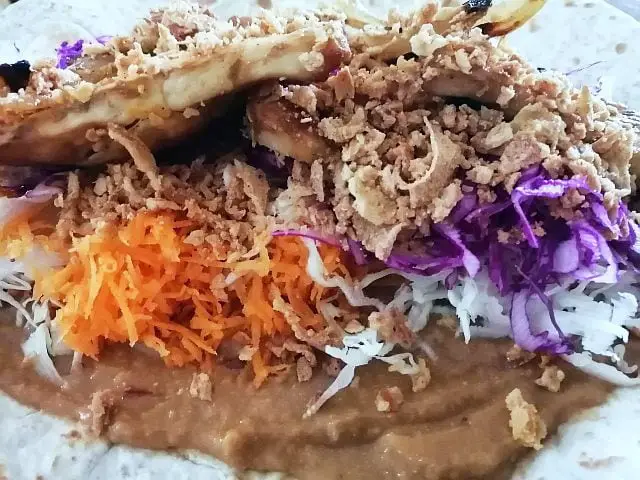
Our favorite shortcut for a quick weeknight meal is our authentic peanut sauce recipe, which we have adapted to ensure it packs a punch while remaining accessible. It uses these core heat elements to create a coating sauce that makes vegetables sing.

A quick visual guide to the top 5 Indonesian spices every home cook should master. Learn flavor pairings and usage tips to elevate everyday dishes.
Custom Blends: Professional Garam Masala and Indonesian Fusion
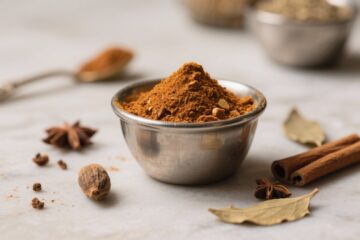
While Garam Masala is traditionally associated with Indian cuisine, many professional Indonesian chefs use similar warm spice profiles for fusion dishes like Opor Ayam. We always suggest making your own homemade spice blends to maintain control over the fragrance levels.
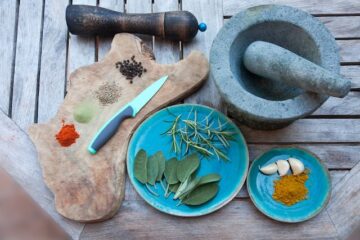
Store-bought mixes often sit on shelves for months, losing the volatile aromas that make professional cooking stand out. By toasting your own peppercorns, cloves, and cardamom, you ensure your kitchen smells like a high-end bistro rather than a dusty pantry.
Our library of specialized spice mixes offers several ways to experiment with these crossover flavors. These blends are designed for the modern-day hustler who needs a reliable, “vetted” flavor profile ready at a moment’s notice.
The Aromatic Heart: Fresh Roots and Citrus Leaves
Professional results require the specific pungency of galangal, which is tougher and more citrus-forward than common ginger. We never substitute one for the other because the chemical profiles are vastly different in high-heat cooking.
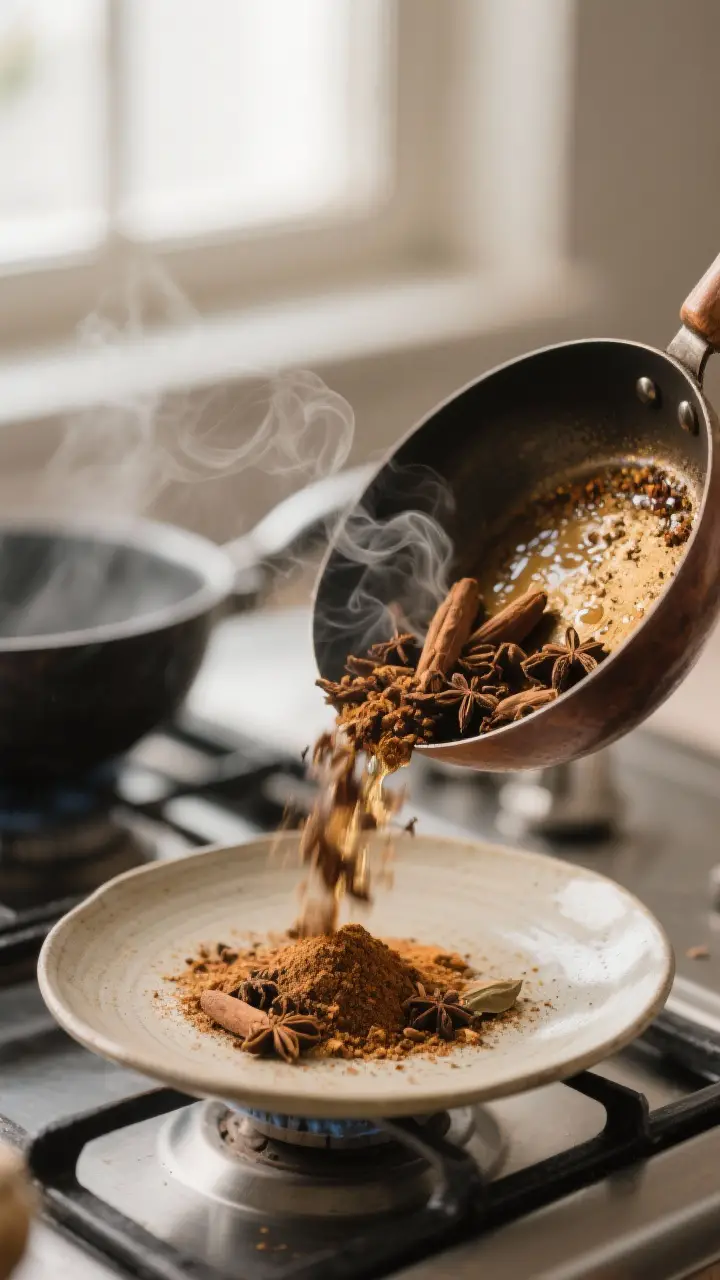
Toasting your spices before grinding is the hallmark of a skilled cook, as it awakens the dormant oils within the seeds. We recommend a heavy-bottomed pan and a watchful eye to ensure you reach that perfect aromatic peak without burning the delicate skins.
Kaffir lime leaves should be bruised or thinly julienned to release their fragrance into your coconut-based sauces. This sensory experience is what makes cooking a “love language” in our household, turning a Tuesday night into a special event.
The Versatile Workhorse: Authentic Indonesian Peanut Sauce
We often joke that woe betides the mere mortal who tries to pass off watered-down peanut butter as an authentic Indonesian sauce. A professional version requires the inclusion of kecap manis (sweet soy sauce) and a hint of tamarind for that essential tang.
If you prefer a thicker sauce to coat your vegetables, we recommend using less liquid during the simmering stage. You can also add some coarsely chopped peanuts for a professional-style crunch just before serving to your guests.
Our detailed peanut sauce guide explains how to balance these high-stakes flavors at home. It is a testament to our budding passion for recipes that are fast, fresh, and deeply creative.
Rice Masterclass: Using Biryani Masala for Indonesian Layering
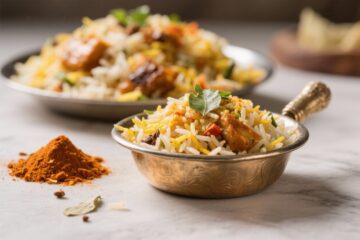
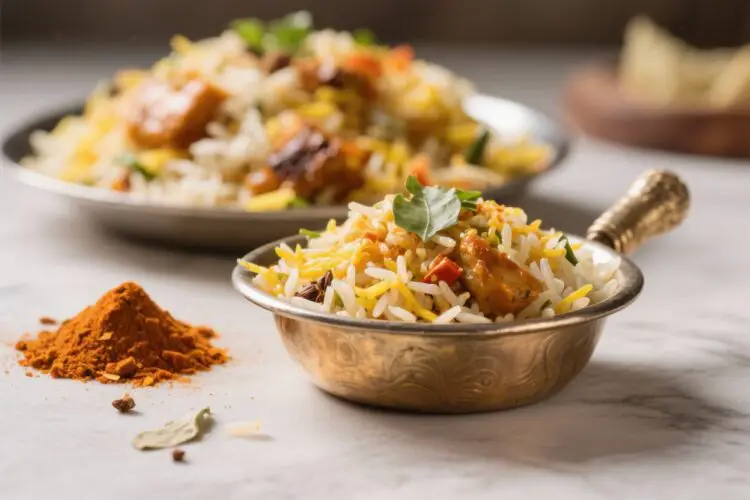
While Biryani is South Asian, the influence of spice-layered rice is felt throughout the Indonesian archipelago, especially in “Nasi Kebuli.” We find that a professional biryani masala can be the perfect base for these complex rice dishes.
The rich aroma and warm color come from a carefully balanced mix of mace, cardamom, and cinnamon. Grinding them fresh ensures the flavor remains vivid enough to stand up to the heavy fats used in traditional meat preparations.
Whether you are making a complex weekend feast or a simple weeknight version, the “why” behind the “how” remains the same. Maximizing what we have in the pantry allows us to create restaurant-quality meals without the gourmet price tag.
The Impact of Cloves and Star Anise in Deep Stews
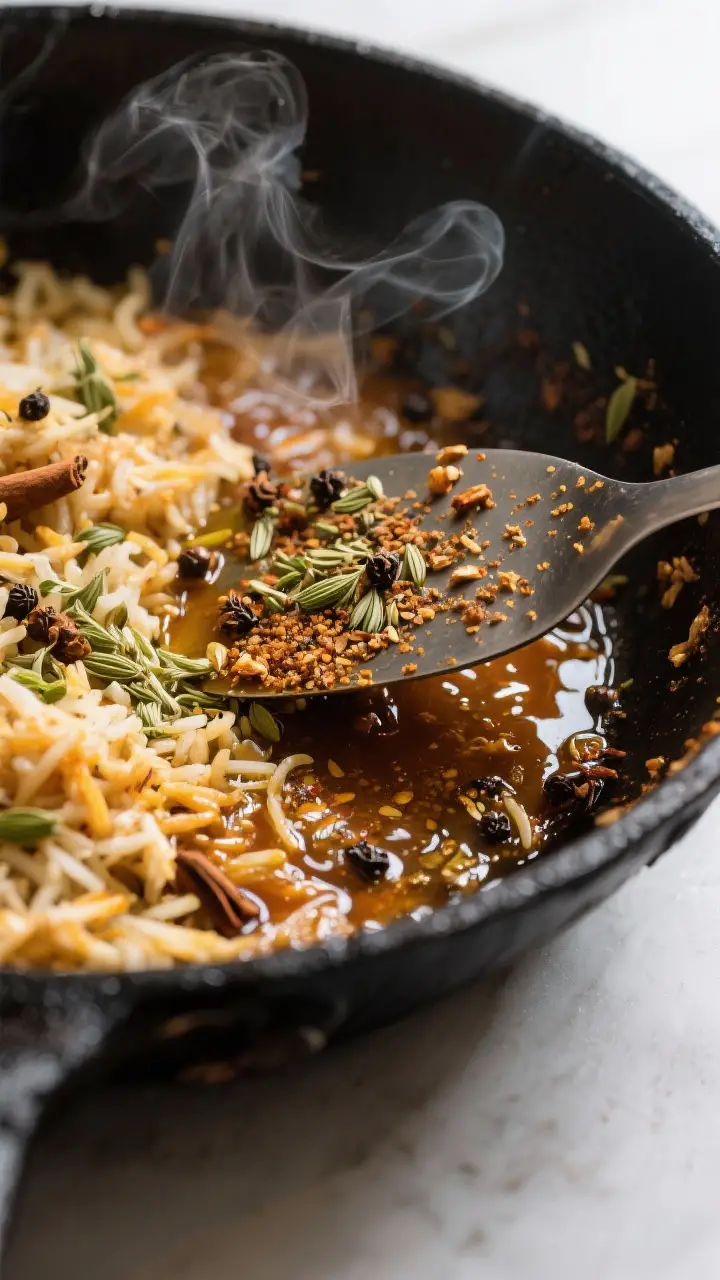
Indonesia provides a massive portion of the world’s cloves, and their intensity is a hallmark of professional Indonesian cuisine. We use them sparingly because their strong tannins can easily overwhelm the more delicate citrus notes in a dish.
Star anise adds a licorice-like sweetness that is essential for the dark, rich broth of “Rawon” or beef oxtail soup. This spice works best when added early in the braising process, allowing it to permeate the meat fibers over several hours.
In our experience, these “hard” spices provide the architectural structure of the meal. They anchor the flighty, aromatic top notes of lemongrass and ginger, creating a balanced sensory experience that feels professional and grounded.


Fresh vs. Dried: Professional Habits for Maximum Potency
A common question we face is whether dried herbs can truly stand in for fresh Indonesian ingredients. While some foundational spices like coriander and cumin are best used dried, aromatics like turmeric and galangal lose their soul when powdered.
For professional results, we recommend keeping a “well-stocked selection” on hand to allow for experimentation. Our guide on essential herbs and spices provides a roadmap for which items are worth the extra effort to source fresh.
If you must use dried versions, always increase the quantity and look for high-quality sources that haven’t been sitting in a sunny window. This small attention to detail is what ensures your homemade meal is never out of reach from being a masterpiece.

Curating Your 2026 Professional Spice Collection
As we wrap up our journey through the Indonesian spice trade, it’s clear that professional home cooking requires a balance of quality and practicality. We aren’t gourmet chefs with unlimited time (we’re a family juggling school and life), but we refuse to settle for bland food.
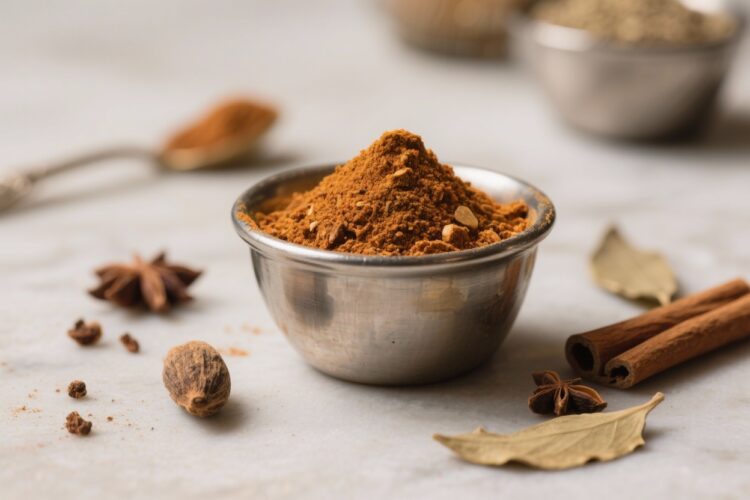
Start with a core set of Indonesian staples: nutmeg, cloves, galangal, and a reliable professional spice mix. These foundational elements will allow you to build complex flavors that transport your family to the vibrant streets of Asia without leaving your kitchen.
Remember that food is a love language, and using authentic ingredients is the best way to show that care. By understanding the “why” behind these spices, you empower yourself to become the king or queen of your own kitchen kingdom.
Conclusion
Mastering the best authentic Indonesian spices for professional home cooking in 2026 is about more than just following a recipe. It is about understanding the sensory power of nutmeg from the Banda Islands, the citrusy punch of fresh galangal, and the grounding heat of a well-prepared bumbu paste. By focusing on fresh-ground blends and authentic aromatics, we can turn simple, busy weeknights into a melting pot of time-tested family favorites. We invite you to experiment with these bold flavors and discover how a tiny pinch of mace or a bruised lemongrass stalk can transform your everyday meals into a global passport of taste.