
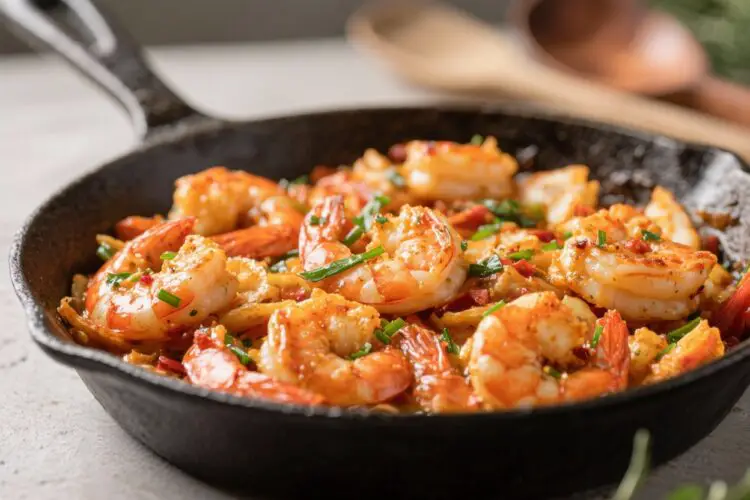
Shrimp scampi is one of those dinners that feels special without asking much from you. It’s bright, buttery, and garlicky, with a pop of lemon and a hint of heat. This one-pan version keeps cleanup simple and the timing stress-free, so you can get dinner on the table fast.
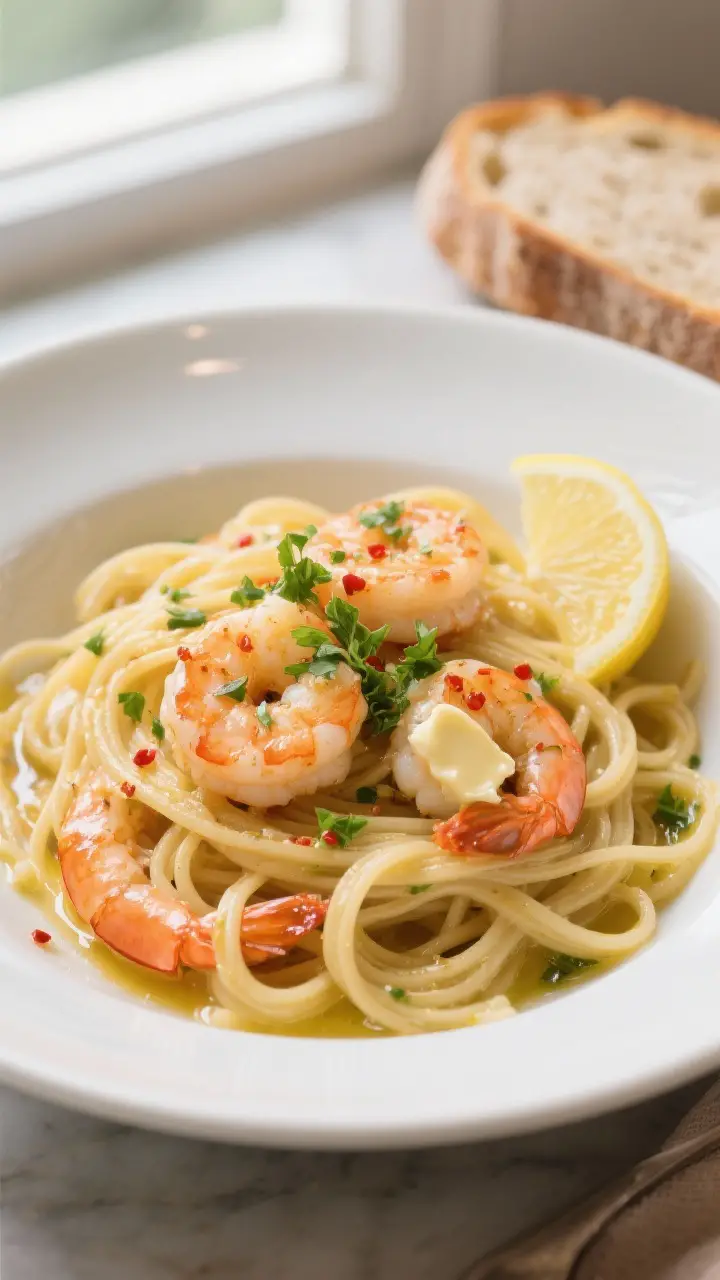
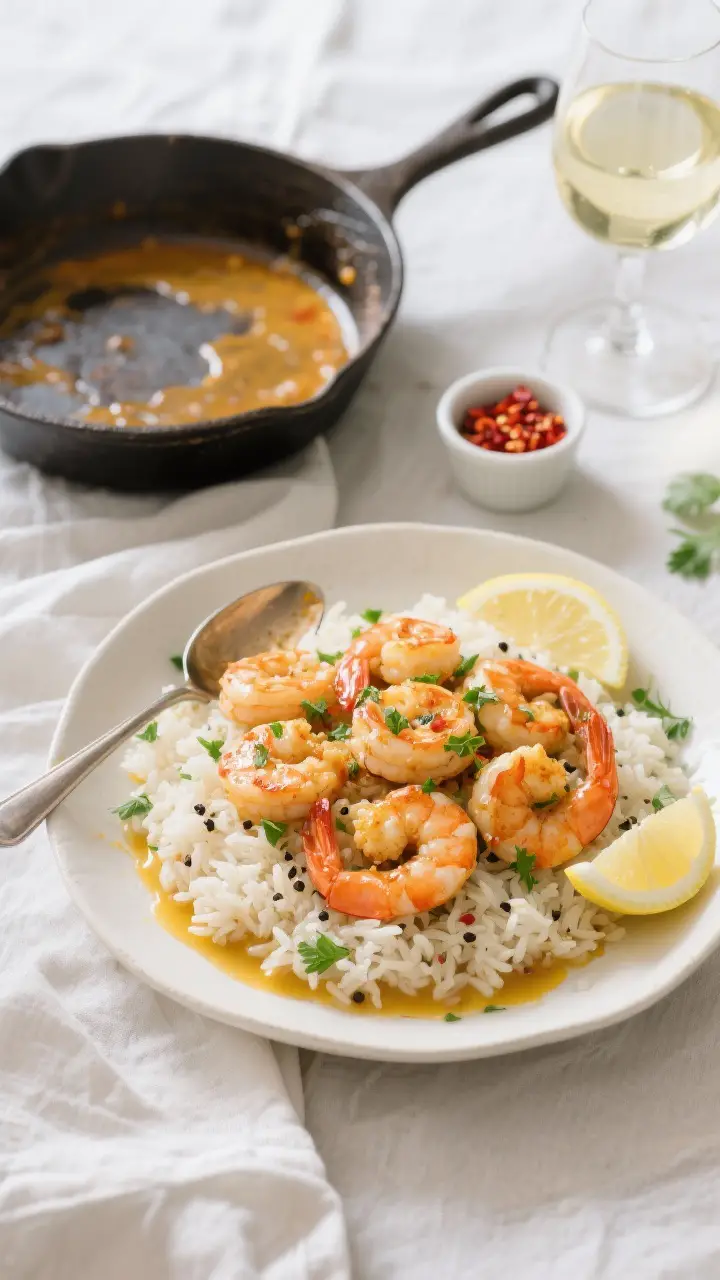
Toss it with pasta, spoon it over rice, or pair it with crusty bread to soak up the sauce. If you love big flavor and minimal fuss, this is a recipe you’ll keep on repeat.
Why This Recipe Works
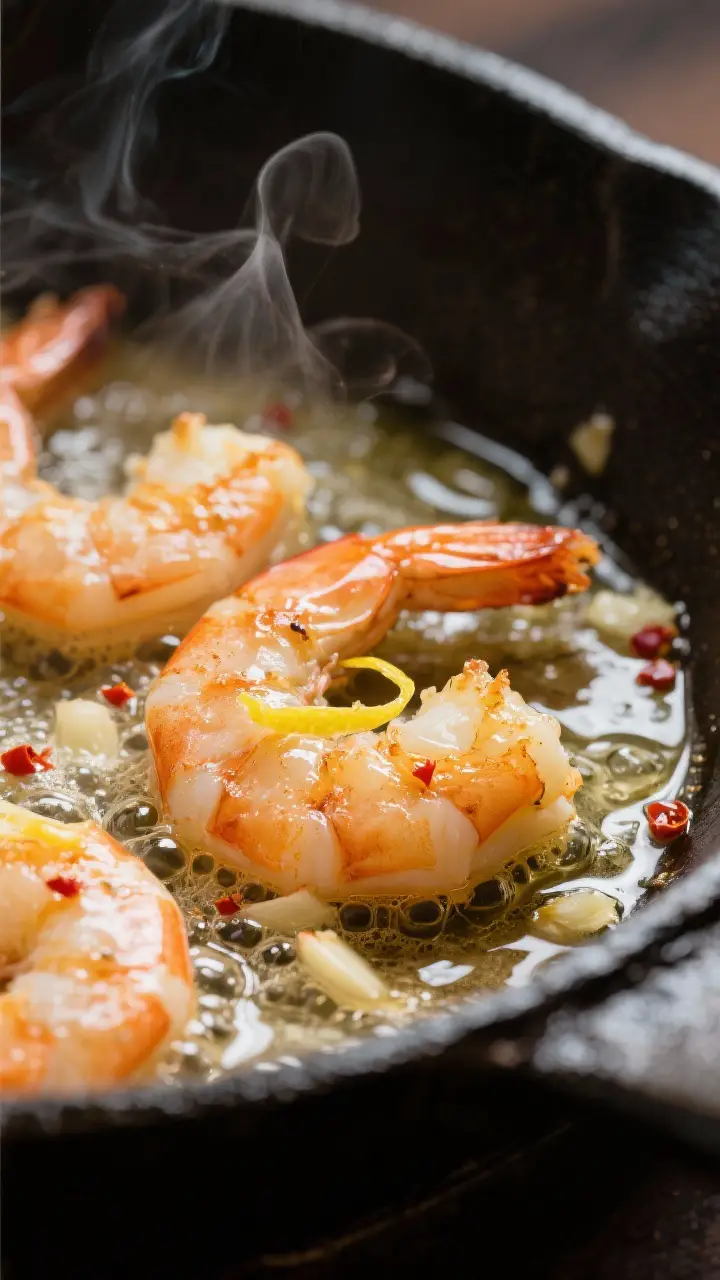
- Quick cooking, big payoff: Shrimp cooks in minutes, and the sauce comes together while the pasta boils or the bread warms.
- Balanced flavors: Garlic, lemon, butter, and white wine create a silky, tangy sauce that’s rich but not heavy.
- One pan simplicity: Everything happens in one skillet, making it perfect for busy nights or small kitchens.
- Flexible serving options: Serve over pasta, zoodles, rice, or with bread—whatever you have on hand.
- Reliable texture: A quick sear keeps shrimp juicy, while a splash of pasta water or stock helps the sauce coat every bite.
What You’ll Need
- 1 pound large shrimp, peeled and deveined (tail on or off, your choice)
- 3 tablespoons unsalted butter
- 2 tablespoons olive oil
- 4–5 garlic cloves, finely minced
- 1/2 teaspoon red pepper flakes (adjust to taste)
- 1/2 cup dry white wine (such as Pinot Grigio or Sauvignon Blanc) or low-sodium chicken stock
- 1 tablespoon fresh lemon zest
- 2–3 tablespoons fresh lemon juice
- 1/4 cup chopped fresh parsley
- Kosher salt and freshly ground black pepper, to taste
- Optional: 8 ounces spaghetti or linguine, crusty bread, or cooked rice for serving
- Optional: 1/4 cup reserved pasta water (if serving with pasta)
Instructions
- Prep the shrimp: Pat the shrimp very dry with paper towels. Season with salt and pepper.
Dry shrimp sear better and stay juicy.
- Heat the pan: Set a large skillet over medium-high heat. Add 1 tablespoon olive oil and 1 tablespoon butter. When the butter foams, it’s ready.
- Sear in batches: Add half the shrimp in a single layer.
Cook 1–2 minutes per side until just opaque and lightly golden. Transfer to a plate. Repeat with remaining shrimp using the second tablespoon of olive oil.
- Build the sauce: Reduce heat to medium.
Add remaining 2 tablespoons butter to the skillet. Stir in the garlic and red pepper flakes. Cook 30–60 seconds until fragrant, not browned.
- Deglaze: Pour in the white wine (or stock).
Scrape up any browned bits on the bottom of the pan. Simmer 2–3 minutes to reduce slightly.
- Add lemon: Stir in lemon zest and 2 tablespoons lemon juice. Taste and adjust with more lemon if you like it brighter.
- Return shrimp: Add the shrimp and any juices back to the pan.
Toss gently in the sauce for 1 minute to warm through and finish cooking.
- Finish with parsley: Stir in the parsley. Taste and season with salt and pepper. If serving with pasta, add the pasta and a splash of reserved pasta water to loosen and coat.
- Serve: Plate immediately.
Garnish with extra parsley or lemon wedges. Enjoy with crusty bread to catch the sauce.
Keeping It Fresh
- Storage: Refrigerate leftovers in an airtight container for up to 2 days. Shrimp doesn’t love long storage, so aim to enjoy it soon.
- Reheating: Warm gently over low heat with a splash of water, stock, or lemon to revive the sauce.
Avoid high heat to prevent rubbery shrimp.
- Make-ahead tips: Mince the garlic, chop the parsley, and zest the lemon in advance. You can also peel and devein the shrimp ahead and keep them chilled on paper towels.
Health Benefits
- Lean protein: Shrimp offers high-quality protein with relatively few calories, supporting muscle repair and satiety.
- Micronutrients: It’s a good source of selenium, iodine, and vitamin B12, which support metabolism and thyroid health.
- Heart-friendly fats: Olive oil adds monounsaturated fats, while moderation with butter keeps richness in check.
- Antioxidants: Garlic, parsley, and lemon provide antioxidants and fresh flavor without relying on heavy sauces.
Pitfalls to Watch Out For
- Overcooking shrimp: Shrimp turn opaque and curl into a loose “C” when done. A tight “O” shape usually means they’re overcooked.
- Watery sauce: If shrimp aren’t dried well or the pan is overcrowded, they steam.
Sear in batches for better browning and richer flavor.
- Burnt garlic: Garlic cooks fast. Keep heat moderate and stir constantly for the short sauté step.
- Too tart or too flat: Balance is key. If it’s too sharp, add a small knob of butter or a splash of stock.
If it’s flat, add a squeeze of lemon or a pinch of salt.
Recipe Variations
- Lemony Parmesan: Add 1/4 cup freshly grated Parmesan at the end for a creamier, savory finish.
- Tomato Twist: Stir in 1/2 cup halved cherry tomatoes with the garlic for a light, sweet pop.
- Herb Swap: Replace parsley with basil or chives, or add a teaspoon of fresh thyme for earthiness.
- Spicy Kick: Increase red pepper flakes, or add a dash of Calabrian chili paste to the sauce.
- Garlic Butter Zoodles: Toss with zucchini noodles instead of pasta for a lighter option.
- Brown Butter Upgrade: Lightly brown the butter before adding garlic for a nutty depth.
- Gluten-Free Friendly: Use gluten-free pasta or serve over polenta or rice.
- Dairy-Free: Swap butter with a dairy-free butter or more olive oil. Add a touch of cashew cream if you want it silkier.
FAQ
What’s the best shrimp size for scampi?
Large or extra-large shrimp (16–26 per pound) work best. They’re meaty, cook evenly, and won’t overcook as quickly as smaller shrimp.
Do I have to use wine?
No.
Low-sodium chicken stock or seafood stock works well. Add a teaspoon of white wine vinegar or extra lemon to bring back acidity.
Should I remove the tails?
It’s your call. Tails look nice and add flavor as they cook, but tail-off is easier to eat, especially if tossing with pasta.
Can I use frozen shrimp?
Yes.
Thaw in the fridge overnight or quickly under cold running water. Dry very well before cooking to avoid a watery sauce.
What pasta pairs best?
Linguine or spaghetti are classic. Angel hair works too, but cook it al dente so it doesn’t get mushy in the sauce.
How do I thicken the sauce?
Reduce it a bit longer, or add a splash of reserved pasta water to help it cling.
For a richer finish, whisk in an extra tablespoon of butter off the heat.
Can I make it spicier?
Absolutely. Add more red pepper flakes, or stir in a bit of hot sauce or chili paste to taste.
Final Thoughts
One Pan Shrimp Scampi is the kind of weeknight hero that feels restaurant-worthy without the fuss. It’s quick, bright, and flexible enough to fit whatever you have in the pantry.
With a handful of ingredients and a few smart steps, you’ll have a silky, garlicky sauce and perfectly cooked shrimp every time. Keep this one in your back pocket—you’ll use it often and never get tired of it.
Printable Recipe Card
Want just the essential recipe details without scrolling through the article? Get our printable recipe card with just the ingredients and instructions.