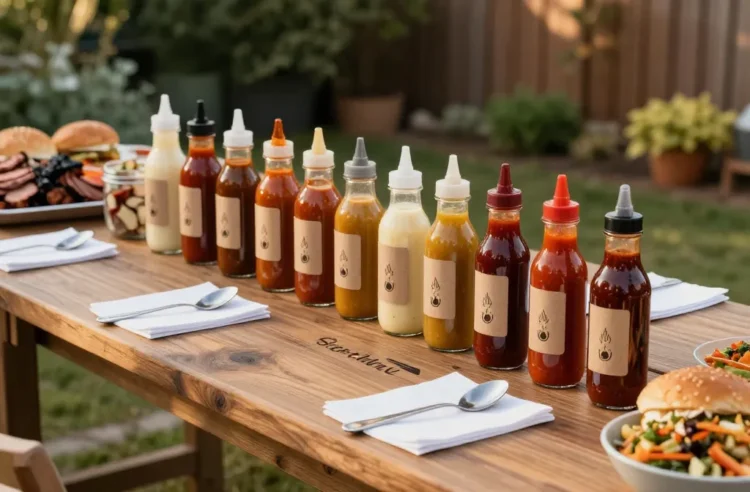
- Best for: Backyard cookouts, graduation parties, tailgates
- Make ahead: Yes — prep sauces and labels up to 3 days in advance
- Serves: 50 guests with 10–12 sauce options
- Key tip: Offer a clear “Start Here” mild sauce and label heat levels visibly
How to Set Up a BBQ Sauce Station for a Party of 50 sounds intense, but it’s simpler than it looks. With a few smart containers, clear labels, and the right mix of sauces, you’ll keep the line moving and plates piled high. We’ll cover quantities, layout, toppings, and traffic flow. By the end, you’ll have a step-by-step plan you can execute the day before your event.
Plan the Sauces: Variety, Not Chaos
Go broad on styles, tight on choices. Ten to twelve sauces hits all tastes without overwhelming people. Aim for a balanced lineup across heat, sweetness, and regional flavors.
- Mild crowd-pleasers: Classic sweet molasses, honey BBQ, Carolina gold (mustard), Alabama white (mayo-vinegar)
- Tangy and vinegar-driven: Eastern Carolina vinegar-pepper, Kansas City-style (tomato-vinegar blend)
- Smoky and spicy: Chipotle-molasses, Texas mop sauce (thin, peppery), spicy habanero or jalapeño
- Specialty/alternative: Bourbon-peach, Korean gochujang glaze, maple-balsamic, sugar-free/low-carb
Proportion tips: Plan for about 2.5–3 tablespoons sauce per person per meat. For a party of 50, that’s roughly 6–7 cups total if serving one meat, or 10–12 cups for two meats. Favor mild and classic styles at a 2:1 ratio over spicy.
Containers, Dispensers, and Food Safety
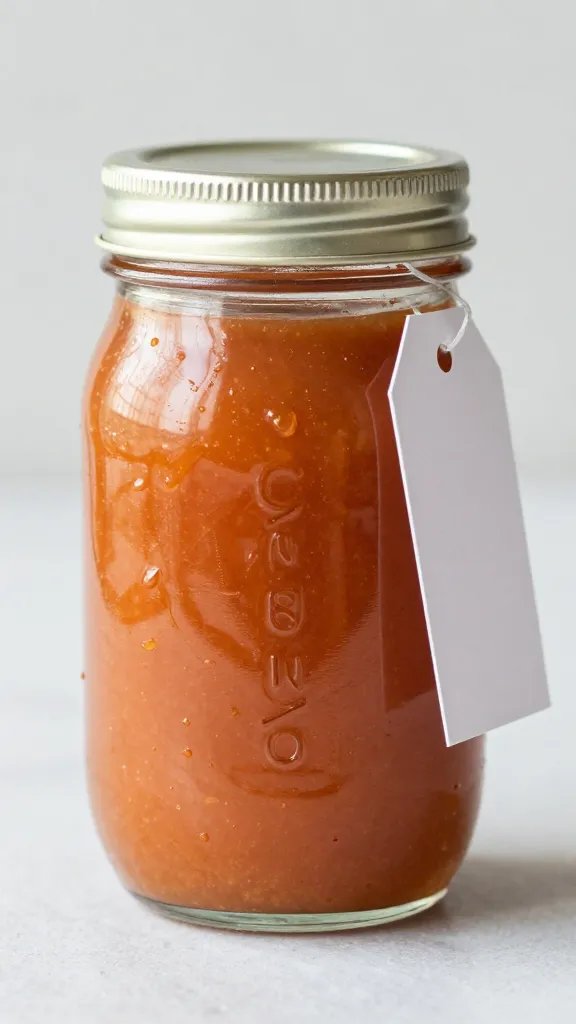
Choose containers that are easy to refill and keep clean. Labeling and portion control matter when 50 people are in line.
- Squeeze bottles (16–24 oz): Best for thicker, tomato-based sauces. Get food-service bottles with caps. You’ll need 12–14 bottles.
- Shallow deli cups or ramekins (4–8 oz): Great for thin vinegar sauces and mops; include ladles or pour spouts.
- Allergen-safe color coding: Use a different color cap or band for sauces with allergens (soy, dairy, sesame).
- Backup pitchers: Keep 1–2 quart containers of each sauce chilled and ready to refill discreetly.
Temperature and hygiene: Sauces with mayo or dairy (Alabama white, ranch-style mixes) should sit on ice trays or in a shallow pan set over ice. Keep out under 2 hours at room temp; rotate fresh batches from the cooler. Provide clean napkins and a damp towel behind the station for quick wipe-downs.
Layout That Keeps the Line Moving
Think buffet flow: clear entry, clear exit. Keep the station after the meats but before buns and sides so guests sauce as they build plates.
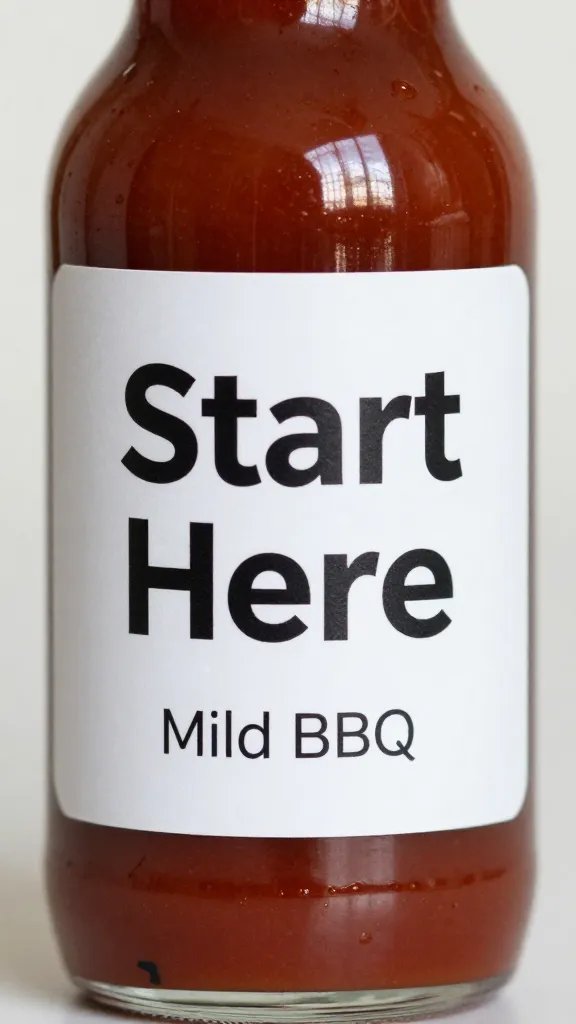
- Start Here zone: Place a mild “House BBQ” front and center. Add “Mild,” “Medium,” and “Hot” markers across the row.
- Flavor families: Group by style: Classic tomato-based, Mustard/White, Vinegar, Spicy/Smoky, Specialty.
- Taste-and-go: Set out mini tasting spoons or pretzel sticks for quick sampling. Provide a small discard cup.
- Allergen and diet corner: Clearly mark Gluten-Free and Low-Carb sauces on a small riser or separate tray.
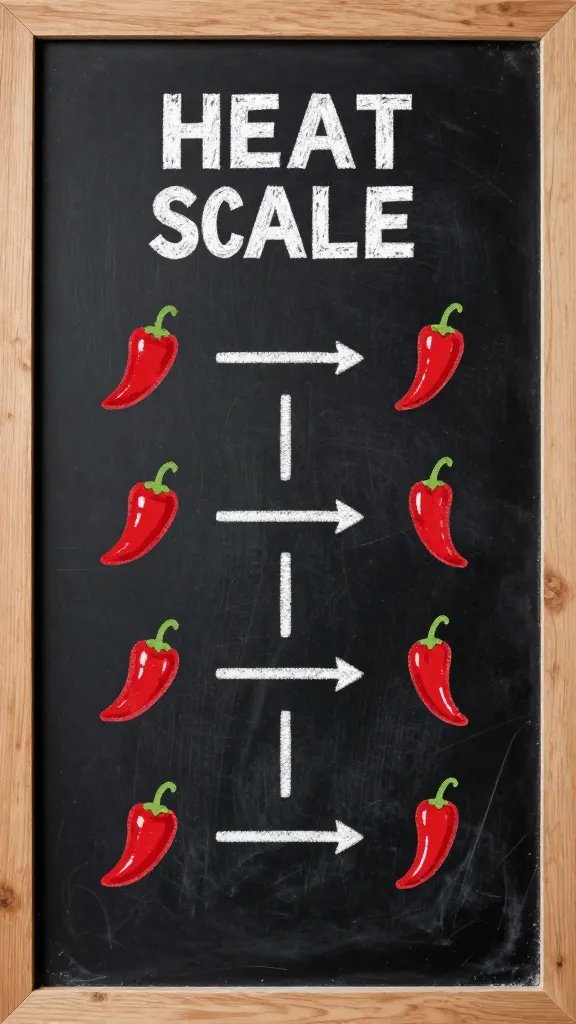
Signage matters: Use 2–3 word names plus heat icons (1–3 peppers). Add a “Best with…” line: brisket, pulled pork, chicken, ribs. People decide faster with prompts.
Make-Ahead Timeline and Quantities for 50
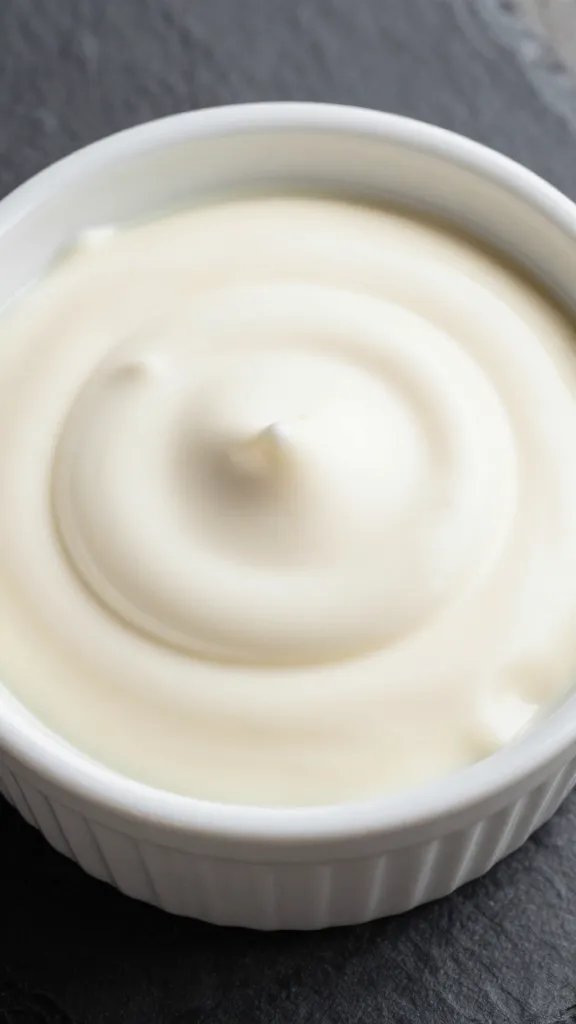
Prep smart and most of the work is done before guests arrive. Sauces taste better after a night in the fridge anyway.
Three days out
- Choose 10–12 sauces and finalize the menu.
- Print labels with name, heat level, allergens, best pairings.
- Shop shelf-stable ingredients and disposable supplies.
Two days out
- Cook or mix sauces. Simmer tomato-based sauces to thicken; cool fully.
- Fill squeeze bottles and containers. Store upright in trays in the fridge.
- Prep backup refill containers (labeled). Stack in order of use.
Day of the party
- Set up tables with a non-slip liner and a drip tray under bottles.
- Arrange sauces by family, place signage, set out tasting spoons and trash cups.
- Put mayo/dairy sauces on ice. Keep refills chilled.
Quantity cheat sheet for 50
- Classic sweet BBQ: 2 quarts
- Kansas City tomato-vinegar: 1.5 quarts
- Carolina gold (mustard): 1 quart
- Alabama white: 1 quart (on ice)
- Eastern Carolina vinegar-pepper: 1 quart
- Texas mop (thin, peppery): 1 quart
- Chipotle or smoky hot: 1 quart
- Habanero or extra hot: 0.5 quart
- Specialty fruit-bourbon or gochujang glaze: 1 quart
- Low-carb/sugar-free option: 0.75–1 quart
Adjust up if serving mostly pulled pork and chicken (sauce-heavier), down if serving fatty brisket with a strong rub.
Toppings and Extras That Make It Memorable
A sauce station shines with a few smart add-ons. Keep it simple but intentional.
- Crunchettes: Pickled red onions, dill pickle chips, jalapeño slices, crispy fried onions
- Fresh lifts: Chopped cilantro, scallions, thin-sliced cabbage, lime wedges
- Dry shakers: Brown sugar-chile rub, lemon pepper, celery seed, smoked paprika
- Buns and bases: Potato rolls, brioche, white bread slices, lettuce cups for low-carb
Offer a “Signature Pairings” mini sign like: Carolina vinegar + pulled pork + pickled onions, or Alabama white + smoked chicken + dill pickles.
BBQ Sauce Station Setup: Step-by-Step
- Table and flow: Two 6-foot tables in an L-shape; entry nearest the grill, exit toward sides/drinks.
- Liners and elevation: Down a washable runner; use cake stands or crates to create two levels for visibility.
- Place families: Mild classics first, then mustard/white, vinegar, spicy, specialty, diet options last.
- Label clearly: Clip-on tags or tent cards with heat icons and allergen notes.
- Tasting spot: Small tray with tasting spoons and a discard cup at the station start.
- Napkins and wipes: A stack of napkins at both ends, plus a discreet wet towel behind the table.
- Refill system: Keep backups in a cooler behind the station; swap bottles before they’re empty to avoid traffic jams.
From My Kitchen: What Actually Works
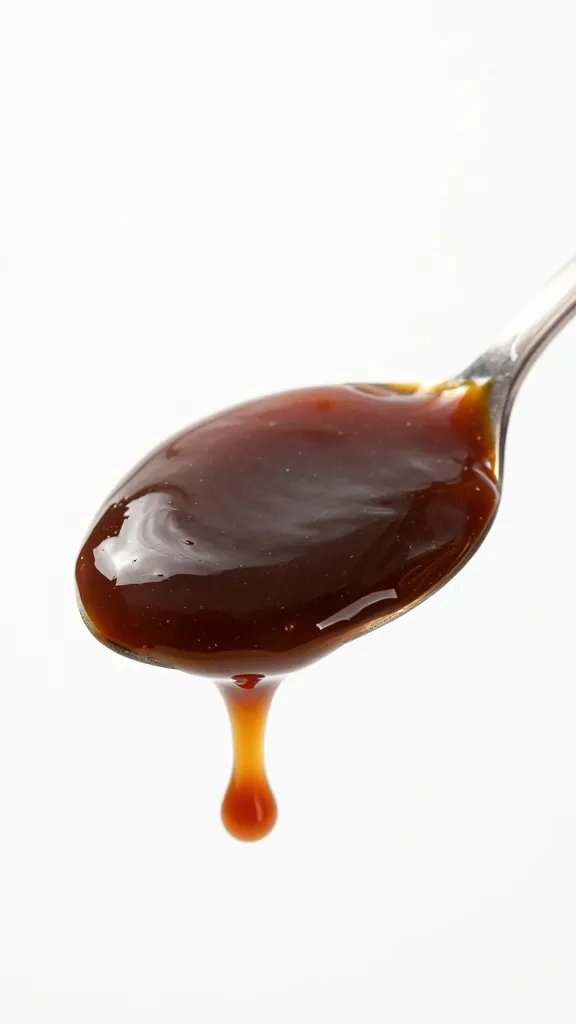
The biggest slowdown I see is people hunting for “just a little” heat. I now put a single medium-heat chipotle bottle right after the house mild sauce and it cuts decision time by half. Alabama white sauce runs fast in squeeze bottles, so I thicken it to coat-the-spoon and keep it on ice in a wide-mouth jar with a small ladle. Vinegar sauces separate after an hour; a quick 2-second shake every 20 minutes keeps them uniform. Finally, I plan 25% more of the mild classic than any other sauce — it always goes first.
Smart Pairings and When to Skip Sauce
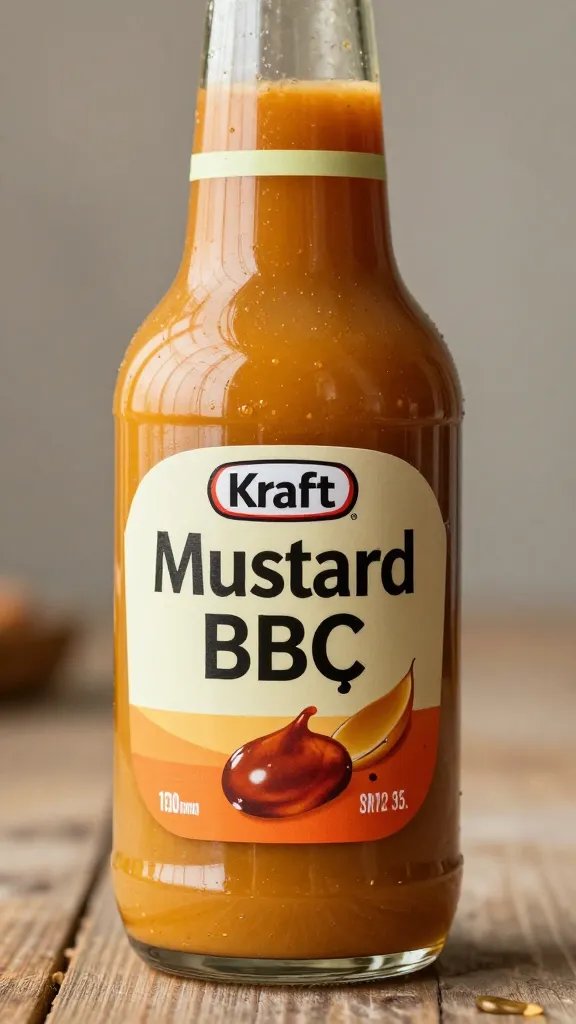
Let the meat speak when it’s stellar. Offer a small sign: “Try brisket first — sauce after the first bite.” It nudges folks to taste the bark before drowning it.
- Brisket: Texas mop, chipotle-molasses, coarse salt + pepper shaker
- Pulled pork: Eastern Carolina vinegar, Carolina gold, classic sweet
- Chicken: Alabama white, honey BBQ, lemon pepper shaker
- Ribs: Kansas City, bourbon-peach glaze, spicy hot for the adventurous
If you want a bright, herby option alongside the sweet sauces, try this chimichurri recipe; it’s fantastic on chicken and tri-tip. For grilled veggies or steak lovers, a fresh, garlicky green sauce like this salsa verde rounds out the station without adding more sugar.
Frequently Asked Questions
How much sauce do I need to set up a BBQ sauce station for a party of 50?
Plan on 10–12 cups total if you’re serving two meats, or 6–7 cups for one meat. Heavier sauce users show up at casual cookouts, so keeping a 10–15% buffer prevents last-minute runs.
Can I make the sauces ahead of time?
Yes. Tomato-based and mustard sauces improve after 24–48 hours in the fridge. Vinegar sauces keep well for a week; mayo-based (Alabama white) should be made 1–2 days ahead and held cold.
What’s the best way to serve a BBQ sauce station outdoors?
Use squeeze bottles for thick sauces and jars with ladles for thin ones. Keep dairy-based sauces on ice, provide napkins at both ends, and position the station after the meat so guests sauce as they build plates.
How long can sauces sit out safely?
Tomato and vinegar sauces can sit out for up to 2 hours below 90°F; refrigerate between service. Mayo or dairy sauces should be on ice and rotated every 1–2 hours to stay at safe temps.
What if someone needs gluten-free or low-sugar sauces?
Offer at least one clearly labeled gluten-free and one low-carb option. Many vinegar-based sauces are naturally gluten-free; sugar-free ketchup bases or mustard sauces work well for low-carb.
Should I warm the sauces?
Room temp is fine for most. For cold weather, keep a small insulated carafe with warm classic BBQ and refill from a stovetop pot at low heat to avoid scorching.
The Bottom Line
With 10–12 well-labeled sauces, smart containers, and a clear flow, your sauce station will keep 50 guests happy without a bottleneck. Prep most of it two days ahead and let the pairings guide people to quick, tasty choices.
Planning to try this? Save this post so you can find it when you need it — and tag us when you make it.
Pingback: Salsa Verde vs Chimichurri vs Gremolata vs Pesto: Green Sauce Guide - Whaley Cooks