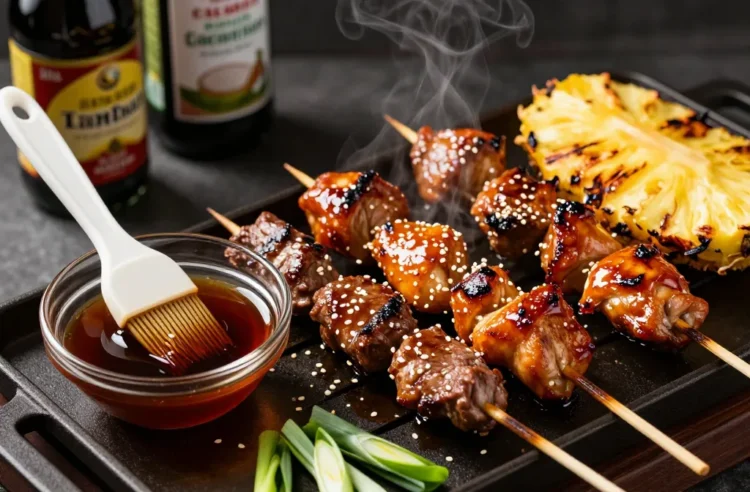
- Best for: Weeknight grilling, potluck skewers, and meal-prep marinades
- Make ahead: Yes — up to 2 weeks refrigerated
- Serves: About 1 cup of concentrate; marinates 2–3 pounds of protein
- Key tip: Balance salt with sweetness and acid; taste before adding to meat
Looking for a Gluten-Free Soy Sauce Substitute for Asian BBQ Marinades that actually nails the glossy, savory depth? You can build that classic umami with pantry staples — and no wheat. This version hits the sweet-salty-smoky notes you epect from bulgogi, yakitori, and teriyaki-style marinades. You’ll get a reliable base recipe, smart swaps, and step-by-step guidance to make it your own.
Why Go Gluten-Free Without Losing Umami
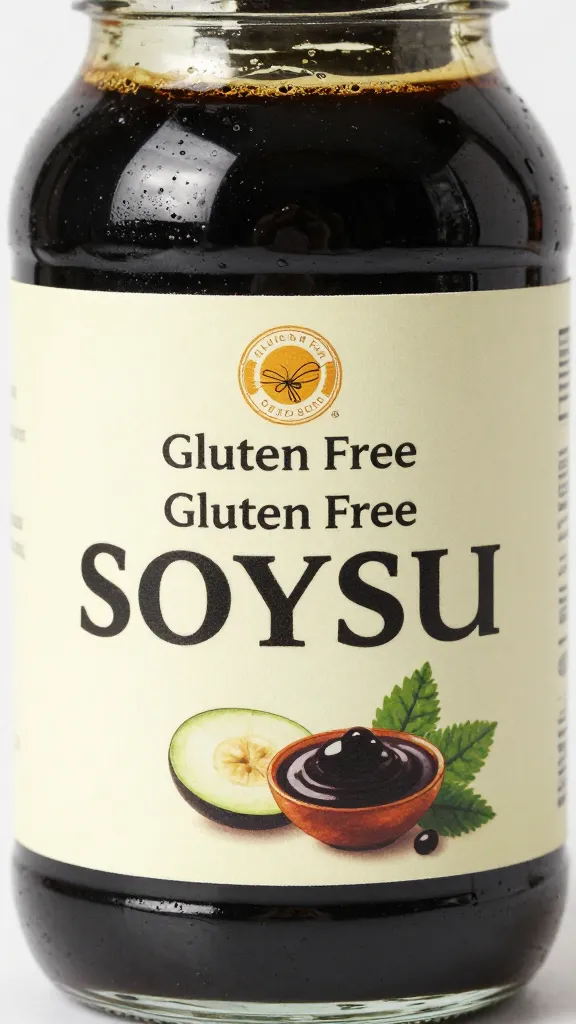
Traditional soy sauce contains wheat, which knocks it out for celiac and gluten-sensitive cooks. The good news: tamari, coconut aminos, and homemade umami concentrates recreate the same depth.
Each option brings different salt and sweetness levels. The trick is dialing those in so your marinade reduces to a glaze rather than turning cloying or flat.
The Core Recipe: Gluten-Free Soy Sauce Substitute
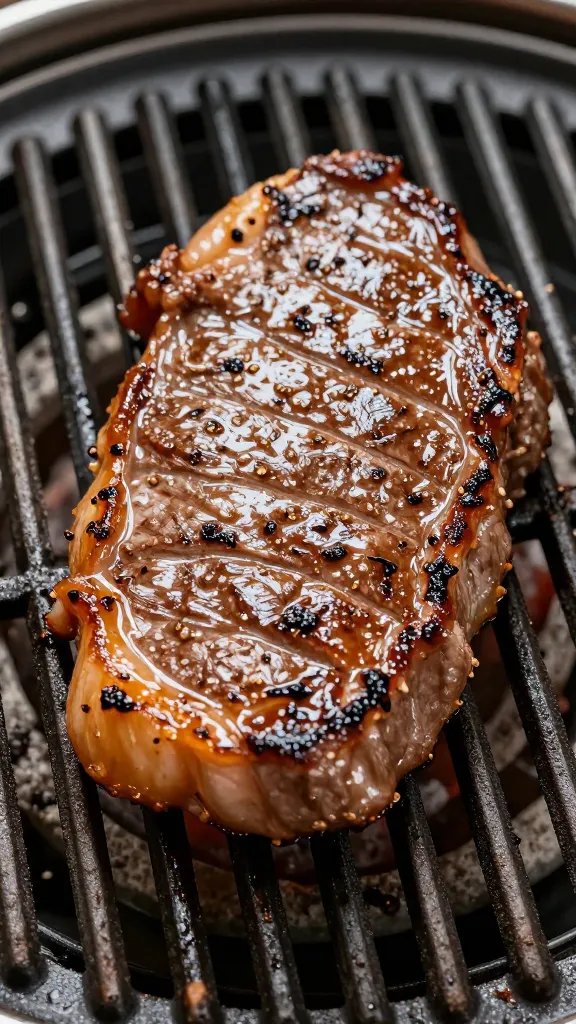
This is a concentrated base you’ll use 1:1 for soy sauce in marinades and sauces.
- 1/2 cup tamari (gluten-free; use low-sodium if you can)
- 1/2 cup coconut aminos (adds mild sweetness and roundness)
- 2 tablespoons mushroom powder (shiitake or porcini; boosts umami)
- 1 tablespoon fish sauce (certified gluten-free; optional but powerful)
- 1 tablespoon rice vinegar (unseasoned)
- 2 teaspoons dark brown sugar (or maple syrup)
- 1 teaspoon toasted sesame oil
- 1 small clove garlic, grated and 1 teaspoon fresh ginger, grated
- 1/4 cup water to loosen
- Whisk all ingredients until the mushroom powder dissolves. Rest 5 minutes, then whisk again.
- Taste. Adjust salt with tamari, sweetness with coconut aminos or sugar, and brightness with vinegar.
- Transfer to a jar. Chill 24 hours for flavors to marry before using in a marinade.
Use it like soy sauce: For marinades, start with 1/3 cup of this base per pound of protein, then add aromatics, citrus, and oil as needed.
Build an Asian BBQ Marinade with the Substitute
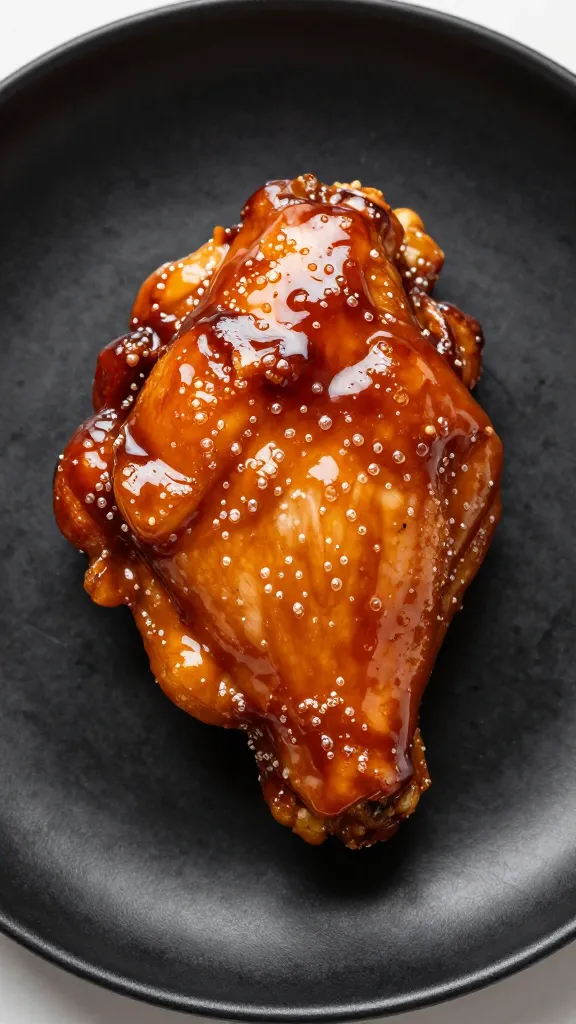
Use the base to create glossy, char-friendly marinades for beef, chicken, pork, tofu, and mushrooms.
All-Purpose BBQ Marinade (Great for Skewers)
- 1/2 cup Gluten-Free Soy Sauce Substitute
- 2 tablespoons mirin (or 1 tablespoon honey + 1 tablespoon water)
- 1 tablespoon rice vinegar
- 2 tablespoons neutral oil
- 1 teaspoon toasted sesame oil
- 1 teaspoon grated ginger, 1 teaspoon grated garlic
- Optional: 1/2 teaspoon gochugaru or chili flakes
- Whisk and taste. It should lean slightly sweet; grilling will add bitterness to balance.
- Marinate 30 minutes for seafood, 1–4 hours for chicken or pork, 30–90 minutes for beef, and 30–60 minutes for tofu or mushrooms.
- Reserve 1/4 cup marinade before it touches raw protein for basting and finishing.
Pro tip: If using only coconut aminos, cut added sugar in half; it’s naturally sweeter and can burn faster.
Flavor Variations for Specific Dishes
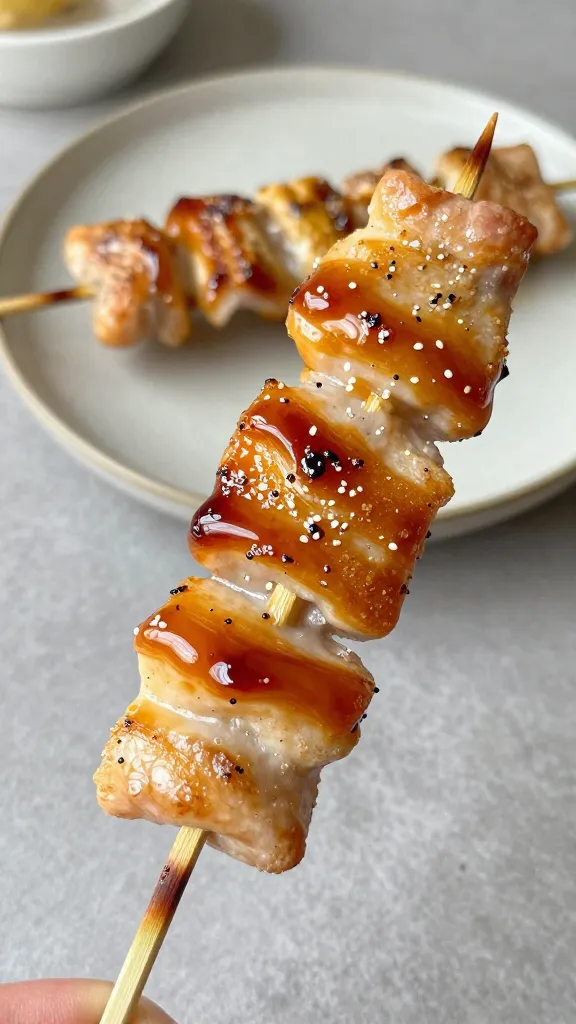
“Teriyaki-Style” Glaze
- 1/2 cup substitute base, 2 tablespoons mirin, 1 tablespoon brown sugar, 1 teaspoon grated ginger
- Simmer 6–8 minutes until syrupy, then brush during the last 2–3 minutes of grilling.
Bulgogi-Inspired Marinade
- 1/2 cup substitute base, 1/2 Asian pear grated (or 2 tablespoons pear juice), 1 tablespoon brown sugar, 2 teaspoons sesame oil, 2 cloves garlic, 1 scallion sliced
- Marinate thin-sliced beef 30–60 minutes. Cook hot and fast.
Yakitori-Style Tare
- 1/2 cup substitute base, 1/4 cup mirin, 1/4 cup sake (or dry white wine), 1 tablespoon sugar
- Simmer to a glaze; baste chicken skewers repeatedly.
Plant-Forward Mushroom “Steak”
- 1/3 cup substitute base, 1 tablespoon maple, 1 tablespoon rice vinegar, 2 tablespoons oil
- Marinate portobellos 30 minutes. Grill and finish with sesame seeds and scallions.
Ingredient Swaps and Allergen Notes
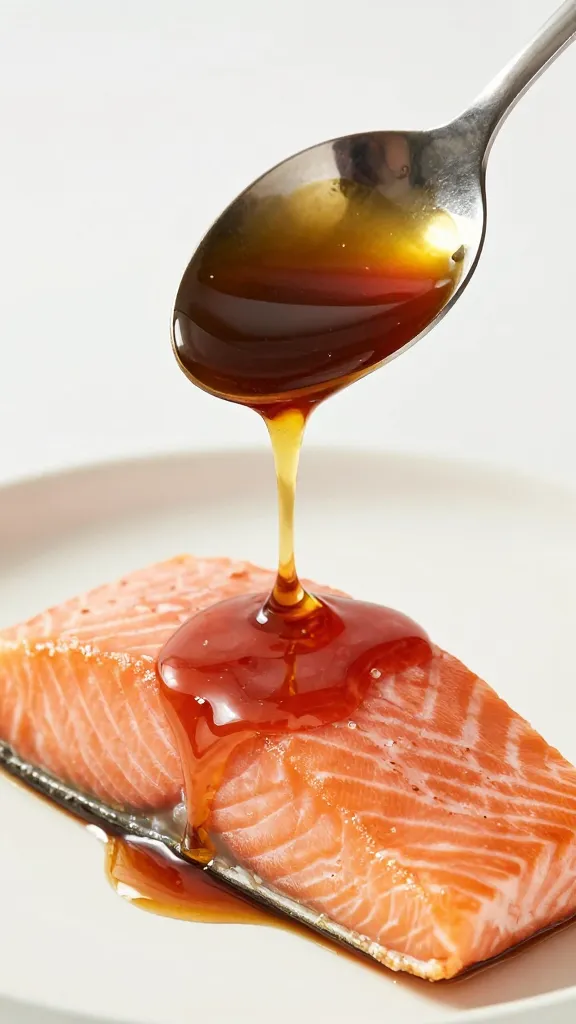
- No fish sauce? Use 1 teaspoon white miso or 1/2 teaspoon soy-free “fish” sauce; add a splash of water to thin.
- Soy-free path: Replace tamari with etra coconut aminos and add 1 tablespoon white miso alternative made from chickpea or rice.
- No mushroom powder? Steep 1 dried shiitake in 1/4 cup hot water for 10 minutes; use the liquid and finely mince the cap.
- Low-sodium needs: Choose low-sodium tamari and omit the added sugar initially; season at the end.
Marinating and Grilling: Timing That Works

- Seafood: 20–30 minutes; high heat, quick cook.
- Chicken thighs/drums: 2–4 hours; medium heat to prevent burning sugars.
- Thin-cut beef or pork: 30–90 minutes; hot and fast sear.
- Tofu/tempeh: 30–60 minutes; press tofu first for better absorption.
- Mushrooms/eggplant: 30–45 minutes; oil the grates well.
Grill smart: Sugars scorch above 450°F. Start over direct heat for color, then finish over indirect with reserved glaze.
Storage, Scaling, and Meal Prep
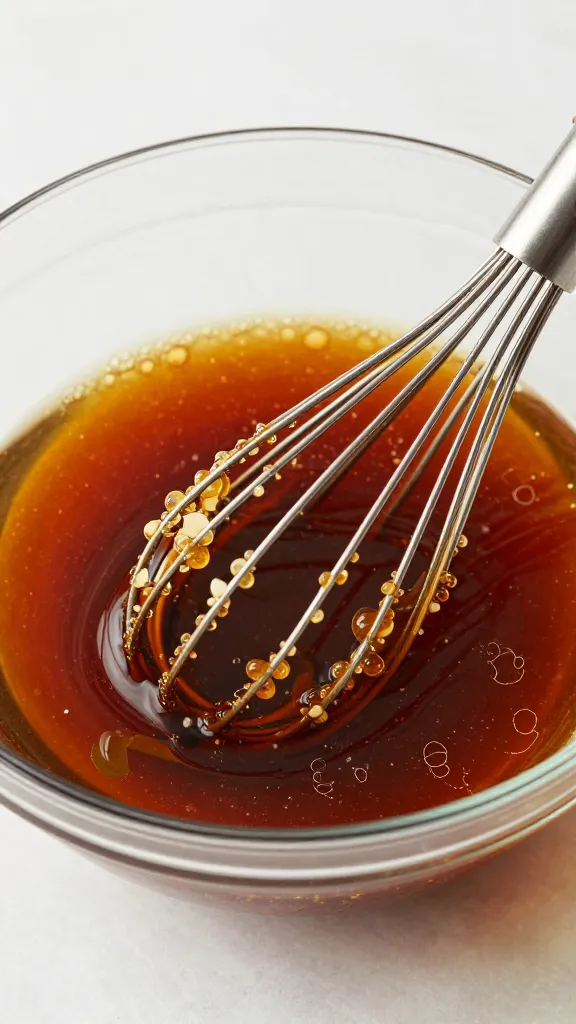
- Fridge: The base keeps 2 weeks sealed; shake before using.
- Freezer: Freeze in ice cube trays; pop out 2–3 cubes per pound of protein.
- Scaling: Double everything ecept sesame oil; add that to taste at the end.
- Batch cooking: Make the base once and branch into teriyaki, bulgogi-style, or tare with quick add-ins.
From My Kitchen: What Actually Works
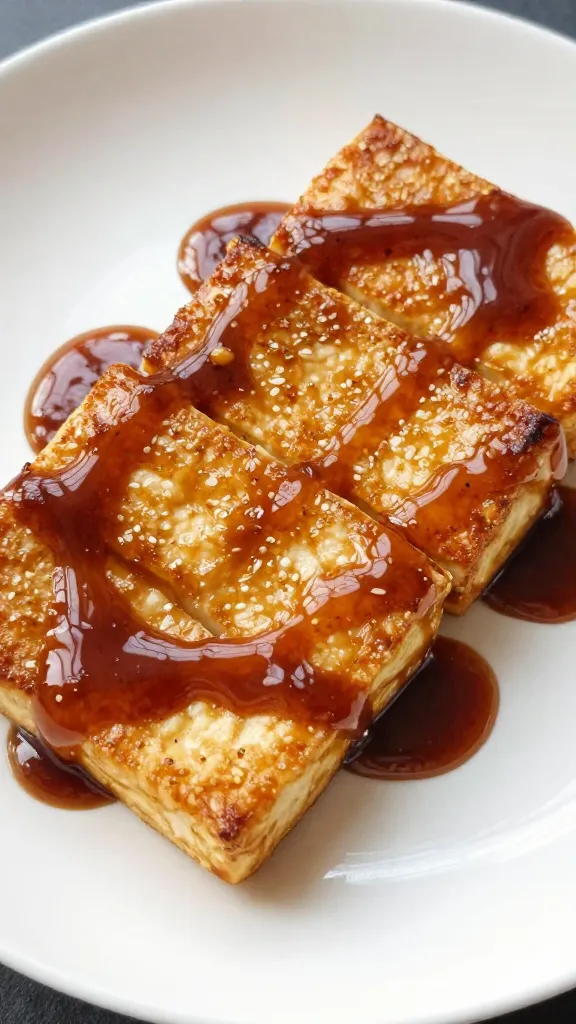
The biggest pitfall is sweetness creep. Coconut aminos varies by brand; some are twice as sweet. I now add sugar only after a test sear on a scrap piece — the grill’s heat always amplifies sweetness.
I also simmer the yakitori-style tare for a full 8 minutes; at 5 minutes it doesn’t cling to skewers. When scaling up for parties, I cut the sesame oil by half until the end; too much early on mutes brightness and makes the marinade feel heavy.
Pair It Up: Sides and Sauces
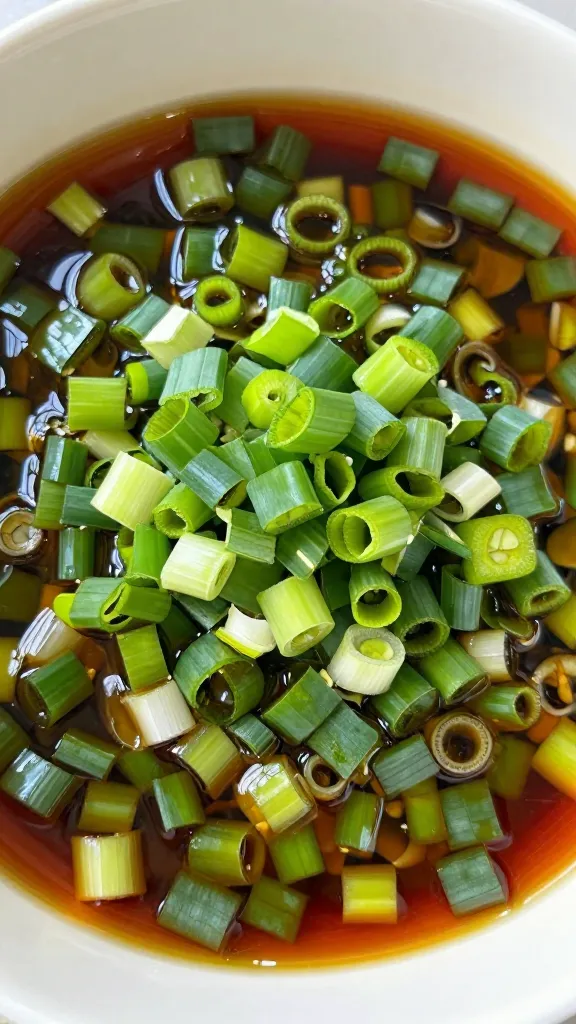
Round out your grill with crisp-herb sauces and fresh salads. Bright greens and acidity keep the platter balanced.
- Spoon over with this chimichurri recipe for a sharp, herby contrast.
- Serve alongside a crunchy slaw or a tangy cucumber salad like these easy summer salads to cut through richness.
Frequently Asked Questions
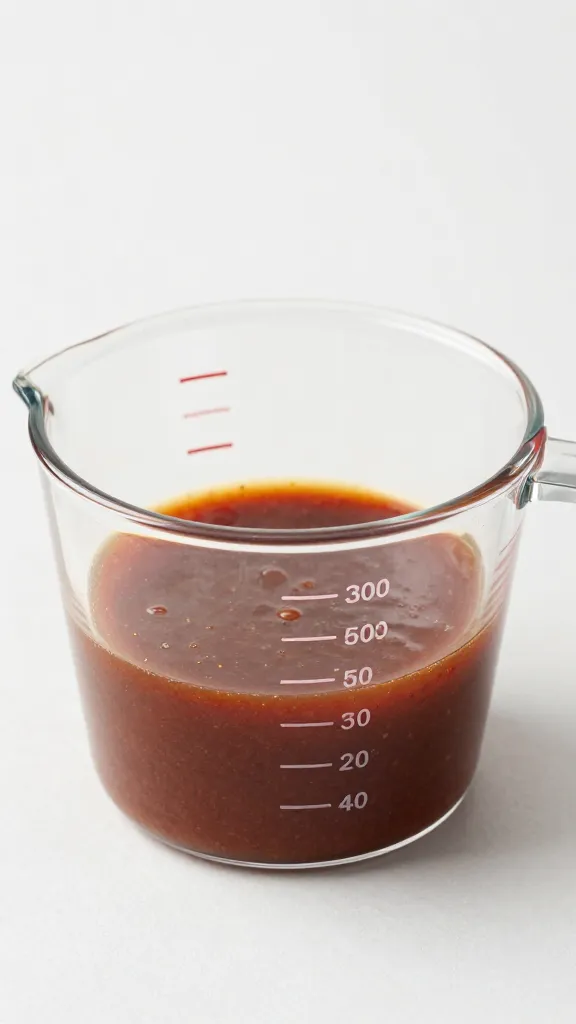
Can I make Gluten-Free Soy Sauce Substitute ahead of time?
Yes. Mi it and chill 24 hours for best flavor. It keeps up to 2 weeks in the refrigerator or 3 months frozen in cubes.
How long does the substitute keep in the fridge?
Up to 14 days in a sealed jar. Shake before using because mushroom particles settle; if it smells off or looks cloudy beyond normal sediment, discard.
Is tamari always gluten-free?
Most tamari is gluten-free, but always check the label for certification. Some brands process on shared equipment, which can matter for celiac safety.
What’s the best ratio of substitute to protein for marinades?
Start with 1/3 cup per pound of protein plus 1–2 tablespoons oil. For stronger flavor, go to 1/2 cup per pound, but shorten the marinating time to avoid over-salting.
Can I use the marinade as a sauce after raw meat has soaked in it?
Only if you boil it for at least 3 minutes to kill pathogens. Better: Reserve a clean portion before adding the rest to raw protein for basting and finishing.
Can I freeze the Gluten-Free Soy Sauce Substitute?
Yes. Freeze in 1–2 tablespoon portions. Thaw in the fridge and whisk before using; flavors stay intact.
The Bottom Line
You don’t need wheat to get deep, glossy, umami-packed marinades. Build a balanced base, taste before you marinate, and adjust heat and sugar so the grill does the final magic.
Planning to try this? Save this post so you can find it when you need it — and tag us when you make it.