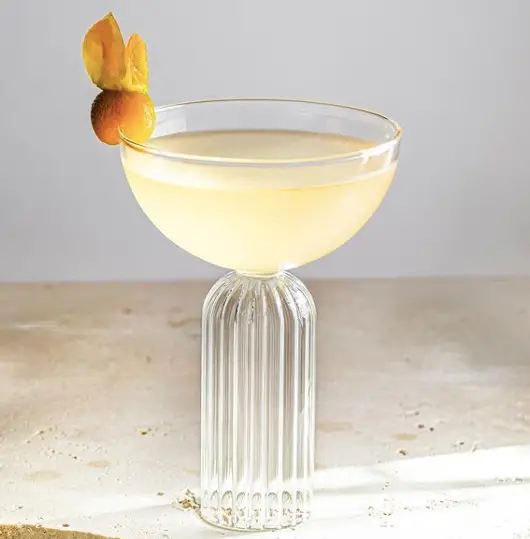
The holiday season brings opportunities to gather with loved ones and create memorable experiences. At the heart of these celebrations is often a thoughtfully curated drink menu that delights guests and complements the festive atmosphere. Whether you’re hosting an intimate dinner party or a larger holiday gathering, the beverages you serve can transform an ordinary event into something truly special.
Key Takeaways
- Balance your menu with alcoholic and non-alcoholic options to ensure inclusivity for all guests
- Incorporate seasonal ingredients like cranberries, cinnamon, and citrus for authentic holiday flavors
- Batch cocktails in advance to minimize hosting stress and maximize enjoyment
- Understand flavor science principles to create well-balanced, memorable beverages
- Create a signature cocktail that reflects your event’s theme and gives guests a unique experience
- Design your beverage station with both functionality and aesthetics in mind
- Consider thoughtful food pairings to enhance the overall culinary experience
Introduction: Creating the Perfect Festive Drink Experience
At Whaley Cooks, we understand that a well-planned drink menu balances creativity with practicality. Festive beverages aren’t just about taste—they’re about creating moments of connection and celebration that guests will remember long after the event ends. The right selection of drinks can set the tone for your entire gathering, stimulating conversation, creating sensory experiences, and providing a vehicle for toasts and shared enjoyment throughout the event.
In this guide, we’ll walk you through everything you need to know about building a festive drink menu that impresses guests while keeping your hosting duties manageable. From understanding the science behind flavor combinations to practical setup advice, we’ve gathered our best insights to help you create a drink experience that perfectly complements your holiday celebrations. Whether you’re a seasoned host or planning your first holiday gathering, these principles will help you create beverages that delight the senses and enhance the festive spirit.
1. Planning Your Festive Drink Menu: Balance and Variety
The foundation of any successful festive drink menu is thoughtful planning that considers your guests’ preferences while maintaining a cohesive theme. A well-balanced menu offers options for everyone while staying manageable for you as the host. Strategic planning ensures that you can enjoy your own gathering rather than spending the entire event mixing drinks or managing complex beverage logistics.
Consider Your Guest List
Before selecting specific drinks, think about who will be attending your gathering. Will there be children present? Guests who don’t consume alcohol? People with dietary restrictions? Creating an inclusive menu ensures everyone feels welcome and can participate in the festivities. Take time to consider any known preferences or restrictions among your invitees, and plan accordingly to accommodate these needs without making them seem like an afterthought.
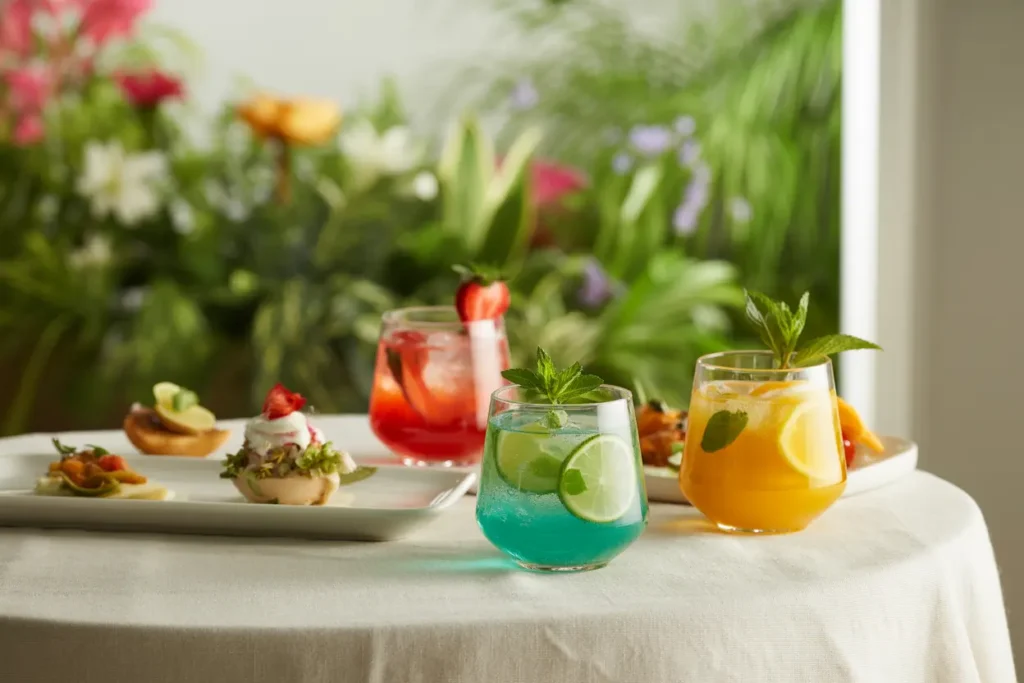
Non-alcoholic options are essential for any festive gathering, not just as an afterthought but as carefully crafted beverages that stand on their own merits. Today’s mocktails offer sophisticated flavor profiles that can be just as impressive as their alcoholic counterparts. Modern non-alcoholic beverages have evolved significantly, with complex flavor profiles, artisanal ingredients, and presentation techniques that rival traditional cocktails in every way except alcohol content.

Create a Balanced Selection
A well-rounded festive drink menu typically includes:
- Signature cocktails: 2-3 special drinks that showcase the season’s flavors and reflect your event’s theme. These unique offerings become conversation pieces and memorable elements of your gathering.
- Classic options: Familiar favorites that guests can rely on if they prefer traditional choices. Standards like old fashioneds, manhattans, or martinis provide comfortable options for traditionalists.
- Non-alcoholic choices: Creative mocktails and infused waters that receive the same attention to detail as alcoholic options. These should be presented with equal prominence and care.
- Warm beverages: Comforting options for cold weather gatherings, such as mulled wine, spiked cider, or specialty hot chocolates that provide warmth and seasonal flavor.
- Sparkling options: Celebratory drinks for toasts and special moments, including champagne, prosecco, or festive sparkling punches that add effervescence to the occasion.
Remember that quality trumps quantity. It’s better to offer a few well-executed options than an overwhelming selection that’s difficult to maintain throughout the event. This approach also helps manage your budget and preparation time more effectively. Most professional event planners recommend limiting a standard gathering to 2-3 signature options plus classics rather than attempting an extensive menu.
Incorporating current beverage trends can add an element of excitement to your menu, but balance trendy options with reliable classics to ensure there’s something for everyone. While innovative techniques and ingredients can impress guests, familiar options provide comfort and accessibility for those with more traditional preferences.
2. Incorporating Seasonal Ingredients for Authentic Flavor
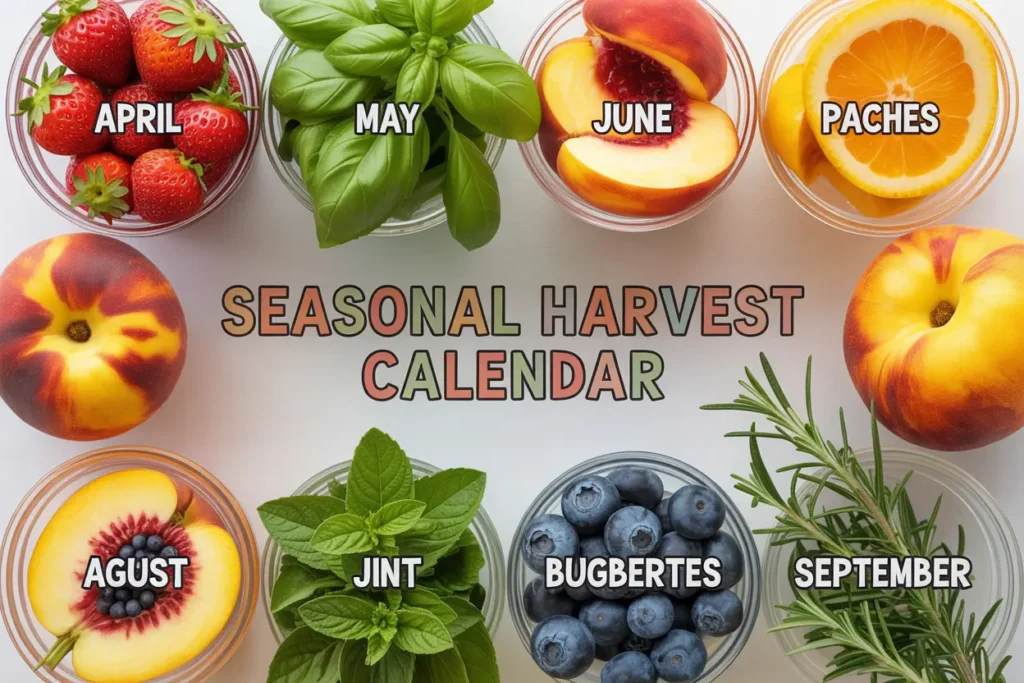
The most memorable festive drinks celebrate the season through thoughtfully selected ingredients that evoke the time of year. Seasonal ingredients not only provide the freshest flavors but also create an authentic connection to the celebration. Using ingredients at their peak enhances both taste and visual appeal while creating a sensory experience that grounds your gathering in the current moment and seasonal traditions.
Highlighting Winter Flavors
For winter holidays, consider ingredients that bring warmth and comfort:
Cinnamon, nutmeg, cloves, and star anise add complex flavor and fill your space with inviting aromas that signal holiday celebrations. Cranberries, pomegranates, and citrus fruits provide vibrant color, tartness, and vitamin C during the winter months when fresh produce options are more limited. Chocolate, vanilla, and peppermint evoke childhood holiday memories while offering sophisticated flavor profiles for adult beverages. Apple, pear, and spiced flavors from orchard fruits maintain their quality through winter storage and pair beautifully with warming spirits and spices.
The Power of Local Sourcing
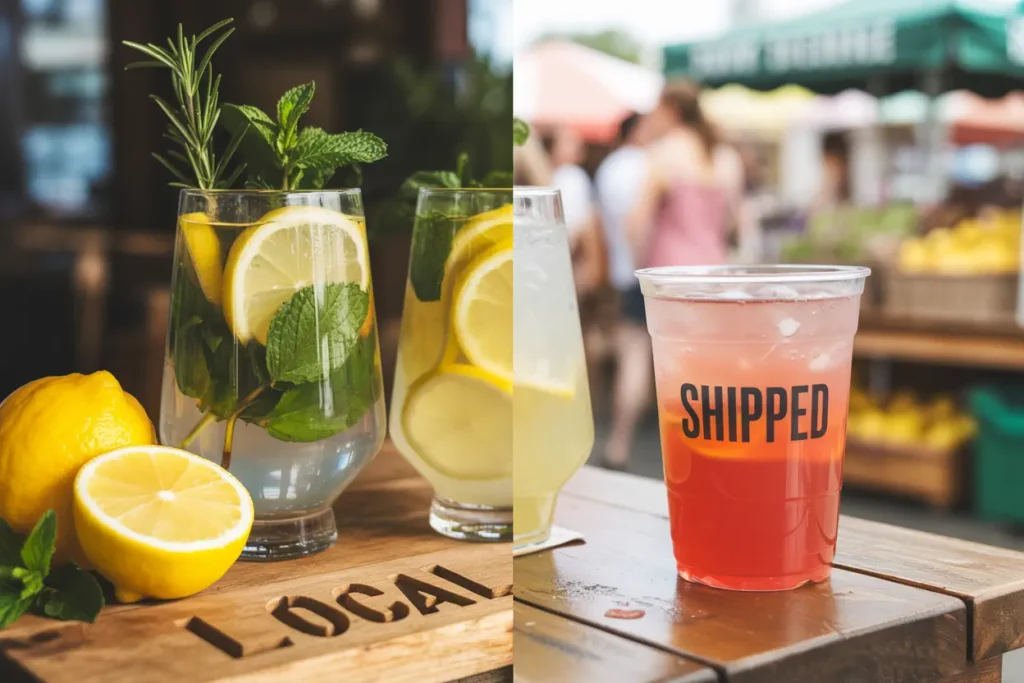
Locally sourced ingredients can boost your festive drinks while supporting regional producers. Visit farmers’ markets or local specialty shops to discover unique ingredients that might inspire your menu. Not only does this approach often result in fresher, more flavorful drinks, but it also provides a talking point that connects your gathering to your community. The story behind your ingredients adds depth to the experience and creates meaningful connections to your local food system.
“When we use local ingredients in our festive drinks, we’re not just creating beverages—we’re telling a story about our region and season,” explains our culinary team. “These connections make drinks more meaningful and memorable for guests. The terroir of local ingredients—whether it’s honey from nearby apiaries or herbs from a community garden—adds authenticity and uniqueness that mass-produced alternatives simply can’t match.”
Creating Homemade Infusions and Syrups
Prepare special infusions and syrups in advance to add unique seasonal flavors to your drinks:
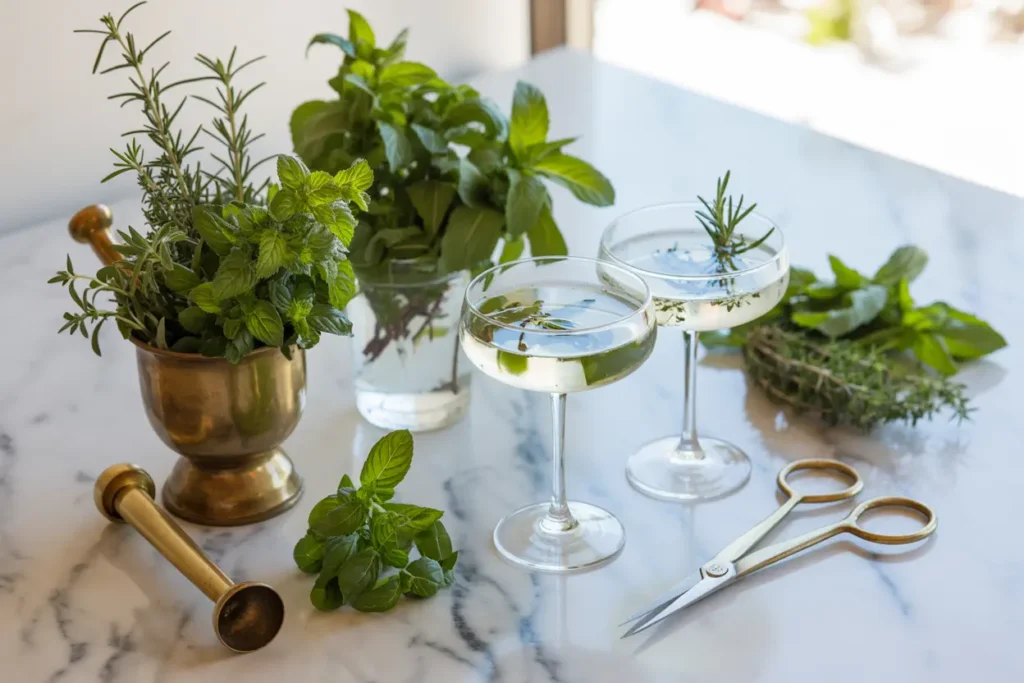
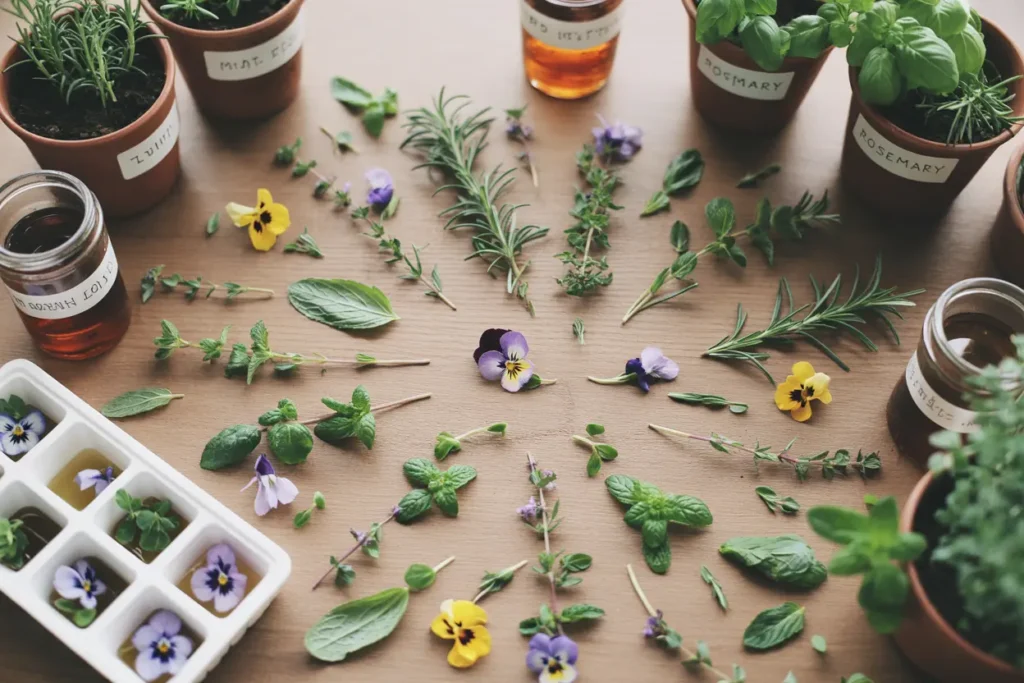
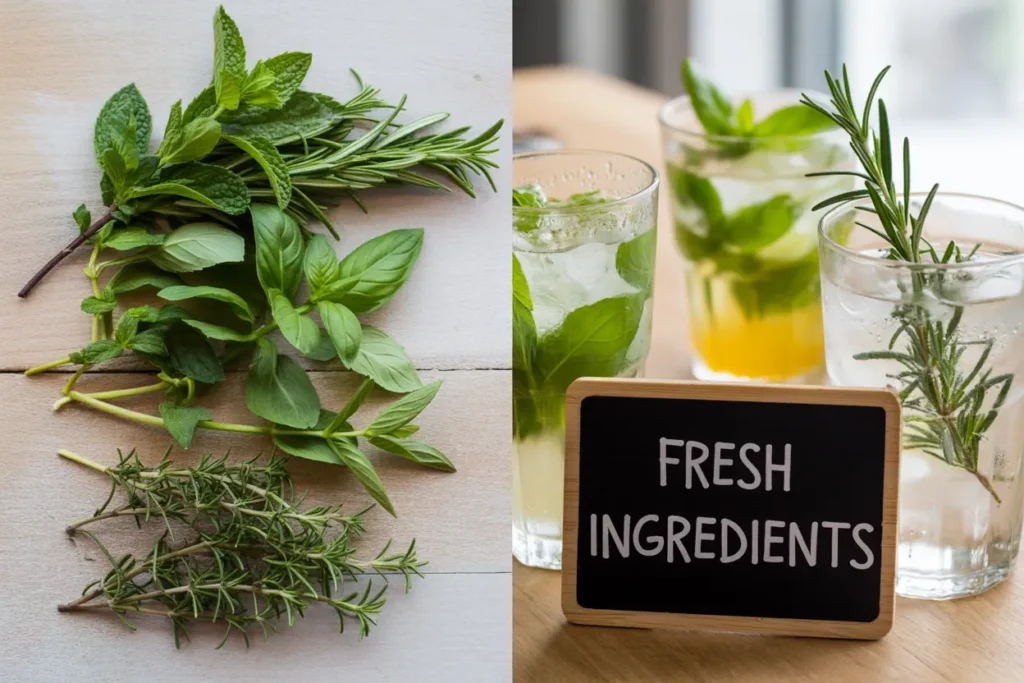
Spiced simple syrups with cinnamon, clove, and star anise can be prepared weeks in advance and add complex flavor to both hot and cold beverages. Cranberry or pomegranate reductions add vibrant color, antioxidants, and tart-sweet flavor to cocktails and mocktails alike. Herb-infused spirits like rosemary, thyme, or sage vodka are easy to prepare by simply steeping fresh herbs in spirits for several days, creating custom flavor bases for signature drinks. Vanilla or peppermint extracts for holiday sweetness offer superior flavor to commercial alternatives and make thoughtful host gifts when packaged attractively.
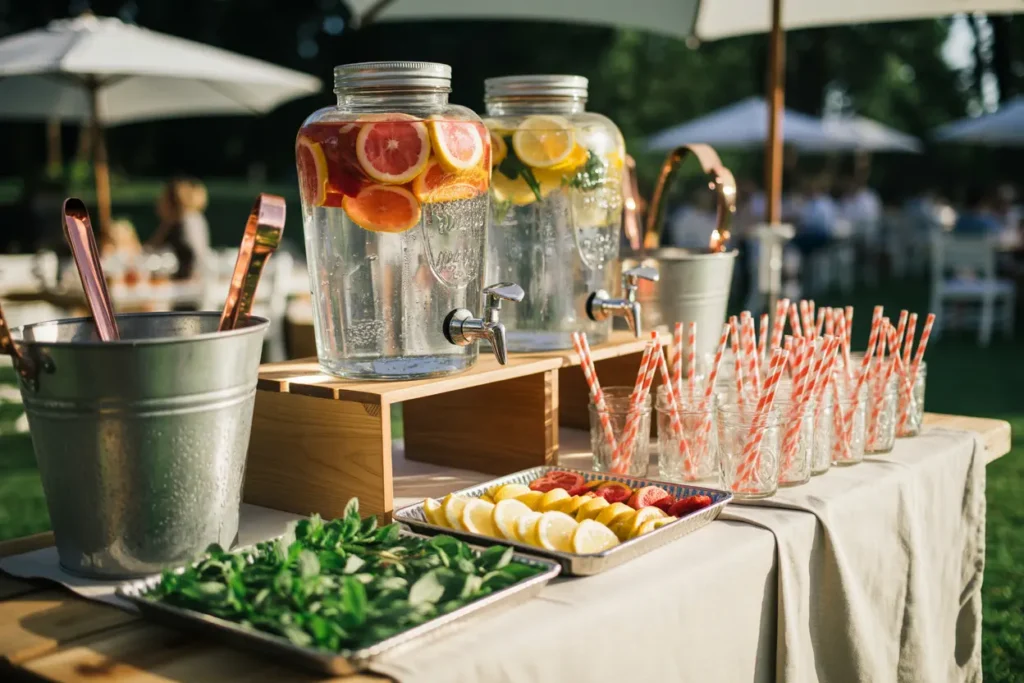
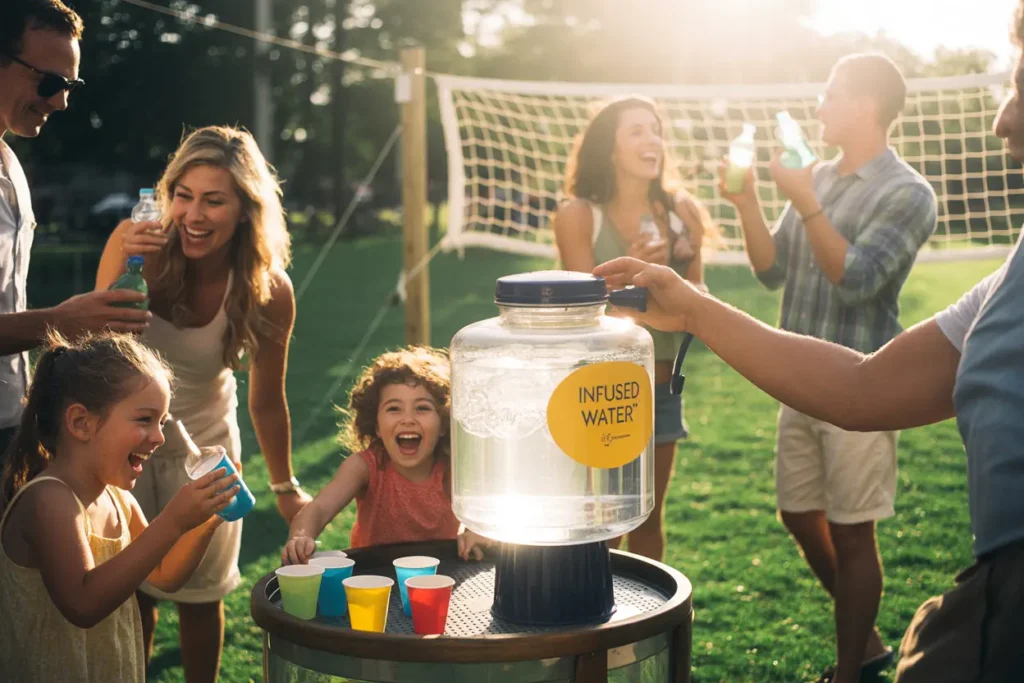
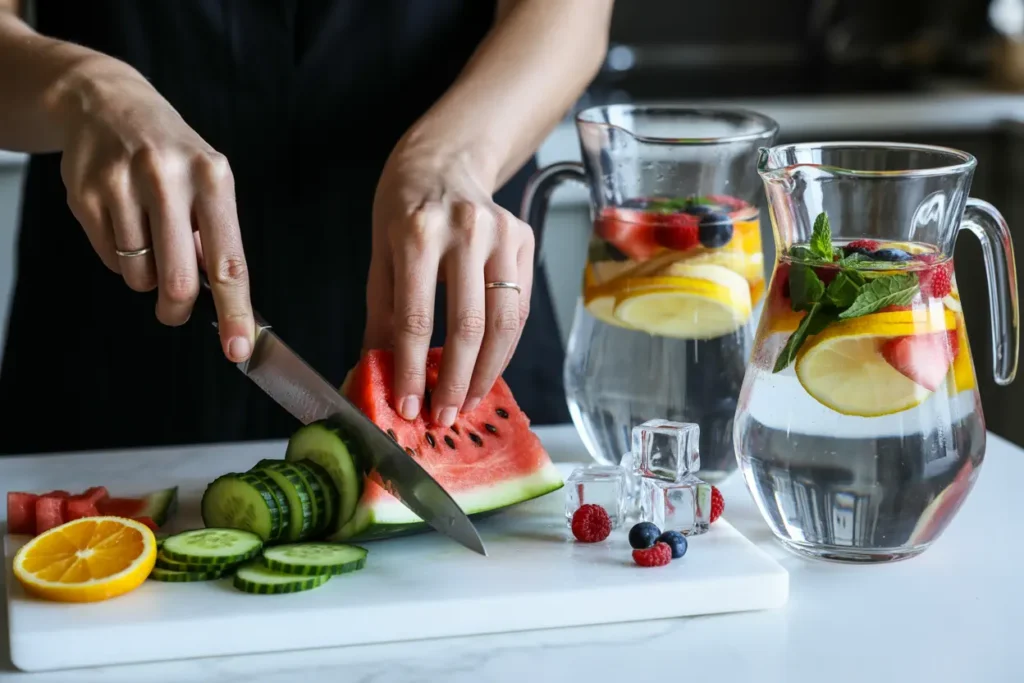
Fruit-infused waters offer a refreshing non-alcoholic option that showcases seasonal produce while providing healthy hydration for your guests. These colorful beverages also add visual appeal to your drink station. The subtle flavors of infused waters provide a sophisticated alternative to sugary sodas or plain water, and their beautiful presentation enhances your overall beverage display.
3. The Science of Flavor: Creating Balanced Festive Drinks
Understanding the principles behind flavor combinations can help you create drinks that are not just festive but genuinely delicious. The science of taste offers valuable insights for crafting beverages that delight the senses. By applying fundamental principles of flavor chemistry, you can create drinks with perfect balance, complexity, and sensory appeal that will impress even the most discerning guests.
Key Flavor Principles
The science of flavor involves balancing several key elements:
Sweet and sour balance is the cornerstone of most successful drinks, creating dynamism and preventing beverages from being one-dimensional. The ratio typically needs adjustment based on the specific ingredients and serving temperature. Bitterness and astringency add complexity and depth to beverages, preventing them from being too sweet or simplistic. These elements stimulate different taste receptors and create a more sophisticated drinking experience. Aromatics engage the sense of smell, which significantly influences taste perception. Research shows that up to 80% of what we perceive as flavor actually comes from aroma rather than taste buds. Temperature affects how flavors are perceived, with cold suppressing sweetness and warmth enhancing spice notes and aromatics. Understanding these effects helps you balance recipes appropriately. Texture creates a complete sensory experience through elements like carbonation, viscosity, or foam. The mouthfeel of a beverage can be just as important as its flavor profile.
The Impact of Temperature on Festive Drinks
Temperature significantly affects how we perceive flavors, which is particularly important for seasonal beverages:
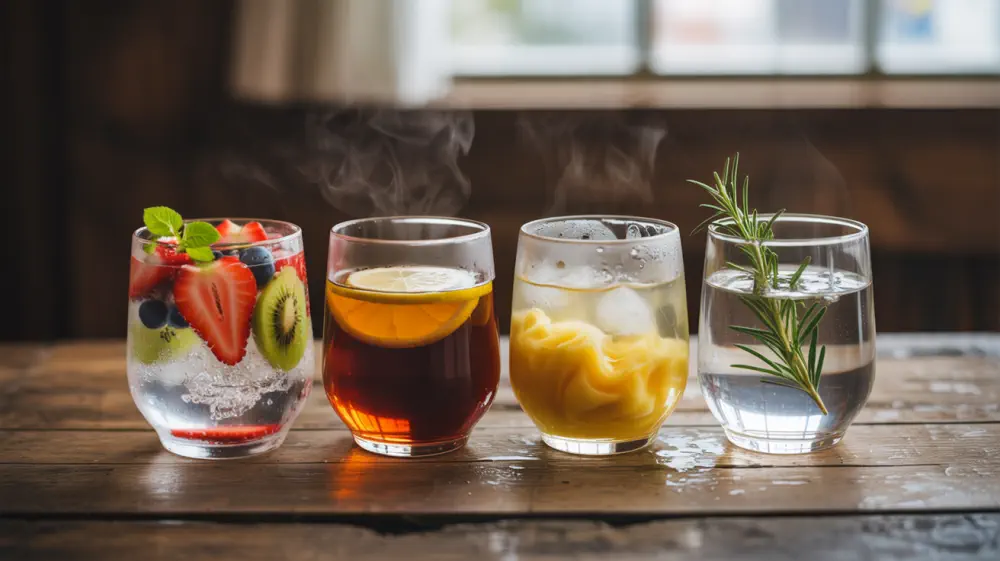
Cold drinks suppress sweetness but enhance refreshing qualities. Cold temperatures numb taste buds slightly, requiring more intense flavoring for impact. This is why many cold cocktails contain higher acid levels to cut through this dulling effect. Warm drinks amplify aromatics and spice notes, making them perfect vehicles for holiday spices. Heat releases aromatic compounds, creating an enhanced sensory experience through both taste and smell. Room temperature is often best for appreciating complex flavor profiles, particularly in spirit-forward drinks where subtle notes might be masked by extreme temperatures. Many fine spirits are best enjoyed without ice for this reason.
For winter festivities, offering both warm and cold options provides sensory variety that enhances the overall experience. A hot mulled cider alongside a chilled cranberry sparkler creates a pleasing contrast that guests will appreciate. This temperature diversity also accommodates personal preferences and provides appropriate options regardless of your venue’s ambient temperature.
Creating Flavor Memories
The most successful festive drinks often tap into nostalgic flavor combinations that evoke memories of past celebrations. These sensory connections create emotional responses that enhance the festive experience. Neuroscience research has demonstrated that flavor memories are among our most powerful and enduring, with the potential to instantly transport us to specific moments from our past.
Thoughtful cocktail pairings can further enhance these flavor experiences by complementing your food offerings. Consider how your drinks will interact with the meals or appetizers you plan to serve. The right pairing creates a harmonious experience where beverage and food enhance each other rather than competing or clashing.
4. Creating a Signature Festive Cocktail
A signature cocktail gives your gathering a unique identity and creates a memorable experience for guests. This special drink should capture the spirit of your celebration while reflecting seasonal flavors. A thoughtfully designed signature beverage becomes a talking point and helps establish the tone for your entire event, making it distinctly yours rather than a generic holiday gathering.
Elements of a Successful Signature Drink
The most memorable signature cocktails typically include:
A festive name that ties to your theme or celebration, creating an immediate connection to your event and making the drink more memorable. Seasonal ingredients that feel appropriate for the occasion, reinforcing the time of year and seasonal experience. A distinctive appearance with thoughtful garnishes that make the drink visually striking and Instagram-worthy. A flavor profile that appeals to a broad audience while still offering something special and unique. A connection to the overall menu and event theme, creating a cohesive experience rather than a random selection.
Developing Your Recipe
When creating your signature cocktail, consider starting with a classic recipe as your foundation, then adding seasonal twists. For example, a traditional Moscow Mule could become a “Festive Mule” with the addition of cranberry and a sprig of rosemary. This approach gives guests something familiar yet special. The classic foundation provides a proven flavor structure while your modifications make it unique to your event.
Exploring current drink trends can provide inspiration, but the most successful signature cocktails balance innovation with accessibility. Avoid overly complex recipes that might be difficult to execute consistently throughout your event. Professional mixologists recommend testing your signature cocktail multiple times before the event to ensure it can be reproduced reliably even when preparing multiple servings.
Batching for Convenience
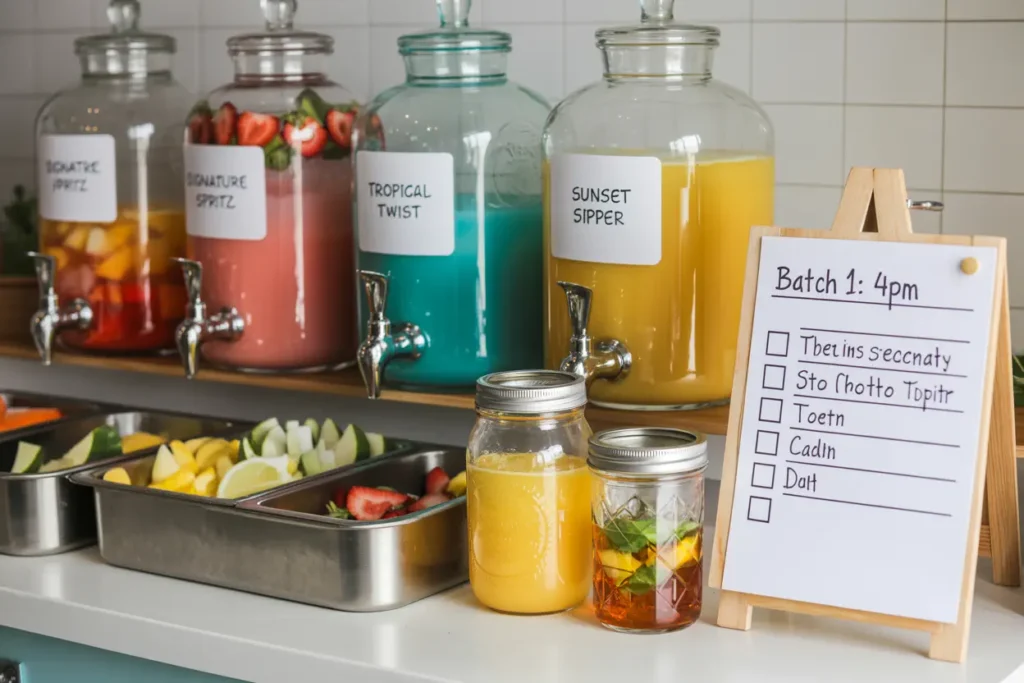
Prepare your signature cocktail in batches whenever possible to minimize bartending duties during the event. Many cocktails can be pre-mixed (excluding carbonated ingredients, which should be added just before serving) and stored in pitchers or dispensers for easy service. This approach allows you to enjoy your own gathering rather than spending the entire event mixing individual drinks.
5. Non-Alcoholic Festive Beverages: Beyond Basic Options
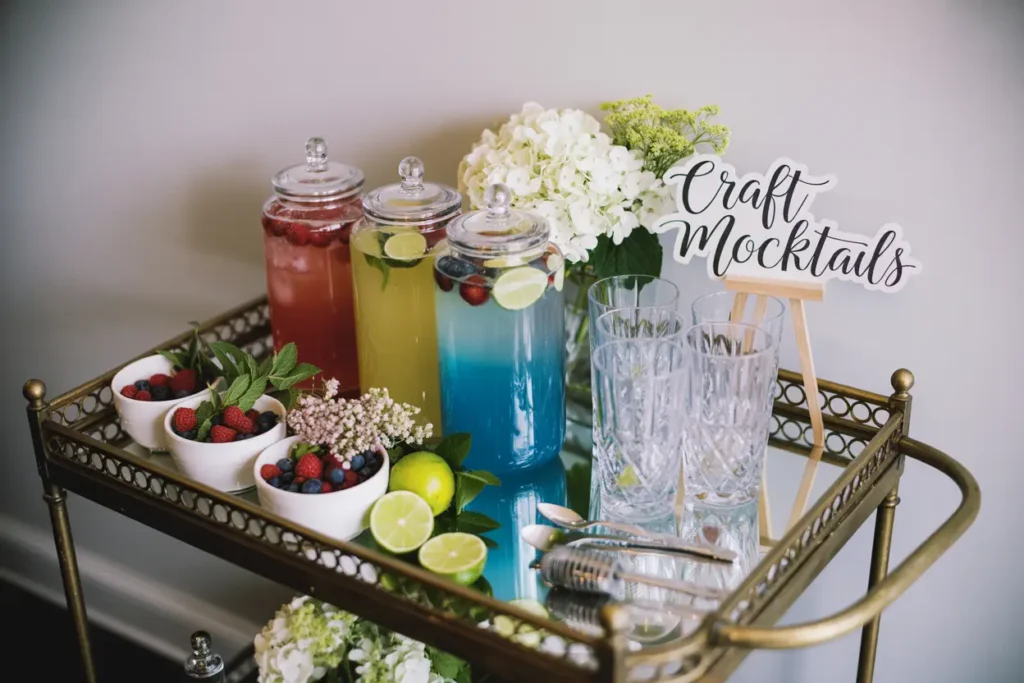
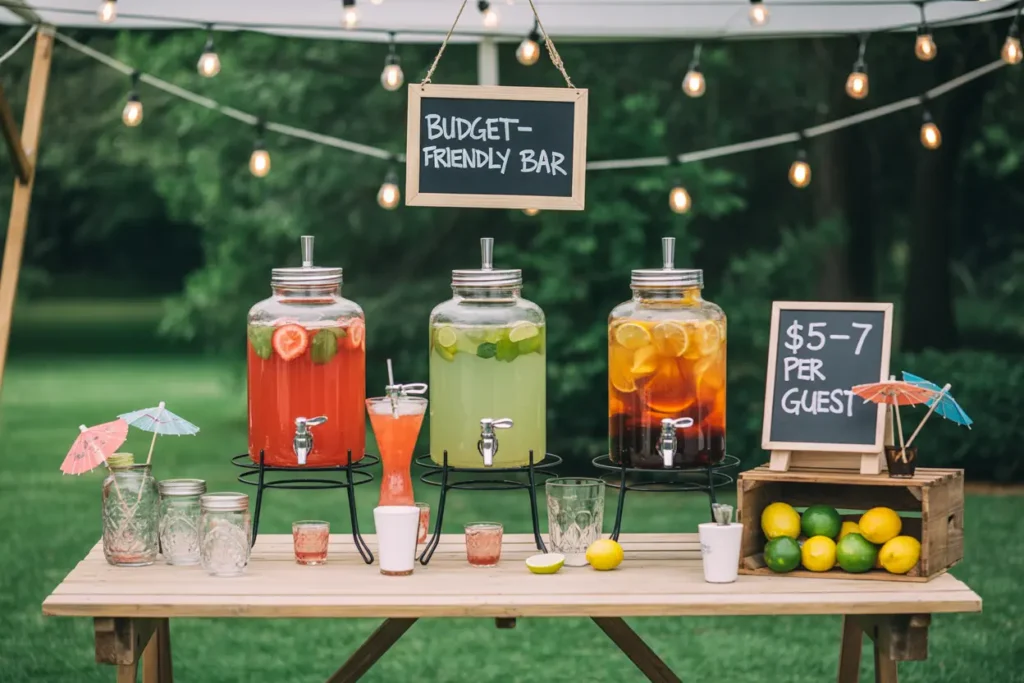
Creating thoughtful non-alcoholic options is essential for an inclusive festive drink menu. Today’s sophisticated mocktails and alcohol-free beverages can be just as celebratory and complex as their spirited counterparts. With the growing popularity of mindful drinking and alcohol-free lifestyles, these options are no longer afterthoughts but central components of a well-planned beverage program.
Elevated Mocktail Strategies
Creative mocktails deserve the same attention to detail as alcoholic drinks. Consider these approaches:
- Use premium mixers and fresh ingredients that provide complexity and depth without relying on alcohol. Artisanal tonics, craft sodas, and fresh-pressed juices create sophisticated foundations.
- Incorporate complex flavor layers through infusions and syrups that mimic the depth typically provided by spirits. Techniques like smoking, aging, or fermenting can add fascinating dimensions.
- Pay attention to mouthfeel and texture through ingredients like egg whites, coconut cream, or specialty gums that provide the satisfying viscosity often associated with alcoholic beverages.
- Present with the same care given to cocktails, using appropriate glassware, garnishes, and serving techniques that elevate the experience.
- Offer mocktail versions of your signature drinks so non-drinking guests can participate in the special elements of your menu without feeling excluded.


Festive Infused Waters and Teas
Fruit-infused waters provide a refreshing, visually appealing option that supports hydration. Create seasonal combinations like:
Cranberry, orange, and cinnamon stick – a festive combination that offers vitamin C and subtle spice notes while creating a beautiful ruby-colored beverage. Apple, pear, and star anise – orchard fruits complemented by the distinctive licorice notes of star anise for a sophisticated infusion. Pomegranate, lime, and mint – a vibrant combination offering antioxidants and bright, fresh flavor that cleanses the palate. Cucumber, rosemary, and grapefruit – a more savory option with herbaceous notes that pairs beautifully with food.
Specialty hot teas and coffee drinks can also be dressed up for festive occasions with the addition of holiday spices, whipped cream, or flavored syrups. These warm options are particularly welcome during winter celebrations. Consider creating a signature tea blend or spiced coffee that becomes a tradition at your annual gatherings.
The Importance of Presentation
Serve non-alcoholic options in appropriate glassware with the same attention to garnishing as alcoholic drinks. This approach ensures that guests who aren’t consuming alcohol still enjoy a special, celebratory experience. The psychological impact of beautiful presentation shouldn’t be underestimated—it significantly enhances perceived value and enjoyment.
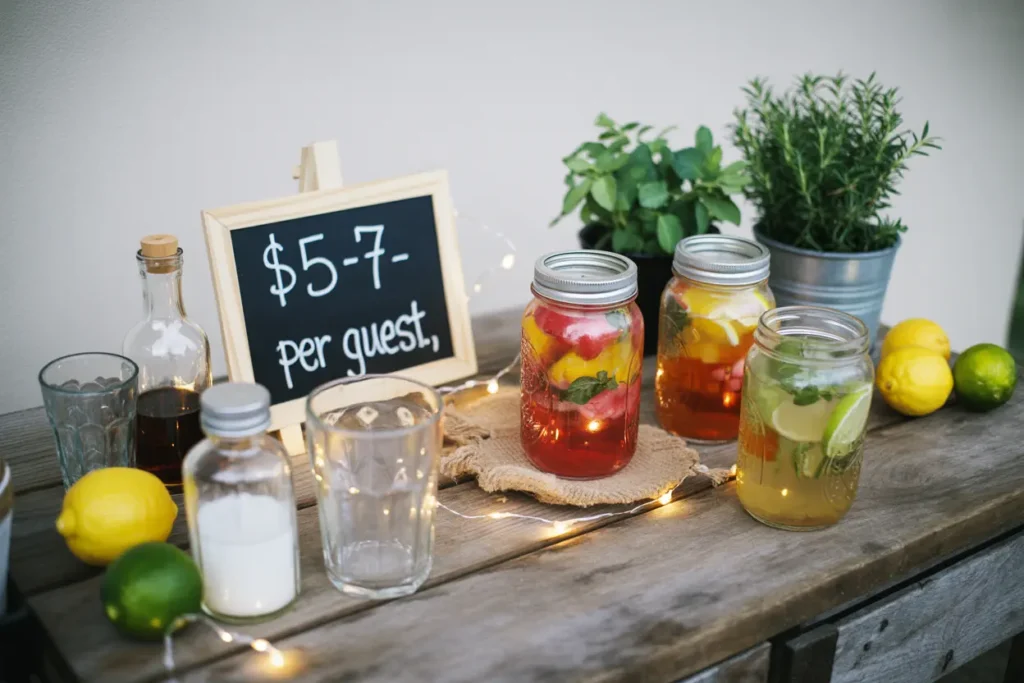
6. Setting Up an Impressive Beverage Station
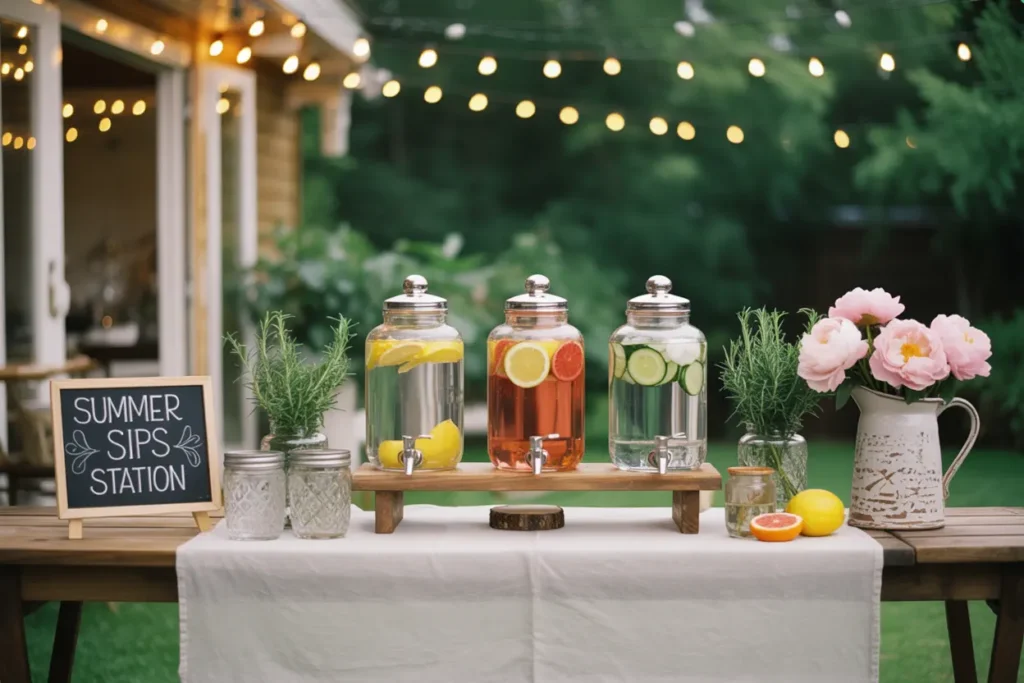
A well-designed beverage station serves both practical and aesthetic purposes. It creates a focal point for your gathering while making drink service efficient and enjoyable. The physical arrangement of your drink service area significantly impacts guest experience and your ability to maintain quality throughout the event without becoming overwhelmed by bartending duties.
Strategic Layout Planning
The ideal beverage station should be:
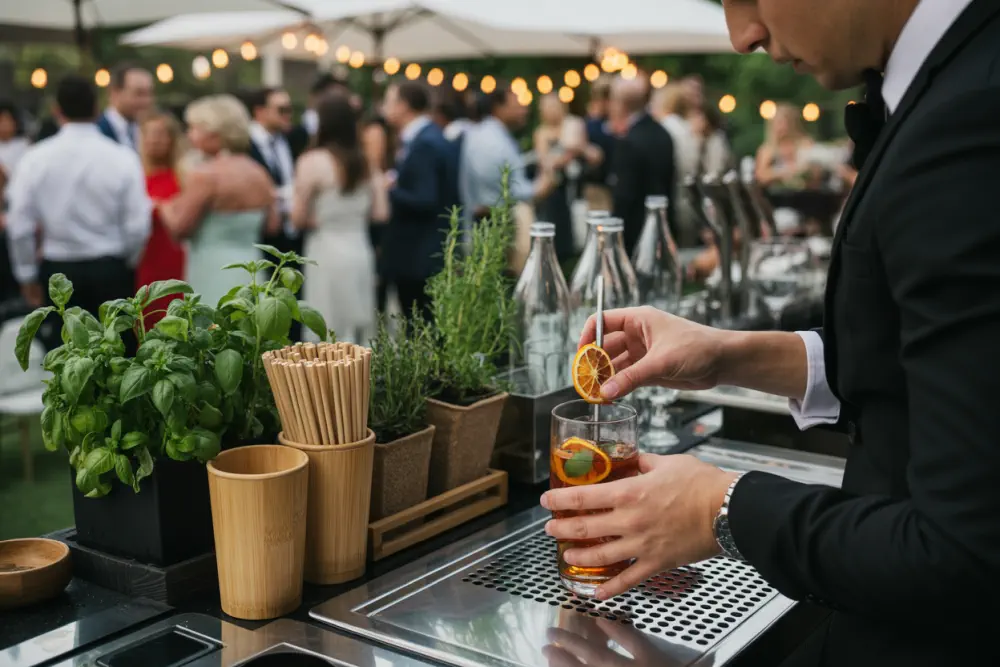
Easily accessible but not in a high-traffic area that creates congestion or bottlenecks. Consider traffic flow when positioning your station within your space. Organized to minimize congestion with a logical progression that allows multiple guests to access different elements simultaneously. Set up with a logical flow from glasses to ice to beverages, guiding guests through the drink-building process intuitively. Well-lit to showcase your offerings and ensure guests can see what they’re selecting and preparing. Strategic lighting also enhances the visual appeal of colorful beverages. Decorated to complement your overall event theme while remaining functional. Decorative elements should enhance rather than impede the practical aspects of the station.
Essential Elements to Include
A complete beverage station typically includes:
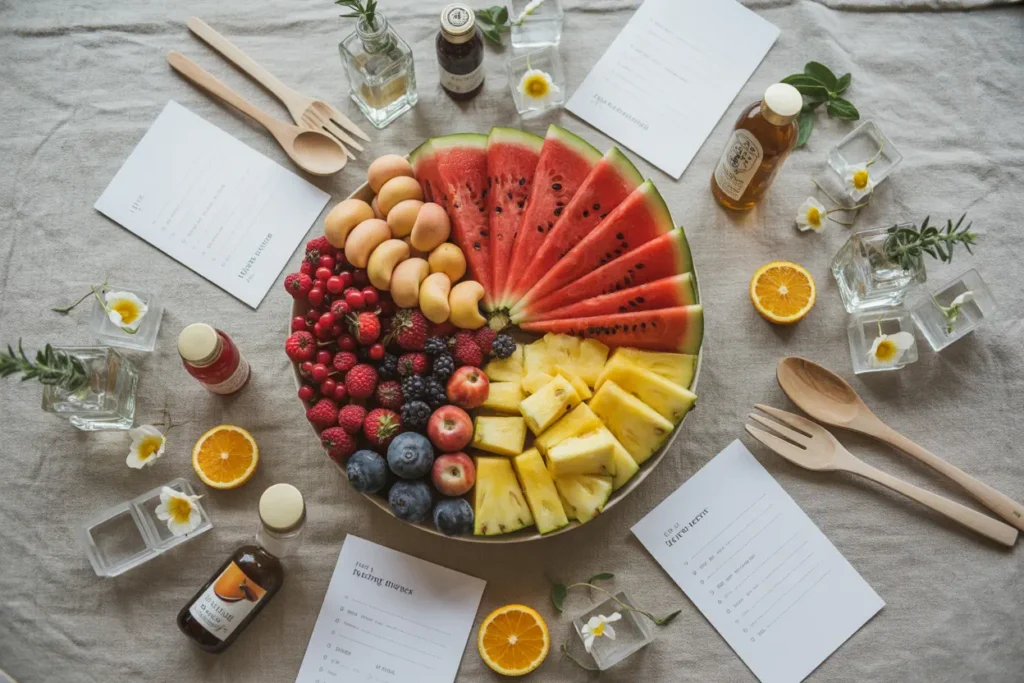
Appropriate glassware for all drink options, arranged logically and with sufficient quantity to accommodate your guest count. Ice bucket with scoop (and potentially backup ice storage) to maintain proper temperature and dilution for cold drinks. Garnishes arranged in small dishes with serving utensils, kept fresh and replenished throughout the event. Cocktail napkins positioned strategically to encourage use and prevent condensation rings or spills. Stirrers, straws, and cocktail picks that complement your theme while providing practical functionality. Recipe cards for self-service options that guide guests through proper preparation of more complex offerings. Water pitchers for hydration and mixing, regularly refreshed to ensure quality and availability.
Consider creating separate stations for alcoholic and non-alcoholic options if space permits. This approach makes it easier for guests to identify appropriate choices and reduces congestion around a single serving area. It also elevates non-alcoholic options by giving them dedicated space rather than relegating them to a corner of the main bar.
Signage and Instructions
Clear, attractive signage enhances both the appearance and functionality of your beverage station:
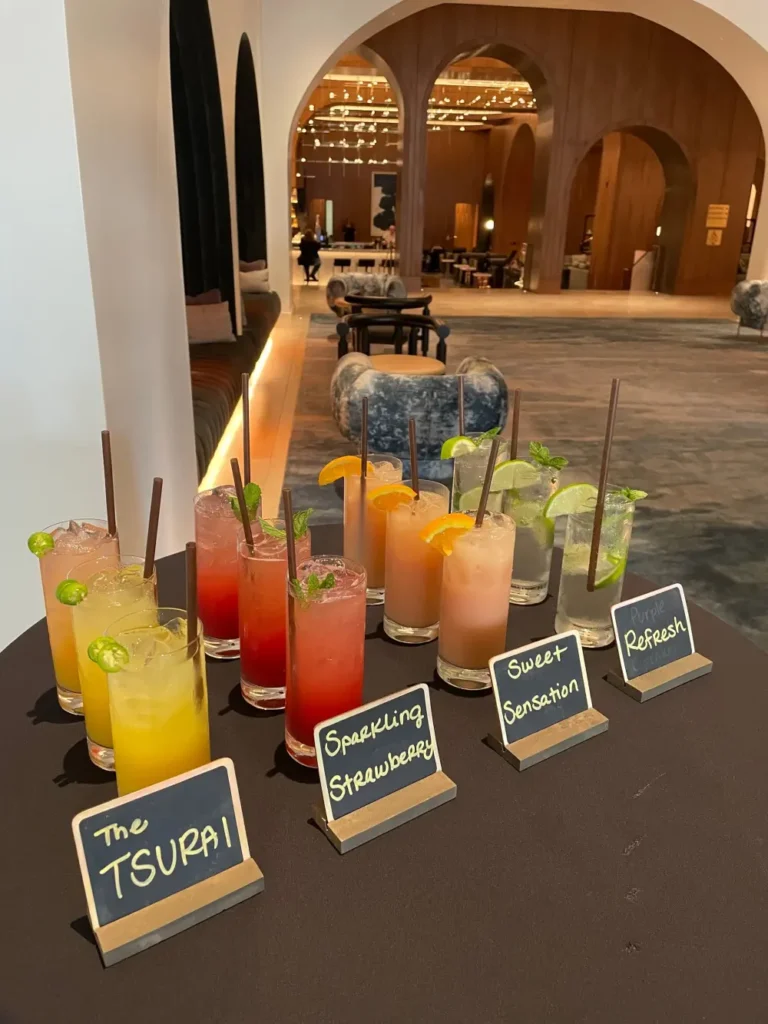
Name cards for each drink option provide identification and create visual organization. Brief descriptions of unique offerings highlight special ingredients or preparation methods. Instructions for DIY drink assembly guide guests through proper proportions and techniques. Allergen information when relevant ensures guest safety and comfort with their selections.
7. Pairing Festive Drinks with Holiday Foods
Thoughtful beverage pairings can boost your holiday food offerings and create a more cohesive culinary experience. Understanding basic pairing principles helps create harmonious combinations that enhance both the food and drinks. When beverages and cuisine are thoughtfully matched, each enhances the other, creating a more memorable and sophisticated dining experience.
Fundamental Pairing Strategies
Effective drink pairings typically follow one of three approaches:
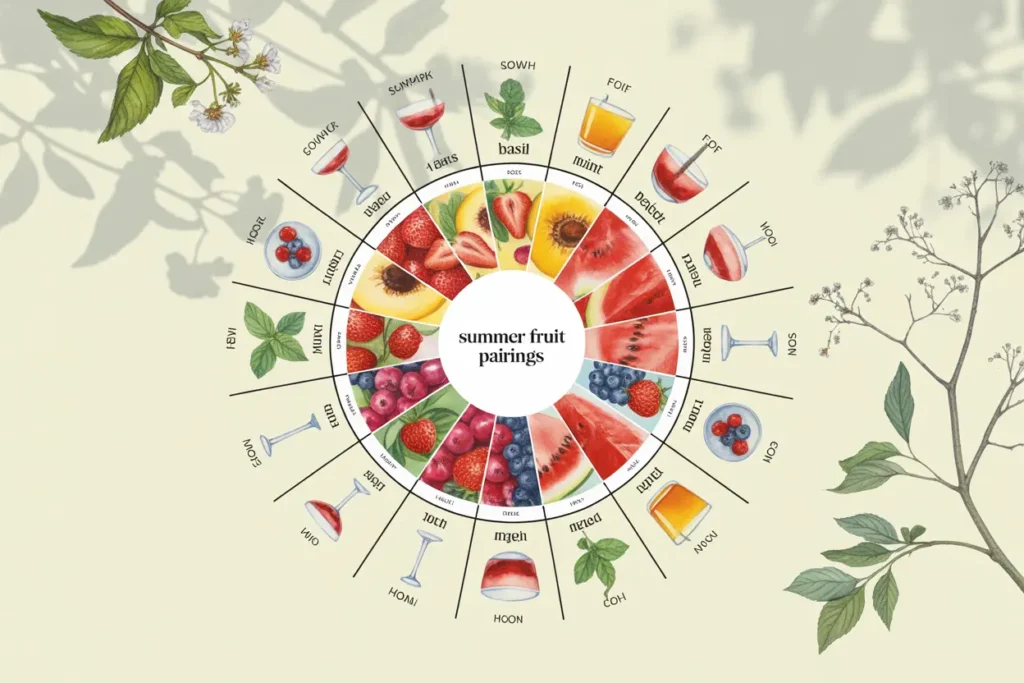
Complementary pairings are drinks that share flavor notes with the food, creating harmony and reinforcing key taste elements. For example, a spiced cider cocktail alongside cinnamon-spiced desserts creates a cohesive flavor experience. Contrasting pairings are beverages that provide counterpoint to the food’s characteristics, such as acidic drinks with fatty foods or sweet beverages with spicy dishes. These oppositions create balance and palate refreshment. Regional pairings are traditional combinations from specific culinary traditions that have stood the test of time. These cultural pairings often reflect generations of refinement and local ingredient compatibility.
Classic Holiday Pairings
Some traditional holiday food and drink combinations have stood the test of time:
Mulled wine with spiced desserts – the warming spices in both create a harmonious flavor experience while the wine’s acidity balances sweet desserts. Champagne with light appetizers – the bubbles cleanse the palate between bites while the acidity cuts through rich elements. Hot chocolate with cookies – a nostalgic pairing that balances sweet with bitter cocoa notes and provides textural contrast. Spiced cider with savory pastries – the fruit notes complement meat fillings while spices bridge sweet and savory elements. Eggnog with rich desserts – the creamy texture and nutmeg notes enhance similar elements in holiday baked goods.
While these classics are reliable, don’t be afraid to experiment with unexpected combinations that might surprise and delight your guests. Some of the most memorable pairings come from creative experimentation rather than tradition.
Creating a Pairing Menu
For special gatherings, consider creating a simple pairing menu that guides guests through intentional combinations. This approach can create a more engaging culinary experience and spark conversation about the thoughtful selections. A printed or digital guide with brief explanations of why certain pairings work adds an educational element that many guests appreciate.
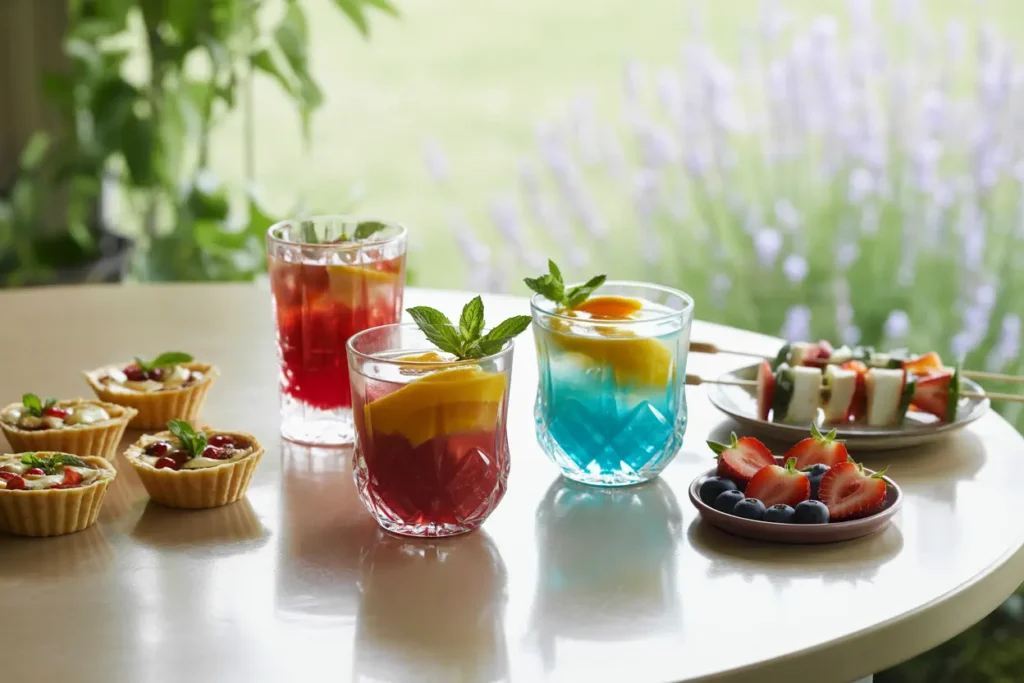
Seasonal appetizers often pair beautifully with festive beverages, creating perfect small bites for holiday gatherings. Consider how your drink menu might complement your food offerings when planning both elements. The integration of food and beverage planning results in a more cohesive and thoughtful experience than when they’re developed separately.
8. Presentation Techniques for Festive Impact
The visual presentation of your festive drinks significantly impacts guests’ perception and enjoyment. Thoughtful garnishes, appropriate glassware, and creative serving methods can transform even simple beverages into memorable experiences. Research in sensory science confirms that visual appeal significantly influences taste perception, making presentation an essential element of successful beverage service.
Seasonal Garnishing Ideas
Garnishes should enhance both appearance and aroma while complementing the drink’s flavor profile:
Fresh cranberries and rosemary sprigs create a classic holiday look that evokes Christmas colors while adding subtle aroma and flavor. Cinnamon sticks and star anise for warm beverages provide both visual interest and continued flavor infusion as the drink is consumed. Candied fruit slices for sweet drinks offer edible decoration that evolves in flavor as it soaks in the beverage. Edible gold or silver dust for celebratory cocktails creates a luxurious appearance perfect for special occasions and festive toasts. Herb sprigs dipped in simple syrup and sugar create a frosted effect that mimics winter aesthetics while adding aromatic elements.
Glassware Selection
The right glassware enhances both the appearance and drinking experience:
Crystal coupes for elegant cocktails showcase their color while providing a sophisticated vessel with historical appeal. Stemmed glasses for drinks best served cold prevent hand warmth from affecting temperature while creating an elegant presentation. Mugs for hot beverages provide proper heat retention and comfortable handling for warm concoctions. Highballs for refreshing, ice-filled options require more volume and benefit from the tall, narrow shape that preserves carbonation. Specialty glasses that complement your theme (like copper mugs for mules) create cohesive visual elements throughout your beverage service.
Consider rimming glasses with sugar, salt, or crushed candy for additional visual appeal and flavor enhancement. This simple technique adds a professional touch with minimal effort. Different rimming materials can be color-coordinated with your event theme or selected to complement specific flavor profiles.
Creating Visual Impact
Current presentation trends that can boost your festive drinks include:
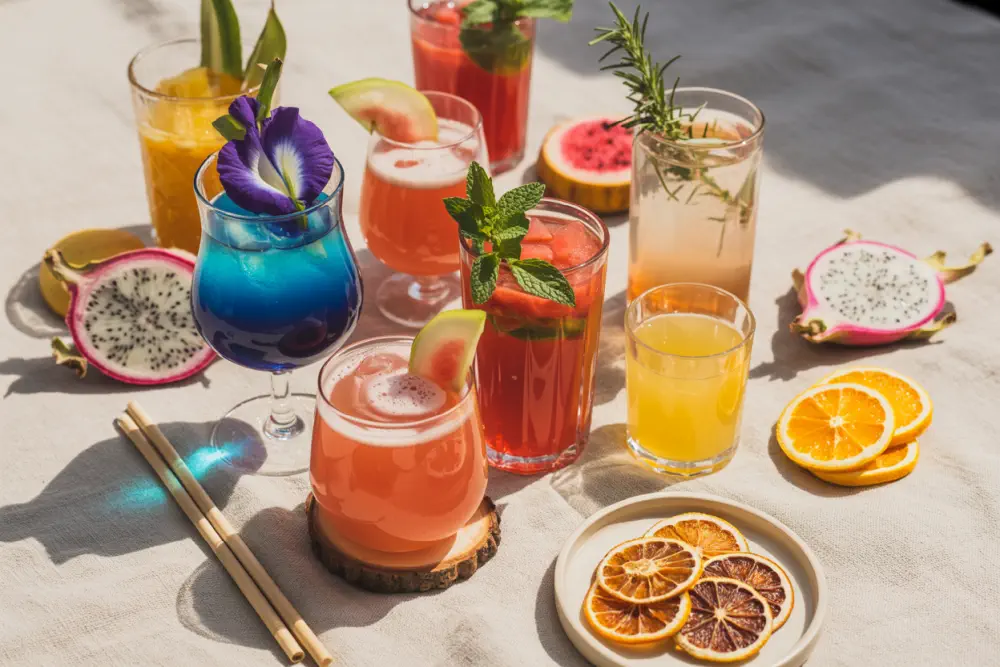
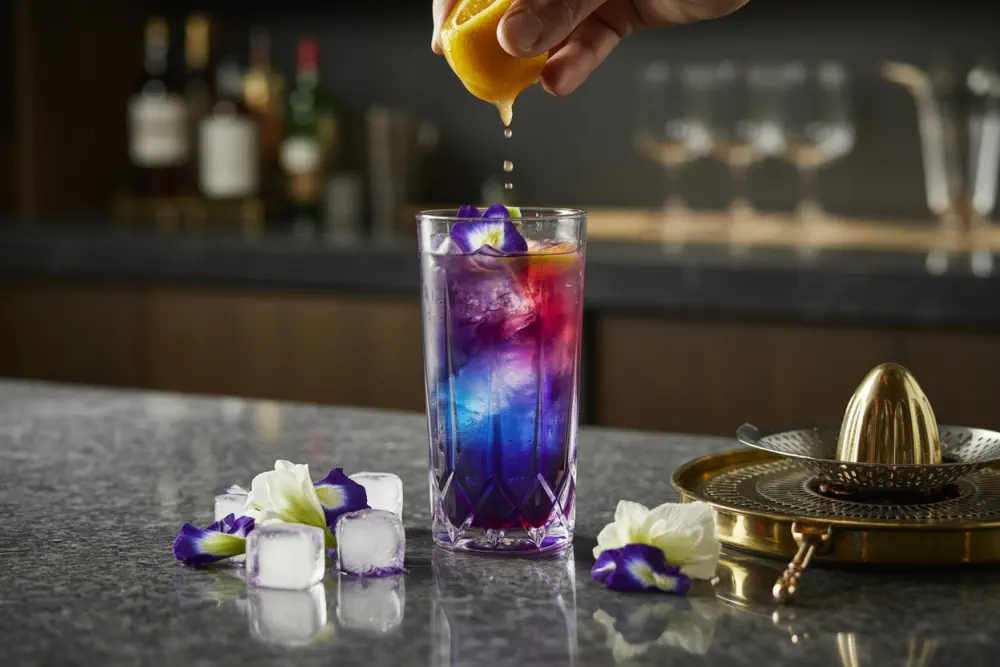
Smoke effects using food-safe smoking guns add dramatic presentation and aromatic elements to complement flavor profiles. Color-changing ingredients like butterfly pea flower tea transform with pH changes, creating interactive experiences that delight guests. Layered drinks create ombré effects through careful pouring techniques and strategic use of ingredients with different specific gravities. Edible or biodegradable straws and stirrers combine environmental consciousness with aesthetic appeal. Custom ice cubes with embedded fruits, herbs, or edible flowers gradually release flavor while providing beautiful visual elements.
Conclusion: Crafting Memorable Festive Drink Experiences
Building a festive drink menu is about more than just serving beverages—it’s about creating experiences that enhance your celebration and create lasting memories. By thoughtfully considering your guests’ preferences, incorporating seasonal ingredients, understanding flavor science, and attending to presentation details, you can create a drink menu that becomes a highlight of your holiday gathering.
Remember that the most successful festive drink menus balance creativity with practicality. Focus on quality over quantity, prepare what you can in advance, and create systems that allow you to enjoy your own event rather than spending it mixing drinks. The goal is to create an atmosphere of celebration and connection where beverages enhance the experience without requiring excessive host attention.
At Whaley Cooks, we believe that thoughtful beverages bring people together and enhance the shared experience of celebration. We hope this guide helps you create festive drink menus that delight your guests and make your holiday gatherings truly special.
Whether you’re planning an intimate dinner party or a larger holiday celebration, the principles in this guide can be scaled and adapted to create the perfect festive drink experience for your unique event. Cheers to creating memorable moments through thoughtful hospitality!