
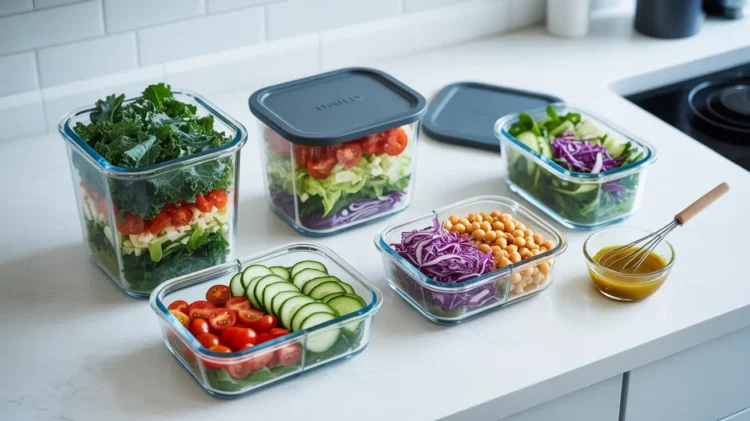
Did you know that storing greens in a hard-sided container with paper towels extends freshness to 10 days, compared to significant rot in plastic bags by the same time? We have spent years juggling work, school, and our global culinary expeditions, so we know the heartbreak of finding a soggy mess in the fridge on a Tuesday night.
Our busy family relies on crisp, ready-to-eat meals to survive the modern hustle. Finding the right storage solution isn’t just about kitchen organization, it’s about making sure your hard work in the kitchen doesn’t go to waste.
Key Takeaways
| Feature | Why It Matters for Freshness |
|---|---|
| Airtight Seals | Prevents oxidation and keeps leaves from wilting. |
| Glass Material | Non-porous and keeps ingredients colder than plastic. |
| Divided Trays | Keeps wet ingredients like tomatoes away from dry leaves. |
| Ventilation Slots | Regulates moisture levels for specific types of produce. |
| Stackability | Crucial for organized salad meal prep in crowded fridges. |
What is the best container to keep salad fresh for a week?
Hard-sided glass containers with airtight locking lids are the gold standard for 2026. They maintain a consistent temperature and prevent delicate leaves from being crushed.
Should I store my salad dressing inside the container?
We recommend keeping dressing in a separate small jar or a container with a built-in dressing cup. This prevents the greens from becoming soggy before you are ready to eat.
How do I stop my prepped salad from getting watery?
Place a dry paper towel at the top and bottom of your container. This simple trick absorbs excess moisture that causes premature rot.
Are plastic containers safe for long-term salad storage?
While many modern plastics are BPA-free, glass remains the most reliable choice for flavor purity. You can find more foundational tips in our how-to guides section.
The Essential Role of Airtight Glass Storage
Glass storage has seen a massive resurgence in 2026 as more families move away from disposable options. We love how glass doesn’t hold onto the smells of last week’s garlic vinaigrette.
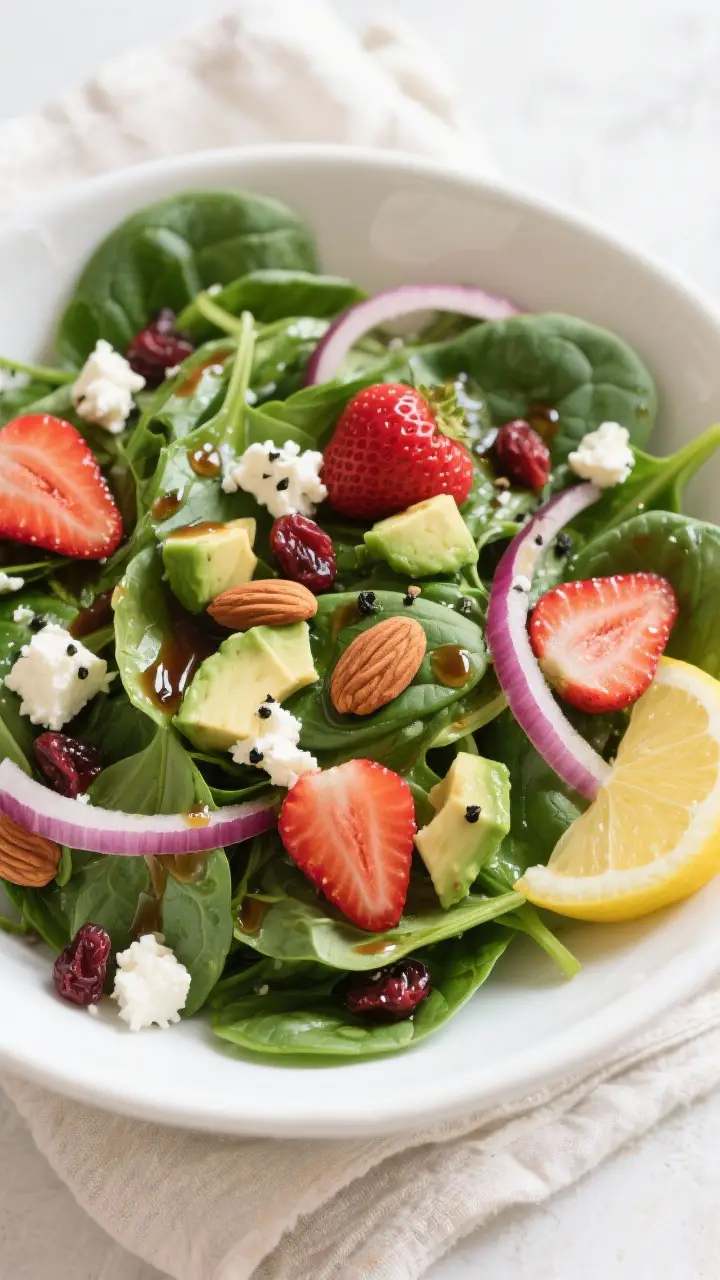
When you prep a hearty spinach salad, the weight of the glass helps maintain a stable, cold environment. This is especially important for delicate baby spinach leaves that tend to wilt the moment they feel a temperature change.
Many high-end glass sets now feature four-hinge locking lids with silicone gaskets. These create a true airtight seal that keeps oxygen out and crispness in for nearly two weeks.
Benefits of Non-Porous Materials
Unlike plastic, glass does not have microscopic pores where bacteria can hide. This ensures your kale recipes stay fresh and free from cross-contamination.
It also means you can transition your container from the fridge to the table without it looking like a “prep” dish. Our family often uses these containers as serving bowls when we are in a hurry.
Heavy-Duty Plastic for the Modern Hustler
For those of us commuting to work or sending kids to school, glass can sometimes be too heavy. High-quality, BPA-free plastic containers offer a lightweight alternative that won’t shatter in a backpack.
Look for “tritan” plastic, which is known for its clarity and durability. These containers look like glass but handle the bumps and bruises of a busy life much better.
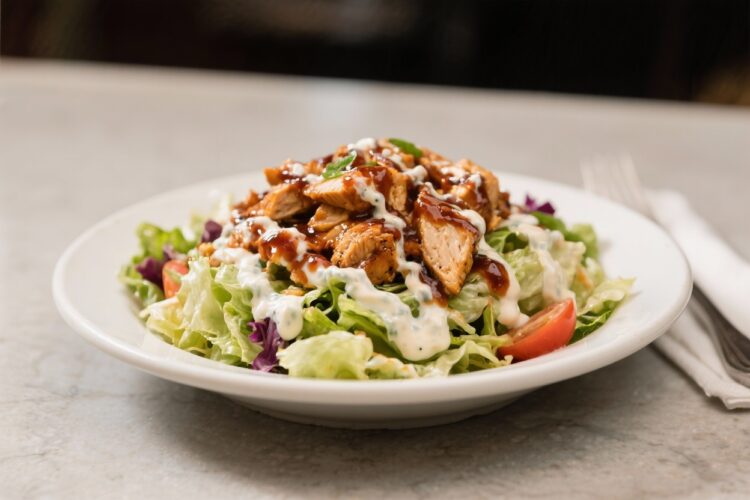
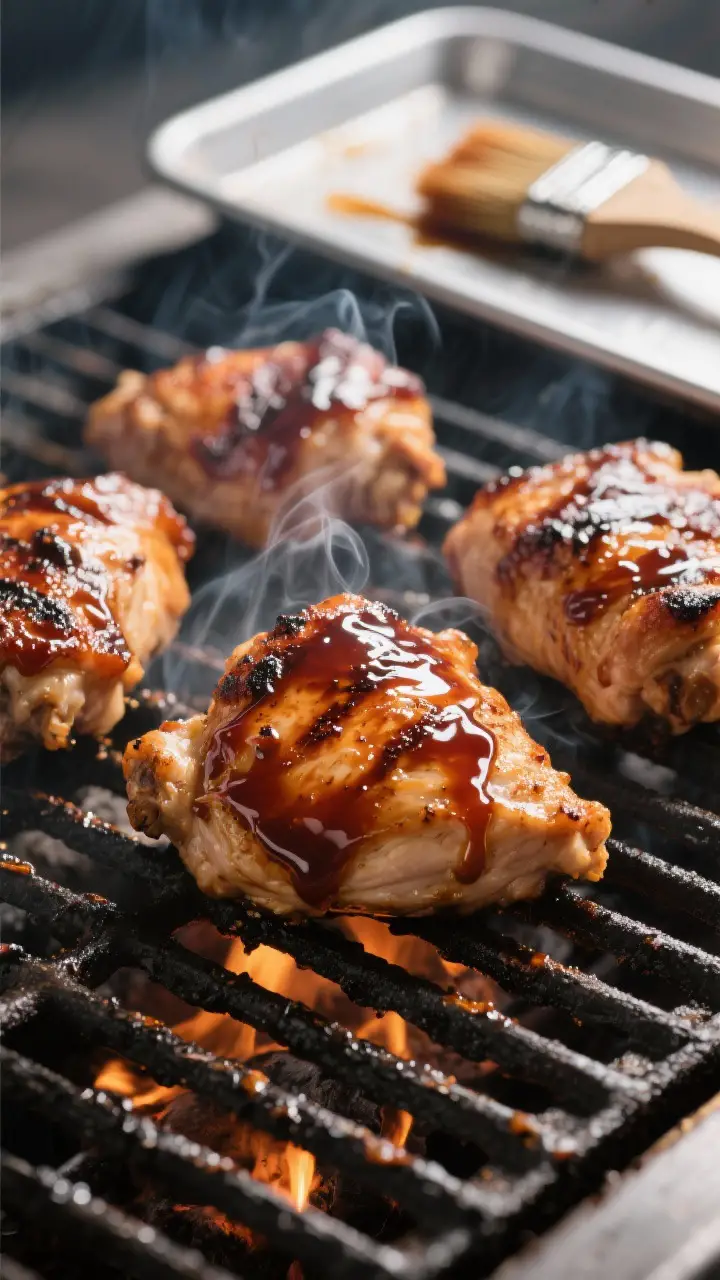
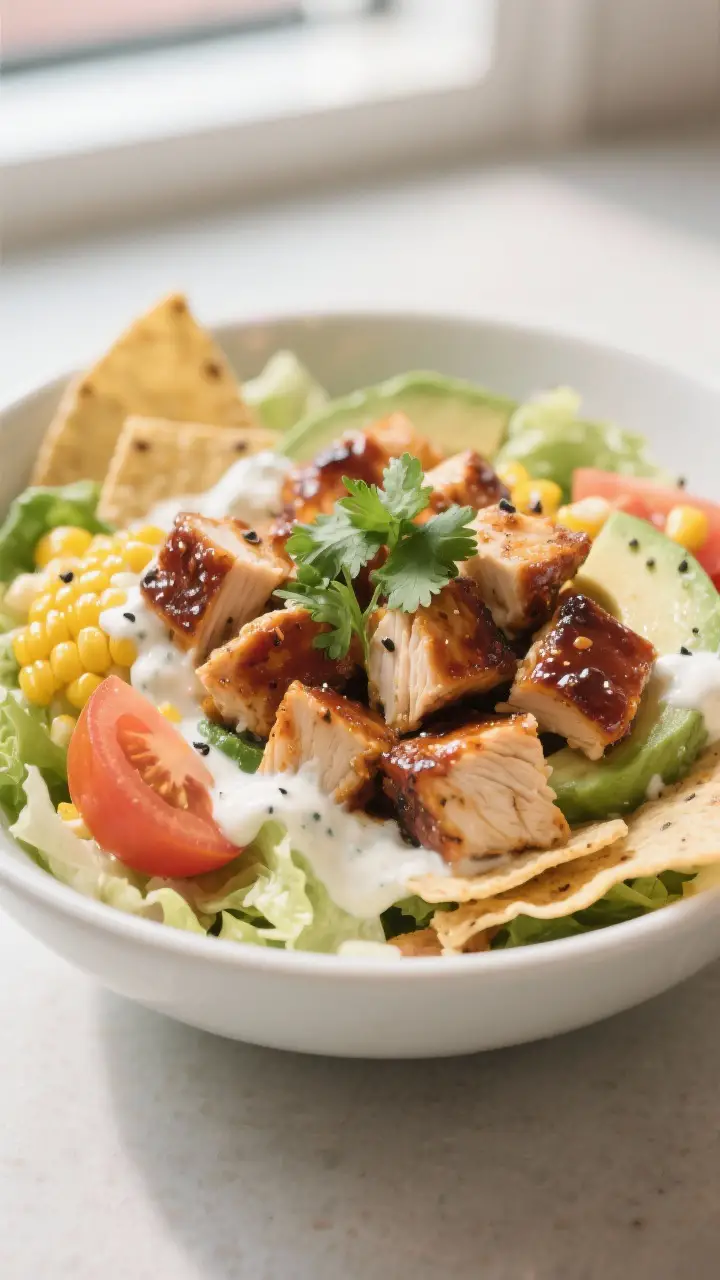
When we make a BBQ chicken ranch salad, we need something that can hold the weight of the chicken and corn. A sturdy plastic container with a secure lid ensures the smoky barbecue sauce doesn’t end up on your laptop.
Leak-Proof Technology
The most reliable plastic options use a double-silicone rim to prevent leaks. This is vital when your salad includes juicy elements like tomatoes or beans.
We have tested several brands that promise leak-proof performance, and the best ones always have those satisfying side clicks. If it doesn’t click, we don’t trust it in our gym bags.
Ventilated Crisper Bins for Leafy Greens
Some salads, like a simple bowl of mixed greens, need to “breathe” just a little bit. Specialized produce keepers often feature a tray at the bottom to lift the greens away from any moisture.
These bins frequently include adjustable vents on the lid. This allows you to control the humidity levels based on whether you are storing spinach, kale, or romaine.
When we prepare a large batch of vegetable platters for the week, these crisper bins are our best friends. They keep the celery sticks and radishes snapping fresh for days on end.
The Paper Towel Trick in Action
Even with a ventilated bin, we always add a single sheet of paper towel. This acts as a secondary insurance policy against the dreaded “sludge” that forms at the bottom of the container.
It is a small step that takes three seconds but can save five dollars’ worth of organic greens. We are all about those handy shortcuts that make life easier.
Mason Jars and the Vertical Storage Revolution
Mason jars aren’t just for grandma’s jam anymore; they are a meal prepper’s secret weapon. The vertical design is perfect for layering ingredients in a way that keeps them from touching.
Start with the dressing at the bottom, followed by hard vegetables like cucumbers and radishes. Finally, pack the leafy greens at the very top, as far away from the liquid as possible.
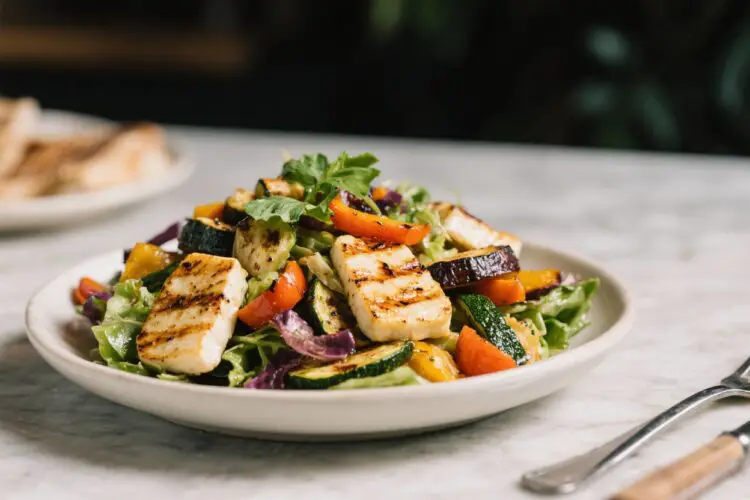
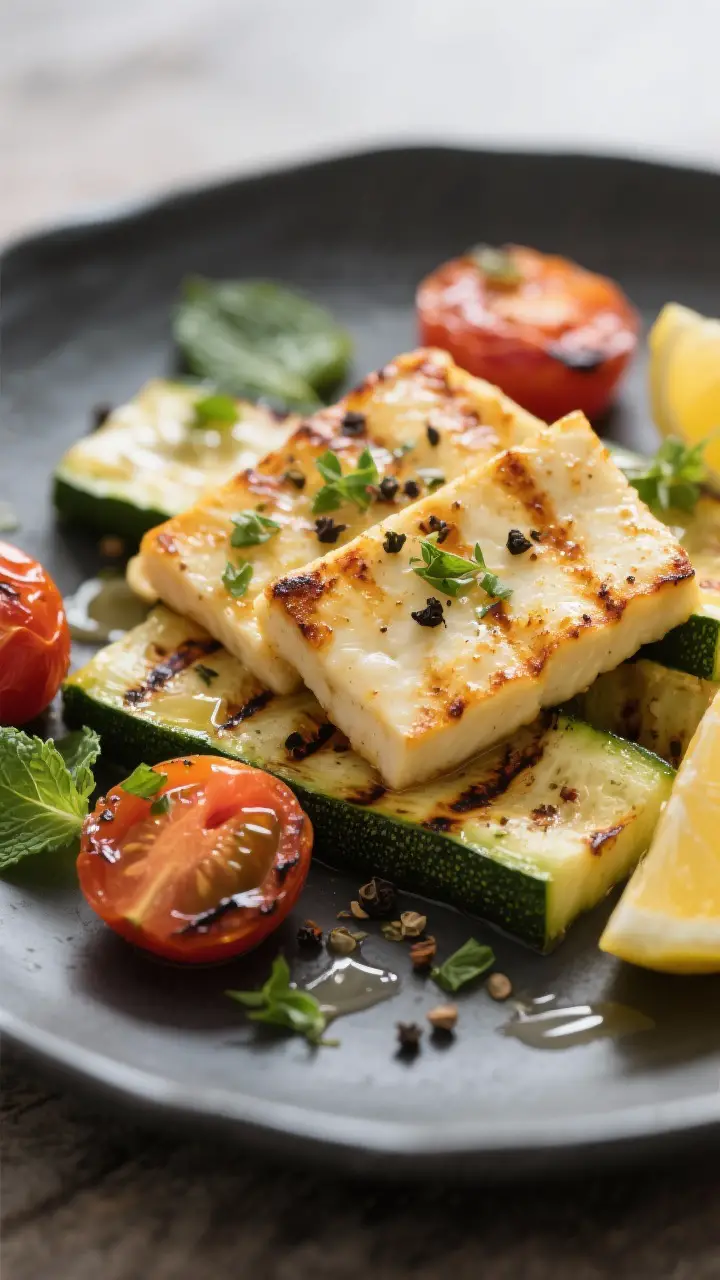
This method works beautifully for a grilled vegetable and halloumi salad. The halloumi stays firm while the smoky vegetables marinate in the dressing at the bottom.
Vacuum-Sealing the Jar
In 2026, many people are using handheld vacuum sealers designed specifically for mason jar lids. By removing the air from the jar, you can essentially pause the clock on spoilage.
This allows you to prep an entire week of lunches on Sunday afternoon. You just grab a jar each morning and head out the door with zero stress.

Top 5 salad storage containers to keep prepped salads fresh longer. Learn which materials and seal features matter for reliable meal prep.
Divided Bento Boxes for Component Salads
Sometimes you don’t want your salad mixed until the very last second. Divided containers allow you to keep nuts, cheese, and protein in separate compartments.
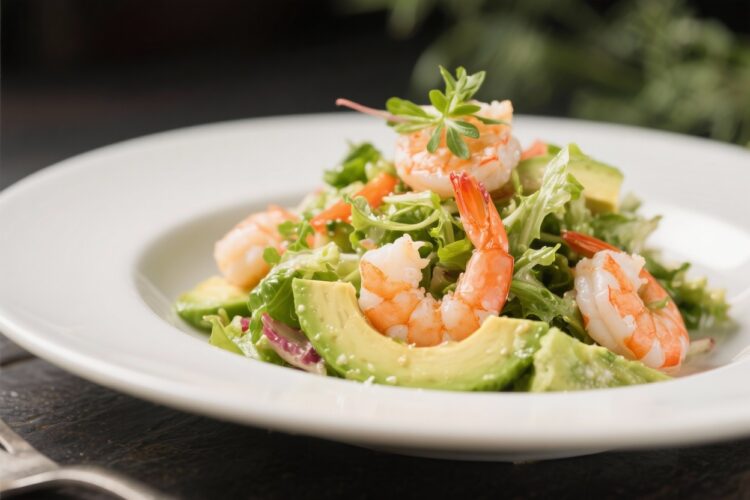
This is the ideal setup for a spring shrimp salad with avocado. You can keep the juicy shrimp in one spot and the creamy avocado in another to prevent them from making the greens soggy.
Many of these bento-style boxes come with a small, leak-proof pot for your citrus dressing. It’s like having a miniature restaurant-quality setup in your lunch bag.
Maximizing Texture Contrast
Using divided storage means your “crunch” stays crunchy. No one wants a walnut that has been sitting in strawberry juice for three hours.
When you finally combine the ingredients, the textures pop just like they would if you had prepared it fresh. It turns a boring desk lunch into a moment of happiness.
Stainless Steel for the Eco-Conscious Cook
If you are looking to eliminate all plastic from your kitchen, stainless steel is a fantastic, durable option. These containers are nearly indestructible and provide an excellent thermal barrier.
They are particularly good for cold salads because the metal helps maintain the fridge temperature longer once you take it out. This keeps your salad crisp during your commute or while sitting on a picnic table.
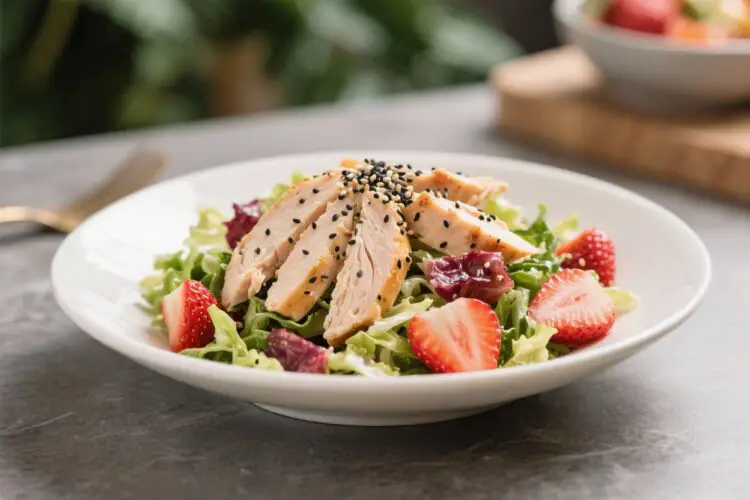
A chicken and strawberry poppy seed salad looks beautiful against the polished metal. It feels a bit like a culinary expedition every time you open your lunch.
Lifetime Durability
While the initial cost of stainless steel is higher, these containers will likely outlive your kitchen. They don’t stain, they don’t retain odors, and they are dishwasher safe.
We find they are especially great for families with kids. You don’t have to worry about anyone dropping their lunch and leaving a trail of glass shards behind.
Vacuum-Sealed Cannisters: The Professional Secret
For those who take their meal prep very seriously, vacuum-sealed canisters are the ultimate choice. These systems use a motorized pump to extract every bit of air from the container.
This stops the oxidation process entirely, which is what causes lettuce to turn brown. It is the closest you can get to professional food preservation at home.
We often use this for our kale recipes, as kale is hearty enough to withstand the pressure of a vacuum seal. It keeps the leaves incredibly vibrant and full of nutrients.
Extending Shelf Life Dramatically
While standard containers might give you five days, vacuum sealing can push that to ten or even fourteen. This is a game-changer if you only have time to prep once every two weeks.
It’s an investment in your health and your wallet. By reducing food waste, the system eventually pays for itself in saved groceries.
Large Capacity Tubs for Family Style Prep
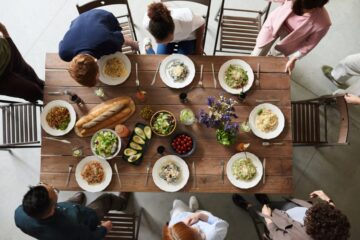
When you are feeding a crowd or a large family, tiny individual containers won’t cut it. You need large, stackable tubs that can hold an entire head of lettuce or a massive pasta salad.
Look for containers with reinforced handles and lids that stay secure even when the tub is heavy. We often prep a big batch of grains or greens to last the family through several different meals.
These larger bins are also great for potlucks where you need to transport a delicate salad without it getting squashed. They offer the structural integrity that a simple bowl covered in plastic wrap lacks.
Smart Space Management
Large containers should be designed to nest within each other when empty. This saves precious cupboard space in smaller kitchens.
Square or rectangular shapes are better than round ones for fridge organization. They utilize every inch of the shelf, allowing you to fit more healthy food into your home.
Collapsible Silicone for Space-Saving Freshness
If you have a tiny kitchen or a crowded fridge, collapsible silicone containers are a modern marvel. They expand to hold a full salad and then shrink down to an inch thick once you’ve eaten.
They are 100% food-grade and usually come with a sturdy plastic rim to keep the lid secure. We love using these for our travel-loving “culinary expeditions” because they take up so little room in a suitcase.
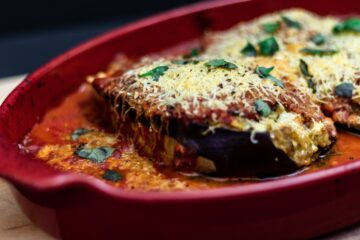
You can even use them to store leftover components like roasted eggplant from our eggplant guides. They are incredibly versatile for the modern-day hustler.

Microwave and Freezer Friendly
Most silicone storage is safe for both extreme heat and cold. This means you can use the same container for a cold salad one day and a hot soup the next.
They are the ultimate multitaskers for a busy household. Plus, the bright colors make opening the fridge a little bit more cheerful.
High-Tech Vented Salad Spinners
Did you know you can store your salad right inside the spinner? Many modern spinners are designed with a dual-purpose lid that locks for storage.
The inner basket keeps the greens elevated away from the bottom of the bowl, allowing for perfect air circulation. It’s a one-pot solution from washing to eating.
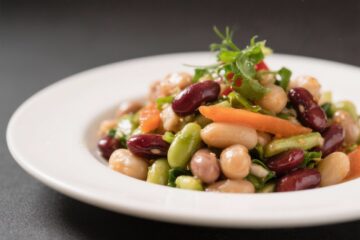
This is perfect for prepping a crisp three bean salad where you want to drain the beans and then keep the whole mixture chilled. It reduces the number of dishes you have to wash at the end of the day.
Ensuring Bone-Dry Leaves
The secret to long-lasting salad is removing every drop of water after washing. A high-quality spinner is the only way to achieve this level of dryness.
When you store the greens in the spinner basket, you are giving them the best possible chance to stay crunchy. It is a relatable and practical solution for any home cook.
Conclusion
Choosing the right storage container is the final step in ensuring your culinary creations stay as fresh as the day you made them. Whether you prefer the purity of glass, the portability of plastic, or the high-tech seals of a vacuum system, the goal remains the same: crisp, delicious meals that fit your lifestyle.
We believe that food is a love language, and there is no better way to show love to yourself and your family than by having healthy, fresh salads ready to go. By investing in reliable containers and using a few simple prep tricks, you can turn your kitchen into a hub of efficiency and flavor in 2026. Happy prepping!