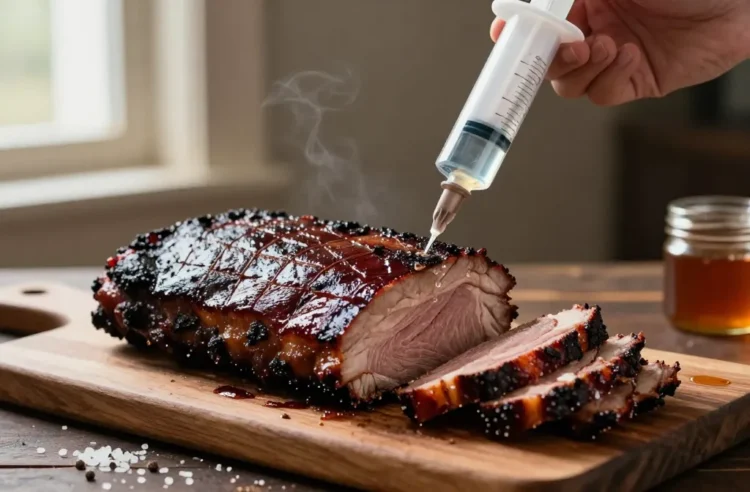
- Best for: Long smokes where you want even moisture and deeper flavor
- Make ahead: Yes — up to 3 days refrigerated
- Serves: One whole packer brisket (12–16 lb) or two smaller flats
- Key tip: Warm the injection slightly so it flows; inject with the grain in a grid pattern
When a brisket cooks for 8–14 hours, moisture is the whole story. An injection marinade for brisket pushes salt, umami, and liquid directly into the meat so every slice stays juicy. You’re not replacing a rub or bark — you’re supporting them from the inside. In this guide, you’ll get a reliable injection formula, step-by-step technique, gear tips, and smart troubleshooting.
Why Inject Brisket at All?
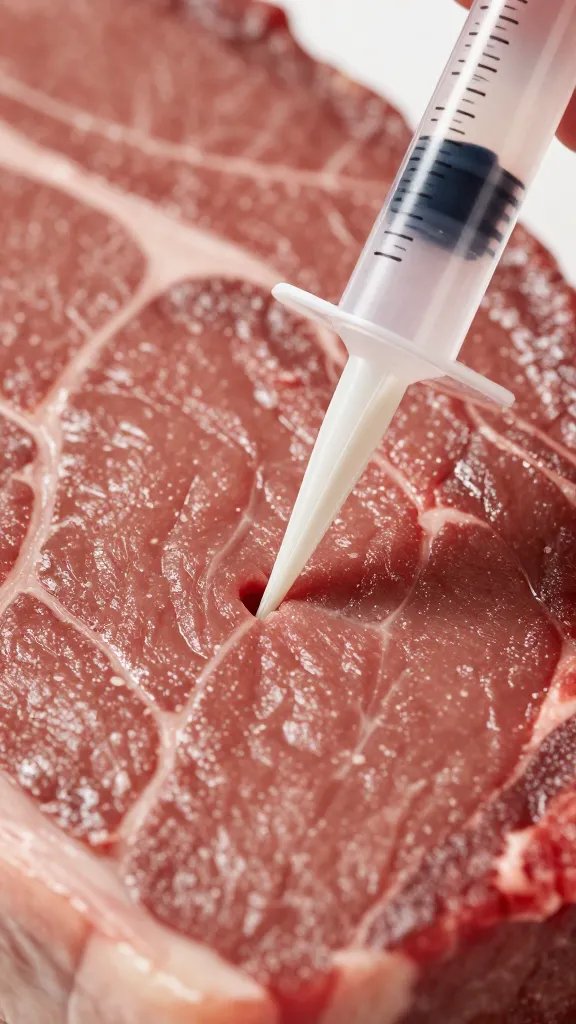
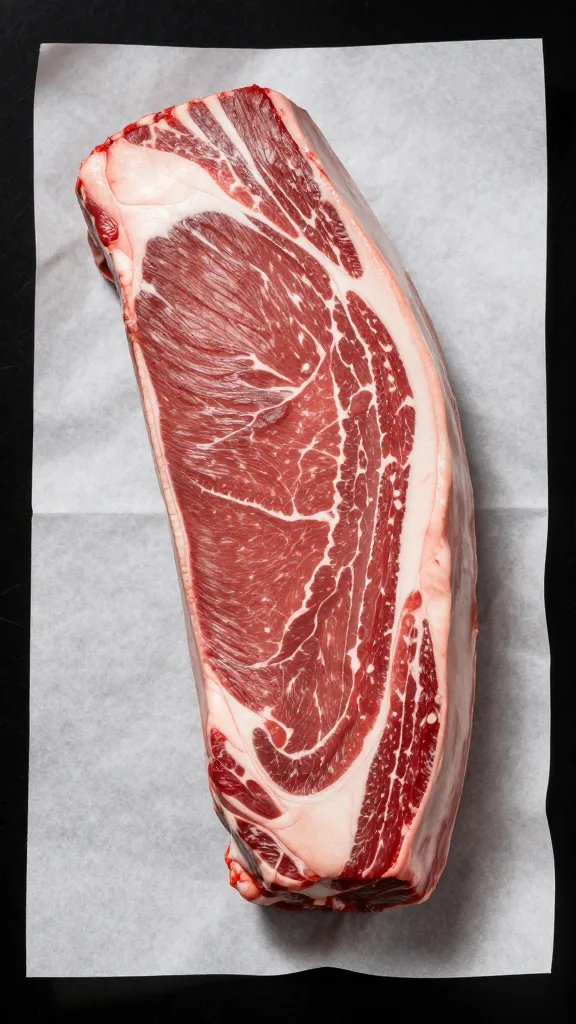
Brisket’s tight muscle fibers and low intramuscular fat make it prone to drying out. An injection adds seasoned liquid to the interior so it doesn’t depend only on surface rub and smoke.
It also evens out flavor across the point and flat, which cook at different rates. Want slices that taste seasoned all the way through? This is the move.
The Core Injection Marinade Formula
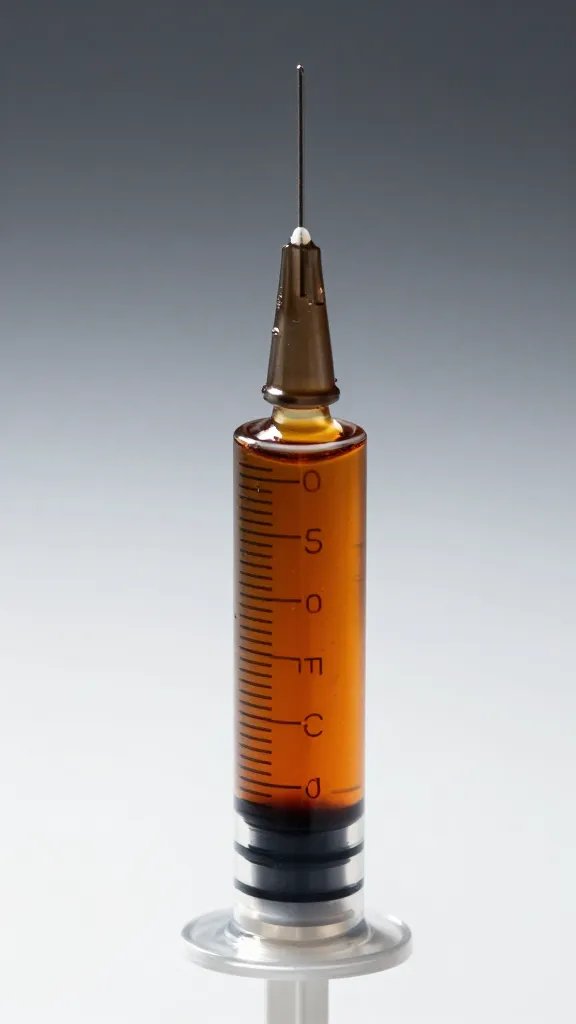
This base hits savory, slightly sweet, and a touch tangy. It’s balanced to complement, not overpower, your rub and smoke.
- 2 cups low-sodium beef broth (or water for milder salt)
- 2 tablespoons Worcestershire sauce
- 1 tablespoon soy sauce (low-sodium)
- 2 teaspoons kosher salt (reduce to 1 tsp if using salted broth)
- 1 teaspoon onion powder
- 1 teaspoon garlic powder
- 1 teaspoon black pepper (fine)
- 1 tablespoon apple cider vinegar
- Optional boosters:
- 1 tablespoon melted, unsalted butter for richness
- 1 teaspoon fish sauce for deep umami
- 1 teaspoon brown sugar if your rub is not sweet
Method: Warm gently to 120–130°F to dissolve powders, then cool to room temp. Strain twice through a fine mesh or coffee filter to prevent clogs.
How to Inject: Pattern, Depth, and Timing
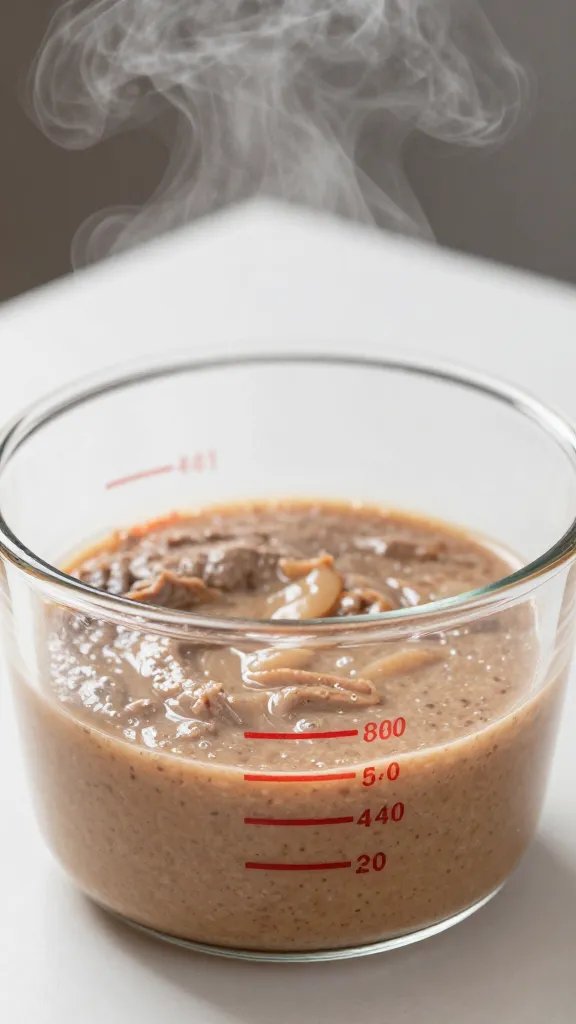
Set Up
- Trim brisket as usual; keep a 1/4-inch fat cap.
- Pat dry. Apply rub after injecting to avoid pushing it off.
- Use a 4–6 inch stainless injector with multiple side ports if possible.
Pattern and Depth
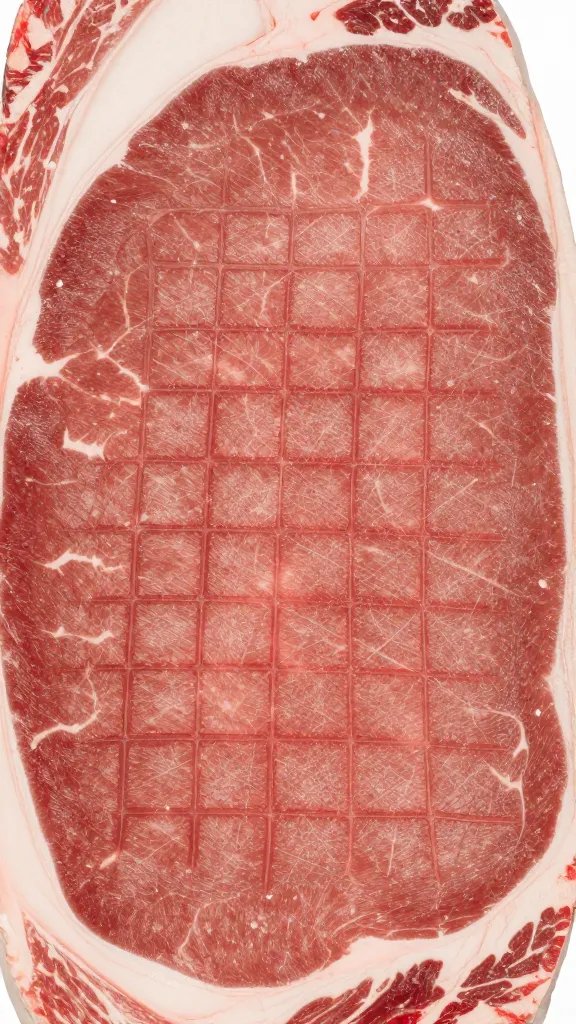
- Inject with the grain in a 1–1.5 inch grid across the flat and point.
- Insert needle 1–2 inches deep, then slowly depress while withdrawing so liquid disperses along the channel.
- Use about 1 cup per 5 lb of meat. For a 15 lb packer, plan on 3 cups.
- Expect some seepage; that’s normal. Blot gently before rubbing.
Timing
- Ideal: Inject 8–12 hours before the cook; rest covered in the fridge.
- Short on time? Inject 1–2 hours before smoking and keep chilled.
- Bring to cool room temp (not warm) before it hits the pit to promote even cooking.
Flavor Variations That Work
Keep viscosity thin to avoid clogs. Strain every blend.
- Texas-Style Savory: Broth, Worcestershire, black pepper, a touch of hot sauce. No sugar.
- Cajun Kick: Broth, Cajun seasoning (salt-adjusted), paprika, cayenne, lemon juice.
- Smoky Chipotle: Broth, adobo sauce (strained), lime juice, cumin. Watch salt.
- Allergy-Friendly: Skip soy and fish sauce; use coconut aminos and extra Worcestershire.
li>Espresso Umami: Broth, cooled strong coffee, soy, fish sauce, pinch of brown sugar.
Avoid These Common Injection Mistakes
- Over-salting: Many broths are salty. Taste the injection; it should be pleasantly savory, not briny.
- Clogged needles: Powders and adobo bits block ports. Strain and keep warm-ish so fats don’t solidify.
- Uneven coverage: Big gaps lead to zebra-striping of flavor. Stick to the grid.
- Too much liquid: Over-injecting can create mushy pockets. Target the 1 cup per 5 lb rule.
- Timing errors: Injecting and immediately cooking can push liquid out during early heat. Give it rest time when possible.
Rubs, Smoke, and Bark: Making It All Play Nice
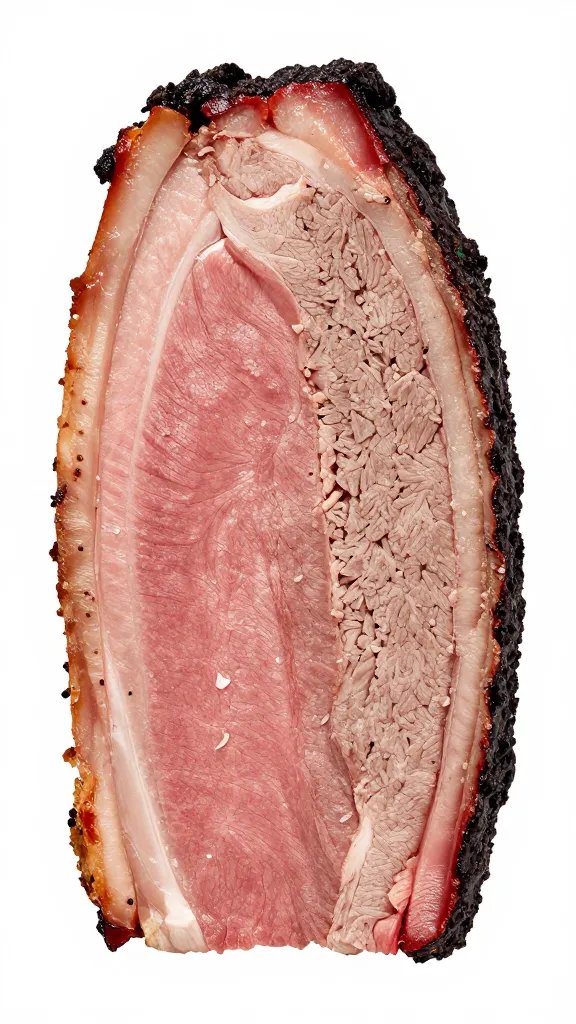
Injection seasons the inside; rub builds bark and exterior flavor. Use a rub that won’t fight your injection profile.
- If your injection has sweetness, balance with a pepper-forward rub.
- Running a clean fire at 250–275°F helps set bark even with extra interior moisture.
- Wrap at the stall (butcher paper for better bark, foil for maximum moisture) once color is set.
Need a bright finisher for sliced brisket? Try spooning on a little of this chimichurri recipe — acidity and herbs wake up rich beef.
Step-by-Step: From Injection to Slicing
- Mix and strain your injection. Cool to room temp.
- Trim brisket and map your injection grid.
- Inject 8–12 hours before cooking; blot and refrigerate covered.
- Rub lightly before it hits the smoker.
- Smoke at 250–275°F to your preferred color, then wrap.
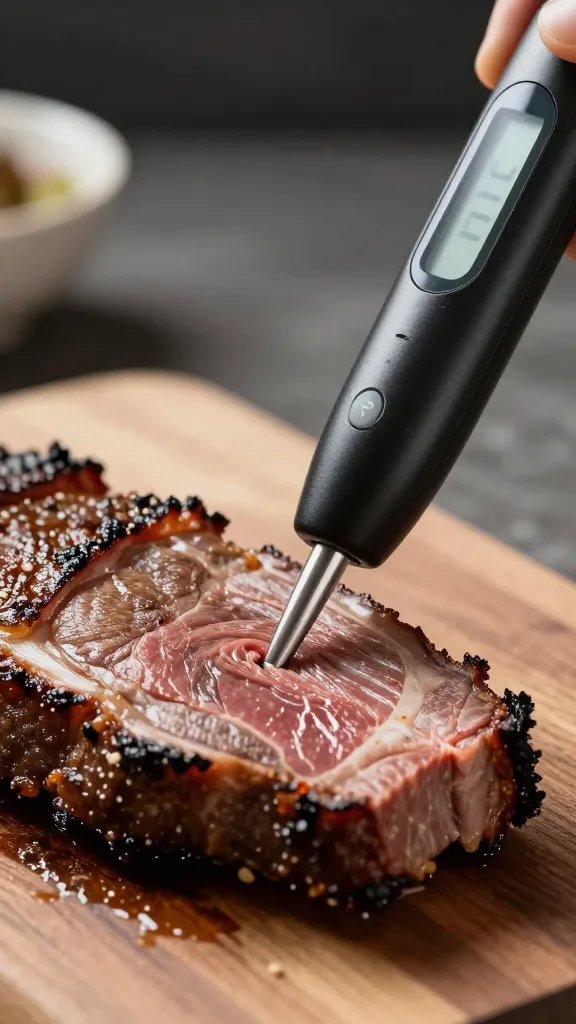
- Cook to probe-tender, typically 200–205°F internal in the flat.
- Rest 1–2 hours in a cooler or warm oven, still wrapped.
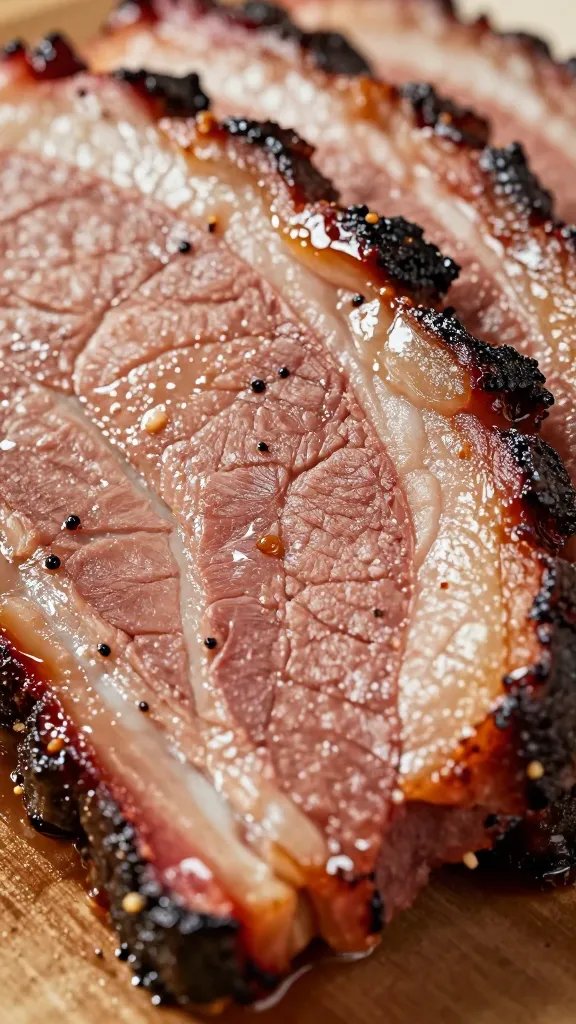
- Slice across the grain; serve with warm jus or a side sauce like this horseradish cream sauce.
From My Kitchen: What Actually Works
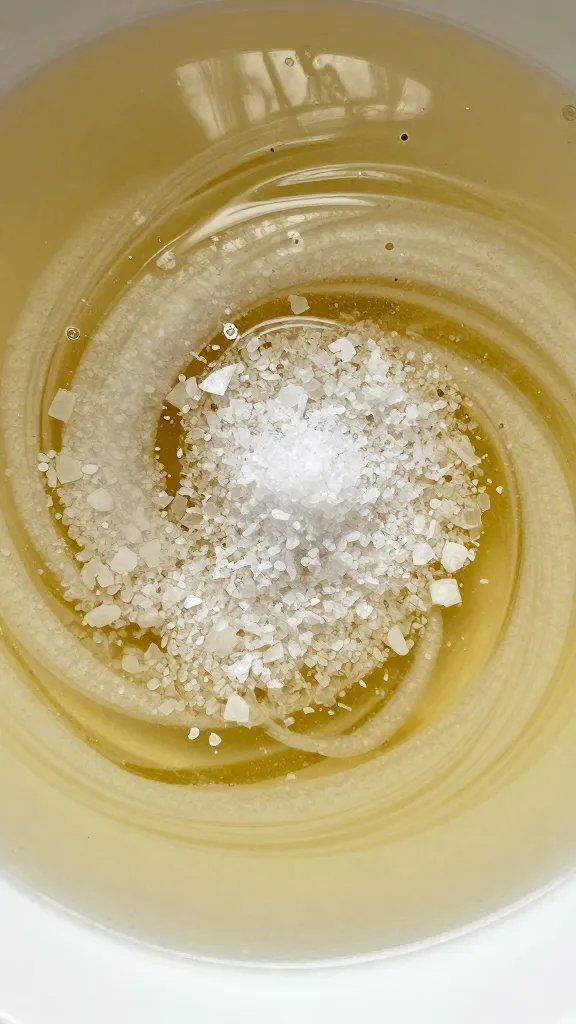
I get the best texture when I keep injection volume at roughly 12–14% of the brisket’s weight. Pushing to 20% made the flat taste watery and softened the grain. I also stopped adding sugar if I plan to wrap in foil — it darkens too fast and can read burnt. Warming the injection to about 120°F before loading the syringe cut my clog rate to almost zero, especially with butter or adobo blends.
Frequently Asked Questions
How far in advance can I make injection marinade for brisket?
Up to 3 days in the fridge. Keep it in a covered jar and shake before using, then strain again. For food safety, don’t leave it at room temp longer than 2 hours total.
Do I inject before or after applying the rub?
Inject first, then blot, then rub. If you rub first, the needle will push spices into the meat unevenly and you’ll lose a lot of seasoning to seepage.
How much injection marinade for brisket should I use?
About 1 cup per 5 pounds of meat. For a 15-pound packer, plan on 3 cups. Over-injecting can create soggy pockets and dilute flavor.
Can I freeze leftover injection marinade?
Yes, if it doesn’t contain dairy. Freeze up to 3 months; thaw in the fridge and strain before use. If it has butter, rewarm gently and blend, then strain.
Will injection affect my bark?
Only if you over-inject or go heavy on sugars. Keep the surface dry before rubbing, run the pit at 250–275°F, and let bark set before wrapping. Butcher paper helps maintain bark compared to foil.
What needle size works best for brisket injection?
A 12–14 gauge needle with side ports spreads liquid well without huge punctures. For thicker blends, use a slightly larger gauge and always strain.
The Bottom Line
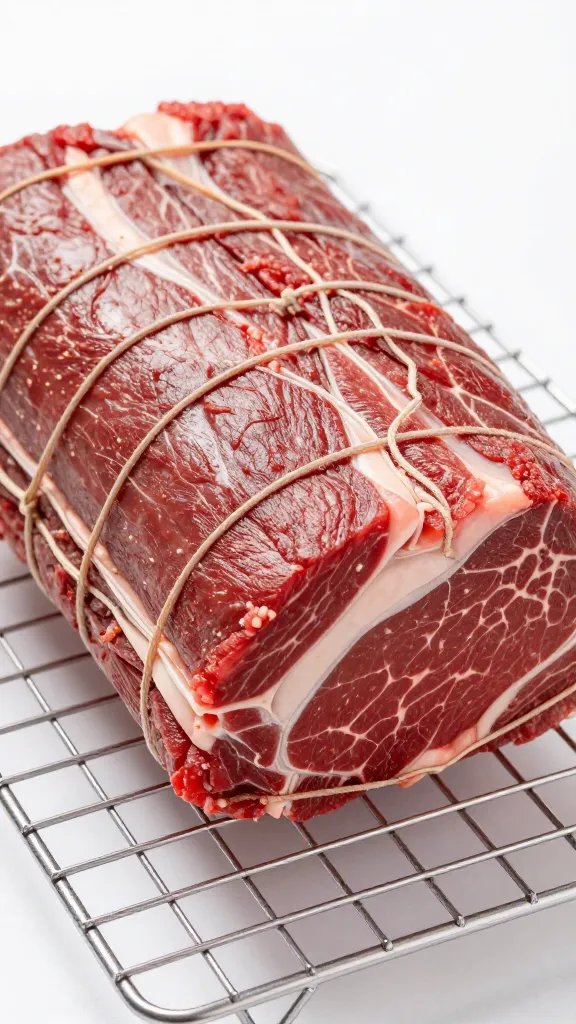
An injection doesn’t replace good fire, rub, or rest time — it supports them by seasoning and hydrating the inside of your brisket. Keep the blend thin, the grid tight, and the salt balanced, and you’ll slice into juicy meat from end to end.
Planning to try this? Save this post so you can find it when you need it — and tag us when you make it.