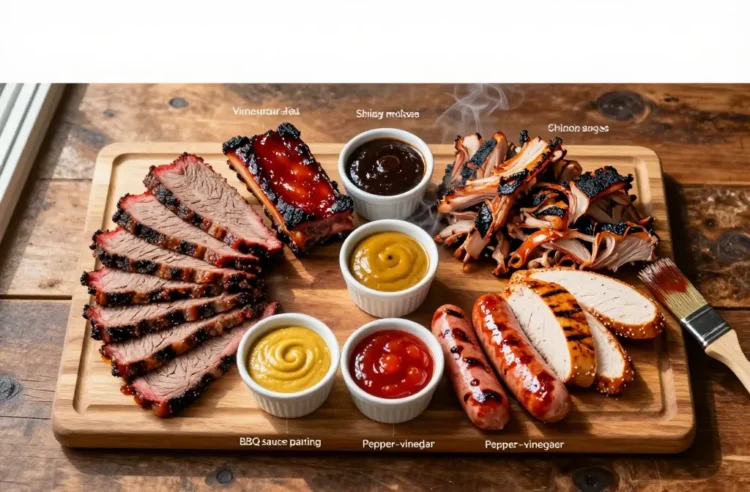
- Best for: Backyard cookouts, tailgates, and weeknight grilling
- Make ahead: Yes — sauces keep 1–2 weeks refrigerated
- Serves: Flexible — scale sauces to match 4–20 servings
- Key tip: Match sauce intensity to meat fattiness and cook method
How to Match BBQ Sauce to Every Meat is simpler than it looks once you know the rules. Think balance: fat needs acidity, lean needs sweetness, and smoke needs contrast. Then layer texture and heat. By the end, you’ll know exactly which sauce to reach for and why — with easy swaps if you’re out of an ingredient.
The Flavor Rules Behind Great Pairings
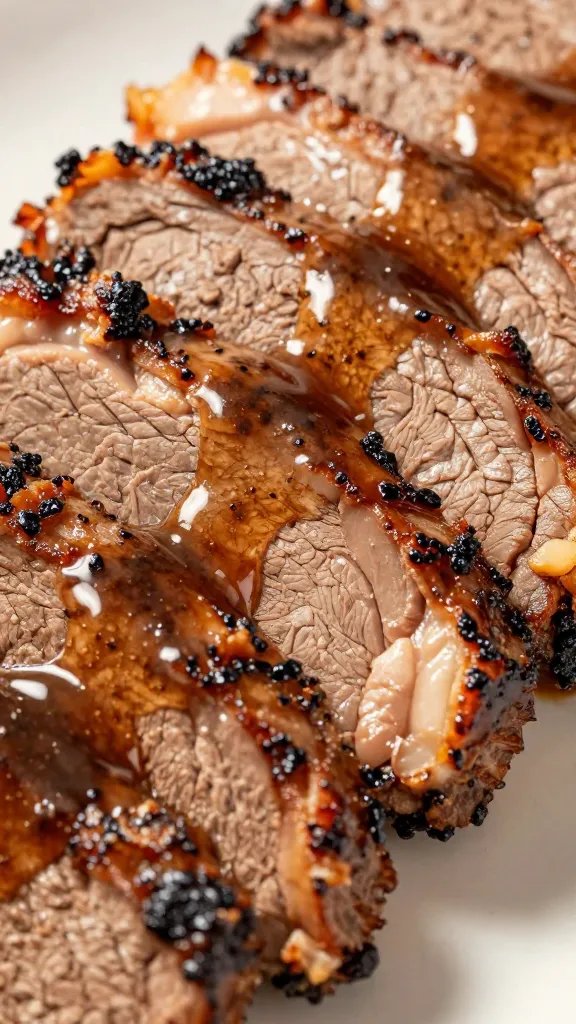
Balance fat with acid. Rich cuts like pork shoulder and brisket love tangy sauces that cut through the fat. Vinegar-forward styles shine here.
Protect lean meat with sweetness. Chicken breast and pork tenderloin need gentle sweetness to keep bites juicy and round out any dryness.
Match smoke level. Heavy smoke asks for bolder sauce; light smoke prefers cleaner, fresher flavors.
- Spice amplifies sweetness. Chili heat makes sweet sauces taste sweeter — keep sugar modest if you’re adding hot peppers.
- Texture matters. Sticky, reduced sauces cling to ribs; thinner mop sauces are better for large roasts and pulled meats.
Chicken: From Breast to Wings
Best Sauces by Cut
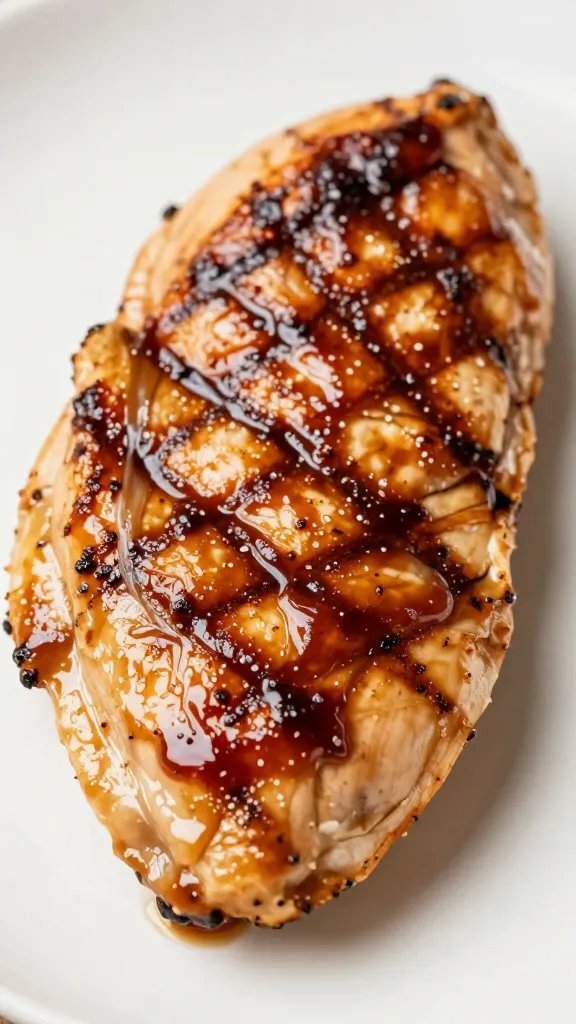
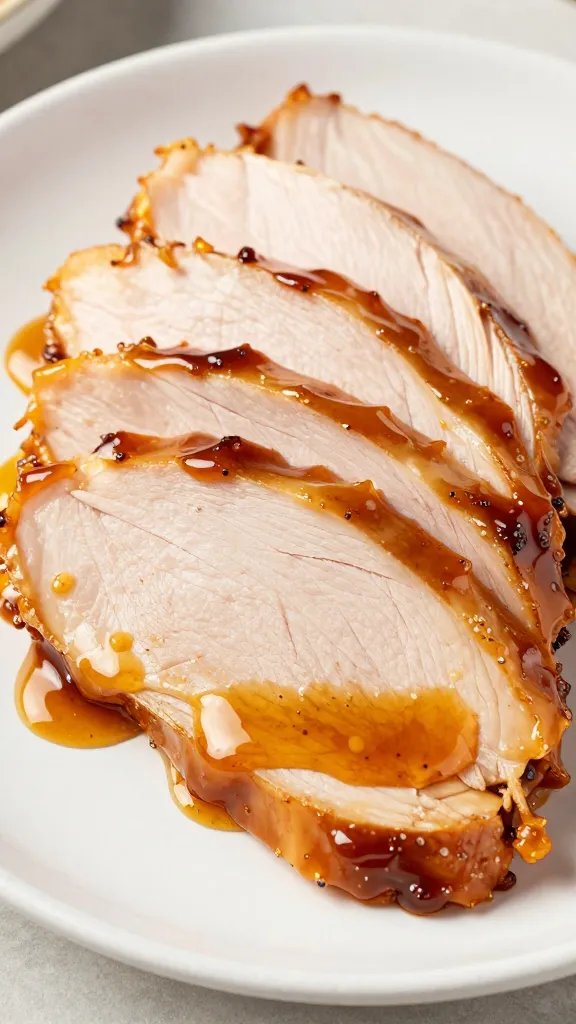
- Breasts (grilled or baked): Lightly sweet tomato-honey or a lemon-garlic herb glaze. Finish off-heat to avoid burning.
- Thighs (smoked or grilled): Kansas City–style (tomato, molasses) or bourbon-brown sugar with a dash of apple cider vinegar.
- Wings (fried or smoked): Sticky sweet heat. Mix buffalo with honey and a splash of soy for umami, or try gochujang BBQ.
Why It Works
Lean cuts need moisture insurance. Sweet-tangy sauces add perceived juiciness. Thighs can handle bolder sugar and spice because of higher fat content.
- Pro tip: Sauce chicken in the last 5–8 minutes. Sugar burns fast; glaze, don’t incinerate.
Pork: Ribs, Shoulder, and Tenderloin
Ribs
- Baby backs: Kansas City–style, cherry-chipotle, or maple-mustard. Thicker sauces glaze beautifully.
- Spare ribs/St. Louis: Memphis dry rub plus a thin vinegar mop; finish with a light brush of sauce if you want shine.
Pulled Pork (Shoulder/Boston Butt)
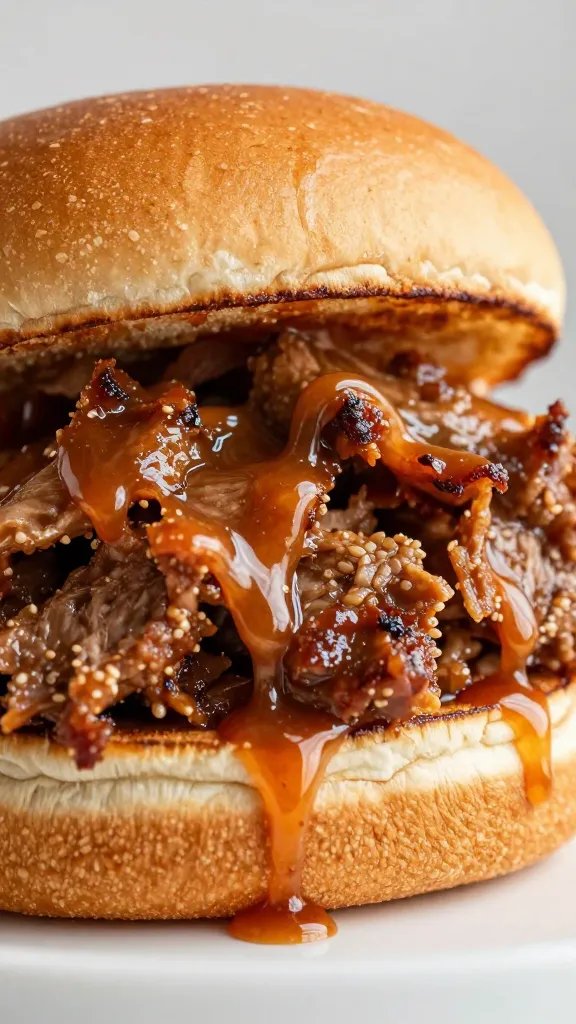
- Carolina vinegar: Apple cider vinegar, red pepper flakes, a touch of brown sugar — cuts through rich shreds.
- Carolina gold: Mustard + vinegar + honey — tangy and bold without being heavy.
Tenderloin/Chops
- Apricot or peach BBQ: Stone fruit complements lean pork without overwhelming.
- Maple-bourbon: Sweet-smoky, finished with a squeeze of lemon for balance.
Key match: Fatty pork loves acidity; lean pork wants fruit-forward sweetness with a sharp finish.
Beef: Burgers, Brisket, and Steak
Burgers
- Smoky ketchup BBQ: Tomato base + smoked paprika + Worcestershire. Keeps it classic and burger-friendly.
- Coffee-molasses: A small amount adds roastiness without overt sweetness.
Brisket
- Texas-style mop: Thin, peppery, beef stock + vinegar. Serve on the side to let bark shine.
- Espresso-chile: Subtle bitterness balances fat; use sparingly as a finishing drizzle.
Steak
- Chimichurri-adjacent BBQ: A bright herb sauce with a hint of tomato paste and smoked paprika.
- Black pepper vinegar: Thin, zippy, and steakhouse-friendly.
Why not heavy sweets? Rich beef plus sugary sauce can taste cloying. Go peppery, tangy, or herb-forward to enhance the beef.
Want a fresh, herby option for grilled steak or tri-tip? Try this chimichurri recipe alongside a peppery mop.
Ribs and Wings: The Sticky Factor
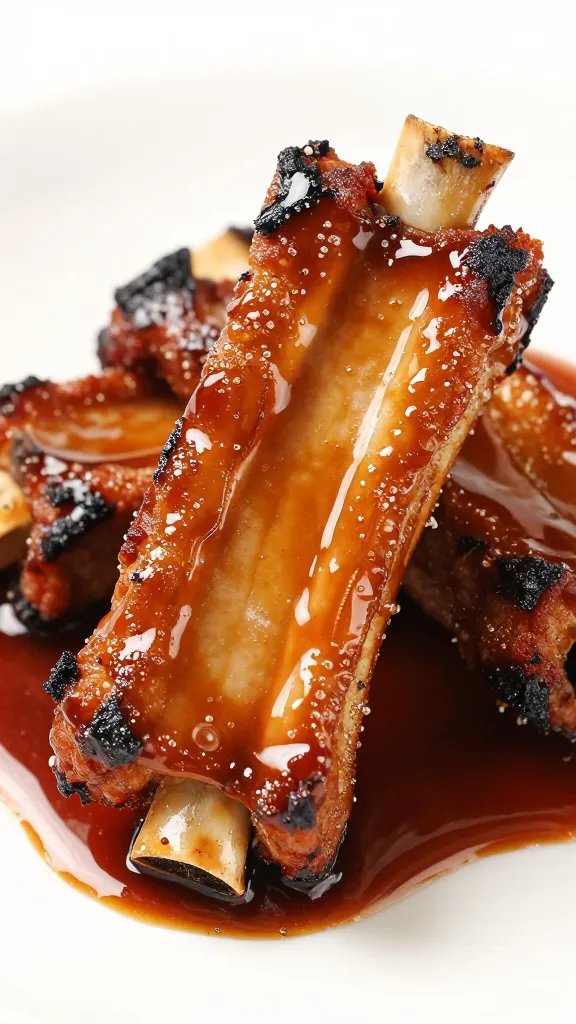
Sticky sauces need time to set. Brush on in thin layers over medium heat, letting each coat bubble for 1–2 minutes.
- For ribs: Tomato base + brown sugar + vinegar + a knob of butter for gloss.
- For wings: Honey + hot sauce + soy + rice vinegar. Finish with sesame seeds and scallions.
- Avoid burn: Keep sugars under 20% of the sauce by volume if you’re cooking over direct heat.
Fish and Seafood: Keep It Bright
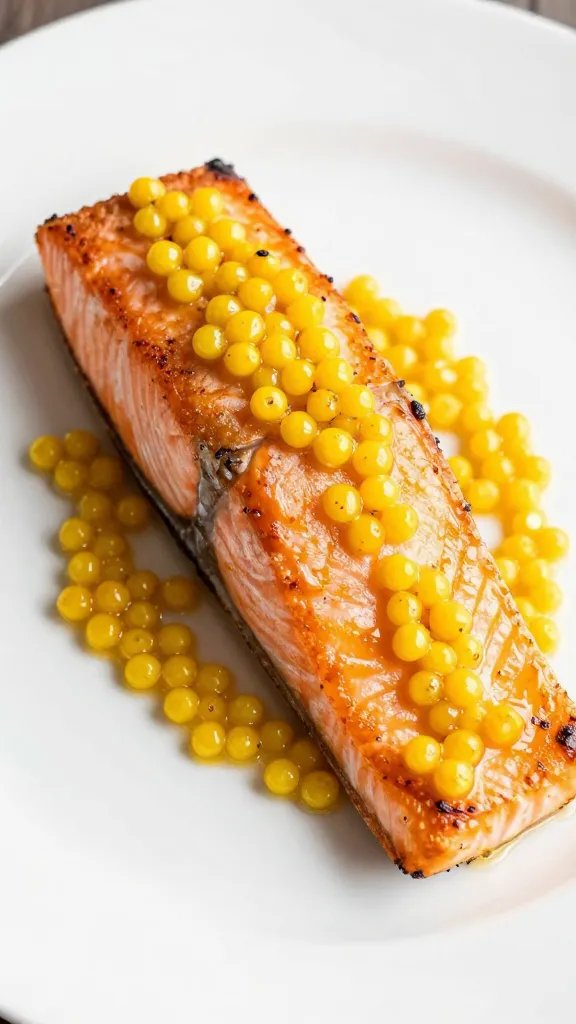
- Salmon: Maple-soy-lime with garlic and ginger; broil to lacquer.
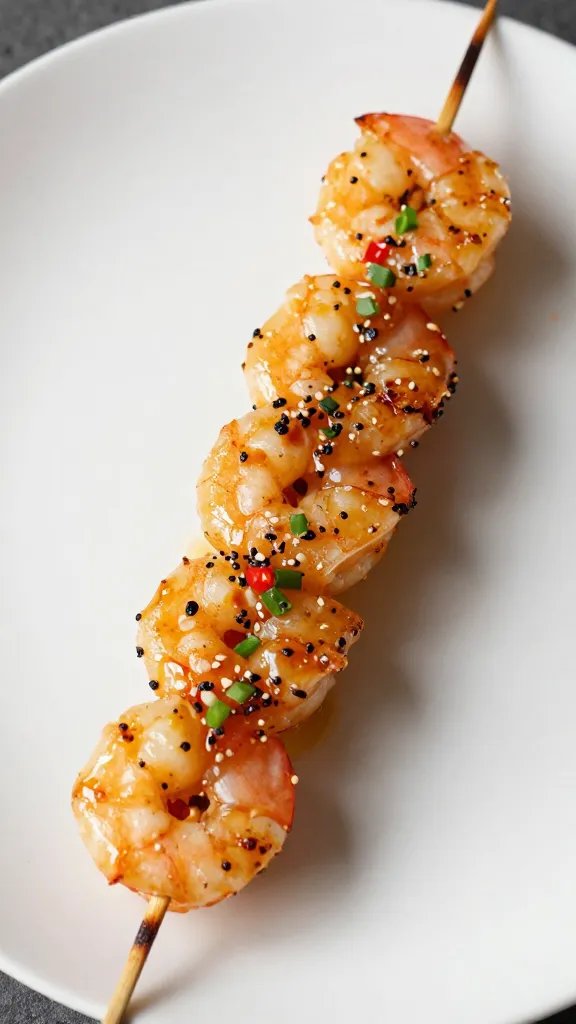
- Shrimp: Thin, garlicky lemon-butter BBQ with a pinch of cayenne; toss after cooking.
- White fish: Tomato-light BBQ with smoked paprika and capers; keep it zesty, not sticky.
Rule of thumb: The more delicate the fish, the thinner and brighter the sauce. Heavy smoke and sugar will mask flavor.
Regional Styles and When to Use Them
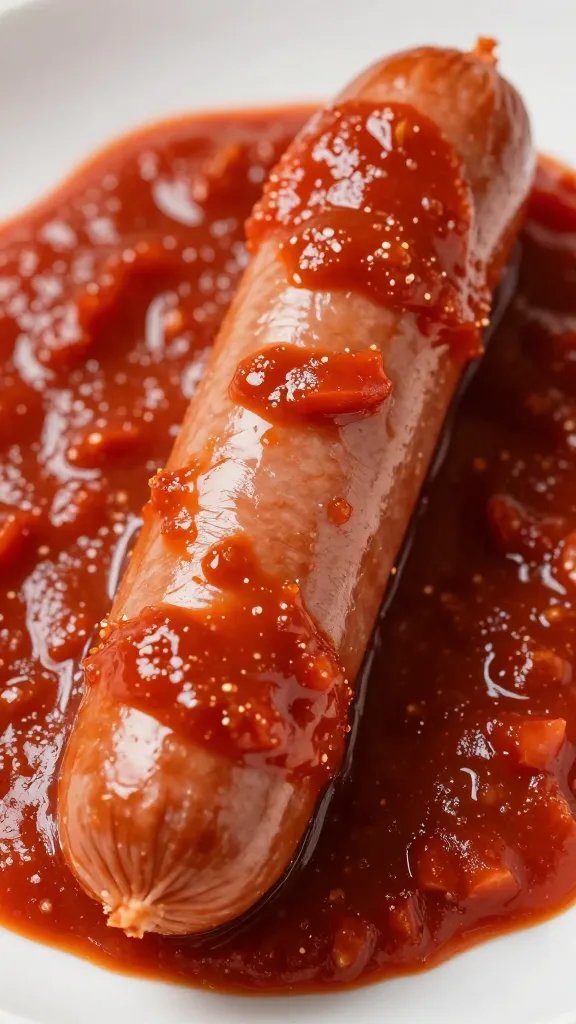
- Kansas City: Thick, sweet-tangy. Best for ribs, thighs, wings. Finish at the end.
- Memphis: Often dry-rubbed; if sauced, it’s light. Great for ribs and pulled pork with a vinegar side.
- Carolina (vinegar or mustard): Thin, sharp, peppery. Perfect for pork shoulder and chopped/pulled sandwiches.
- Texas: Savory, black pepper, beef-forward mops. Ideal for brisket and beef ribs.
- Alabama White: Mayo-based, tangy. Amazing on smoked chicken and turkey.
How to Adjust Any Sauce on the Fly
- Too sweet? Add apple cider vinegar or lemon juice, 1 teaspoon at a time.
- Too sharp? Whisk in honey or brown sugar, 1 teaspoon at a time, or a knob of butter.
- Too thin? Simmer 5–10 minutes to reduce. For cold fixes, add tomato paste.
- Not smoky enough? Add smoked paprika or a splash of strong coffee — more control than liquid smoke.
- Needs depth? Worcestershire, soy sauce, or a little anchovy paste for umami.
For effortless tenderness before saucing, check out this slow-cooker pulled pork — then finish with a Carolina vinegar splash.
From My Kitchen: What Actually Works
I test sauce timing with a spoon trail: when a hot sauce coats the back of a spoon and the line holds for 2 seconds, it’ll cling to ribs without running. For pulled pork, I reserve 20% of the vinegar sauce to add right before serving — the fresh acidity wakes up the meat after holding. On chicken thighs, I baste in three thin layers, 90 seconds apart over medium heat; a single heavy glaze always scorches. For brisket, I stop saucing entirely and serve a warm, thin mop on the side — it preserves bark texture and guests can dial tang to taste.
Frequently Asked Questions
What’s the best BBQ sauce for pulled pork?
A Carolina vinegar sauce (apple cider vinegar, chili flakes, a bit of brown sugar) is classic because the acid cuts through rich pork shoulder. Mustard-based Carolina gold is a great alternative if you prefer a little sweetness.
How to match BBQ sauce to every meat when feeding a crowd?
Offer two contrasting sauces: one tangy-thin (vinegar or peppery mop) and one thick-sweet (Kansas City style). This covers fatty meats like pork and brisket and also works for chicken and ribs.
Can I make BBQ sauce ahead of time?
Yes. Most tomato-based sauces keep 1–2 weeks refrigerated and taste better after 24 hours. Vinegar mops last up to 3 weeks; mayo-based Alabama white keeps 5–7 days.
When should I put BBQ sauce on chicken?
In the last 5–8 minutes of cooking, over medium heat. Sugary sauces burn fast, so glaze in thin layers and pull the chicken once the sauce bubbles and sets.
What sauce works best for brisket?
A thin, peppery Texas-style mop or a light vinegar sauce served warm on the side. It enhances the beef without softening the bark or turning slices overly sweet.
Can I freeze homemade BBQ sauce?
Tomato-based sauces freeze well for up to 3 months. Avoid freezing mayo-based sauces; they separate. Thaw overnight and simmer 2–3 minutes to restore texture.
The Bottom Line
Pair sauce intensity to meat richness and cooking method: fat loves acid, lean needs gentle sweetness, and smoke wants contrast. Keep sauces thin for big, rich cuts and sticky for ribs and wings, and you’ll nail the balance every time.
Planning to try this? Save this post so you can find it when you need it — and tag us when you make it.