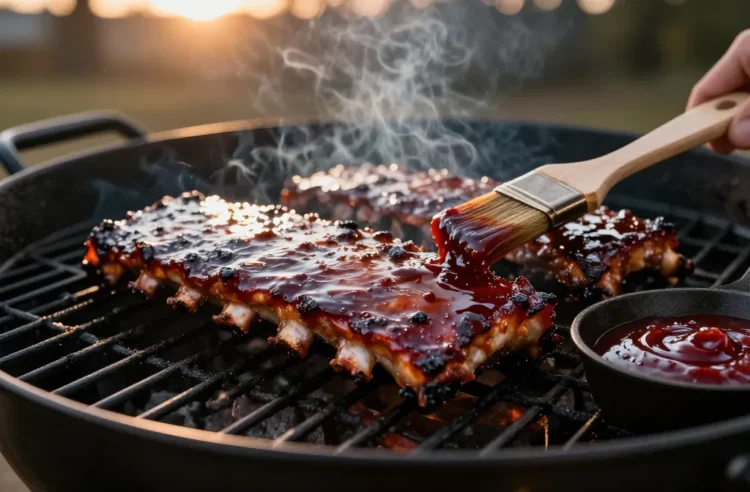
- Best for: Weeknight ribs, backyard cookouts, and smoker sessions
- Make ahead: Yes — up to 10 days refrigerated or 3 months frozen
- Serves: About 2 cups of sauce (coats 2–3 racks of ribs)
- Key tip: Simmer 8–10 minutes to thicken; sweeteners bloom late
Keto BBQ Sauce for Ribs — Sticky and Smoky Without Sugar delivers everything you want from classic BBQ without the carb crash. It’s glossy, tangy, and clings to ribs like a dream, but swaps refined sugar for smart low-carb sweeteners. No weird aftertaste and no thin, watery texture. In this guide, you’ll get a dependable recipe, pro tips for texture and flavor, and easy variations to match your rib style.
Why Go Keto With BBQ Sauce?
Traditional sauces pack 12–18 grams of sugar per 2 tablespoons. That adds up fast when you glaze an entire rack. With a keto sauce, you control carbs without sacrificing that signature sticky finish.
The win: You get the same balance of sweet, smoky, tangy, and spicy — just engineered with low-carb ingredients that behave like sugar in cooking.
Ingredients That Make It Sticky (Without Sugar)
Here’s the base that hits classic BBQ notes while staying keto-friendly:
- Tomato base: Tomato paste for body + crushed tomatoes or passata for depth
- Acid: Apple cider vinegar for tang; a splash of white vinegar for brightness
- Sweetener: Allulose (best for glossy, syrupy finish); erythritol/monk fruit blend as backup
- Umami: Coconut aminos (lower carb than most Worcestershire); a dash of fish sauce optional
- Smoke: Smoked paprika + liquid smoke (use lightly)
- Spice: Garlic powder, onion powder, black pepper, mustard powder, cayenne
- Fat: Avocado oil or light olive oil for sheen and mouthfeel
- Salt: Kosher or sea salt to taste
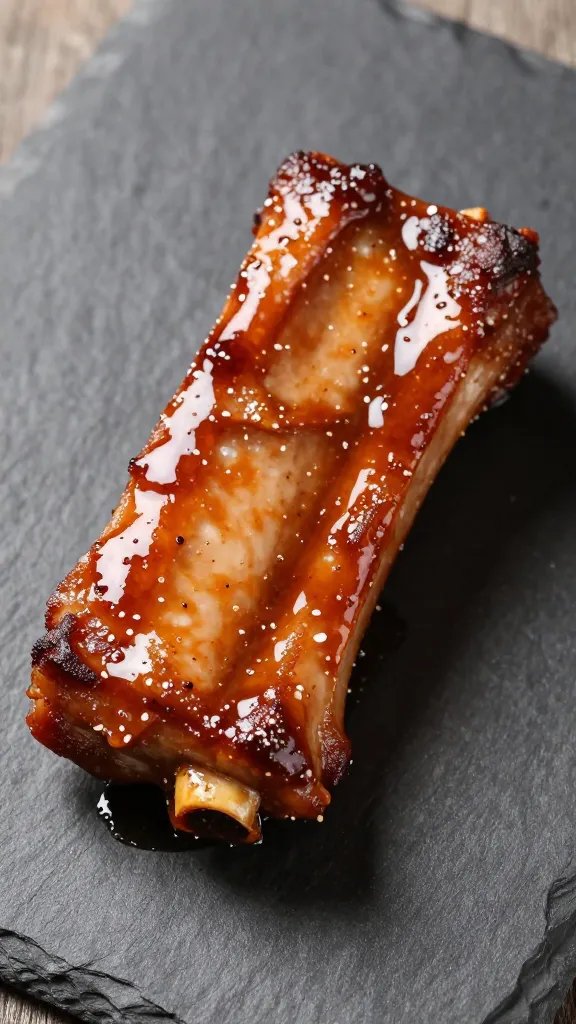
Why allulose? It caramelizes and reduces like sugar, giving you that sticky lacquer. Erythritol can crystallize as the sauce cools; allulose stays smooth.
Keto BBQ Sauce for Ribs: The Core Recipe
Ingredients (Makes ~2 cups)
- 1 tablespoon avocado oil
- 3 tablespoons tomato paste
- 1 cup passata or crushed tomatoes (no sugar added)
- 1/3 cup apple cider vinegar
- 1 tablespoon white vinegar
- 1/2 cup allulose (start with 6 tablespoons if you prefer less sweet)
- 2 tablespoons coconut aminos
- 1 teaspoon smoked paprika
- 1 teaspoon garlic powder
- 1 teaspoon onion powder
- 1/2 teaspoon mustard powder
- 1/4–1/2 teaspoon cayenne (to taste)
- 1/2 teaspoon black pepper
- 3/4 teaspoon kosher salt (plus more to taste)
- 1/4–1/2 teaspoon liquid smoke (optional, go slow)
- Water as needed (2–4 tablespoons for consistency)
Step-by-Step
- Warm oil in a saucepan over medium heat. Stir in tomato paste; cook 1 minute until brick red and fragrant.
- Whisk in passata, both vinegars, allulose, and coconut aminos. Add spices and salt.
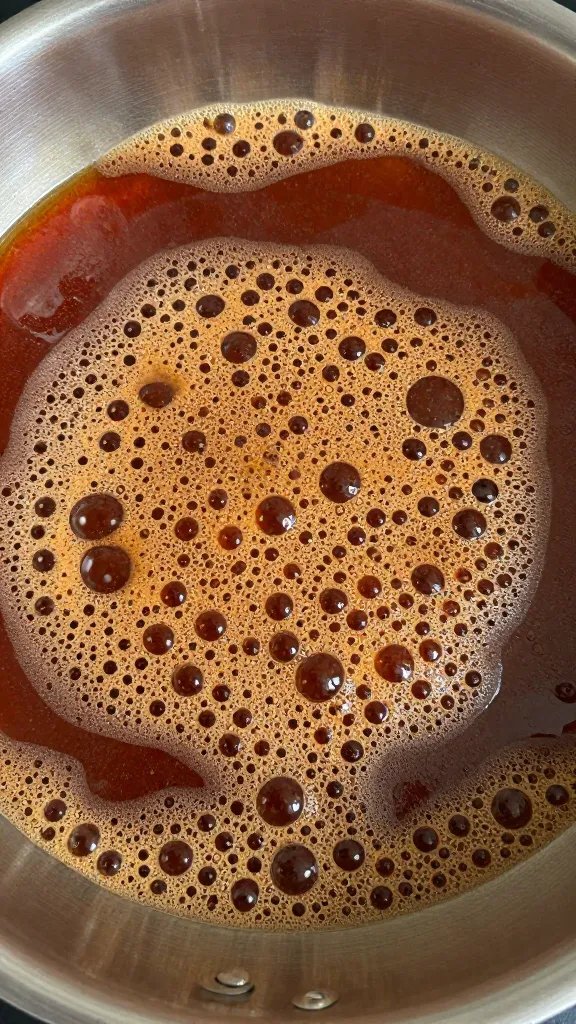
- Bring to a gentle simmer, then reduce heat. Simmer 8–10 minutes, stirring. Add water as needed for a glossy, brushable texture.
- Turn off heat. Stir in liquid smoke a few drops at a time. Taste and adjust salt, sweet, and heat.
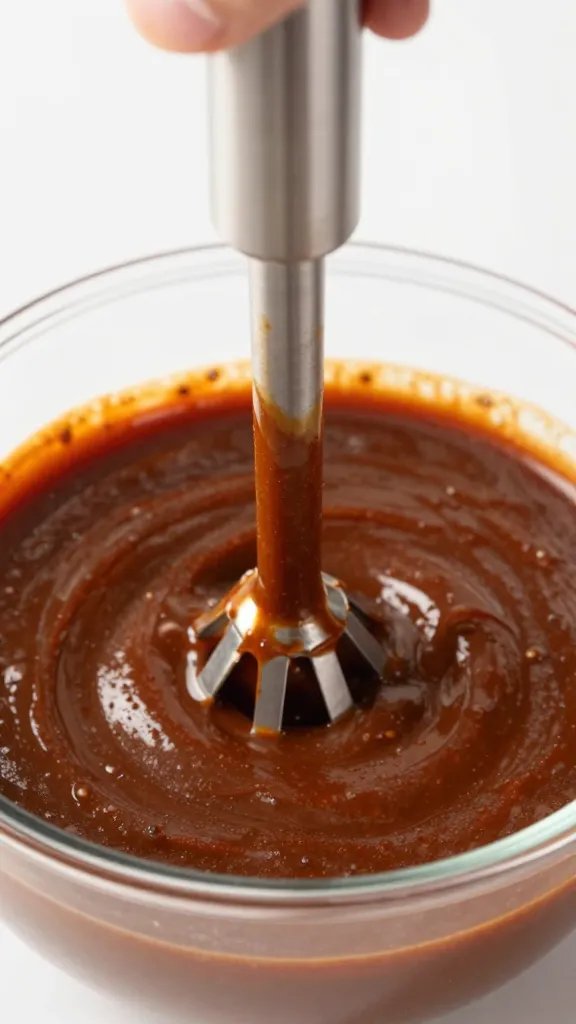
- Cool 10 minutes. Blend with an immersion blender if you want it ultra-smooth.
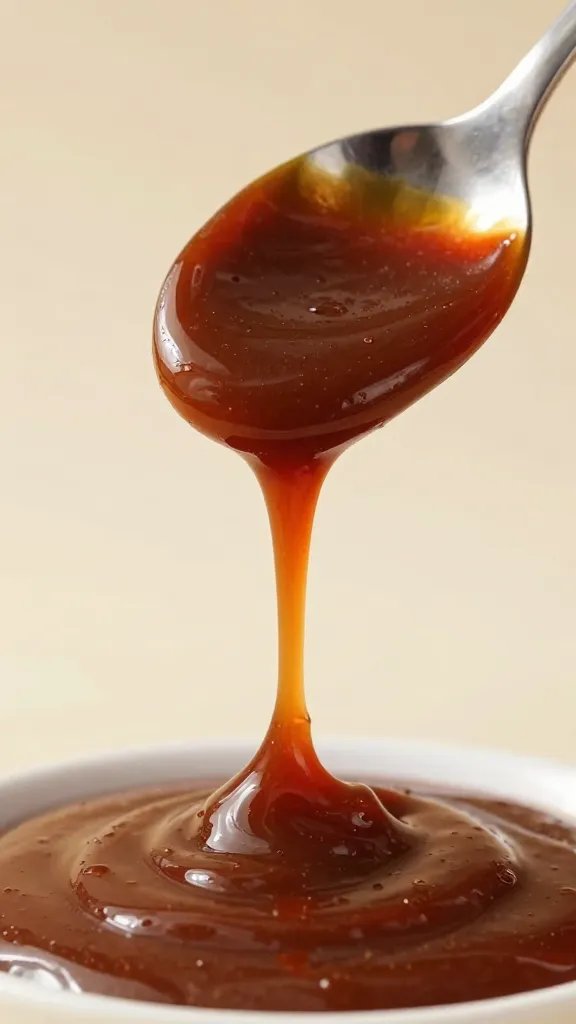
Target texture: It should ribbon off a spoon and cling. Too thick? Add a splash of water. Too thin? Simmer 2–3 minutes more.
How to Use It on Ribs
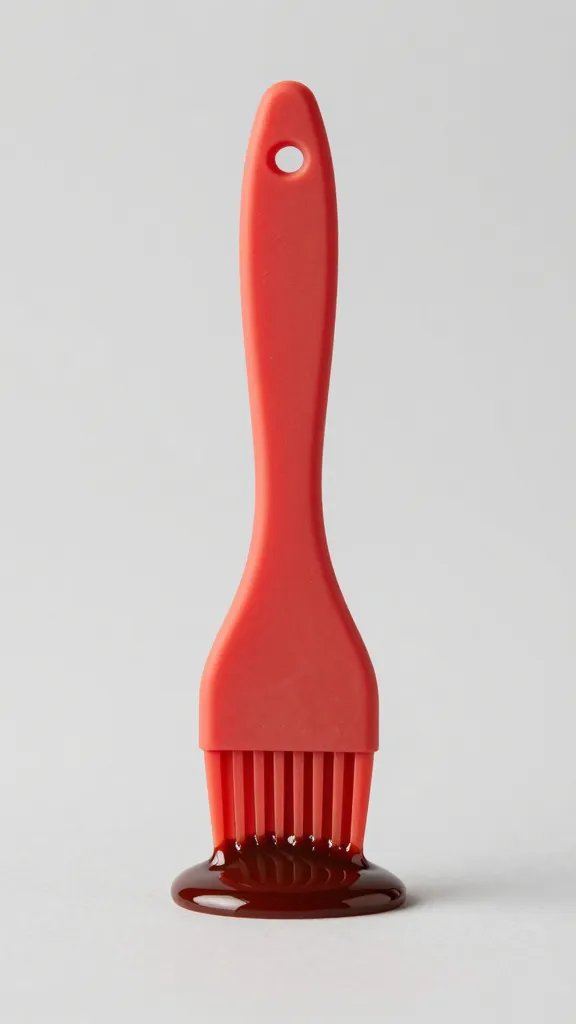
Timing matters. Apply sauce when ribs are nearly done so sweeteners don’t burn.
- Oven or smoker: Cook ribs until tender. Brush on sauce for the last 20–30 minutes at 250–275°F, re-brushing once or twice.
- Grill finish: Move ribs to indirect heat. Brush and set the glaze 5–7 minutes per side. Avoid high direct flames.
- Sticky final coat: Rest ribs 5 minutes, then add a thin final brush before slicing.
Tip: Keep a “mop” version by thinning 1/2 cup sauce with 2 tablespoons water to baste earlier in cooking without scorching.
Flavor Swaps and Regional Twists
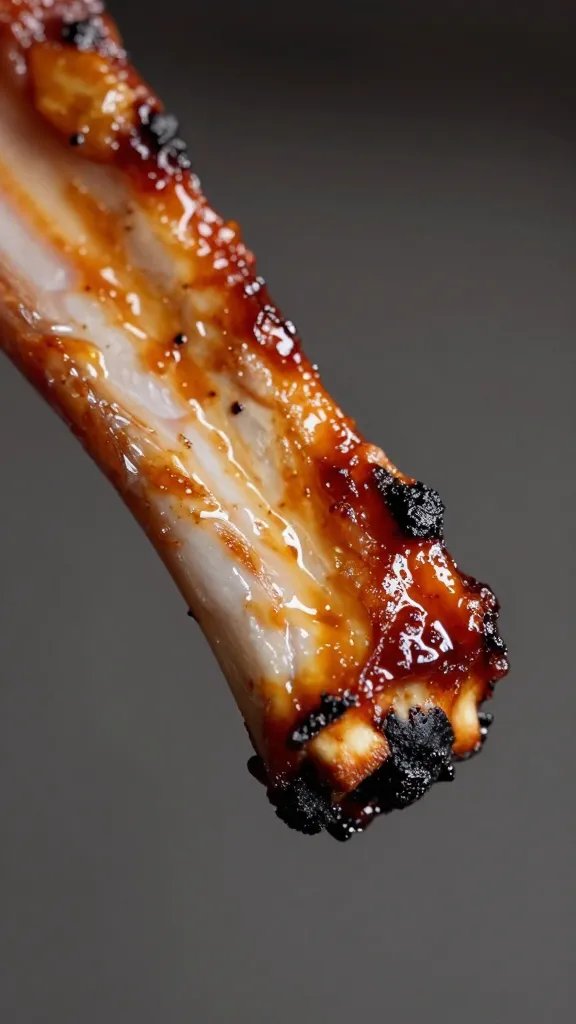
- Kansas City–style (sweeter, thicker): Add 1–2 extra tablespoons allulose and simmer 2 minutes longer.
- Memphis dry/wet hybrid: Reduce sweetener by 1 tablespoon and dust ribs with a dry rub after saucing.
- Carolina tang: Increase apple cider vinegar by 2 tablespoons and add 1 teaspoon yellow mustard.
- Texas smoky heat: Add 1 teaspoon chipotle powder and 1/4 teaspoon espresso powder.
- Spicy garlic: Stir in 1 minced clove garlic during the initial sauté and add 1 teaspoon chili flakes.
Sweetener Science: Read This Before You Swap
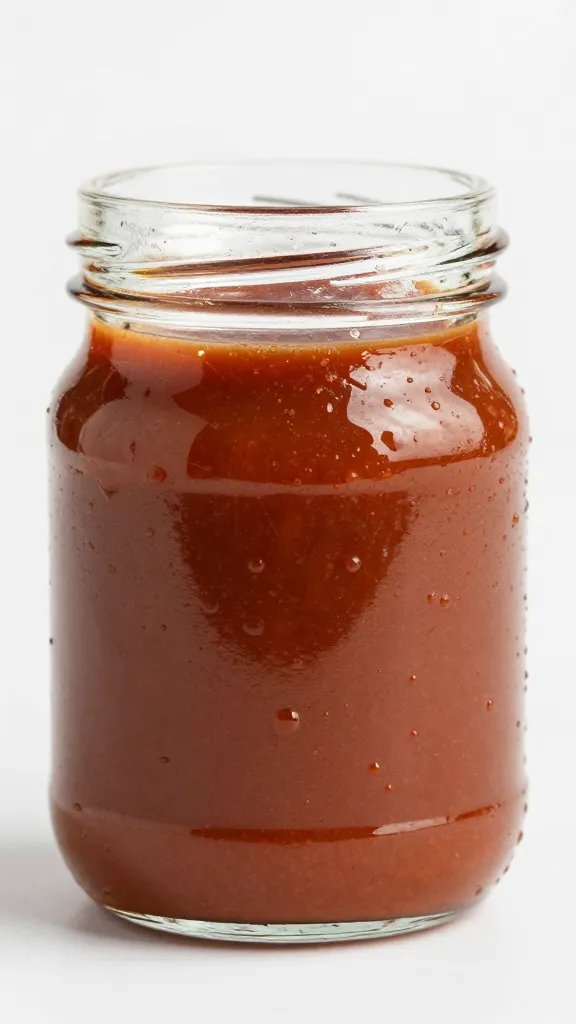
- Allulose: Best texture and sheen; slightly less sweet than sugar. Use 1:1.2 if converting from sugar.
- Erythritol/monk fruit: Good sweetness but can crystallize as it cools. Reduce simmer by a minute and store warm for serving.
- Stevia drops: Sweet but no body. If using, add 1–2 tablespoons of powdered allulose or xanthan (a tiny pinch) to help thickness.
- Xylitol: Works well but keep away from pets; it’s extremely toxic to dogs.
Balancing act: If the sauce tastes flat, it usually needs salt or vinegar, not more sweetener.
Make-Ahead, Storing, and Freezing
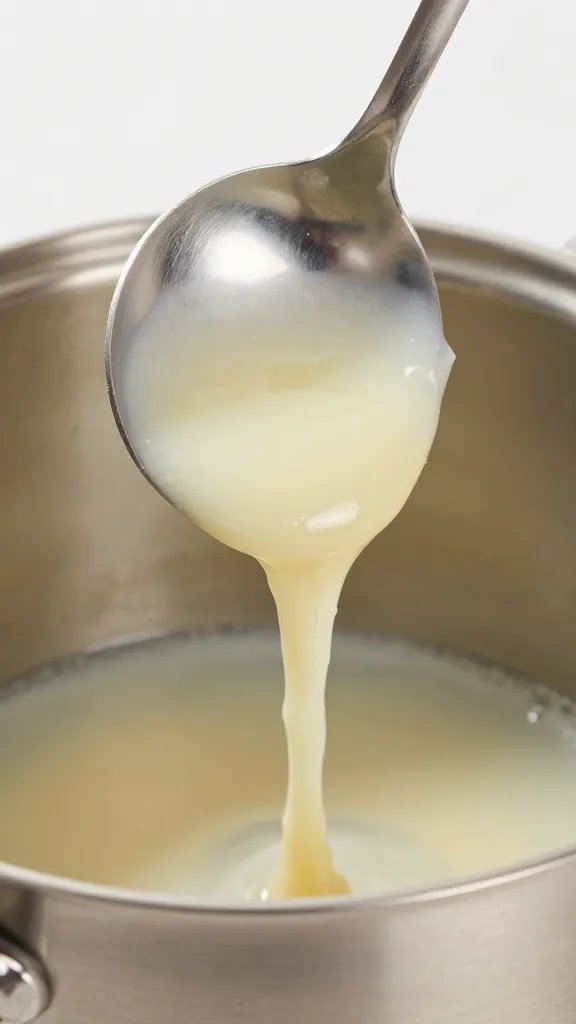
- Fridge: Store in a glass jar up to 10 days. Allulose helps keep it pourable.
- Freezer: Portion in silicone trays; freeze up to 3 months. Thaw overnight and whisk.
- Reheat: Low heat, splash of water if overly thick. Avoid boiling to preserve brightness.
Serving a crowd? Pair the ribs with bright, herb-forward sides like this chimichurri recipe for contrast, or spoon your leftover sauce over grilled chicken — it works anywhere a classic BBQ glaze would shine.
From My Kitchen: What Actually Works
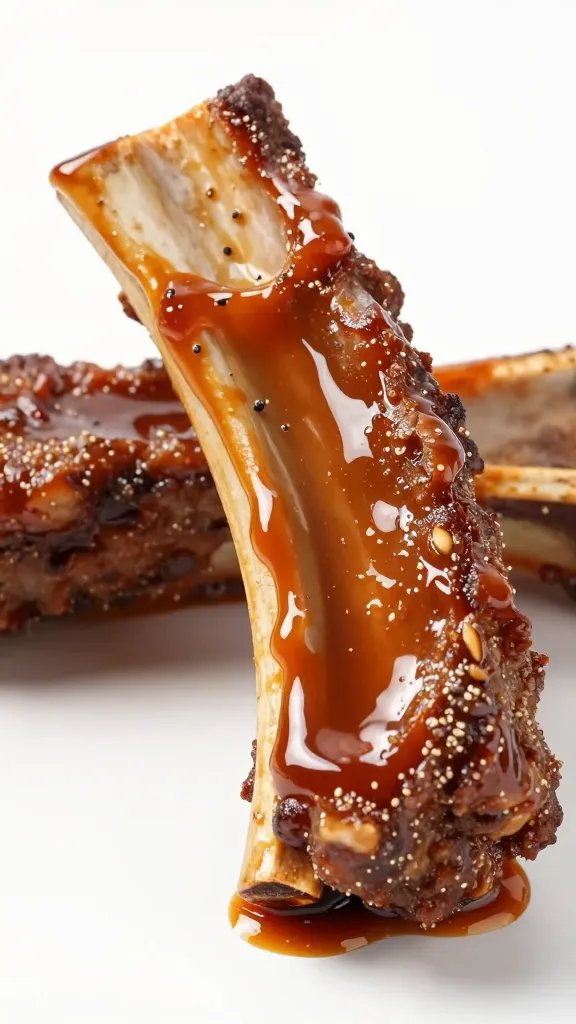
The biggest difference-maker is the simmer window: 8–10 minutes gives you a proper nappe texture; at 5–6 minutes it reads thin on ribs. When scaling up for parties, I cut the salt increase by about 25% — volume reduction concentrates it. Liquid smoke is potent; 1/4 teaspoon tastes balanced, 1/2 teaspoon is bold, and anything beyond that takes over. If the sauce tastes “sweet but dull,” 1 teaspoon more vinegar wakes it up better than more sweetener. For a true lacquer, I brush three ultra-thin coats instead of one thick one — it sets cleaner and doesn’t burn.
Smart Pairings and Serving Ideas
- Dry-rub first, sauce late: Use a paprika-garlic rub so the spice base amplifies the glaze.
- Side dishes: Creamy slaw, grilled zucchini, and no-sugar pickles cut through richness.
- Leftovers: Shred rib meat and toss with warm sauce for lettuce cups or low-carb sliders.
- Sauce bar: Offer this keto classic with a tangy herb option like green sauce with parsley and cilantro so guests can customize.
Frequently Asked Questions
How long does keto BBQ sauce for ribs keep in the fridge?
It keeps well for up to 10 days in an airtight jar. Stir before using; if it thickens, whisk in a teaspoon of water and warm gently.
Can I make Keto BBQ Sauce for Ribs ahead of time?
Yes. Make it up to a week in advance and store refrigerated. The flavors meld after 24 hours, so it actually tastes better the next day.
What’s the best sweetener for sticky, glossy keto BBQ sauce?
Allulose gives the most authentic texture and shine. If you use erythritol/monk fruit, reduce simmer time and use while warm to minimize crystallization.
Will this sauce burn on the grill or smoker?
It can if you apply it too early or cook over high direct heat. Brush it on during the last 20–30 minutes and finish over indirect heat to set the glaze safely.
Can I freeze keto BBQ sauce?
Yes. Freeze in small containers or ice cube trays for up to 3 months. Thaw overnight in the fridge and whisk; add a splash of water if it’s too thick.
How do I adjust the sauce if it tastes too sweet or too tangy?
If it’s too sweet, add 1–2 teaspoons of apple cider vinegar and a pinch of salt. If too tangy, whisk in 1–2 teaspoons allulose and simmer 1 minute.
The Bottom Line
This Keto BBQ Sauce for Ribs brings the classic sticky-smoky payoff without the sugar load. Keep the simmer steady, apply late in the cook, and let salt and vinegar do the final balancing — you’ll get a glossy glaze that loves ribs as much as you do.
Planning to try this? Save this post so you can find it when you need it — and tag us when you make it.