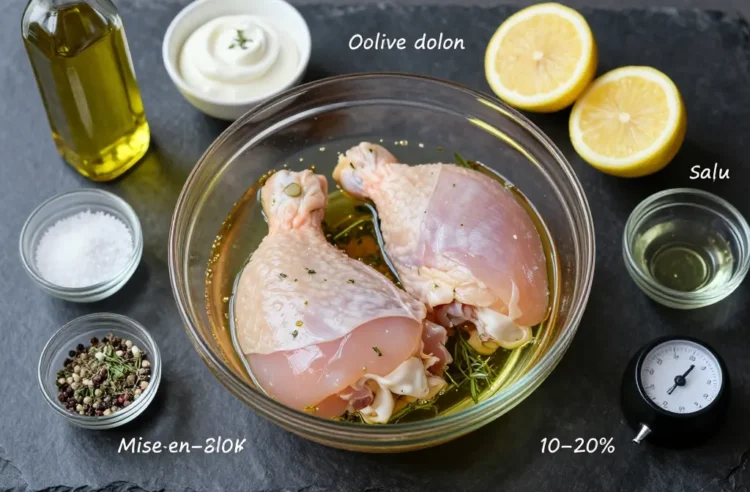
- Best for: Weeknight dinners, grilling, and meal prep
- Make ahead: Yes — 24 hours for yogurt/oil marinades; 4–6 hours for acidic
- Serves: Scales easily from 2 to 10 pieces
- Key tip: Keep acids under 20% of the marinade and watch the clock
If you’ve ever wondered how to marinate chicken without it going mushy, you’re not alone. The line between tender and mealy is thinner than you think. The good news? A few simple guardrails on acid, salt, and time fix it fast. You’ll learn exactly how to build balanced marinades, how long to marinate each cut, and the best techniques to avoid mushy chicken every time.
Why Chicken Gets Mushy (And How to Stop It)
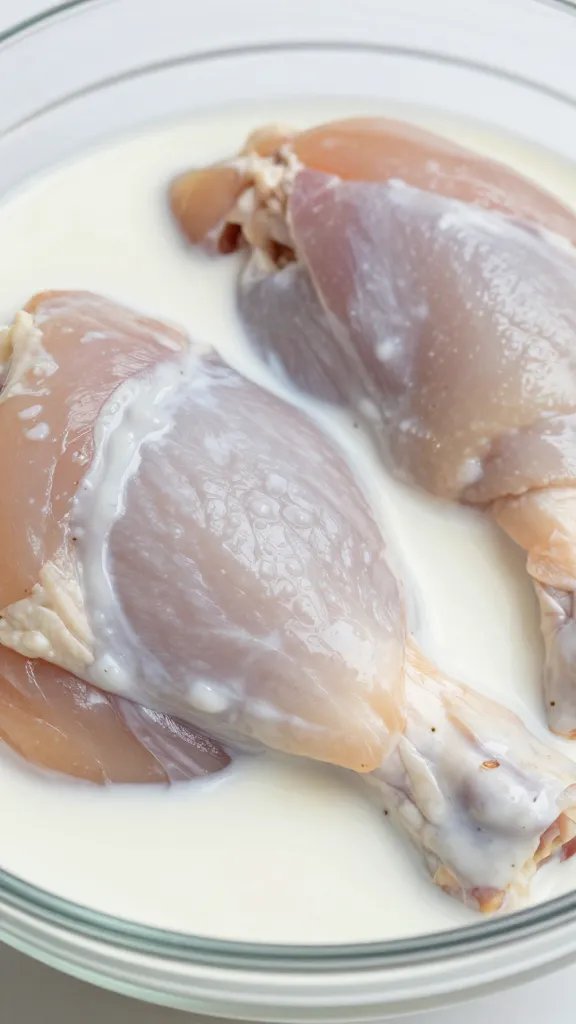
Mushiness comes from protein overdenaturation. Too much acid for too long unwinds muscle fibers until they turn pasty. Enzymes and alcohol can do it too.
Prevention is simple: lower the acid percentage, control salt, and set a timer. Fat and dairy buffer acids and keep texture intact.
Build a Balanced Marinade: The 4-Part Formula
Think in ratios, not vibes. This keeps flavor up and texture safe.
- Fat (40–60%): Olive oil, neutral oil, or full-fat yogurt. Fat carries flavor and buffers acid.
- Acid (10–20%): Lemon, lime, vinegar, wine. Stay near 10% for thin cuts and long soaks.
- Salt (0.8–1.2% by weight): About 1 to 1.5 tsp kosher salt per pound of chicken. Salt seasons and aids moisture retention.
- Aromatics/Spices: Garlic, onion, herbs, whole spices, soy sauce, chili, sugar/honey for browning.
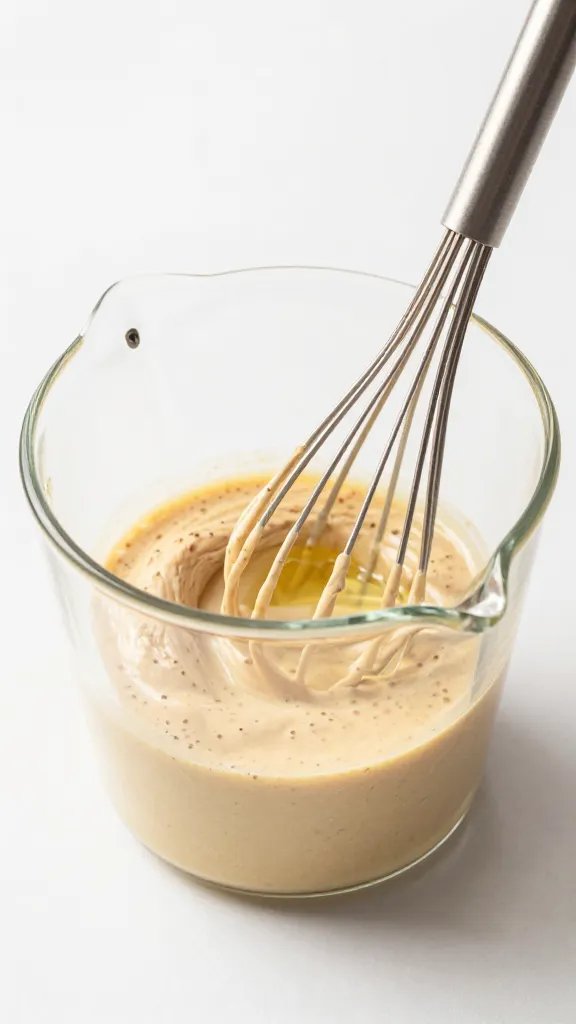
Shortcut rule: For 1 lb chicken, start with 1/4 cup oil + 1–1.5 tbsp acid + 1 tsp kosher salt + seasonings.
Timing: Match the Clock to the Cut
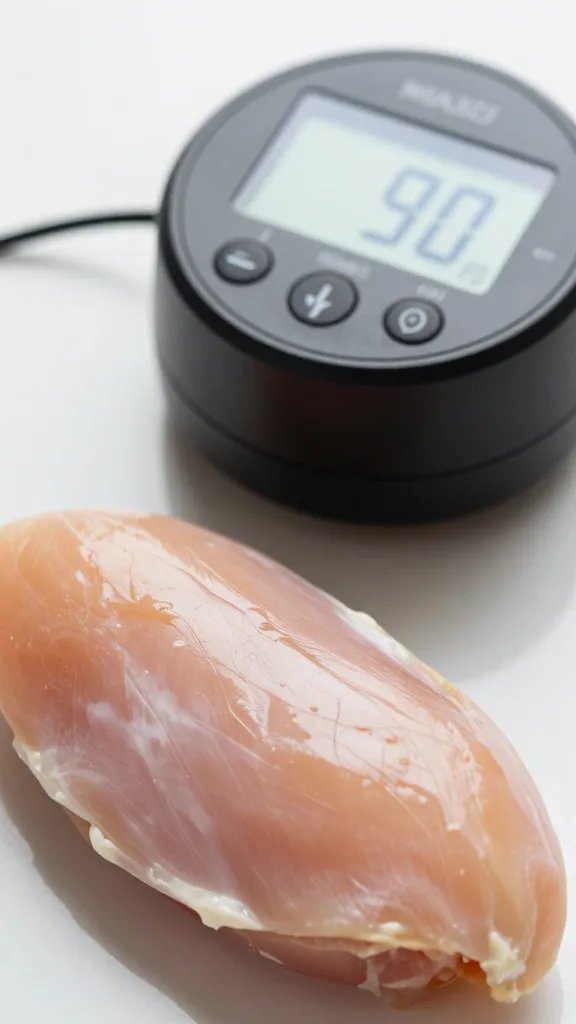
Time is the biggest variable. Shorter for thin cuts, longer for thick — but never endless.
- Cutlets/thin breasts (1/2-inch): 30–90 minutes with acidic marinades; up to 4 hours with yogurt/oil-based.
- Whole breasts: 2–4 hours acidic; 6–12 hours yogurt/oil-based.
- Thighs (boneless): 2–6 hours acidic; 6–24 hours yogurt/oil-based.
- Bone-in thighs/drumsticks: 4–8 hours acidic; up to 24 hours yogurt/oil-based.
- Whole legs/quarters: 6–8 hours acidic; 12–24 hours yogurt/oil-based.
Red flag: If your acid is over 20%, cut times in half. Overnight in lemon juice is a fast track to mush.
Smart Ingredient Swaps That Protect Texture
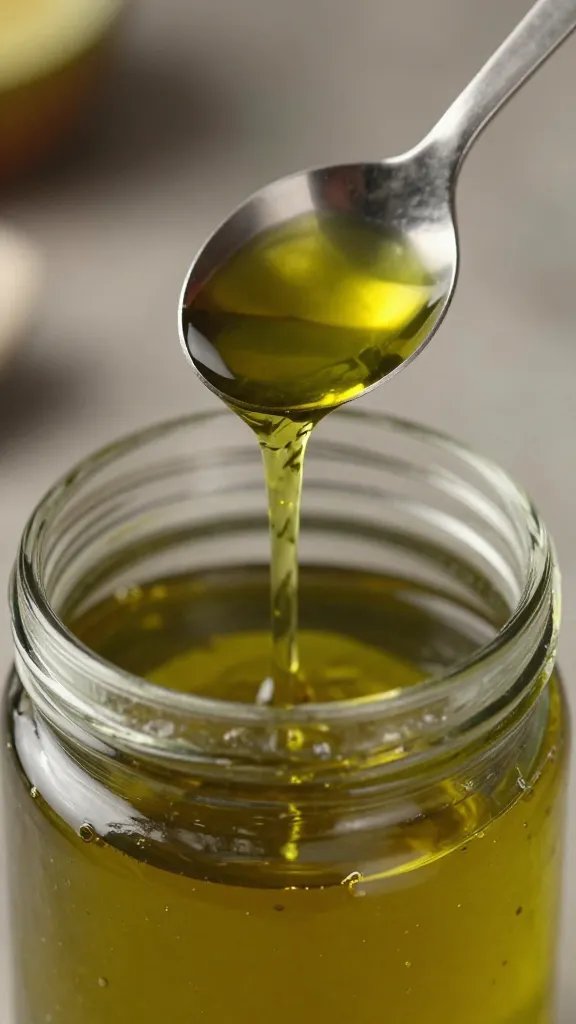
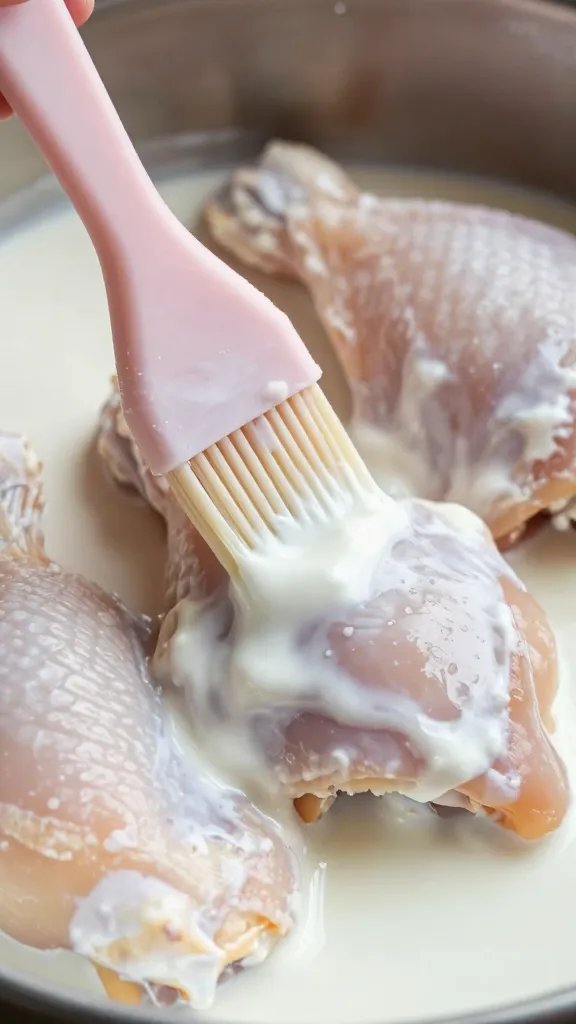
- Use dairy to buffer: Plain yogurt, buttermilk, or kefir creates tender, juicy chicken without mealy fibers.
- Choose mellow acids: Rice vinegar and yogurt are gentler than straight lemon or distilled vinegar.
- Pick whole aromatics: Smashed garlic/cloves give flavor without the raw bite that can turn bitter on the grill.
- Go dry when in doubt: A dry brine (salt and spices only) delivers great texture and browning. For a spice-forward option, try this chimichurri recipe as a finishing sauce instead of a long marinade.
Marinating Methods That Actually Work

1) The Quick Toss (30–90 Minutes)
Perfect for cutlets and weeknights. Keep acid at 10–15% and add a touch of sugar or honey for browning. Cook hot and fast.
2) Overnight Yogurt Bath (Up to 24 Hours)
Use full-fat yogurt, spices, garlic, and salt. Minimal acid needed. This delivers deep flavor and juicy texture for thighs and drumsticks.
3) Dry Brine + Sauce Finish
Salt chicken (1 tsp per lb), chill uncovered 6–24 hours. Cook, then finish with a bright sauce — think this lemon-herb vinaigrette — for punchy flavor without texture risk.
Step-by-Step: Non-Mushy Chicken Marinade
- Portion the chicken evenly. Thinner pieces finish faster and marinate more uniformly.
- Mix your marinade: 1/4 cup oil, 1–1.5 tbsp acid, 1 tsp kosher salt, 1 tsp sugar/honey, spices and herbs.
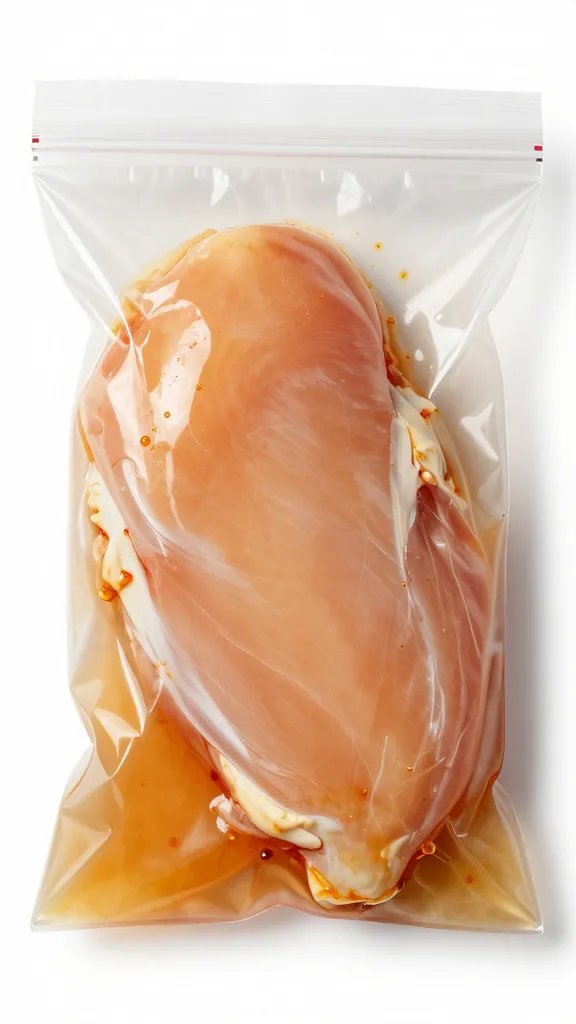
- Bag it: Use a zip bag and press out air. More contact, less marinade required.
- Chill immediately. Marinate within the timing window for your cut (see guide above).
- Pat dry before cooking. Dry surfaces brown better. Brush off excess yogurt or wipe off wet herbs that might burn.
- Cook hot. Aim for 400–450°F roasting, medium-high pan sear, or a well-preheated grill.
- Rest 5–10 minutes. Juices redistribute; texture stays plush, not spongy.
Common Pitfalls That Cause Mushiness
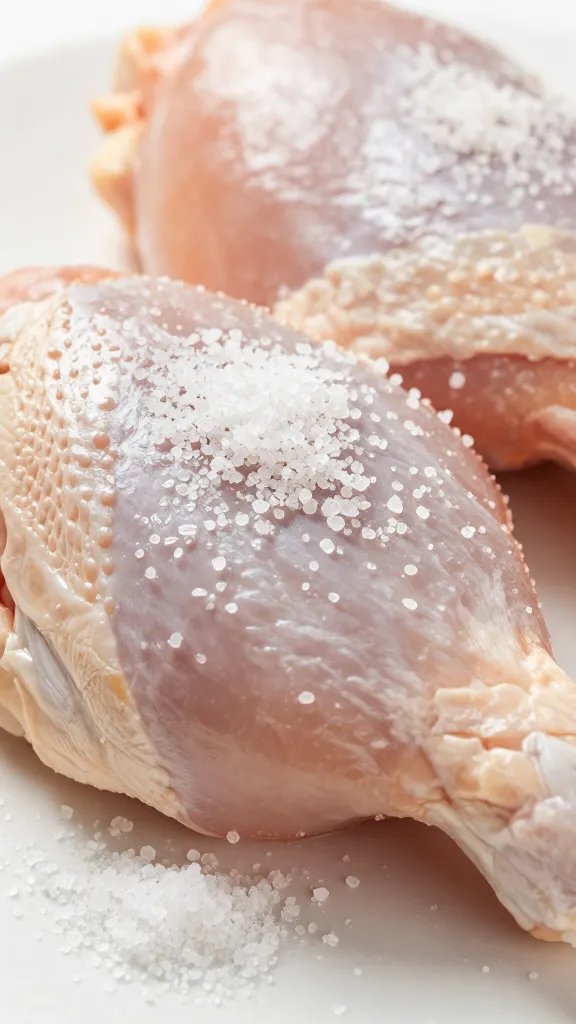
- Too much acid: Straight lemon juice or vinegar as the base is the usual culprit.
- Overnight on thin cuts: Cutlets only need up to 90 minutes with acid.
- High alcohol content: Wine-heavy marinades can denature proteins and taste harsh. Keep wine under 15% of total liquid.
- Enzyme overload: Papaya/pineapple contain proteases. Limit time to 30–60 minutes or dilute heavily with oil and yogurt.
- Waterlogged mixtures: Lots of watery ingredients dilute salt and flavor, encouraging a bland, soft texture. Concentrate with oil and thicker dairy.
From My Kitchen: What Actually Works
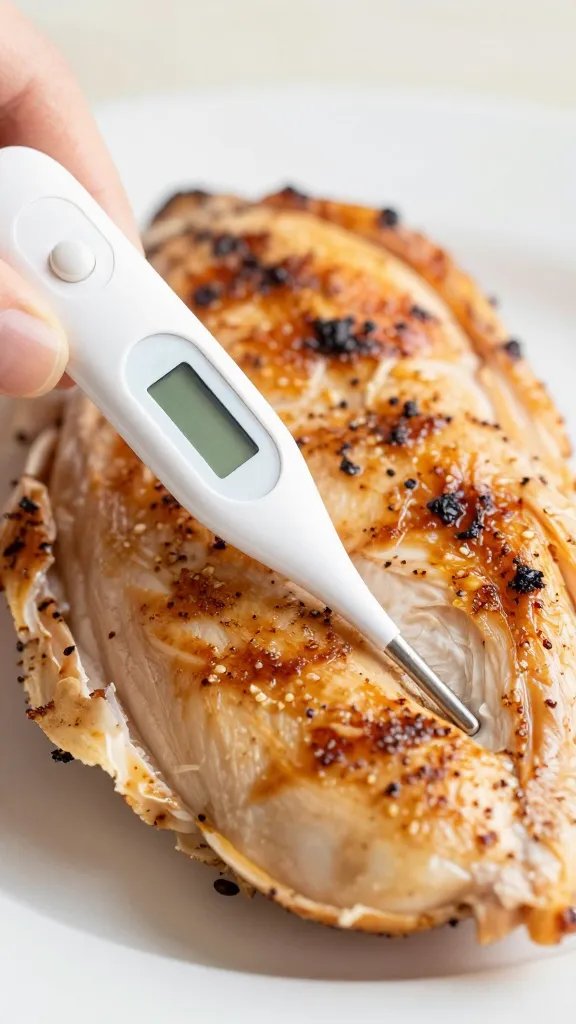
I tested the same lemon-garlic marinade at 10%, 20%, and 30% acid on chicken thighs. At 30% for 6 hours, the fibers turned mealy and the surface felt chalky after cooking. At 10% for 6 hours, the texture stayed bouncy and juicy with clear grain. I also switched to smashed garlic instead of minced for grill nights; it flavored well but didn’t burn into bitter flecks. For meal prep, a 12-hour yogurt-thigh marinade has been the most forgiving — even if dinner runs late, it doesn’t cross into mushy.
Frequently Asked Questions
How to marinate chicken without it going mushy if I only have lemon?
Use lemon at 10% of the total marinade volume and balance with oil and salt. Marinate thin cuts for 30–60 minutes and thicker cuts for 2–4 hours. Add zest for more lemon flavor without extra acid.
Can I marinate chicken overnight without it turning soft?
Yes, but choose a yogurt or oil-based marinade with minimal acid. Keep acid under 10% and use whole spices. For breasts, stick to 6–12 hours; thighs can go up to 24 hours.
Does vinegar make chicken mushy faster than citrus?
Strong vinegars can over-tenderize quickly, especially on thin cuts. Rice vinegar is gentler; distilled or white wine vinegar hits harder. Keep vinegar low and reduce time to avoid mealy texture.
What’s better for tender chicken: brining or marinating?
Brining (salt + water or dry salt) controls juiciness reliably and is texture-safe. Marinating adds flavor on the surface and slightly beneath. For maximum control, dry brine first, then use a brief, low-acid marinade or sauce at the end.
How long can marinated chicken stay in the fridge safely?
2 days max for yogurt/oil-based, 24 hours for acidic mixes, assuming the chicken was fresh. If you pass the window, rinse lightly, pat dry, and cook thoroughly — but expect some texture loss.
Can I freeze marinated chicken without it going mushy?
Yes. Use low-acid marinades or dry brine, then add sauce after thawing. Freeze up to 2 months; thaw overnight in the fridge and cook the same day for best texture.
The Bottom Line
Keep acids modest, follow the clock, and lean on fat or dairy to buffer. Dry brine when you want zero risk, and save bright, punchy sauces for finishing.
Planning to try this? Save this post so you can find it when you need it — and tag us when you make it.