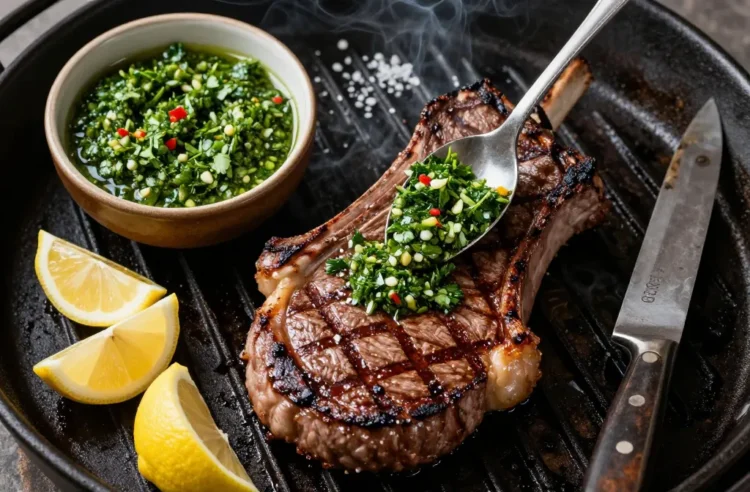
- Best for: Weeknight grilling, backyard cookouts, and mixed-protein platters
- Make ahead: Yes — 3 to 5 days chilled; flavor improves by day 2
- Serves: About 1 cup (sauces 6–8 portions)
- Key tip: Chop herbs by hand for better texture and color; don’t puree
Argentinian Chimichurri for Grilled Steak and Lamb is bright, herby, and built to cut through rich, smoky meat. It’s a no-cook sauce that comes together fast, but tastes like you planned ahead. The balance of parsley, oregano, garlic, and vinegar turns steak and lamb into something you actually crave the next day. You’ll get a reliable recipe, smart swaps, and step-by-step grilling guidance that works every time.
What Is Chimichurri, Really?
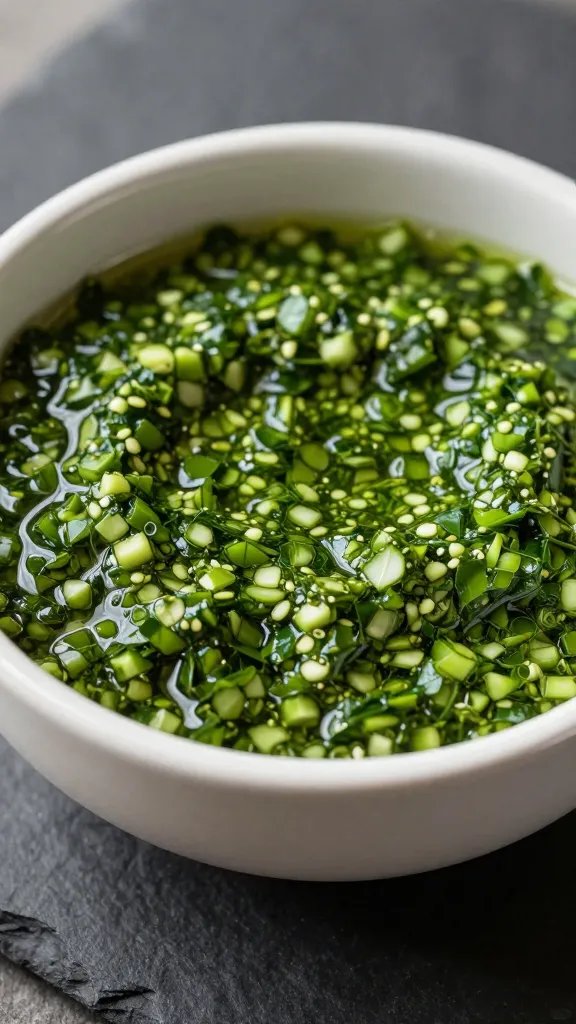
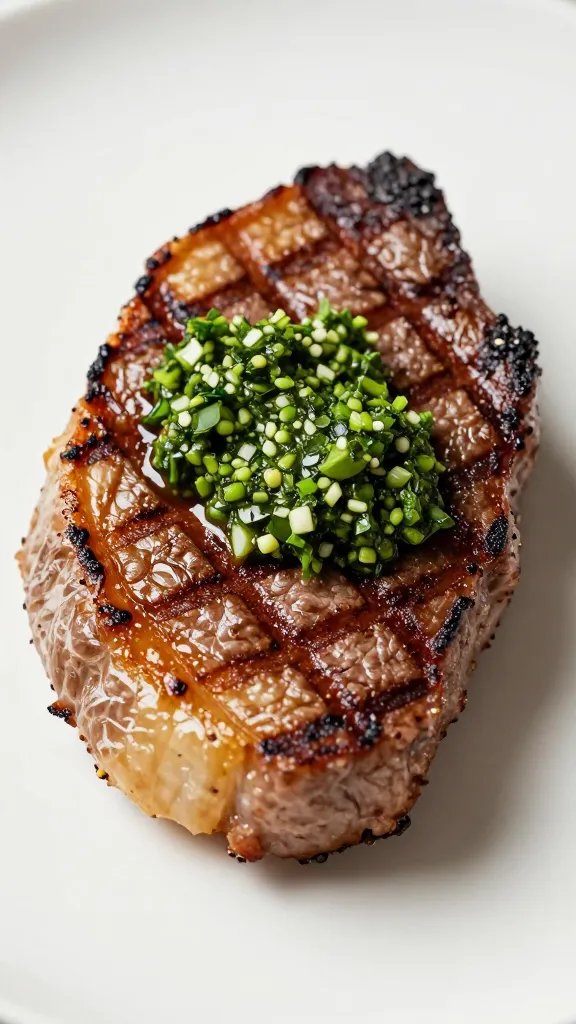
Chimichurri is a classic Argentine parsley-and-oregano sauce with garlic, vinegar, and olive oil. No blender, no mayo, no roasting — it’s raw and punchy.
It’s used as both a sauce and a quick marinade. The acid and herbs cut fat and smoke, which is why it loves beef and lamb.
Ingredients You’ll Need
- 1 packed cup flat-leaf parsley, finely chopped
- 2 tablespoons fresh oregano (or 2 teaspoons dried), finely chopped
- 3–4 garlic cloves, minced
- 1 small red chili or 1/2 teaspoon red pepper flakes (optional)
- 1/3 cup red wine vinegar
- 1/2 cup extra-virgin olive oil
- 1 teaspoon kosher salt, plus more to taste
- 1/2 teaspoon freshly ground black pepper
- Optional add-ins: 1 tablespoon minced shallot; zest of 1 lemon
Fresh oregano gives the most authentic flavor, but good-quality dried oregano works well. If using dried, crush it between your fingers to wake it up.
How to Make Chimichurri
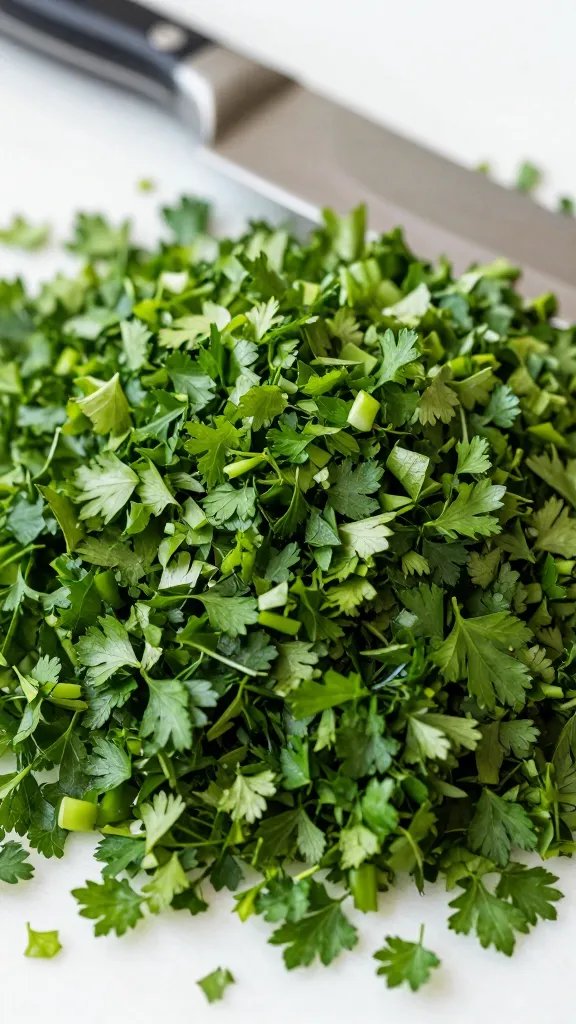
- Finely chop the parsley and oregano by hand. Aim for rice-sized pieces, not a paste.
- Combine herbs, garlic, chili, salt, and pepper in a bowl.
- Stir in red wine vinegar. Let it sit 5 minutes to mellow the garlic.
- Whisk in olive oil until glossy. Taste and adjust salt and acid.
- Rest 15–20 minutes before serving, or chill up to 5 days.
Pro tip: If it tastes flat, add a pinch of salt and a teaspoon more vinegar. If it tastes sharp, add a splash of oil.
Grilled Steak and Lamb: Pairing and Timing
Best Cuts for Steak
- Ribeye: Fatty, rich — chimichurri’s acidity balances it.
- New York strip: Firm bite, great crust.
- Skirt or flank: Quick-cooking; slice thin against the grain.
Best Cuts for Lamb
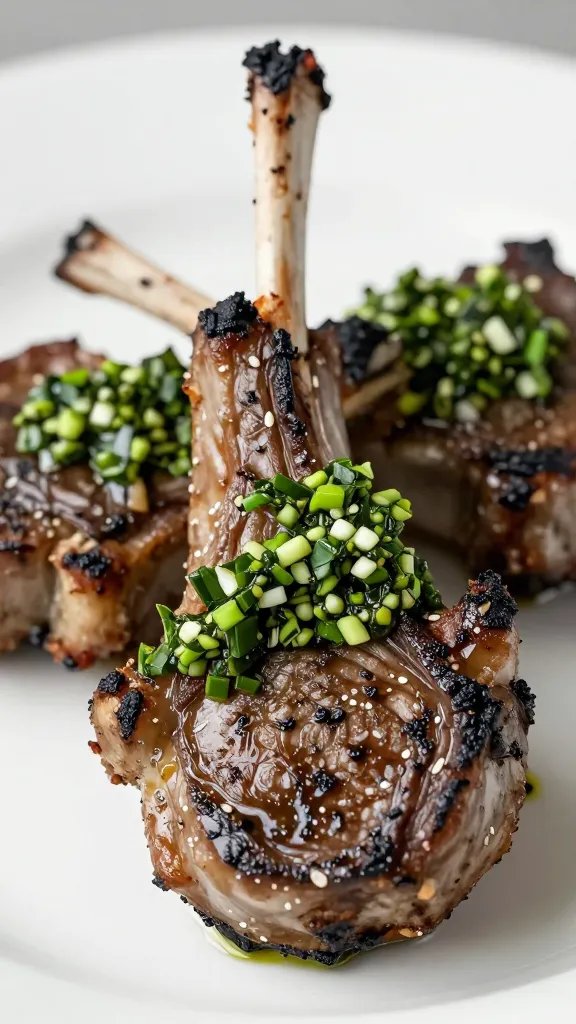
- Lamb chops (rib or loin): Fast and elegant; excellent char.
- Butterflied leg of lamb: Feeds a crowd; takes marinade well.
Seasoning and Doneness
- Salt the meat 40 minutes ahead (or right before) to season through.
- Cook steak to 125–130°F for medium-rare; lamb chops 130–135°F; leg 135–140°F.
- Rest meat 5–10 minutes before slicing so juices redistribute.
Want a steak primer that slots right in? Try this chimichurri recipe for extra tips on balancing acidity and oil before you grill.
Using Chimichurri: Marinade vs. Sauce
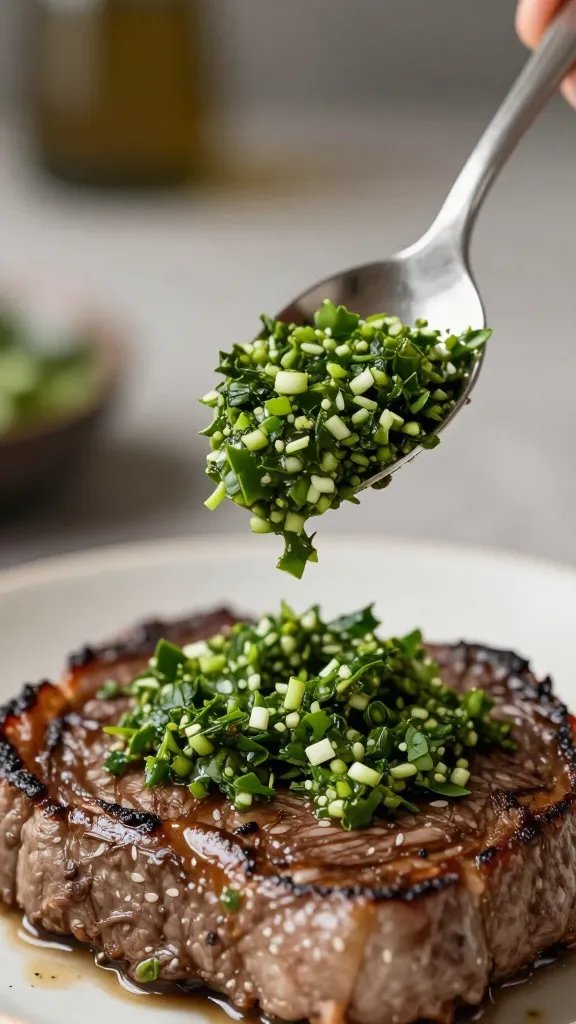
As a Marinade
- Use half the batch to marinate, half to serve fresh.
- Marinate steak or lamb 30–60 minutes max. Acid can tighten protein if left too long.
- Pat meat dry before grilling to avoid flare-ups and improve sear.
As a Finishing Sauce
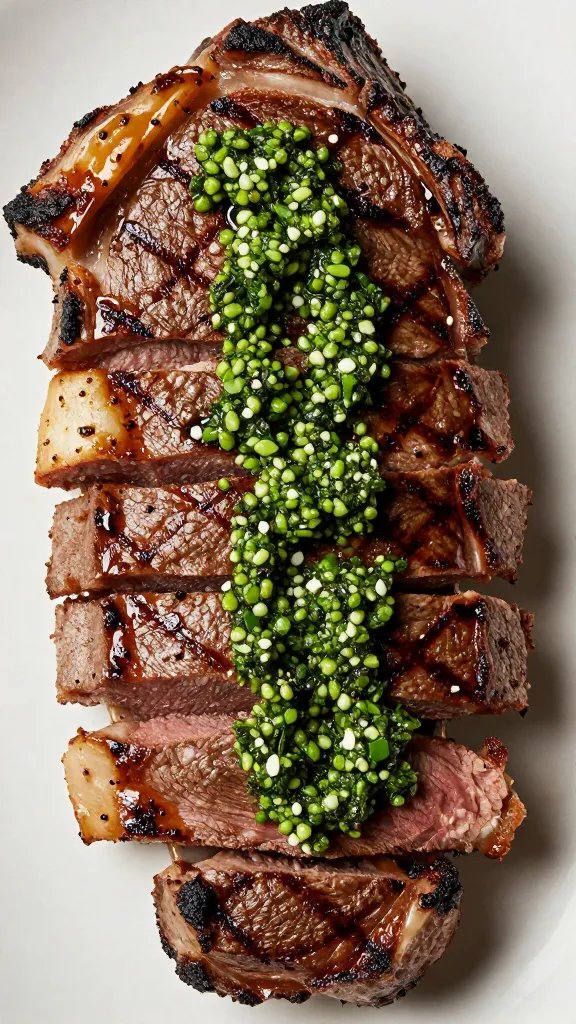
- Spoon on after resting the meat. The heat will bloom the garlic and oregano.
- Serve extra at the table; people always want more.
Serving a mixed grill? Keep a clean bowl of chimichurri separate for drizzling to avoid raw-meat contact. For more grilled sides that match the vibe, see these easy summer salads and veggies.
Flavor Variations (Within the Lines)
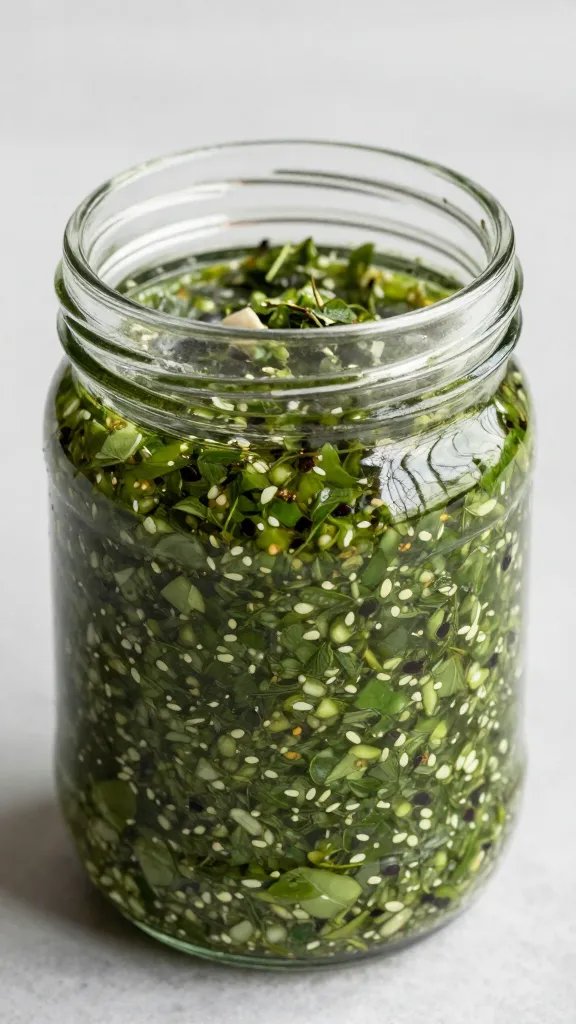
- Smoky heat: Add 1/2 teaspoon smoked paprika.
- Citrus edge: Swap 1 tablespoon vinegar for lemon juice and add zest.
- Extra-herby: Fold in 2 tablespoons minced cilantro; not traditional, but great with lamb.
- Milder garlic: Soak minced garlic in the vinegar 10 minutes, then proceed.
Stay clear of blending to a puree. Texture is part of chimichurri’s charm and keeping it chopped helps it sit better on sliced meat.
Make-Ahead, Storage, and Safety
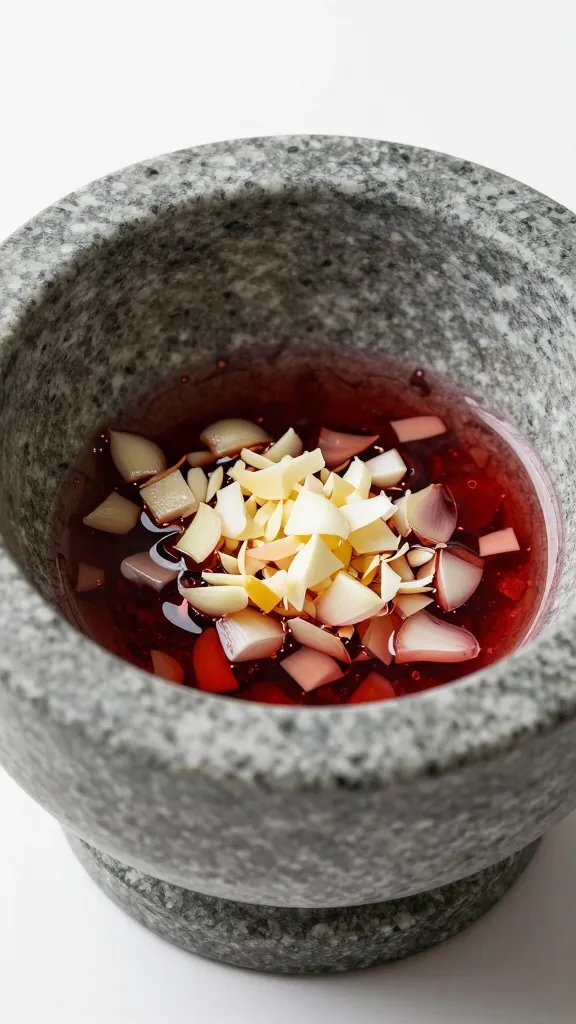
- Make ahead: 1–2 days improves flavor. The garlic and oregano relax; the sauce melds.
- Fridge: Up to 5 days in a sealed jar. Press plastic wrap or a thin oil layer over the surface to reduce oxidation.
- Freezer: Yes — spoon into an ice cube tray, freeze, then bag for up to 2 months. Thaw in the fridge and stir in fresh parsley to brighten.
- Food safety: If used as a marinade, discard that portion after raw meat contact.
From My Kitchen: What Actually Works
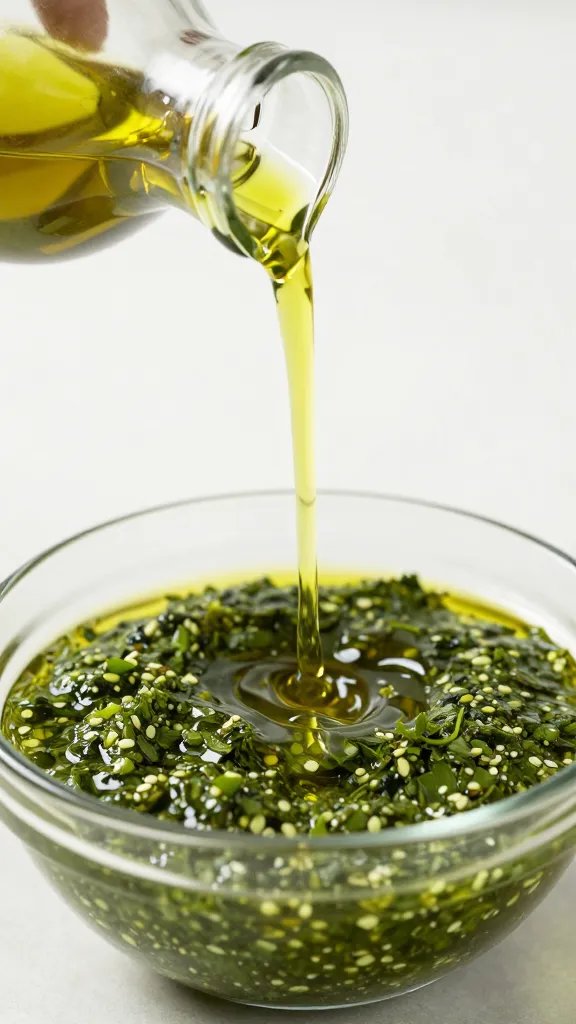
I’ve tested hand-chopped versus food-processed chimichurri side by side. The processed batch turned dull olive-green within an hour and tasted slightly bitter; the hand-chopped version kept a fresher bite and brighter color for days. I also weigh salt differently when scaling up: I multiply every ingredient evenly but add only about 75% of the scaled salt, then adjust at the end — the flavor concentrates as it sits. Finally, when grilling lamb chops, I brush on a teaspoon of chimichurri right after the flip; the brief heat blooms the oregano without burning the garlic.
Frequently Asked Questions
How long does Argentinian chimichurri keep in the fridge?
Properly stored in a sealed container, it keeps for 5 days. Press a thin layer of oil on top or a piece of plastic wrap against the surface to slow oxidation and keep the herbs vibrant.
Can I make Argentinian Chimichurri for Grilled Steak and Lamb ahead of time?
Yes. Make it 24–48 hours ahead for the best, most integrated flavor. Stir before serving and adjust with a pinch of salt or a splash of vinegar if needed.
Should chimichurri be chunky or smooth?
Chunky. Finely chopped, not blended, gives the right texture and prevents bitterness. Smooth, pureed versions darken quickly and lose the classic bite.
What’s the best way to serve chimichurri for a crowd?
Make a double batch and split it: one bowl for the table and one for brushing on sliced meat on a platter. Keep a spoon in each and label “mild” and “spicy” if you add chili.
Can I use dried herbs for chimichurri?
Yes for oregano, sparingly for parsley. Use fresh parsley if possible; it defines the sauce. If you must use dried parsley, cut the amount to 1–2 tablespoons and add extra fresh lemon zest for lift.
Why does my chimichurri taste bitter?
Over-processing herbs releases bitter compounds, and old dried oregano can be harsh. Hand-chop, use fresh oregano if possible, and balance with a pinch of salt and a teaspoon of vinegar.
The Bottom Line
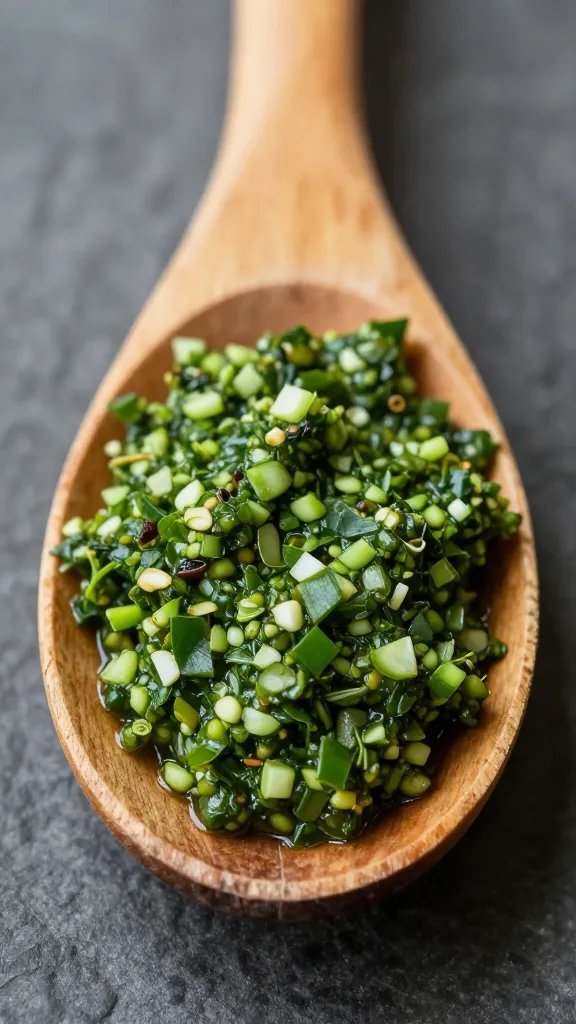
Chimichurri is the fastest path to brighter, better grilled steak and lamb. Keep it chunky, balance the acid, and make it a day ahead when you can — your grill will do the rest.
Planning to try this? Save this post so you can find it when you need it — and tag us when you make it.