- Best for: Planning sauce amounts for cookouts and tailgates
- Make ahead: Yes — 5–7 days in the fridge or 3 months frozen
- Serves: Scale to any crowd using the per-person guide below
- Key tip: Separate “cooking sauce” from “serving sauce” to avoid cross-contamination
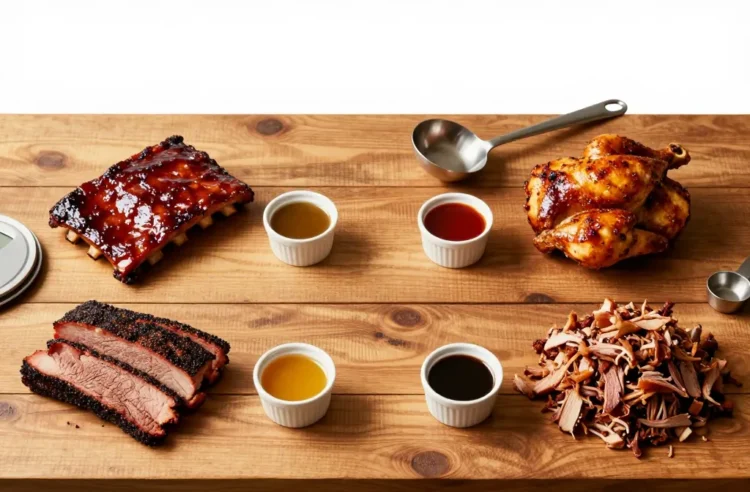
Planning BBQ Sauce Quantities Per Person — Ribs vs Chicken vs Brisket vs Pork shouldn’t feel like a guessing game. Different meats soak up and show off sauce in totally different ways. A little math now means no dry bites and no sad, half-used bottle at the end. You’ll get exact per-person amounts, scaling tips, and make-ahead strategies that actually work.
How Much Sauce Per Person: Fast Baseline
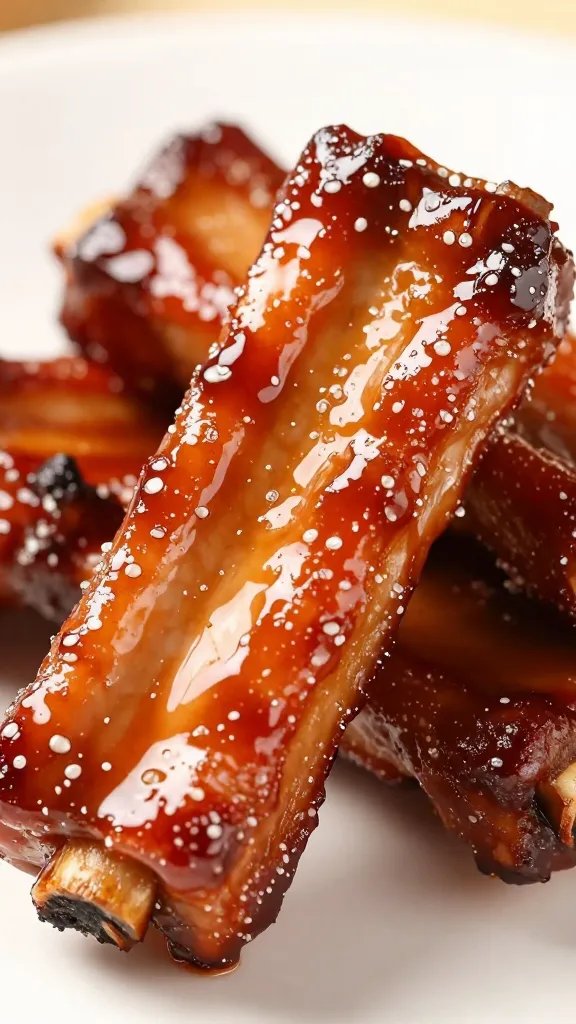
Think in ounces per person, then adjust by meat and style. Here’s the starting point:
- Ribs: 2–3 oz per person (glaze plus a little extra)
- Chicken (bone-in): 2 oz per person
- Chicken (boneless/thighs/breasts): 1.5–2 oz per person
- Brisket: 1–1.5 oz per person (sauce on the side, not slathered)
- Pulled Pork: 3–4 oz per person (mixed + extra for topping)
Rule of thumb: Saucy, shredded meats drink the most. Lean, sliced meats need the least.
Ribs: Glaze vs. Dipping Changes the Math
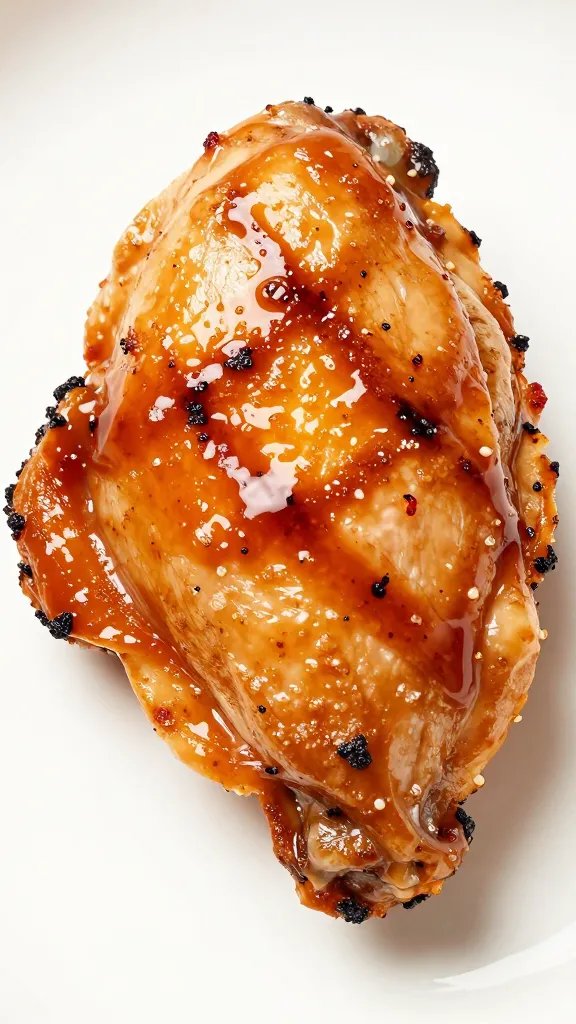
Ribs usually get sauced twice: during the cook as a glaze, and a touch at the table. That double-duty adds up.
For classic glazed ribs (St. Louis or baby backs)
- Cook-time glaze: 1.5–2 oz per person
- Table sauce: 0.5–1 oz per person
- Total: 2–3 oz per person
Tip: Use a thicker, sticky sauce for glazing (it won’t run). Keep a looser version warm for serving to stretch flavor without drowning the bark.
For dry-rub ribs with sauce on the side
- Total: 1–1.5 oz per person
Why lower? Dry-rub ribs shine on their own; most folks dip lightly.
Chicken: Bone-In vs. Boneless
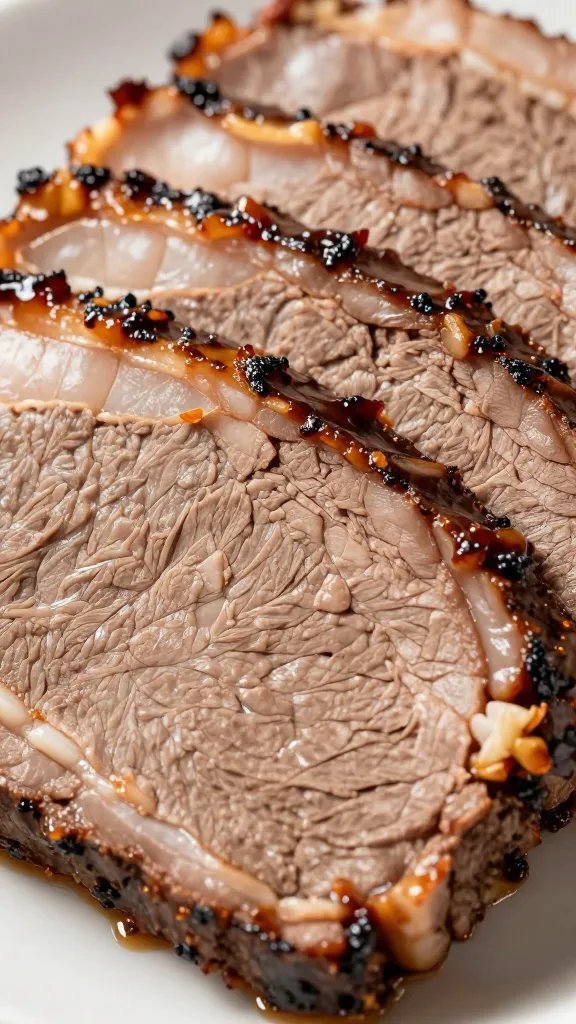
Chicken doesn’t absorb as much as pork, but it loves a late baste.
Bone-in thighs, legs, wings
- Cook-time baste: 1–1.5 oz per person
- Table sauce: 0.5 oz per person
- Total: 2 oz per person
Boneless thighs or breasts
- Cook-time baste: 0.75–1 oz per person
- Table sauce: 0.75–1 oz per person
- Total: 1.5–2 oz per person
Pro move: Sauce in the last 5–10 minutes at medium heat to prevent burning. Sugar-heavy sauces scorch fast.
Brisket: Sauce Is a Side, Not the Star
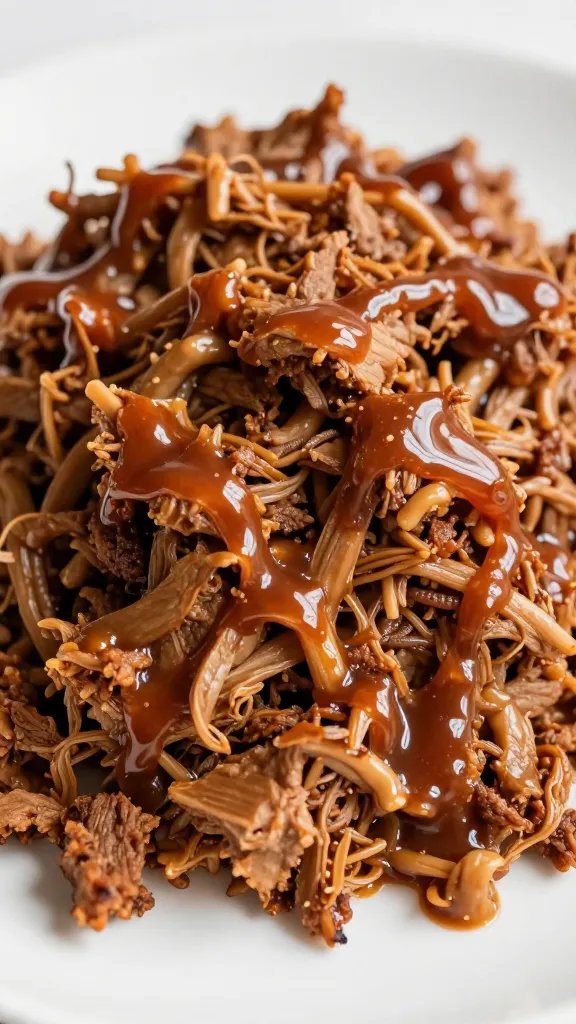
Brisket carries its own juices. Most guests add a little for contrast, not coverage.
- Sliced brisket: 1–1.25 oz per person
- Chopped brisket sandwiches: 1.5 oz per person (more bread = more sauce)
Balance flavors: Offer a tangy/thin sauce (like a Texas-style mop) and a slightly sweet, thicker sauce. Mix at the table for custom heat and sweetness. For a bright, herb-forward option that pairs with rich beef, serve this chimichurri recipe alongside your sauces.
Pulled Pork: The Sauciest Crowd-Pleaser
Shredded pork soaks up sauce like a sponge, then asks for extra on top—especially on buns.
For mixing + topping
- Mix-in: 2–3 oz per person tossed lightly through the meat
- Table sauce: 1 oz per person
- Total: 3–4 oz per person
Regional twist: Keep a vinegar-based sauce for mixing (it brightens fatty pork) and a tomato-molasses sauce for topping. Mustard sauce is a great third option if you’ve got Carolina fans.
Scaling for a Crowd (With Real Numbers)
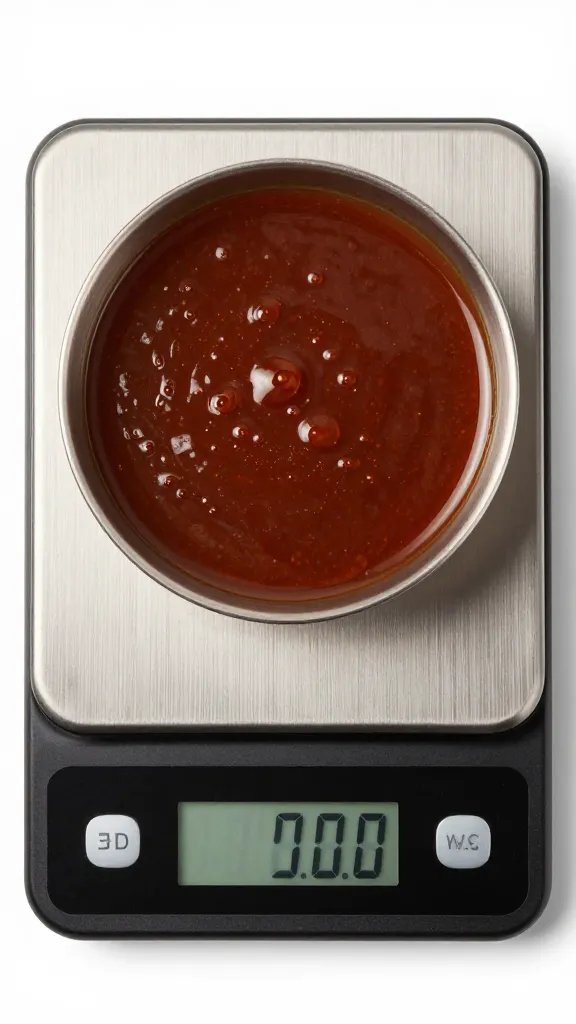
Use these multipliers to buy or batch confidently:
- Small gathering (8 people): Ribs at 2.5 oz = 20 oz ≈ 2.5 cups ≈ 1.25 pints
- Party (20 people): Pulled pork at 3.5 oz = 70 oz ≈ 8.75 cups ≈ 2.2 quarts
- Big cookout (50 people): Mixed meats? Average 2.2 oz per person = 110 oz ≈ 13.75 cups ≈ 3.4 quarts
Conversion help: 8 oz = 1 cup; 2 cups = 1 pint; 2 pints = 1 quart. Err high by 10–15% if you’re serving sandwiches.
Make-Ahead, Storage, and Food Safety
- Make ahead: Most sauces hold 5–7 days refrigerated. Cool fully before sealing.
- Freeze: Up to 3 months. Leave headspace for expansion. Thaw overnight in the fridge.
- Reheat: Gentle stovetop simmer for 3–5 minutes to revive texture and bloom spices.
- Safety: Keep a separate bowl for basting. Once a brush touches raw meat, that sauce is for cooking only. Serve a clean batch at the table.
Want a bright, no-cook side that balances rich meats and stretches your sauce further? Pair with these quick-pickled red onions.
Tweak to Taste: Thickness, Sweetness, and Heat
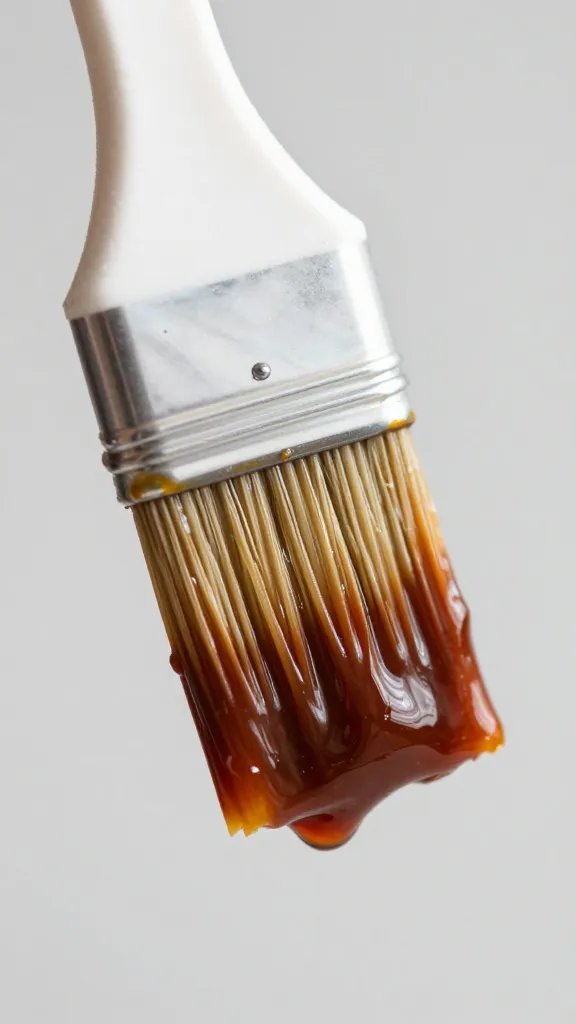
Adjusting one component changes perceived quantity needs. Thicker, sweeter sauces get used sparingly; thinner, tangier sauces pour freely.
- Thicken: Simmer 5–10 minutes, or whisk in a cornstarch slurry (1 tsp per cup) and simmer 1–2 minutes.
- Thin: Add apple cider vinegar or water 1 tablespoon at a time; re-season salt afterward.
- Sweeten: Brown sugar or honey; add gradually and re-simmer to integrate.
- Heat: Cayenne, hot sauce, or chipotles in adobo. Offer heat on the side so the base sauce stays crowd-friendly.
From My Kitchen: What Actually Works
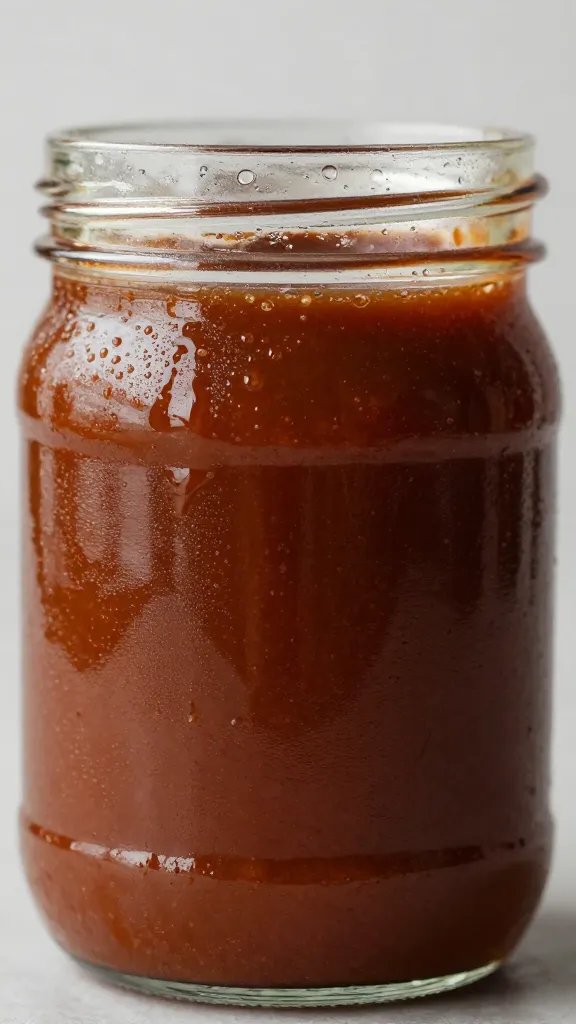
I split sauce into thirds: one for basting, one backup for basting if I need extra, and a sealed container for the table. The “serving sauce” never leaves the counter until the meat is done. When I toss pulled pork, I start with 2 oz per person, mix, then rest it 10 minutes—fat redistributes and the meat drinks less than you think. For ribs, two light glazes beat one heavy coat; you use about the same total amount, but the finish looks shinier and doesn’t burn. And when feeding 25+, I always bring a tangy vinegar sauce to stretch portions—people use less of the sweet stuff when vinegar is on offer.
Frequently Asked Questions
How much BBQ Sauce Quantities Per Person — Ribs vs Chicken vs Brisket vs Pork do I actually need for 10 people?
Assume a mixed menu and plan about 2–2.5 oz per person. For 10 people, that’s 20–25 oz (2.5–3 cups). If it’s mostly pulled pork, bump to 3–4 oz per person.
Can I make BBQ sauce ahead of time for a party?
Yes. Make it up to a week ahead and refrigerate in airtight containers. For larger batches, freeze up to 3 months and thaw in the fridge, then simmer briefly to bring it back to life.
What’s the best way to serve sauce for a crowd without waste?
Pour into squeeze bottles or small pitchers and refill as needed. Keep a tangy thin option and a thicker sweet option; guests self-regulate, and you’ll use 10–15% less overall.
How much sauce for brisket if I’m doing sandwiches?
Plan 1.5 oz per person since bread soaks some up. Offer a thin mop-style sauce plus a thicker one—most guests add a small amount of each.
Should I mix sauce into pulled pork or serve it on the side?
Do both. Toss lightly with 2–3 oz per person to season the meat, then offer at least 1 oz per person for topping. This keeps the pork juicy without overwhelming it.
The Bottom Line
Match sauce amounts to the meat and the moment: shredded meats need the most, sliced meats the least. Plan 1–4 oz per person depending on style, keep clean “serving sauce” separate, and your cookout runs smooth with zero dry bites.
Planning to try this? Save this post so you can find it when you need it — and tag us when you make it.