- Best for: Weekend grilling, meal prep, and easy weeknight dinners
- Make ahead: Yes — marinate up to 24 hours (chicken), 48 hours (ribs), 72 hours (brisket)
- Serves: Flexible — scale by pounds of meat and marinade volume
- Key tip: Use salt or soy for penetration; add acids late to avoid mushy textures
How Long to Marinate Chicken, Ribs, and Brisket — Complete Guide is all about timing and texture. Get the window right and you’ll lock in flavor without turning meat mealy or bland. We’ll cover safe ranges, exact timing by cut, and how to pair marinades with cooking methods. By the end, you’ll know precisely how long to marinate each protein and how to tweak for your schedule.
The Science: What Marinades Actually Do
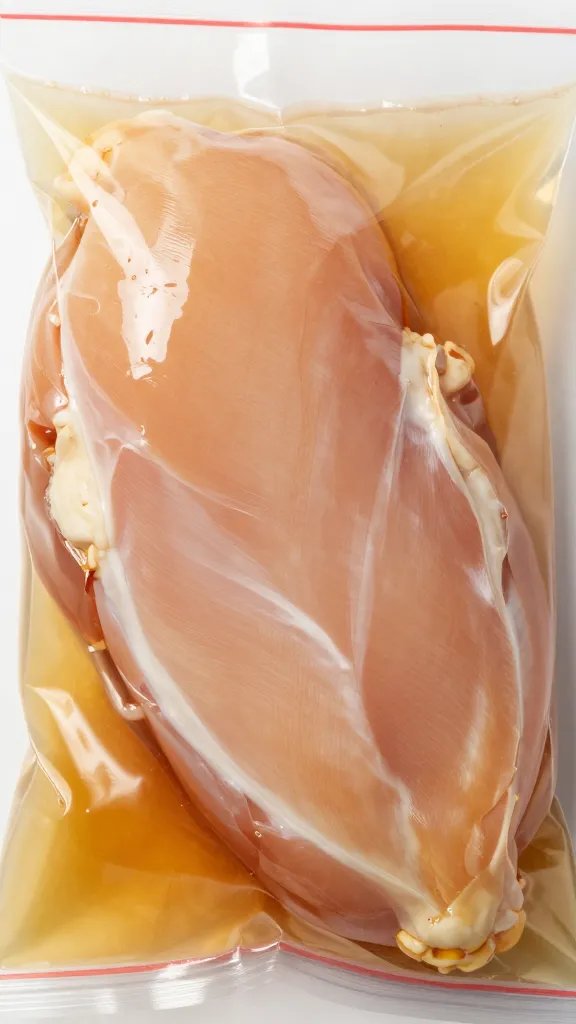
Marinades mostly flavor the surface. Salt and soy sauce help carry flavor slightly deeper by diffusion. Acids (vinegar, citrus, yogurt) tenderize on the surface but can make meat mushy if left too long.
Oil helps distribute fat-soluble aromatics and prevents drying. Enzymes (papaya, pineapple, kiwi) work fast; keep them short to avoid paste-like texture.
Chicken Marinating Times by Cut
Chicken soaks up flavor quickly but over-acidic marinades can wreck texture. Keep the acid modest and time it right.
- Boneless skinless breasts: 30 minutes to 6 hours (sweet spot: 2–4 hours). Max 12 hours if low acid.
- Thighs (boneless/skin-on): 1 to 12 hours (sweet spot: 4–8 hours). More forgiving due to fat.
- Whole chicken/spatchcock: 6 to 24 hours. Consider a salted buttermilk or yogurt base.
- Chicken wings: 1 to 12 hours (sweet spot: 3–6 hours). Great candidates for soy-based marinades.
When to Skip Marinade and Brine Instead
- Breasts for grilling: Use a salt brine (1 tablespoon kosher salt per cup water) for 30–60 minutes, then a quick 30-minute flavorful marinade.
- Crispy skin goals: Dry-brine (salt only) 8–24 hours uncovered, then brush with sauce during cooking.
Pork Ribs: Baby Back vs. St. Louis
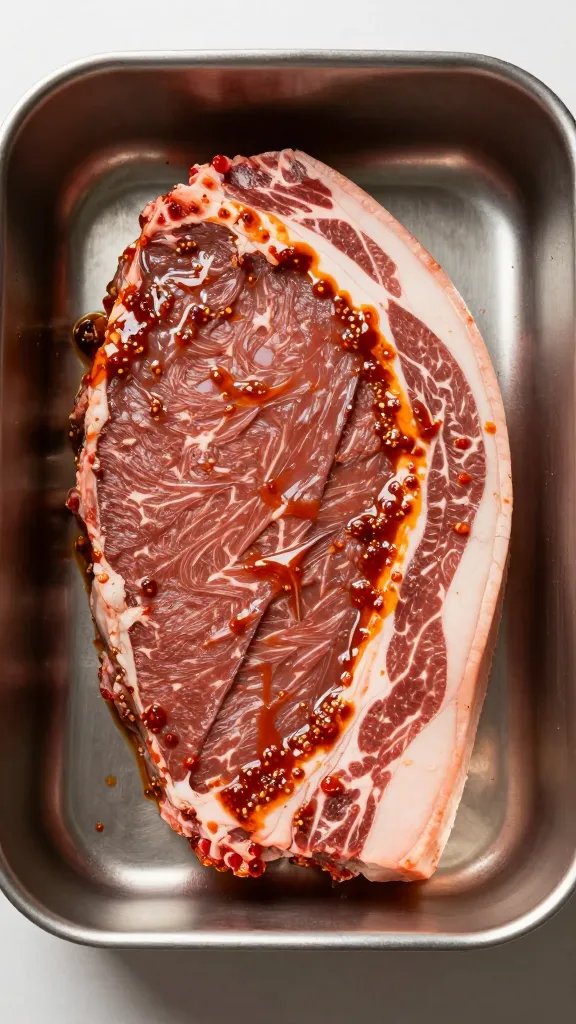
Ribs love sweet-savory profiles. Marinades add complexity, but the cook method does the tenderizing. Don’t overdo acids.
- Baby back ribs: 4 to 12 hours. Keep acid moderate; rely on rub + smoke/oven for tenderness.
- St. Louis spare ribs: 6 to 24 hours. Higher fat content tolerates longer marination.
Rub, Marinade, or Both?
- Marinade only: Great for Asian-style ribs (soy, brown sugar, garlic, ginger).
- Rub then rest: 2–12 hours dry-rubbed, then glaze during cooking for bark.
- Hybrid: Short marinade (2–4 hours), pat dry, then rub before cooking.
Beef Brisket: Marinade vs. Injection
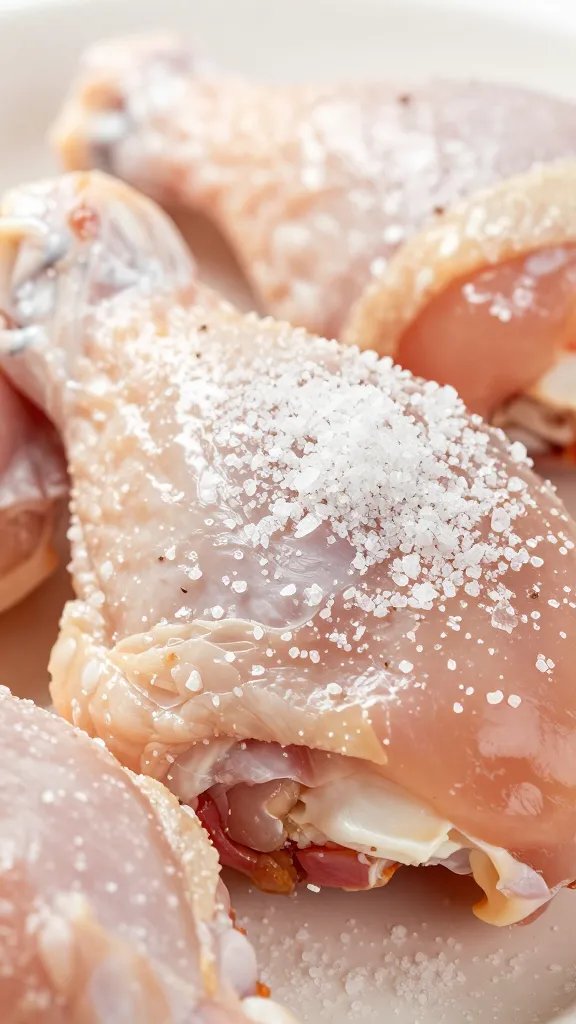
Brisket is dense. Marinades flavor the exterior; the cook and smoke build depth. For big flavor, pair a marinade with a bolder rub.
- Flat or whole packer: 12 to 48 hours (sweet spot: 18–24 hours). Keep acids low; use soy, Worcestershire, garlic, and aromatics.
- If injecting: Skip or shorten marinade to 4–8 hours to avoid oversalting.
When a Marinade Helps Brisket
- Oven-braised brisket: Marinade doubles as braising liquid base; 12–24 hours is ideal.
- Smoked brisket: Light marinade 6–12 hours, heavy on salt/umami, then a dry rub right before smoking.
Acid, Salt, and Time: How to Avoid Mushy Meat
- High-acid marinades (citrus, vinegar): Keep chicken under 4 hours, ribs under 8 hours, brisket under 12 hours.
- Low-acid, salty marinades (soy, miso, Worcestershire): Chicken 6–12 hours, ribs 12–24 hours, brisket 24–48 hours.
- Enzyme marinades (pineapple, kiwi): Chicken 15–45 minutes; ribs 30–60 minutes; avoid for brisket.
How Much Marinade and the Right Container
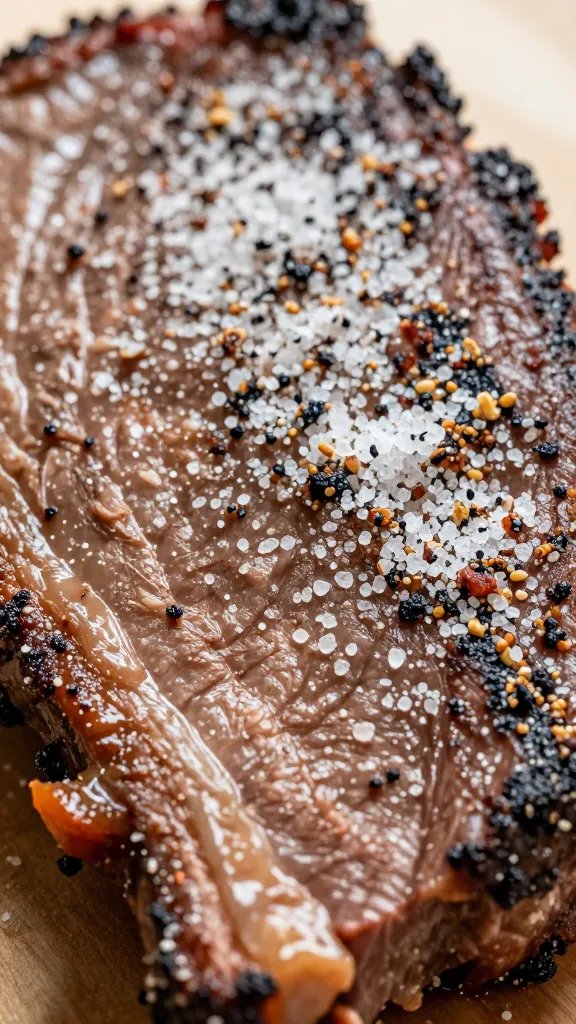
- Ratio: About 1/2 cup marinade per pound of meat. Enough to coat, not drown.
- Container: Nonreactive — glass, stainless, or food-safe bags. Avoid aluminum with acidic marinades.
- Coverage: Massage to coat evenly. For large cuts, flip halfway through.
- Cold storage: Always marinate in the fridge (34–40°F). Never on the counter.
Timing Cheatsheet You Can Trust
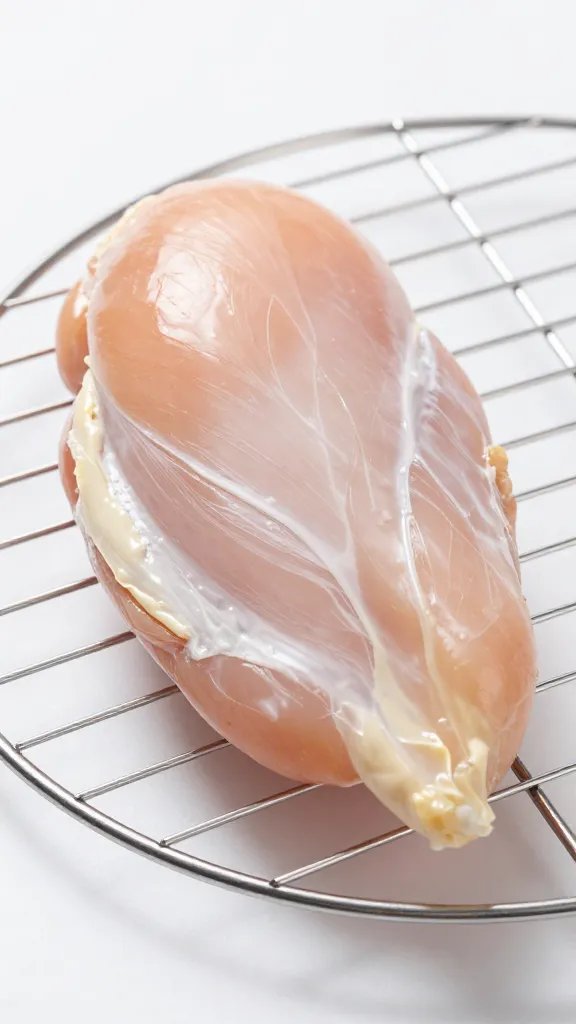
- Chicken breasts: 30 minutes–6 hours (max 12 low-acid)
- Chicken thighs/wings: 1–12 hours
- Whole chicken: 6–24 hours
- Baby back ribs: 4–12 hours
- St. Louis ribs: 6–24 hours
- Beef brisket: 12–48 hours (go shorter with acid)
Flavor Builder Combos (Plug-and-Play)
Chicken
- Lemon herb: Olive oil, lemon zest, parsley, garlic, salt — 2–4 hours
- Yogurt harissa: Greek yogurt, harissa, cumin, salt — 4–8 hours
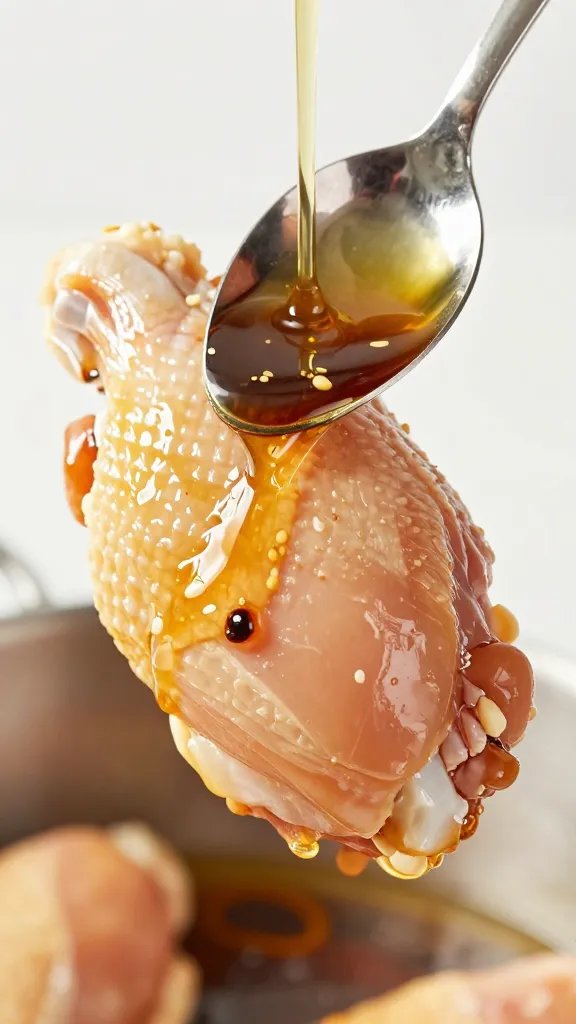
- Soy-ginger: Soy, honey, ginger, garlic, sesame oil — 1–6 hours
Ribs
- Korean-style: Soy, brown sugar, gochujang, garlic, pear — 6–12 hours
- Maple-mustard: Maple, Dijon, apple cider vinegar, paprika — 4–12 hours
Brisket
- Umami base: Soy, Worcestershire, espresso or coffee, garlic, pepper — 12–24 hours
- Herb-wine (braise): Red wine, beef stock, thyme, tomato paste — 12–24 hours
Serving grilled meats with a bright sauce helps balance richness. Try this chimichurri recipe alongside brisket or chicken, or spoon this Carolina-style vinegar BBQ sauce over pulled pork ribs.
From My Kitchen: What Actually Works
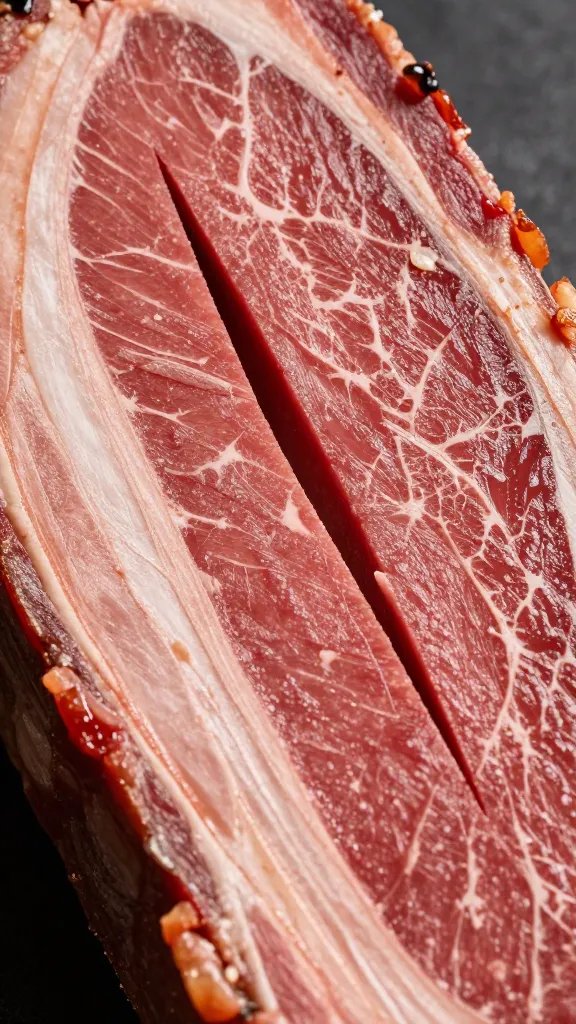
I’ve tested side-by-side chicken thighs in a lemon-heavy marinade at 8 hours versus 24. The 24-hour batch turned stringy and chalky at the edges — the acid went too far. For ribs, I get better bark when I do a short 3-hour soy-based marinade, pat dry, then apply a rub; wet surfaces steam and soften the crust. On brisket, a 24-hour soy/Worcestershire/garlic marinade consistently boosts savoriness, but pushing to 48 hours starts tasting overly cured. If I need more tenderness, I adjust the cook, not the marinade.
Frequently Asked Questions
How long to marinate chicken, ribs, and brisket if I’m short on time?
Do a concentrated, low-acid marinade for 30–60 minutes on chicken, 2–4 hours on ribs, and 4–6 hours on brisket. Salt and soy carry flavor fastest; skip strong acids when rushing.
Can I marinate chicken overnight safely?
Yes, if the marinade is low in acid. Aim for 6–12 hours in the fridge. If it’s citrus or vinegar heavy, keep it under 4 hours to avoid mushy texture.
Is it okay to marinate ribs for 48 hours?
Only with a low-acid, balanced marinade and in the fridge. Baby backs do best under 24 hours; St. Louis ribs can go closer to 24, sometimes 36. At 48 hours, textures can turn hammy or too salty.
Does brisket actually benefit from marinating?
Yes for flavor, not much for tenderness. Use 12–24 hours with soy/Worcestershire, garlic, and spices. Keep acids low, then rely on a long, controlled cook for tenderness.
Can I freeze meat in its marinade?
Yes. Add meat and marinade to a freezer bag, press out air, and freeze up to 3 months. Thaw in the fridge; the thaw time counts toward marinating, so reduce the post-thaw time.
Should I poke holes in meat to help the marinade penetrate?
No for chicken and brisket — you’ll lose juices. For ribs, remove the membrane but don’t perforate. Light scoring on thick brisket fat caps is fine to help seasoning adhere.
The Bottom Line
Time your marinade to the cut and the acid level: shorter for high-acid, longer for salty/umami blends. Let the cook method handle tenderness — marinades are for flavor and browning support.
Planning to try this? Save this post so you can find it when you need it — and tag us when you make it.