- Best for: Weekend cookouts and backyard rib nights
- Make ahead: Yes — mix up to 3 months ahead and store airtight
- Serves: Yields enough rub for 3 racks of St. Louis ribs
- Key tip: Let the rub hydrate on the ribs for 30–60 minutes before cooking to start the bark
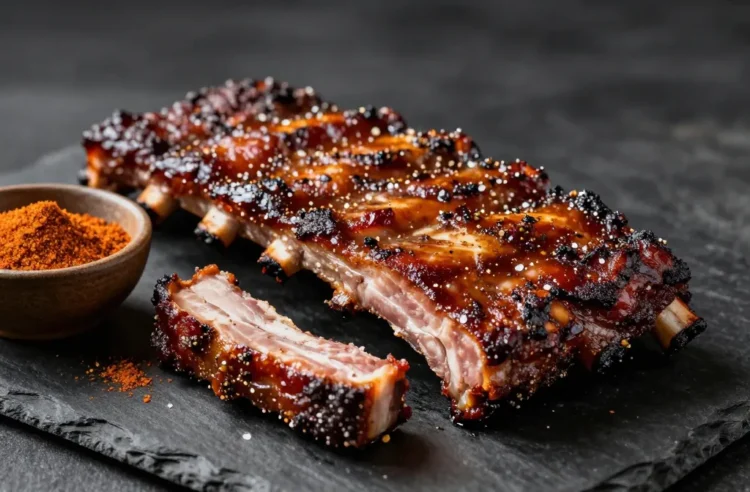
Classic Memphis Dry Rub for Ribs That Builds Real Bark is all about seasoning that doesn’t get in the way of smoke and meat. No sauce needed — just a peppery, savory crust with a kiss of sweetness. The secret is balance, proper salt, and particle size that encourages bark formation. In this guide, you’ll get the exact mix, why it works, and how to use it for deep flavor and real bark.
What Makes a Memphis Dry Rub “Memphis”
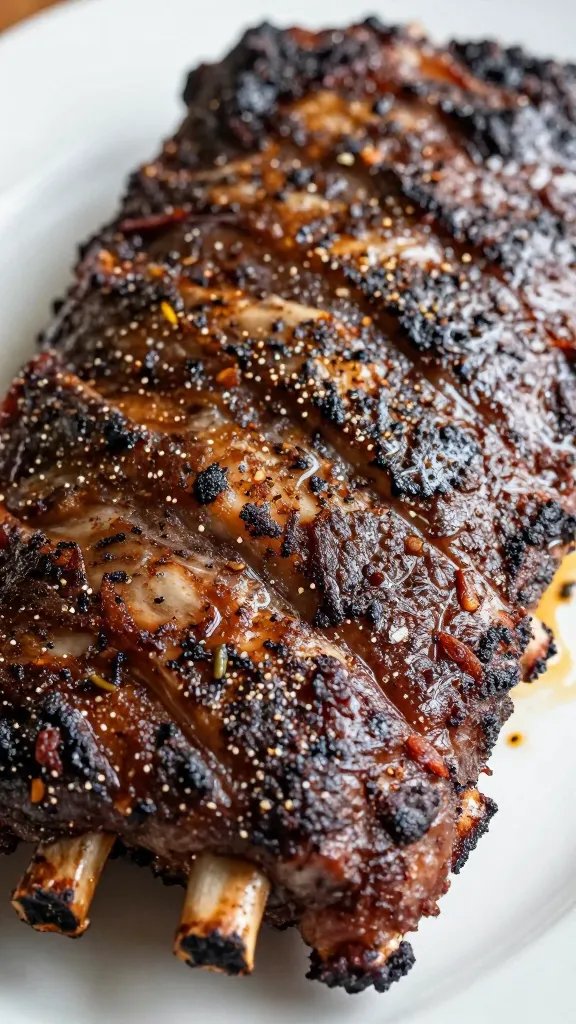
Memphis style leans dry, balanced, and bark-forward. It highlights pork without heavy sugar or sticky glaze. You’ll taste paprika, black pepper, and a touch of cayenne, with aromatics like garlic and onion to round it out.
Hold the sauce. Serve ribs “dry,” then offer sauce on the side if you must. The bark should be the star.
The Rub Formula That Builds Bark
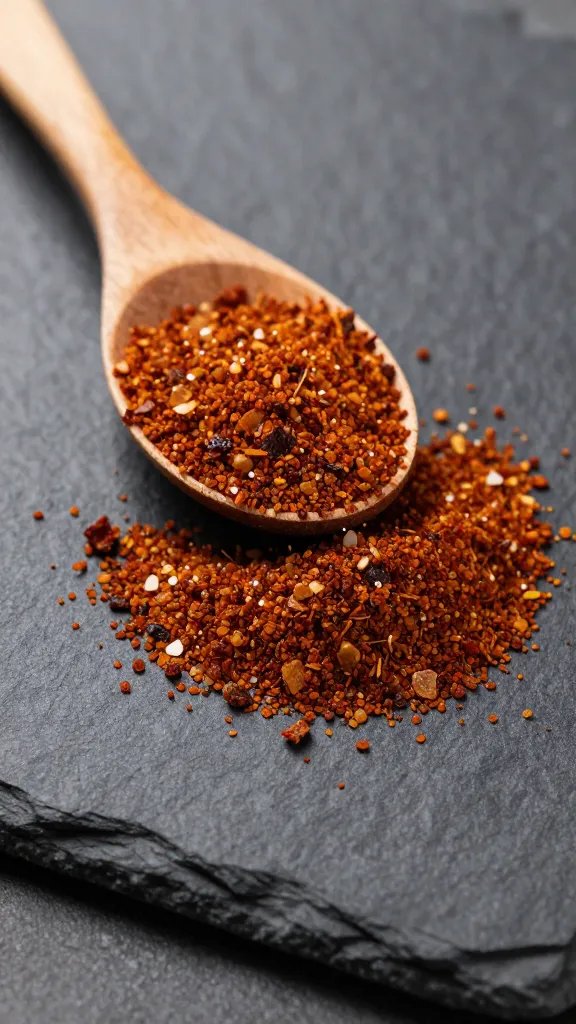
Here’s the sweet spot for balance and bark-friendly texture. This batch seasons about 3 racks of ribs. Scale up as needed.
- 1/4 cup kosher salt (Morton). If using Diamond Crystal, use 1/3 cup.
- 1/4 cup paprika (half sweet, half smoked if you like a subtle smoke note)
- 2 tbsp light brown sugar, packed
- 1 tbsp granulated white sugar
- 1 tbsp coarse black pepper (16–20 mesh)
- 2 tsp mustard powder
- 2 tsp garlic powder
- 2 tsp onion powder
- 1.5 tsp cayenne (adjust to heat preference)
- 1 tsp ground cumin
- 1 tsp celery seed, lightly crushed
- 1 tsp ground coriander
Why it works: Moderate sugar helps browning without burning; coarse pepper and celery seed add texture for bark. Paprika builds color. Mustard, cumin, and coriander add warmth without shouting.
How to Apply the Rub for Maximum Bark
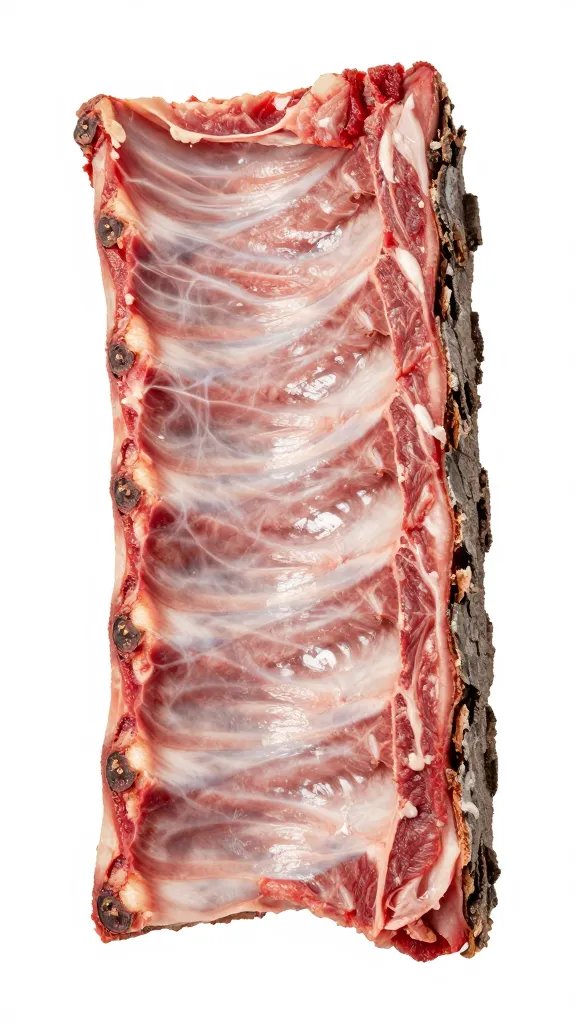
- Trim and dry the ribs. Remove the membrane on the bone side for better bite and even seasoning.
- Optional binder: Light coat of yellow mustard or neutral oil. It won’t affect flavor; it just helps adhesion.
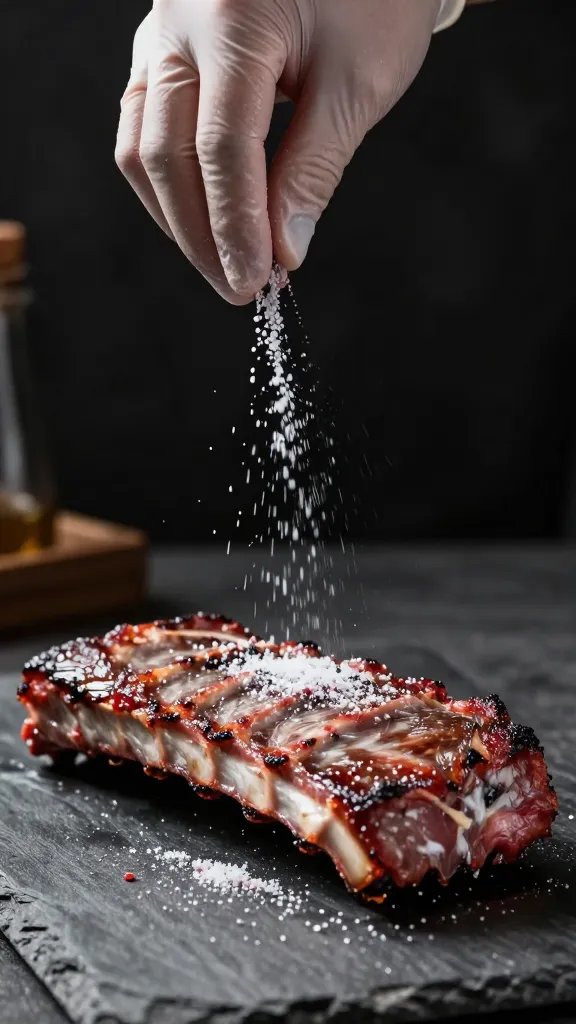
- Season in layers. Start with a light, even pass, wait 3 minutes, then a second pass. Aim for visible coverage, not clumps.
- Rest 30–60 minutes, uncovered in the fridge. This hydrates the rub so it dissolves into the meat and jump-starts bark.
Pro ratio: Plan on about 1.5–2 tablespoons rub per rack side, depending on size.
Cooking Method: Low and Slow for Real Bark
Target pit temp: 250–275°F. This range crisps edges without scorching sugar.
- Smoke with hickory or apple. Hickory gives classic punch; apple keeps it mellow.
- Cook bone side down on clean grates. Don’t crowd — airflow builds bark.
- Skip the wrap if you want firmer bark. If you wrap, do it late (after color sets) and unwrap for the last 30 minutes to re-dry.
- Spritz lightly only after the bark sets (about 2 hours). Use apple cider vinegar + water, 50/50. Too much spritz flattens bark.
At 250–275°F, expect 4.5–6 hours depending on rib style and thickness.
Doneness Cues Without Ruining the Crust
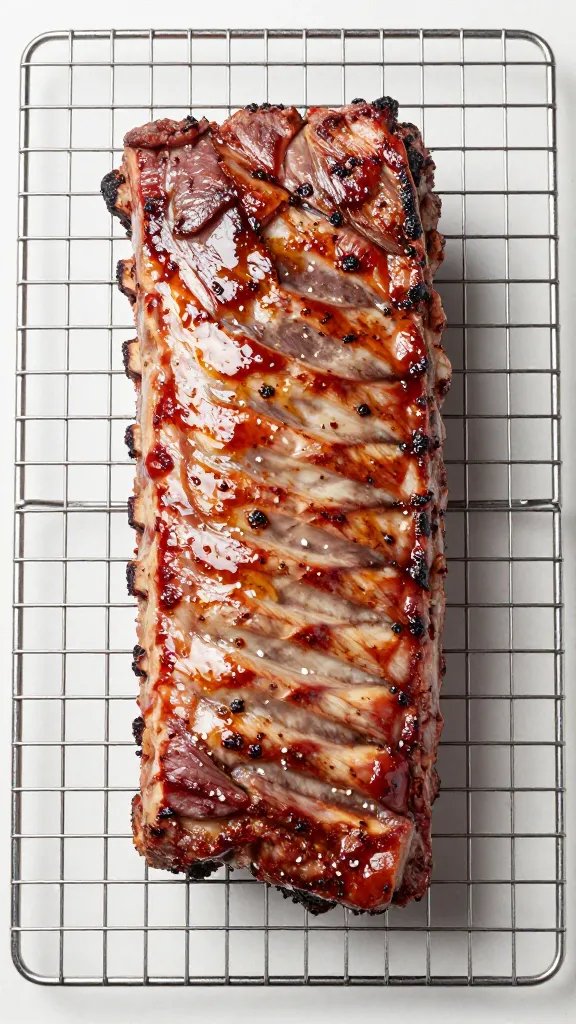
- Bend test: Lift the rack with tongs at the third bone. It should arc and just start to crack on top.
- Toothpick test: Slides between bones with little resistance, like room-temp butter.
- Internal temp: 195–203°F between bones for St. Louis; baby backs often finish slightly earlier.
Rest 10–15 minutes, tented loosely. This keeps juices where they belong and preserves bark texture.
Serving Dry (Memphis Style) With Smart Sides
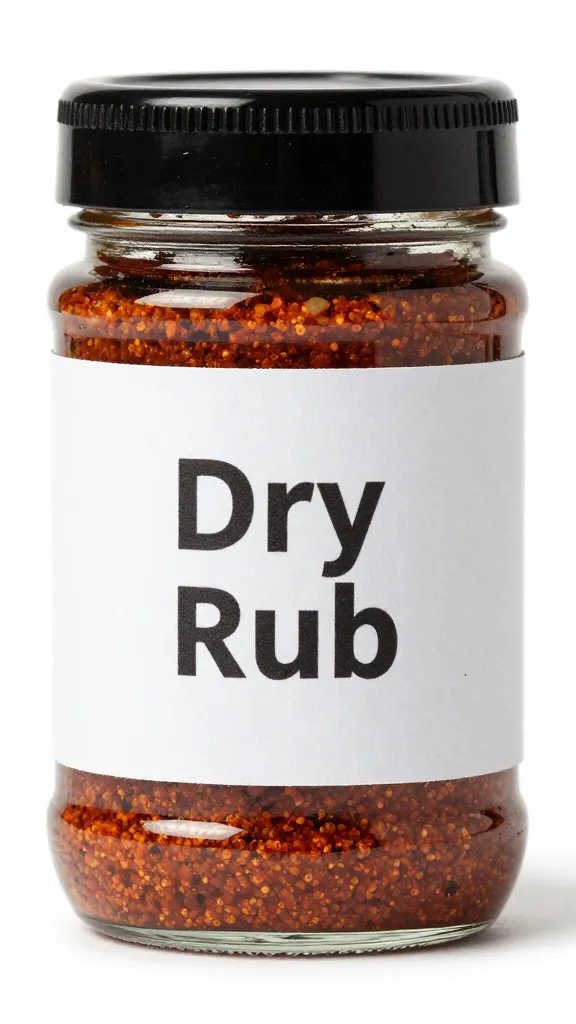
Slice between bones with a sharp knife, then dust lightly with a pinch of reserved rub. Serve sauce on the side if you like, but keep it thin so it doesn’t swamp the bark.
Round out the plate with acidic or herby sides that cut richness. Try bright greens or a tangy sauce like this chimichurri recipe with grilled veggies. For another smoke-friendly pairing, spoon over these roasted sweet potatoes — sweet and savory play nicely with the rub’s pepper and paprika.
Variations and Tweaks (Without Losing Memphis Soul)
- More heat: Add 1 tsp chipotle powder or increase cayenne to 2 tsp.
- Less sweet: Cut white sugar; keep 2 tbsp brown for color.
- Allergy-aware: Omit celery seed if sensitive; sub 1/2 tsp fennel seed, crushed.
- MSG bump: Add 1–1.5 tsp MSG for umami; it’s classic in many pro pits.
- Paprika profile: Go 100% sweet Hungarian for deep red color and mild flavor.
From My Kitchen: What Actually Works
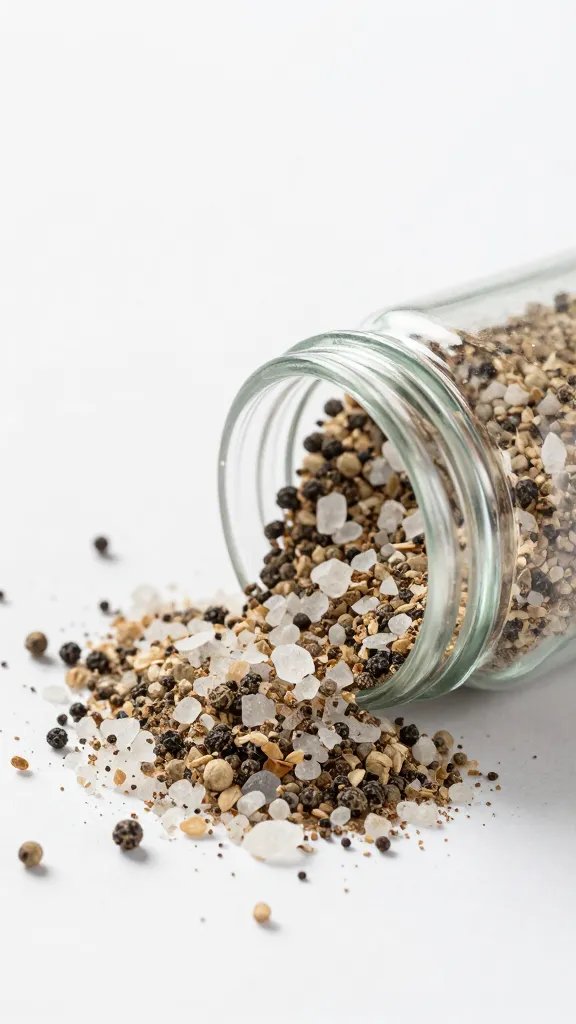
I’ve tested this rub with both Morton’s and Diamond Crystal salt, and the final bark suffers if you don’t adjust — Diamond needs roughly 1.5x the volume to hit the same salinity. I also get the best texture using coarse 16–20 mesh black pepper; fine pepper muddies the surface and slows bark. When I skipped the 30-minute fridge rest, the rub stayed dusty and the bark lagged by almost an hour. Finally, wrapping too early (before color sets) gave me a soft, steamed surface — now I either skip the wrap or unwrap for the last half hour to re-crisp.
Frequently Asked Questions
Can I make Classic Memphis Dry Rub for Ribs ahead of time?
Yes. Mix the rub and store it in an airtight container for up to 3 months in a cool, dark place. For best potency, keep sugars and spices fully sealed and avoid humidity.
How much Classic Memphis Dry Rub for Ribs should I use per rack?
Plan on 3–4 tablespoons per rack (both sides) for St. Louis ribs. Baby backs often need a bit less; start lighter and add until you have even coverage without clumping.
Do I need a binder before adding dry rub?
No, but it helps. A thin coat of yellow mustard or neutral oil improves adhesion and encourages even hydration. It doesn’t make the ribs taste like mustard.
What’s the best temperature to cook Memphis-style dry-rub ribs?
Stick to 250–275°F. This range builds bark while protecting the sugars from scorching. Expect 4.5–6 hours depending on rack size and pit stability.
Can I use this Memphis dry rub on chicken or pork shoulder?
Absolutely. It’s excellent on chicken thighs (reduce sugar slightly) and pork shoulder (add 1 tsp extra cumin for depth). Adjust salt by weight of meat and surface area.
The Bottom Line
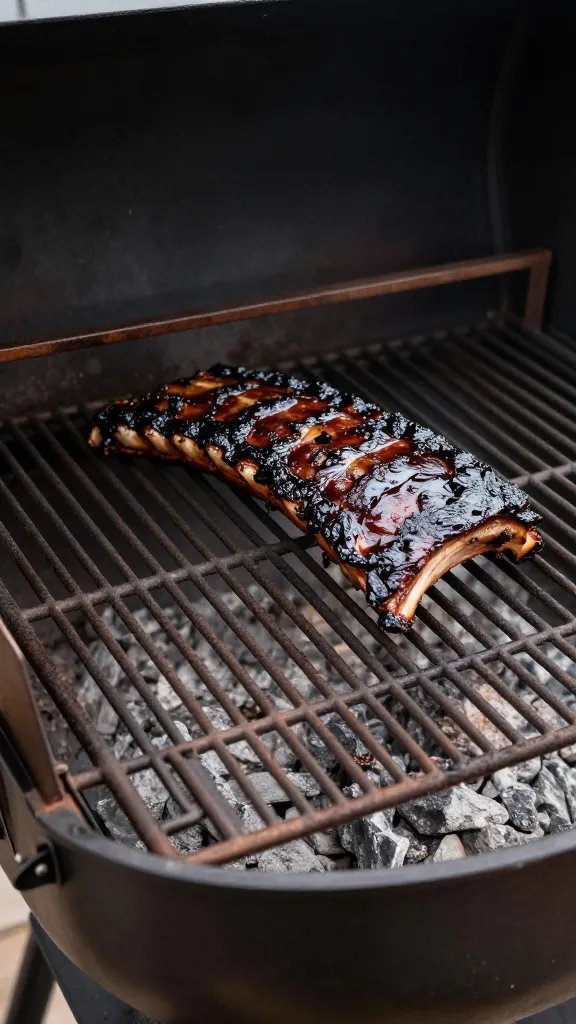
Memphis dry ribs live or die by balance and technique. Use a rub that favors paprika, pepper, and modest sugar, apply it evenly, rest it to hydrate, and cook in the 250–275°F pocket for bark you can hear.
Planning to try this? Save this post so you can find it when you need it — and tag us when you make it.