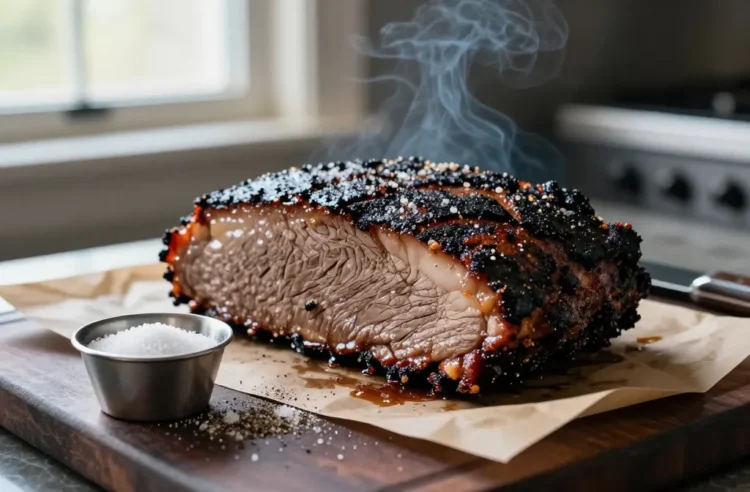
- Best for: Long, low-and-slow smoked brisket on a backyard smoker
- Make ahead: Yes — mix up to 3 months in advance
- Serves: Seasoning for 1 whole packer brisket (12–15 lb)
- Key tip: Use a 50/50 blend by volume of kosher salt and 16-mesh black pepper
Texas-Style Dry Rub for Brisket — Salt, Pepper, and Nothing Else puts flavor and technique ahead of clutter. No paprika clouds, no sugar crusts, just beef and smoke doing the heavy lifting. This minimalist rub builds a bark that crackles and lets the meat taste like, well, meat. You’ll learn the exact ratio, pepper grind, application method, and make-ahead tips to nail it every time.
Why Only Salt and Pepper Works
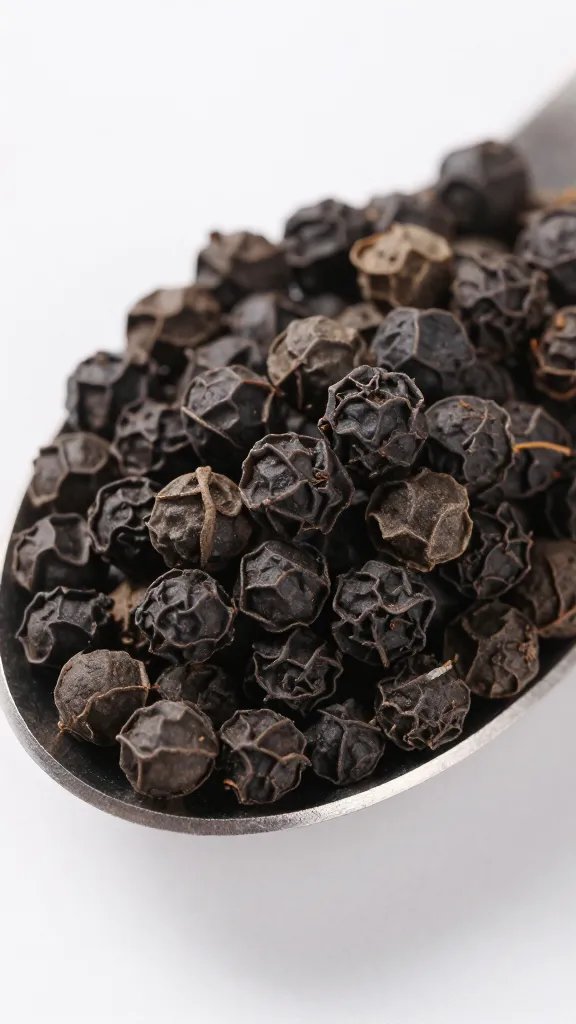
The Texas playbook is simple for a reason. Salt draws out surface moisture, dissolves, and carries seasoning into the meat. Coarse black pepper forms a rugged bark that welcomes smoke and heat.
Skip sugar and sweet spices for true Central Texas vibes. They can burn at 250–275°F and crowd out the beef’s mineral-rich flavor. Minimalism is the point.
The Ratio: How Much to Use for Brisket
You’ll see pitmasters argue, but this ratio is reliable and scalable:
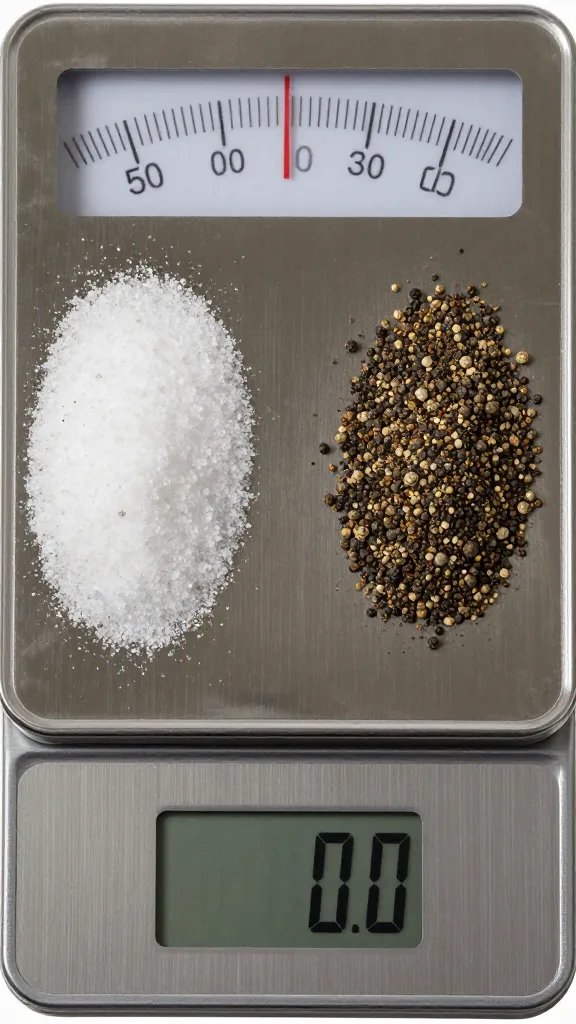
- 50/50 by volume: kosher salt and 16-mesh black pepper
- For a 12–15 lb packer brisket: 1/2 cup salt + 1/2 cup pepper
- For smaller flats (4–6 lb): 2 tbsp salt + 2 tbsp pepper
Measuring by volume works because wild variations in pepper flake size affect weight. If you prefer grams, go 1:1 by weight with coarse kosher salt (Diamond Crystal) and 16-mesh pepper, but note that Morton’s kosher is denser; use a touch less by weight.
Choosing the Right Salt and Pepper
Salt: Why Kosher Matters
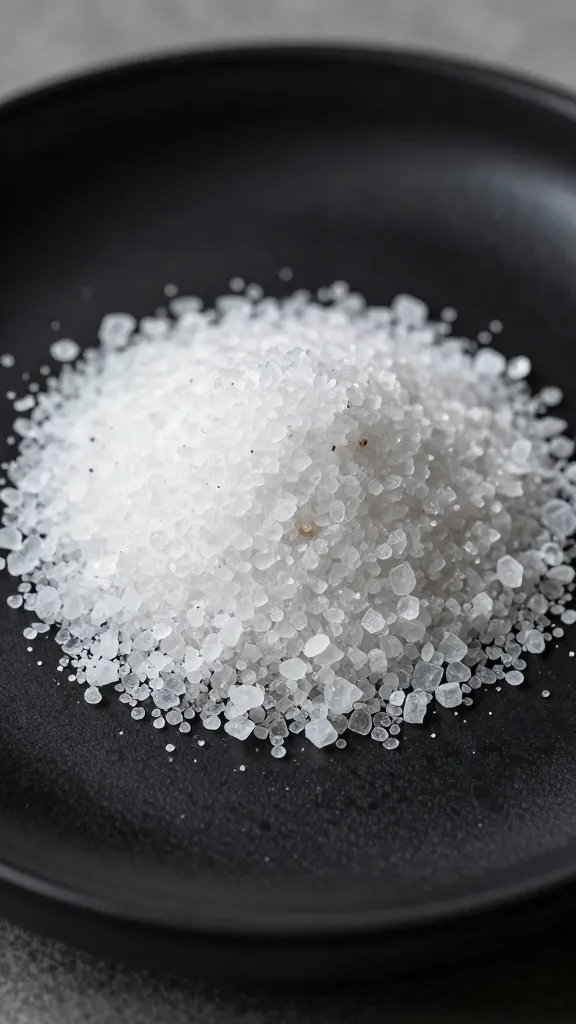
Use kosher salt for even coverage and easy pinch control. Diamond Crystal has larger, lighter flakes and seasons more gently. Morton is saltier per tablespoon.
- Diamond Crystal: Best for rubs; easier to avoid oversalting.
- Morton: Use about 20% less than Diamond when subbing by volume.
Pepper: Go 16-Mesh
That “Texas bite” comes from 16-mesh black pepper. It’s coarser than table pepper but not cracked. The grind creates a bark that adheres without falling off.
- Best: Pre-ground 16-mesh Tellicherry or bold black pepper
- Backup: Half coarse ground + half medium ground pepper
- Avoid: Fine table pepper — it muddies instead of crunching
How to Apply the Rub (Step-by-Step)
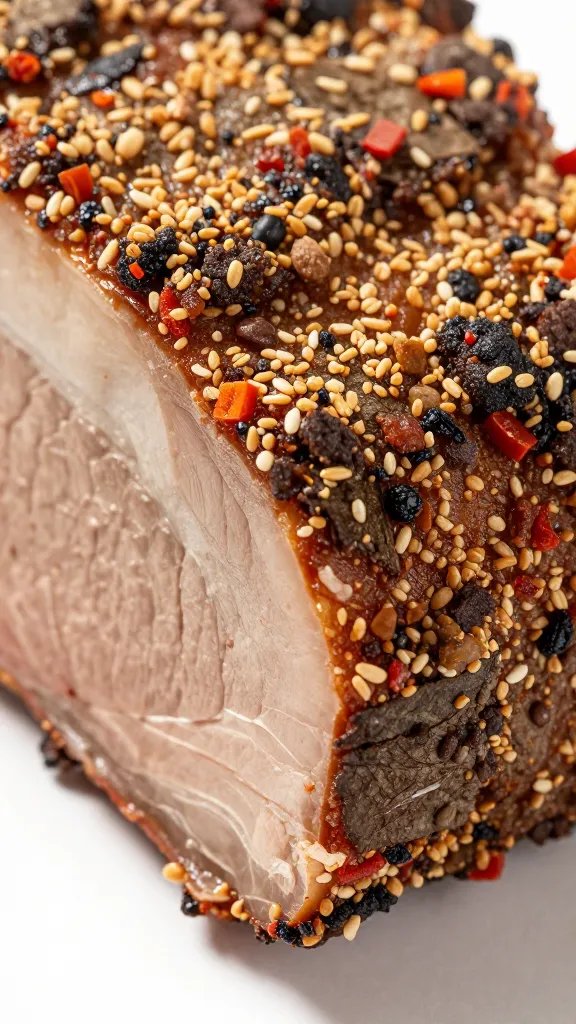
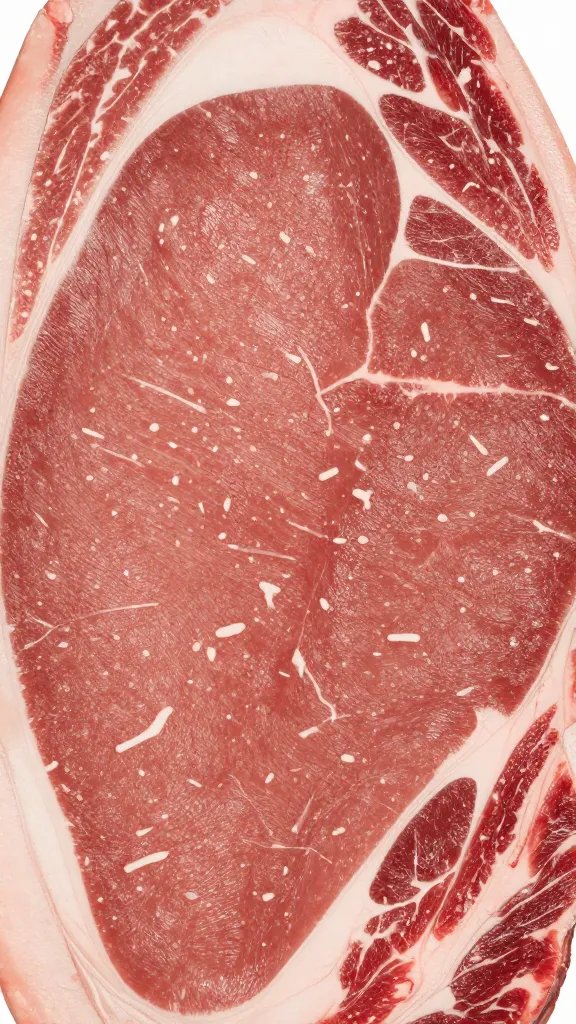
- Trim the brisket. Leave about 1/4 inch fat on the cap; remove hard pockets.
- Dry the surface. Pat thoroughly so the rub doesn’t clump.
- Binder (optional). A whisper of yellow mustard or water helps it stick without changing flavor.
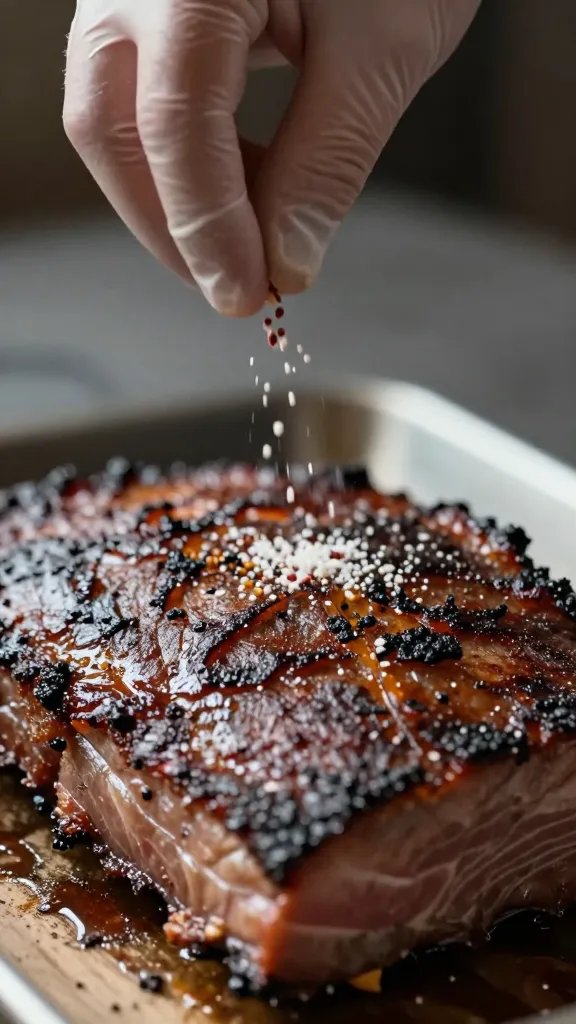
- Season high and even. Hold your hand 10–12 inches above and rain on an even coat. Aim for light snow, not a sandstorm.
- Rest 20–30 minutes. The salt will moisten and tack up the surface, locking pepper in place.
- Hit the edges. Don’t forget sides and thin points for uniform bark.
How much is enough? You should still see beef through the rub — heavy but not opaque. If you can blow pepper off, it’s too loose; press gently to set.
Smoking Notes That Make It Sing
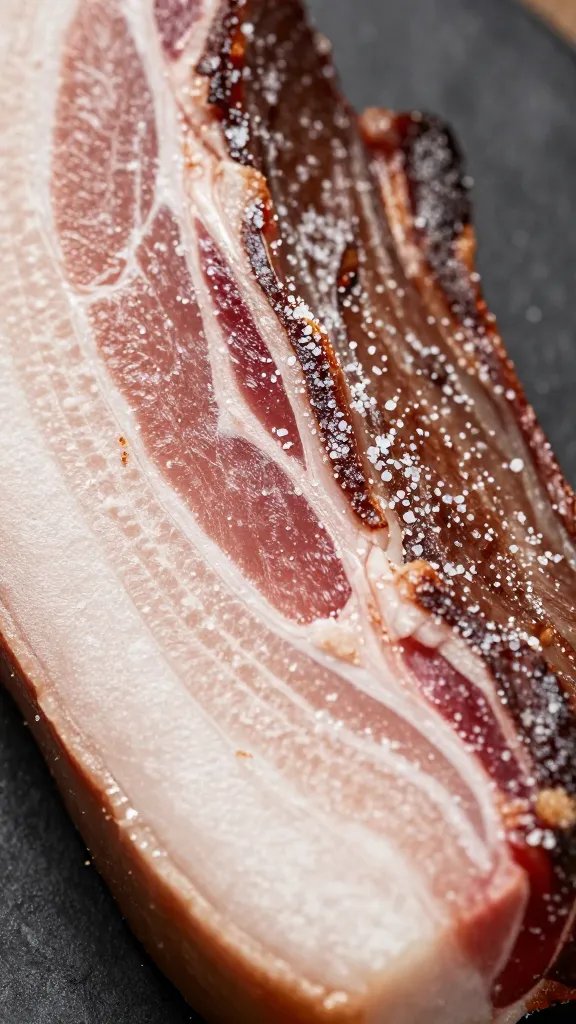
- Temperature: 250–275°F is the sweet spot for bark without burning.
- Wood: Post oak if you can, otherwise white oak, pecan, or hickory.
- Spritz: After the first 3 hours, spritz with water or diluted apple cider vinegar every 60–90 minutes to keep bark supple.
- Wrap: When bark is set and deep brown (usually 165–175°F internal), wrap in unwaxed butcher paper to power through the stall while preserving texture.
- Finish: Pull around 200–205°F internal; probe should slide like softened butter.
- Rest: At least 1 hour in a cooler or warm oven; 2–3 hours is better.
Make-Ahead, Storage, and Scaling
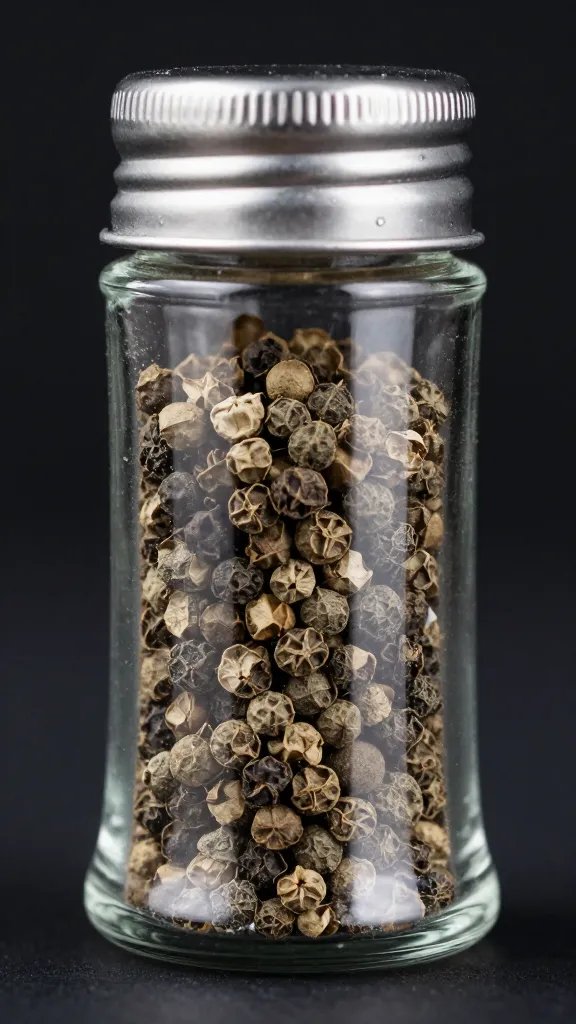
Mix a big batch and keep it ready. Consistency is half the battle.
- Batch size: 1 cup salt + 1 cup pepper seasons 3–4 briskets.
- Storage: Airtight jar, dark cabinet, up to 3 months for best pepper aroma.
- Grind freshness: If pepper smells flat, it will taste flat. Refresh every season.
- Scaling: For very large cooks, you can scale pepper linearly but consider trimming salt by ~10% if briskets will hold hot for hours; salt perception intensifies over time.
Variations That Still Count as “Texas”
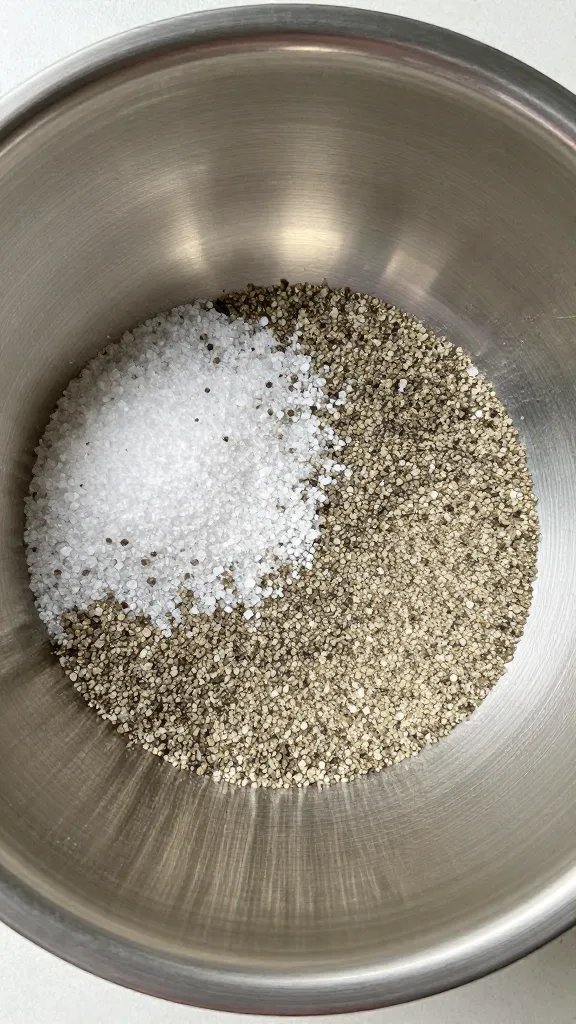
Purists may cover their ears, but some pitrooms tweak within reason:
- Garlic powder, 1–2 tsp per cup of rub: Adds savor without stealing the show.
- Coarse granulated onion, 1–2 tsp: Gentle sweetness and bark texture.
- Half white pepper: A subtler heat note if black pepper feels too bold.
Keep these additions minimal. The brisket should still scream beef-first, smoke-second.
From My Kitchen: What Actually Works
I’ve tested bark texture side-by-side using fine pepper vs 16-mesh, and the fine grind made a thin, almost muddy crust that softened during the wrap. The 16-mesh held its structure and stayed crunchy after a 2-hour rest. I also learned that applying the rub the night before made the outer 1/4 inch slightly saltier; I now season 30–60 minutes before the cook for a more balanced bite. When cooking for 20+ people, I scale the pepper 1:1 but reduce salt by about 10% if the brisket will rest more than 3 hours — the perceived salinity climbs during the hold.
Serving and Pairings
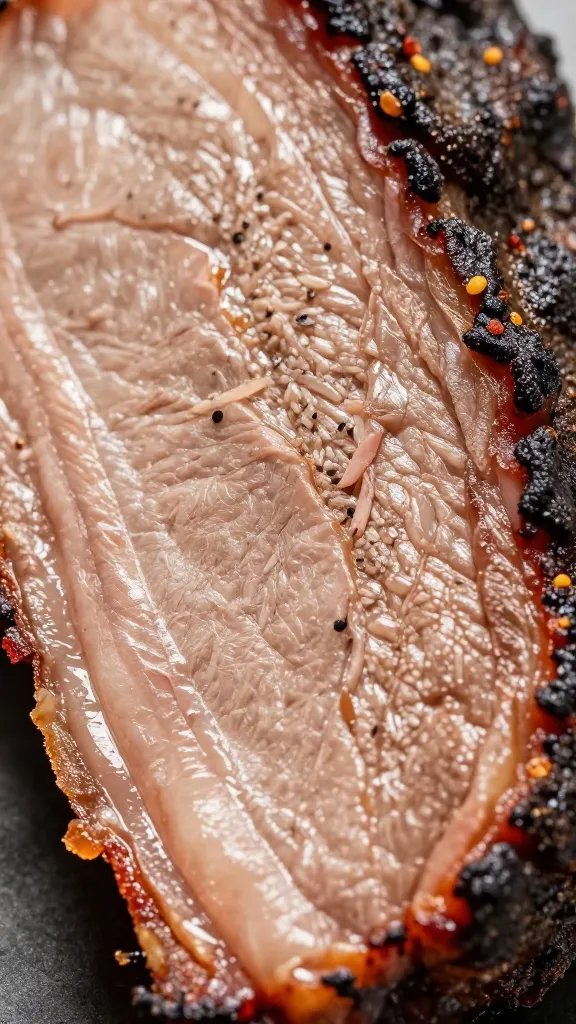
Slice across the grain, pencil-thick, starting at the flat and turning the point when the grain shifts. Keep it simple on the plate so the rub shines.
- Sauces on the side: Offer a thin, tangy sauce but don’t drown it. Bright flavors like this chimichurri recipe can be a great contrast for leftovers.
- Classic sides: White bread, dill pickles, and raw onion keep it Texas.
- Leftovers: Chop and toss with a light dressing for smoked brisket tacos or spoon over these skillet cornbread wedges.
Frequently Asked Questions
What’s the exact ratio for a Texas-Style Dry Rub for Brisket?
Use a 50/50 mix by volume of kosher salt and 16-mesh black pepper. For a 12–15 lb whole brisket, start with 1/2 cup of each. You can scale up or down as needed.
Can I make Texas-Style Dry Rub for Brisket ahead of time?
Yes. Mix and store it airtight for up to 3 months. Pepper loses aroma over time, so make smaller batches if you cook infrequently.
What pepper grind should I use for a Texas brisket rub?
Use 16-mesh black pepper for the best bark. If you can’t find it, blend half coarse and half medium ground pepper. Avoid fine table pepper; it muddies the crust.
How much rub do I put on a brisket?
Coat evenly so you can still see some meat through the seasoning. For a 12–15 lb packer, expect about 1 cup total rub. Press gently to help it adhere after it tacks up.
Does the rub need sugar or other spices?
No. Traditional Texas style is only salt and black pepper. If you want a subtle twist, add 1–2 teaspoons garlic or onion powder per cup of rub, but keep it minimal.
The Bottom Line
Texas brisket is proof that restraint wins: just salt, pepper, smoke, and time. Nail the 50/50 mix, use the right grind, and focus on even coverage and a patient cook — the bark and beef will do the rest.
Planning to try this? Save this post so you can find it when you need it — and tag us when you make it.