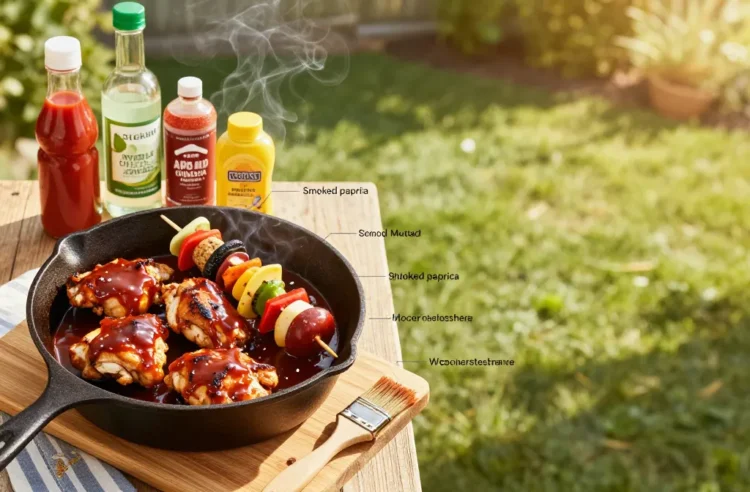
I host neighbors in a small backyard every summer, and I’ve learned the hard way that “regular” barbecue sauce can wreck the night for gluten-free guests. The culprits hide in plain sight — soy sauce, malt vinegar, and thickeners that sneak wheat into otherwise simple recipes. In this guide, I’ll share six reliable, gluten-free sauces and marinades I use at home with ingredients from any standard supermarket or garden-centre-adjacent grill aisle. You’ll get exact ingredients, clear labels to look for, and timing so your meats and veggies come off the grill juicy, safe, and bold with flavor.
1. Classic Kansas City-Style GF Ketchup BBQ Sauce: Sweet, Smoky, Crowd-Pleasing
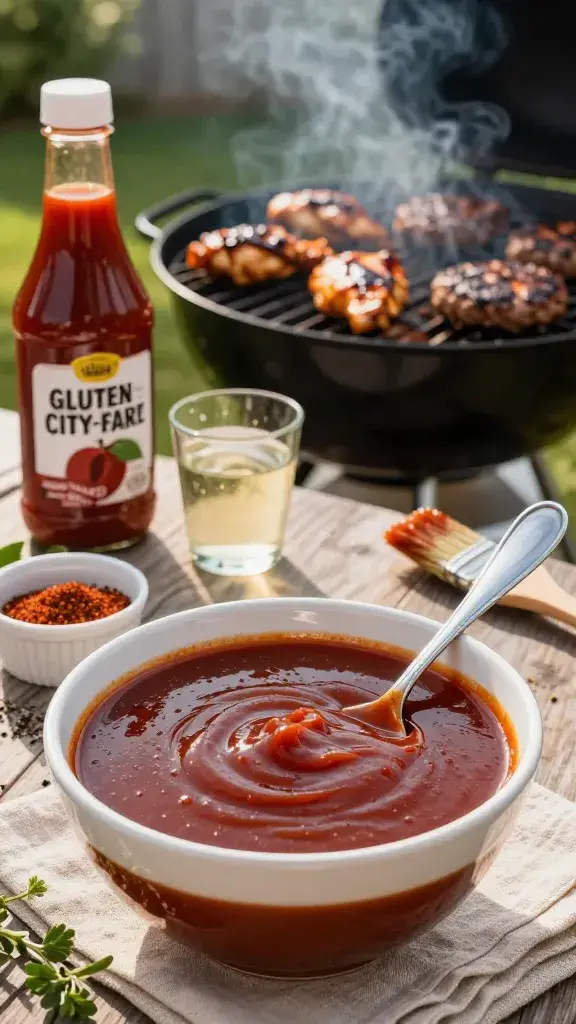
Sweet-and-smoky sauce makes chicken thighs and burgers vanish fast, but bottled versions often hide gluten in “natural flavors” or modified starch. If you serve the wrong bottle, you risk cross-reactivity and a ruined evening. I switched to a quick, stovetop version that’s thick, glossy, and certifiably safe when you choose the right base.
What You Need
- 1 cup gluten-free ketchup (check label: no malt vinegar; Heinz and Primal Kitchen label GF)
- 1/4 cup apple cider vinegar (distilled white vinegar is fine; avoid malt vinegar)
- 1/4 cup brown sugar
- 1 tablespoon gluten-free Worcestershire (Lea & Perrins in the US is GF; always re-check label)
- 1 tablespoon yellow mustard (most are GF; confirm on label)
- 1 teaspoon smoked paprika
- 1/2 teaspoon onion powder, 1/2 teaspoon garlic powder
- 1/4 teaspoon black pepper; salt to taste
How to Make It
- Simmer everything in a small pot over low heat for 10-12 minutes until shiny and thick.
- Cool 10 minutes. Use as a brush-on glaze in the last 5 minutes of grilling, or as a table sauce.
Signs You Did It Right
- Clings to the back of a spoon without running in a thin sheet
- Deep brick-red color; no raw vinegar sharpness on the nose
Takeaway: Label-check ketchup and Worcestershire first — if both are certified gluten-free, the rest follows safely.
2. Tangy Carolina GF Mustard Mop: Bright Flavor, Pork’s Best Friend
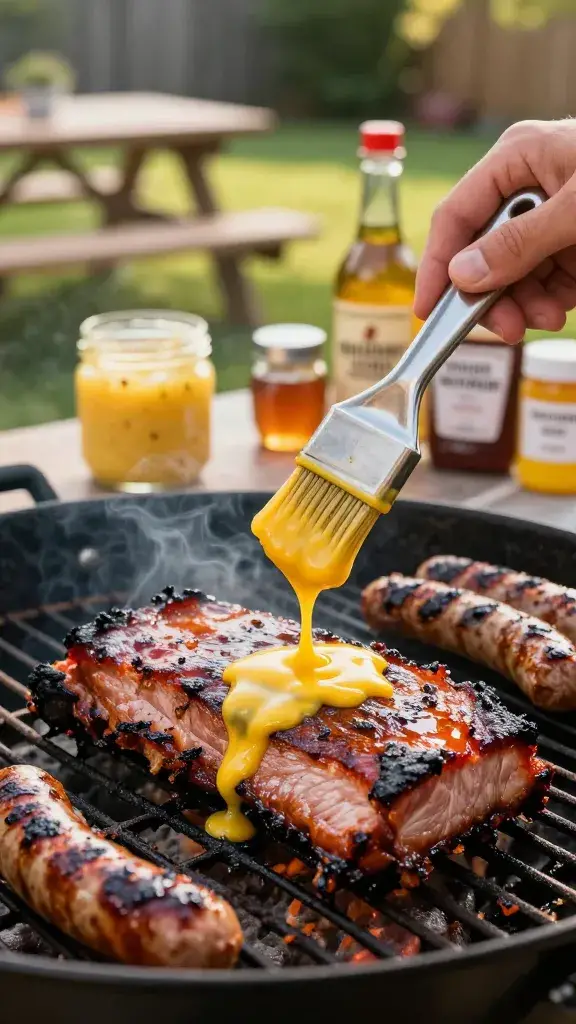
Pulled pork and grilled brats fall flat without acidity to cut fat. Store mustard sauces sometimes swap in malt vinegar or wheat-thickened binders. I make a sharp, golden mop that keeps pork juicy while building layers of flavor without a single gluten trap.
What You Need
- 3/4 cup yellow mustard (French’s is commonly GF; confirm)
- 1/4 cup apple cider vinegar
- 3 tablespoons honey or brown sugar
- 1 tablespoon gluten-free Worcestershire
- 1 teaspoon hot sauce labeled GF (look for distilled vinegar, not malt)
- 1/2 teaspoon garlic powder, 1/2 teaspoon black pepper
How to Use It
- Whisk until smooth. No cooking needed.
- Mop on grilled pork chops every 5-7 minutes over medium heat, or toss pulled pork after shredding.
- Rest meats 5 minutes before slicing so the sauce sets.
What to Serve With
- Grilled pork loin sliced thin
- Chicken drumsticks finished with a final glossy coat
- Charred cabbage wedges as a tangy side
Action today: Swap any malt-based vinegar for apple cider vinegar — that single switch keeps classic mustard sauce squarely gluten-free.
3. Simple GF Tamari-Garlic Marinade: Savory Depth Without Soy Sauce Gluten
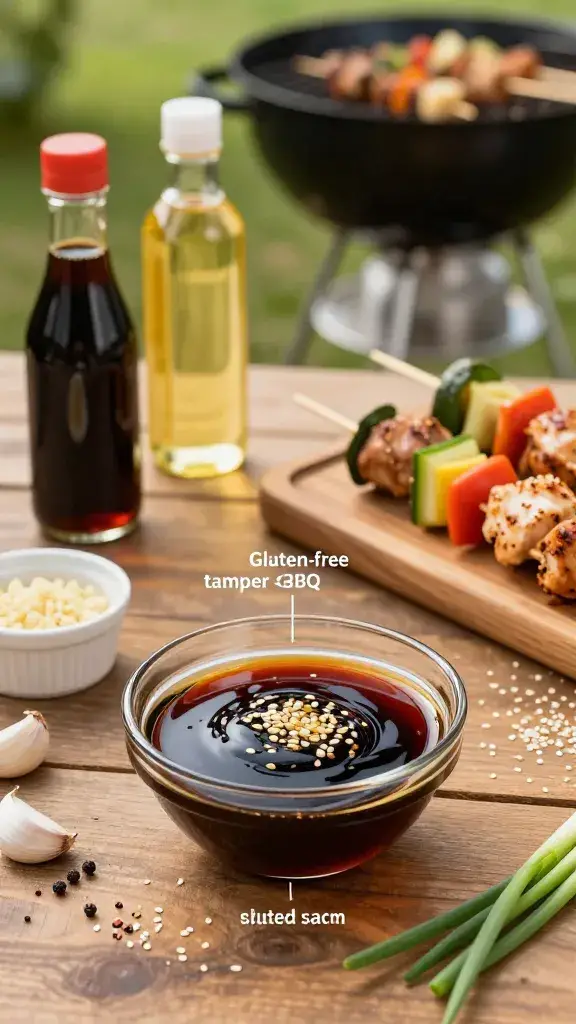
Traditional soy sauce often contains wheat, and it sneaks into marinades that seem harmless. I’ve watched guests skip skewers because the label just said “soy.” I use gluten-free tamari to deliver the same salty depth — clean, rich, and safe.
What You Need
- 1/3 cup gluten-free tamari (Kikkoman GF Tamari or San-J GF Tamari)
- 2 tablespoons toasted sesame oil (check label)
- 1 tablespoon rice vinegar labeled GF (unseasoned is safest)
- 2 tablespoons honey or maple syrup
- 3 cloves garlic, minced; 1 teaspoon grated fresh ginger
- 1/4 teaspoon red pepper flakes
How to Use It
- Chicken thighs: marinate 2-4 hours in the fridge in a zip bag.
- Beef flank or skirt steak: 45-90 minutes only to avoid mushy texture.
- Veggie skewers (zucchini, peppers, red onion): 20-30 minutes, then grill hot and fast.
Grill Timing Tip
- Pat proteins dry before grilling to encourage browning, then brush with fresh marinade in the last 2 minutes (use a clean, reserved portion — never raw marinade).
Takeaway: Buy a bottle of certified GF tamari and retire regular soy sauce from your grill kit — you remove the biggest hidden gluten risk in marinades.
4. Smoky Chipotle-Lime GF Mop: Heat, Citrus, And Fast Caramelization
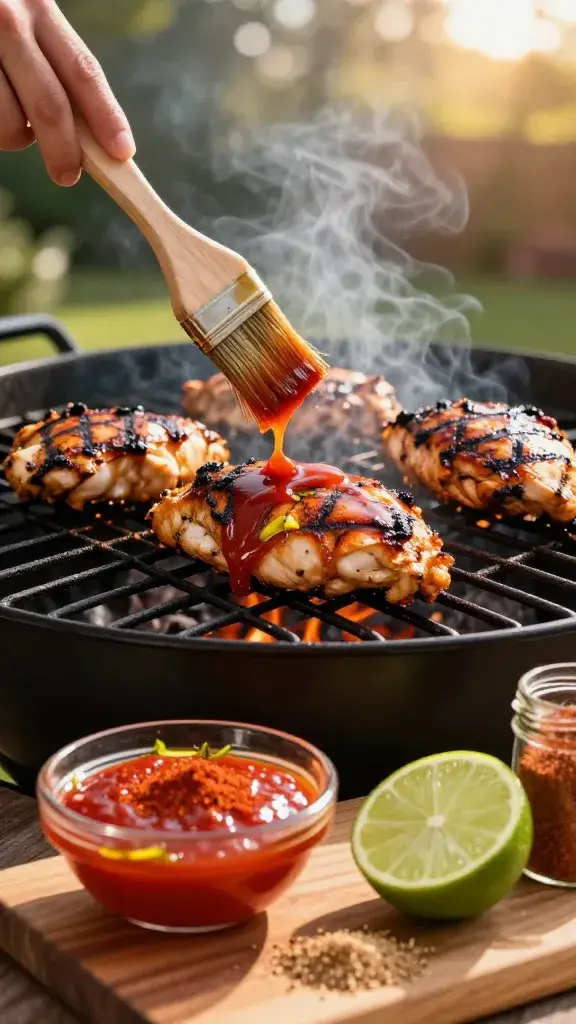
Dry grilled chicken breasts turn stringy without a high-flavor finish. Many chipotle products are safe, but watch for adobo sauces thickened with wheat or vague “spices.” I build heat with chipotle powder and fresh lime so I control every ingredient.
What You Need
- 1/2 cup tomato sauce (plain, labeled GF)
- 1 tablespoon chipotle chili powder (McCormick often labels GF; verify)
- 2 tablespoons brown sugar
- 1 tablespoon olive oil
- Zest and juice of 1 lime
- 1/2 teaspoon cumin, 1/2 teaspoon garlic powder, 1/2 teaspoon salt
How to Use It
- Whisk and rest 10 minutes so sugar dissolves.
- Grill chicken or shrimp over medium-high. Mop lightly during the last 3-4 minutes per side.
- Finish with a squeeze of fresh lime and a pinch of salt.
Signs You’re Nailing It
- Edges lacquer and char in tiny bubbles, not black streaks
- Bright, smoky aroma without a bitter burn
Action today: Keep a dedicated, labeled basting brush for gluten-free sauces to prevent cross-contact on busy grill nights.
5. Herb And Lemon GF Mediterranean Marinade: Clean, Fresh, Perfect For Veg And Fish
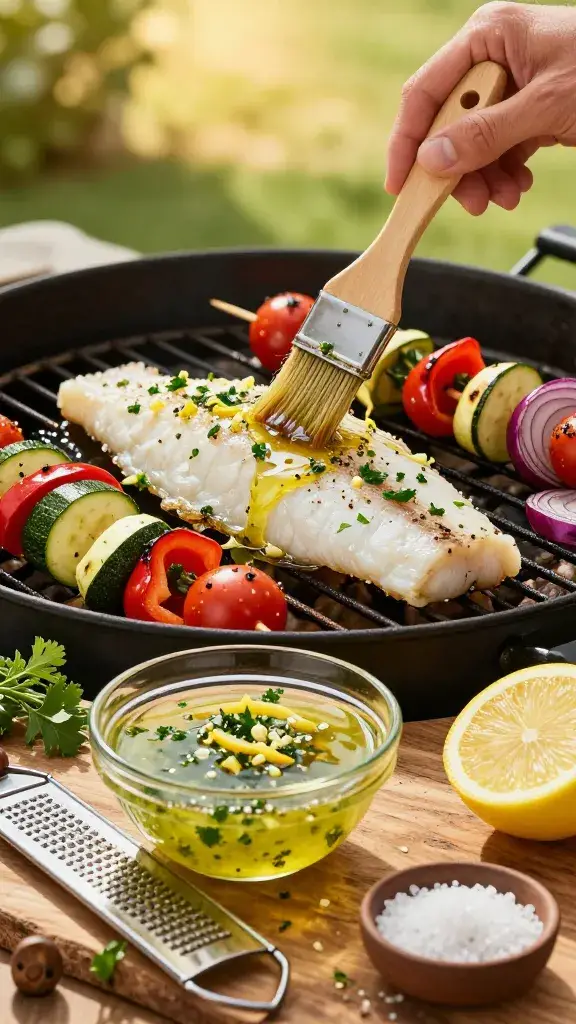
Fish dries out in minutes if the marinade is too salty or sugary, and many bottled Italian dressings include wheat-based stabilizers. I mix a bright, herby blend that stays gluten-free with pantry staples and keeps delicate proteins moist.
What You Need
- 1/4 cup extra-virgin olive oil
- Zest of 1 lemon + 2 tablespoons lemon juice
- 2 tablespoons chopped fresh parsley
- 1 tablespoon chopped fresh oregano or 1 teaspoon dried
- 1 small garlic clove, grated
- 1/2 teaspoon salt, 1/4 teaspoon black pepper
How to Use It
- Salmon fillets: marinate 20 minutes; grill skin-side down until just opaque.
- Chicken breast cutlets: 30-45 minutes; high heat for quick sear.
- Zucchini planks and cherry tomatoes (on skewers): 15-20 minutes; grill 2-3 minutes per side.
Pro Tip
- Reserve 2 tablespoons before marinating to drizzle as a finishing sauce with a pinch of flaky salt.
Takeaway: Avoid bottled dressings for fish and veg — mix oil, lemon, herbs, and salt by hand and you remove gluten risks while protecting delicate textures.
6. Maple-Balsamic GF Glaze: Sticky-Sweet Finish For Vegetables And Ribs
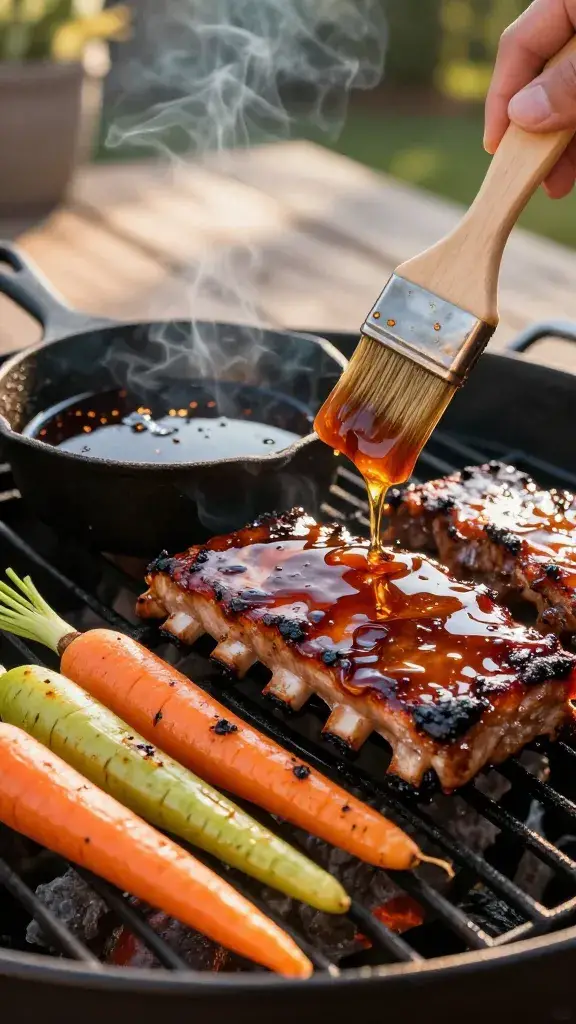
That glossy, candy-like finish on ribs and carrots often comes from sauces thickened with wheat-based starch. I reduce maple syrup and gluten-free balsamic vinegar into a quick glaze that clings and shines without flour or cornstarch.
What You Need
- 1/3 cup pure maple syrup
- 2 tablespoons balsamic vinegar labeled GF (most true balsamic is GF; avoid glazes with added thickeners)
- 1 teaspoon Dijon mustard (check label)
- Pinch of chili flakes
- Small pinch of salt
How to Make And Use It
- Simmer in a small pan over low heat 6-8 minutes until syrupy and glossy.
- Brush onto grilled carrots, portobellos, or baby back ribs in the final 3 minutes.
- Let rest 5 minutes off heat so the glaze sets and doesn’t run.
Don’t Overreduce
- If it coats a spoon and drips in slow beads, it’s done. If it sheets like taffy, whisk in 1 teaspoon hot water to loosen.
Action today: Read balsamic labels and skip pre-made “balsamic glaze” unless it’s certified GF — many add wheat-based thickeners.
Frequently Asked Questions
How do I prevent cross-contact with gluten on the grill?
Clean the grates while hot with a fresh grill brush, then wipe with an oil-damp paper towel using tongs. Use separate utensils, trays, and basting brushes for gluten-free foods. Grill GF items first on the cleanest area, or designate one side of the grill as GF-only. Keep sauces in labeled squeeze bottles to avoid mix-ups.
Is regular soy sauce gluten-free if the label doesn’t mention wheat?
No. Most traditional soy sauces contain wheat, even if it’s not called out on the front. Use certified gluten-free tamari or a clearly labeled GF soy-style seasoning. Always re-check labels, since formulations change without notice.
Which vinegars are safe for gluten-free BBQ sauces?
Apple cider vinegar, distilled white vinegar, wine vinegar, and true balsamic are generally gluten-free. Avoid malt vinegar, which comes from barley. If you’re buying flavored vinegars or “barbecue glazes,” read the ingredient list for malt, wheat, or vague “starch.” When in doubt, choose plain vinegars and build flavor with spices and citrus.
Can I thicken gluten-free sauces without flour?
Yes. Simmer to reduce until glossy, or use a small amount of cornstarch or arrowroot slurry (1 teaspoon starch whisked into 2 teaspoons cold water) added at a gentle simmer. For ketchup-based sauces, the pectin and sugars will thicken naturally with 10-15 minutes of low heat. Avoid high heat with starch thickeners to prevent a gummy texture.
What bottled BBQ sauces are reliably gluten-free at a standard supermarket?
Look for “certified gluten-free” on brands like Primal Kitchen, Stubbs (many flavors), and Sweet Baby Ray’s (specific flavors list GF; check each label). Always re-check before buying because formulas vary by region. Keep one reliable bottle for emergencies, and use the homemade options here when you need guaranteed ingredients.
How long can I store homemade gluten-free sauces?
Most vinegar- and sugar-based sauces keep 1-2 weeks refrigerated in a clean, sealed jar. Oil- and herb-heavy marinades taste best within 3-4 days. Label the jar date, and use a clean spoon every time to avoid contamination. If it smells fermented or separates into clumps, discard.
Conclusion
You don’t need specialty gear or chef tricks to serve bold, gluten-free barbecue — just smart label checks and a few reliable, homemade sauces. Pick two from this list for your next cookout, set aside a GF brush and tray, and you’ll feed everyone confidently and deliciously.