
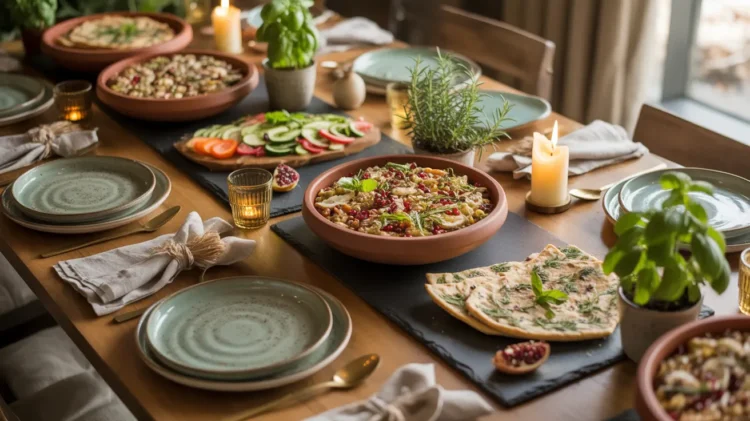
We are seeing a massive shift in how people gather, especially as the average event generates 1 pound of waste per attendee per meal. Hosting a great party in 2026 means focusing on visible sustainability, where our guests can see and feel our commitment to the environment.
Key Takeaways
| Topic | Expert Insight for 2026 |
|---|---|
| What is visible sustainability? | It involves using tangible items like real glassware and reusable linens to show guests your eco-friendly values. Explore our holiday entertaining guide for more ideas. |
| How do I reduce food waste? | Focus on root-to-stem cooking and proper portion planning. Check out our Thanksgiving recipe collection guide for portion tips. |
| Can zero-waste be affordable? | Yes, by using what you have and choosing DIY options like our DIY cinnamon ornaments instead of plastic decor. |
| What about cleaning up? | Setting up clear stations for compost, recycling, and reusables makes the process painless. See our how-to guides for kitchen efficiency. |
| Why avoid disposables? | Disposables create literal mountains of trash that often end up in landfills. We recommend checking our cooking equipment recommendations for durable alternatives. |
The Shift Toward Visible Sustainability in 2026
In 2026, our guests are looking for more than just a good meal (they want to feel good about being there). Visible sustainability is about making eco-friendly choices obvious, like replacing paper napkins with soft linen ones.
We find that when sustainability is visible, it becomes a conversation starter rather than a chore. It shows your friends that you care about the nerdy science of flavor and the health of the planet in equal measure.
Using real plates and silverware might seem like more work, but it actually creates a more premium feel for your gathering. You can find many of these items in our Thanksgiving collection where we discuss modern, inclusive feasts.
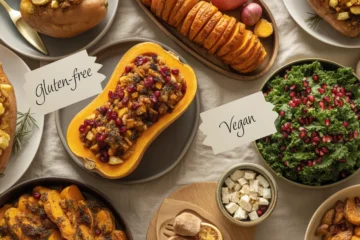
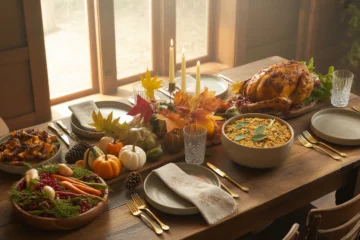
Zero-Waste Appetizers: Turning Scraps into Centerpieces
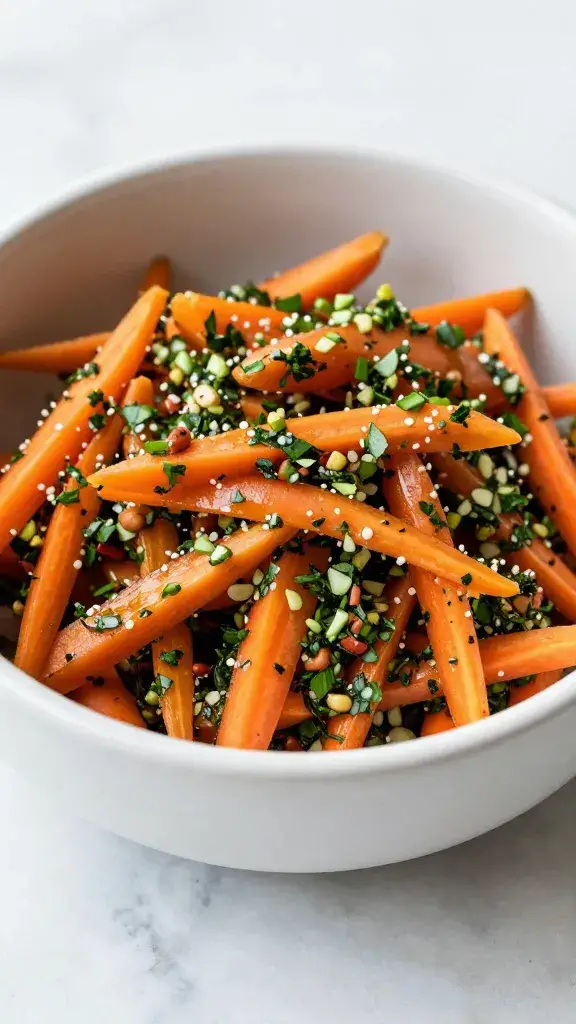
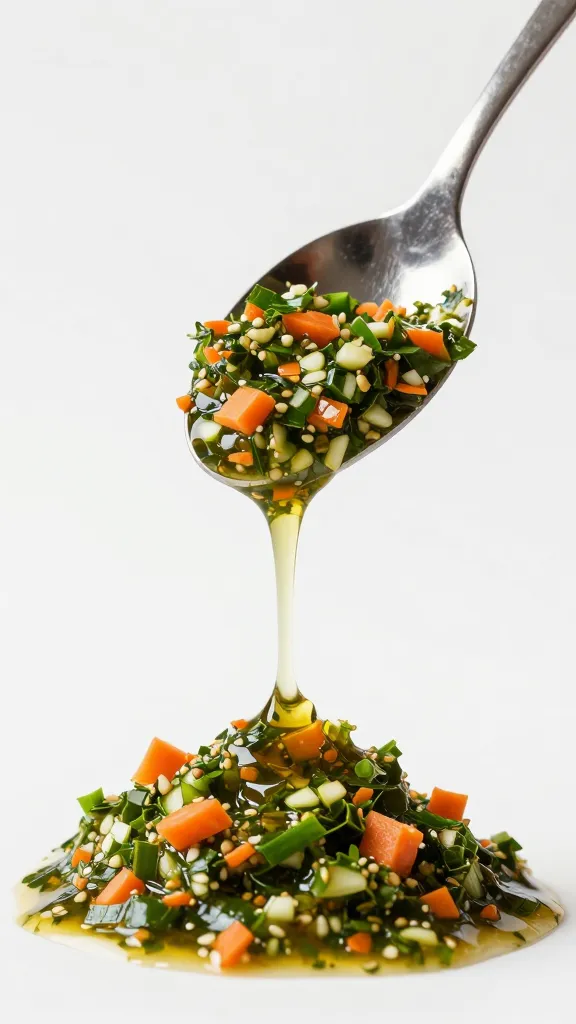
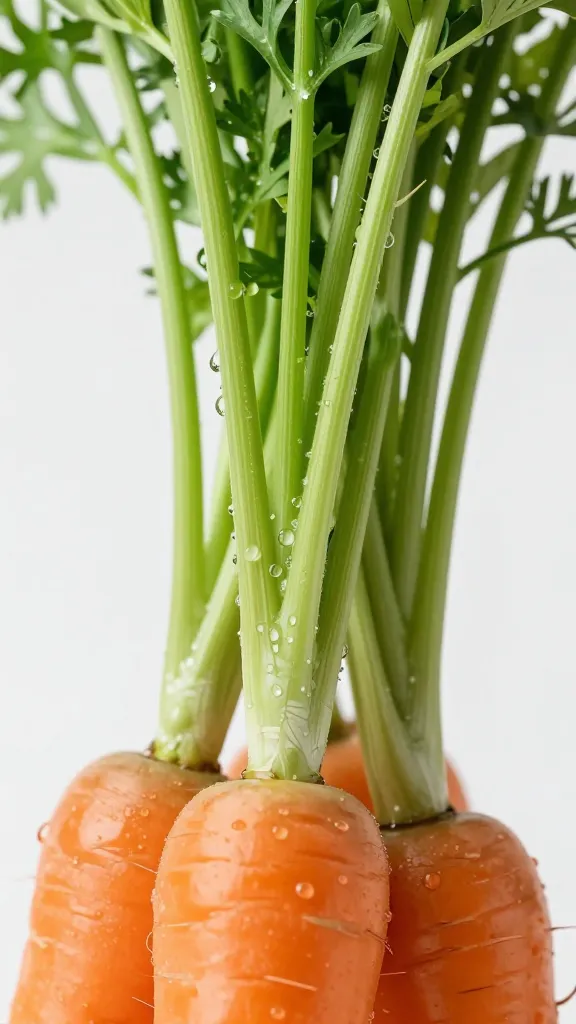
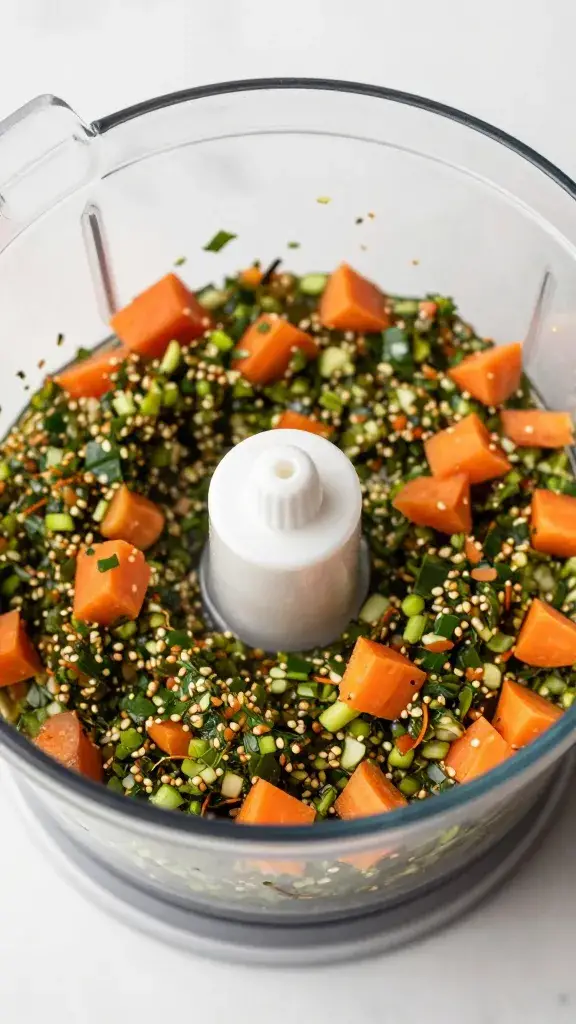
We love the challenge of root-to-stem cooking because it forces us to be more creative in the kitchen. One of our favorite tricks is taking carrot tops (which most people toss) and turning them into a punchy garnish.
Our carrot top chimichurri is a 5 minute recipe that uses every bit of the vegetable. It looks incredible on the table and tastes like a bright, herb-forward dream.
You can also serve snacks that don’t require individual plates, such as bite-sized treats or finger foods. These mini sweet potato pies are a perfect example of portable comfort that reduces the need for extra cutlery.
Sustainable Garnish and Styling
Using edible garnishes is the ultimate way to achieve zero-waste styling. Instead of plastic toothpicks, use sturdy rosemary sprigs to skewer your appetizers.
“Food is a love language, and showing respect for the ingredients is the best way to speak it.” – Alexander Whaley
Sustainable Main Courses: Planning for Portions and Plants
Wasted food is one of the biggest contributors to party trash, so we recommend planning your menu around the number of guests. Our cooking for crowds section offers recipes that are easy to scale up or down.
Consider serving hearty, vegetable-forward dishes like this spring vegetable hash. It uses seasonal produce which often has a lower carbon footprint than meat-heavy mains.
When you do serve meat, look for cuts that can be used in multiple ways if there are leftovers. These smoked turkey wings are a flavor-packed comfort food that guests will actually finish.


Drink Stations and Eco-Friendly Mixology
Instead of buying individual plastic bottles or cans, we prefer setting up a festive drink station with large dispensers. You can create a high-energy “Brunch Bliss” feel with fresh juices and reusable glassware.
We believe in the science of flavor in drinks, which often means using fresh infusions instead of store-bought syrups. Try making your own festive cocktails using seasonal fruits to reduce packaging waste.
Using a pitcher for water and tea is a simple way to keep the mess feral-free and the aesthetics glossy. If you need something warm, our mulled wine recipes are perfect for big groups and fill the house with a wonderful aroma.

This infographic outlines five practical steps for hosting waste-free gatherings. Learn practical swaps to make your entertaining more sustainable.

Holiday Hosting: Sourdough and Sustainable Sides
Baking bread at home is a classic zero-waste move because it eliminates plastic bread bags and tastes significantly better. Our sourdough cinnamon star bread is a festive showstopper that uses natural fermentation.
If you are new to the sourdough game, we have seven secret tips for success that make the process simple. Once you have a sourdough starter, you can make everything from artisan loaves to festive rolls with zero packaging.
Sides are another place where sustainability can shine, especially when using fresh, local produce. Try our cavatappi with roasted asparagus for a bright, seasonal addition to any holiday table.

Eco-Friendly Table Settings and DIY Decor
We suggest skipping the “no hassle” plastic tablecloths and choosing high-quality fabric ones that last for years. For decor, nature provides the best materials, such as pinecones, dried citrus, or fresh herbs.
Our cinnamon applesauce ornaments are a fantastic DIY project that adds a wonderful scent to your home. They are compostable and biodegradable, making them much better than plastic trinkets from a big-box store.
You can even use food as your centerpiece, like a large bowl of seasonal fruit or a beautifully arranged traditional holiday bread. It reduces clutter and gives your guests something to nibble on as the night goes on.


Managing Crowds Without the Mountain of Trash
When cooking for a large group, we often feel pressured to use disposables for the sake of easy cleanup. However, we have found that a well-organized dishwashing system is actually faster than bagging up dozens of trash bags.
Choose recipes that are “one-pot” or “one-pan” to minimize the mess in the kitchen. Our creamy chicken and mushroom skillet is a perfect example of a meal that is easy to serve and clean.
For large events, we recommend looking into unconventional catering options that prioritize sustainable packaging. Many modern caterers in 2026 are happy to work with your zero-waste goals.


Leftover Magic: Reducing Food Waste Post-Party
Leftovers aren’t a burden (they are a ticket to a treasured memory or a new lunch adventure). We love finding ways to transform party remains into something entirely new and exciting.
If you have leftover turkey or vegetables, don’t just reheat them in the microwave. Turn them into a turkey and vegetable casserole for a comforting meal the next day.
We have a guide on 12 ways to transform leftovers that will keep your kitchen waste-free for days after the party. It turns “reduce-thicken-hope” mode into a foolproof plan for delicious second-day meals.


Digital Shifts and Modern Invitations
In 2026, the paper invitation has largely been replaced by digital alternatives that offer more interactivity. We find that guests appreciate the ease of a digital RSVP and the ability to share dietary restrictions easily.
Using digital tools also means you can share your inclusive menu ahead of time. This ensures everyone knows what to expect and helps you plan exactly how much food to buy.
We suggest including a note in your digital invite about your zero-waste goal. Most guests are happy to help, perhaps by bringing their own reusable containers for leftovers at the end of the night.
Practical Tools for the Sustainable Home Cook
Investing in a few high-quality kitchen tools can significantly reduce your reliance on single-use plastics. For example, a good bacon cooker can help you manage fats more effectively for reuse in other dishes.
We also recommend learning basic skills like roasting the perfect turkey, which allows you to buy whole birds rather than pre-packaged parts. This reduces packaging waste and gives you plenty of bones for making stock.
Check out our about page to learn more about our philosophy on simple, sustainable cooking. We believe that every home cook can become a master of their own kitchen without filling up the bin.
Conclusion
Zero-waste entertaining in 2026 is about more than just avoiding plastic (it is about creating a meaningful, beautiful experience for your guests). By choosing visible sustainability, you are leading by example and showing that “eco-friendly” can also mean “elegant” and “delicious.”
We hope these tips help you host your next gathering with confidence and a clear conscience. Remember, food is a love language, and there is no better way to show love than by taking care of the world we all share.