
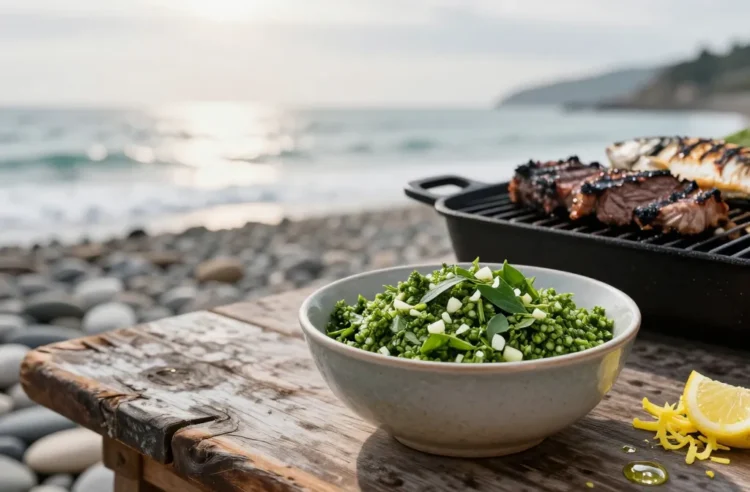
You smell that? Bright oregano, sharp garlic, a smack of vinegar, and a breeze that tastes like salt and grilled beef. That’s Chimichurri de la Costa—Argentina’s coastal spin on the country’s most famous green sauce. It’s punchy, it’s easy, and it turns anything grilled into a “did you make this?” moment. Ready to give your weeknight chicken a seaside vacation?
What Makes “de la Costa” Different
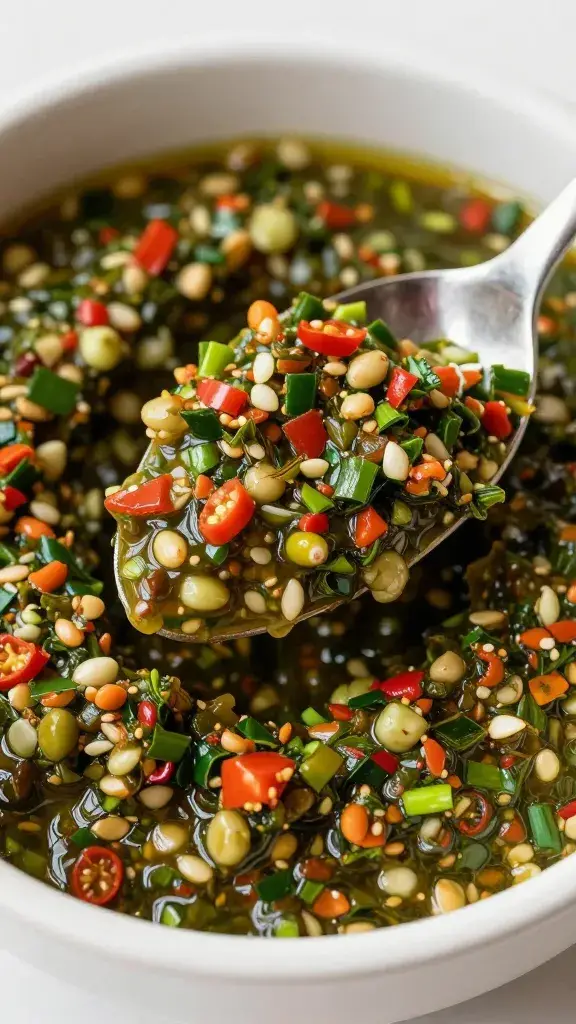
Coastal chimichurri leans into oregano and acidity more than its inland cousins. Think marine air, fresh fish, and beef cooked by the water—this version stays zippier and slightly brinier. It doesn’t drown in parsley; it co-stars oregano with just enough parsley for freshness.
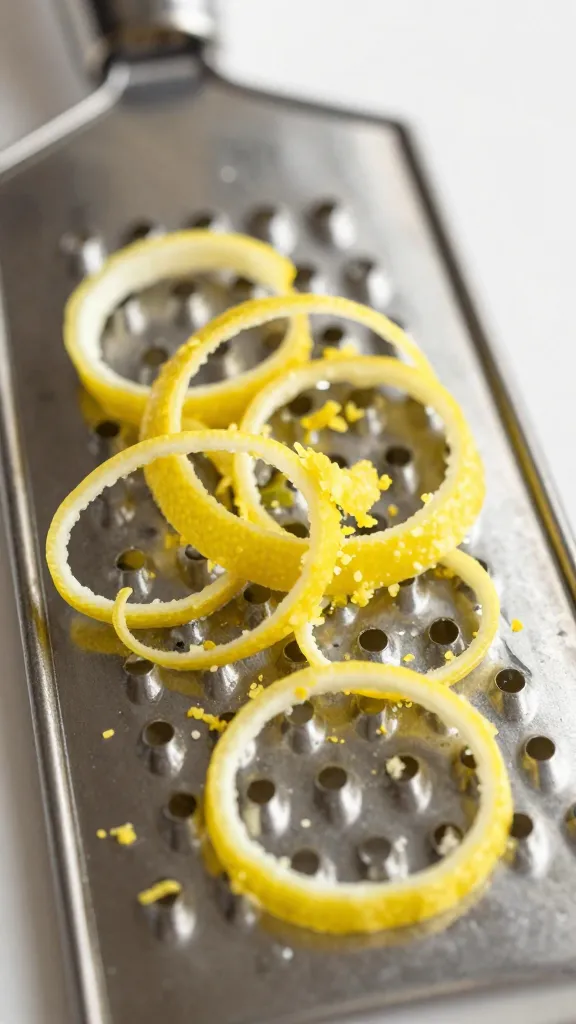
You’ll also taste a little more white wine vinegar and sometimes a hint of lemon zest. Why? The brightness cuts through rich seafood and charred meats like a pro. You want sparkle, not sludge.
The Flavor Blueprint
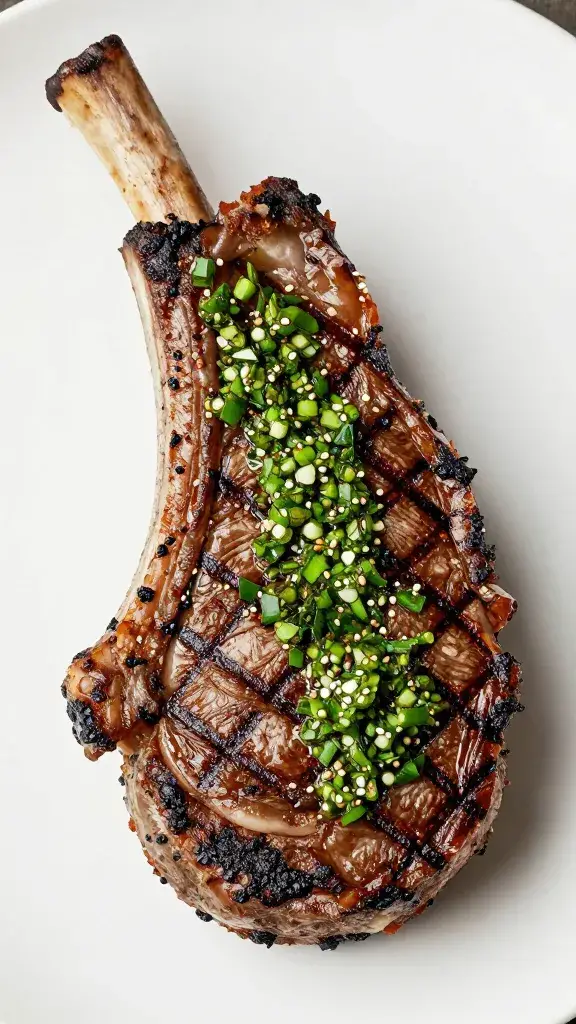
Let’s break it down by role, because every great sauce runs like a tight band:
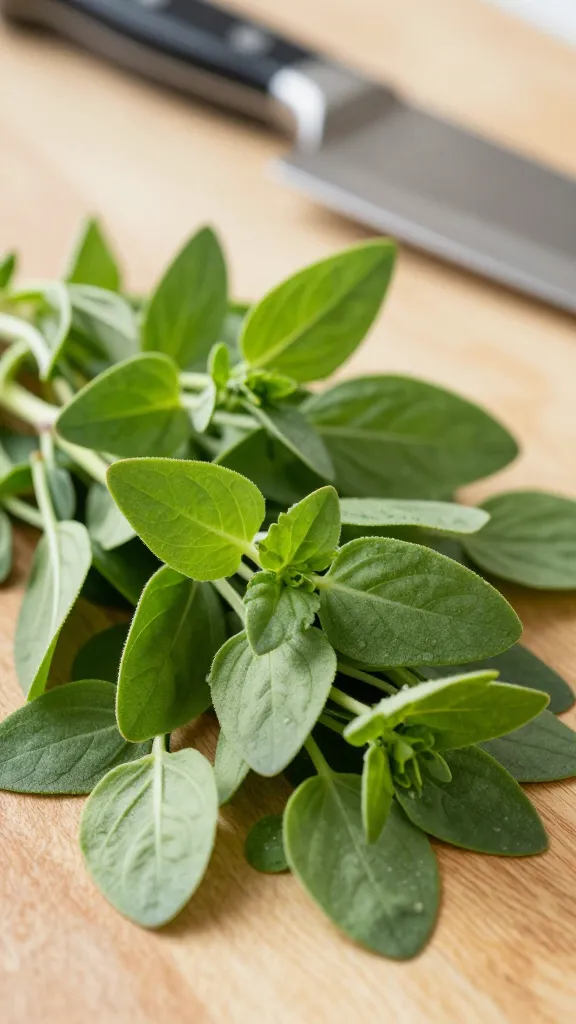
- Oregano (the lead guitarist): Robust, slightly bitter, and unmistakably Mediterranean-turned-Argentinian. Use both dried and fresh if you can.
- Parsley (the rhythm section): Adds freshness and color. Flat-leaf only—curly parsley belongs in 90s office party trays.
- Garlic (vocals, obviously): Raw, assertive, and perfect when minced super fine.
- Acid (the producer): White wine vinegar + a squeeze of lemon. Coastal chimichurri runs brighter than inland versions.
- Fat (the bassline): Good extra-virgin olive oil to carry flavor. Nothing fancy, but not the dusty bottle from 2018 either.
- Heat (the surprise sax solo): Red pepper flakes or a minced fresh chile. Coastal versions keep it moderate, not macho.
- Salt (the stage manager): Coarse sea salt for texture and bite. Adjust at the end, then taste again after 10 minutes.
Fresh vs. Dried Oregano
Use both for depth. Fresh brings aroma and a soft, green note. Dried gives intensity and that classic chimichurri backbone. FYI, dried oregano wakes up in warm water or vinegar—more on that in a sec.
The Coastal Method (A.K.A. How Not to Make Green Pesto)
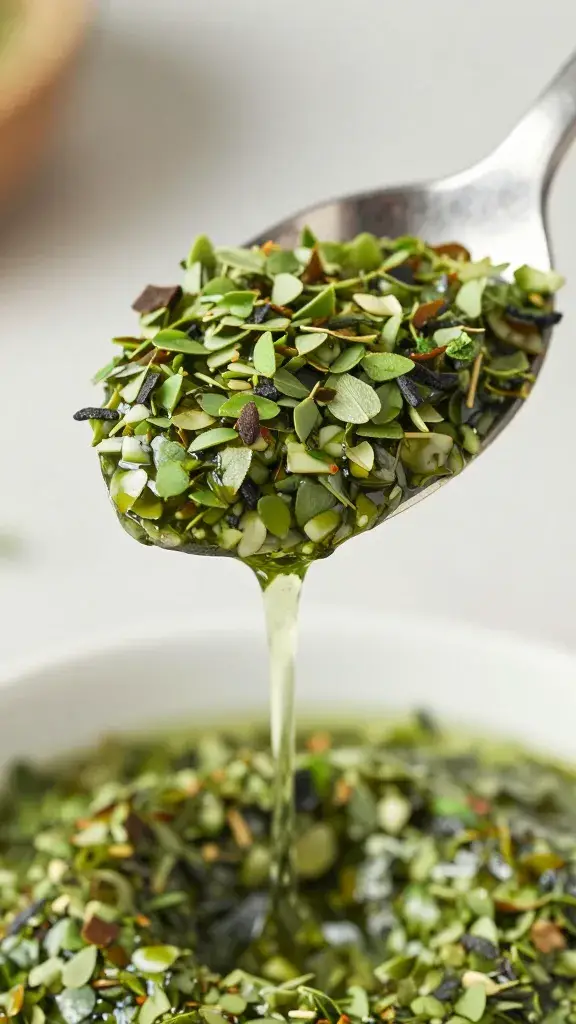
No blender. No food processor. You want texture—leafy bits, visible garlic, flecks of chile. Over-blend it and you lose the rustic, hand-made feel that defines chimichurri.
- Hydrate the dried oregano: Stir 1.5 teaspoons dried oregano into 1 tablespoon warm water + 2 tablespoons white wine vinegar. Let it sit 5 minutes.
- Chop the greens: Finely chop 1 packed cup flat-leaf parsley and 2 tablespoons fresh oregano leaves.
- Build the bowl: Add the hydrated oregano, chopped herbs, 3–4 minced garlic cloves, 1/2 teaspoon red pepper flakes, zest of 1/2 lemon, and a big pinch of coarse salt.
- Olive oil time: Stream in 1/2 cup extra-virgin olive oil while stirring. You want a loose, spoonable sauce—not a paste.
- Balance: Add 1–2 more tablespoons vinegar or a squeeze of lemon if it tastes flat. Salt to taste. Let it sit 15–30 minutes so it mellows.
Pro Moves (Because You’re Fancy)
- Microplane your garlic if you like it extra punchy. Mince for a calmer vibe.
- Add a splash of brine (capers or olives) for a subtle coastal wink. Don’t overdo it.
- Use a mortar and pestle for the garlic and salt first. It releases flavor without turning the sauce into a smoothie.
How to Use It (Beyond Steak, Obviously)
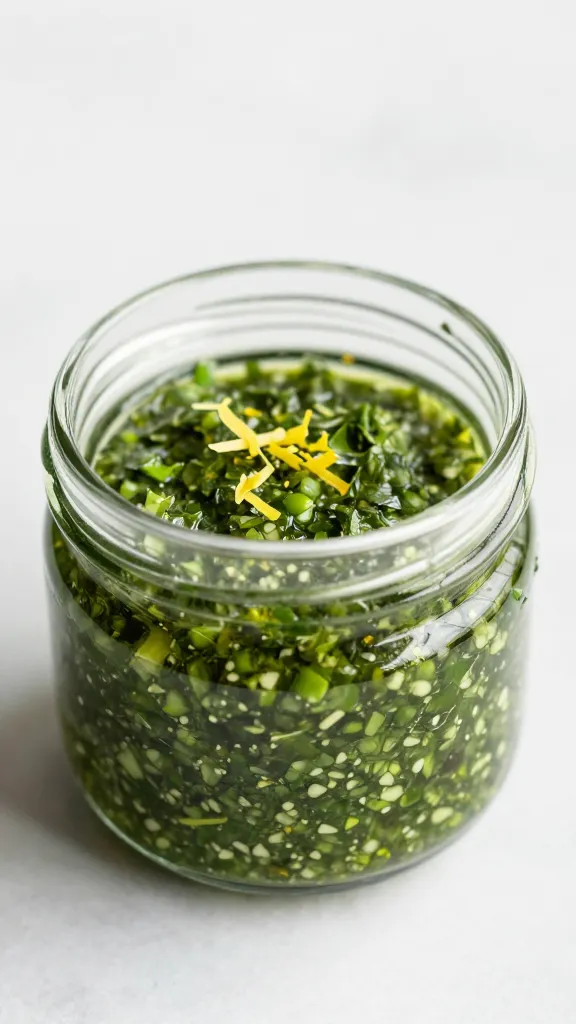
Grilled steak and chimichurri? Sure, classic. But this coastal version plays beautifully with seafood and veggies. IMO, it’s the fastest way to pretend you know your way around a fire pit.
- Grilled shrimp with a squeeze of lemon and a heavy spoonful of chimichurri. Weekend, sorted.
- Roasted cauliflower steaks for your veg-curious friend. They’ll ask for the recipe. Pretend it’s a family secret.
- Seared tuna or swordfish. The acid cuts through the richness like a tiny culinary ninja.
- Charred carrots with feta and a chimichurri drizzle. Fancy brunch move, minimal effort.
- Leftover chicken in a grain bowl with cherry tomatoes, cucumbers, and chimichurri spooned on top. Lunch = not sad.
Marinade vs. Finishing Sauce
– As a marinade: Swap half the olive oil for neutral oil, add extra vinegar, and pull the garlic back slightly. Marinate proteins 30–60 minutes.
– As a finisher: Keep it thick and vivid. Spoon it over hot food so the heat wakes up the aromatics.
Ingredient Swaps That Still Feel Coastal
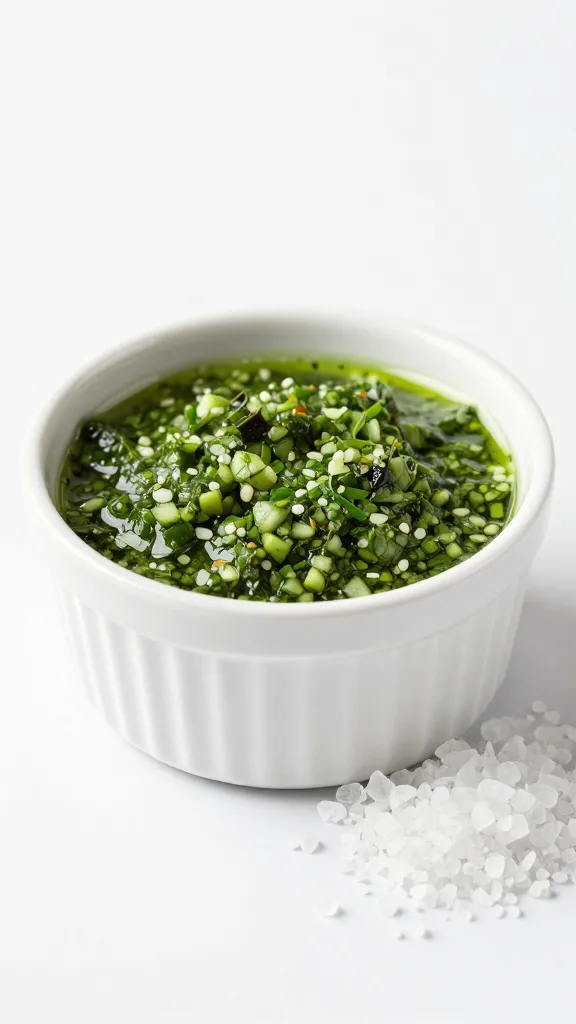
Purist alert: no, it won’t taste identical, but it’ll still slap.
- Vinegar: Sub rice vinegar (softer) or sherry vinegar (rounder). Avoid balsamic unless you enjoy chaos.
- Heat: Fresh chile (Fresno, red jalapeño) for brighter heat, or Aleppo pepper for gentle warmth.
- Herbs: Add a little fresh thyme or celery leaf. Keep parsley + oregano as the anchors.
- Citrus: Lemon is classic coastal; lime brings a perkier, almost ceviche-adjacent vibe.
- Texture boost: A spoon of capers or finely chopped green olives adds briny coastal energy.
Timing, Storage, and Safety
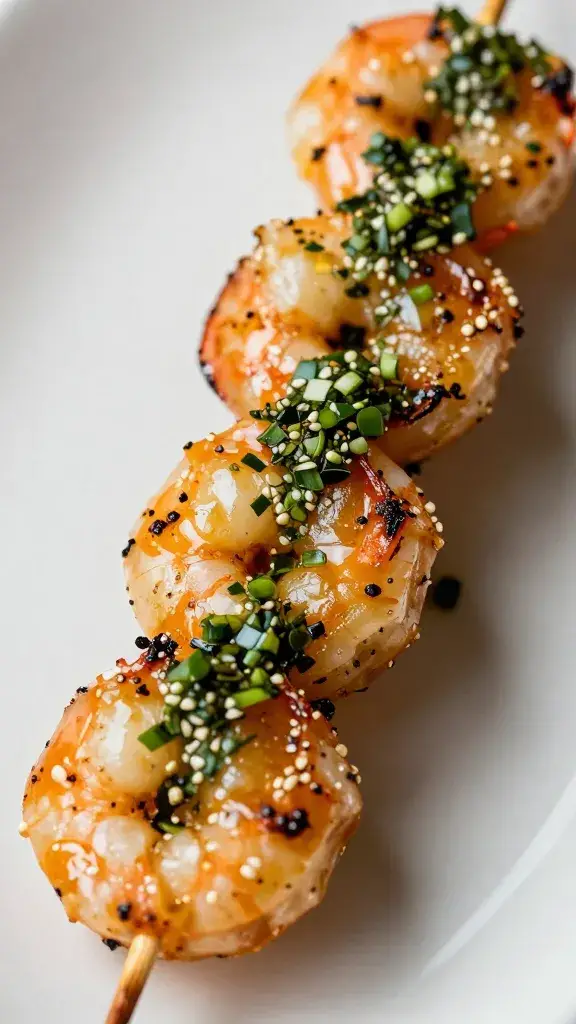
Chimichurri tastes best when it rests a bit. The garlic chills out, the oregano blooms, and everything gets friendly.
- Rest time: 15–30 minutes at room temp before serving.
- Fridge: Keeps 3–4 days in a sealed jar. The flavor intensifies, so add a splash of oil and vinegar before using.
- Freezer: Freeze in small portions (ice cube tray, hello). Thaw and refresh with lemon zest and fresh parsley.
- Food safety: Always use clean utensils. Acid and salt help, but they don’t grant immortality.
Fix-It Guide
– Too bitter? Add a pinch of sugar or more lemon zest. Also, check your olive oil—some are aggressively peppery.
– Too oily? Add vinegar and a pinch of salt. Stir like you mean it.
– Too garlicky? Stir in more parsley, or let it sit longer. Time softens the punch.
Pairing Ideas That Just Make Sense
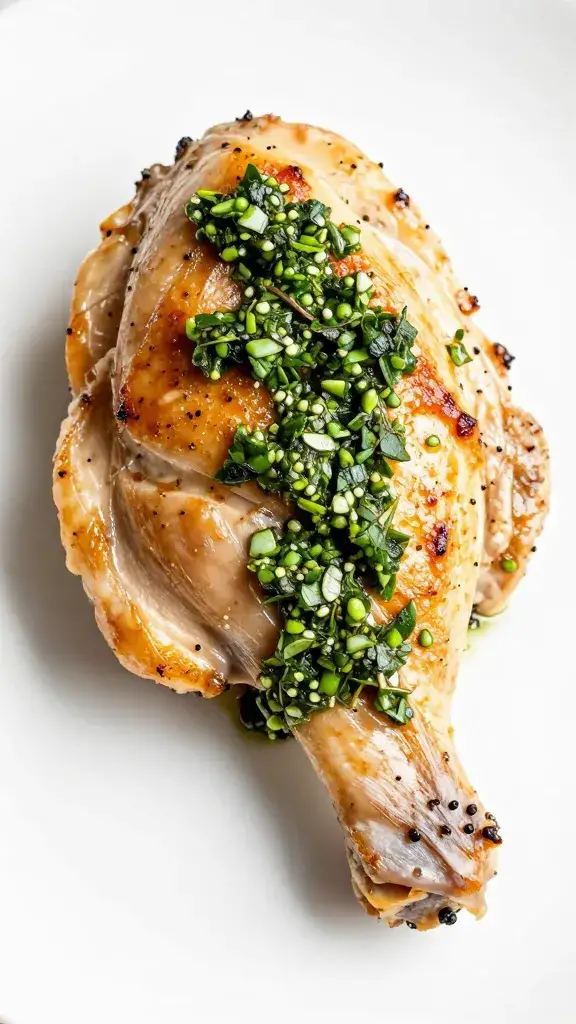
Want to serve a whole coastal-feeling meal without hiring a yacht? Try these combos:
- Grilled prawns + charred lemon + chimichurri, with a side of smashed potatoes.
- Flank steak tacos with chimichurri, pickled red onions, and crunchy slaw.
- Roasted salmon over farro with tomatoes, cucumbers, and a generous spoon of sauce.
- Grilled halloumi and zucchini ribbons, drenched in chimichurri. Salty, herby, perfect.
FYI, good bread and a bowl of chimichurri make a perfect pre-dinner snack. It’s basically chips and salsa but wearing a nicer shirt.
FAQs
Can I make chimichurri a day ahead?
Absolutely. The flavors meld overnight, and the oregano gets even more defined. Before serving, stir in a touch of fresh parsley and a splash of vinegar to brighten it back up.
Does fresh or dried oregano matter more?
They do different jobs. Dried oregano gives classic chimichurri backbone; fresh adds aroma and a tender green note. Use both for the best “coastal” vibe, IMO.
How fine should I chop everything?
Aim for small, even pieces you can see. You want texture, not paste. Finely mince garlic, and chop herbs as if you respect them but you’re also a little late for dinner.
Will a blender ruin it?
“Ruin” is strong, but it will change the texture. Blenders bruise herbs and create a puree. If you insist, pulse very briefly and finish by hand. Your future self will thank you.
What protein works best with the coastal version?
Seafood, hands down—shrimp, swordfish, tuna, even octopus if you’re feeling bold. That extra acidity and oregano sing over rich, charred edges. Steak still loves it, obviously.
Is it supposed to be spicy?
Just a little. Coastal chimichurri brings warmth, not a fire drill. Adjust red pepper to taste, and remember you can always add more but you can’t subtract heat (science!).
Conclusion
Chimichurri de la Costa delivers bright oregano energy, crisp acidity, and enough garlic to make your neighbors curious. It’s unfussy, fast, and wildly versatile—marinade, finisher, dip, you name it. Make a jar, give your food a coastal upgrade, and enjoy the smug satisfaction of a sauce that works way harder than you did to make it. IMO, that’s the best kind of kitchen magic.