
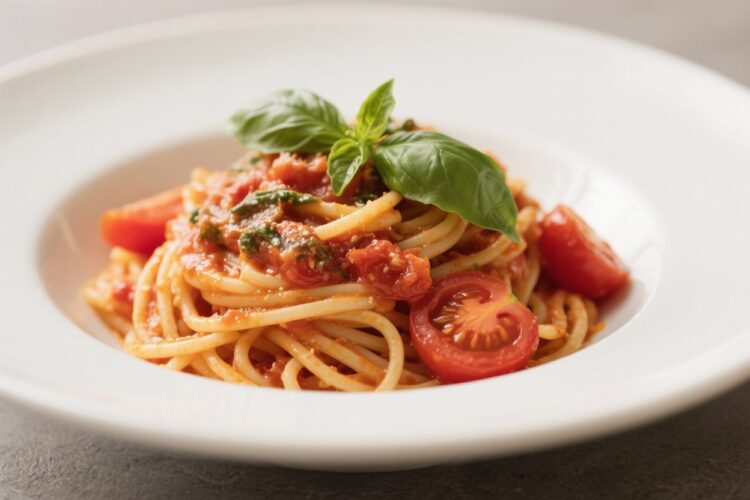
Tomato Basil Pasta is the kind of meal you make when you want something bright, fast, and deeply satisfying. It’s built on a few fresh ingredients that sing when put together the right way: ripe tomatoes, garlic, basil, and good olive oil. The sauce comes together in the time it takes to boil the pasta, which is perfect for busy weeknights.
It tastes like summer but works any time of year. Serve it as a main dish with a green salad, or as a side with chicken or fish.
What Makes This Special
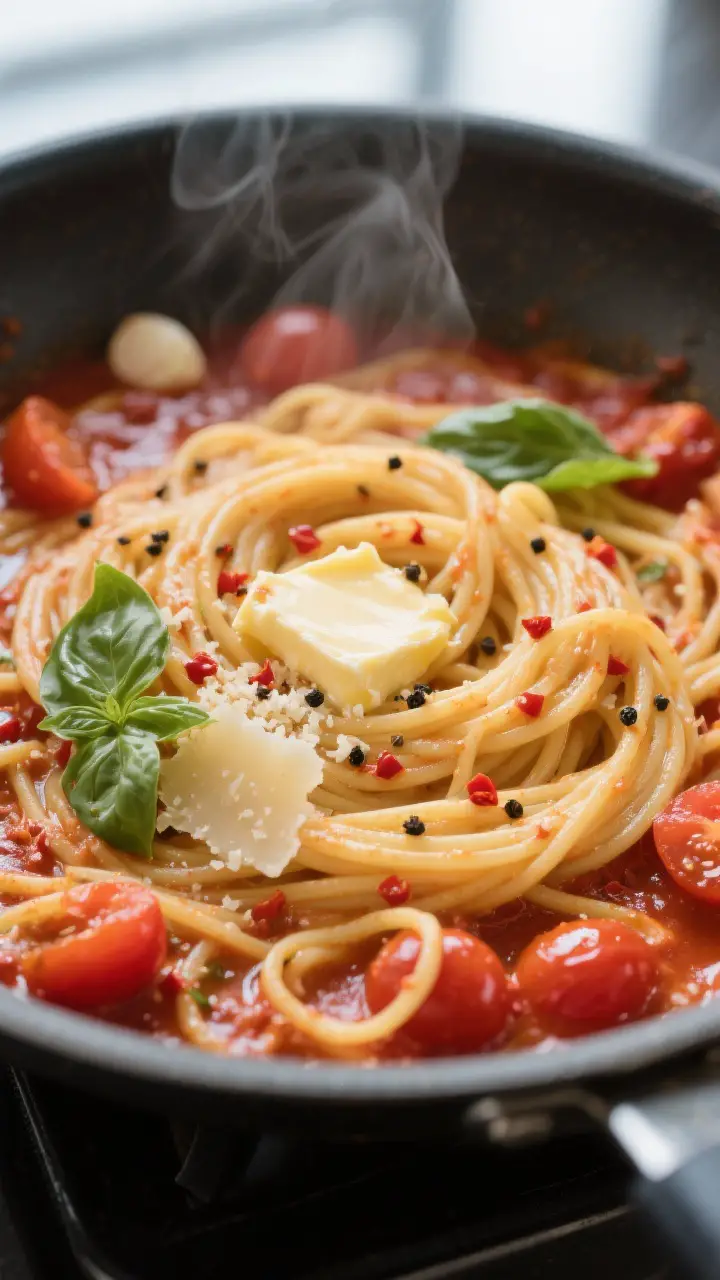
This pasta celebrates simplicity. Instead of loading the sauce with heavy ingredients, it relies on the natural sweetness of tomatoes and the fragrance of basil.
It’s quick to make, yet it feels elegant and comforting.
It’s also flexible. You can use cherry tomatoes when larger tomatoes aren’t in season, or swap in canned San Marzano tomatoes for a cozy, saucier version. Everything happens in one pan plus a pot, which keeps cleanup low and the flavor high.
What You’ll Need
- 12 ounces pasta (spaghetti, linguine, or penne work well)
- 2 tablespoons extra-virgin olive oil, plus more for finishing
- 3–4 garlic cloves, thinly sliced
- 1/4 teaspoon red pepper flakes (optional, for gentle heat)
- 1.5 pounds ripe tomatoes, chopped (or 2 pints cherry tomatoes, halved)
- 1 teaspoon kosher salt, plus more to taste
- Freshly ground black pepper
- 1/2 cup fresh basil leaves, torn
- 1–2 teaspoons balsamic vinegar (optional, for brightness)
- 1/2 cup grated Parmesan or Pecorino Romano, plus more for serving
- 1 tablespoon butter (optional, for silkiness)
- Reserved pasta water (very important for the sauce)
How to Make It
- Boil the pasta. Bring a large pot of salted water to a boil.
Add the pasta and cook until just shy of al dente. Scoop out about 1 cup of the starchy pasta water, then drain.
- Sauté the aromatics. While the pasta cooks, heat olive oil in a wide skillet over medium heat. Add the sliced garlic and red pepper flakes.
Cook 30–60 seconds until fragrant, watching closely so the garlic doesn’t brown.
- Build the tomato base. Add the chopped tomatoes and 1 teaspoon salt. Stir and let them simmer 5–8 minutes, stirring occasionally, until they break down and release juices. If using cherry tomatoes, press some with a spoon to help them burst.
- Create a glossy sauce. Splash in 1/2 cup reserved pasta water and simmer 1–2 minutes.
The starch helps the sauce cling to the pasta. Adjust with more water as needed to keep it loose and silky, not watery.
- Add the pasta. Toss the drained pasta directly into the skillet. Cook together over medium heat for 1–2 minutes so the pasta absorbs the sauce.
Add the butter, if using, and stir until melted.
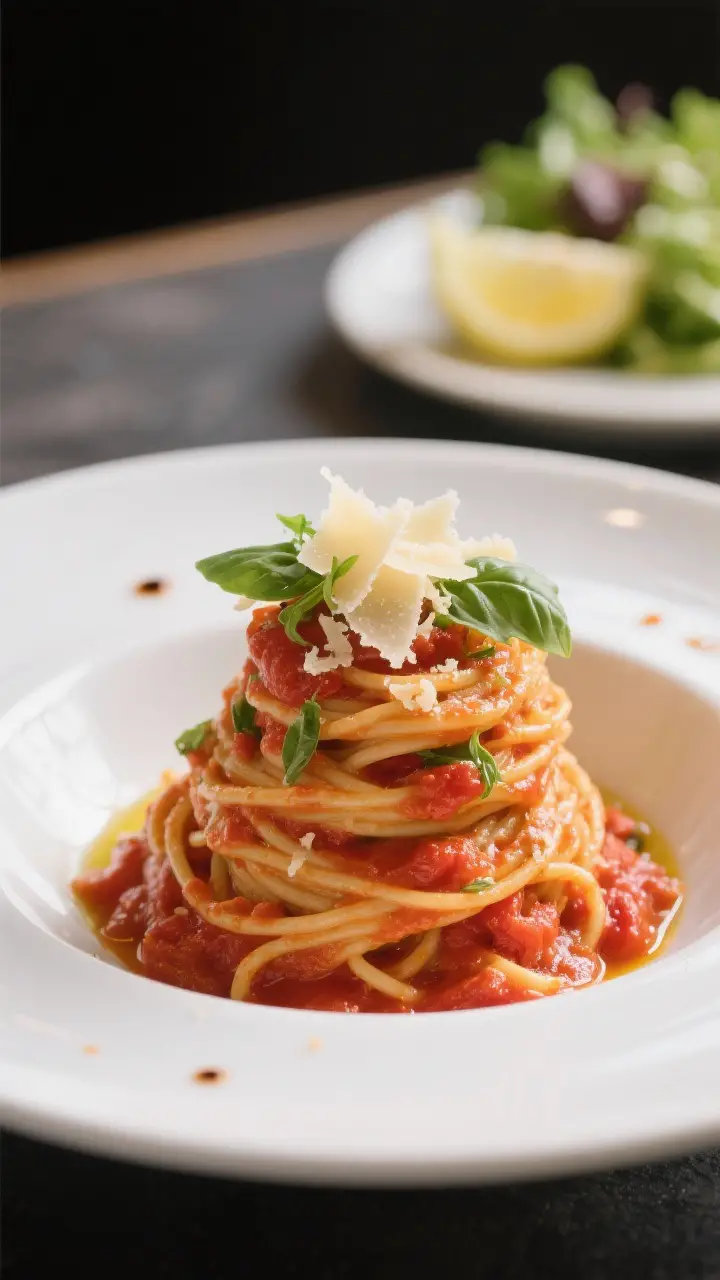
- Finish with basil and cheese. Turn off the heat. Add torn basil, grated cheese, and a drizzle of olive oil. If you like more tang, add the balsamic vinegar.
Toss until everything is glossy and well coated.
- Taste and adjust. Season with more salt and black pepper as needed. If it feels tight, loosen with another splash of pasta water. Serve immediately with extra cheese on top.
Keeping It Fresh
Use the ripest tomatoes you can find.
In off-season months, canned whole tomatoes or good-quality cherry tomatoes will give you reliable flavor. Tear the basil right before adding it so it stays aromatic and vibrant.
Don’t overheat the garlic. It should sizzle gently, not fry.
A quick sauté brings out sweetness without turning bitter. Finish with a light drizzle of olive oil for a fruity, fresh note on the plate.
Health Benefits
- Tomatoes are rich in lycopene, vitamin C, and antioxidants that support heart health and immunity.
- Olive oil provides healthy fats that can help reduce inflammation and support brain health.
- Garlic offers compounds linked to cardiovascular benefits and may support immune function.
- Basil adds vitamin K and plant compounds with antioxidant properties.
- Whole-grain pasta (if you choose it) boosts fiber and keeps you fuller longer.
Common Mistakes to Avoid
- Overcooking the pasta. It should finish in the sauce, not turn mushy in the pot.
- Skipping the pasta water. This starchy liquid is key to a cohesive, glossy sauce.
- Burning the garlic. Bitter garlic can overpower the dish. Keep the heat moderate.
- Using flavorless tomatoes. If fresh tomatoes are bland, use canned San Marzano or add a pinch of sugar to balance acidity.
- Adding basil too early. Heat dulls its flavor.
Stir it in at the end.
Variations You Can Try
- Creamy twist: Stir in a splash of heavy cream or a spoonful of mascarpone before the basil and cheese.
- Garlic butter shrimp: Sear shrimp in butter and garlic, then combine with the sauce and pasta.
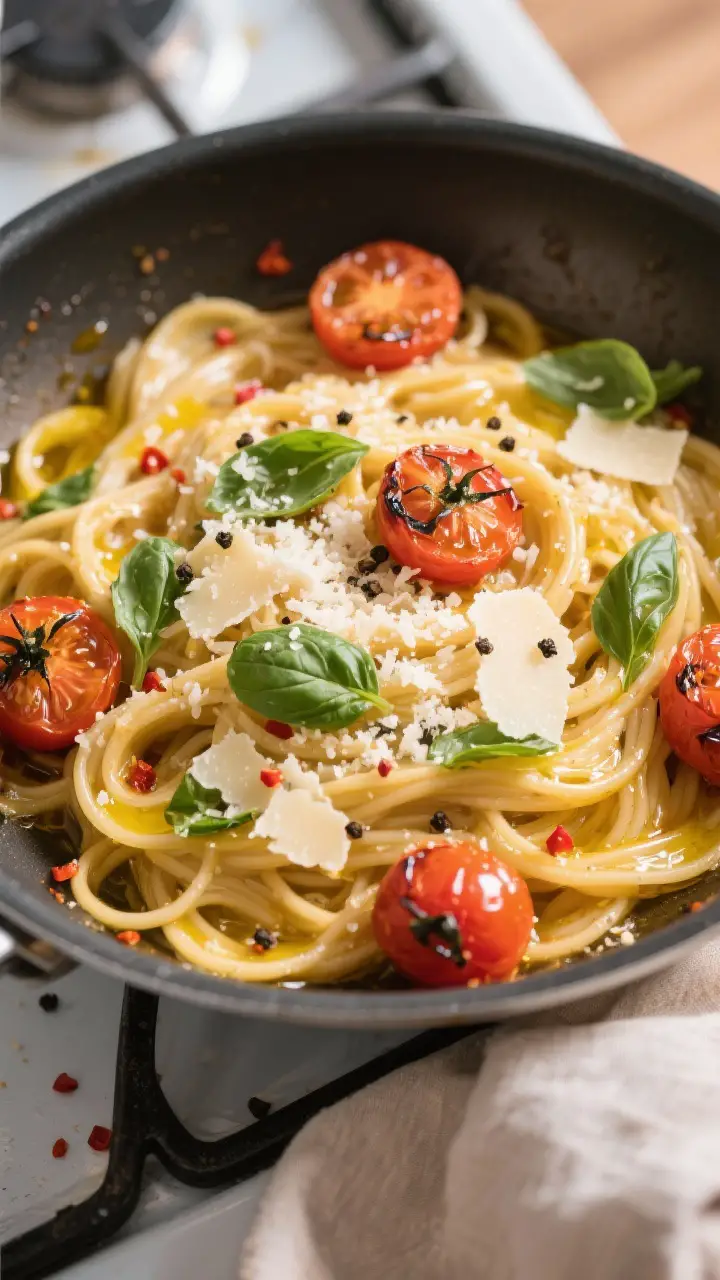
- Roasted tomato depth: Roast cherry tomatoes with olive oil and salt at 400°F (200°C) until blistered, then add to the skillet.
- Spicy arrabbiata vibe: Increase red pepper flakes and add a spoon of tomato paste for intensity.
- Vegan version: Use olive oil only, skip the butter and cheese, and finish with nutritional yeast for savory notes.
- Caprese style: Fold in small mozzarella balls at the end so they soften slightly but don’t fully melt.
- Herb lift: Add a handful of chopped parsley or a few leaves of mint with the basil for brightness.
FAQ
Can I use canned tomatoes?
Yes. Use a 28-ounce can of whole peeled tomatoes. Crush them by hand and simmer a few minutes longer to thicken.
Choose high-quality tomatoes for the best flavor.
What pasta shape works best?
Spaghetti and linguine are classics, but penne, rigatoni, or fusilli hold the sauce well too. Use what you like or have on hand.
How can I make it gluten-free?
Use your favorite gluten-free pasta and watch the cooking time closely. Reserve pasta water as usual; it still helps the sauce come together.
How do I reheat leftovers?
Warm gently in a skillet with a splash of water or broth to loosen the sauce.
Add fresh basil and a little cheese at the end to refresh the flavors.
Can I make the sauce ahead?
Yes. Simmer the tomato-garlic base and cool it. Reheat and finish with basil, cheese, and pasta water right before serving for the freshest taste.
What if my sauce tastes too acidic?
Add a small knob of butter or a pinch of sugar to balance it.
A splash of balsamic can also round out sharp edges.
Do I need both cheese and butter?
No. Cheese adds savory depth, while butter adds silkiness. Use one or both depending on your preference.
Final Thoughts
Tomato Basil Pasta proves that a few good ingredients can create something memorable.
It’s fresh, fast, and friendly to weeknights, yet it feels special enough for company. Keep ripe tomatoes, good olive oil, and a handful of basil in your kitchen, and you’re always a few steps away from a comforting bowl of pasta. Make it your own with a variation or two, and enjoy every twirl.