Key Takeaways
- Learn essential Thanksgiving recipes including turkey preparation, stuffing, and traditional sides
- Discover time-saving preparation techniques and planning strategies
- Explore both traditional and innovative approaches to holiday cooking
- Find the perfect balance of make-ahead components and day-of preparation
- Master portion planning and scaling recipes for different group sizes
- Enhance your holiday meal with unique touches like our Cheesy Winter Green Stuffing with Kale
- Develop confidence in accommodating dietary restrictions without compromising flavor
- Gain professional techniques for perfect turkey roasting, brining, and carving
- Create a stress-free cooking timeline that ensures everything comes together perfectly
- Build transferable culinary skills that enhance your cooking year-round
Introduction to Thanksgiving Cooking Classes
Thanksgiving is a big cooking challenge that mixes tradition and timing. Whether you’re experienced or making your first holiday meal, Thanksgiving cooking classes can really help. At Whaley Cooks, we know how stressful and fun making this special meal can be, so we’ve created helpful guides to help you handle every part of your Thanksgiving dinner.
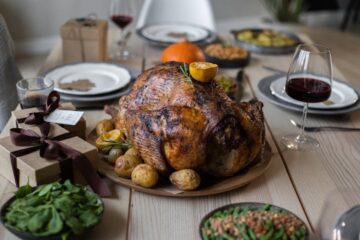
Our Thanksgiving recipe collection is the foundation for our cooking classes, giving you a complete guide to building the perfect holiday menu. From classic favorites to new dishes, we’ll walk you through each step of the preparation, making sure your celebration is tasty and memorable.
Thanksgiving cooking classes give you more than just recipes—they provide an organized approach to meal planning, cooking techniques, and timing strategies that reduce stress and make cooking more fun. Whether you want to perfect your turkey roasting or try new side dishes, our classes cover all the basics while letting you customize based on what you like and how much cooking experience you have. These classes help you face the holiday with confidence, turning what could be an overwhelming cooking day into a meaningful experience that celebrates both tradition and your own creativity.
The Benefits of Taking Thanksgiving Cooking Classes
Learning to make a Thanksgiving feast through cooking classes offers many benefits beyond just following recipes. These classes give you complete knowledge that builds confidence and cooking skills you can use in many other situations. From learning basic techniques to understanding the science behind cooking methods, students gain insights that change how they approach holiday meals and everyday cooking.
One of the main benefits is learning professional time management. Our dinner planning guides break down the big task of preparing multiple dishes into manageable timelines, teaching you how to work backward from serving time so everything comes together perfectly. This skill alone can change your holiday cooking from stressful to enjoyable. Professional chefs have perfected these scheduling approaches over years, and cooking classes give you direct access to this valuable knowledge, helping you avoid common timing mistakes that can ruin even the most carefully planned meal.
Cooking classes also give you hands-on experience with techniques you might be scared to try on your own. From properly spatchcocking a turkey to getting the perfect texture in your mashed potatoes, expert guidance helps you master techniques that make your dishes better. You’ll also learn useful substitutions to handle dietary restrictions or preferences without losing flavor. These skills to adapt are super helpful when unexpected things happen, like last-minute guests or forgotten ingredients, giving you the confidence to improvise successfully instead of panicking.
Maybe most importantly, Thanksgiving cooking classes build confidence. With professional instruction and practice, you’ll approach the holiday feeling sure of yourself instead of anxious, knowing you have the skills to create a great meal for your loved ones. This confidence goes beyond the kitchen, letting you be more present with family and friends during the celebration instead of feeling stressed about the meal. Many students say this mental benefit—the peace of mind that comes with good preparation and skill development—is the most valuable thing they get from their cooking class experience.
Why Local Cooking Classes Make a Difference
While online resources are valuable, attending local cooking classes offers unique benefits. You’ll connect with community members who share your culinary interests, learn about regional variations and traditions, and potentially discover local sources for fresh, seasonal ingredients that can elevate your Thanksgiving meal. Many local cooking schools offer special holiday workshops in the weeks leading up to Thanksgiving—check community centers, culinary stores, and adult education programs in your area for opportunities.
Essential Thanksgiving Recipes Covered in Classes
Our Thanksgiving cooking classes focus on mastering the basic dishes that make up a traditional holiday feast. These essential recipes mix time-tested techniques with modern approaches to create a meal that respects tradition while fitting today’s tastes and dietary needs. Each recipe is carefully chosen to provide both classic flavors and chances to develop cooking skills you can use all year long.
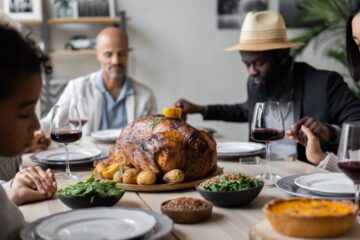
At the center of any Thanksgiving menu is the turkey. Our classes cover multiple ways to cook it, from traditional roasting to spatchcocking for faster, more even cooking. You’ll learn proper brining techniques, temperature monitoring, and resting protocols to ensure a juicy bird. We emphasize food safety throughout, teaching the proper thawing guidelines (about one day per 4-5 pounds) and internal temperature targets (155-160°F before resting). Beyond these basics, we explore the science behind successful turkey preparation, explaining how brining affects protein structures and why resting is crucial for moisture retention—knowledge that applies to all meat cookery, not just holiday turkeys.
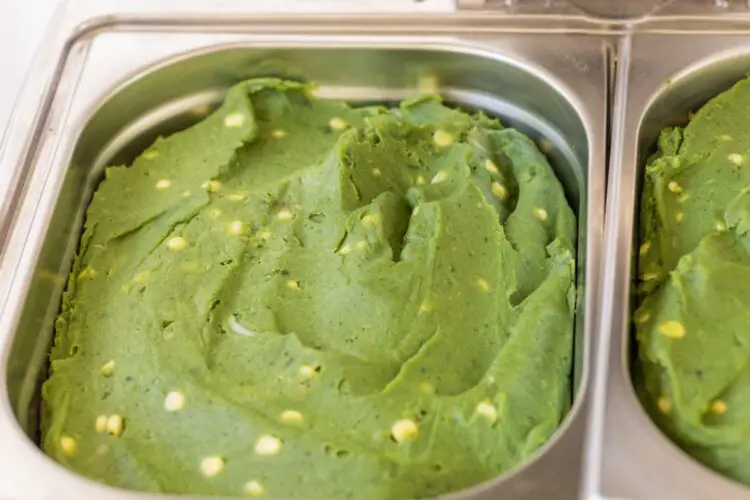
Alongside the turkey, we explore various stuffing preparations, including our signature Cheesy Winter Green Stuffing with Kale. This innovative dish incorporates hearty greens and savory cheese for a lighter yet deeply satisfying version of the traditional favorite. As one participant noted, “Learning to make stuffing with fresh ingredients rather than boxed mix completely transformed my Thanksgiving table.” Our classes demonstrate both in-bird and casserole-style stuffing preparations, discussing the safety considerations, texture differences, and flavor development unique to each approach. We also cover regional stuffing variations that reflect America’s diverse culinary heritage, from Southern cornbread dressing to New England oyster stuffing.
Our soup collection provides excellent starter options, teaching you how to prepare make-ahead soups that can be reheated just before serving, reducing day-of cooking stress. From classic butternut squash bisque to heartier options, these recipes set the perfect tone for your meal. Soup preparation also teaches fundamental culinary techniques including flavor building, proper seasoning, and texture refinement through methods like straining, pureeing, and garnishing. These versatile skills translate to countless other cooking applications, making soup preparation an excellent educational foundation for developing cooks. Additionally, our classes demonstrate how to scale soup recipes appropriately for different group sizes, a particularly valuable skill for holiday entertaining.
Advanced Techniques for the Experienced Cook
For those who have mastered the basics of Thanksgiving cooking, our advanced classes teach sophisticated techniques and creative twists on traditional dishes. These sessions are designed to expand your cooking skills and bring new excitement to your holiday table. By exploring modern approaches and professional methods, experienced cooks can make their Thanksgiving meal even more special, impressing guests while continuing to grow their cooking abilities.
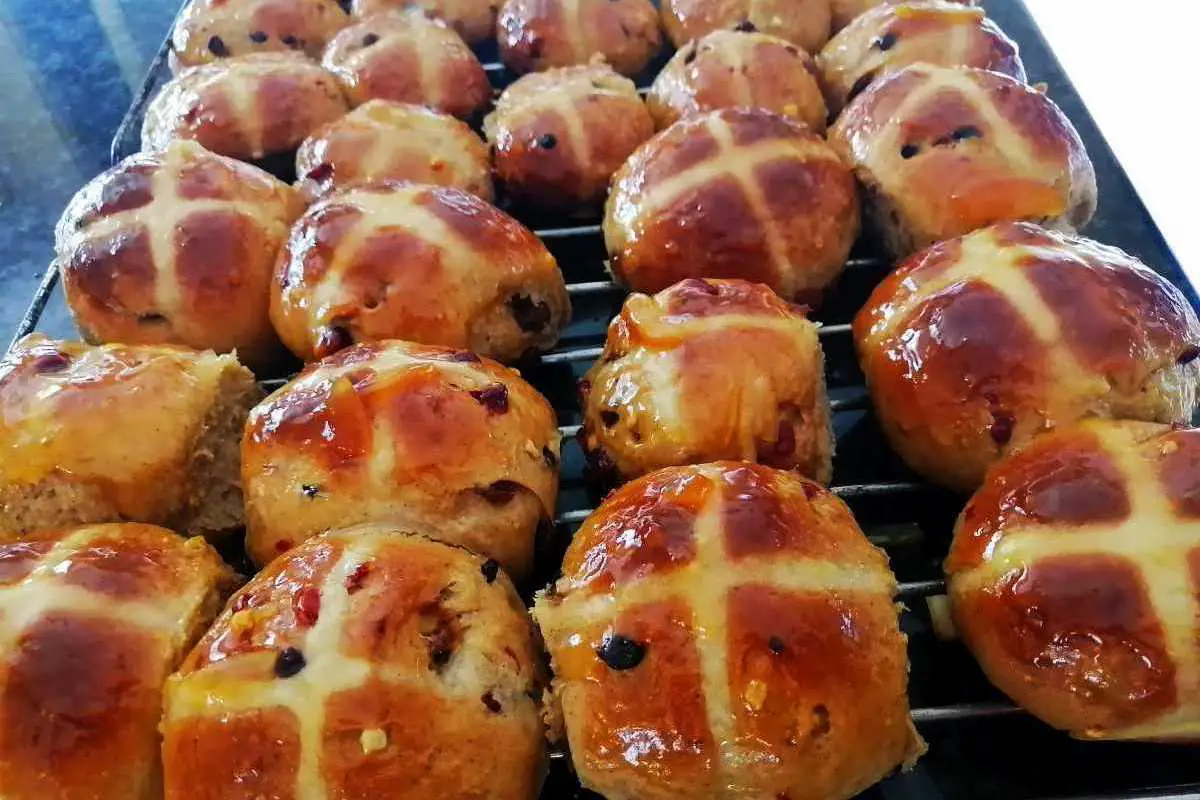
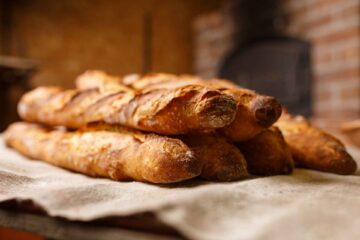
One area where experienced cooks can improve their Thanksgiving menu is through artisanal bread baking. Our advanced classes teach techniques for creating rustic dinner rolls, herb-infused focaccia, and other bread varieties that complement the flavors of your feast. Homemade bread adds a special touch that guests always notice and appreciate. These sessions cover advanced bread-making concepts such as preferments, proper gluten development, and creating distinctive crust textures. Participants learn to incorporate seasonal ingredients like roasted garlic, herbs, and nuts into their bread formulations, creating signature items that become treasured holiday traditions. The science of fermentation and the art of shaping are explored in depth, providing skills that transfer to year-round baking endeavors.
We also explore sophisticated turkey preparations beyond the standard roast, including sous vide methods followed by a high-heat finish for perfect doneness, deboned and stuffed presentations that simplify carving, and advanced brining techniques using flavor infusions. These methods require more preparation but yield remarkable results worth the effort. Our advanced classes demonstrate professional butchery techniques for breaking down whole turkeys, creating elegant rolled roasts, and preparing multiple cooking methods for different parts of the bird to optimize flavor and texture. Participants learn to create rich, complex stocks from turkey parts for exceptional gravy and develop skills for creating showstopping presentations that maintain optimal serving temperature.
For side dishes, our advanced classes cover techniques like vegetable fermentation for make-ahead condiments, modern approaches to traditional casseroles using local and seasonal ingredients, and inventive preparations that introduce unexpected flavors while honoring the spirit of the holiday. As one participant commented, “The advanced techniques I learned completely transformed my green bean casserole from a convenience food dish to something truly spectacular.” These sessions explore contemporary culinary trends like charring, pickling, and utilizing unusual texture contrasts to create memorable dishes that provide counterpoints to the meal’s richer components. We also cover professional plating and serving techniques that enhance the visual appeal of the meal without sacrificing practicality for home entertaining.
Planning and Preparation Strategies
One of the most valuable parts of Thanksgiving cooking classes is learning effective planning and preparation strategies that change an overwhelming cooking marathon into a manageable, even fun process. Our classes focus on organization and advance preparation as key parts of a successful holiday meal. This organized approach allows hosts to spend more time with guests and less time frantically managing last-minute cooking tasks, creating a more relaxed and meaningful celebration for everyone.
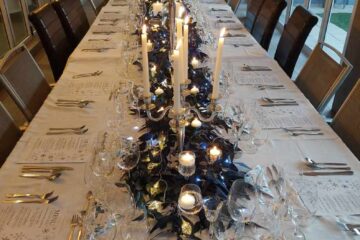
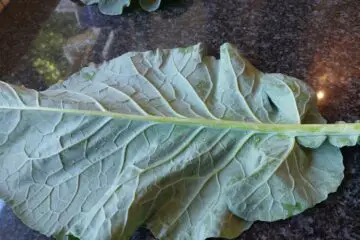
Our complete Thanksgiving dinner planning guide provides a detailed timeline starting two weeks before the holiday. This approach breaks down tasks into manageable daily activities, preventing last-minute rushes and reducing stress. Students learn to create detailed shopping lists organized by store department and purchase date to ensure freshness while avoiding forgotten ingredients. The guide includes inventory assessments for pantry staples, equipment needs, and serving pieces, eliminating unpleasant surprises during crucial cooking moments. We also teach participants to develop contingency plans for common holiday cooking emergencies, from undercooked turkey to lumpy gravy, providing both prevention strategies and quick fixes.
A critical planning skill we teach is identifying which components can be prepared in advance. Many dishes can be partially or completely prepared days before the holiday, including cranberry sauce, pie dough, soup bases, and even some vegetable preparations. Our classes demonstrate proper storage techniques and reheating methods to maintain quality and freshness. We provide specific guidance on optimal preparation timing for each component, explaining which dishes benefit from advance preparation and which are best made shortly before serving. Participants learn to recognize the difference between truly make-ahead items and those that merely have components that can be prepared in advance, an important distinction for maintaining quality.
We also cover kitchen organization strategies that maximize efficiency on Thanksgiving Day. Students learn to create cooking schedules that account for oven space and temperature requirements, stovetop availability, and resting times. This includes planning which serving dishes will be used for each component and labeling them in advance—a simple step that prevents last-minute confusion. Our classes teach techniques for managing kitchen workflow, including mise en place strategies that professional chefs use to maintain organization during complex cooking projects. Participants develop personalized station setups that accommodate their kitchen layout and equipment availability, creating intuitive workflows that reduce physical and mental fatigue during intensive cooking periods.
Specialized Dietary Accommodations
Modern Thanksgiving gatherings often include guests with different dietary needs and preferences. Our cooking classes address this reality by teaching techniques for creating inclusive holiday meals that everyone can enjoy without feeling left out. These approaches focus on keeping the spirit and flavors of traditional dishes while adapting them to accommodate various dietary requirements, making sure all guests feel welcomed and considered at your holiday table.
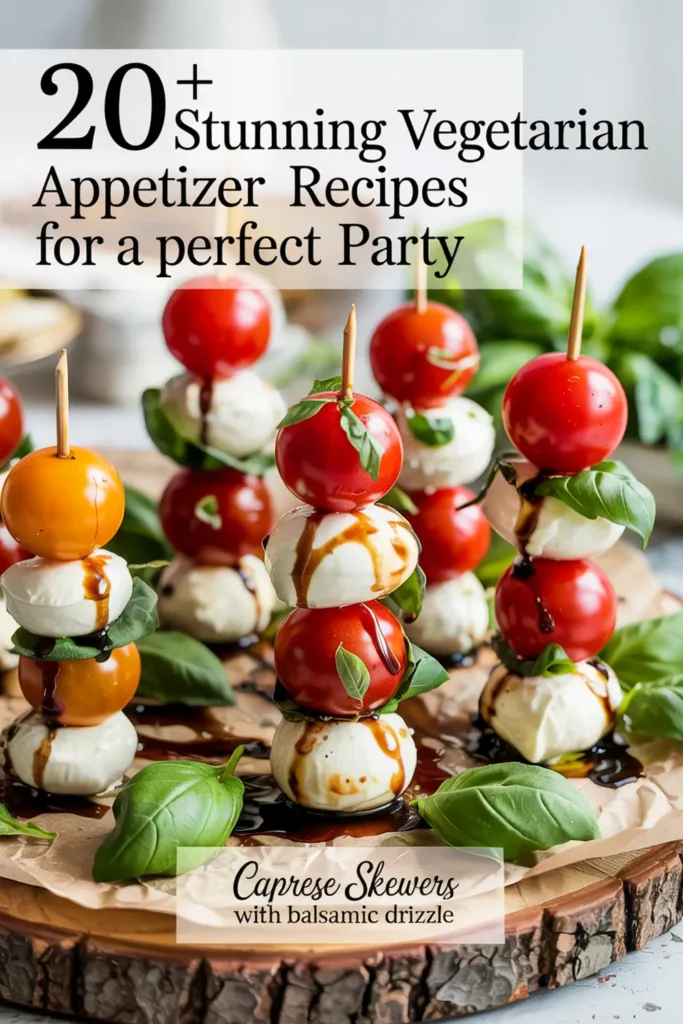
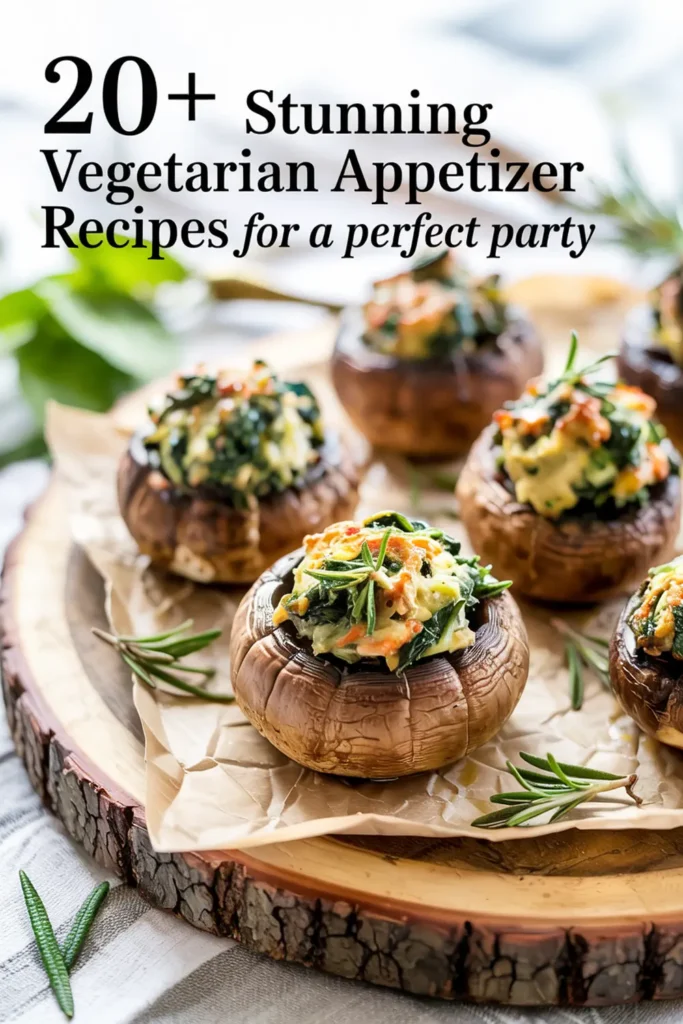
For vegetarian and vegan guests, our classes show how to create satisfying main dishes that capture the spirit of the holiday while fitting plant-based diets. Rather than just offering side dishes, we teach techniques for creating centerpiece-worthy options like stuffed squash, mushroom Wellington, or hearty grain-based casseroles. Our vegetarian appetizer collection provides excellent starting points for inclusive holiday meals. The classes explore umami-rich ingredients that create depth of flavor without animal products, teaching participants to build satisfying vegetarian dishes using techniques like roasting, caramelization, and proper seasoning. We also address protein considerations for plant-based mains, ensuring nutritional balance alongside satisfying flavors and textures.
Gluten-free cooking presents particular challenges during Thanksgiving, as many traditional dishes rely on wheat-based ingredients. Our classes cover gluten-free alternatives for stuffing, gravy, and desserts that maintain the familiar flavors and textures guests expect. We emphasize the importance of preventing cross-contamination for those with celiac disease or severe gluten sensitivity. Participants learn about the properties of different gluten-free flours and binding agents, understanding how to adapt recipes successfully rather than simply substituting ingredients. Special attention is paid to techniques for achieving proper texture in notoriously challenging gluten-free applications like pie crust and dinner rolls, with demonstrations of reliable methods that produce excellent results.
For guests with other dietary restrictions, we teach adaptation techniques rather than complete recipe overhauls. For example, students learn to prepare a portion of mashed potatoes without dairy before adding butter and cream to the main batch, or to set aside plain roasted vegetables before glazing the remainder. These simple approaches ensure everyone can enjoy the core flavors of the meal. Our classes also cover strategies for accommodating multiple dietary restrictions simultaneously, helping hosts navigate potentially complex situations without becoming overwhelmed. Participants develop skills for identifying common allergens in traditional recipes and learn to create versatile base preparations that can be customized for different needs without requiring entirely separate dishes.
Creating an Inclusive Menu
When planning for diverse dietary needs, communication is key. We recommend creating a simple menu card that indicates which dishes are suitable for different dietary requirements. This thoughtful touch helps guests navigate the buffet without repeatedly asking about ingredients, making the experience more comfortable and enjoyable for everyone involved.
Innovative Side Dishes and Appetizers
While traditional dishes form the backbone of Thanksgiving dinner, creative sides and appetizers can bring fresh excitement to the table without overshadowing familiar favorites. Our cooking classes explore creative approaches that honor tradition while introducing new flavors and techniques. These thoughtfully designed recipes provide opportunities to incorporate seasonal ingredients, accommodate diverse preferences, and showcase your culinary creativity while maintaining the comforting essence that makes Thanksgiving meals so special.
Our signature Cheesy Winter Green Stuffing with Kale exemplifies this approach, reimagining traditional bread stuffing with nutritious greens and savory cheese. This modern interpretation maintains the comforting qualities of classic stuffing while introducing brighter flavors and additional nutritional benefits. As the recipe description notes, it offers “a fresh take on the classic by incorporating hearty greens and savory cheese for a comforting, crowd-pleasing dish.” The combination of traditional bread base with contemporary ingredients creates a bridge between classic expectations and modern nutritional awareness, satisfying both traditionalists and those seeking lighter options. Our classes demonstrate how to balance these elements successfully, creating dishes that feel both familiar and fresh.
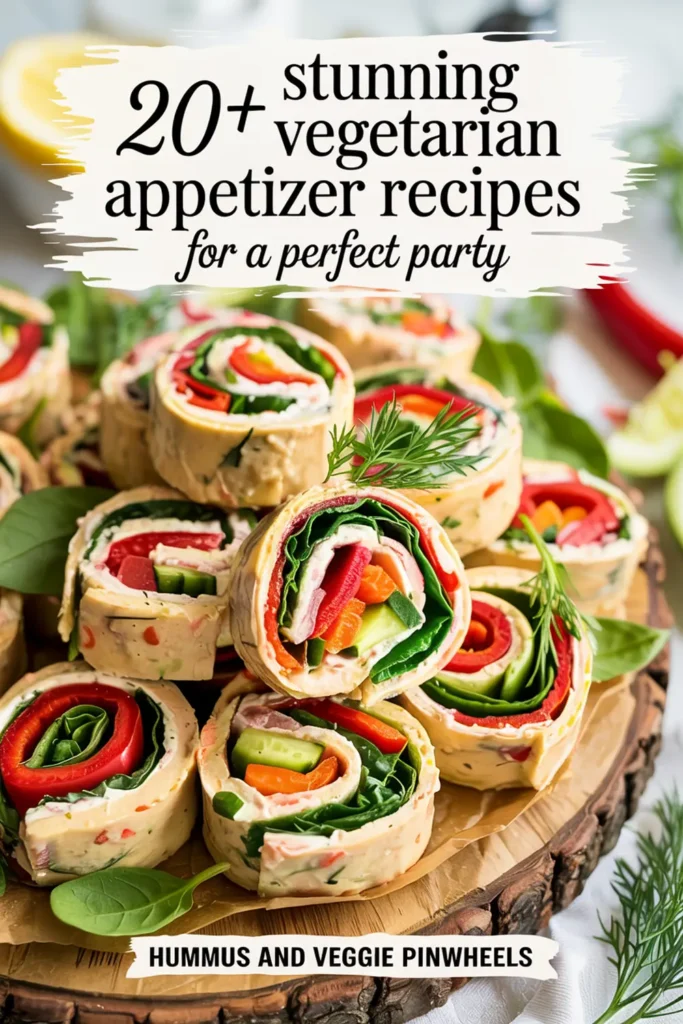
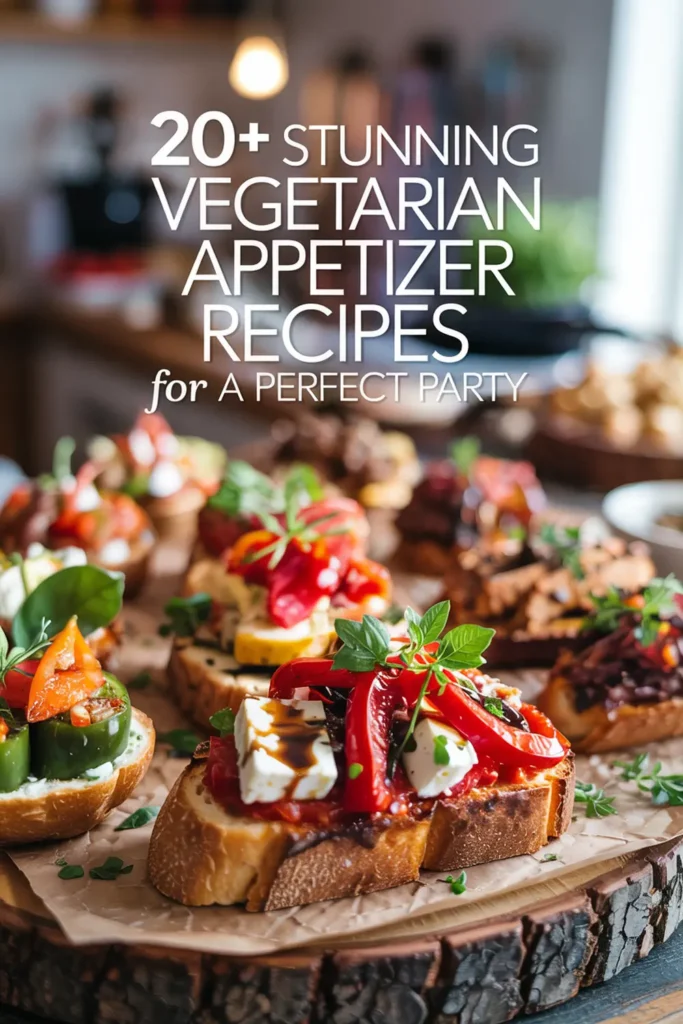
For appetizers, we teach strategies that balance impressive presentation with practical preparation constraints. Our classes emphasize make-ahead options that can be assembled or reheated quickly before guests arrive, preventing kitchen congestion during the critical final hours of dinner preparation. The vegetarian appetizer collection includes numerous options perfect for Thanksgiving, including elegant bruschetta variations and stuffed mushrooms. We explore appetizer selection strategies that complement rather than compete with the main meal, teaching participants to consider flavor progression, texture variety, and appropriate portion sizes. Special attention is paid to appetizers that can be enjoyed at room temperature, eliminating timing concerns and allowing hosts to focus on final dinner preparations.
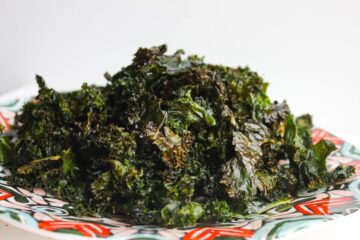
Our snack recipes provide excellent options for pre-dinner nibbles that won’t spoil appetites but will keep guests satisfied during the final preparation phase. Lighter options like kale chips and homemade crackers pair beautifully with more substantial appetizers, creating a balanced selection that accommodates different preferences. These thoughtfully chosen starter items serve an important practical purpose beyond their culinary appeal—they help manage guest expectations and hunger levels during the final cooking period, when delicious aromas fill the house but dinner may still be an hour away. Our classes teach participants to view appetizers as both culinary offerings and strategic tools for successful entertaining, selecting options that satisfy guests without overwhelming them before the main event.
Mastering the Perfect Turkey
The centerpiece of most Thanksgiving dinners, the turkey often causes the most worry for home cooks. Our cooking classes spend a lot of time on mastering this iconic dish, covering everything from selection and preparation to cooking and carving. Through detailed instruction and hands-on practice, participants develop the knowledge and confidence to create a perfectly cooked turkey that lives up to holiday expectations while avoiding common mistakes that can ruin this central part of the meal.
The journey begins with selecting the right bird. Our classes provide guidance on size calculations (about 1.5 pounds per person for generous portions with leftovers), quality indicators, and the differences between fresh and frozen options. We address common questions about heritage breeds, organic certification, and pre-brined turkeys, helping students make informed choices based on their priorities and budget. Participants learn to evaluate factors like farming practices, flavor profiles of different turkey varieties, and cost-benefit considerations for specialty options. This foundational knowledge empowers cooks to make appropriate selections for their specific situation rather than following generic recommendations that might not suit their needs.
Preparation techniques receive thorough attention, with demonstrations of different approaches including traditional roasting, spatchcocking (removing the backbone to flatten the bird for more even cooking), and butterflying. We emphasize food safety throughout, teaching proper thawing methods (refrigerator thawing at approximately one day per 4-5 pounds) and the importance of avoiding cross-contamination. Participants learn to prepare the turkey for cooking through techniques like trussing, which improves cooking evenness and presentation, and proper placement of temperature probes to ensure accurate readings. Special attention is paid to preparation methods that accommodate different cooking vessels and oven configurations, helping participants adapt techniques to their specific equipment.
The brining debate—whether to brine, dry-brine, or skip this step—is explored in detail, with demonstrations of each method and discussions of their respective advantages. Students learn to create flavorful brine solutions and apply dry-brining techniques that enhance moisture and flavor without the mess of traditional wet brines. We explain the science behind brining, including how salt affects protein structures to improve moisture retention, and help participants determine which approach best suits their situation based on time constraints, refrigerator space, and flavor preferences. This knowledge extends beyond turkey preparation, providing valuable techniques applicable to all poultry and many meat preparations throughout the year.
Time-Saving Techniques for Busy Cooks
Not everyone has the luxury of spending multiple days on Thanksgiving preparation. Our cooking classes include special sessions for busy people who want to create a memorable meal with limited time, teaching efficient techniques that maximize impact while minimizing hands-on preparation time. These practical approaches acknowledge the realities of modern life while preserving the essence of the holiday meal, allowing even those with limited time to create a satisfying and impressive Thanksgiving dinner.
Strategic outsourcing is one approach we teach, helping students identify which components are worth making from scratch and which can be purchased without significant quality compromise. For example, a high-quality bakery pie might be indistinguishable from homemade to most guests, while store-bought gravy rarely matches the depth of flavor achieved with homemade stock. Our dinner planning guide helps identify these strategic decisions. We provide specific guidance on evaluating store-bought options, teaching participants to recognize quality indicators and understand which prepared foods respond well to enhancement techniques like adding fresh herbs or finishing with homemade components. This balanced approach allows busy cooks to focus their limited time on high-impact elements while maintaining overall meal quality.
Make-ahead components form another cornerstone of time-efficient cooking. Our classes demonstrate numerous dishes that can be prepared days in advance and refrigerated or frozen without quality loss. Cranberry sauce, for instance, actually improves with a few days of refrigeration as flavors meld. Many soups can be prepared up to a week ahead and reheated just before serving. Participants learn proper cooling, storage, and reheating techniques that maintain food safety while preserving flavor and texture. We teach specific methods for revitalizing make-ahead items just before serving, such as adding fresh herbs, acid components, or textural elements that restore freshness impressions without requiring last-minute cooking.
Equipment utilization represents another time-saving strategy. We teach students to maximize their use of slow cookers, pressure cookers, and sous vide equipment to reduce active cooking time while maintaining or even improving quality. For example, mashed potatoes can be prepared in advance and held in a slow cooker, freeing up valuable stovetop space and eliminating last-minute preparation. Participants learn to select appropriate equipment for different components based on their specific needs and available tools. We demonstrate techniques for using multiple cooking methods simultaneously to optimize kitchen efficiency, such as preparing turkey in the oven while using the stovetop for sides and leveraging countertop appliances for additional components. This coordinated approach allows even those with modest kitchen setups to prepare complex meals efficiently.
Time-saving Thanksgiving Preparation Techniques
Make-Ahead Components
Prepare dishes like cranberry sauce up to one week ahead. Flavors improve with refrigeration, saving valuable day-of cooking time.
Equipment Utilization
Use slow cookers to hold mashed potatoes and free up stovetop space. Reduces active cooking time while maintaining food quality.
Strategic Outsourcing
Purchase high-quality ready-made items like dinner rolls or pie crusts. Focus your energy on signature dishes that matter most.
Simplified Recipes
Choose streamlined versions of traditional dishes, like one-pot stuffing. Maintains traditional flavors while reducing complexity.
Source: Data compiled from Thanksgiving preparation research, 2024
Dessert Strategies and Make-Ahead Options
Thanksgiving desserts present unique challenges, as they typically follow an already big meal and compete for limited oven space during preparation. Our cooking classes address these challenges with strategies for creating memorable desserts that complement the main meal while simplifying day-of logistics. Through thoughtful planning and specialized techniques, desserts can become a highlight of the meal rather than a stressful afterthought, providing a perfect conclusion to your holiday celebration.
Make-ahead components are particularly valuable for desserts. Our baking classes teach techniques for preparing pie dough, cookie bases, and cake layers days or even weeks in advance, storing them properly, and assembling final desserts closer to serving time. This approach distributes the workload while ensuring freshness. We demonstrate proper freezing methods for various components, including shaped but unbaked pie crusts, cookie dough, and cake layers, teaching participants how to package items for optimal preservation and how to thaw them properly before final preparation. These techniques not only simplify Thanksgiving cooking but provide valuable skills for year-round entertaining and everyday baking efficiency.
We emphasize dessert selection strategies that balance tradition with practicality. While pumpkin pie might be non-negotiable for many families, complementing it with room-temperature or cold desserts reduces competition for oven space. No-bake cheesecakes, mousse-based desserts, and refrigerator cakes offer elegant alternatives that can be prepared well in advance. Our classes explore the flavor profiles and textural elements that make desserts satisfying conclusions to rich meals, teaching participants to consider palate-cleansing components like citrus or ginger that provide refreshing counterpoints to the savory courses that preceded them. This thoughtful approach to dessert planning ensures that the final course enhances rather than overwhelms the overall dining experience.
For those committed to serving warm desserts, our classes cover reheating techniques that maintain quality. Students learn to prepare pies completely in advance, refrigerate them, and then refresh them in the oven briefly before serving. This approach yields results nearly indistinguishable from freshly baked items while eliminating day-of preparation. We demonstrate specific temperature and timing guidelines for different dessert types, teaching participants to recognize visual and tactile cues that indicate optimal warming. Special attention is paid to maintaining textural integrity during reheating, preventing common problems like soggy crusts or overcooked fillings that can undermine otherwise excellent desserts. These techniques provide confidence in serving warm desserts without the stress of precise last-minute baking.
Dessert Planning Tip
Consider serving dessert after a brief intermission following the main meal. This approach gives guests time to digest before tackling dessert, allows for cleanup of dinner dishes, and provides an opportunity to reheat any desserts that benefit from serving warm. A 30-60 minute break with coffee or digestifs creates anticipation for dessert rather than treating it as an immediate continuation of an already substantial meal.
Conclusion: The Lasting Impact of Thanksgiving Cooking Classes
Thanksgiving cooking classes offer far more than temporary instruction—they provide skills, confidence, and approaches that transform holiday cooking from a potential source of stress into a meaningful expression of care and creativity. The benefits extend well beyond a single meal, influencing how participants approach cooking throughout the year. This lasting impact represents perhaps the most valuable aspect of structured holiday cooking instruction, creating a foundation for culinary growth that continues to develop long after the Thanksgiving table has been cleared.
The technical skills acquired through these classes—from proper knife handling to temperature management—apply to everyday cooking, improving efficiency and results year-round. More importantly, the planning and organizational strategies taught for managing complex holiday meals translate directly to other entertaining situations and even to regular meal preparation, helping participants approach cooking more systematically and confidently. Many students report that the organizational templates and workflow strategies they learn become part of their standard approach to cooking, reducing stress and improving outcomes even for everyday meals. This transfer of skills from special occasion to daily practice represents a significant value beyond the immediate holiday application.
Beyond practical skills, Thanksgiving cooking classes often spark deeper engagement with food and cooking. Many participants report increased interest in exploring new ingredients, techniques, and culinary traditions after experiencing the satisfaction of creating a successful holiday meal. This expanded culinary curiosity enriches daily life and creates opportunities for continued learning and experimentation. The confidence gained through mastering complex holiday preparations often inspires cooks to tackle other ambitious projects they might previously have avoided, creating a positive cycle of skill development and culinary exploration. As cooking becomes more enjoyable and less stressful, many find themselves cooking more frequently and with greater satisfaction, improving both their skills and their daily eating experiences.
Perhaps most significantly, these classes help preserve and evolve food traditions that connect generations and communities. By teaching both classic techniques and adaptive approaches, they ensure that meaningful food traditions remain relevant and accessible in changing times. As one participant eloquently stated, “Learning to make my grandmother’s recipes in a way that works for my modern kitchen and family means her influence will continue for another generation.” This balance of honoring tradition while embracing practical adaptation allows holiday cooking to remain meaningful rather than becoming an obsolete burden. By making these traditions accessible to contemporary cooks with varying skill levels and time constraints, cooking classes help ensure that the communal experience of sharing special meals continues to bring people together in celebration and gratitude.
We invite you to explore our complete Thanksgiving recipe collection and consider how cooking classes might enhance your holiday experience. Whether you’re seeking to master a specific technique, overhaul your entire approach to the holiday, or simply gain confidence in your existing practices, the right instruction can make a meaningful difference in your Thanksgiving celebration. The skills, knowledge, and confidence you develop will serve you not just for one memorable meal, but throughout your culinary journey, creating a lasting foundation for cooking with joy, creativity, and purpose.