
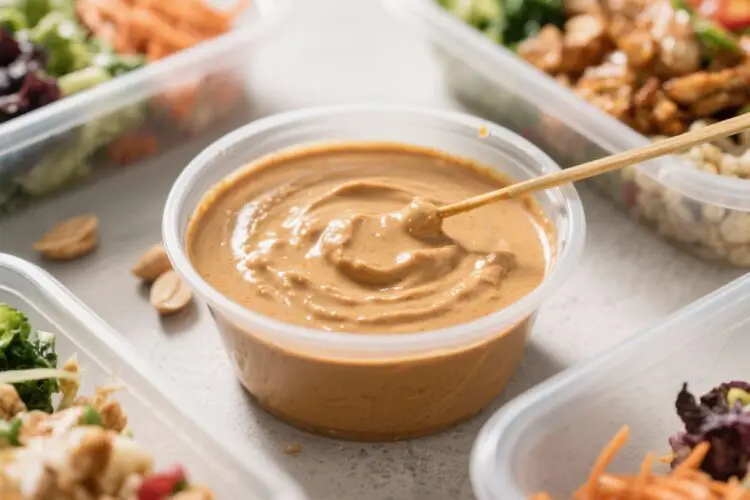
Peanut sauce has a way of making everything taste like it took more effort than it really did. It’s creamy, savory, a little sweet, and just the right amount of tangy. This version is simple, balanced, and designed for “healthy-ish” meal prep bowls that don’t feel like a chore.
Spoon it over chicken, tofu, roasted veggies, or noodles and watch a plain bowl turn into something you actually look forward to eating. It’s fast to make, easy to customize, and stays fresh for days.
What Makes This Special
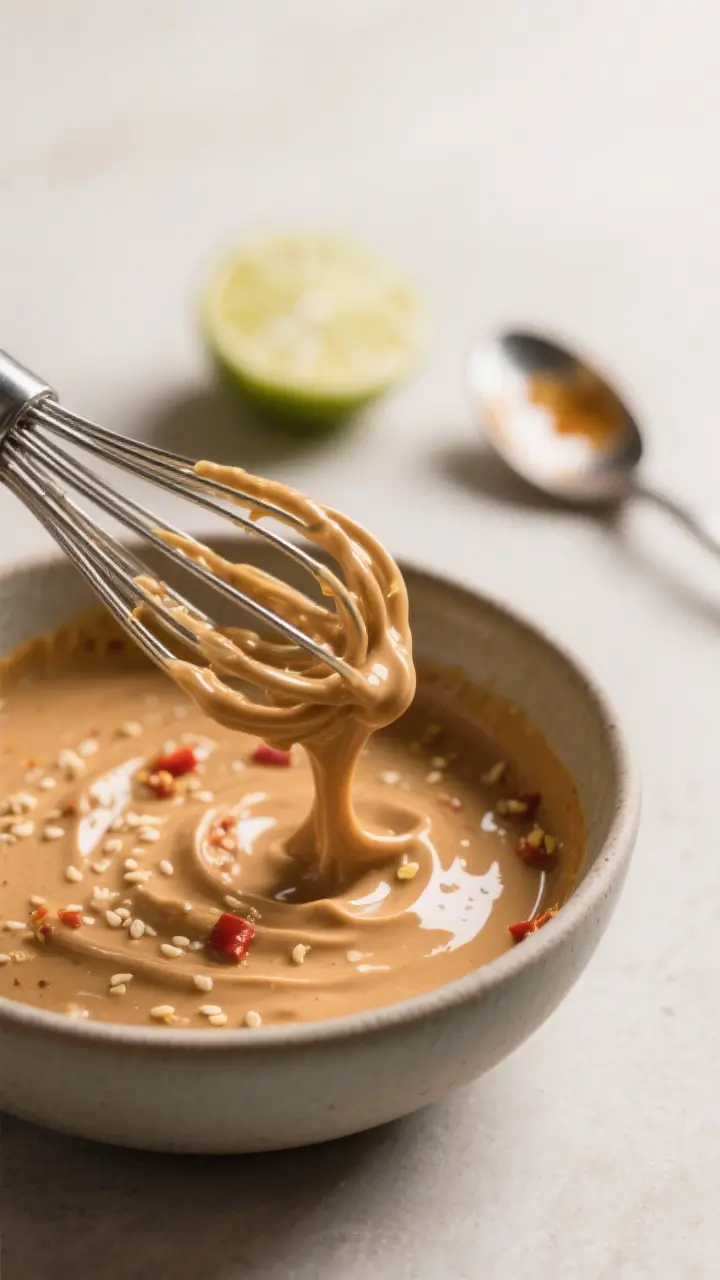
This sauce lands that sweet spot of flavor without a long list of specialty ingredients. It blends pantry staples like peanut butter, soy sauce, and lime into a silky, restaurant-style sauce in minutes.
You can thin it for drizzling, keep it thick for dipping, or whisk in chili for heat. It’s also naturally dairy-free and easy to make gluten-free.
Most satay sauces lean heavy on sugar or oil. This one uses a lighter hand while keeping the flavor big.
The result is a sauce that fits into “healthy-ish” eating without feeling like a compromise.
Ingredients
- 1/2 cup creamy peanut butter (natural or no-stir; see notes in Pitfalls)
- 3 tablespoons low-sodium soy sauce (or tamari for gluten-free)
- 2 tablespoons fresh lime juice (about 1 lime)
- 1 tablespoon rice vinegar
- 1–2 tablespoons maple syrup or honey (start with 1, adjust to taste)
- 1 tablespoon toasted sesame oil
- 1–2 teaspoons chili-garlic sauce or sriracha (optional, for heat)
- 1 small garlic clove, finely grated
- 1 teaspoon finely grated fresh ginger (or 1/4 teaspoon ground ginger)
- 1/3–1/2 cup warm water (to thin to desired consistency)
- Optional add-ins: 1 teaspoon fish sauce for depth, or 1 tablespoon coconut milk for extra creaminess
Instructions
- Whisk the base: In a medium bowl, add peanut butter, soy sauce, lime juice, rice vinegar, maple syrup, and sesame oil. Whisk until smooth and glossy.
- Add aromatics: Stir in garlic, ginger, and chili-garlic sauce. Taste before thinning so you can adjust seasoning now.
- Thin with warm water: Add water a tablespoon at a time, whisking after each addition.
Aim for a pourable, creamy texture if using as a dressing, or keep it thicker for dipping.
- Adjust to taste: Add more lime for brightness, soy for salt, sweetener for balance, or chili for heat. If using fish sauce or coconut milk, whisk it in now.
- Rest and recheck: Let the sauce sit for 5 minutes. Flavors meld and the texture loosens slightly.
Taste again and fine-tune.
Keeping It Fresh
Store the sauce in an airtight jar in the fridge for up to 6–7 days. It will thicken as it chills, so whisk in a splash of warm water or lime juice to loosen before using. If you added coconut milk, aim to finish within 4–5 days.
For longer storage, freeze in small portions (ice cube tray or 2-tablespoon blobs).
Thaw overnight in the fridge, then whisk and adjust with a little water or lime to bring it back to life.
Health Benefits
- Healthy fats and protein: Peanut butter provides monounsaturated fats and plant-based protein that help keep you full.
- Lower sodium option: Using low-sodium soy sauce and controlling added salt keeps the sauce flavorful without going overboard.
- Balanced energy: A touch of natural sweetener helps balance acidity and spice without relying on heavy sugars.
- Ginger and garlic: These add anti-inflammatory and antioxidant properties while boosting flavor.
- Customizable for dietary needs: Easy to make gluten-free, dairy-free, and vegetarian. Can be adjusted for low-sugar goals.
Pitfalls to Watch Out For
- Using dry, ultra-natural peanut butter without whisking: If the oil is separated, stir the jar well before measuring. Otherwise the sauce can turn pasty.
- Over-thinning: Add water slowly.
It’s easier to thin than to re-thicken without throwing off flavor.
- Too salty: Regular soy sauce plus fish sauce can tip salty fast. Start with low-sodium soy and add fish sauce drop by drop.
- Skipping acidity: Lime juice keeps the sauce lively. If you’re out, add extra rice vinegar to compensate.
- Harsh raw garlic bite: Grate it finely.
If you’re sensitive, microwave the grated garlic in a teaspoon of water for 10–15 seconds to mellow it.
Recipe Variations
- Spicy Coconut Peanut Sauce: Swap half the water for light coconut milk, and add extra chili-garlic sauce. Great for rice bowls.
- Miso Peanut Sauce: Add 1 teaspoon white miso for extra umami and a creamier mouthfeel.
- No-Sugar Version: Skip the sweetener and use a splash of pineapple juice or an extra squeeze of lime to balance.
- Almond or Cashew Swap: Replace peanut butter with almond or cashew butter if you prefer a milder, slightly sweeter profile.
- Gochujang Twist: Stir in 1 teaspoon gochujang for sweet heat and a thicker body.
- Extra-Light Version: Thin more with water and lime, reduce sesame oil to 1 teaspoon, and keep sweetener to 1 teaspoon.
FAQ
Can I make this without soy?
Yes. Use tamari or coconut aminos.
Tamari keeps the savory depth with less wheat, while coconut aminos are sweeter and milder, so you may need less maple syrup and a pinch of salt.
What if I don’t have fresh lime?
Use rice vinegar and a little lemon juice, or add extra rice vinegar and a small splash of apple cider vinegar. Fresh lime is best, but you can still get good balance with a mix of mild vinegars.
How do I use it for meal prep bowls?
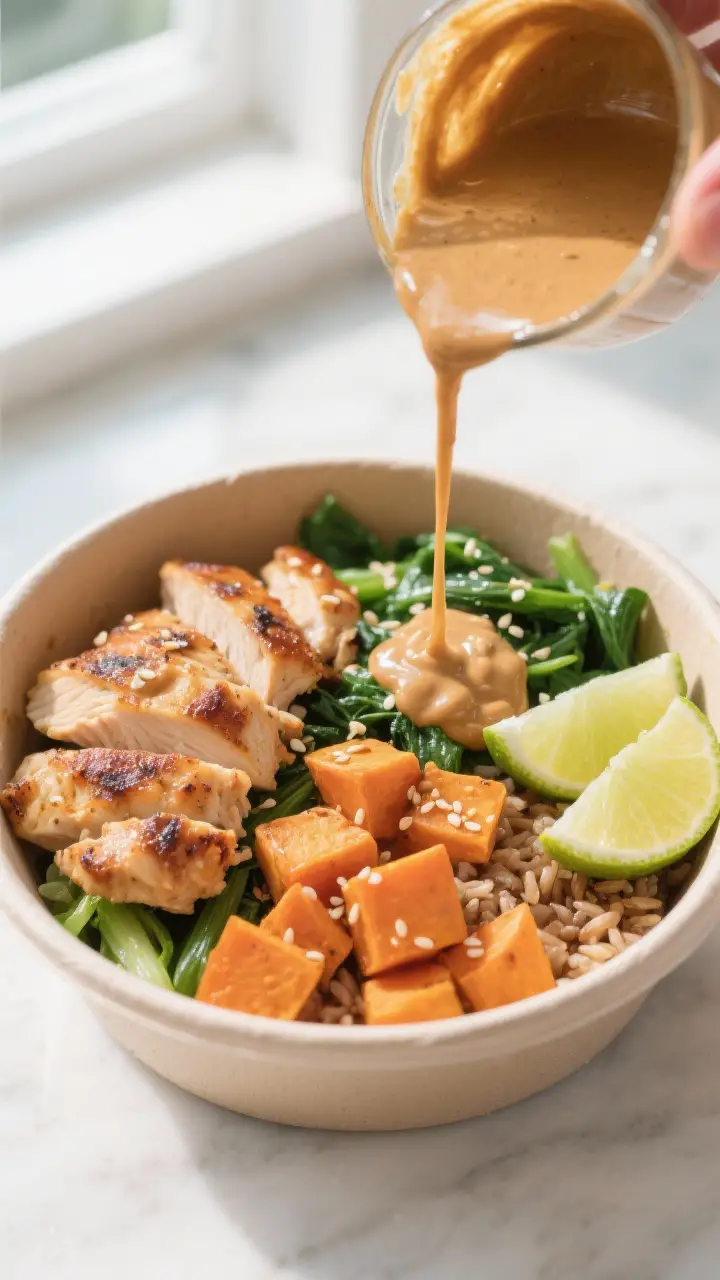
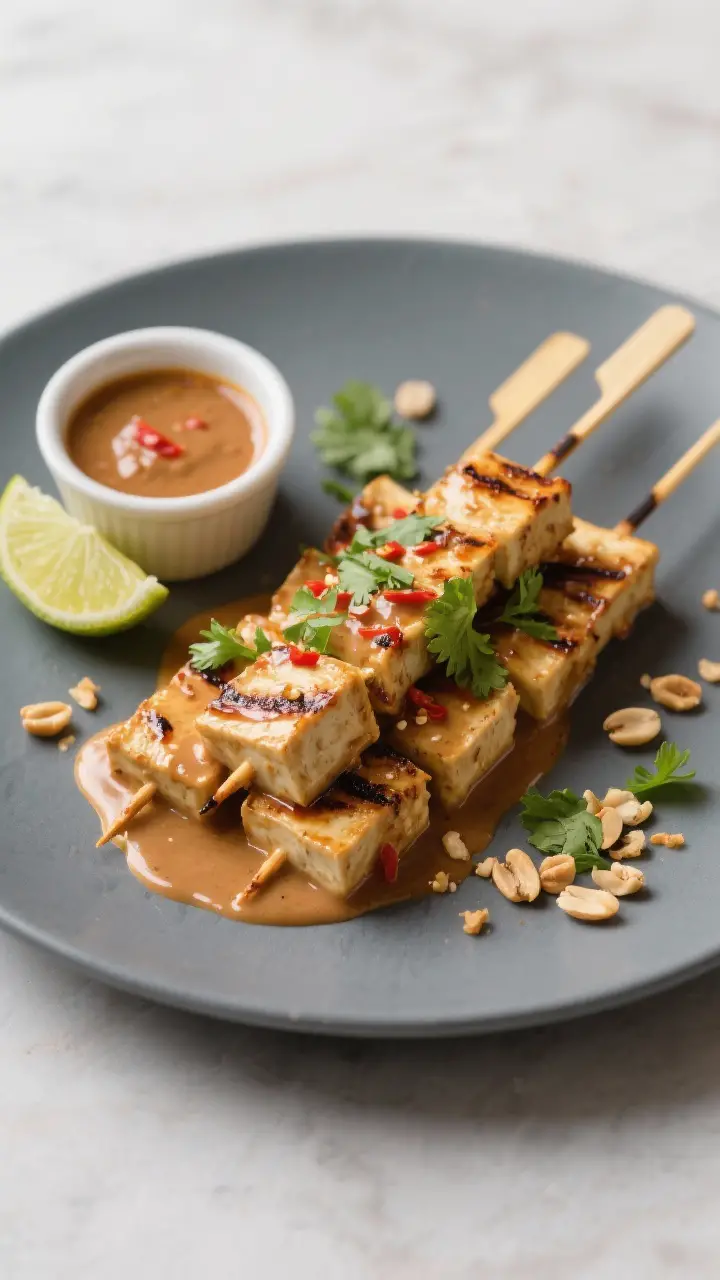
Pair with grilled chicken or tofu, roasted sweet potato, steamed greens, and brown rice or quinoa. Drizzle the sauce right before eating, or pack it in a small container to keep textures crisp.
Is this authentic Thai satay sauce?
It’s inspired by Thai-style peanut sauces but simplified for home cooking and meal prep.
Traditional versions often include palm sugar, tamarind, and coconut milk. This version keeps the spirit while staying weeknight-friendly.
Why is my sauce grainy or thick?
It may be the peanut butter. Whisk the jar thoroughly before measuring, and add warm water slowly.
If it’s still thick, blend the sauce briefly or whisk in a tablespoon of coconut milk for silkiness.
Can I serve it warm?
Absolutely. Warm it gently over low heat or in short microwave bursts, whisking often. Don’t boil it or it can split.
How spicy should it be?
That’s up to you.
Start with 1 teaspoon of chili sauce and increase to taste. If you overdo it, add more peanut butter and a bit of sweetener to balance.
Wrapping Up
This Thai-inspired peanut sauce is a small effort with big payoff. It turns basic bowls into satisfying meals, works across proteins and veggies, and stores well for busy weeks.
Keep the ingredients on hand and you’ve got a go-to flavor booster ready whenever you are. Healthy-ish never tasted so good.
Printable Recipe Card
Want just the essential recipe details without scrolling through the article? Get our printable recipe card with just the ingredients and instructions.