
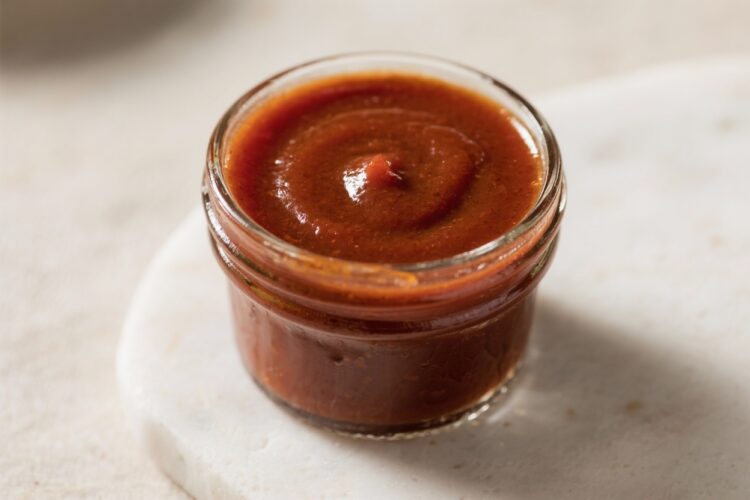
Texas BBQ sauce is all about big flavor without the fuss. It leans smoky and peppery, with a subtle sweetness that doesn’t overpower the meat. This isn’t a thick, candy-sweet sauce—it’s a savory, tomato-forward glaze that brings brisket, ribs, and smoked chicken to life.
If you like your barbecue to taste like fire, spice, and honest ingredients, this sauce will feel right at home in your kitchen. It’s simple to make, easy to adjust, and perfect for weeknight grilling or weekend smokes.
What Makes This Special
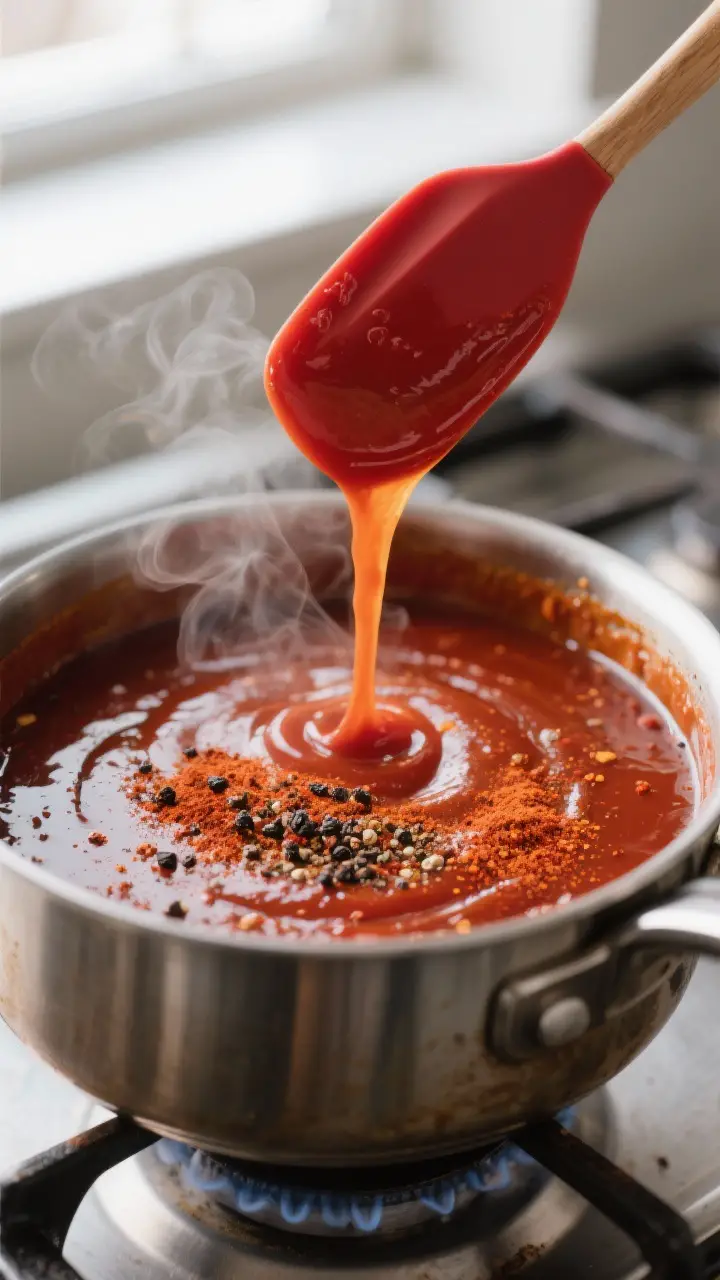
Texas-style sauce favors smoke, spice, and tang over heavy sweetness. It’s thinner than Kansas City-style, with a peppery kick that complements slow-smoked meats.
You’ll taste tomato, chili powder, black pepper, and a touch of vinegar upfront, followed by gentle heat and a slightly smoky finish.
It also doubles as a mop sauce: brush it on during the last part of cooking, and it won’t burn or turn sticky. The ingredients are pantry-friendly, and the recipe invites tweaks—perfect for tailoring to your preferred level of heat and sweetness.
Shopping List
- Tomato sauce (15 ounces)
- Ketchup (1/2 cup)
- Apple cider vinegar (1/3 cup)
- Worcestershire sauce (2 tablespoons)
- Brown sugar (2–3 tablespoons), to taste
- Yellow mustard (1 tablespoon)
- Unsalted butter (2 tablespoons)
- Onion, finely minced (1/4 cup)
- Garlic, minced (2 cloves)
- Chili powder (1 tablespoon)
- Smoked paprika (2 teaspoons)
- Coarse black pepper (1–2 teaspoons)
- Kosher salt (1 teaspoon), plus more to taste
- Cayenne pepper (1/4–1/2 teaspoon), optional for heat
- Beef broth or water (1/2 cup), for thinning
- Liquid smoke (1/4–1/2 teaspoon), optional
Step-by-Step Instructions
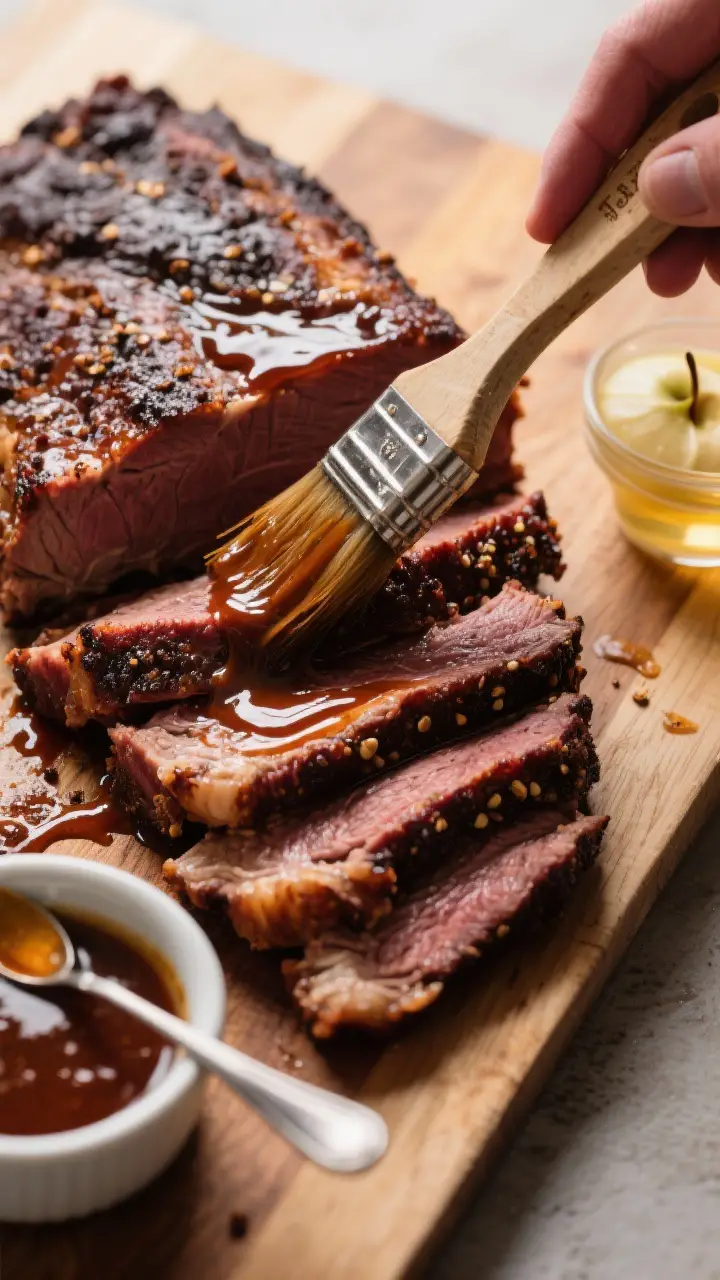
- Soften the aromatics: Melt the butter in a medium saucepan over medium heat. Add the minced onion and cook 4–5 minutes until soft and lightly golden.
Stir in the garlic and cook 30 seconds until fragrant.
- Bloom the spices: Add chili powder, smoked paprika, black pepper, cayenne, and salt. Stir for 30–45 seconds to bloom the spices. This step deepens flavor and removes any raw spice taste.
- Build the base: Stir in tomato sauce, ketchup, apple cider vinegar, Worcestershire, and yellow mustard.
Mix well to combine.
- Balance with sweetness: Add brown sugar, starting with 2 tablespoons. You can adjust later to your taste.
- Adjust consistency: Pour in beef broth (or water) to loosen the sauce. Texas sauce should be pourable, not gloopy.
Add more liquid if you prefer a thinner mop.
- Simmer low and slow: Bring the sauce to a gentle simmer. Reduce heat to low and cook 15–20 minutes, stirring occasionally. This melds flavors and slightly thickens the sauce.
- Optional smoke boost: If you’re not cooking over wood, add a small splash of liquid smoke.
Start with 1/4 teaspoon; you can always add more. A little goes a long way.
- Taste and tweak: Adjust salt, pepper, vinegar, and sugar. For more tang, add a teaspoon of vinegar.
For more heat, pinch in cayenne. For more body, a touch more ketchup.
- Cool and serve: Remove from heat and let it sit 10 minutes to settle. Use warm for glazing meats, or cool completely for dipping and storing.
How to Store
- Refrigerator: Store in a clean, airtight jar for up to 2 weeks.
The flavors often improve after a day.
- Freezer: Freeze in small containers or silicone cubes for up to 3 months. Thaw overnight in the fridge and whisk before using.
- Reheating: Warm gently in a saucepan over low heat. Add a splash of water or broth if it thickens too much in the fridge.
Benefits of This Recipe
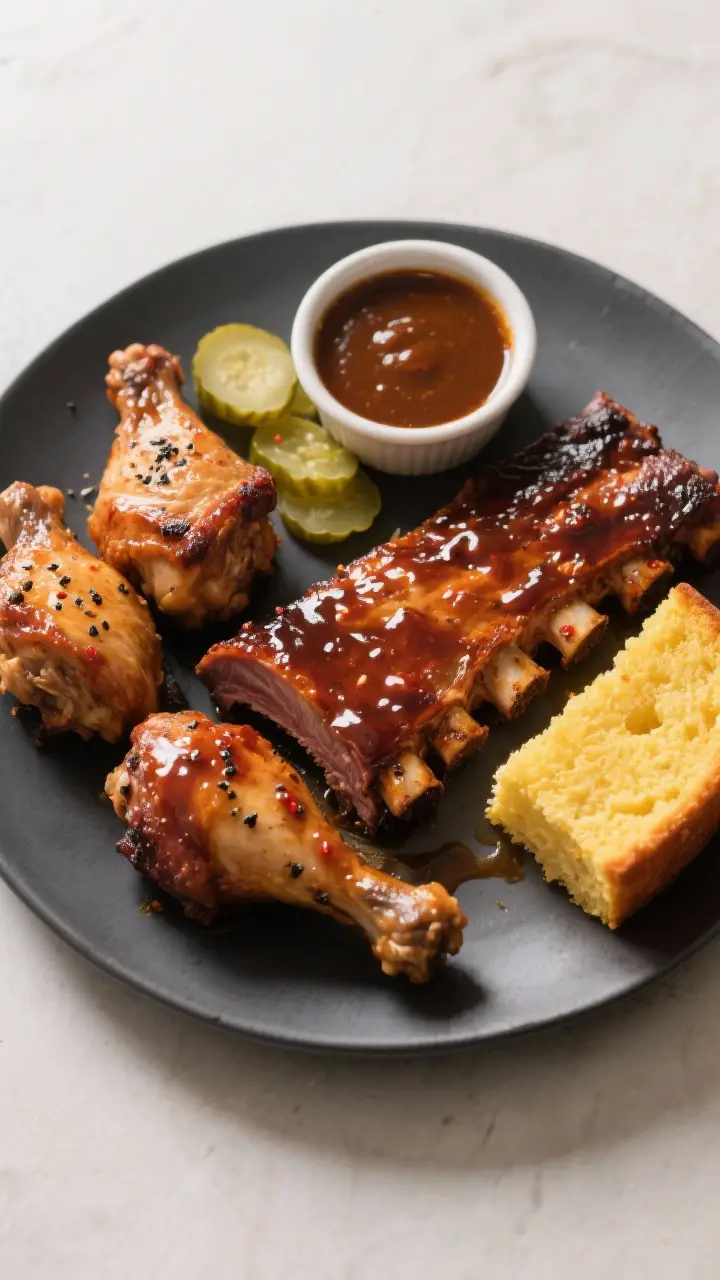
- Balanced, versatile flavor: Works as a glaze, dip, or mop sauce without overpowering the meat.
- Pantry-friendly: Uses everyday ingredients—no special trip needed.
- Customizable heat and sweetness: Easily adjust to match brisket, ribs, chicken, or sausage.
- Quick to make: About 30 minutes from start to finish.
- Great for meal prep: Stores well and tastes better the next day.
Common Mistakes to Avoid
- Over-sweetening: Texas sauce shouldn’t taste like dessert.
Start with less sugar and add only if needed.
- Skipping the spice bloom: Adding spices straight to liquid dulls their flavor. Briefly blooming them in fat makes a big difference.
- Too much liquid smoke: It’s potent. Use a light hand or skip it if you’re serving smoked meat.
- Boiling hard: Vigorous boiling can scorch the sauce and turn it bitter.
Keep the heat low and steady.
- Making it too thick: Aim for a pourable consistency that brushes on smoothly and doesn’t burn on the grill.
Alternatives
- No ketchup version: Replace ketchup with more tomato sauce and 1 extra tablespoon brown sugar for balance.
- Molasses twist: Swap half the brown sugar for 1 tablespoon molasses for deeper, smoky sweetness.
- Beer-based: Replace the broth with a malty amber or lager. Simmer a bit longer to cook off alcohol.
- Spicy version: Add chipotle in adobo (1–2 teaspoons, minced) for heat and natural smokiness.
- Gluten-free: Use a gluten-free Worcestershire and verify your chili powder blend is gluten-free.
- Low-sugar: Halve the brown sugar and rely on tomato brightness and vinegar to carry the flavor.
FAQ
Is Texas BBQ sauce supposed to be sweet?
It should have a touch of sweetness, but the focus is on pepper, smoke, and tang. If it tastes candy-sweet, it leans more toward Kansas City style than Texas.
Can I use this sauce as a mop during smoking?
Yes.
Thin it slightly with broth or water, and mop during the last 30–60 minutes. It won’t burn easily and adds a nice sheen and flavor.
What meats does it pair with best?
It’s classic with brisket and beef ribs, but it’s great on pork ribs, pulled pork, smoked chicken, and sausage. It also makes a solid burger sauce.
How do I make it spicier without overwhelming the flavor?
Add cayenne a pinch at a time, or stir in minced chipotle in adobo.
Taste as you go; heat should complement, not dominate.
Can I make it ahead?
Absolutely. Make it 1–2 days in advance and refrigerate. The flavors meld and deepen, often tasting better on day two.
What if I don’t have apple cider vinegar?
Use white vinegar and a teaspoon of honey to round it out, or try red wine vinegar for a slightly fruitier tang.
How thick should the sauce be?
Think pourable and brushable—like heavy cream.
If it clings like frosting, thin with broth or water a tablespoon at a time.
Can I skip the butter?
Yes. Use a tablespoon of neutral oil instead. Butter adds richness, but the sauce will still be flavorful without it.
Does it need to be strained?
Not necessary.
If you prefer a smoother texture for dipping, blend briefly or pass through a fine-mesh strainer.
How can I add real smoke flavor?
Brush the sauce on during the last part of cooking over wood or charcoal. The sauce picks up smoke and sets beautifully on the meat.
Wrapping Up
This Texas BBQ sauce brings bold, balanced flavor with just the right kick. It’s quick to make, flexible to your taste, and works with everything from brisket to backyard chicken.
Keep a jar in the fridge, tweak it to your style, and let the sauce support the star of the show—the meat. Once you have this on hand, weeknight grilling gets a whole lot better.
Printable Recipe Card
Want just the essential recipe details without scrolling through the article? Get our printable recipe card with just the ingredients and instructions.