
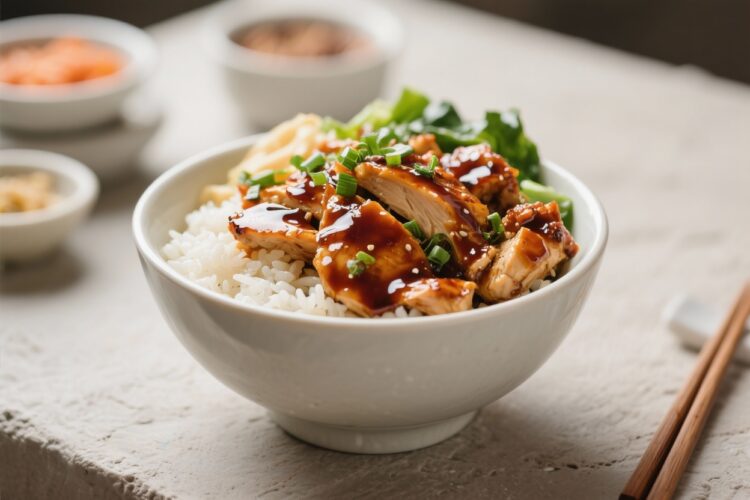
Teriyaki chicken has a way of making any weeknight feel a little more special. It’s saucy, savory, slightly sweet, and full of glossy, delicious flavor. This version is straightforward, fast, and easy to customize with whatever veggies you have on hand.
You’ll get tender chicken, perfectly sticky rice, and a balanced sauce that clings to every bite. It’s the kind of bowl you’ll want to make on repeat.
What Makes This Special
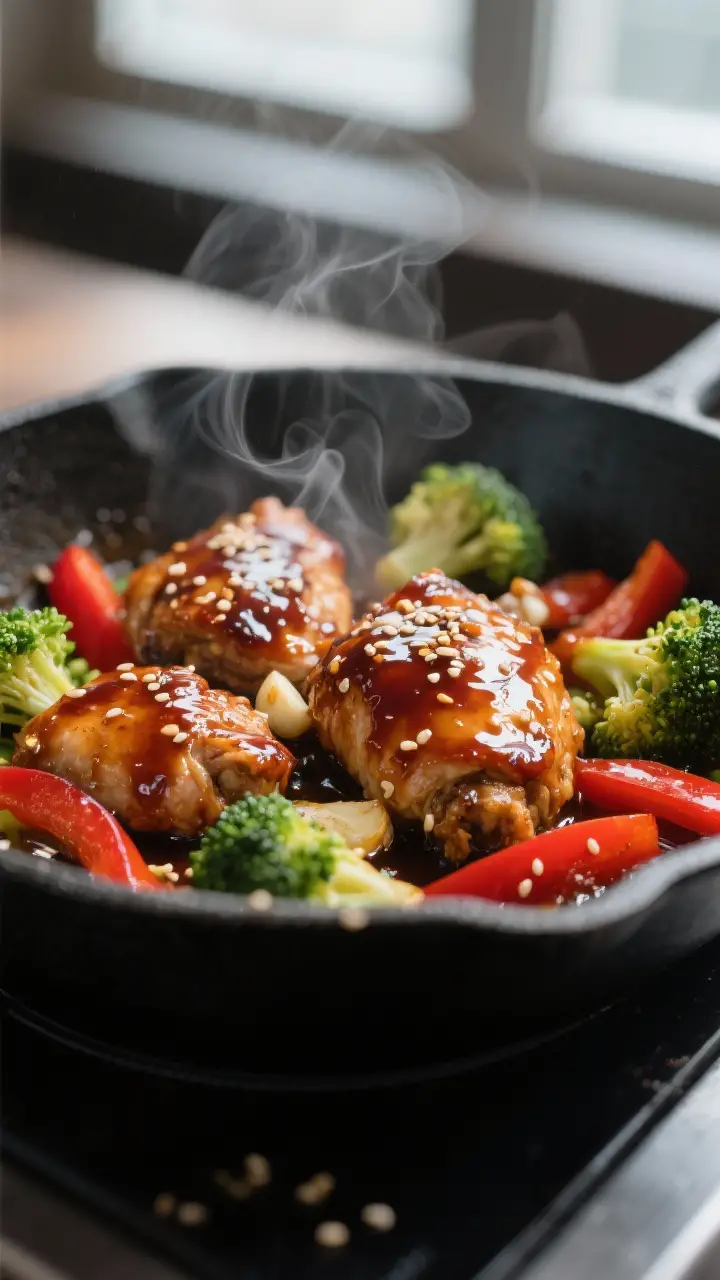
This teriyaki chicken bowl leans on a homemade sauce that tastes better than anything from a bottle. You can adjust the sweetness and salt to your liking, and it coats the chicken without turning gloopy.
The recipe is weeknight-friendly, but still feels polished enough for a casual dinner with friends. Best of all, it’s flexible—swap the protein, switch the veggies, or use brown rice if that’s your style.
Everything cooks in under 30 minutes, and the ingredient list is simple. The sauce uses pantry staples, the chicken cooks quickly, and you’ll have a bright, shiny finish thanks to a quick cornstarch slurry.
It’s just the right balance of comfort and freshness.
Ingredients
- For the chicken and bowl:
- 1.5 pounds boneless, skinless chicken thighs, cut into bite-size pieces (or chicken breast)
- 2 cups cooked white rice (jasmine or short-grain is great), kept warm
- 1 cup broccoli florets
- 1 small carrot, thinly sliced
- 1/2 red bell pepper, sliced
- 1 tablespoon neutral oil (canola, avocado, or vegetable)
- 2 green onions, thinly sliced
- 1 tablespoon toasted sesame seeds (optional)
- Pinch of salt and pepper
- For the teriyaki sauce:
- 1/3 cup soy sauce (use low-sodium if preferred)
- 3 tablespoons mirin (or substitute 2 tablespoons rice vinegar + 1 tablespoon extra sugar)
- 2 tablespoons honey or brown sugar
- 1 tablespoon rice vinegar
- 2 teaspoons sesame oil
- 2 cloves garlic, finely minced
- 1 teaspoon grated fresh ginger (or 1/4 teaspoon ground ginger)
- 3/4 cup water
- 1 tablespoon cornstarch mixed with 1 tablespoon cold water (slurry)
Step-by-Step Instructions
- Cook the rice. Start your rice first so it’s ready when the chicken is done. Use a rice cooker or stovetop instructions. Keep it warm and fluffy.
- Prep the sauce. In a small bowl, whisk soy sauce, mirin, honey, rice vinegar, sesame oil, garlic, ginger, and water.
Set the cornstarch slurry aside in a separate dish.
- Prep the veggies. Cut the broccoli into small florets, slice the carrot and bell pepper, and thinly slice the green onions. Smaller pieces cook faster and keep their crunch.
- Season the chicken. Pat the chicken dry and season with a light pinch of salt and pepper. This helps it brown and keeps the sauce from tasting flat.
- Sear the chicken. Heat the oil in a large skillet over medium-high heat.
Add the chicken in a single layer and cook for 5–7 minutes, stirring occasionally, until golden and cooked through. Remove to a plate.
- Stir-fry the vegetables. In the same pan, add the broccoli, carrot, and bell pepper. Stir-fry for 2–3 minutes until crisp-tender.
If needed, add a splash of water to steam and soften the broccoli.
- Simmer the sauce. Pour the teriyaki sauce mixture into the pan with the vegetables. Bring to a gentle simmer for 1–2 minutes to heat through and meld flavors.
- Thicken the sauce. Whisk the cornstarch slurry, then pour it into the simmering sauce while stirring. Cook for 30–60 seconds until glossy and thick enough to coat a spoon.
- Combine chicken and sauce. Return the chicken to the pan.
Toss to coat in the sauce and cook for another minute so the flavors come together.
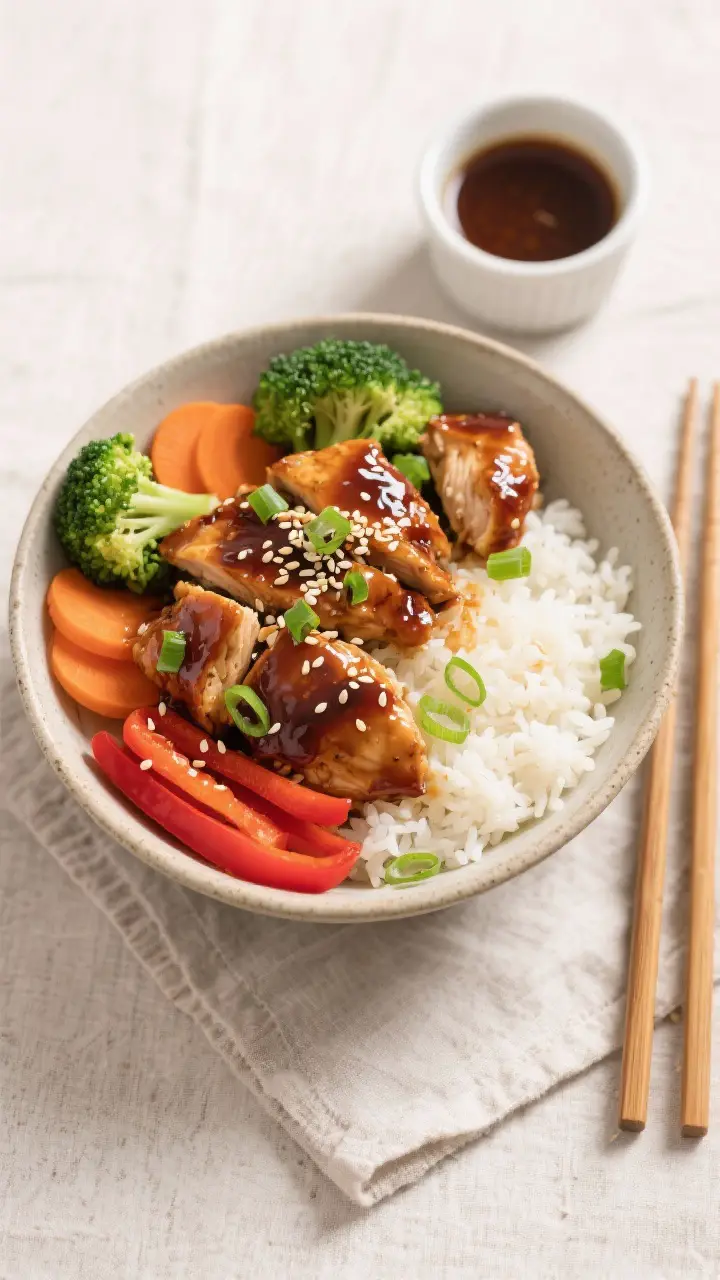
- Assemble the bowls. Spoon warm rice into bowls. Top with the teriyaki chicken and vegetables. Sprinkle with sesame seeds and green onions.
Taste and adjust: a splash of soy for salt, a drizzle of honey for sweetness, or a touch more vinegar for brightness.
Storage Instructions
Store leftovers in an airtight container in the fridge for up to 4 days. Keep the rice and chicken separate if you can; it helps maintain texture. Reheat gently on the stovetop with a splash of water to loosen the sauce, or microwave in short bursts, stirring in between.
If freezing, freeze the chicken and sauce together (up to 2 months). Cook fresh rice when you’re ready to serve for the best texture.
Why This is Good for You
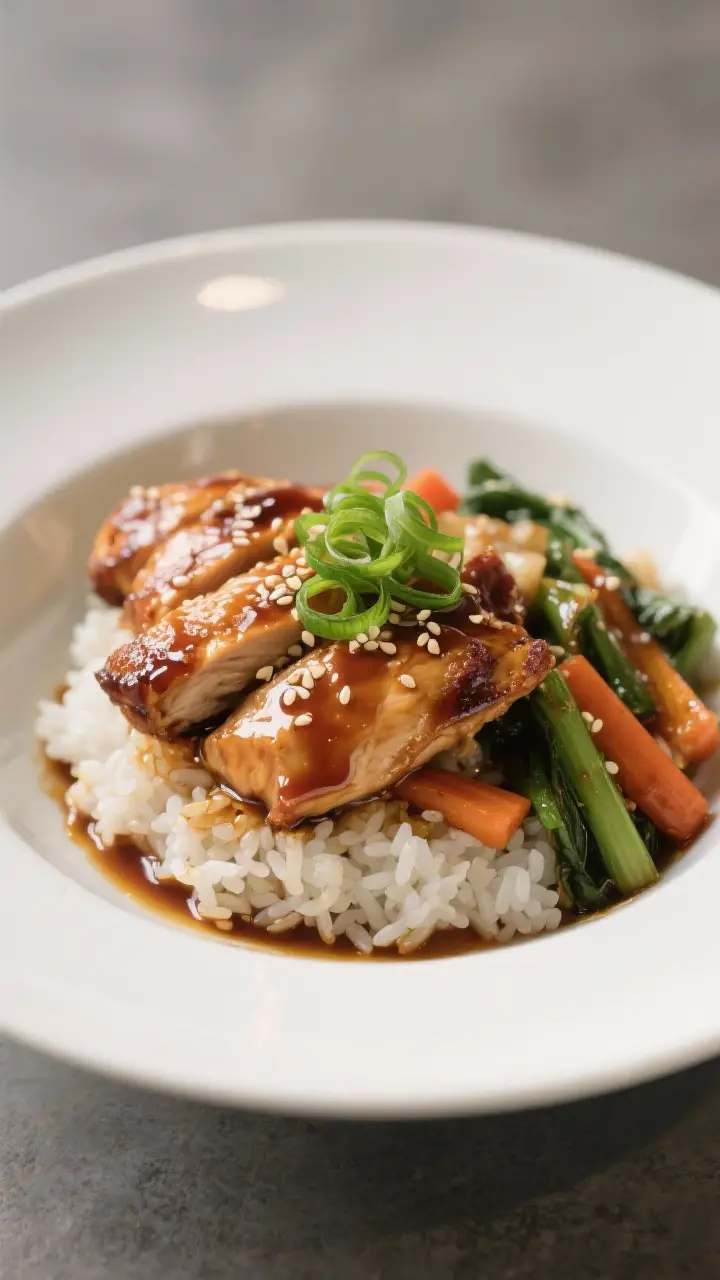
This bowl balances protein, carbs, and fiber in one place. Chicken thighs bring iron and B vitamins, while the vegetables add vitamins A and C and a satisfying crunch.
If you use jasmine or short-grain rice, you’ll get quick energy; brown rice adds more fiber and keeps you fuller longer. The sauce has some sugar, but you control the amount, and you can moderate sodium by choosing low-sodium soy sauce.
What Not to Do
- Don’t overcrowd the pan. The chicken will steam instead of brown, and you’ll miss out on that caramelized flavor.
- Don’t skip the slurry. Adding cornstarch at the end gives the sauce its signature shine and cling. Without it, the sauce can taste thin.
- Don’t cook the veggies to mush. Keep them crisp-tender so they hold up in the sauce and provide texture.
- Don’t oversalt early. Soy sauce is salty.
Season the chicken lightly, then adjust at the end.
- Don’t walk away from the sauce. It thickens fast. Stir and watch closely to avoid clumps or a too-thick glaze.
Alternatives
- Protein swaps: Tofu (press and pan-sear), shrimp (cook quickly to avoid rubbery texture), or thinly sliced beef.
- Grains: Brown rice, sushi rice, quinoa, or cauliflower rice for a lighter option.
- Vegetables: Snow peas, zucchini, snap peas, mushrooms, or baby bok choy. Use what you have.
- Sauce tweaks: Add a teaspoon of chili-garlic sauce for heat, a splash of pineapple juice for a fruitier note, or swap honey for maple syrup.
- Gluten-free: Use tamari or certified gluten-free soy sauce and confirm your mirin is gluten-free.
- No mirin on hand: Use rice vinegar plus a bit more sugar or honey to mimic the sweet tang.
FAQ
Can I use chicken breast instead of thighs?
Yes.
Chicken breast cooks a little faster and can dry out if overcooked, so keep an eye on it. Cut it into even pieces and remove it from the pan as soon as it’s cooked through.
How do I make the sauce less sweet?
Reduce the honey or sugar to 1 tablespoon and add an extra teaspoon of rice vinegar for balance. You can also add a squeeze of lemon at the end to cut sweetness without changing the texture.
What if I don’t have cornstarch?
Use potato starch or arrowroot in the same amount.
If you have none of those, simmer the sauce longer to reduce, though it won’t be as glossy and may taste saltier.
Can I meal prep this?
Absolutely. Portion the rice and chicken with veggies into containers and refrigerate. Reheat with a splash of water to loosen the sauce.
Add fresh green onions right before eating for a pop of freshness.
Is there a way to make it lighter?
Use chicken breast, reduce the oil to 2 teaspoons, and load up on vegetables. Swap white rice for cauliflower rice or half-and-half with brown rice. You can also thin the sauce with a bit more water and use less of it.
How do I get that restaurant-style shine?
The cornstarch slurry is key.
Add it to a simmering sauce and stir until glossy. A small drizzle of sesame oil at the end also boosts aroma and sheen.
Can I grill the chicken instead?
Yes. Toss the chicken with a spoonful of the sauce (not the thickened version) and grill until cooked.
Warm the rest of the sauce on the stove, thicken it, and brush over the grilled chicken before serving.
In Conclusion
This Teriyaki Chicken Bowl with Rice brings bold flavor and comfort to your table with just a few simple steps. The homemade sauce is the star, hugging every bite of tender chicken and crisp veggies. It’s flexible, quick, and endlessly customizable.
Keep this one in your weeknight rotation—it’s a reliable, satisfying crowd-pleaser every time.
Printable Recipe Card
Want just the essential recipe details without scrolling through the article? Get our printable recipe card with just the ingredients and instructions.