
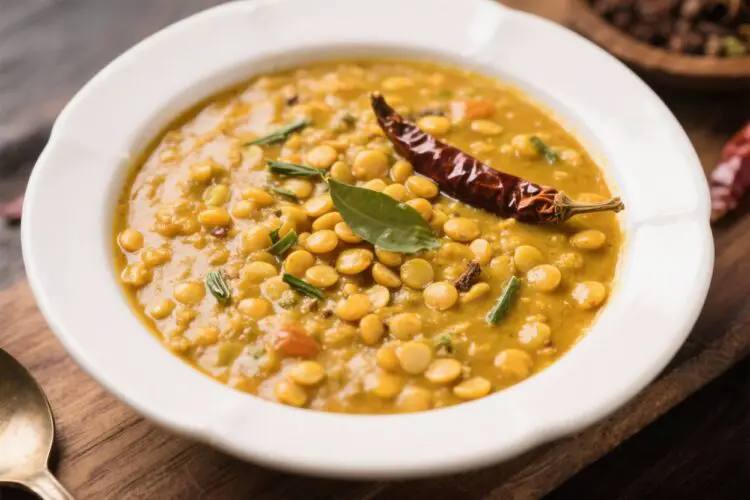
Tadka dal is comfort in a bowl. It’s the kind of dish that makes weeknights easier and weekends warmer. Soft, creamy yellow lentils are simmered until tender, then finished with a hot, fragrant tempering of spices that sizzle in ghee or oil.
The aroma alone is enough to draw everyone to the table. Spoon it over rice, scoop it with warm roti, or enjoy it like soup—it never fails to hit the spot.
What Makes This Recipe So Good
- Simple ingredients, big flavor: Yellow lentils are mild, which lets the spiced tempering shine through without being overwhelming.
- Quick and forgiving: It cooks fast, especially with split lentils, and doesn’t require fancy techniques.
- Customizable heat: Keep it mild or add chilies for a kick—easy to tailor for family or guests.
- Comfort food with substance: Creamy texture, a touch of tang, and a warm spice bloom make it deeply satisfying.
- Great leftovers: The flavors meld overnight, making tomorrow’s lunch even better.
What You’ll Need
- Lentils: 1 cup split yellow lentils (toor dal, moong dal, or a mix). Rinse well.
- Water or stock: 3–4 cups, depending on desired thickness.
- Turmeric: 1/2 teaspoon.
- Salt: To taste.
- Tomato: 1 medium, finely chopped (optional but adds brightness).
- Onion: 1 small, finely chopped (optional for a heartier base).
- Ghee or oil: 2–3 tablespoons (ghee for richness; neutral oil for vegan).
- Garlic: 3–4 cloves, thinly sliced or minced.
- Ginger: 1-inch piece, finely grated (optional).
- Cumin seeds: 1 teaspoon.
- Mustard seeds: 1/2 teaspoon (optional).
- Dried red chilies: 1–2, whole.
- Green chili: 1, slit (optional, for heat).
- Asafoetida (hing): A pinch (optional but classic).
- Curry leaves: 6–8 (optional but aromatic).
- Coriander powder: 1 teaspoon.
- Red chili powder: 1/4–1/2 teaspoon, to taste.
- Garam masala: 1/4 teaspoon (optional, for warmth at the end).
- Lemon or lime juice: 1–2 teaspoons, to finish.
- Fresh cilantro: A handful, chopped.
Step-by-Step Instructions
- Rinse and soak: Rinse the lentils under cold water until it runs clear.
Soak for 15–20 minutes if you have time. It helps them cook faster and more evenly.
- Cook the lentils: In a pot, add lentils, 3 cups water, turmeric, and a pinch of salt. Bring to a boil, then simmer uncovered for 20–30 minutes until soft.
Add more water if needed. Skim any foam.
- Optional base: If using onion and tomato, sauté onion in 1 tablespoon oil until lightly golden. Add ginger and tomato; cook until the tomato breaks down.
Stir this into the cooked lentils.
- Adjust consistency: Whisk the dal gently to make it creamy. Add water to thin, or simmer longer to thicken. Season with salt.
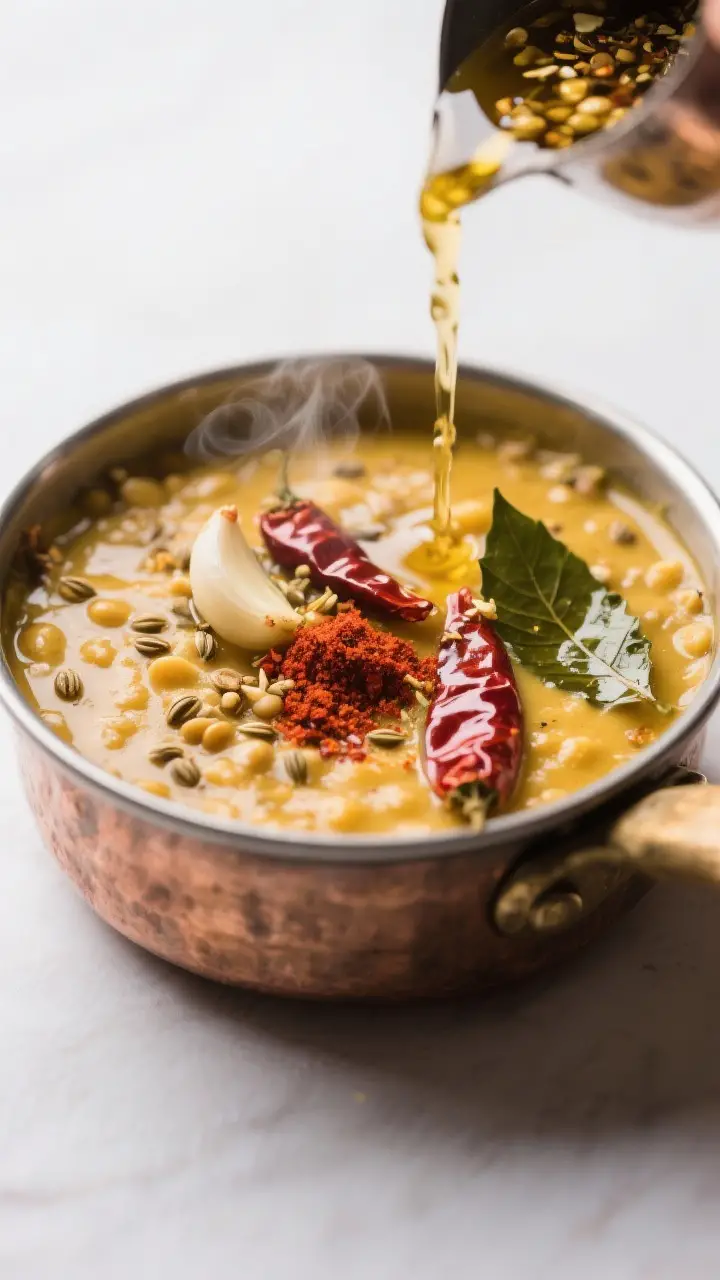
- Make the tempering (tadka): Heat 2 tablespoons ghee or oil in a small pan until hot.
Add cumin and mustard seeds. When they crackle, add dried red chilies, garlic, and curry leaves. Sauté until the garlic turns lightly golden.
Sprinkle in asafoetida, red chili powder, and coriander powder. Remove from heat quickly so spices don’t burn.
- Finish the dal: Pour the hot tempering over the simmering lentils. You’ll hear a happy sizzle.
Stir in garam masala if using, then add lemon juice and chopped cilantro.
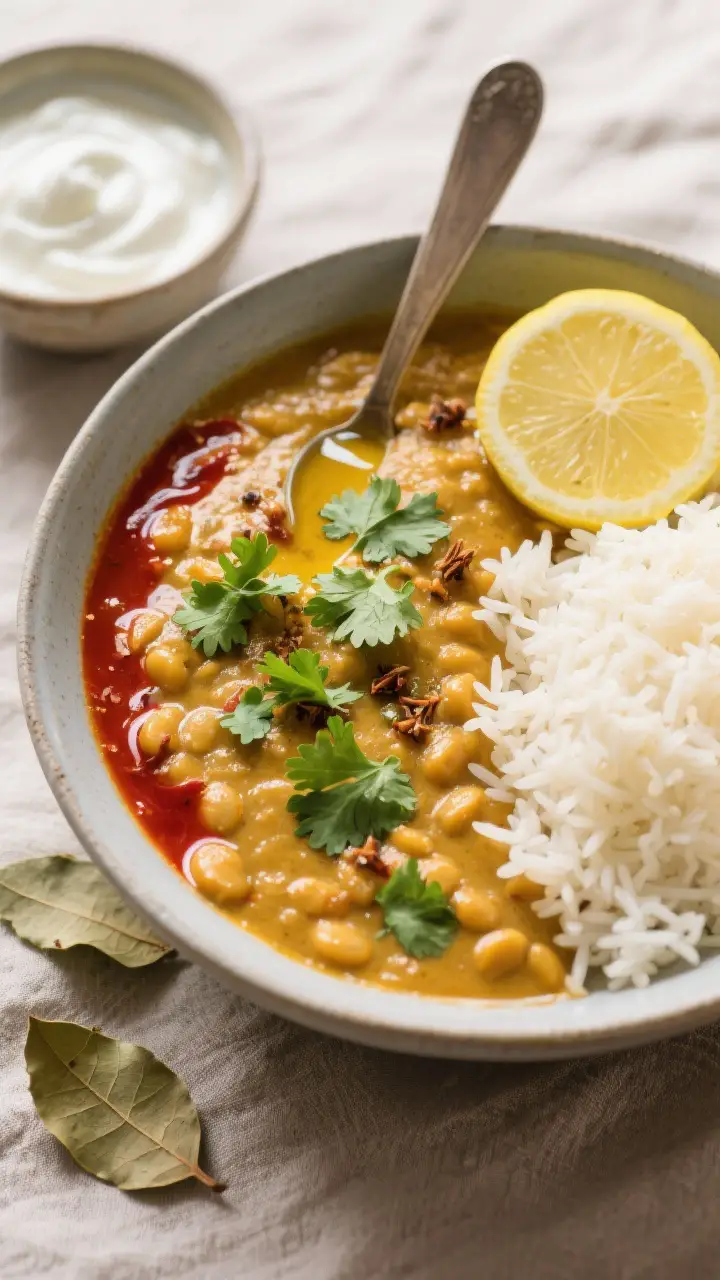
- Taste and serve: Adjust salt, tang, and heat. Serve hot with steamed rice, jeera rice, roti, or naan. A dollop of yogurt on the side is lovely.
Keeping It Fresh
- Fridge: Store in an airtight container for up to 4 days.
The dal thickens as it sits; stir in a splash of water when reheating.
- Freezer: Freeze in portions for up to 2 months. Thaw in the fridge overnight and reheat on the stove with water to loosen.
- Reheating tip: Add a quick, fresh tadka when reheating to revive the aroma. Even a little ghee with cumin and garlic makes a big difference.
Health Benefits
- High in plant protein: Lentils are a budget-friendly protein source that supports muscle repair and satisfies hunger.
- Fiber-rich: Helps with digestion and keeps you full longer.
Great for steady energy.
- Low in fat: Naturally light, especially when made with oil instead of ghee.
- Mineral boost: Provides iron, folate, and magnesium. Pairing with lemon juice helps your body absorb iron better.
- Anti-inflammatory spices: Turmeric, ginger, and garlic add flavor and supportive benefits without extra calories.
Pitfalls to Watch Out For
- Undercooked lentils: If they’re still firm, keep simmering and add water. The dal should be soft and mashable.
- Burning the tadka: Spices go from fragrant to bitter quickly.
Keep the heat medium and pull the pan off the flame if needed.
- Too thick or too thin: Adjust with water after cooking. Dal should be spoonable, not pasty or watery.
- Skipping salt and acid: Salt brings out the lentils’ flavor, and lemon juice brightens everything. Don’t skip the final taste test.
- Overloading spices: More isn’t always better.
Balance is key—let the lentils shine.
Recipe Variations
- Moong-only dal: Use split yellow moong for a lighter, quicker-cooking version.
- Toor dal classic: Toor (split pigeon peas) brings a nutty, creamy base with a classic flavor.
- Smoky tadka: Add a pinch of smoked paprika or temper in mustard oil for a deeper, rustic taste.
- Spinach dal: Stir in a few cups of chopped spinach or kale during the last 5 minutes.
- Coconut twist: Add 2–3 tablespoons coconut milk at the end for a South Indian-inspired finish.
- No-allium version: Skip onion and garlic; lean on ginger, asafoetida, and extra cumin.
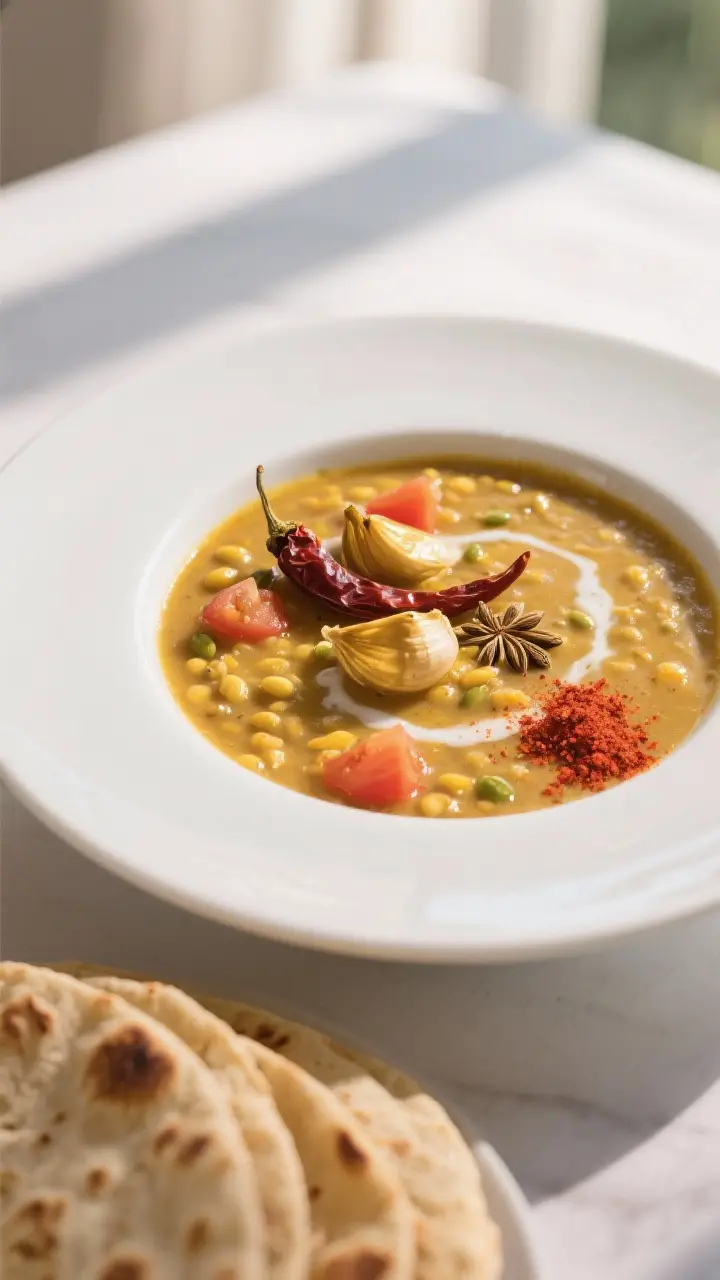
- Spice swap: Try fennel seeds, nigella seeds, or a star anise in the tadka for a fun twist.
FAQ
What’s the best type of yellow lentil for tadka dal?
Toor dal and split yellow moong are the most common. Toor gives a creamier, slightly nutty result, while moong is lighter and cooks faster. You can also mix the two for a great balance.
Do I need a pressure cooker or Instant Pot?
No, a regular pot works fine.
A pressure cooker or Instant Pot just speeds things up. In an Instant Pot, cook rinsed lentils with water and turmeric for about 8–10 minutes on High Pressure, natural release for 10 minutes.
Can I make this vegan?
Absolutely. Use a neutral oil or coconut oil instead of ghee.
Everything else stays the same.
How spicy is this recipe?
It’s as spicy as you make it. Use fewer chilies and mild chili powder for a gentle heat, or add extra green chili for a bolder kick.
Why is my dal bland?
It likely needs more salt and acid. Add a pinch of salt, a squeeze of lemon, and a fresh sprinkle of cilantro.
A quick mini-tadka can also boost flavor.
What can I serve with tadka dal?
Steamed basmati rice, jeera rice, roti, or naan are classics. Add a simple cucumber salad, papad, or a dollop of yogurt to round out the meal.
Can I skip asafoetida (hing)?
Yes. It adds a subtle savory note, but the dal will still taste great without it.
Final Thoughts
Tadka dal proves that everyday food can be both humble and special.
With a handful of pantry spices and a pot of soft lentils, you get a meal that’s warm, nourishing, and deeply flavorful. Make it your own with the spices you love and the heat you prefer. Keep it simple, serve it hot, and enjoy how quickly it becomes a regular on your table.
Printable Recipe Card
Want just the essential recipe details without scrolling through the article? Get our printable recipe card with just the ingredients and instructions.