
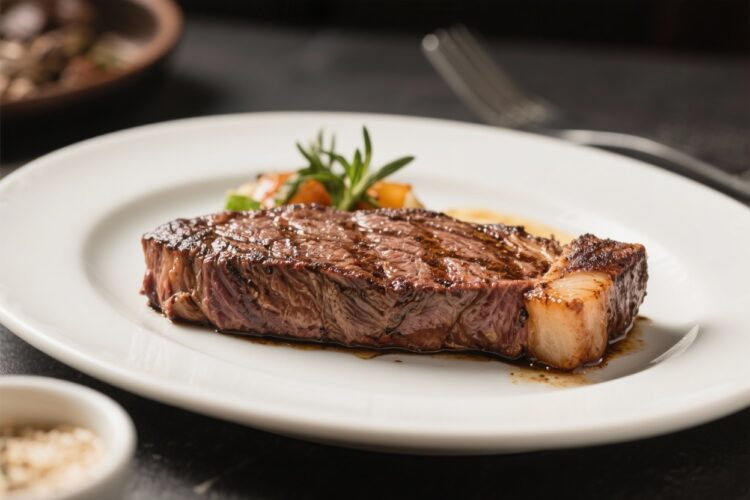
Strip steak is one of those cuts that feels special without being fussy. It’s tender, deeply beefy, and quick to cook, which makes it perfect for weeknights and date nights alike. With the right technique, you can get a restaurant-quality sear and a juicy interior at home in under 20 minutes.
No fancy tools required—just a heavy pan, butter, and a few pantry staples. If you’ve ever been disappointed by a dry or unevenly cooked steak, this method will change that.
Why This Recipe Works
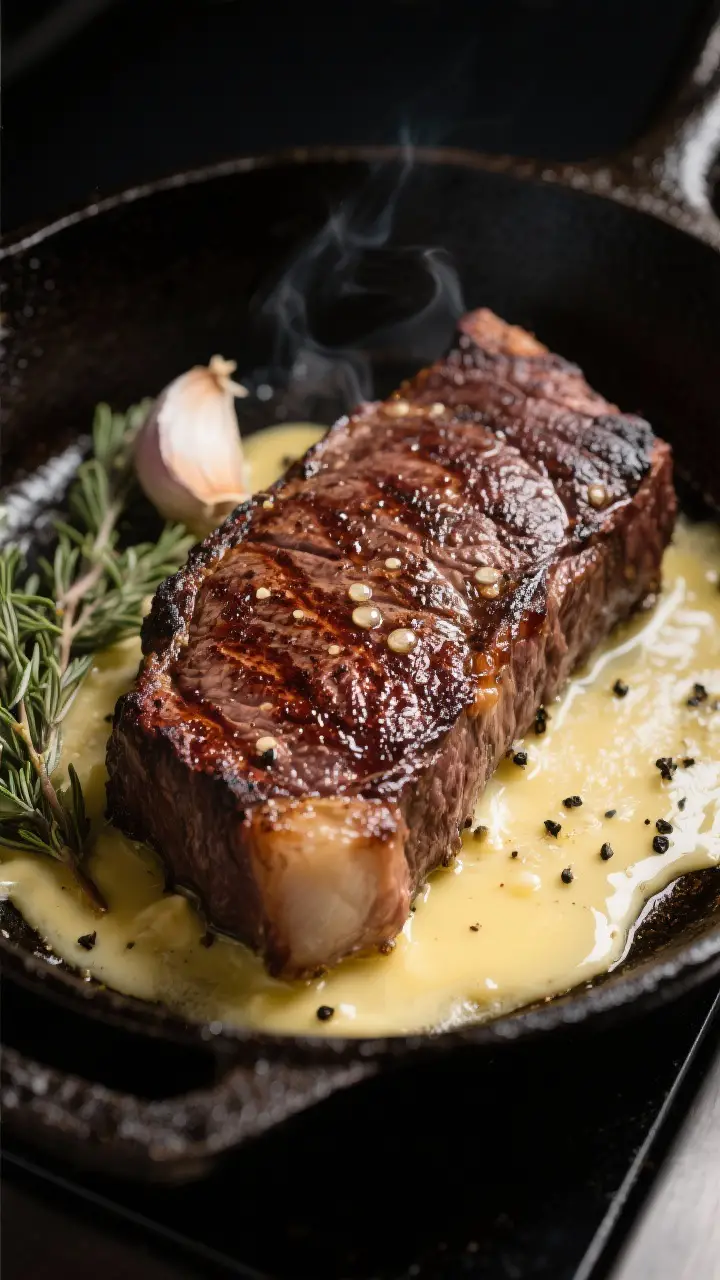
This recipe leans on a few simple tricks that deliver reliable results. A dry surface and hot pan create a deep, flavorful crust without overcooking the inside.
Basting with butter, garlic, and herbs adds richness and aroma while helping the steak cook evenly. Resting the steak at the end keeps the juices where they belong—inside the meat. The result is a steak that’s tender, juicy, and full of beefy character.
What You’ll Need
- 1–2 strip steaks (New York strip), 1 to 1.5 inches thick
- Kosher salt and freshly ground black pepper
- 1–2 tablespoons high-heat oil (canola, avocado, or grapeseed)
- 2 tablespoons unsalted butter
- 2–3 garlic cloves, lightly crushed
- Fresh herbs (thyme or rosemary, optional but recommended)
- Flaky salt (optional, for finishing)
- Equipment: heavy skillet (cast iron or stainless steel), tongs, instant-read thermometer (helpful), spoon
Step-by-Step Instructions
- Bring the steak to room temp. Take the steaks out of the fridge 30–45 minutes before cooking.
Pat them very dry with paper towels. Dry surfaces sear better and faster.
- Season generously. Sprinkle both sides with kosher salt and black pepper. Don’t be shy—some of it won’t stick, and you want a well-seasoned crust.
- Preheat the pan until very hot. Set a heavy skillet over medium-high heat for 3–5 minutes.
Add the oil and let it shimmer. A hot pan is key for a deep, even sear.
- Sear the first side. Lay the steak in the pan away from you. Press gently for 2–3 seconds to ensure full contact.
Cook without moving it for 2–3 minutes, or until a dark brown crust forms.
- Flip and add flavor. Turn the steak. Add butter, crushed garlic, and herbs to the pan. Tilt the pan slightly and use a spoon to baste the steak with the foaming butter.
- Cook to your target doneness. Continue cooking 1–3 minutes on the second side, basting frequently.
Use an instant-read thermometer for accuracy: 120–125°F for rare, 130–135°F for medium-rare, 140–145°F for medium. Remember the temp will rise a few degrees as it rests.
- Render the fat cap (optional but great). Use tongs to hold the steak upright and sear the fatty edge for 20–30 seconds to crisp it up.
- Rest the steak. Transfer to a plate or rack and rest 5–10 minutes. This keeps the juices from spilling out when you cut it.
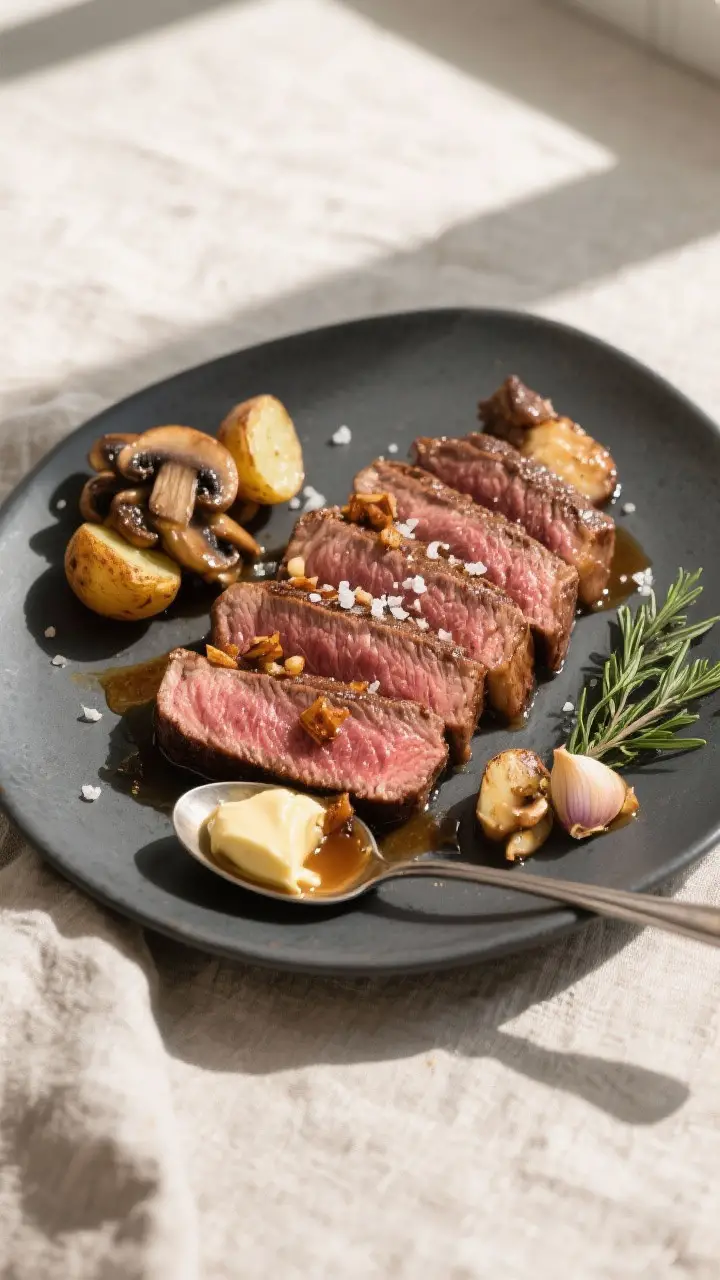
- Slice and finish. Slice against the grain.
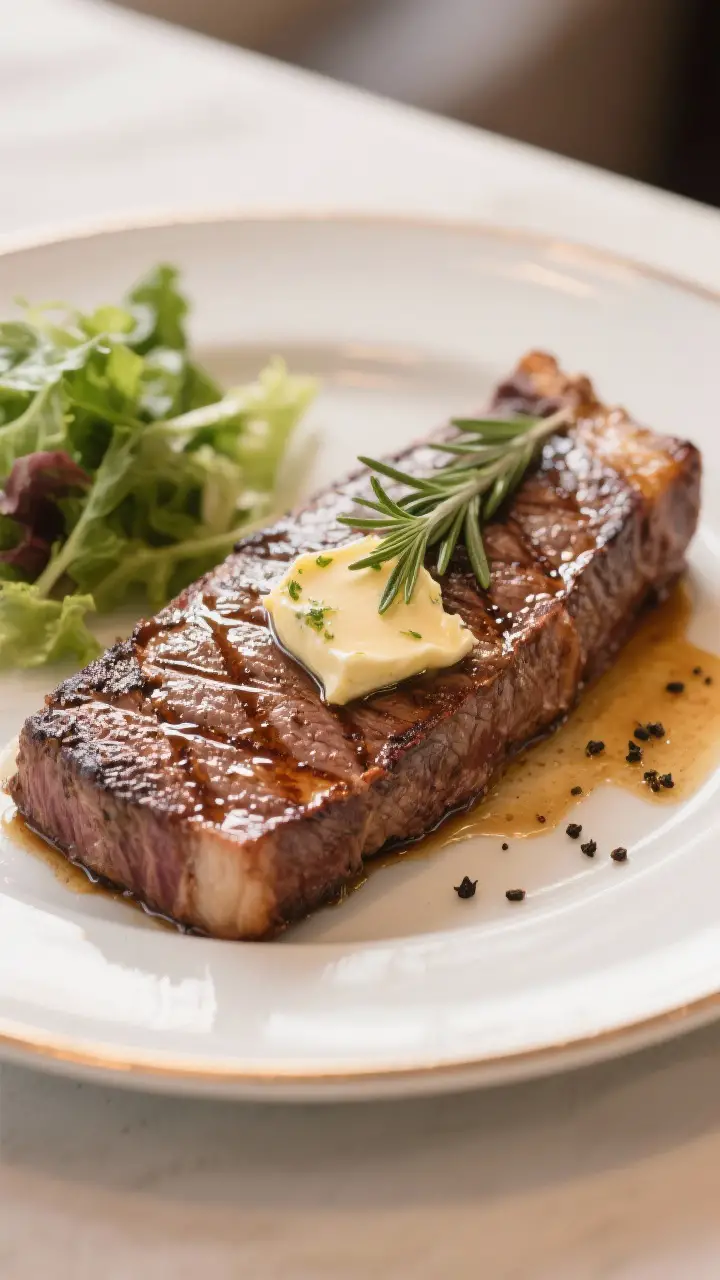
Spoon any pan butter over the top and sprinkle with a little flaky salt if you like.
- Serve simply. Great with a green salad, roasted potatoes, sautéed mushrooms, or a bright chimichurri.
How to Store
- Refrigerate: Cool completely, then store in an airtight container for up to 3 days.
- Reheat: Warm gently in a low oven (275°F) until just heated through, about 10–12 minutes, or slice and reheat quickly in a hot skillet with a splash of butter.
- Freeze: Wrap tightly and freeze for up to 2 months. Thaw overnight in the fridge, then rewarm as above. For best texture, enjoy fresh.
Benefits of This Recipe
- Fast and reliable: From start to finish in about 20 minutes.
- Restaurant-quality at home: That crisp crust and juicy center are hard to beat.
- Simple ingredients: Salt, pepper, butter, and garlic do the heavy lifting.
- Flexible doneness: Easy to tailor from rare to medium without guesswork.
- Minimal cleanup: One pan, a few tools, and you’re done.
Common Mistakes to Avoid
- Pan not hot enough: A lukewarm pan steams the steak and prevents browning.
Preheat thoroughly.
- Wet steak: Moisture fights the crust. Pat very dry before seasoning.
- Overcrowding: Cooking multiple steaks in a small pan drops the temperature. Cook in batches if needed.
- Skipping the rest: Cutting too soon pushes out the juices.
Rest at least 5 minutes.
- Overcooking butter: Add butter after the initial sear so it doesn’t burn before basting.
- Guessing doneness: Use a thermometer for consistent results.
Alternatives
- Grilled strip steak: Preheat grill to high. Sear over direct heat 2–3 minutes per side, then move to indirect heat to finish to temp. Rest and slice.
- Reverse sear: For extra-thick steaks (1.75–2 inches), cook in a 250°F oven until 10°F below target, then sear in a hot pan with butter for 45–60 seconds per side.
- Seasoning swaps: Try Montreal steak seasoning, smoked salt, or a coffee-chile rub.
Keep sugar low to avoid burning.
- Sauce ideas: Chimichurri, garlic-herb butter, peppercorn sauce, or a quick pan sauce with stock and a splash of wine reduced in the skillet.
- Dairy-free: Use oil only and finish with a drizzle of olive oil and lemon. Add fresh herbs for aroma.
FAQ
What is a strip steak?
Strip steak, also called New York strip or Kansas City strip, comes from the short loin. It’s a tender, well-marbled cut with bold beef flavor and a firm, satisfying bite.
How thick should the steak be?
About 1 to 1.5 inches is ideal for pan-searing.
Thinner steaks cook too quickly and can overcook before developing a good crust. Thicker steaks are best with reverse sear.
Do I need to marinate a strip steak?
No. The cut is naturally flavorful and tender.
A simple salt and pepper seasoning lets the beef shine. If you want extra flavor, use a dry rub or finish with a sauce.
Can I use butter from the start?
Wait until after the initial sear. Butter has milk solids that burn at high heat.
Start with oil, then add butter, garlic, and herbs for basting once the crust forms.
How do I know when it’s done without a thermometer?
Use the finger test for firmness, but it takes practice. For consistency, a thermometer is the most reliable tool. Aim to pull the steak about 5°F below your target to account for carryover cooking.
Should I trim the fat cap?
Leave most of it on for flavor.
You can trim any excessively thick portions, but rendering the fat cap in the pan adds richness and a delicious crispy edge.
Why is my steak gray instead of browned?
The pan likely wasn’t hot enough, or the steak was wet. Make sure the surface is dry and the pan is properly preheated. Don’t overcrowd the pan, and avoid moving the steak too early.
Is cast iron necessary?
Cast iron is great because it retains heat well, but a heavy stainless-steel skillet also works.
Avoid nonstick over high heat.
What oil should I use?
Use a neutral, high-smoke-point oil like canola, grapeseed, or avocado oil for the initial sear. Save flavorful oils like olive oil for finishing.
Can I cook it in the oven only?
You can, but you’ll miss that signature crust. If you must, broil on high and place the steak close to the heat, flipping once, to mimic a sear.
Wrapping Up
A great strip steak doesn’t require a long ingredient list or complicated steps.
With high heat, simple seasoning, and a quick butter baste, you’ll get a beautiful crust and a tender, juicy center every time. Keep the pan hot, rest the meat, and slice against the grain. Once you master this method, steak night becomes easy and consistently impressive.
Printable Recipe Card
Want just the essential recipe details without scrolling through the article? Get our printable recipe card with just the ingredients and instructions.